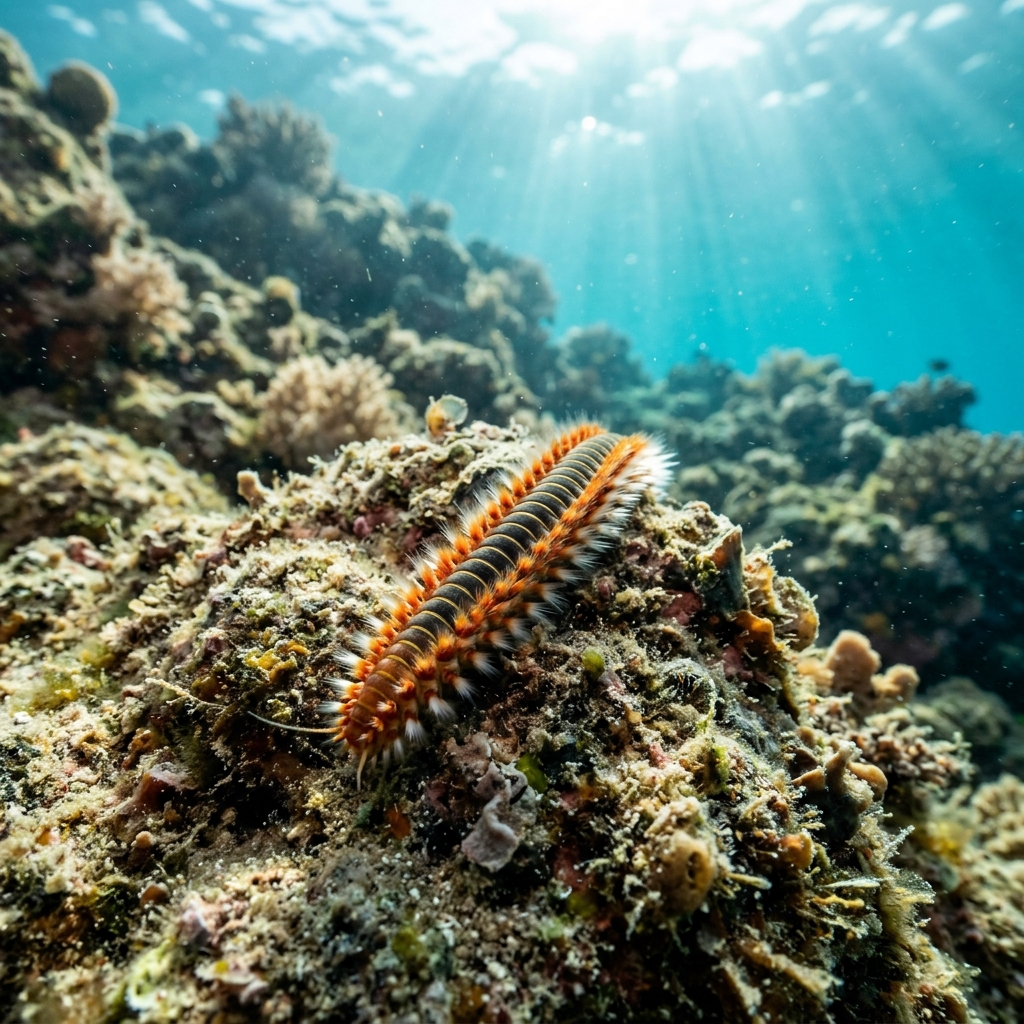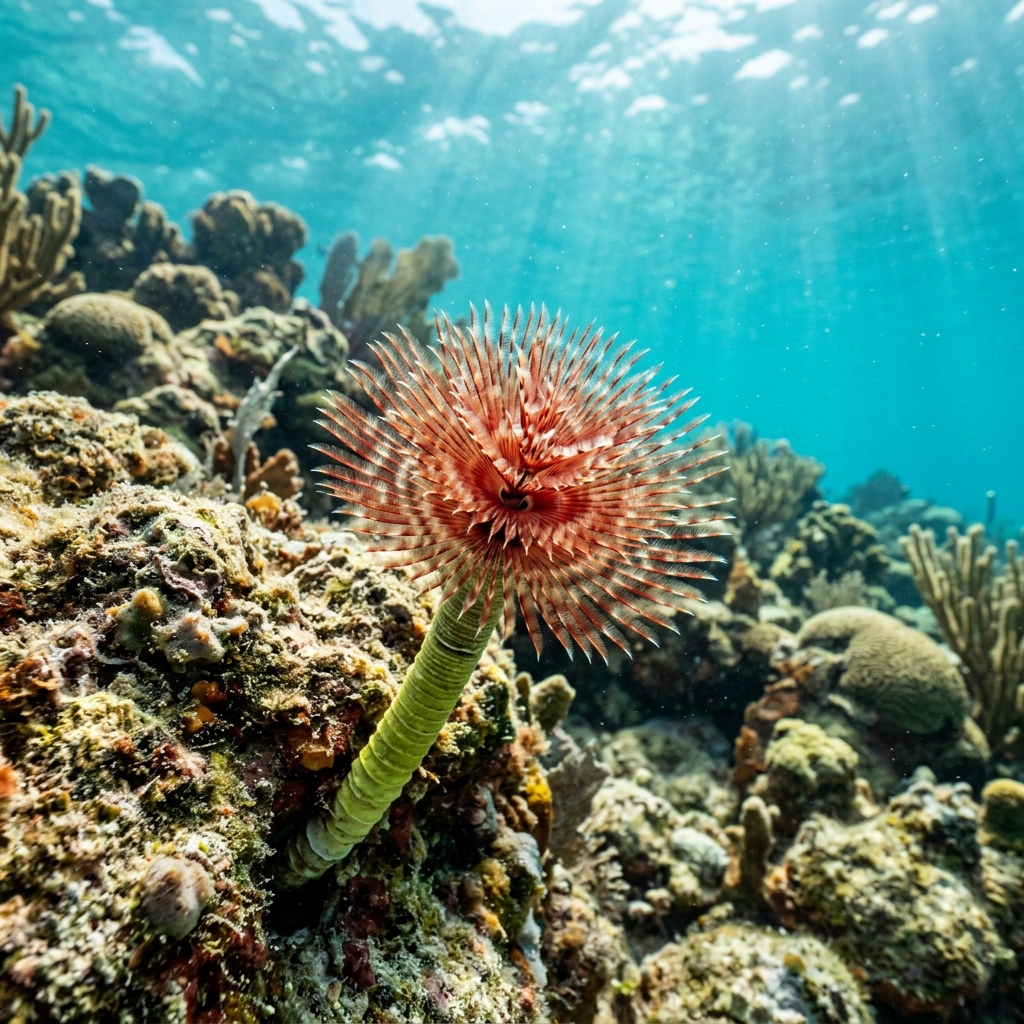
Serpulidae spp.
Spot tube worms across the French Riviera, Costa Brava and beyond. Year-round in Northern Hemisphere waters from 7.7 to 22.1°C. ID tips inside.
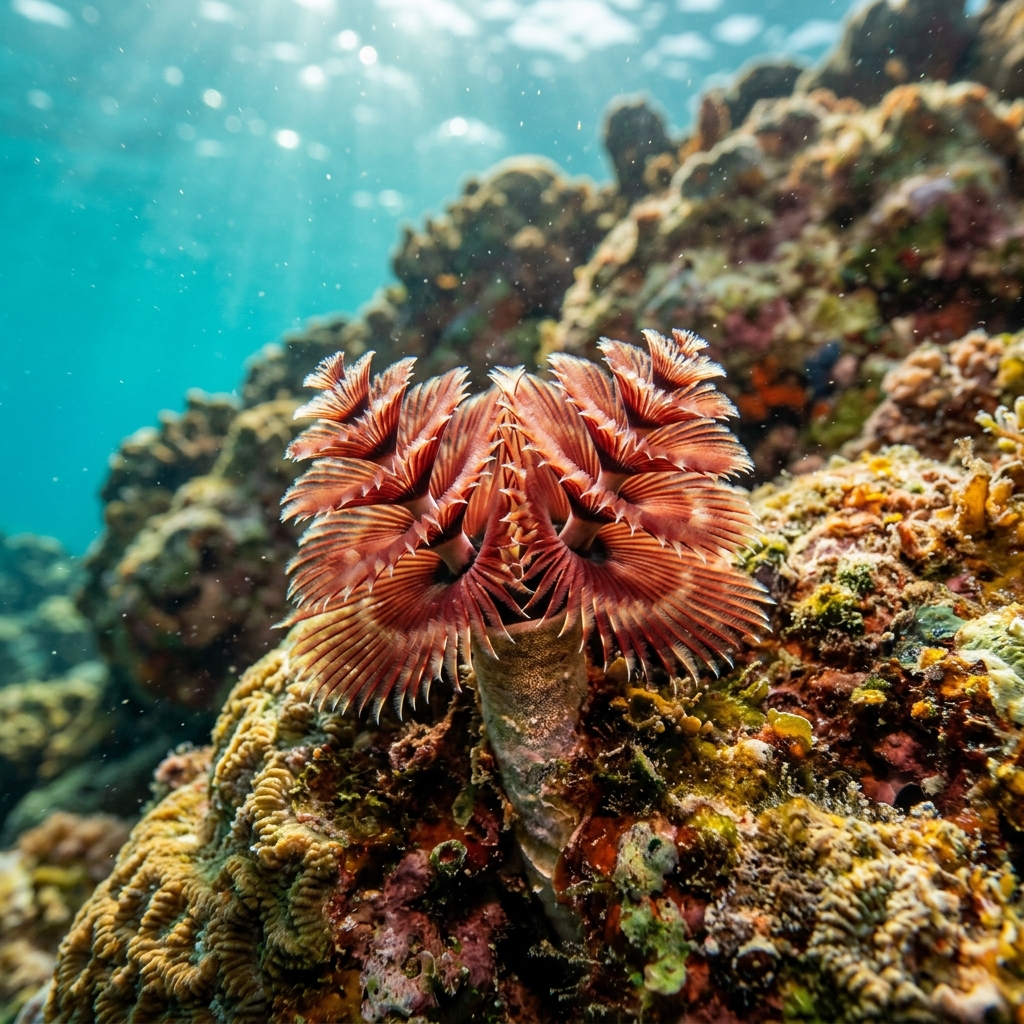
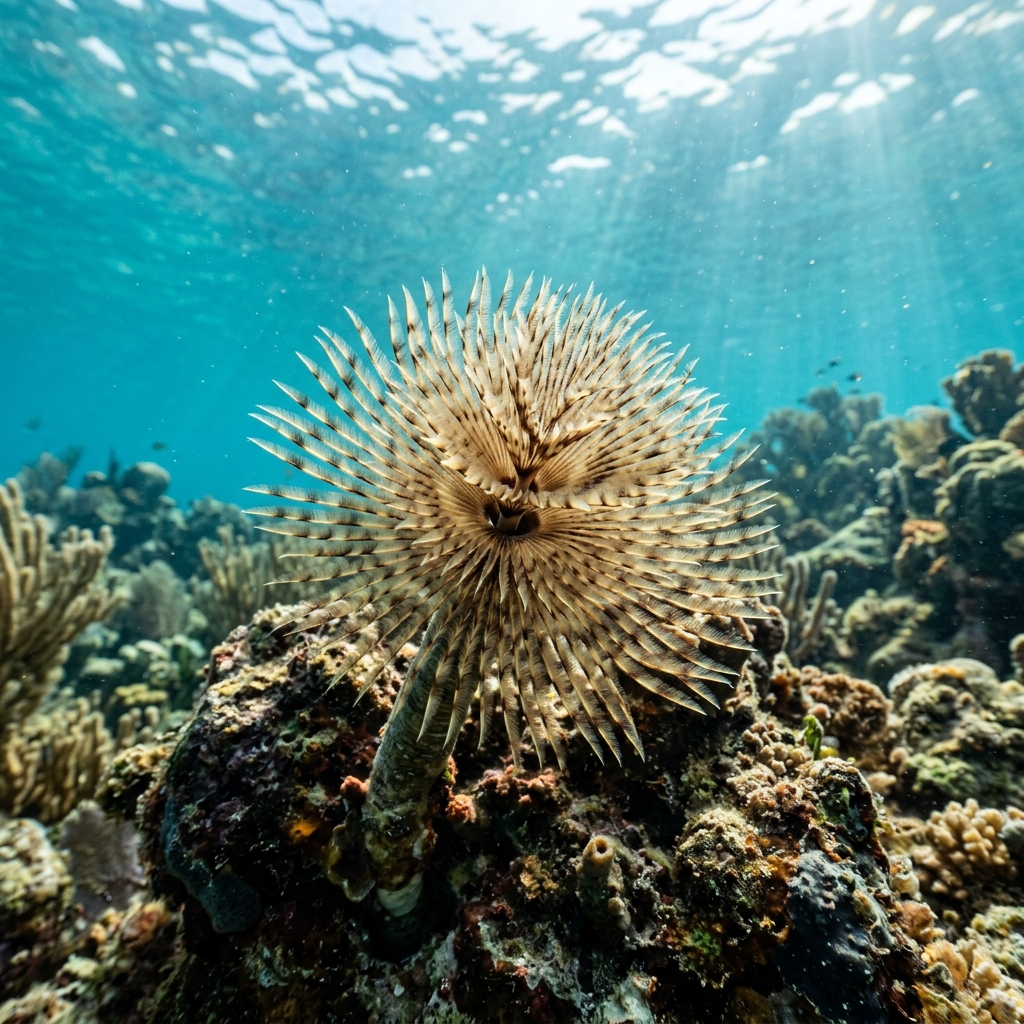
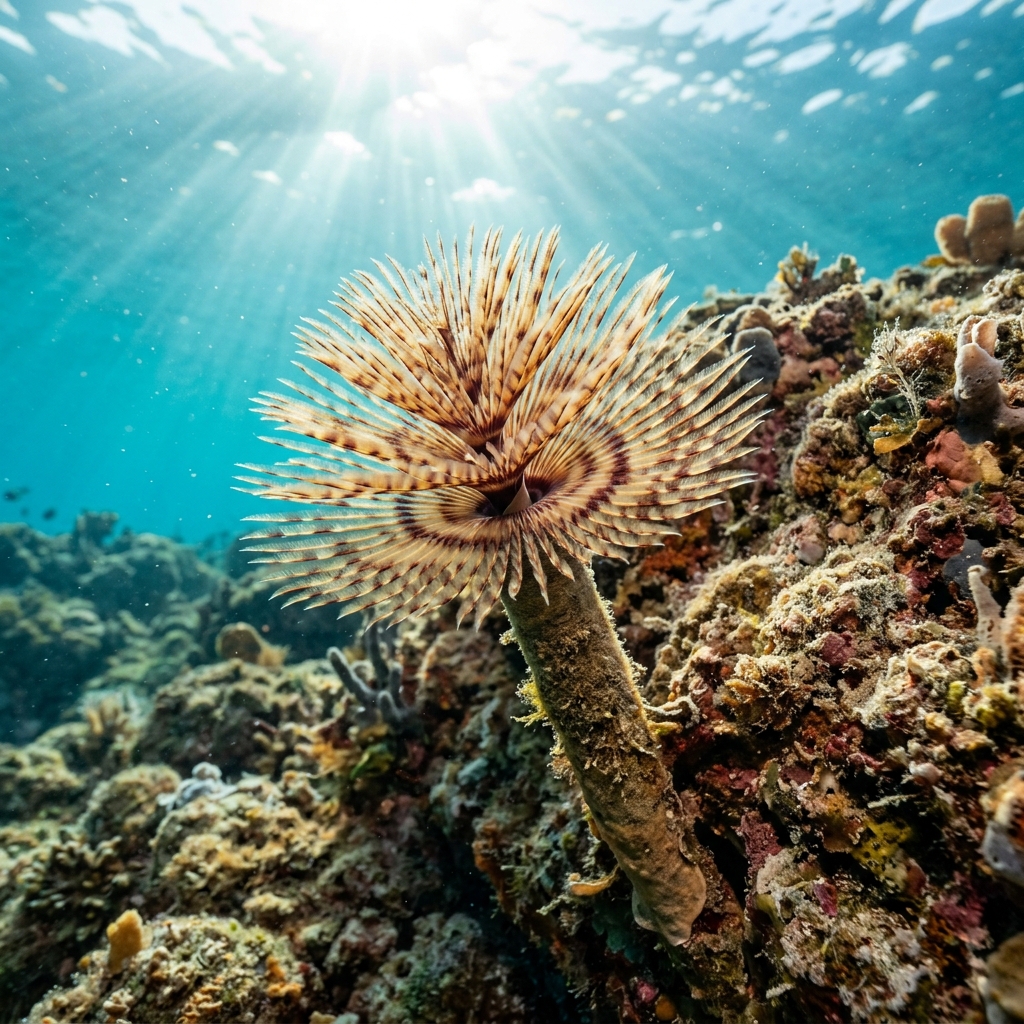
Tube worms reveal themselves as a ring of feathery, fan-shaped radioles (feeding tentacles) projecting from a hard, white or grey calcified tube fixed to rock or reef. The radioles vary widely across the family, from bold reds, oranges and whites to banded spirals, and are the part a diver actually sees. Touch the water near one and it snaps back into its tube in an instant. The tubes themselves are often clustered together, creating a dense, encrusting mat on hard substrate.
You will typically find tube worms attached to rocky walls, boulders, pier pilings or hard coral surfaces, filter-feeding with their radioles fanned out into the current. They are extremely sensitive to shadows and pressure waves, retracting completely and almost instantaneously when a diver approaches too quickly. Moving slowly and keeping your bubbles controlled gives you a much better chance of watching them feed undisturbed.
Each tube is built by the worm itself, secreted from glands and hardened into a permanent limestone structure the animal never leaves. Some species can seal the opening with a specialised plug called an operculum when threatened, effectively closing a trapdoor behind them.
In the Northern Hemisphere, tube worms are present year-round with no concentrated season, which fits their tolerance for cold to cool temperate water from 7.7 to 22.1°C. In the Southern Hemisphere, sightings concentrate between November and May.
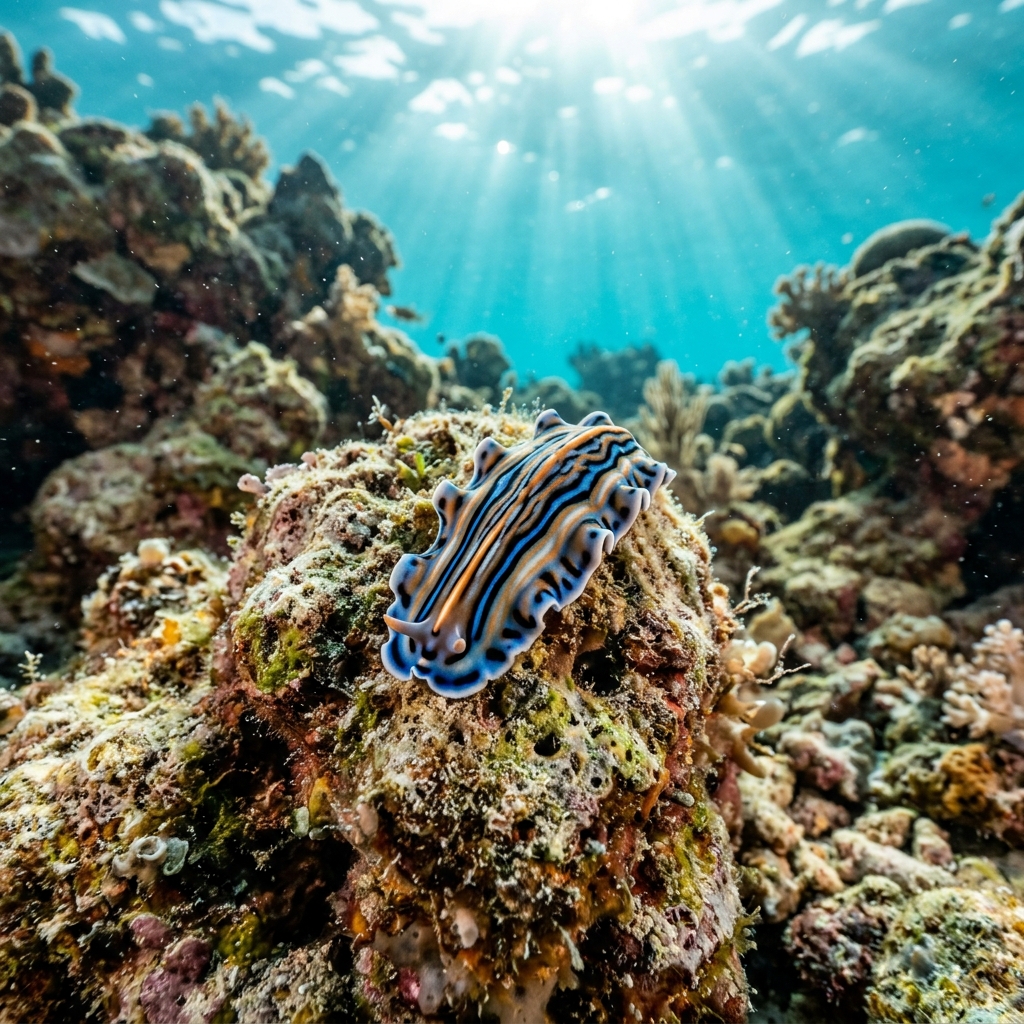
Reef neighbours a diver could mistake it for. Use the identification notes above to tell them apart.
Tube worms are most commonly logged across Mediterranean Europe, with the French Riviera and Provence, Costa Brava and Sardegna and Tuscany standing out as particularly strong regions. They are also well-represented in UK and British waters, the Kvarner Gulf in Croatia, and along both coasts of the United States. France, Spain and Italy lead globally, but sightings extend across a wide range of temperate countries worldwide.
Mapping where Tube Worm is logged…
Tube worms are found across a broad stretch of temperate seas. The French Riviera and Provence, Costa Brava, and Croatian Kvarner Gulf are among the top regions. They are also reliably logged in UK waters, along the US coastlines, and throughout the Mediterranean.
In the Northern Hemisphere, tube worms can be seen year-round with no peak season. Southern Hemisphere divers see the most sightings between November and May.
Look for a ring of feathery radioles projecting from a hard white or grey tube fixed to rock. The radioles retract instantly when disturbed, which is one of the most reliable clues. Colours vary from white and red to banded spirals depending on the species within the family.
Size varies considerably across the Serpulidae family. Most species a diver encounters have radiole crowns a few centimetres across, though the tubes can extend several centimetres into the substrate. Clusters of many individuals can cover large patches of reef.
Tube worms have no eyes in the conventional sense but detect changes in light and water pressure through sensory cells on their radioles. This triggers a rapid muscular contraction that pulls the entire crown back into the tube in a fraction of a second, which is a key defence against predators. Approaching slowly and avoiding sudden movements or fin kicks gives you the best chance of observing them feeding.
Site and sighting data is aggregated from diver logs, iNaturalist and GBIF. For taxonomy and conservation status:
Christmas Tree Worm
2,154 sites