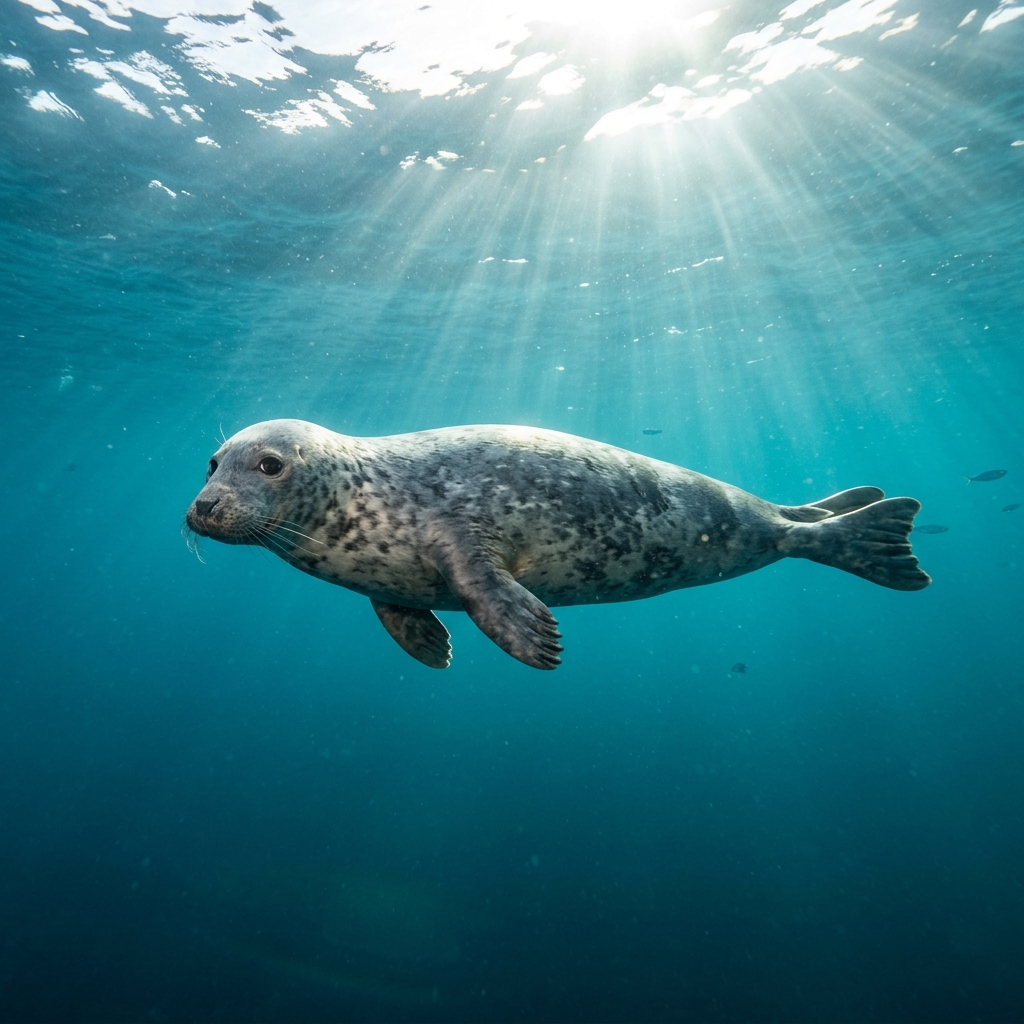
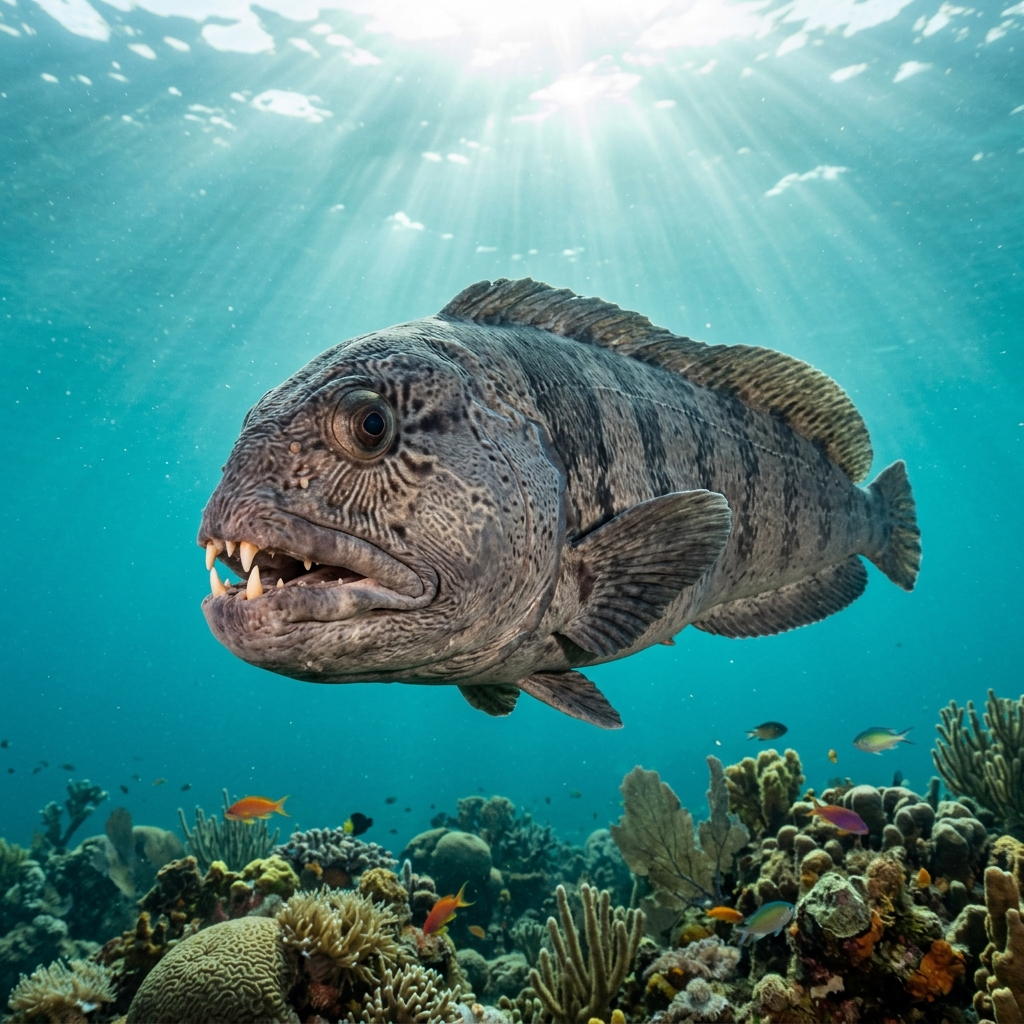
St Abbs Marine Reserve offers a dense concentration of reef, wall, cave, kelp forest and wreck diving across sites that suit everyone from first-time divers to those seeking deeper boat dives. Gray Seal, Atlantic Wolffish and Pollack are reliably encountered, with Brittle Star and Giant Green Anemone blanketing much of the rock. Shore access is available at several sites, while deeper sites such as Glanmire require a boat. Visibility and water temperature peak through late spring and summer.
Monthly water temperature across St Abbs Marine Reserve's sites, from satellite sea-surface data corrected for depth. The band shows the site-to-site spread.
Water temperature climbs gradually from its winter low into a summer peak during August and September, making a drysuit sensible year-round for comfort. The most productive diving months run from late spring through early autumn, when visibility tends to be at its best and marine life activity is highest. Winter diving is possible but conditions are cold and the number of operators running trips is reduced.
13 operators
United Kingdom
Eyemouth, United Kingdom
United Kingdom
9 more sites to explore
Water temperature around St Abbs Marine Reserve ranges from about 7°C in February to 14°C in August, based on satellite sea-temperature data for its dive sites.
In the warm season (about 14°C) a 7mm or semi-dry suit is comfortable in St Abbs Marine Reserve; in the coldest months (about 7°C) step up to a drysuit.
Fin maps 21 sites in St Abbs Marine Reserve (19 scuba diving sites and 3 snorkelling spots, with some suited to both).
Across St Abbs Marine Reserve's dive sites, May, June, July, August and September are most often reported as the best months to visit.
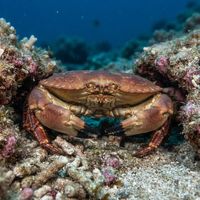
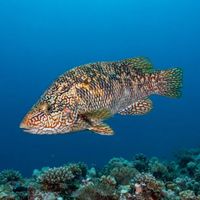
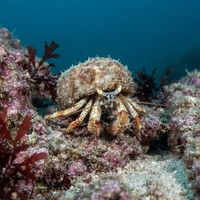
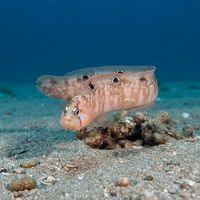
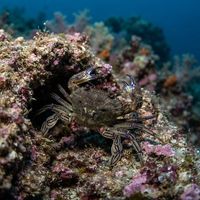
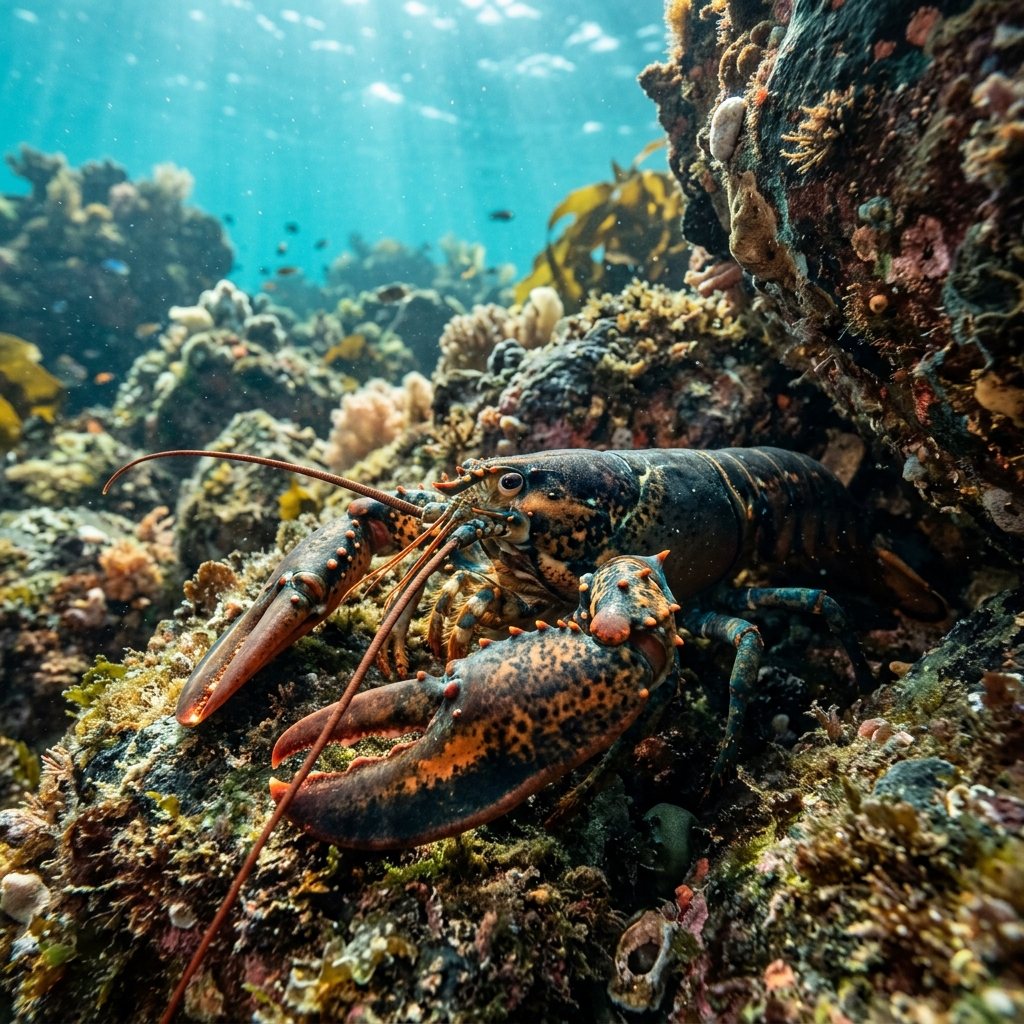
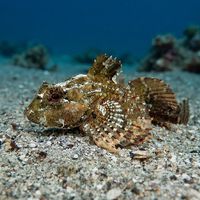
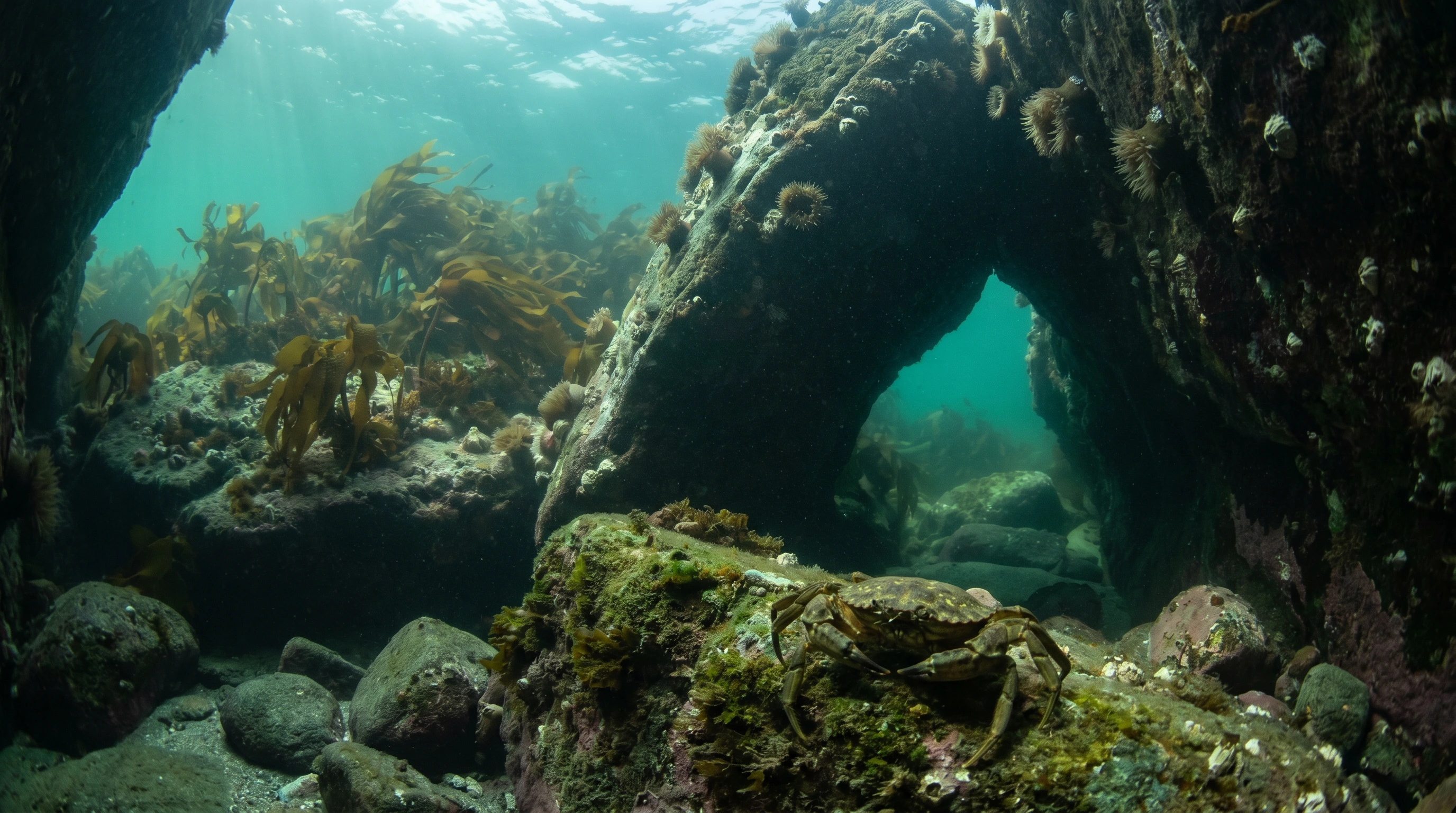
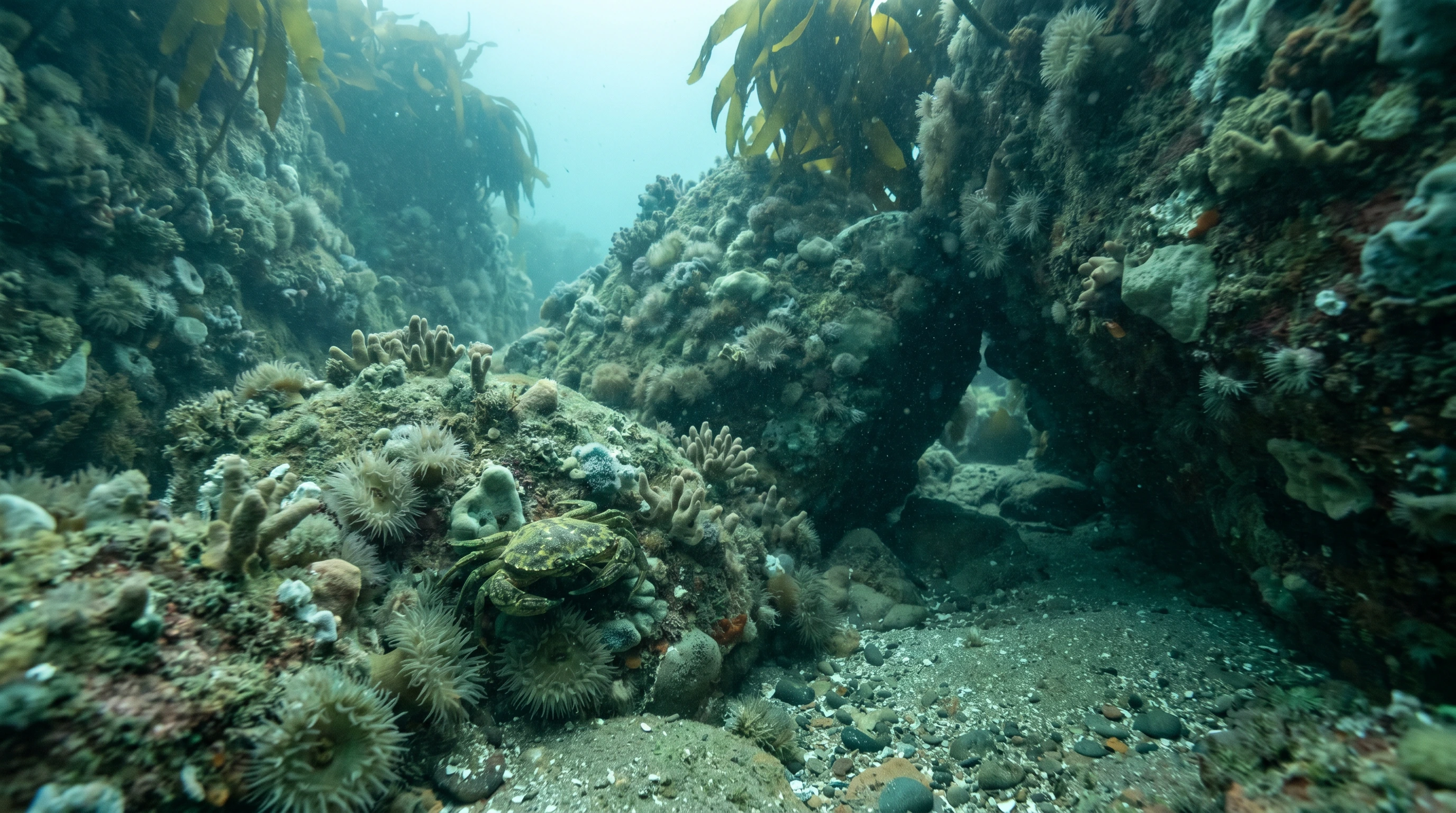
Gray Seal and Pollack are among the most frequently encountered species throughout the reserve. Atlantic Wolffish is a signature sighting, often found sheltering in crevices on the reef. Invertebrate life is rich, with Brown Crab, Common Lobster, Velvet Swimming Crab and Brittle Star appearing across most sites. Nudibranch hunters will want to look out for Hairy Spiny Doris and Antiopella Cristata.
A good number of sites are graded for beginners, including St Abbs Harbour, Cathedral Rock, Big Green Carr and Eyemouth, all offering relatively shallow reef diving with shore or easy boat entry. Intermediate divers have plenty of options too, from the cavern and artificial reef at Tye's Tunnel to the deeper wreck site at Glanmire. The range of skill levels across the site list means visiting groups of mixed experience can usually dive together.
Shore diving is well catered for, with sites including St Abbs Harbour, Green Ends Gully and Eyemouth accessible directly from land. Several other sites offer both shore and boat entry, giving flexibility. Deeper and offshore sites such as Glanmire and Black Carrs require a boat, and there are several local operators including Dive St Abbs, St Abbs Charters and Rock House Diving running trips.
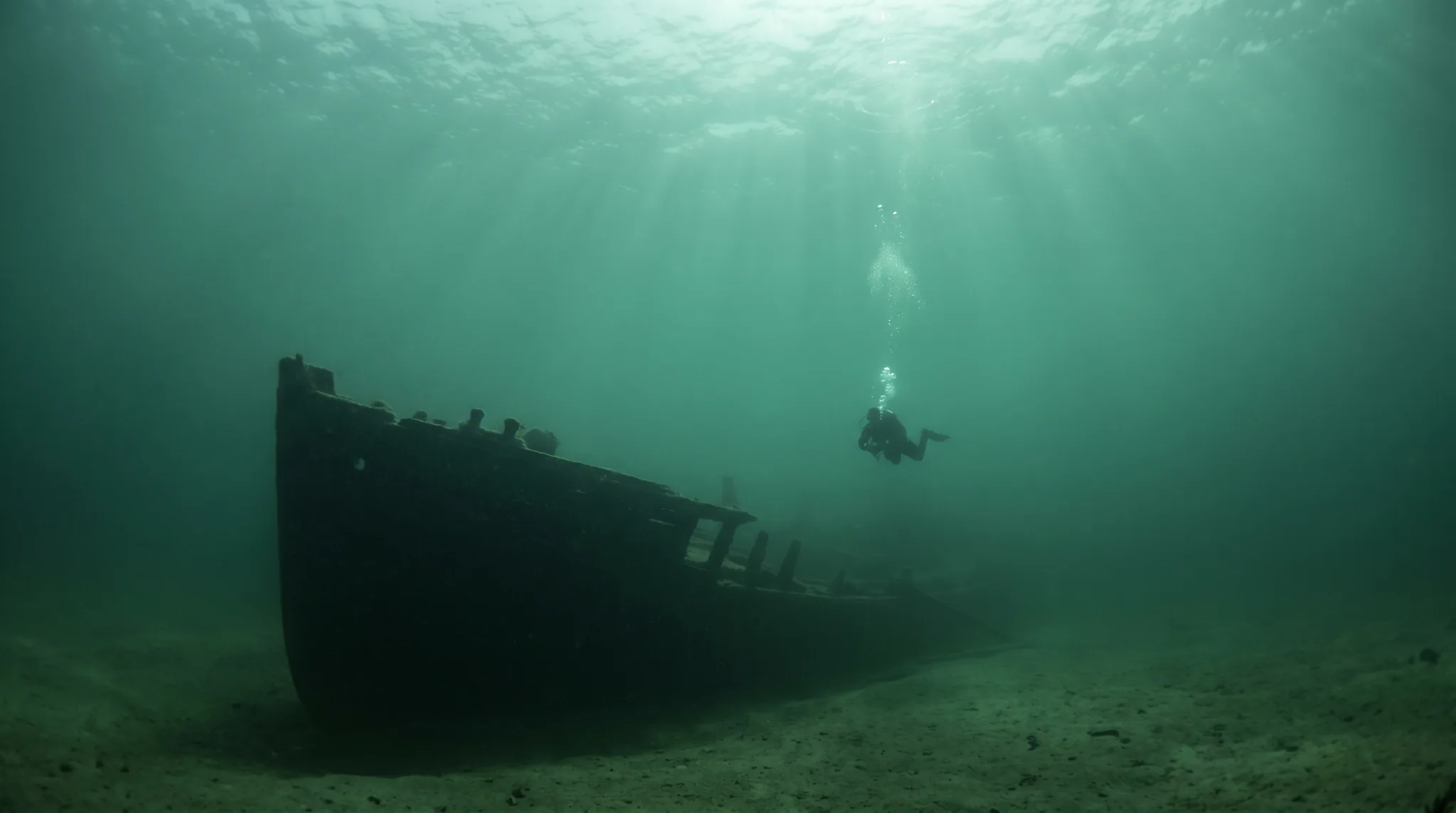
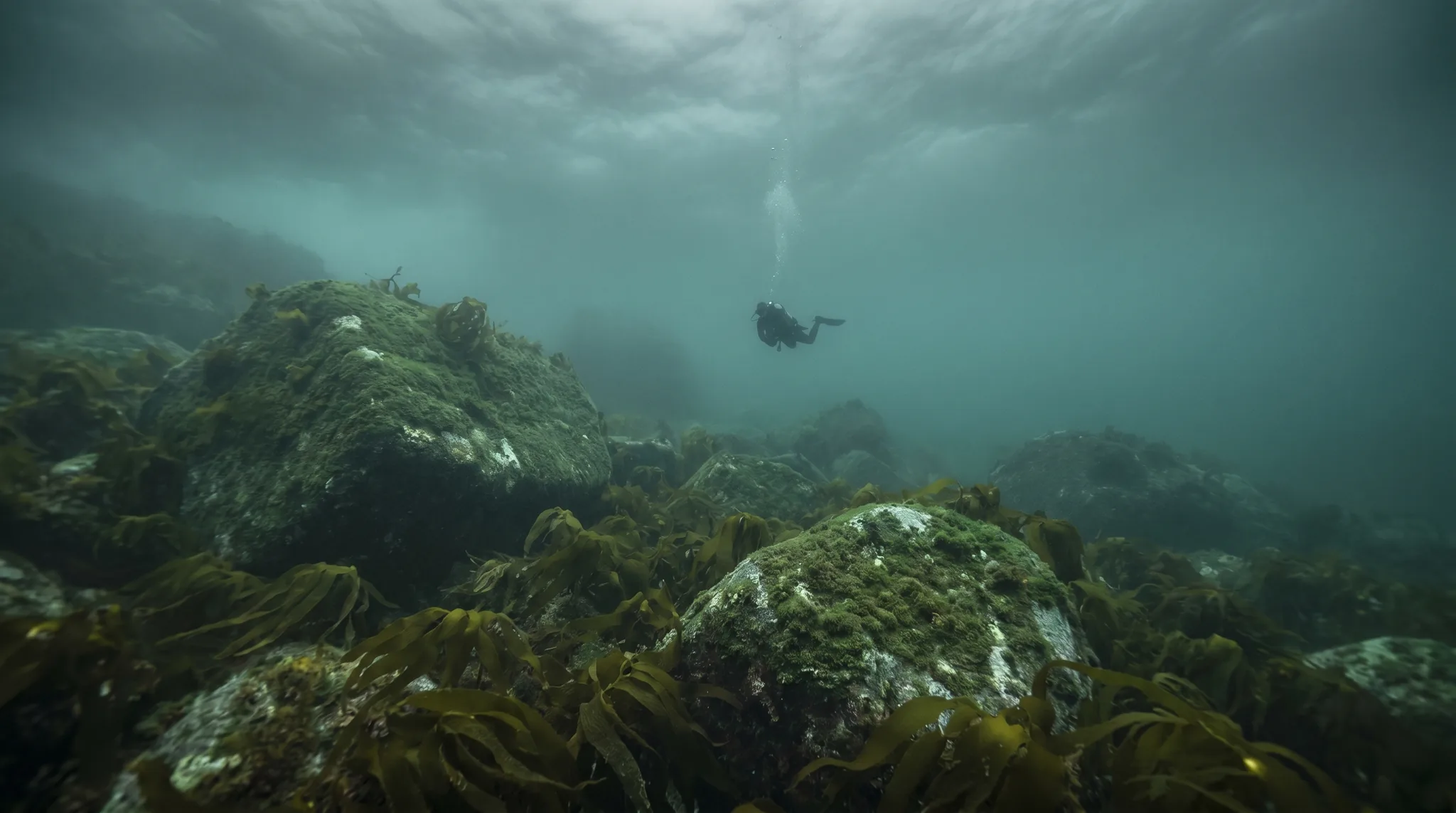
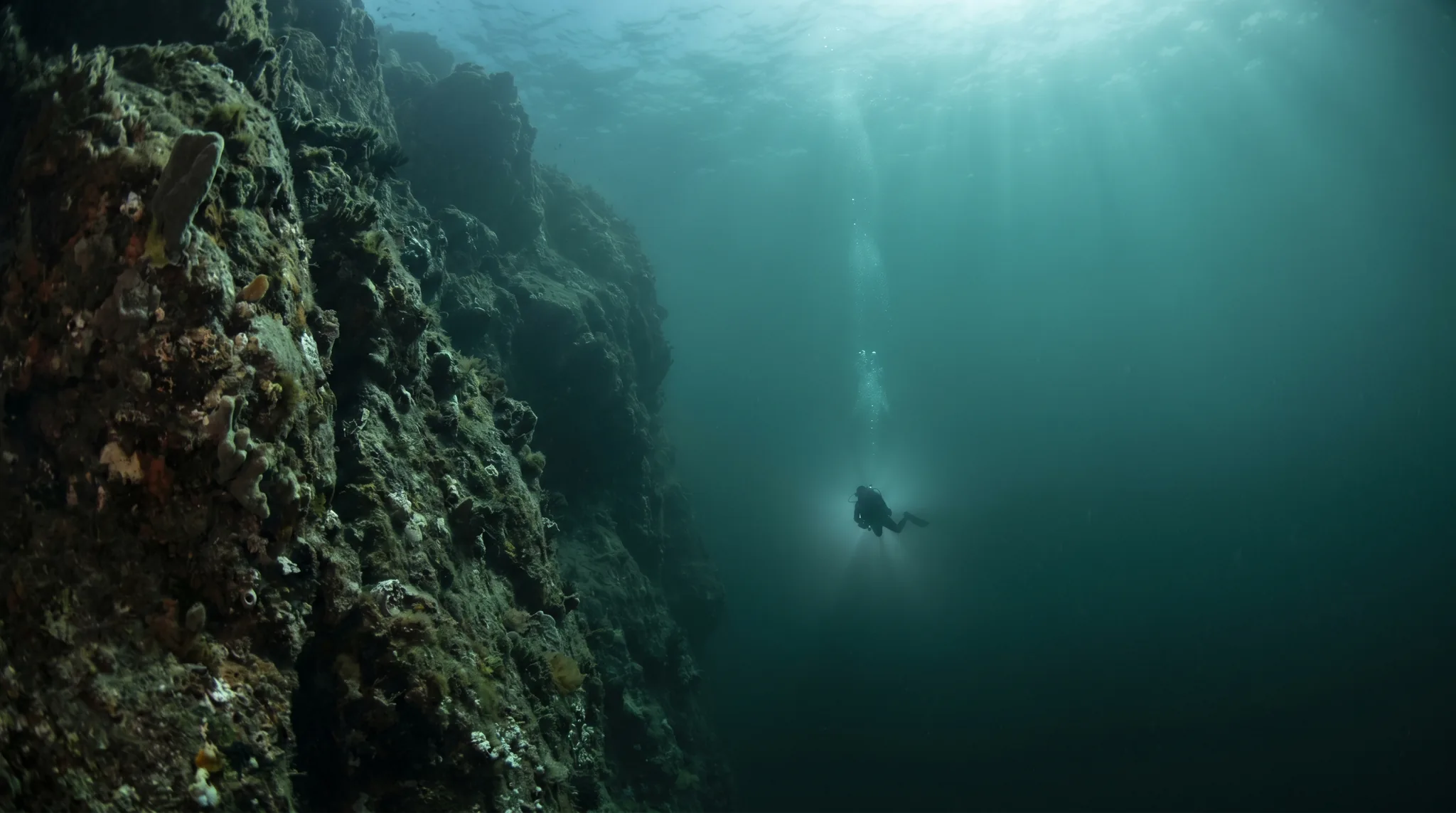
The reserve is defined by rugged reef and wall topography, with caves and caverns adding variety at sites such as Cathedral Rock and Tye's Tunnel. Kelp forest covers shallower ground at St Abbs Harbour and Cathedral Rock. Wreck diving is available at Glanmire and St Abbs Marine Park, while drift diving is possible at Green Ends Gully and other sites when current conditions allow.