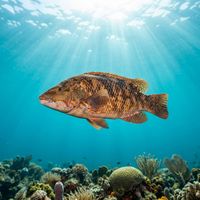
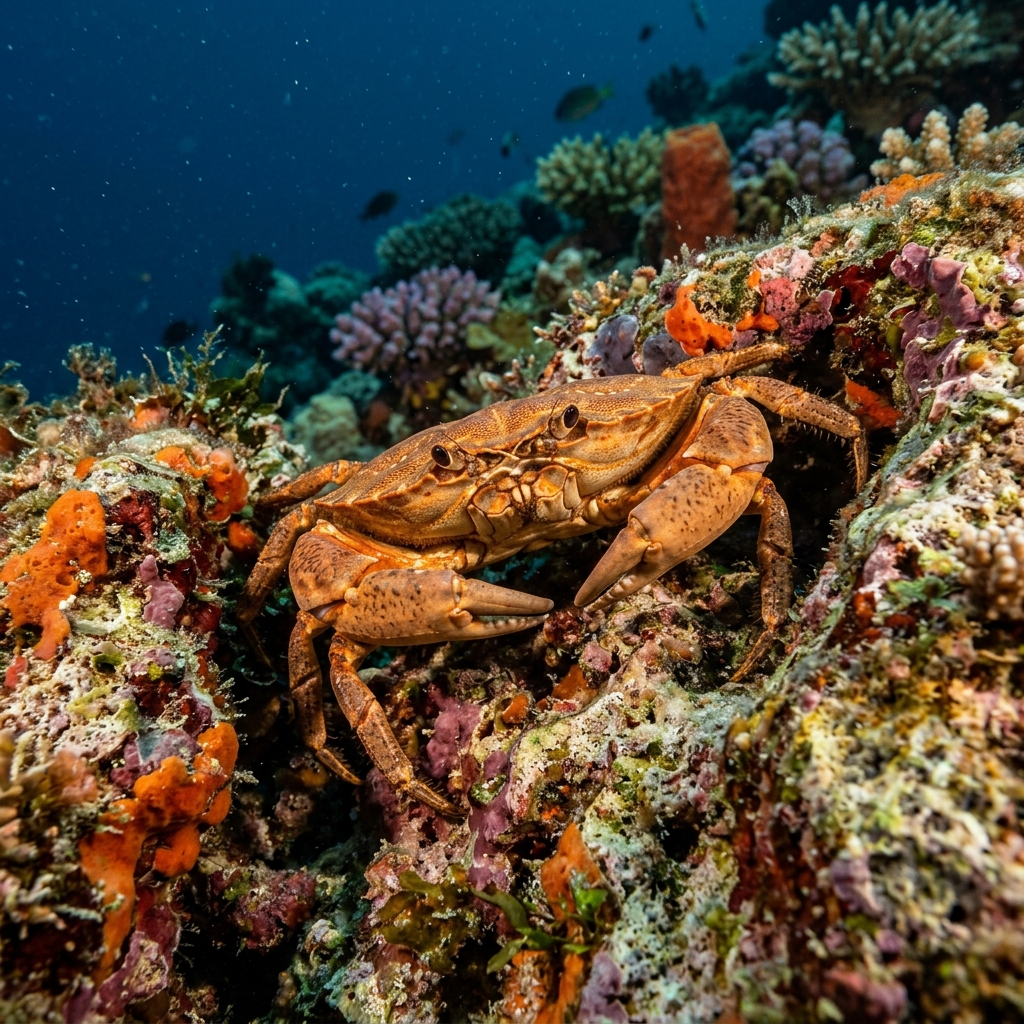
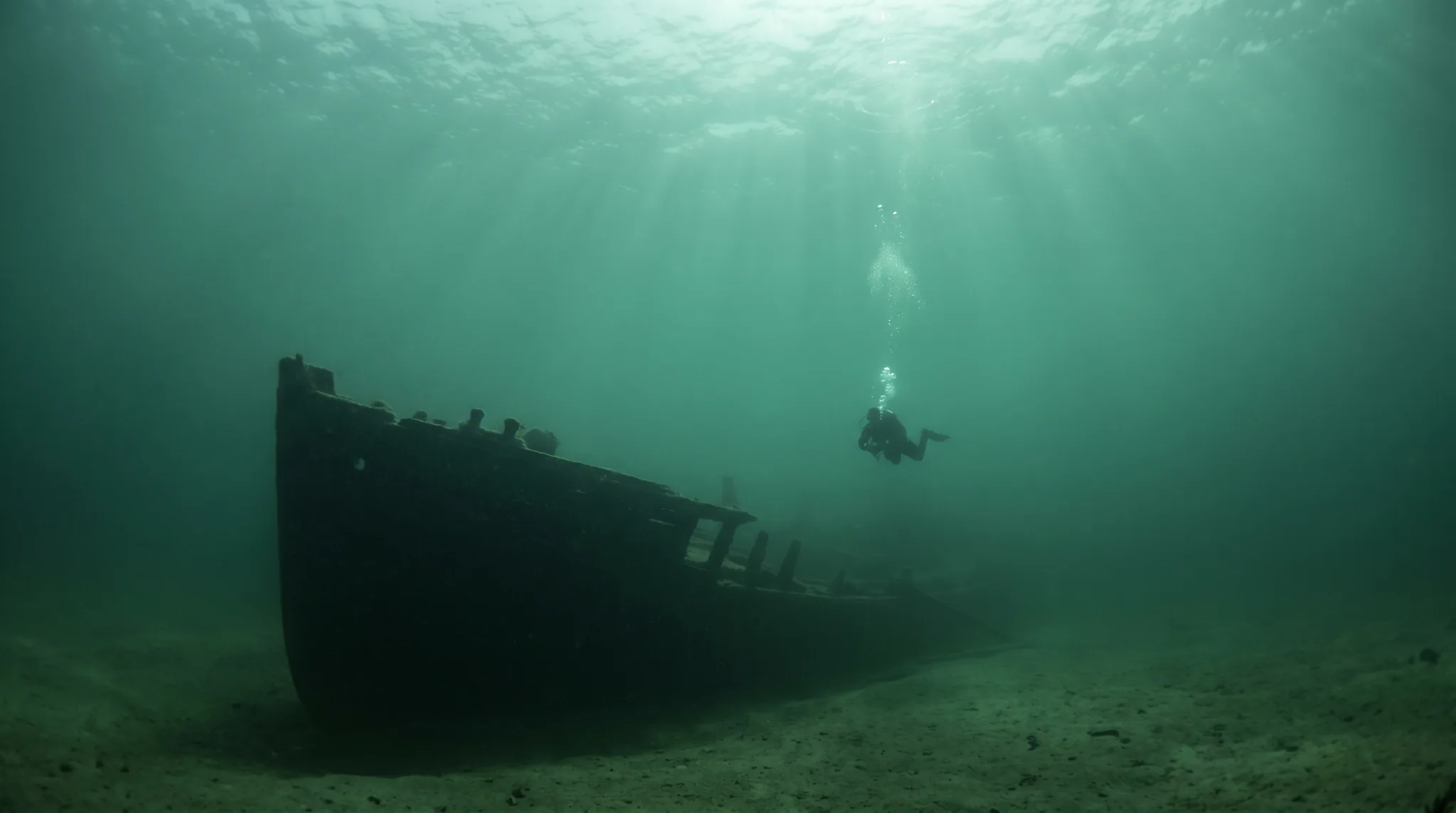
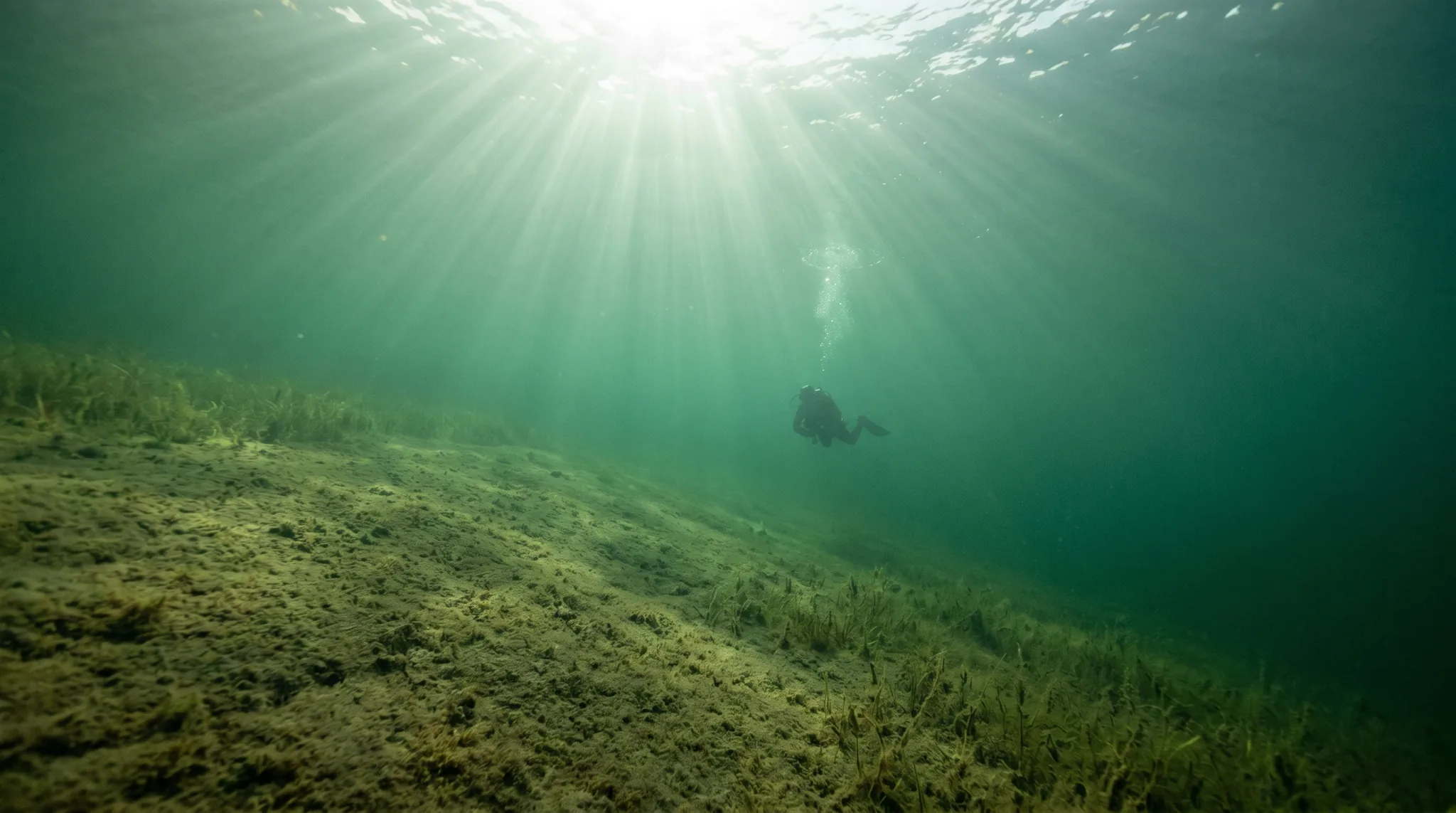
Crimea divides into four distinct sub-areas: Tarkhankut, Sevastopol, Southern Crimea, and Eastern Crimea, each with its own character. The Sevastopol area offers shore-accessible artificial reefs, including a former submarine base where submerged infrastructure sits at shallow depth. Tarkhankut counters with purpose-built artificial reefs such as the Alley of Leaders, reachable from shore or boat. Southern Crimea adds reef and cave diving at intermediate depths. The deep Agnes Blaikie wreck stands apart as a technical challenge. Scorpionfish, Sponge, and Crab are confirmed sightings across the sites.
4 areas
 4
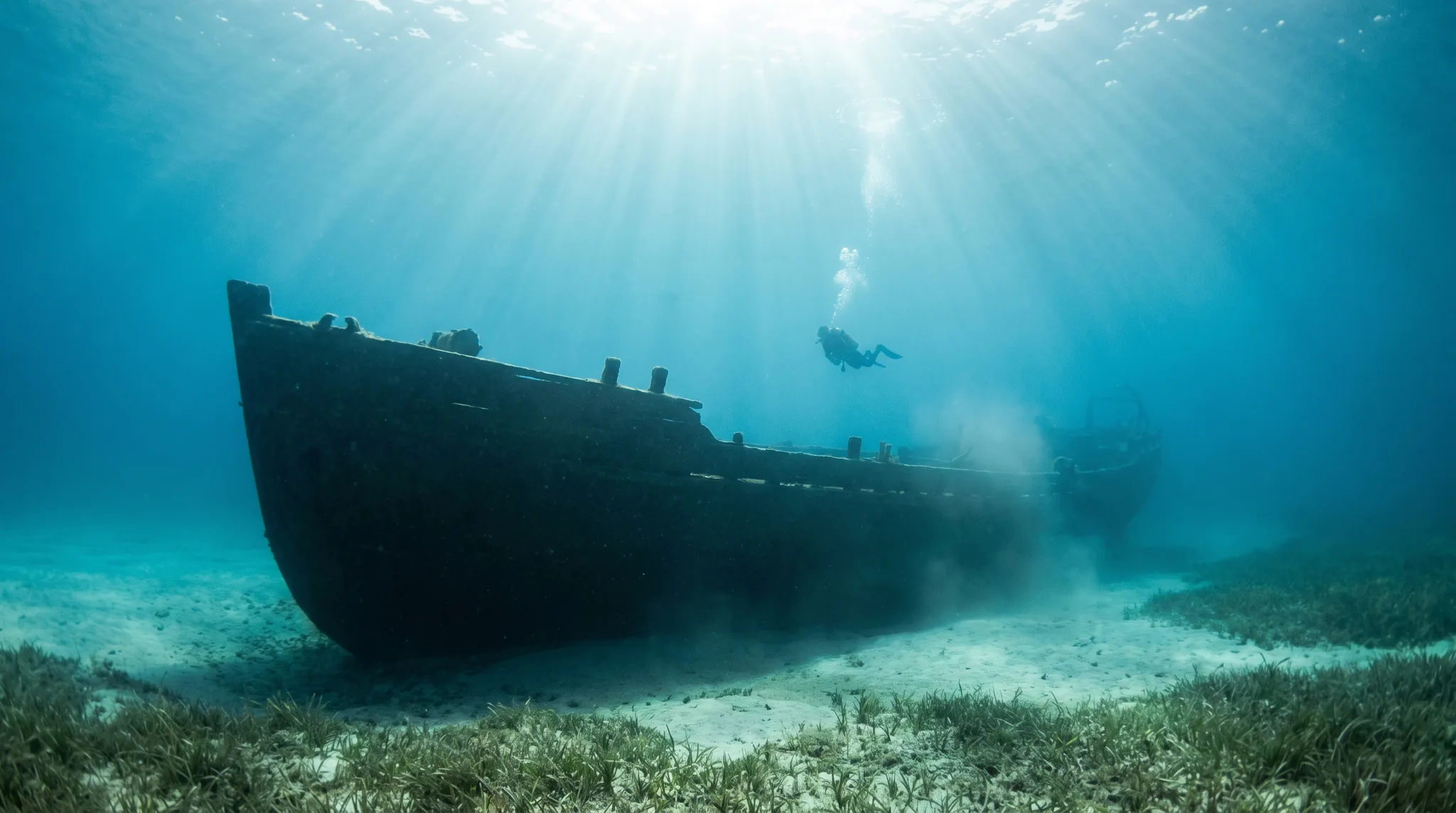
4Black Sea diving on the Tarkhankut Peninsula with wrecks, the Soviet-era Alley of Leaders artificial reef, caves, and reef sites for all levels.
3Sevastopol's Black Sea diving spans a Cold War submarine base, mixed reef and wreck sites, and the deep Agnes Blaikie wreck off Balaklava.
 2
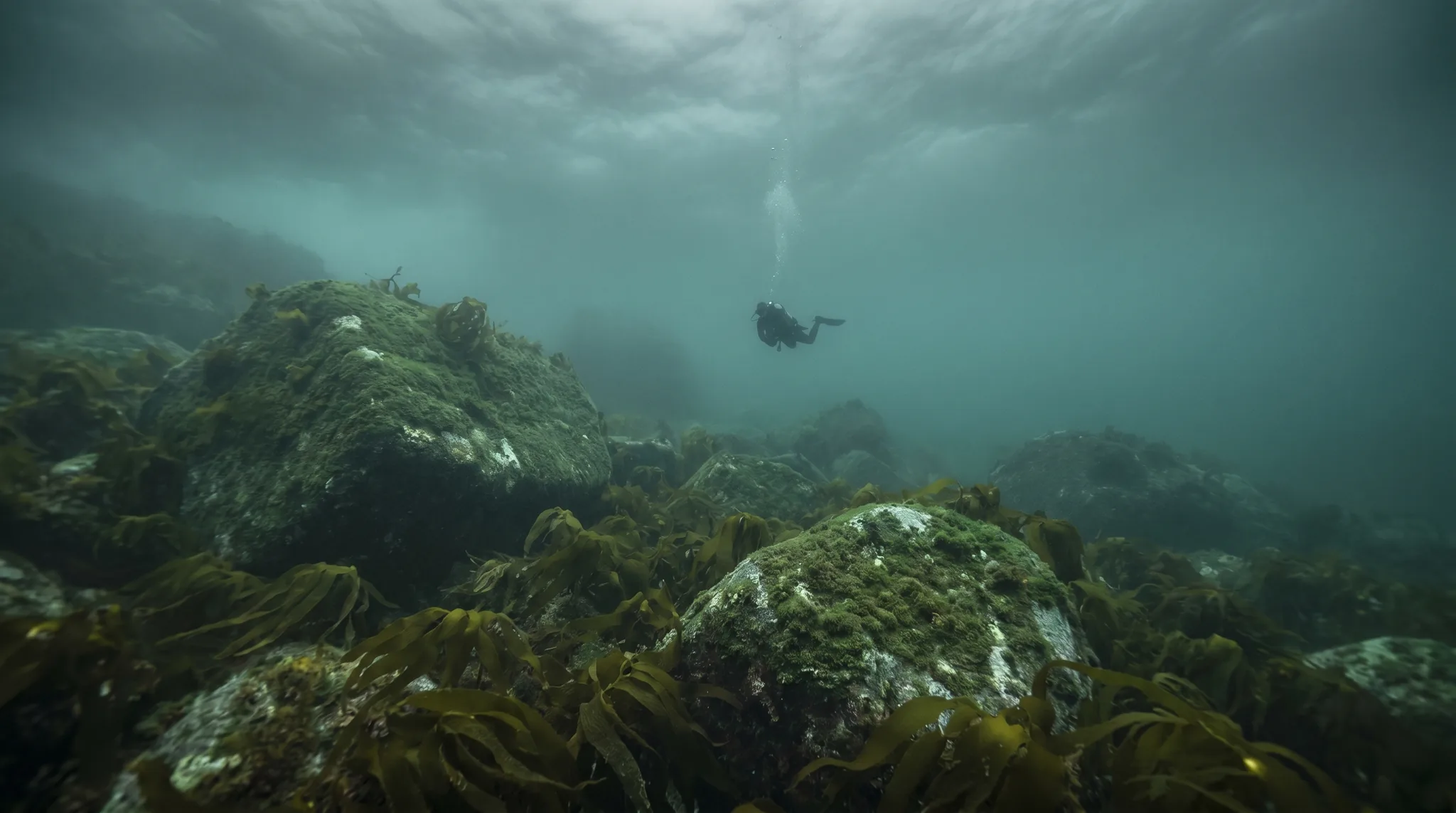
2Boat-access reef and cave diving off Gurzuf in Southern Crimea, with cool Black Sea temperatures, good visibility, and wrasses, gorgonians, and scorpionfish.
2Monthly water temperature across Crimea's sites, from satellite sea-surface data corrected for depth. The band shows the site-to-site spread.
Water temperatures climb steadily from spring through to late summer, reaching their warmest in September, which along with June draws the strongest diver interest. From autumn into winter, temperatures drop noticeably, making a well-chosen exposure suit essential for comfortable diving. The warmest window, broadly June through September, offers the most accessible conditions across all sub-areas.
46 operators

Shore-entry Black Sea diving near Feodosiya and Sudak in Eastern Crimea, with wrecks, reefs, and caves ranging from very shallow to technical depths.
Water temperature around Crimea ranges from about 9°C in February to 21°C in September, based on satellite sea-temperature data for its dive sites.
In the warm season (about 21°C) a 5mm suit is comfortable in Crimea; in the coldest months (about 9°C) step up to a drysuit.
Fin maps 11 sites in Crimea (11 scuba diving sites), organised into 4 areas.
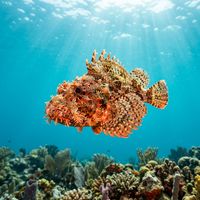
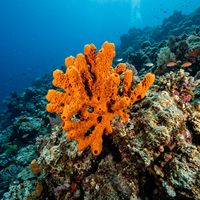
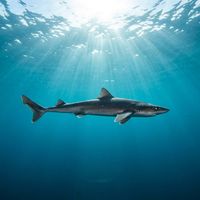
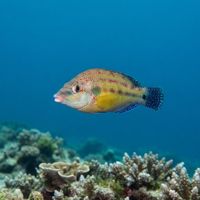
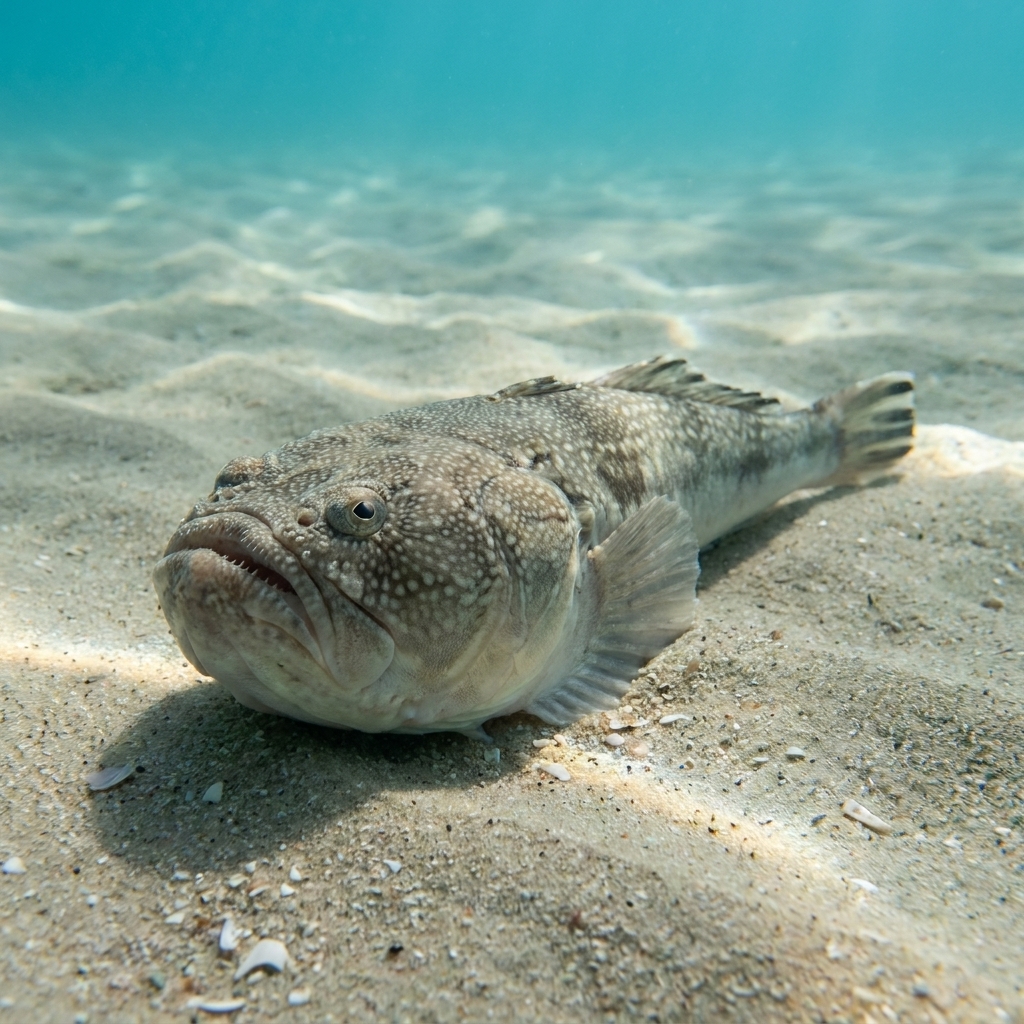
Scorpionfish and Sponge are confirmed sightings across the sites, with Crab, Dogfish, and Wrasses also observed. The region supports a broad species list that includes bottom-dwelling fish such as Cod and Righteye Flounder alongside invertebrates like Hermit Crab and Brittle Star. All species listed are drawn from site records within Crimea.
No. Several sites, including the Underground submarine base in the Sevastopol area and the Alley of Leaders at Tarkhankut, are accessible from shore. The Agnes Blaikie wreck and Ayu-dag are boat dives. Having both options means divers with or without operator-arranged boat transfers can find suitable sites.
Tarkhankut is home to artificial reef sites at manageable depths, well suited to beginners. Sevastopol offers shallow artificial reef diving including the former submarine base. Southern Crimea provides reef and cave diving at intermediate depths, while Eastern Crimea rounds out the choice. The Agnes Blaikie wreck, resting at considerable depth, is the most demanding site across all areas.
Yes, several sites are graded for beginners, including the Alley of Leaders at Tarkhankut and the Underground submarine base in the Sevastopol area, both at shallow depths. Intermediate divers are catered for at sites like Ayu-dag, which combines reef and cave diving. The Agnes Blaikie wreck sits at significant depth and falls outside the beginner range.