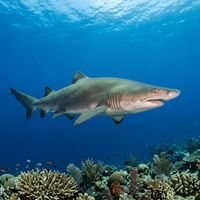
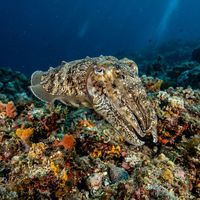
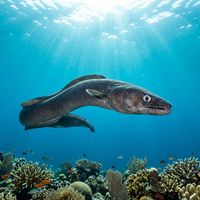
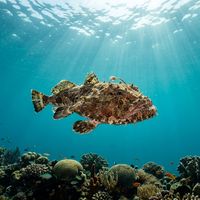
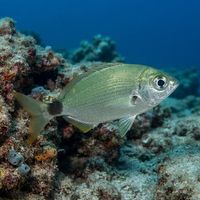
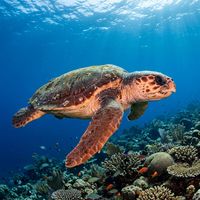
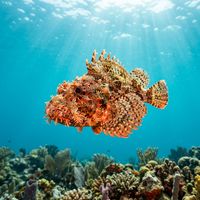
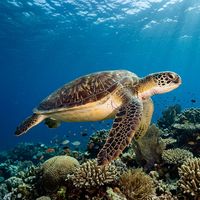
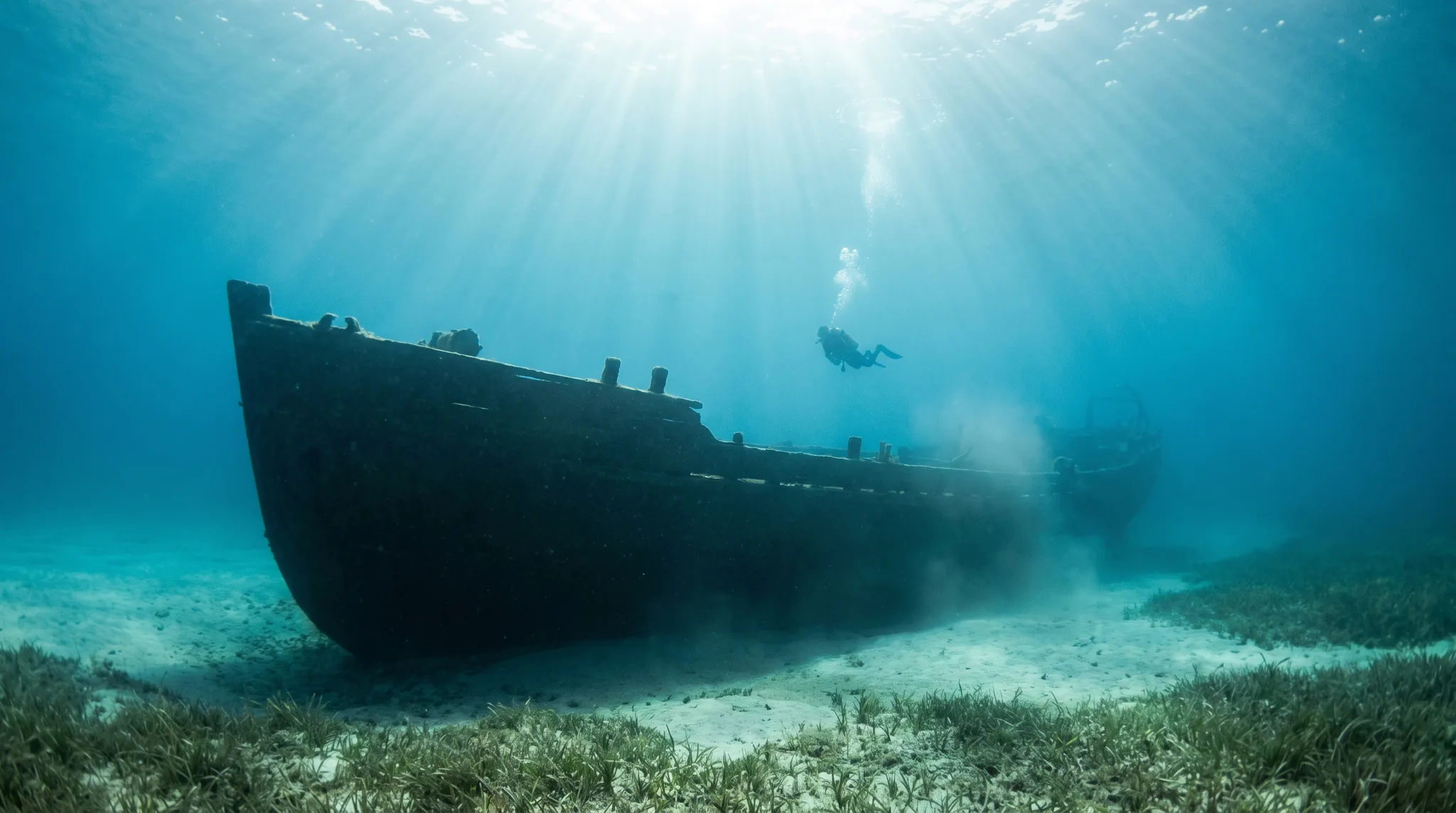
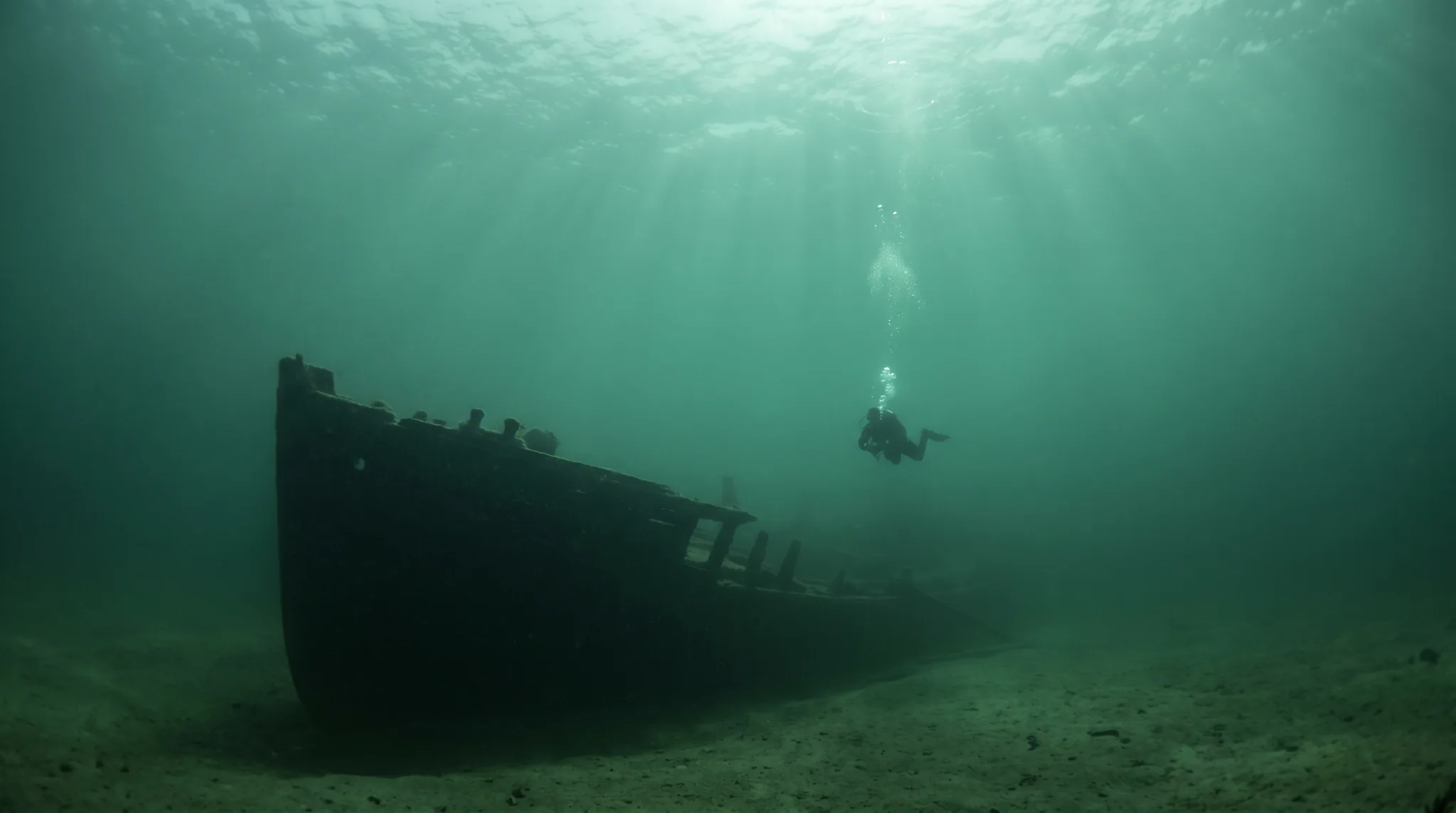
Izmir offers a varied underwater landscape spread across four distinct sub-areas: Seferihisar, Foça, Çeşme and Karaburun, and Kuşadası. Sites range from shallow beginner reefs and wreck dives to deep walls and drift sites that suit advanced divers. The Monem Wreck and the 9 Eylul Wreck attract divers seeking structure, while multi-feature sites like Teos Corner combine wall, cave, pinnacle, and canyon terrain in a single dive. European Common Cuttlefish, Scorpionfish, and Saddled Seabream are observed consistently across sites, and the Loggerhead Sea Turtle appears at roughly half the sites in the region. Grey Nurse Shark is a signature species here.
4 areas
 9
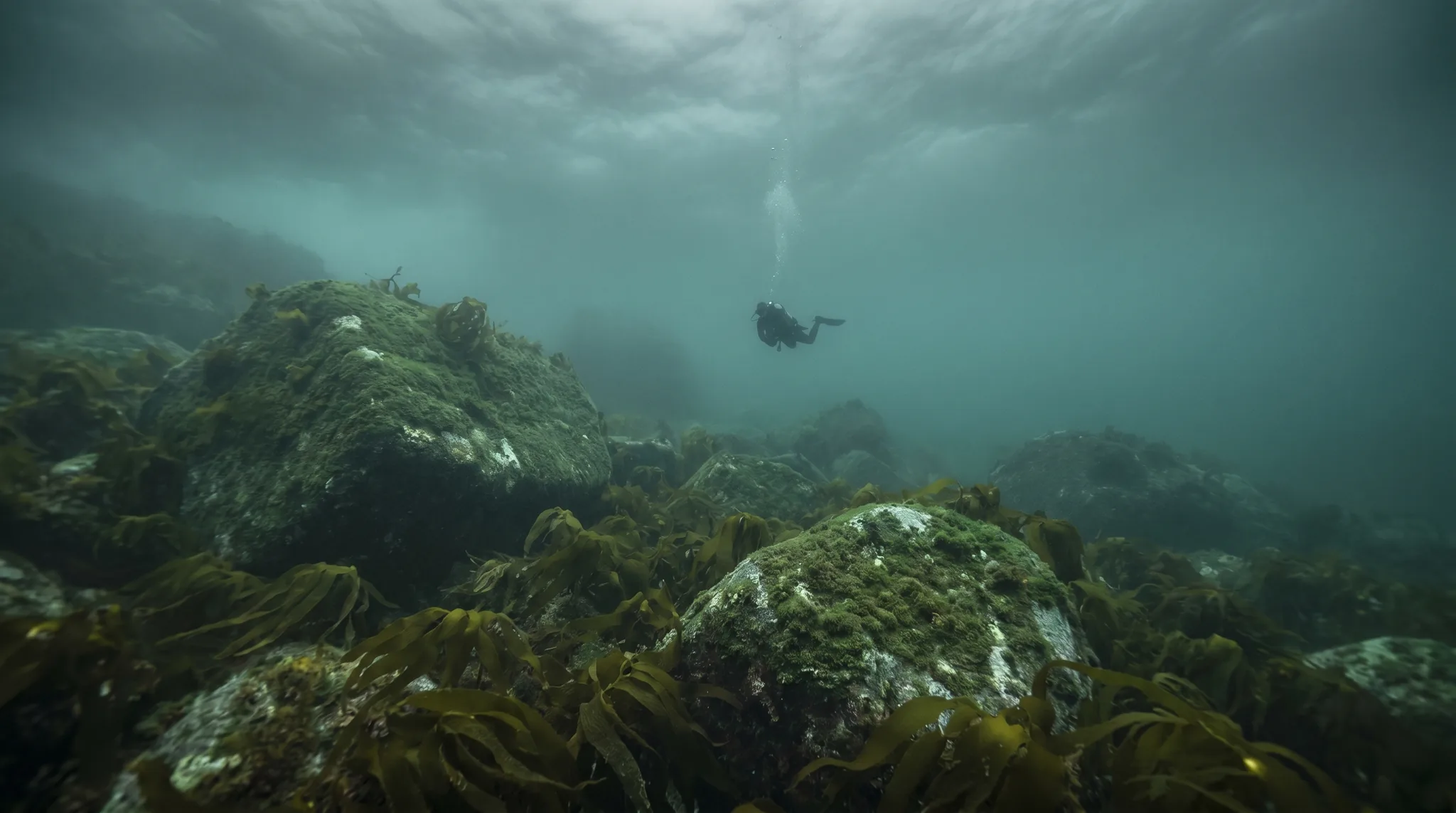
9Aegean dive hub near Sığacık with reefs, canyons, caves, and wrecks for beginner and intermediate divers.
8Aegean diving with monk seal sightings, wrecks, walls, and cave dives ranging from shallow reefs to advanced drop-offs.
 6
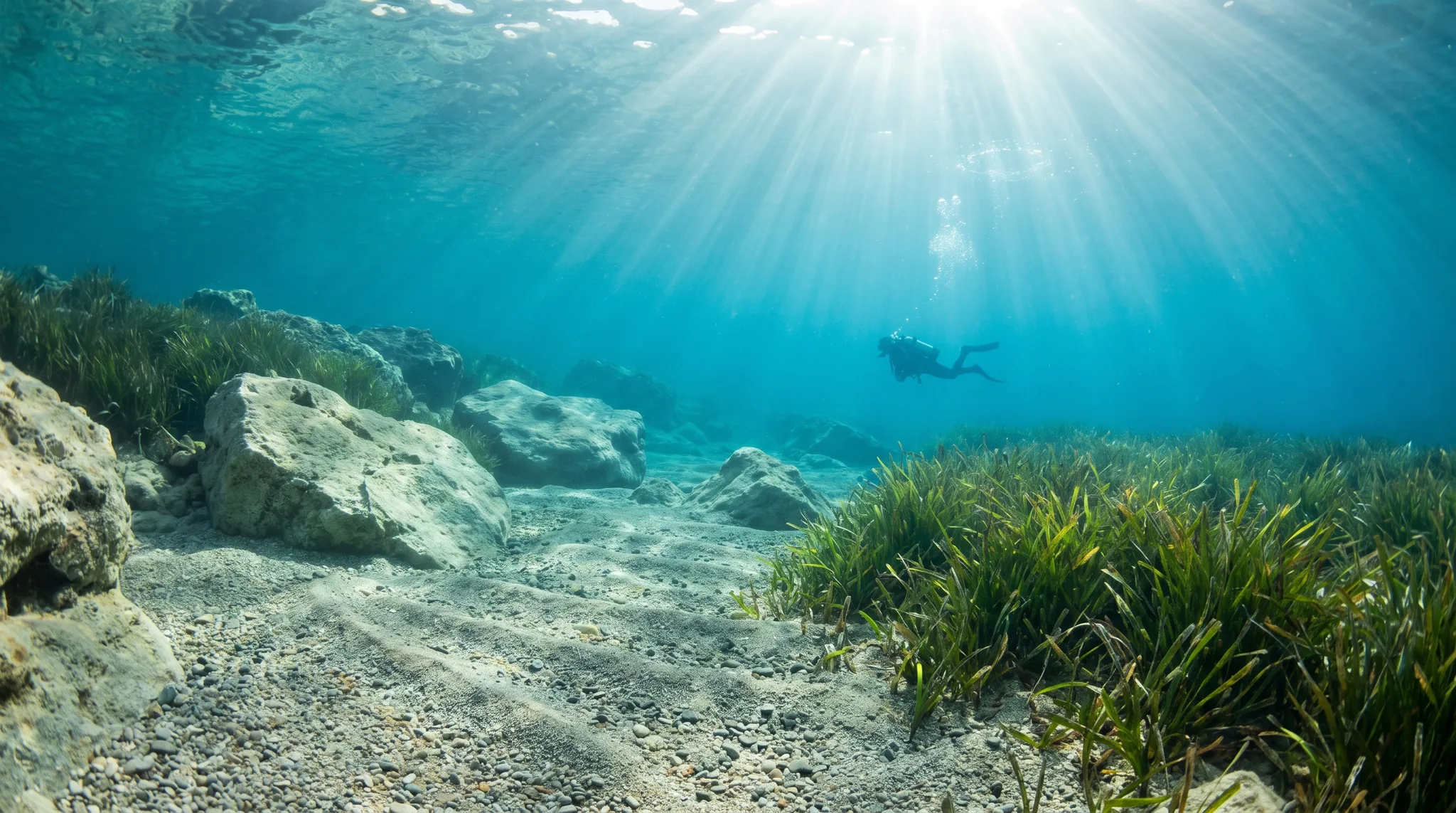
6Aegean diving west of Izmir with a large cargo wreck, cave reefs, and noted ray sightings across beginner-friendly sites.
5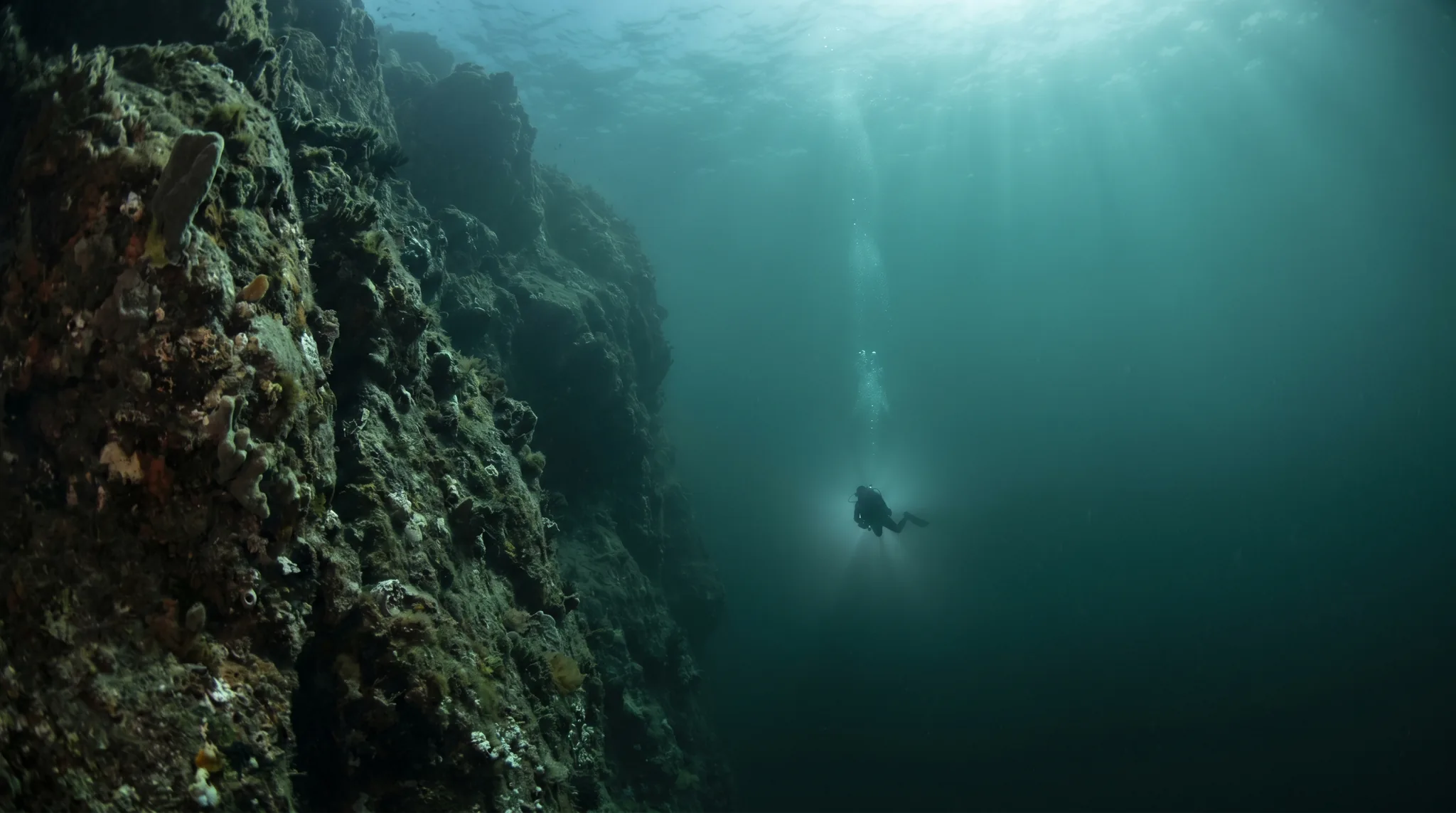
Monthly water temperature across Izmir's sites, from satellite sea-surface data corrected for depth. The band shows the site-to-site spread.
Water temperatures sit at their lowest in late winter and climb steadily through summer, peaking in August and September, making the warmer months the most comfortable for longer dives. The busiest recommended window runs from late spring through early autumn, with June and September drawing the strongest endorsement from site data. Foça's deeper walls and drift sites introduce current exposure, while Karaburun and Seferihisar offer more sheltered conditions for those building experience.
15 operators
Turkey
Turkey
Turkey
Aegean reef walls, caves, and artificial sites near Kuşadası, with cooler water and species including seahorses and eagle rays.
Water temperature around Izmir ranges from about 16°C in March to 22°C in August, based on satellite sea-temperature data for its dive sites.
In the warm season (about 22°C) a 3mm full suit is comfortable in Izmir; in the coldest months (about 16°C) step up to a 7mm or semi-dry suit.
Fin maps 28 sites in Izmir (24 scuba diving sites and 9 snorkelling spots, with some suited to both), organised into 4 areas.
Across Izmir's dive sites, May, June and September are most often reported as the best months to visit.
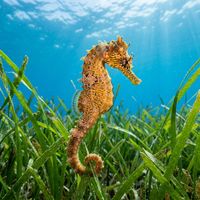
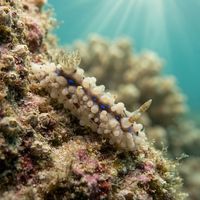
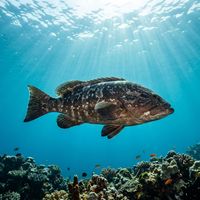
Izmir has an impressive list of observation-backed species. European Common Cuttlefish, Scorpionfish, Saddled Seabream, Chromis, and Conger Eel are encountered very commonly across sites. The Loggerhead Sea Turtle is a regular presence, and the Grey Nurse Shark is considered a signature species of the region. Less frequent but recorded sightings include Seahorse, Eagle Ray, Barracuda, Bottlenose Dolphin, and Purple Sea Fan.
A large proportion of Izmir's sites are rated for beginner skill levels, including popular spots like Yatakadasi, the Monem Wreck, Seferihisar, and The Bedroom. Many of these have shallow starting depths and sheltered reef structures. Intermediate and advanced sites such as Teos Corner and Yelken Kaya are also available for those wanting more challenging terrain, so the region caters to a wide range of experience levels.
Seferihisar and Kuşadası tend to offer calmer, shallower reef diving that suits training and early-level dives. Foça is home to deeper wall dives and drift sites like Yelken Kaya, as well as the 9 Eylul Wreck, making it more appealing to experienced divers. Çeşme and Karaburun stand out for their variety, with multi-feature sites like Teos Corner combining walls, caves, pinnacles, and canyons in one location.
The majority of sites in Izmir require boat access, which is the standard way to reach reef, wall, and wreck sites across all four sub-areas. A small number of sites, including Seferihisar and Yilanci Burnu, offer the option of shore entry, which can be convenient for training dives or casual snorkelling sessions. Operators such as Dolphinland Diving Center and Nokta Deniz Dalış Market serve the region.