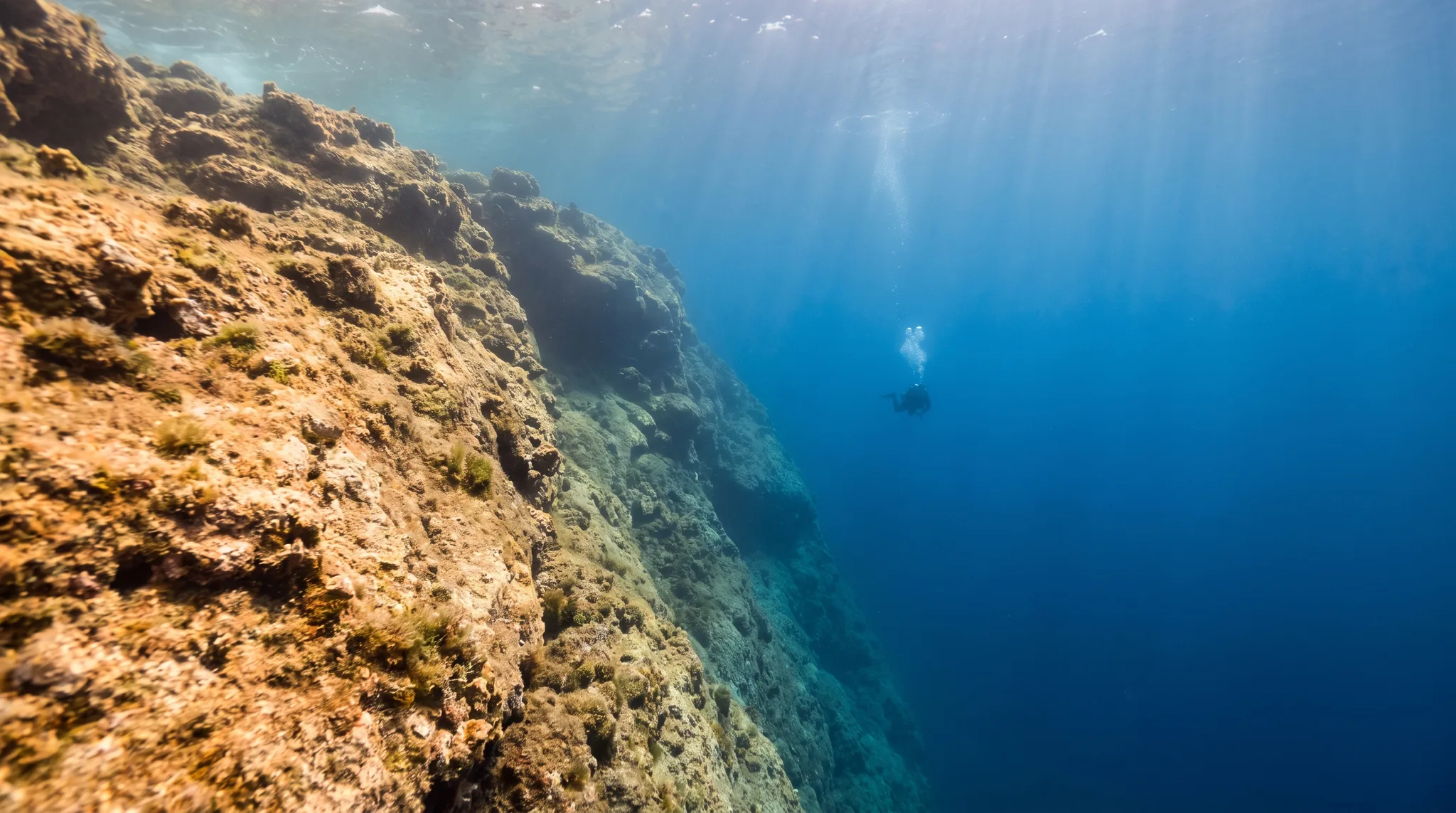
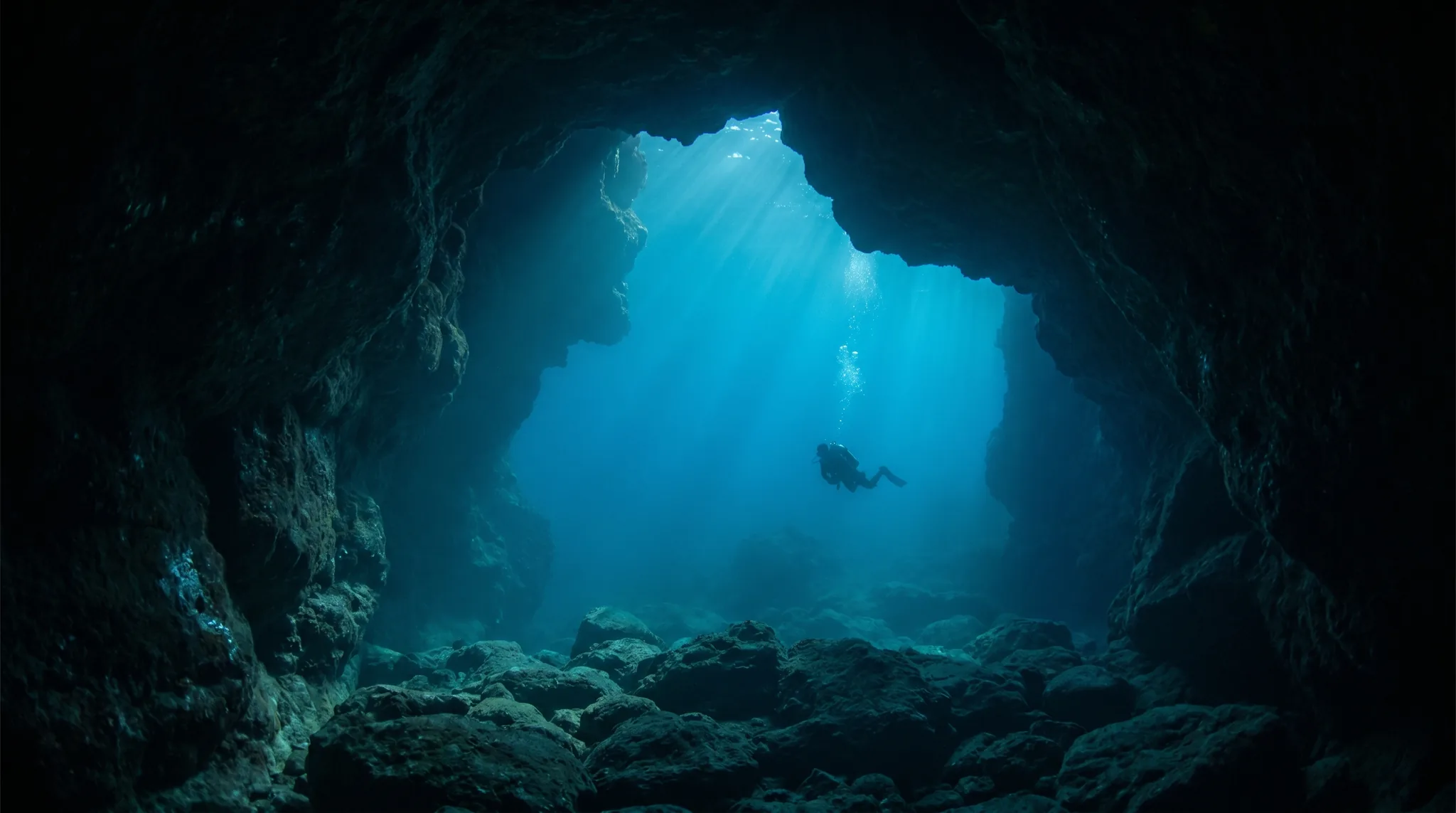
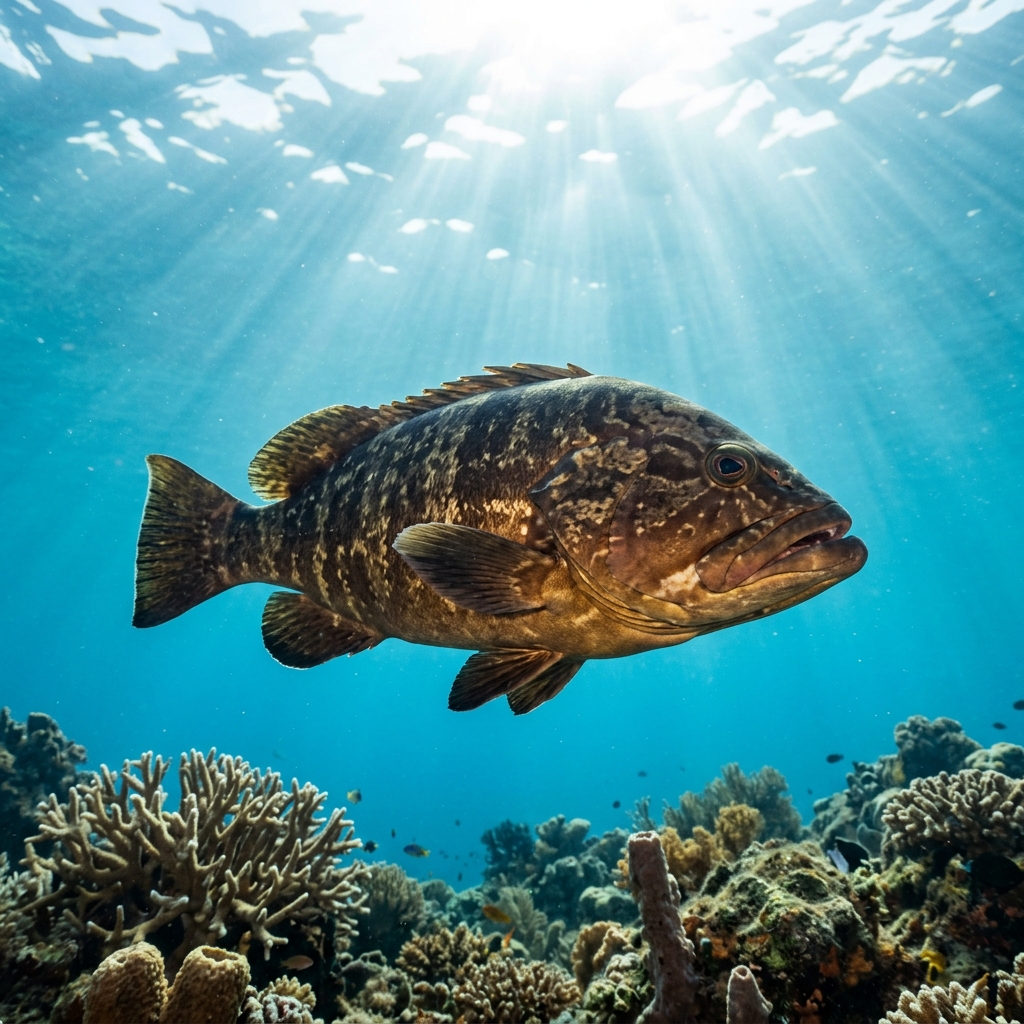
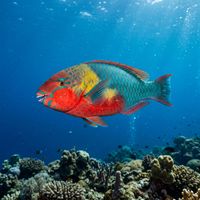
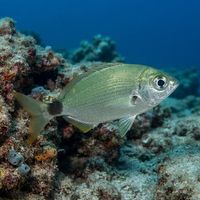
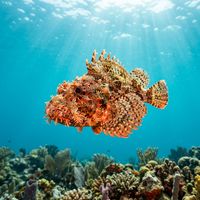
Bodrum's underwater character is shaped by a rich mix of wrecks, walls, reefs, and artificial structures spread across a broad site range. Signature encounters include the Loggerhead Sea Turtle, Common Octopus, Dusky Grouper, and European Common Cuttlefish, alongside very commonly observed species such as the European Parrotfish, Painted Comber, and Salema Porgy. Sites range from shallow artificial reefs accessible to beginners through to deep walls at Orak Island suited only to advanced divers. The sub-area of Didim adds further variety. Most sites are reached by boat, and conditions favour the warmer months from late spring through autumn.
1 areas
Monthly water temperature across Bodrum's sites, from satellite sea-surface data corrected for depth. The band shows the site-to-site spread.
Water temperature rises steadily from spring into summer, peaking in late summer and early autumn, which also marks the period most favoured by divers. Visibility is generally strong through the warmer months, making wall and wreck dives particularly rewarding from May through October. Winter remains diveable but cooler temperatures and lower diver activity suit only those comfortable in less-frequented conditions.
8 operators
Turkey
27 more sites to explore
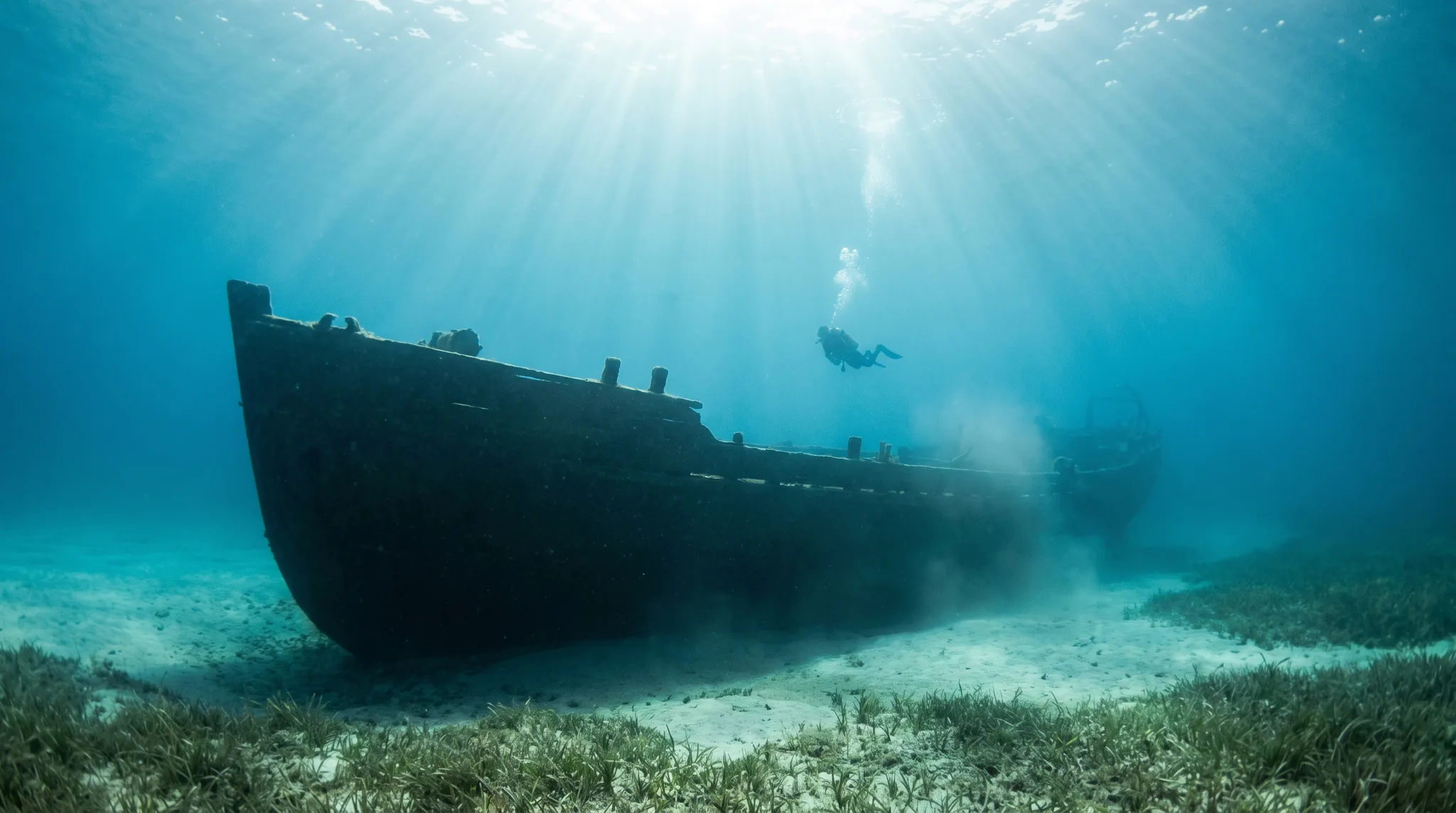
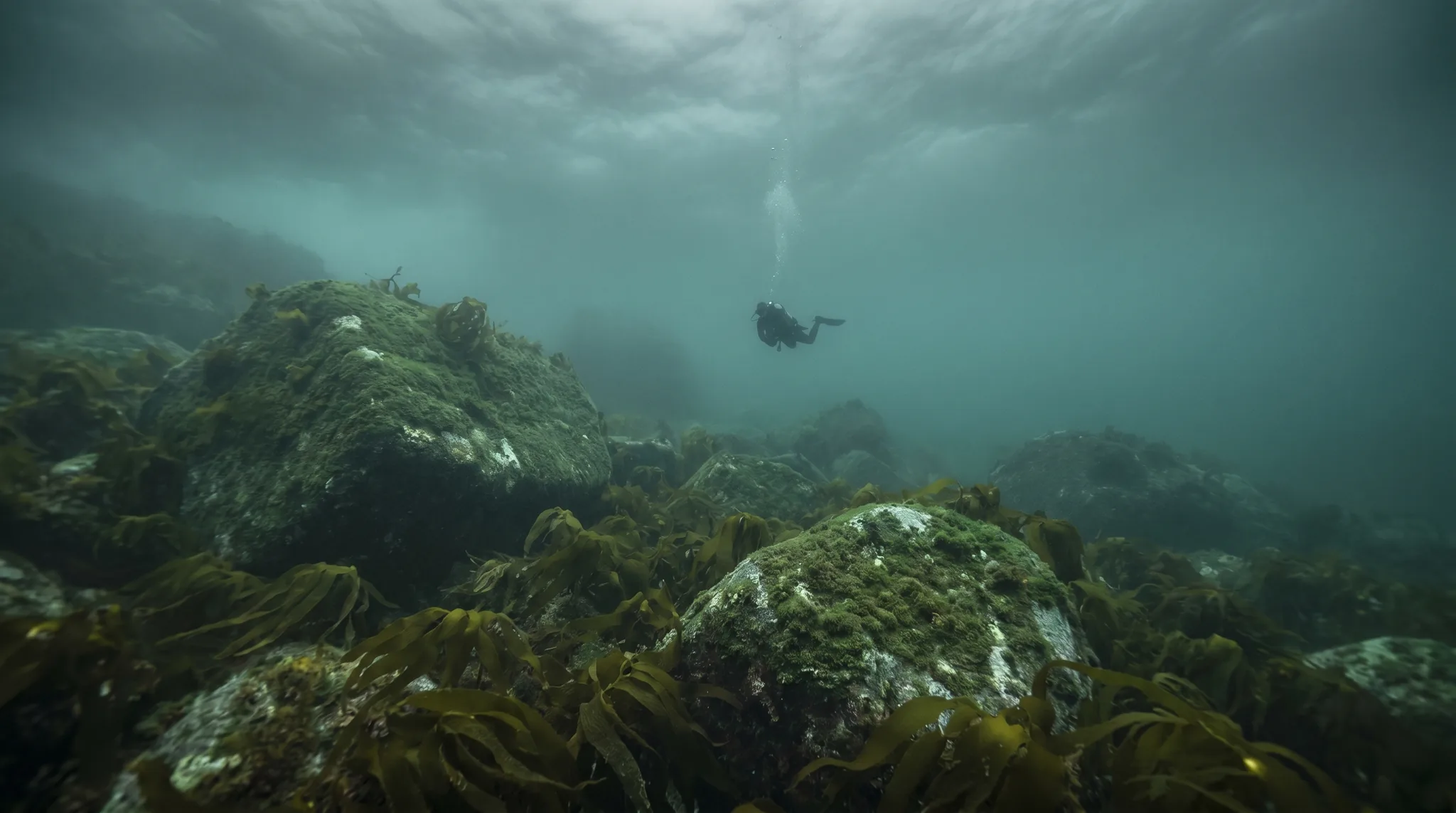
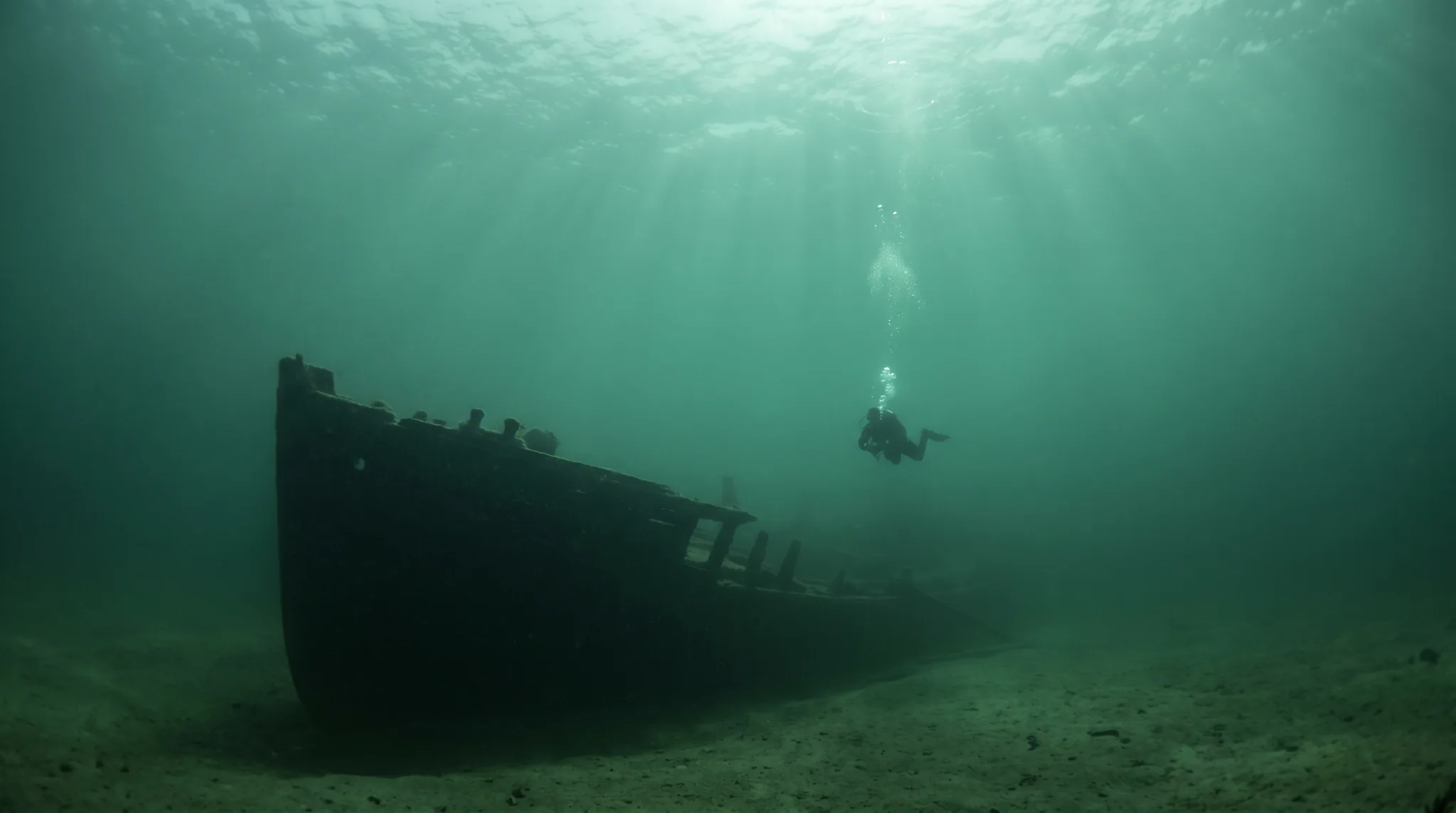
Aegean boat diving off the Bodrum Peninsula, with a Coast Guard wreck and a wall-and-cave site for intermediate to advanced divers.
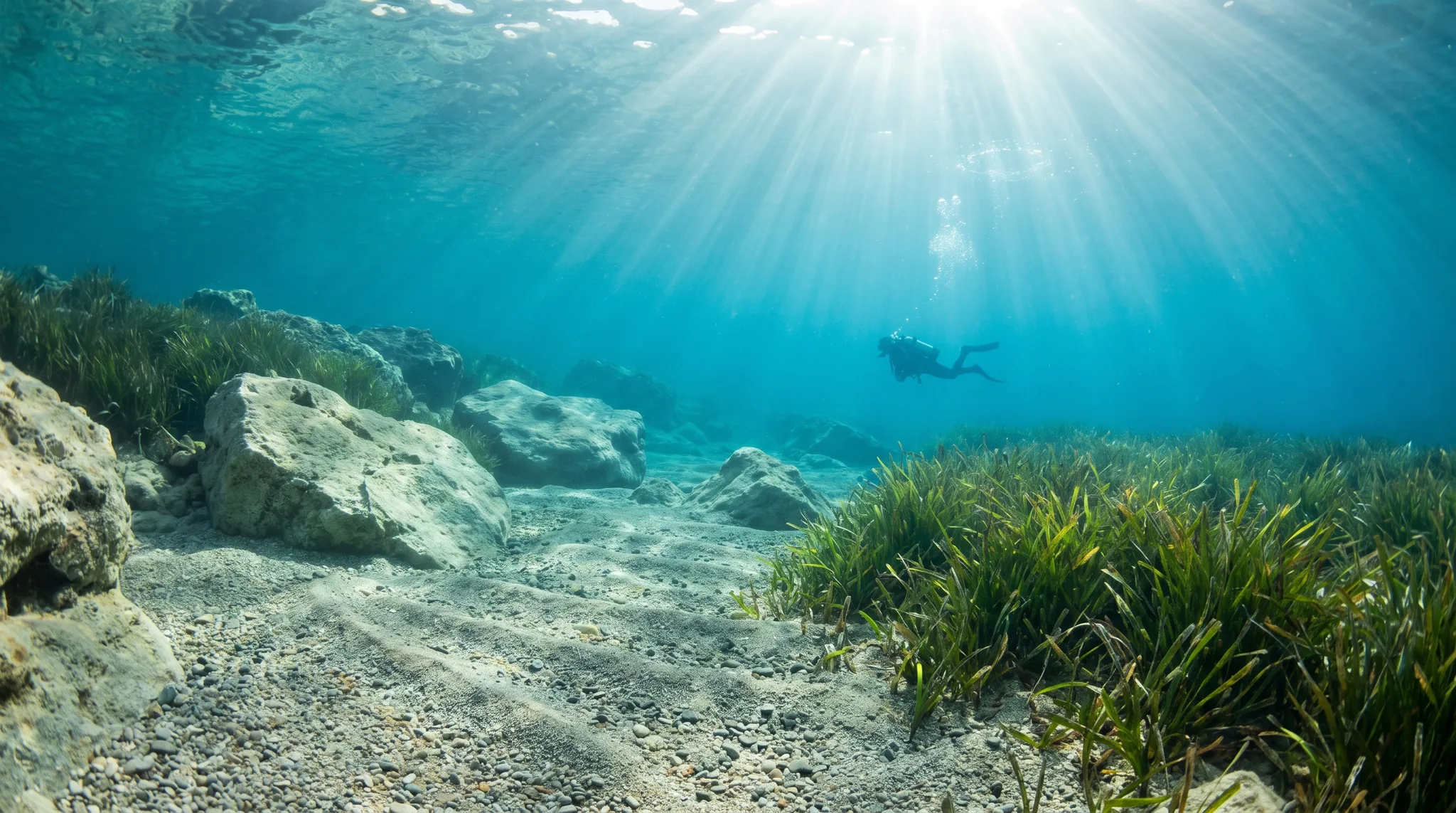
Water temperature around Bodrum ranges from about 17°C in February to 23°C in September, based on satellite sea-temperature data for its dive sites.
In the warm season (about 23°C) a 3mm full suit is comfortable in Bodrum; in the coldest months (about 17°C) step up to a 7mm or semi-dry suit.
Fin maps 41 sites in Bodrum (36 scuba diving sites and 11 snorkelling spots, with some suited to both).
Across Bodrum's dive sites, May, June, July, August, September and October are most often reported as the best months to visit.
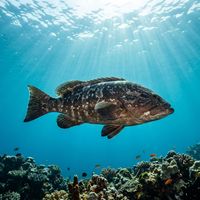
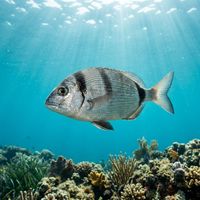
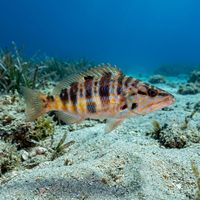
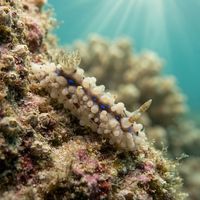
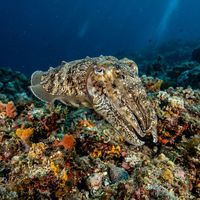
The Loggerhead Sea Turtle is a common and well-documented presence across a wide range of sites. The Common Octopus and Dusky Grouper are observed very frequently, while the European Parrotfish, Painted Comber, Saddled Seabream, and Salema Porgy are reliably encountered throughout the region. Less frequent but observation-backed sightings include Barracuda, Eagle Ray, Seahorse, and Bottlenose Dolphin.
Bodrum caters to a range of skill levels. Sites such as Small Reef, Keme, and the shore-accessible Medfish Pool Gokcebel are listed as suitable for beginners, offering shallow, manageable conditions. Intermediate divers have the widest choice, including wrecks and wall dives, while advanced sites such as Orak Island, with its dramatic depth profile, and the SG-115 Turkish Navy Shipwreck are reserved for more experienced divers.
Bodrum offers considerable variety across its sites. Wreck divers can explore the SG-115 Turkish Navy Shipwreck, the Pinar 1 Wreck, and the Coast Guard Shipwreck, all of which double as artificial reefs supporting marine life. Wall dives are a feature at Orak Island, Big Reef, and Milet, while Amphorafield stands out for its scattered ancient amphora fragments. Big Reef also offers drift diving across a drop-off, giving a notably different experience from calmer reef sites.
The great majority of Bodrum's dive sites are boat-access only, reflecting the peninsula's layout and the offshore position of key sites. The exception is Medfish Pool Gokcebel, a shallow artificial reef that can be reached from shore and is well suited to beginners or those wanting a quick dive without organising a boat. Snorkellers may find shore options easier to arrange, particularly at sites listed for both activities.