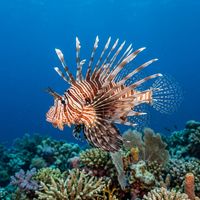
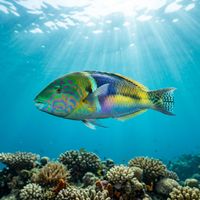
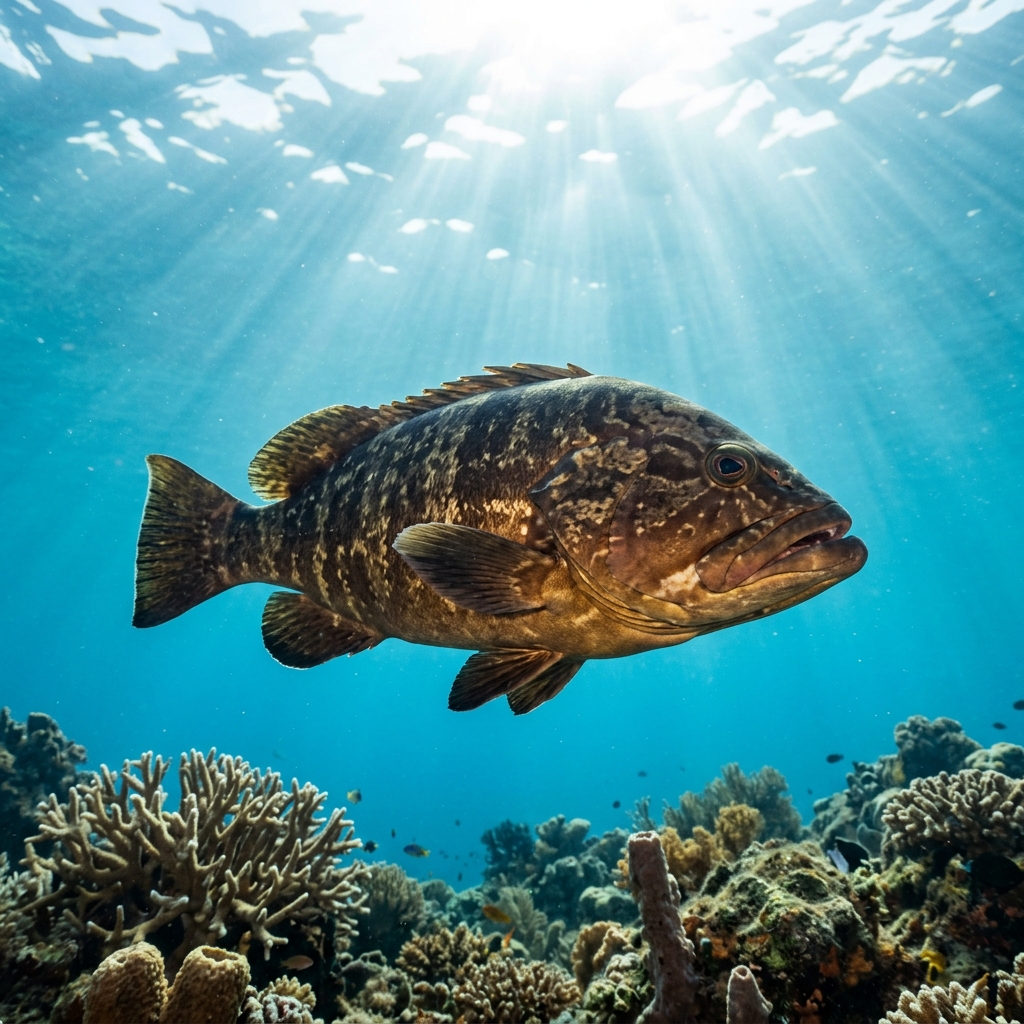
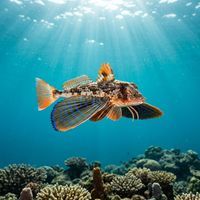
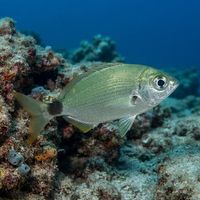
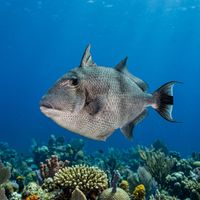
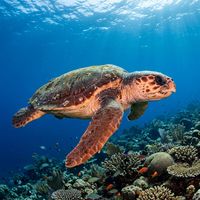
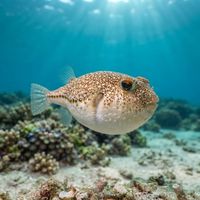
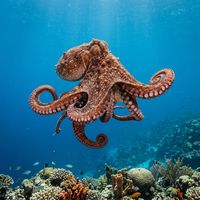
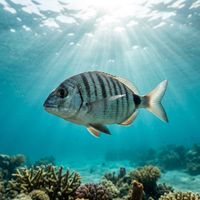
The Turquoise Coast stretches across four distinct sub-areas: Fethiye, Kaş, Kalkan and Marmaris, each with its own concentration of sites. Walls and reefs dominate the underwater landscape, with caves, canyons, wrecks and drift sections adding variety across the range. The Turkish Wrasse and Goatfish appear at almost every site, while the Indian Lionfish, Dusky Grouper and Flying Gurnard are among the signature species divers seek out. Water temperatures warm notably from autumn into late summer, and visibility tends to be generous. Skill levels span beginner through advanced, making the coast accessible to a broad range of divers.
4 areas
 39
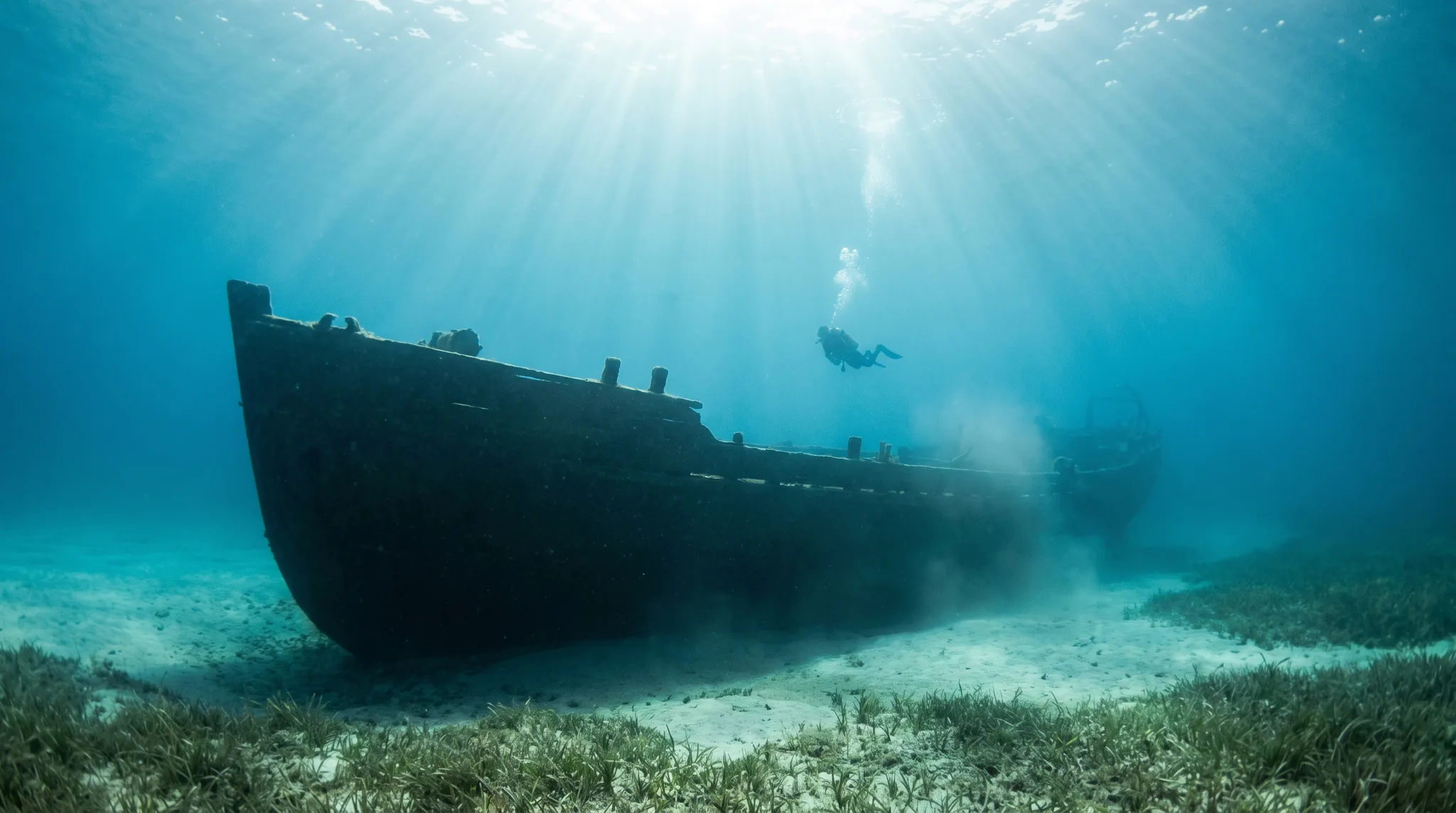
39Walls, wrecks and tunnels around Gemiler Island, with Loggerhead Sea Turtle and Indian Lionfish among the signature sightings.
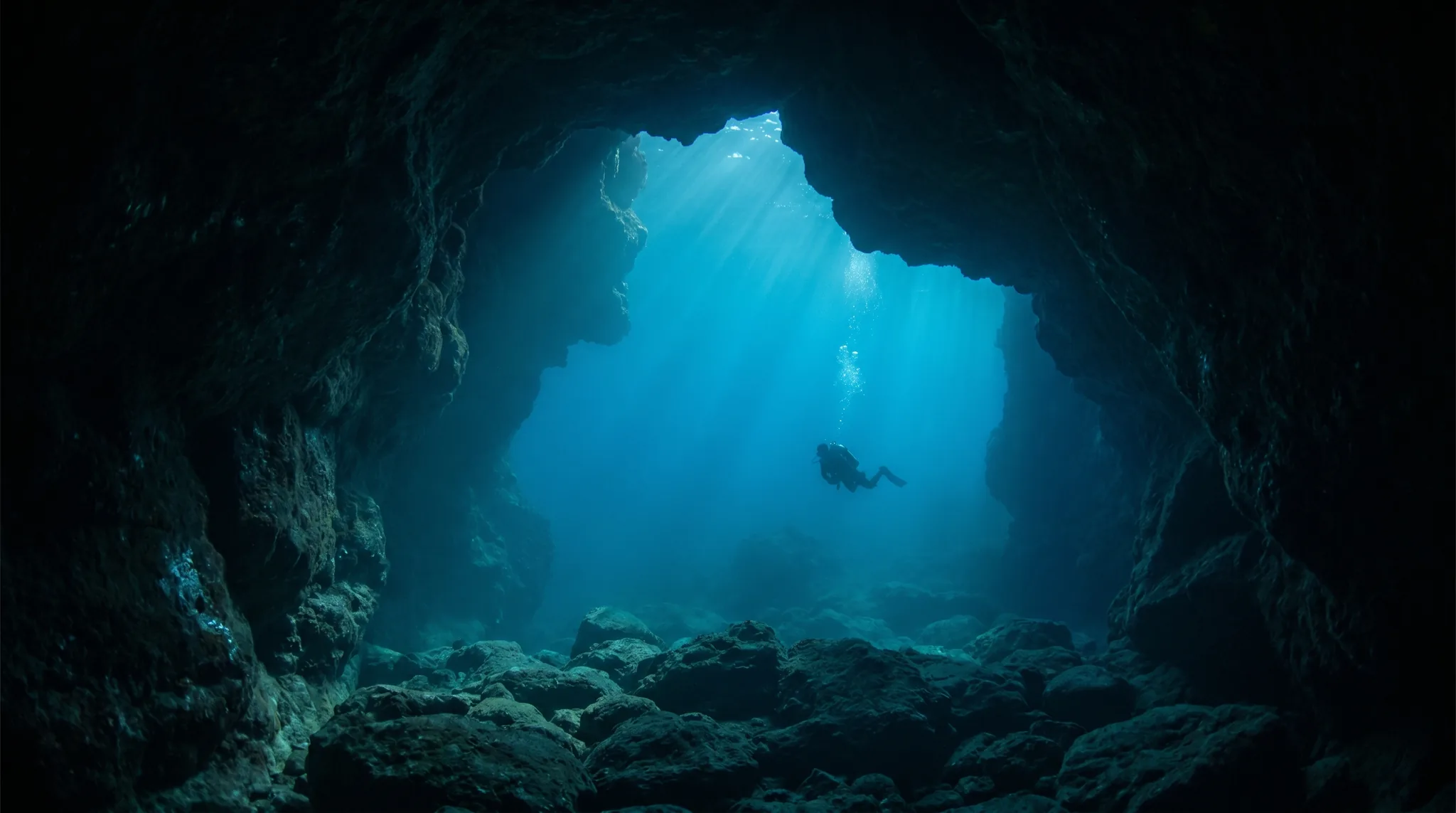
26Diverse walls, wrecks and caves close to harbour, with signature Indian Lionfish sightings across most sites.
17Wall and reef diving anchored by a deep wreck, with strong species variety and sites ranging from sheltered beginner bays to exposed drift dives.
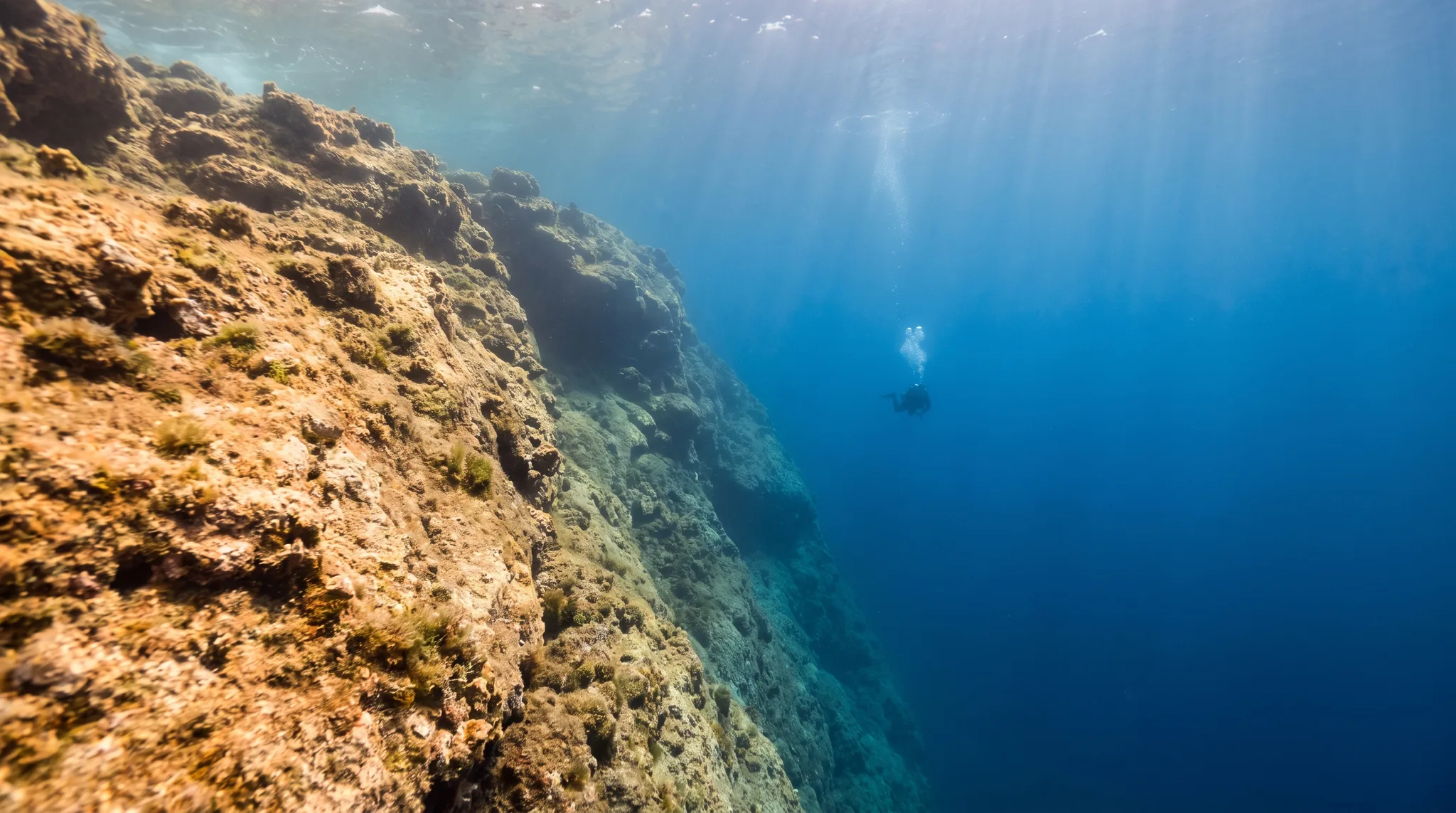 15
15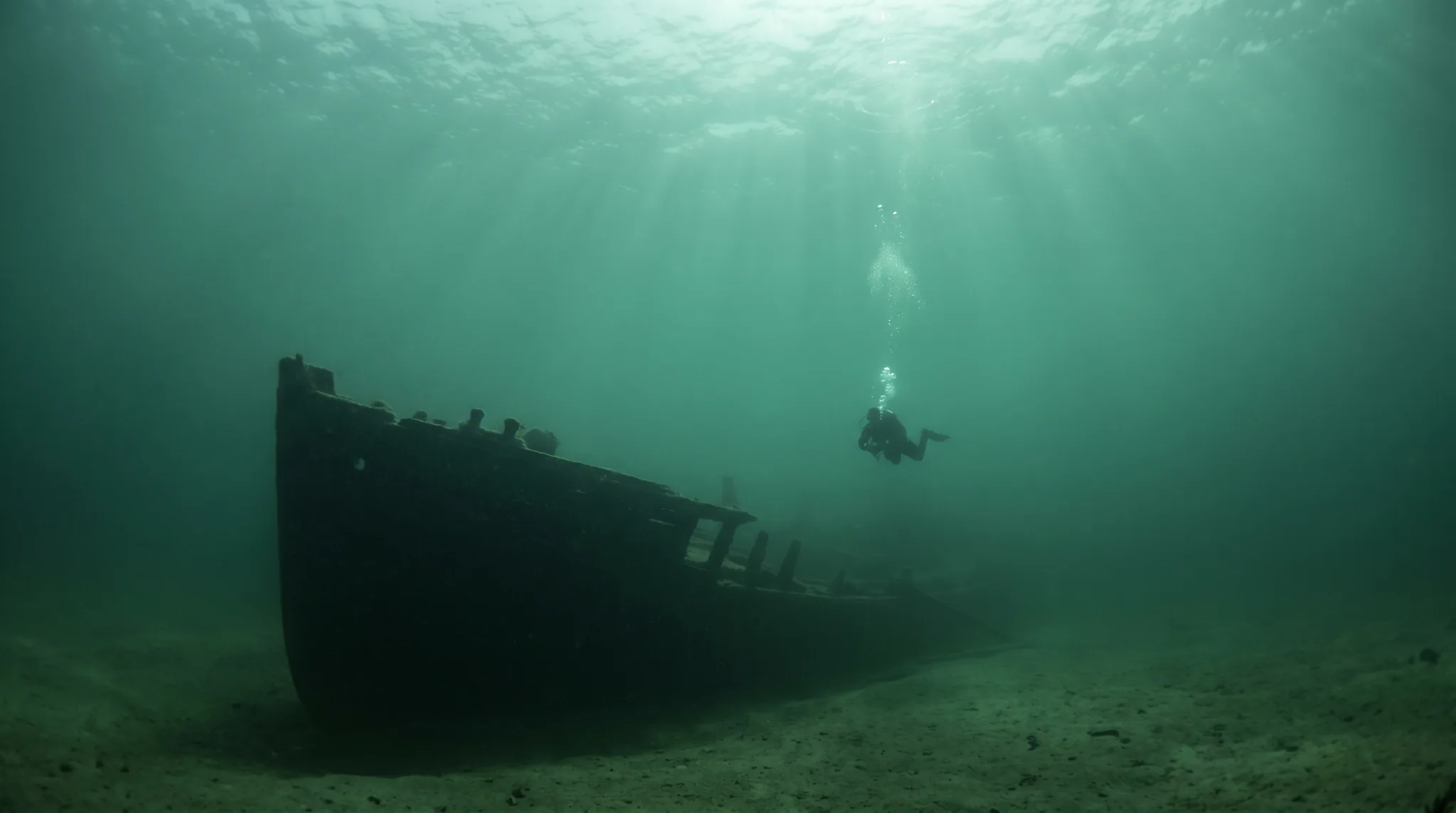
Monthly water temperature across Turquoise Coast's sites, from satellite sea-surface data corrected for depth. The band shows the site-to-site spread.
Water temperatures follow a steady curve, rising through spring and summer to peak in October before cooling over winter, with the warmest period running from late summer into autumn. The best-months data points clearly to May and October as the sweet spots, when conditions balance comfortable water and calmer seas. Sites range from sheltered beginner reefs to exposed walls and drift dives, so stronger currents at certain boat-access sites are worth factoring in when planning.
47 operators

Boat-access diving across walls, wrecks and caves, with Ottoman artefacts on the seabed and reliable Dusky Grouper sightings.
Water temperature around Turquoise Coast ranges from about 18°C in February to 24°C in October, based on satellite sea-temperature data for its dive sites.
In the warm season (about 24°C) a 3mm full suit is comfortable in Turquoise Coast; in the coldest months (about 18°C) step up to a 5mm suit.
Fin maps 97 sites in Turquoise Coast (87 scuba diving sites and 22 snorkelling spots, with some suited to both), organised into 4 areas.
Across Turquoise Coast's dive sites, May, June, September and October are most often reported as the best months to visit.
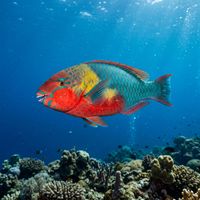
The Turkish Wrasse is observed at the vast majority of sites and is effectively the defining reef fish of the region. Common sightings also include Goatfish, White Seabream, Lizardfish, European Parrotfish and Grey Triggerfish. Signature species worth looking for are the Indian Lionfish, Dusky Grouper, Flying Gurnard and Common Octopus, while the Loggerhead Sea Turtle and Mediterranean Moray have been recorded on observation too.
Yes, a good portion of the sites are rated for beginners, including shore-entry and boat-access reefs such as Kidrak, Sari Mehmet, Dalyan Bay Drop Off and Sarıyarlar. These sites offer shallower reef and wall topography with straightforward entries. Intermediate and advanced sites, including deep walls and drift sections, are also well represented for those looking to progress.
Fethiye has the largest concentration of sites, covering reefs, walls, wrecks and caverns across a wide spread of skill levels. Kaş offers some of the most varied diving, with sites like Big Wall and Canyon combining walls, canyons, drift and wrecks in a single dive. Kalkan sits between the two with a focused selection of sites, while Marmaris rounds out the coast with a smaller but distinct set of options.
The majority of sites are boat-access, and operators such as Nautilus Diving, Kaş Diving, Apollo Diving Center, Dragoman Diving and Outdoor, and Kalkan Dive Center run guided trips across the region. Shore entry is available at a small number of sites, including Kidrak, which suits snorkellers and beginners particularly well. Sarıyarlar offers both shore and boat entry, giving extra flexibility.