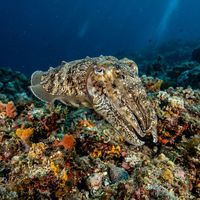
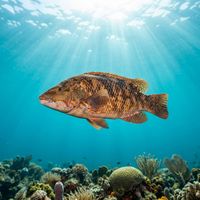
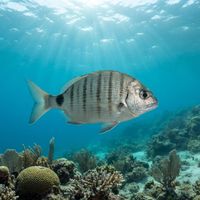
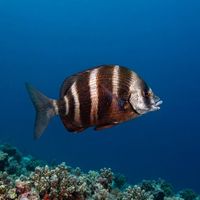
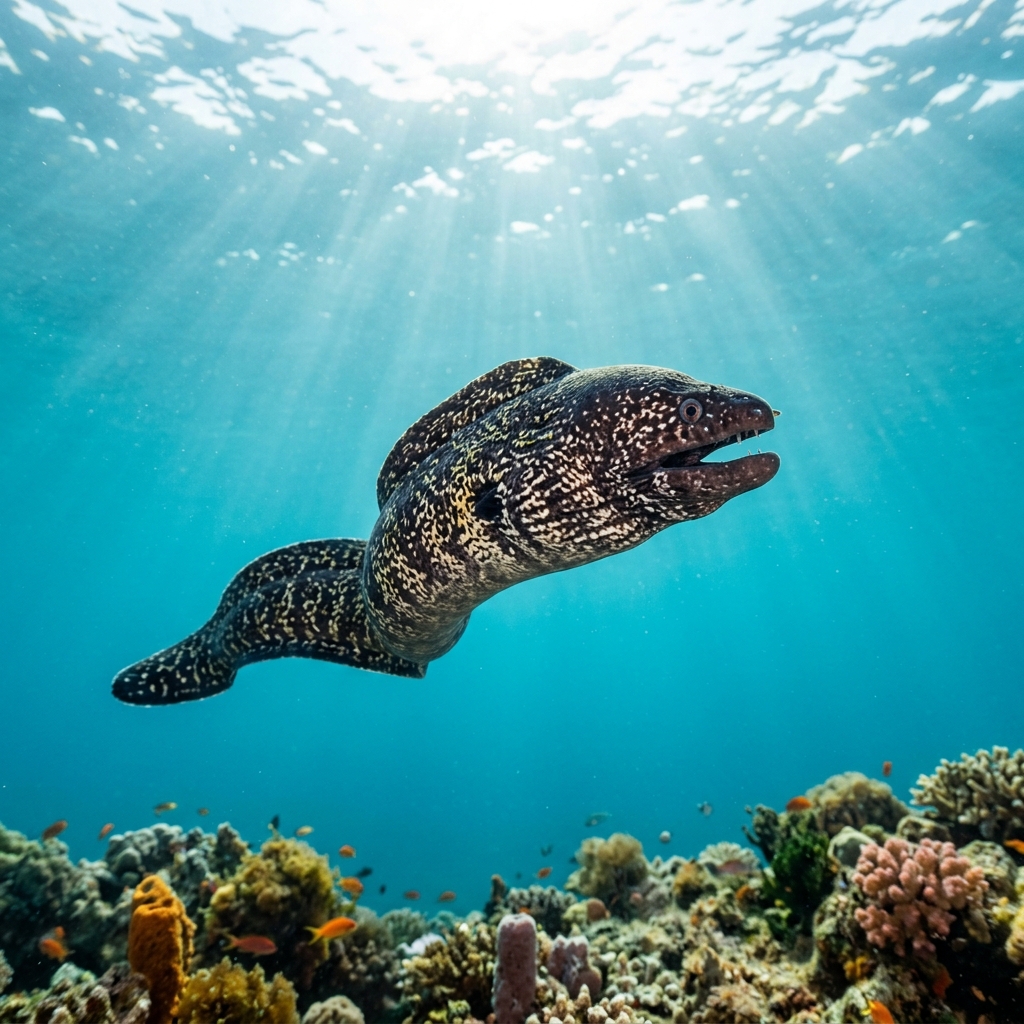
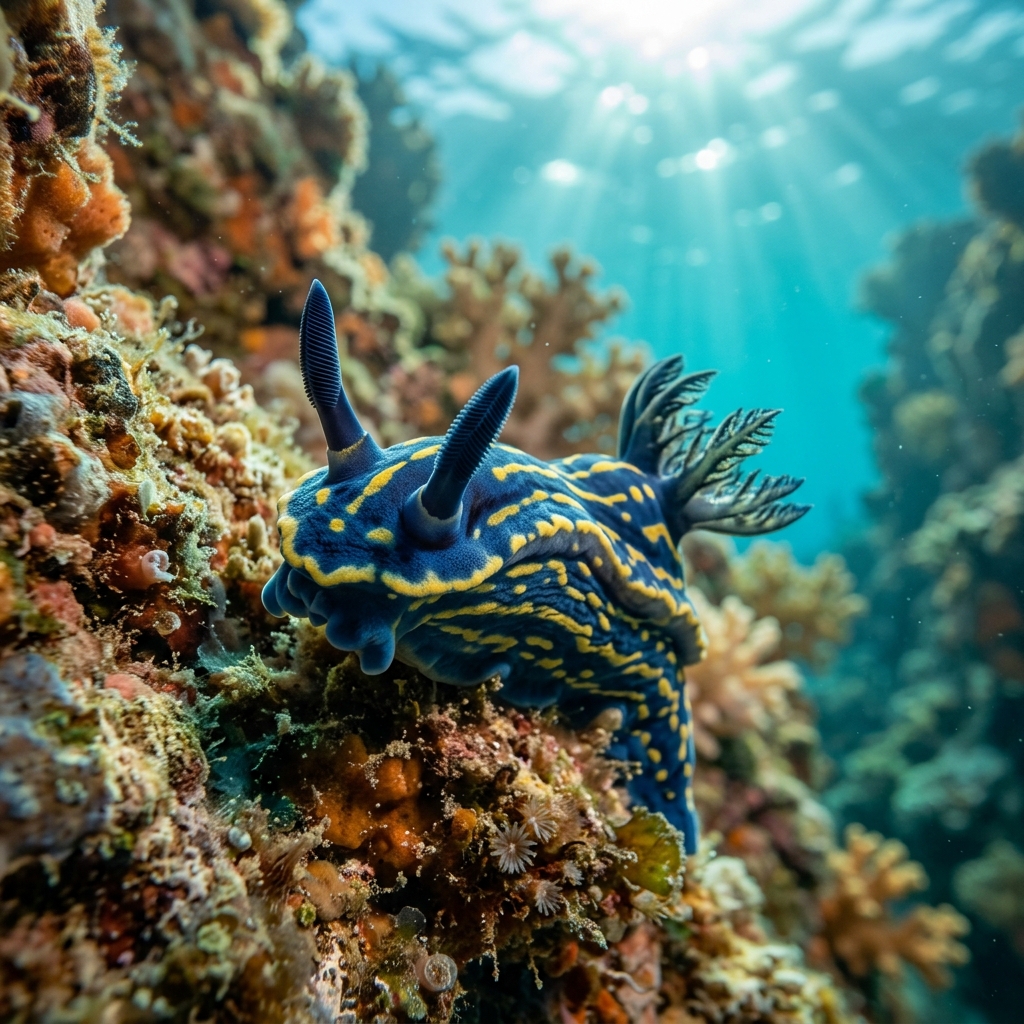
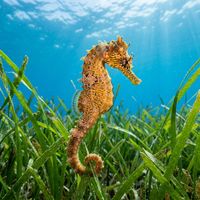
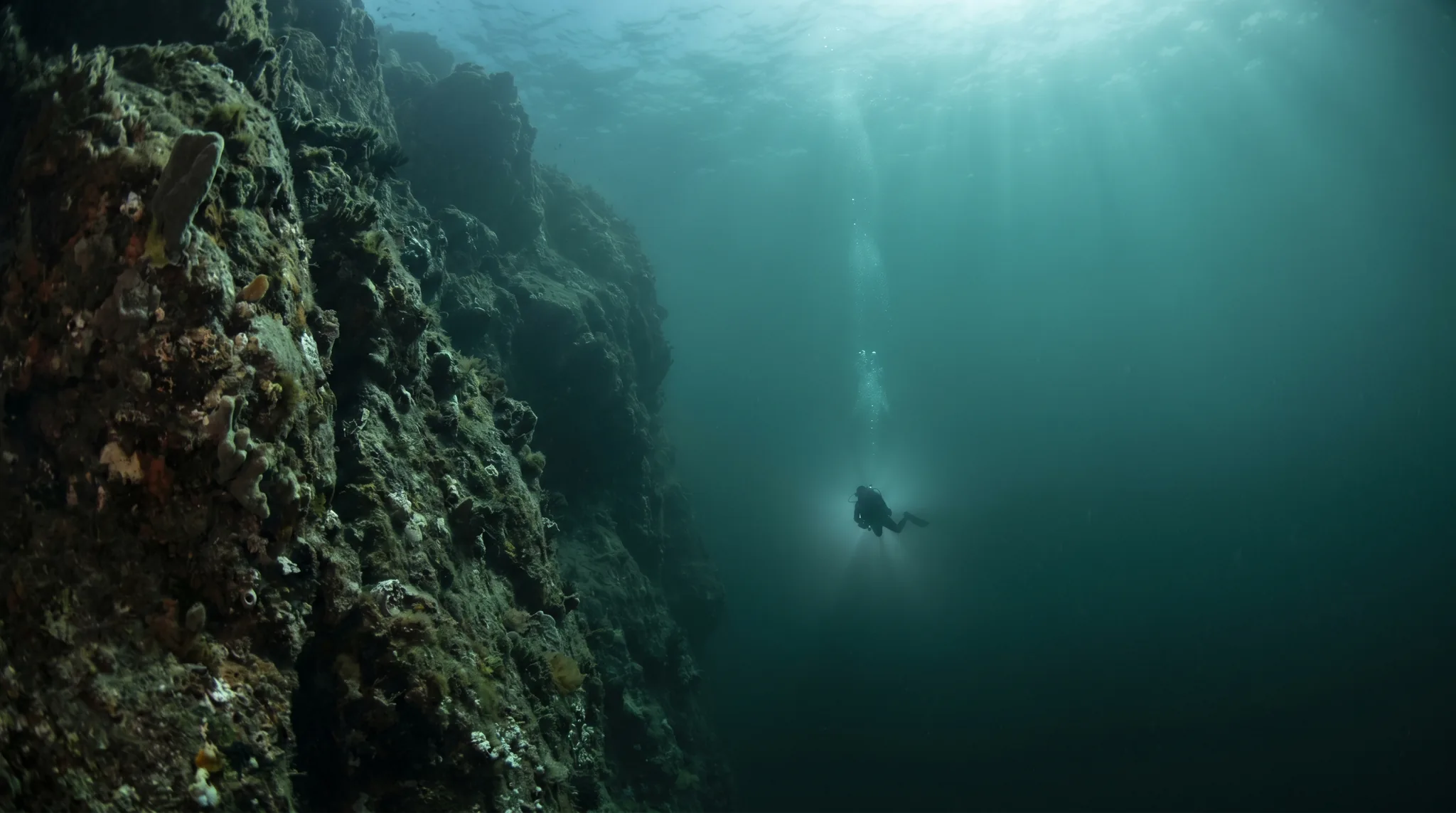
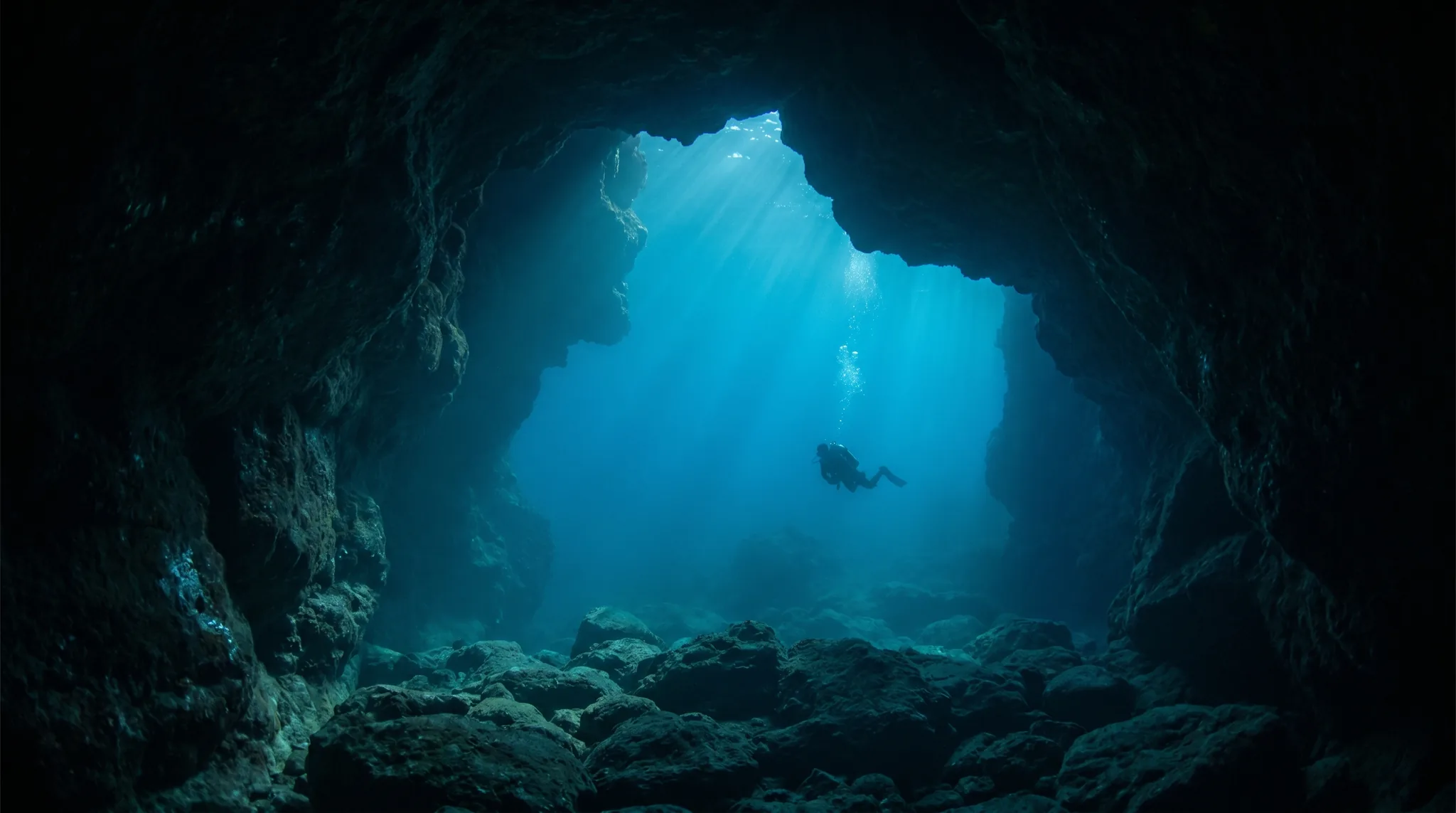
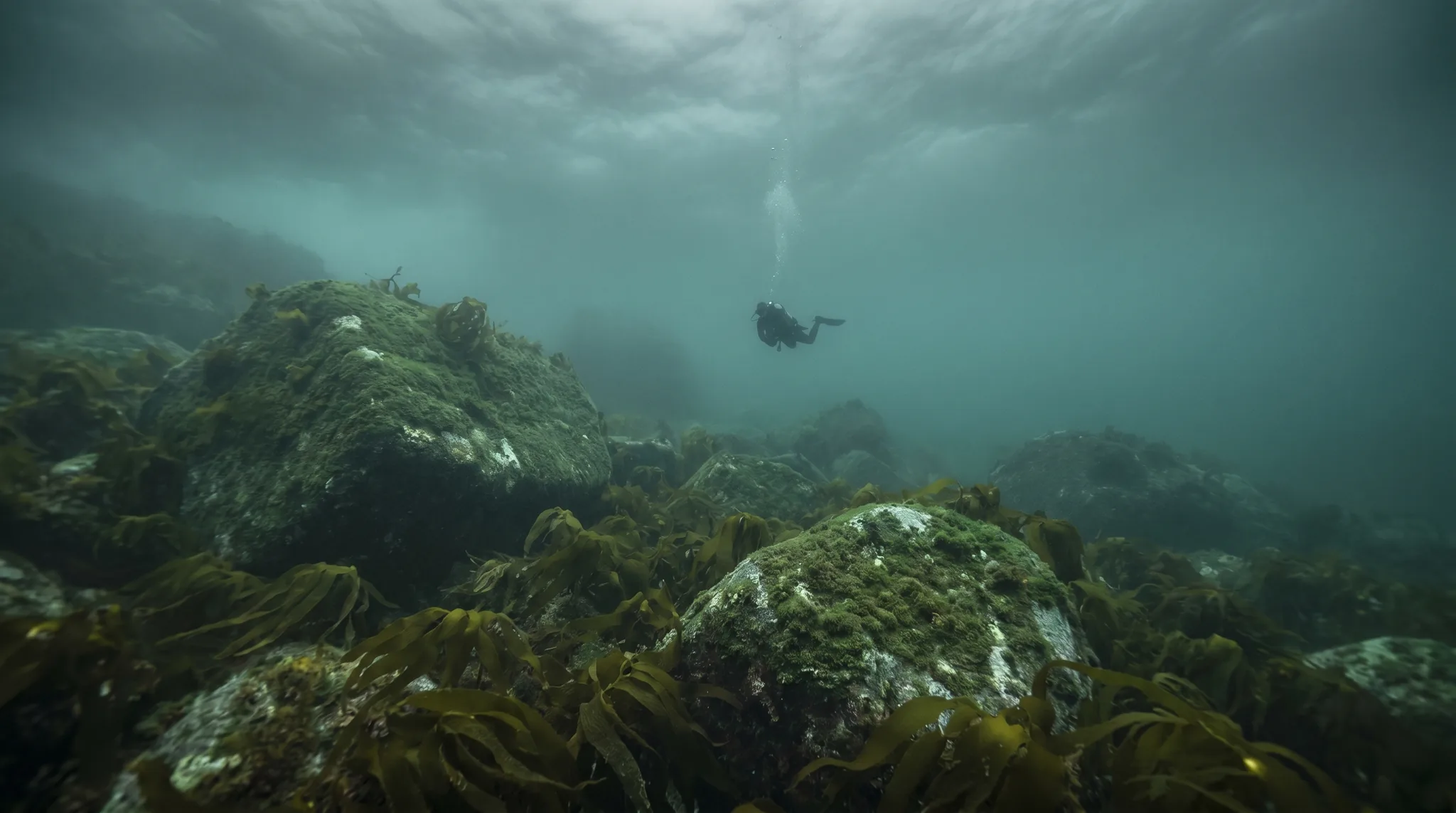
Faro's diving is shaped by a mix of natural reefs and purpose-sunk artificial structures, most reached by boat from the exposed coast. The artificial reefs range from shallow concrete modules accessible to beginners through to deeper configurations suited to experienced divers, while natural reef pinnacles add varied topography. Common Octopus, European Common Cuttlefish and Mediterranean Moray are seen across the sites, alongside Bream, Wrasses and the occasional Seahorse in shallower seagrass patches.
Monthly water temperature across Faro's sites, from satellite sea-surface data corrected for depth. The band shows the site-to-site spread.
Water temperatures remain moderate year-round, sitting at their lowest in late winter and rising to their warmest in autumn. Summer and early autumn draw the highest diver activity, offering the most settled conditions. Exposed sites can carry mild currents, and visibility varies with season, so conditions are worth checking before heading to the deeper reef and wreck sites.
18 more sites to explore
Water temperature around Faro ranges from about 16°C in February to 20°C in September, based on satellite sea-temperature data for its dive sites.
In the warm season (about 20°C) a 5mm suit is comfortable in Faro; in the coldest months (about 16°C) step up to a 7mm or semi-dry suit.
Fin maps 30 sites in Faro (27 scuba diving sites and 3 snorkelling spots).
Across Faro's dive sites, May, June, July, August and September are most often reported as the best months to visit.
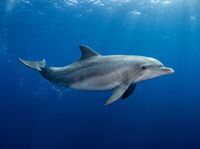
Common Octopus and European Common Cuttlefish are observed across virtually all sites, making them the region's most reliable encounters. Mediterranean Moray, Tompot Blenny, Bream and Wrasses are also frequently seen, along with Hermit Crab, Crab and Spirograph on the reef structures. Less frequent but observation-backed species include Eagle Ray, Seahorse, Green Sea Turtle, Loggerhead Sea Turtle and Bottlenose Dolphin.
Yes, several sites are rated for beginner divers. Sea Horses is a shallow seagrass and reef site with mild currents, and Recifes Artificiais Grandes is an artificial reef accessible to new divers. Barcaca do Farol and Barrocas de Terra are also shallow enough for those still building experience. All sites require boat access, so a basic comfort level on a dive boat is useful.
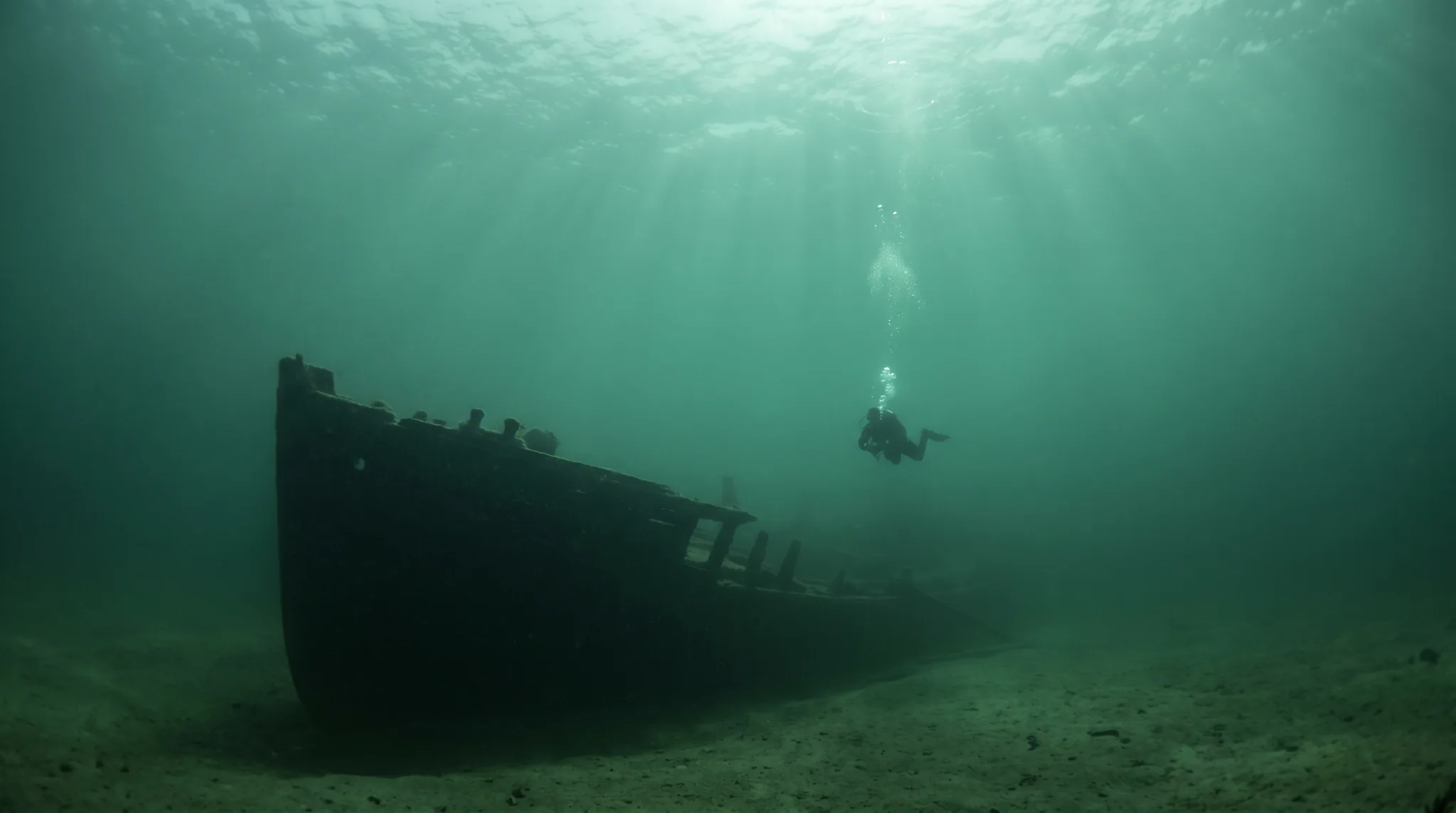
Faro has several wreck sites, including the B24 Liberator PB4Y, a Second World War bomber resting on the seabed, as well as the IPIMAR, a purpose-sunk vessel that now functions as an artificial reef. The Almas is another wreck site at moderate depth. The IPIMAR carries an advanced rating due to depth and overhead environment, while the B24 Liberator PB4Y is rated for intermediate divers.
All dive sites in the Faro region are boat-access only. There are no shore-entry dive sites listed for the area, so divers will need to arrange boat transport to reach the reefs and wrecks offshore. It is worth planning ahead, as there are currently no operators listed on Fin for this region.