Pomacanthus rhomboides
Grey-blue angelfish with a bold face pattern, most reliably logged around KwaZulu-Natal and Ponta do Ouro in warm 22.5-27.5C water.
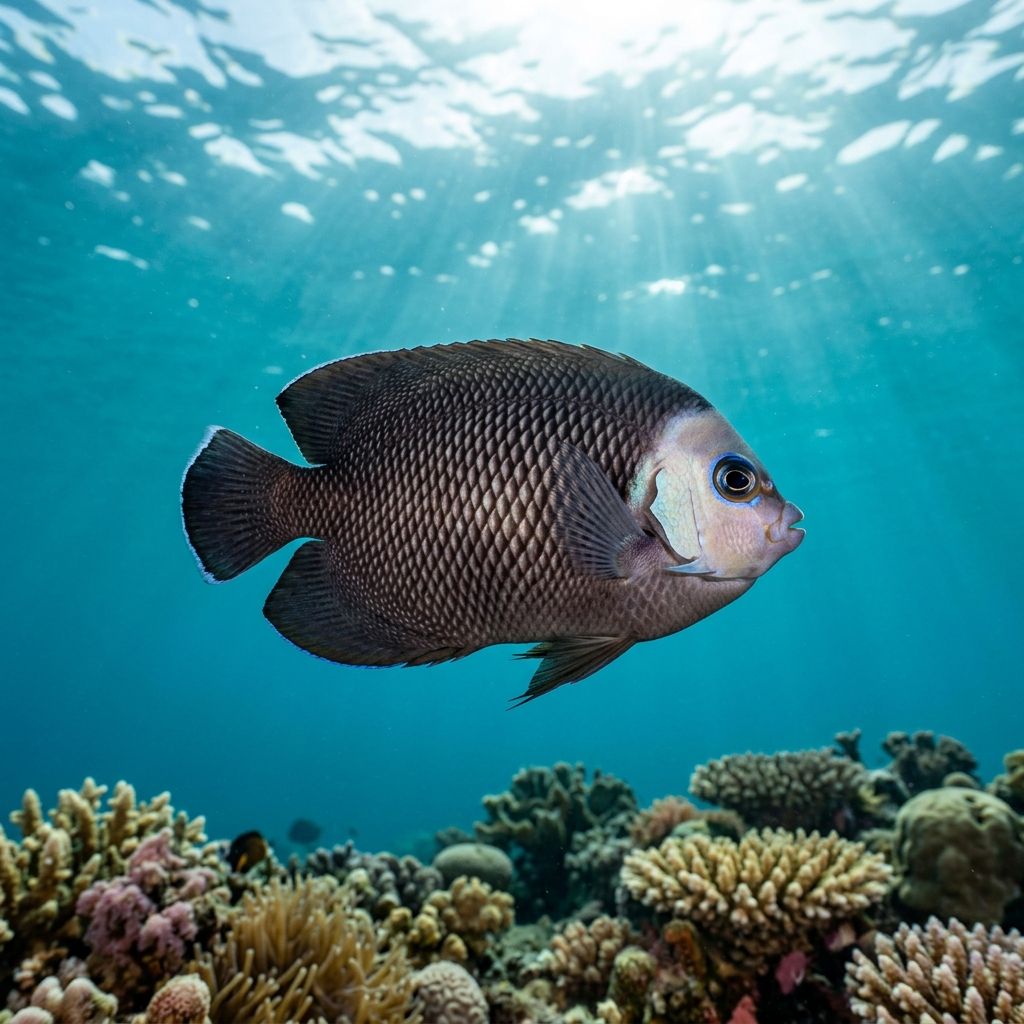
A deep-bodied, disc-shaped angelfish reaching around 32cm, with a slate grey to blue-grey body and a paler, almost bony-plated look on the face that gives it its odd common name. Look for the faint darker vertical banding across the flanks and the steep forehead profile typical of Pomacanthus angelfish. It moves with the slow, deliberate glide typical of large angelfish rather than darting like a damselfish.
Divers typically find it cruising alone or in loose pairs over reef and rocky substrate, picking at sponges and encrusting growth rather than schooling in open water. It tends to hold a fairly consistent patch of reef and won't bolt at the sight of divers, though it keeps a comfortable distance and rarely approaches.
Like other Pomacanthus angelfish, it likely feeds heavily on sponges and tunicates, a diet that lets it exploit reef real estate few other fish compete for.
Sightings don't show a clear season, and with a comfortable range of 22.5 to 27.5C on these subtropical reefs it's reasonable to expect it year-round in KwaZulu-Natal and Ponta do Ouro.
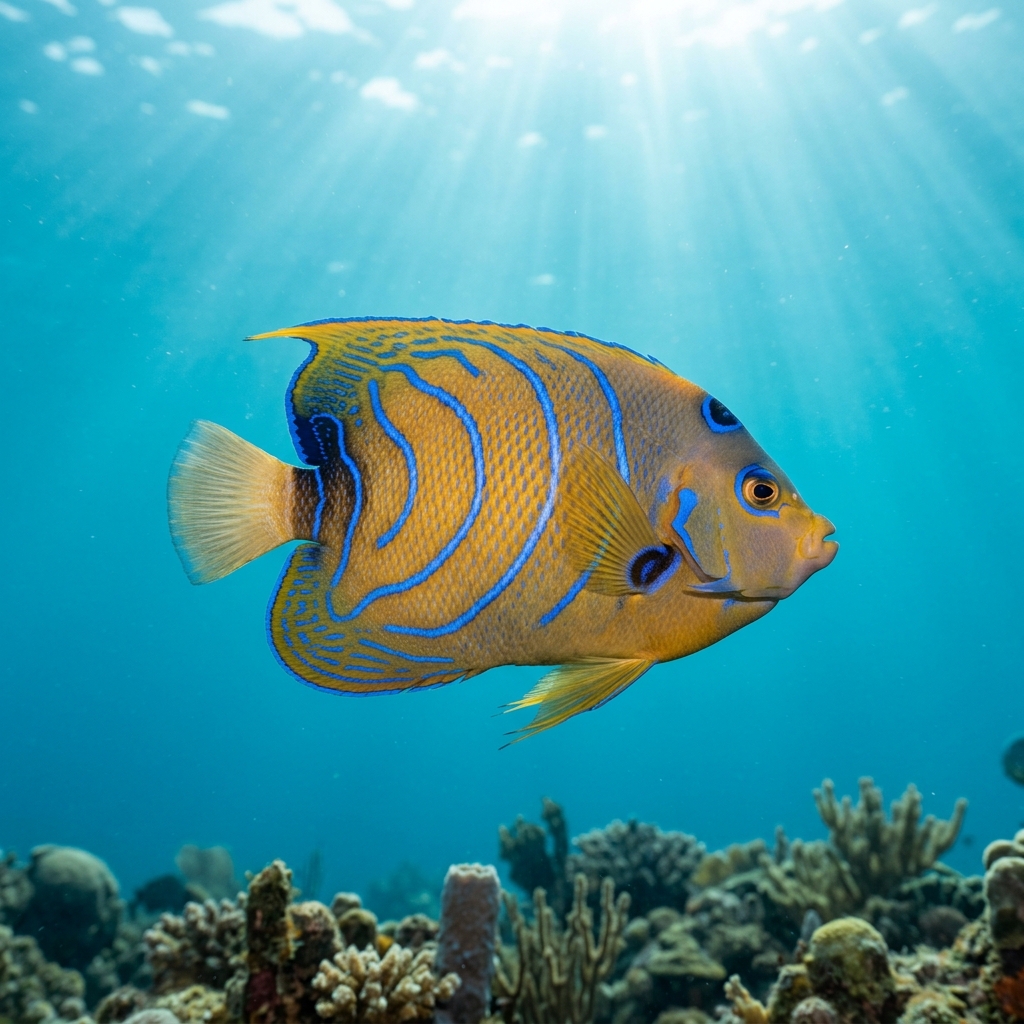
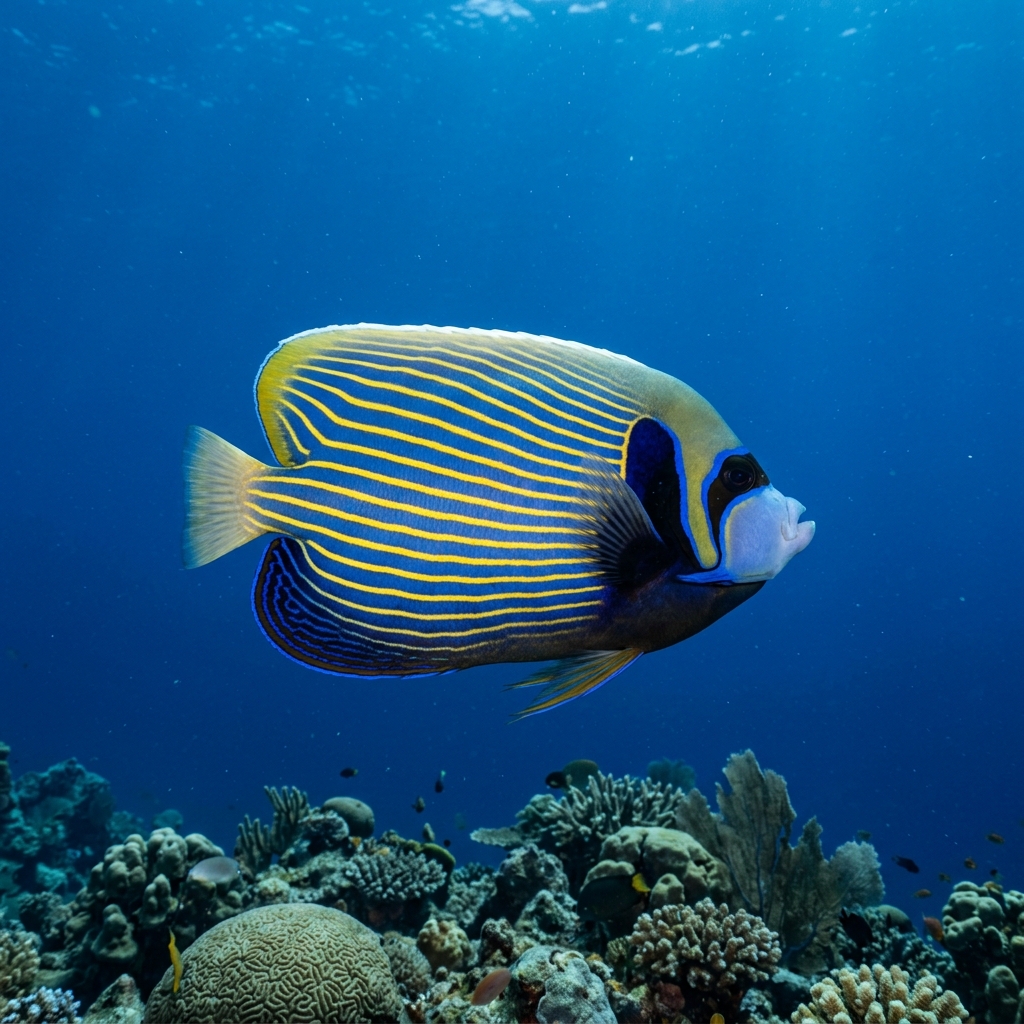
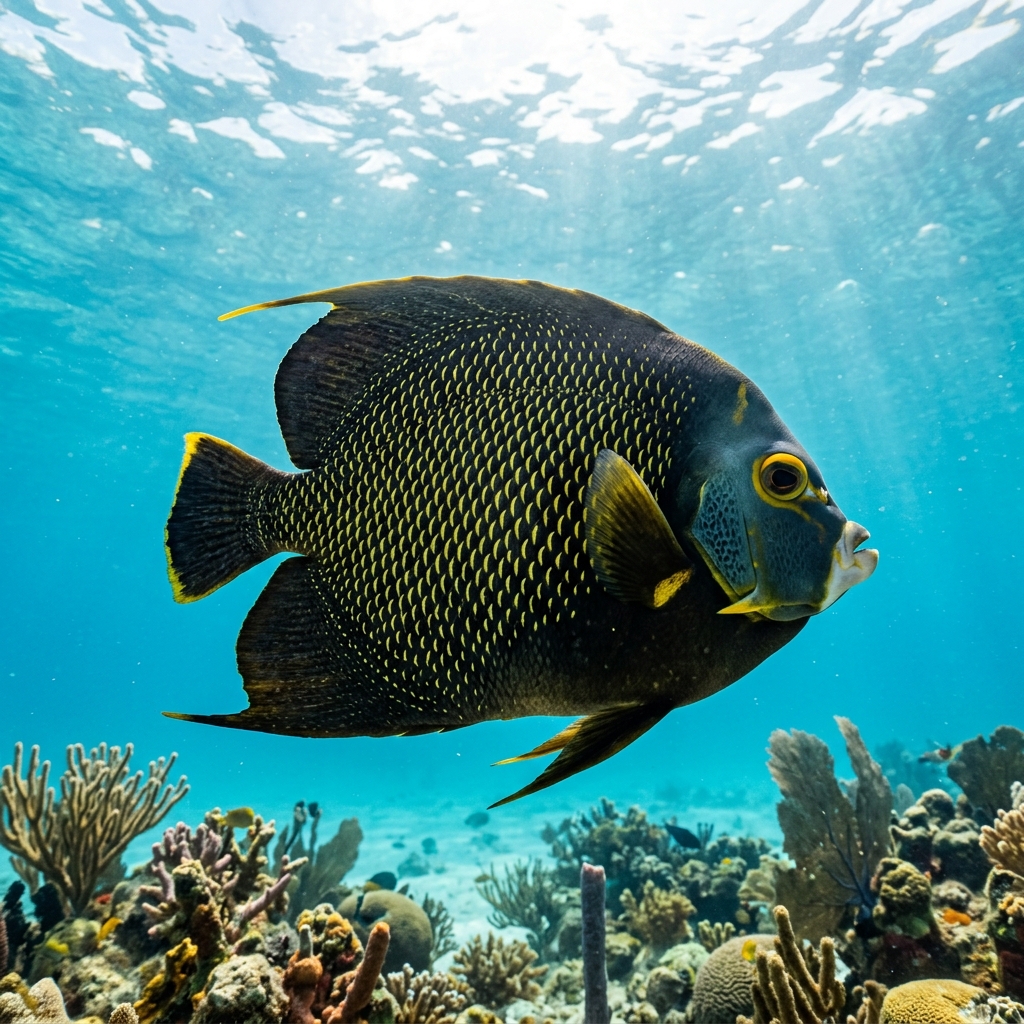
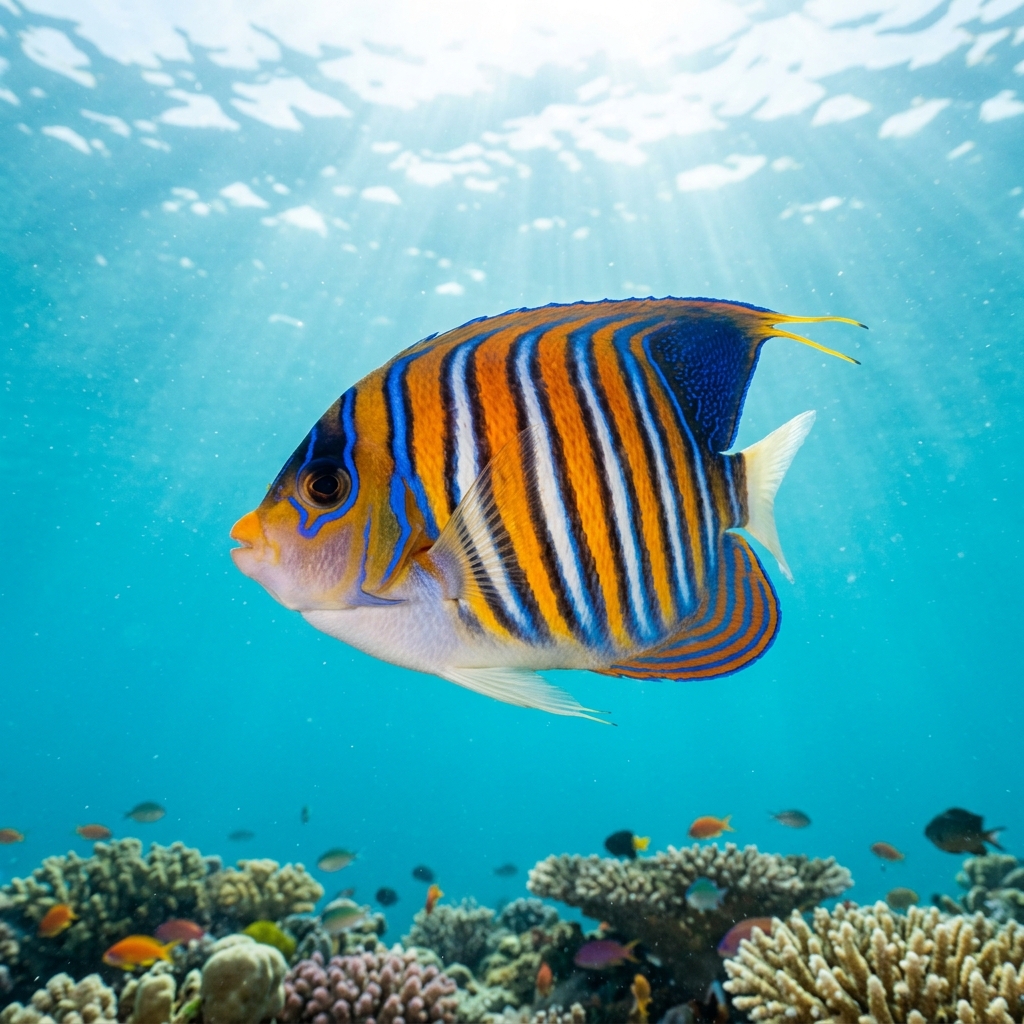
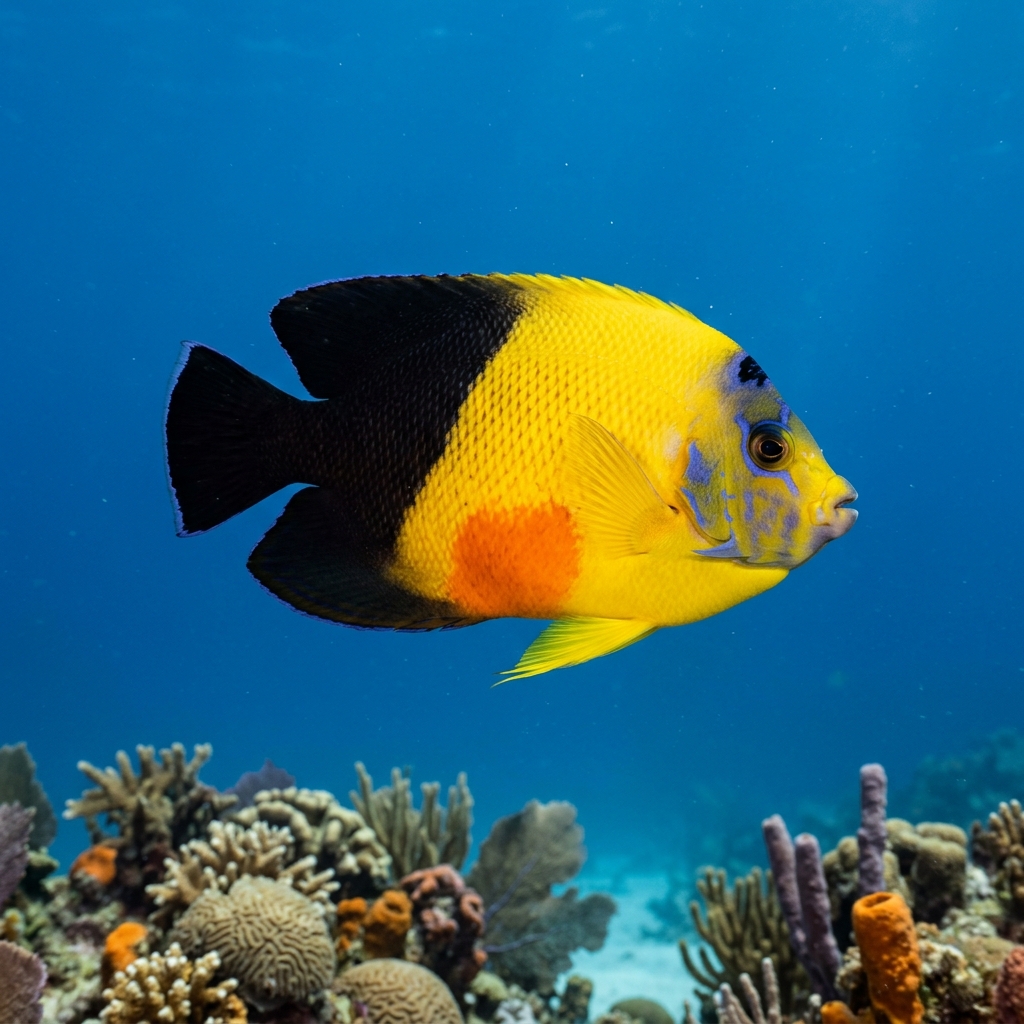
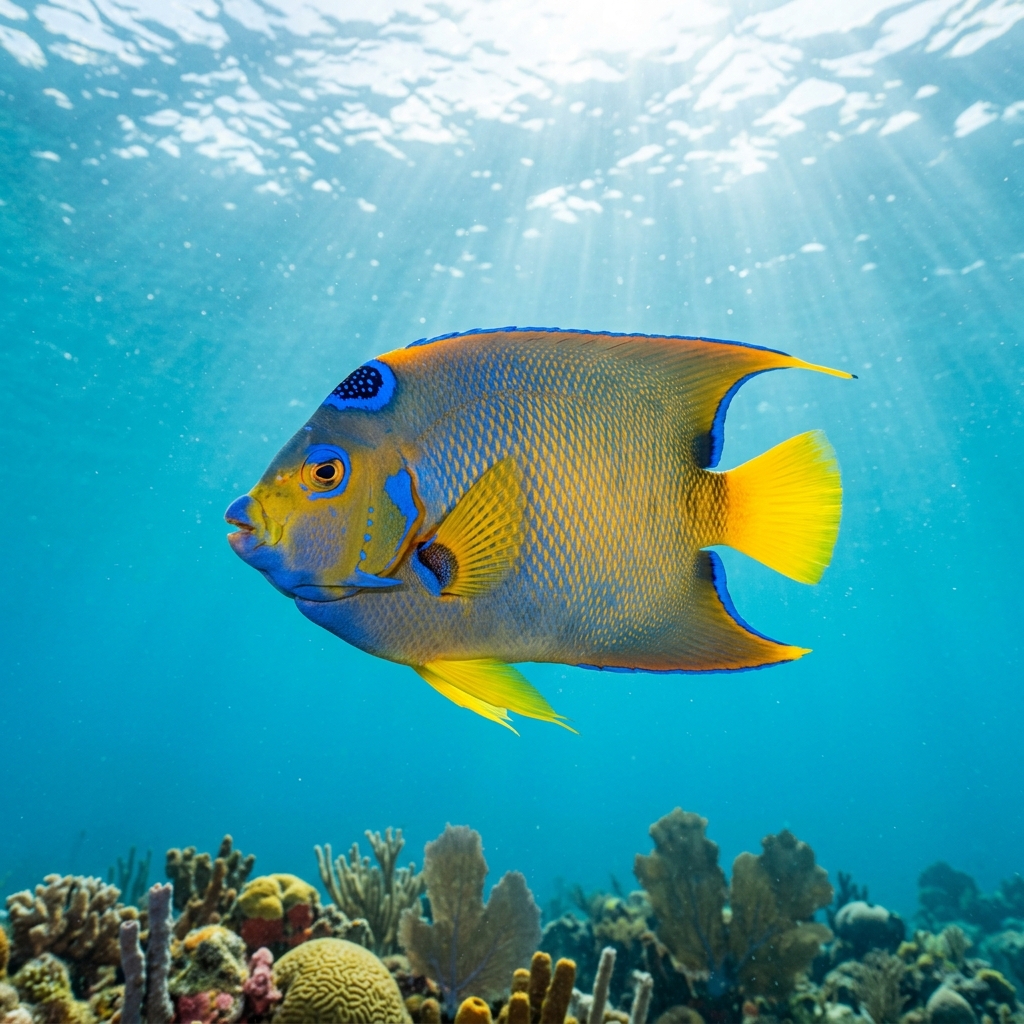
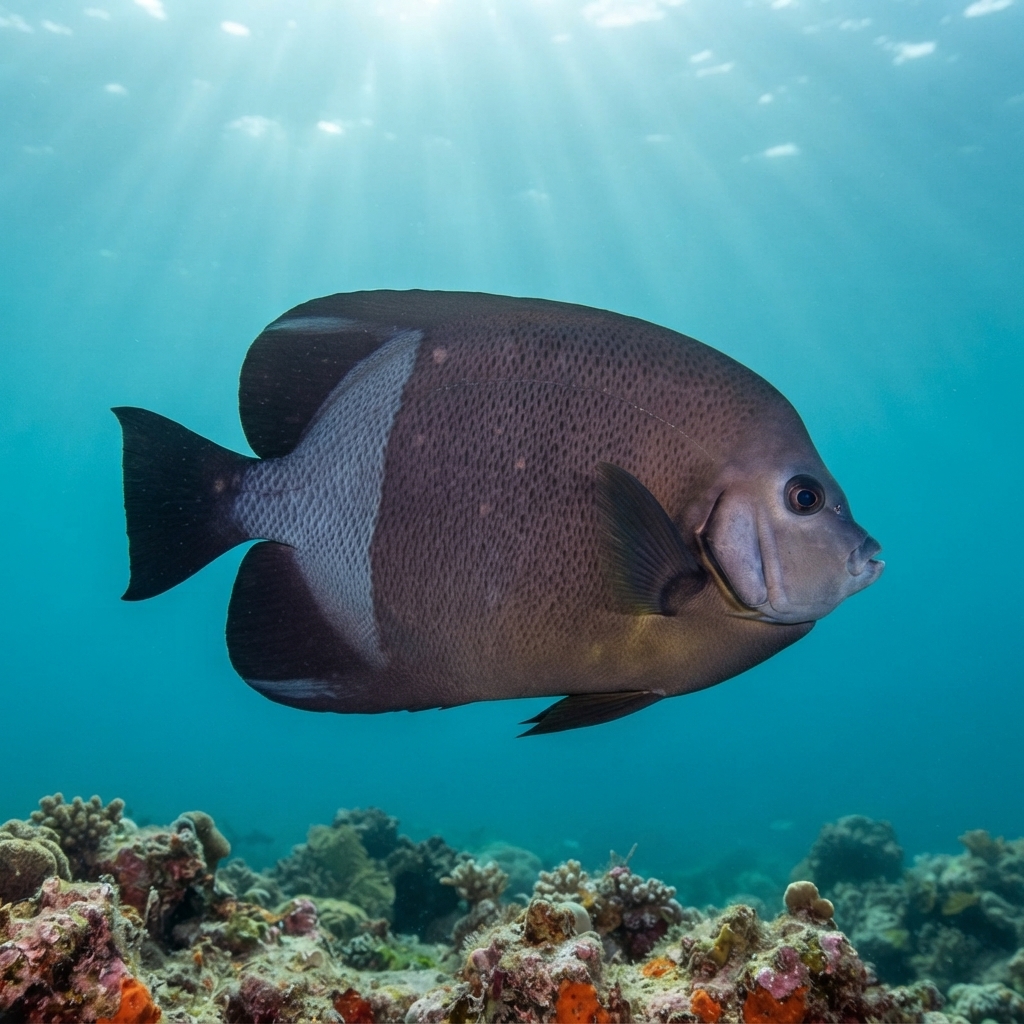
Reef neighbours a diver could mistake it for. Use the identification notes above to tell them apart.
KwaZulu-Natal in South Africa is by far the strongest area for this angelfish, with Ponta do Ouro in Mozambique the other reliable spot. Across both, it turns up as an uncommon but steady sighting rather than something you're guaranteed on every dive.
Mapping where Old Woman is logged…
KwaZulu-Natal in South Africa is the most consistent region, with Ponta do Ouro in Mozambique the other spot where divers regularly log it.
There's no strong seasonal pattern in the data, and given its 22.5 to 27.5C comfort range it's likely present on KwaZulu-Natal and Ponta do Ouro reefs throughout the year.
Look for a deep, disc-shaped body around 32cm, grey-blue colouring, faint vertical banding, and a distinctive pale, bony-looking face pattern that gives the species its name.
They reach roughly 32cm, putting them among the larger angelfish divers encounter on southern African reefs.
No, they're harmless to divers and simply go about grazing on sponges and encrusting growth on the reef.
It's logged as uncommon at most sites where it appears, so it's a real but not everyday sighting, with a handful of sites reporting it as common.
Site and sighting data is aggregated from diver logs, iNaturalist and GBIF. For taxonomy and conservation status:
Rock Beauty
1,573 sites