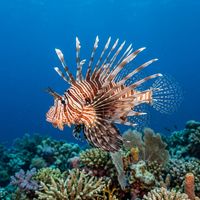
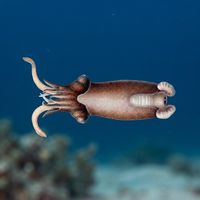
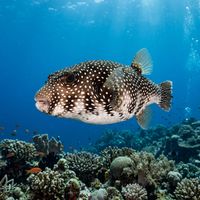
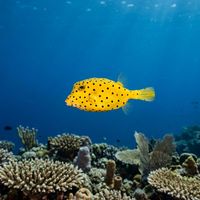
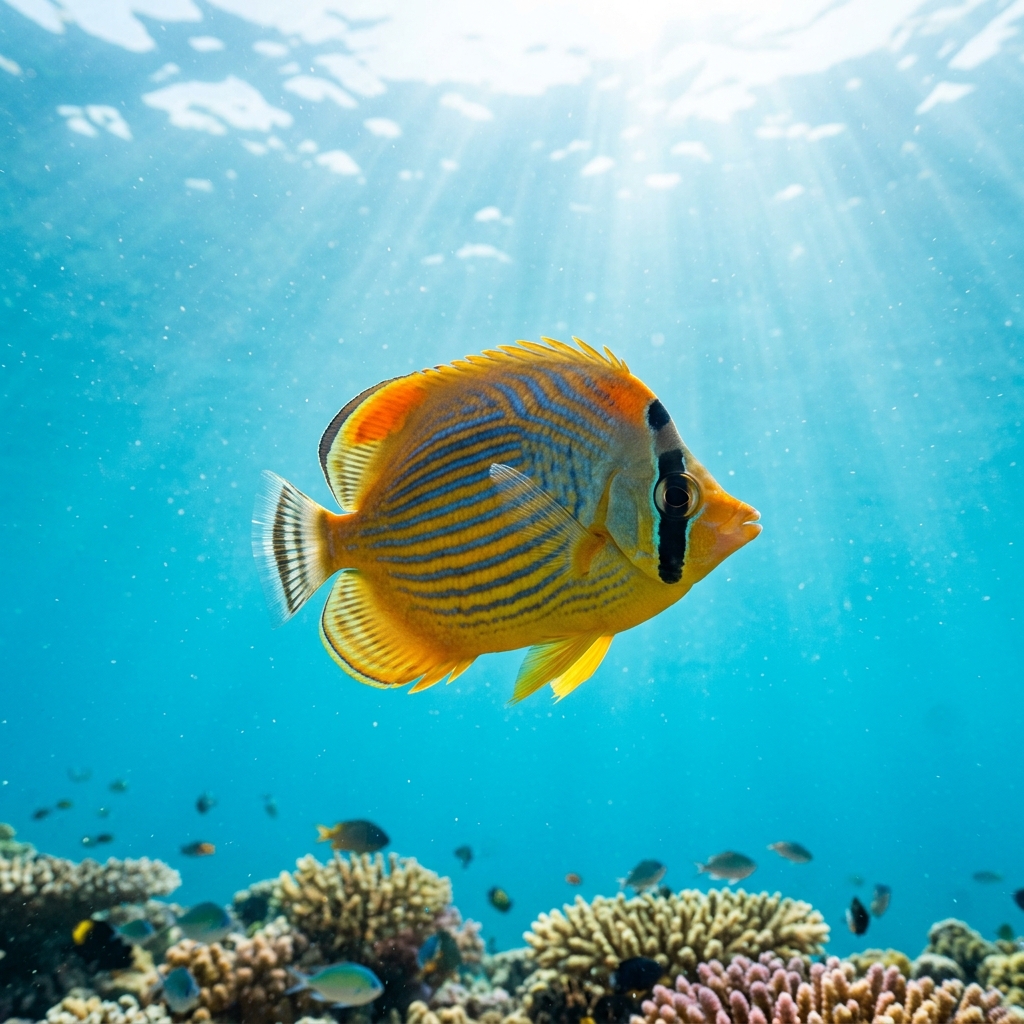
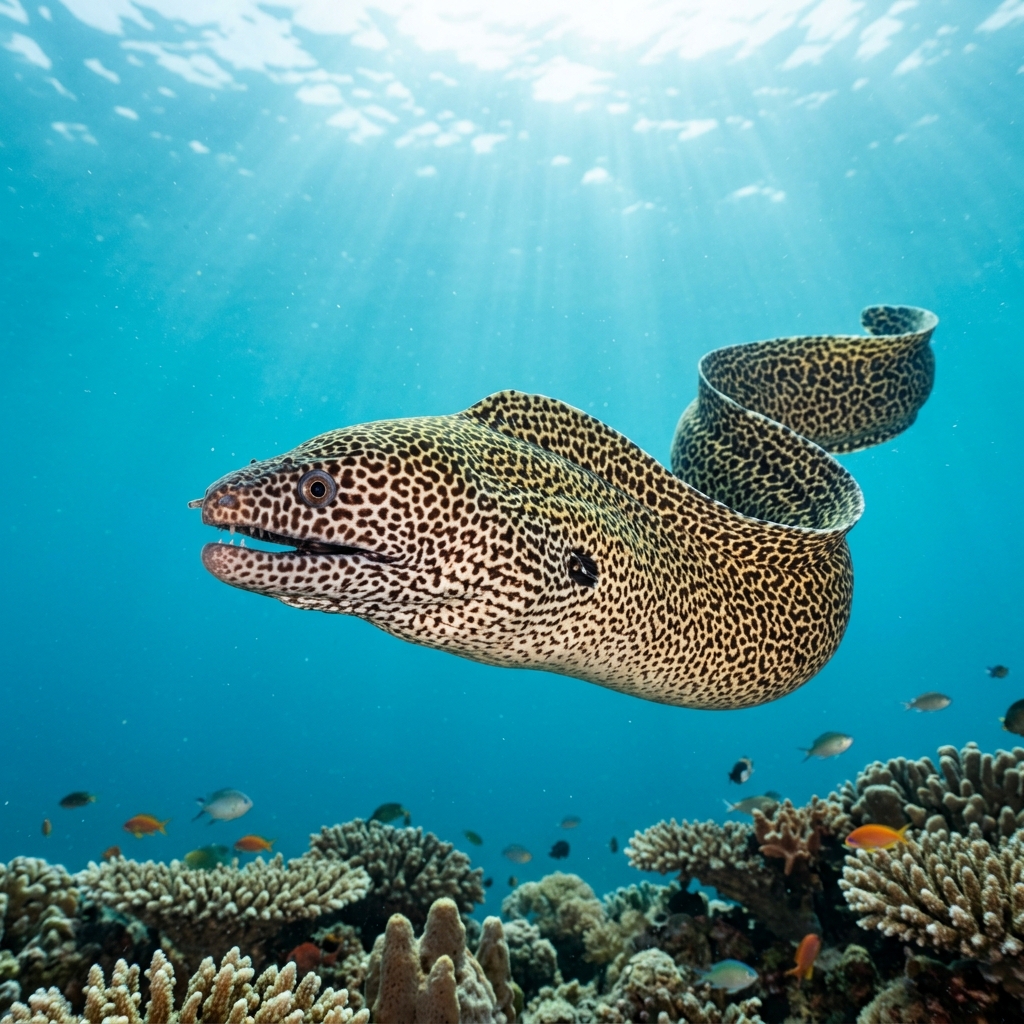
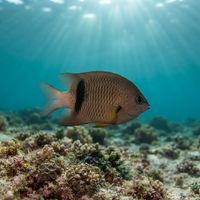
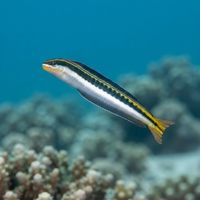
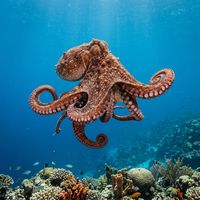
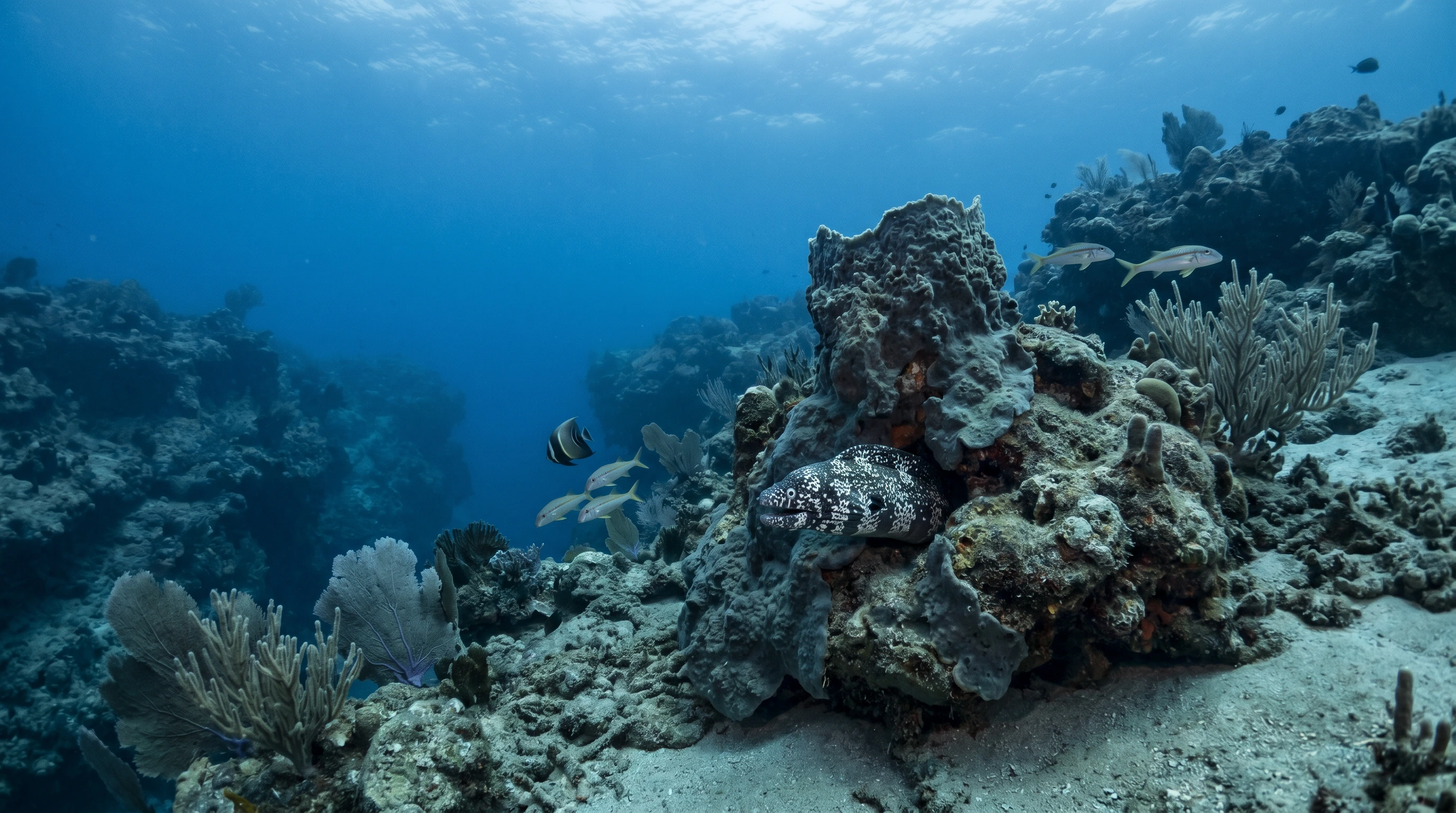
Durban's dive sites span shallow tidal pools and beginner-friendly reefs through to deep drift dives and wrecks, giving the region a wider range than its compact footprint suggests. Reef structures dominate, with Coral Gardens and Birthday Ledges suiting newcomers, while Number One demands experience from drift divers. The Convict Surgeonfish and Indo-Pacific Sergeant Major are ubiquitous across sites, and the Indian Lionfish, Common Octopus and Laced Moray reward closer inspection of reef crevices. Water is warmest through summer and cools noticeably by late winter.
Monthly water temperature across Durban's sites, from satellite sea-surface data corrected for depth. The band shows the site-to-site spread.
Water temperatures peak through the early months of the year and ease off as winter approaches, with the coolest conditions arriving around August and September. Summer brings the warmest diving and broadly favourable conditions, while the cooler months can see variable visibility. Drift diving at sites like Number One is best approached when conditions are settled.
10 operators

Berea, South Africa
9 more sites to explore
Water temperature around Durban ranges from about 21°C in August to 26°C in February, based on satellite sea-temperature data for its dive sites.
In the warm season (about 26°C) a 3mm full suit is comfortable in Durban; in the coldest months (about 21°C) step up to a 5mm suit.
Fin maps 16 sites in Durban (12 scuba diving sites and 8 snorkelling spots, with some suited to both).
Across Durban's dive sites, January, February and May are most often reported as the best months to visit.
Durban's reefs host a broad mix of species. The Convict Surgeonfish and Indo-Pacific Sergeant Major are seen across nearly all sites, while the Indian Lionfish and Common Octopus are frequently recorded. Reef crevices shelter the Laced Moray and Snowflake Moray, and the Guitarfish is occasionally encountered along the seabed.
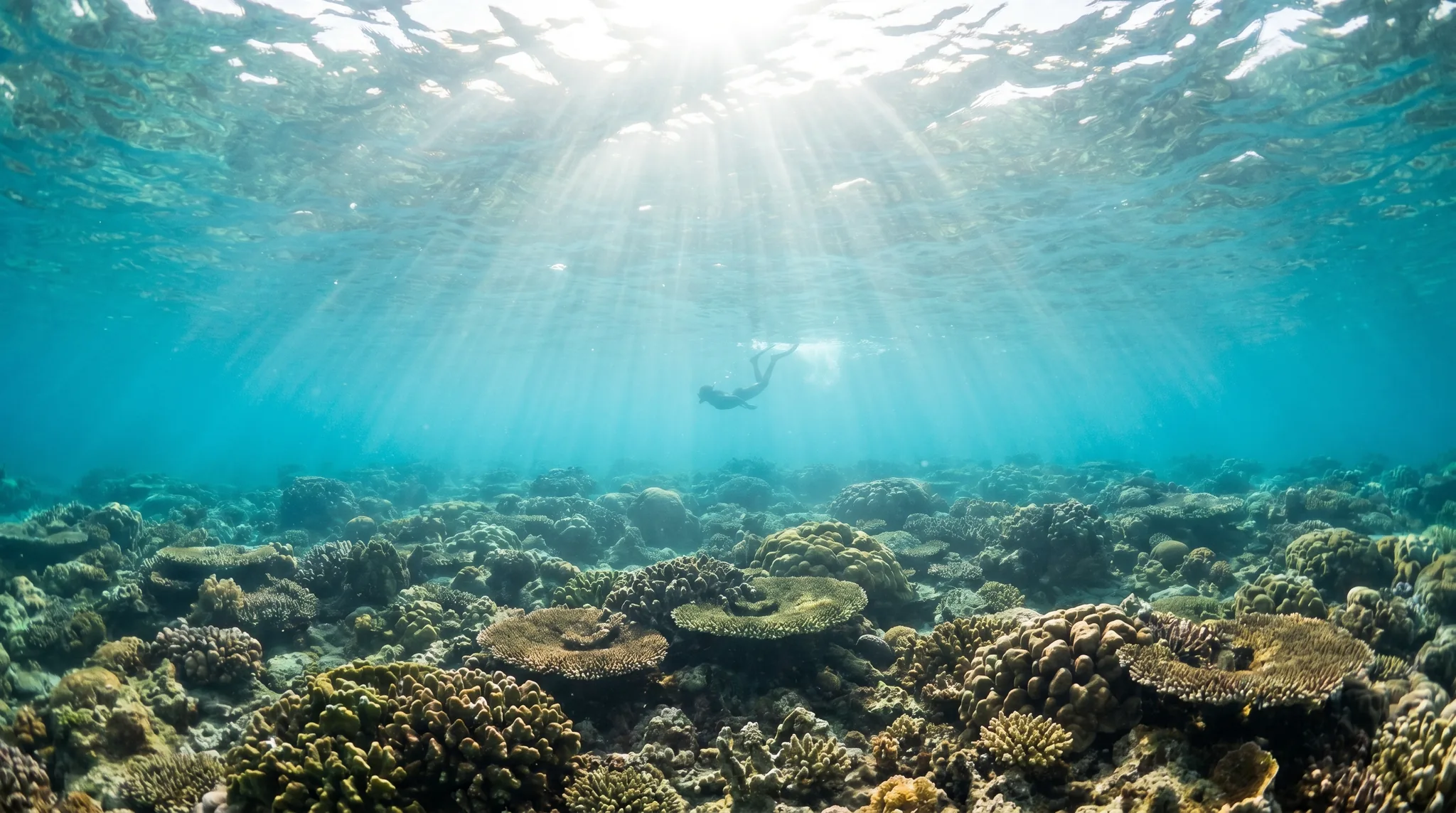
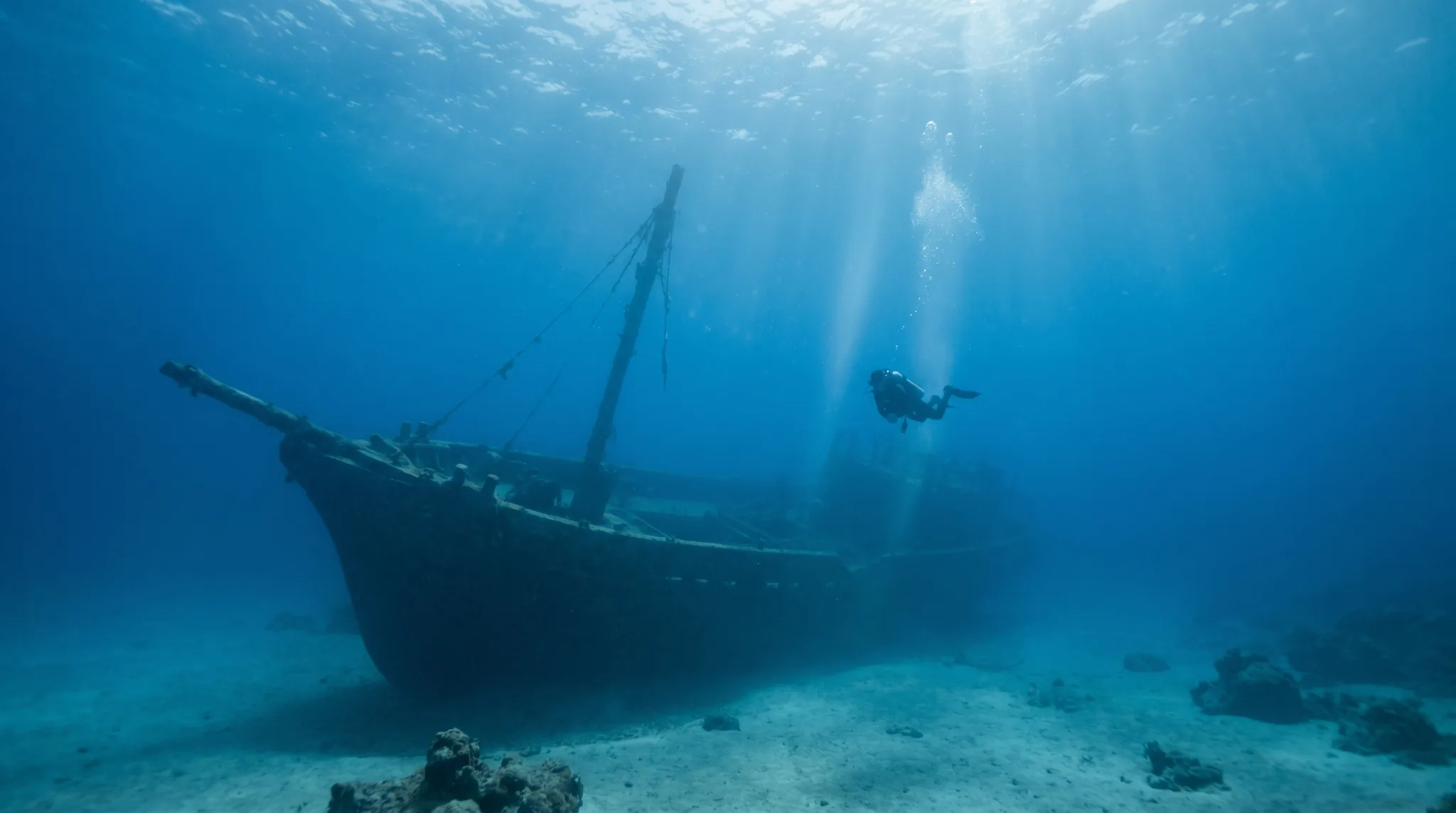
A good proportion of Durban's sites are rated for beginners, including Birthday Ledges, Coral Gardens and the Ovington Court Wreck. These sites offer manageable depths and relaxed conditions for divers building experience. The T-Barge is also noted as accessible for those still developing their skills. More advanced divers can head to drift sites like Number One.
Most of Durban's dive sites are reached by boat, including Birthday Ledges, Coral Gardens and the Fontao Wreck. Shore entry is available at a smaller number of sites, notably the Ovington Court Wreck and the Dolphin Coast Tidal Pools. Operators including Durban Undersea Club, Tidal Tao, Dive Factory and Freedivers International run boat-access trips.
Reef diving is the backbone of Durban's underwater landscape, ranging from ledge and cave systems at Birthday Ledges to open reef at Coral Gardens. Wrecks add variety, with the Fontao Wreck and Ovington Court Wreck among the options. The region also offers drift diving at Number One and shallow tidal pool environments at Dolphin Coast Tidal Pools.