Anoplopomatidae spp.
Black Cod inhabit cold North Pacific waters from the US Pacific Coast to British Columbia and Russia. Here's where divers encounter them.
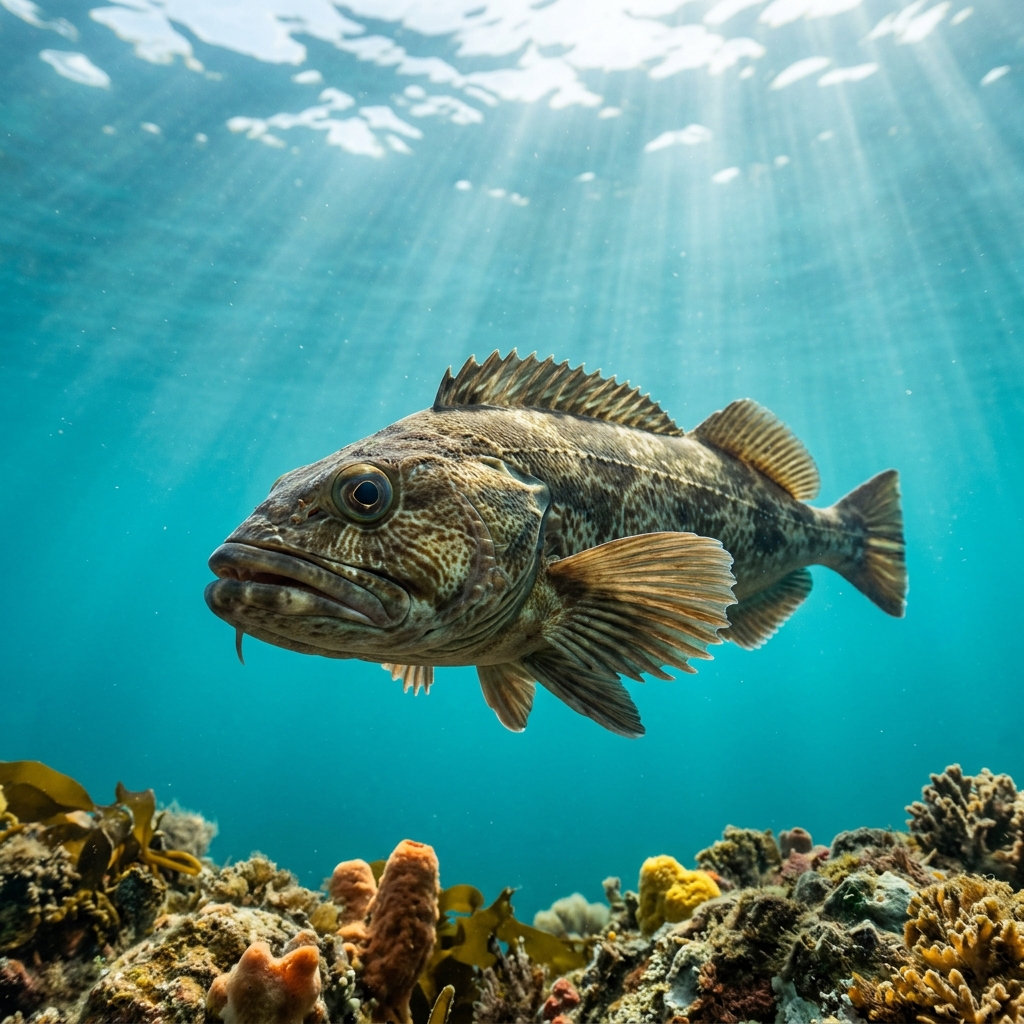
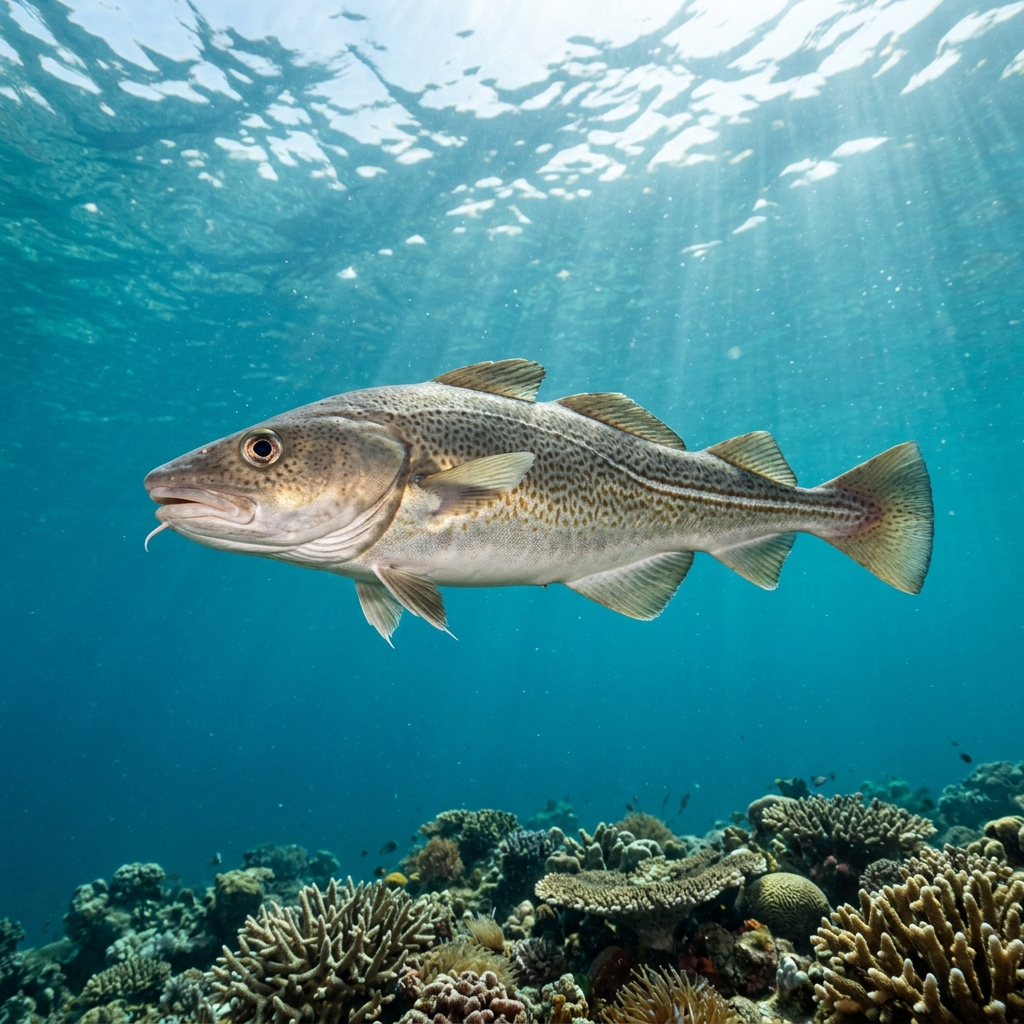
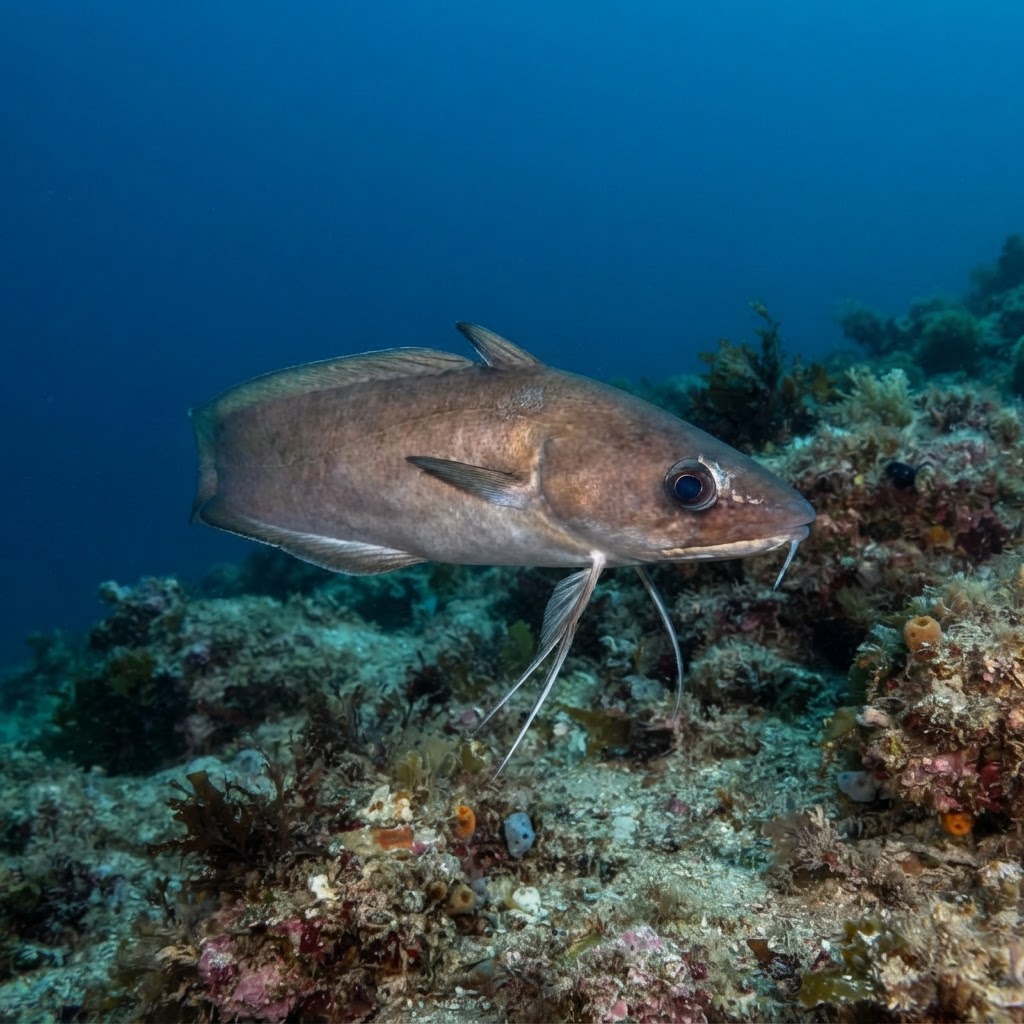
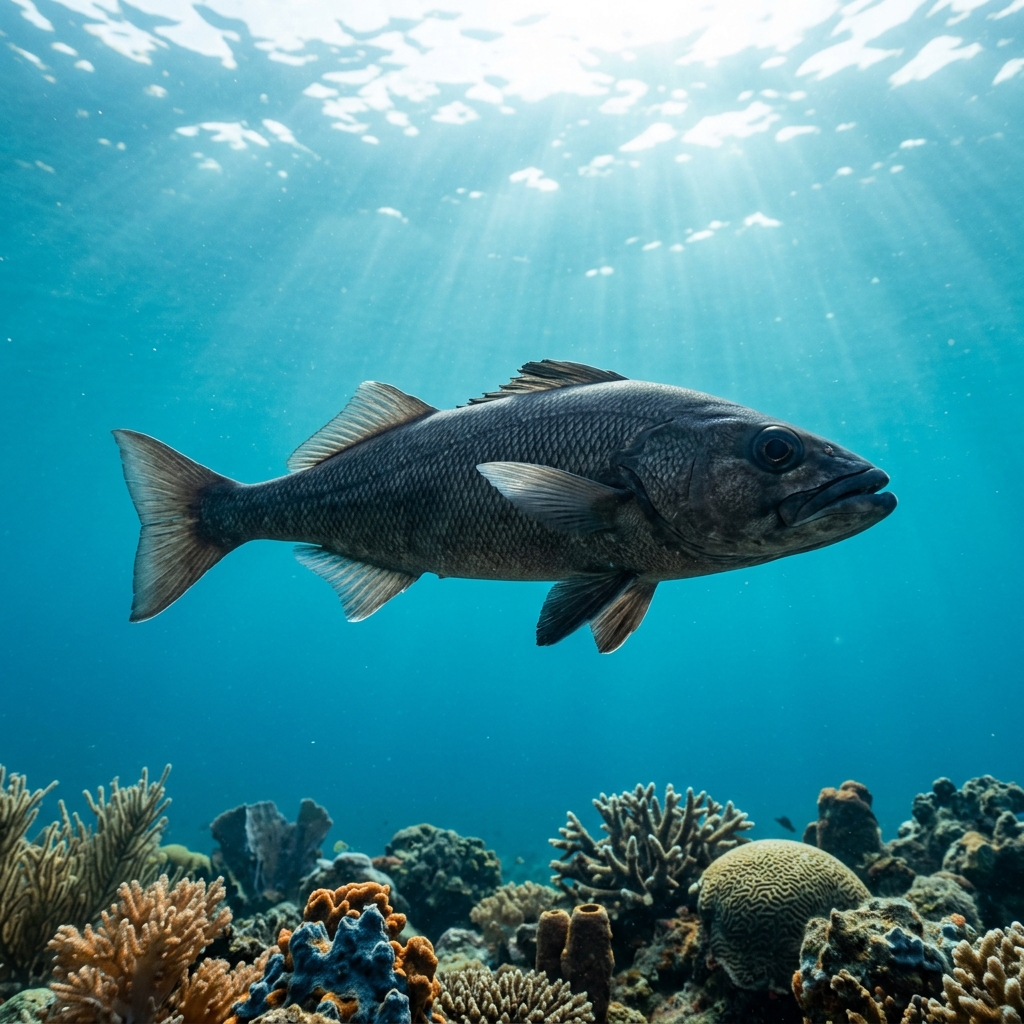
Members of this family are elongate, large-bodied fish wearing a dark grey to near-black or olive-brown colouration that makes them blend easily into rocky, low-light environments. The body is smoother and more streamlined than most rockfish, lacking the spiny, heavily ridged head typical of sculpins or true rockfish. Two distinct dorsal fins and a slightly forked tail help separate them from similarly dark cod-like species. In cold, dark Pacific water they can look almost uniformly charcoal, which is the key first impression.
Black Cod tend to be encountered in midwater or near rocky slopes and structured bottom terrain, often holding position rather than actively fleeing divers. They are generally unhurried around divers, which makes slow, non-chasing approaches the best tactic. In the cold, often low-visibility conditions of their typical habitat, patience and attention to the darker corners of the reef pay off.
This is a family-level group containing only two species, making it one of the smallest fish families in the North Pacific, yet it produces fish that can live for more than 90 years, among the longest-lived bony fishes known.
No clear seasonal peak emerges from the available data, so treat them as a year-round target across their range. Their observed temperature niche of roughly 7 to 14°C means they are tied to cold, temperate North Pacific conditions regardless of season.
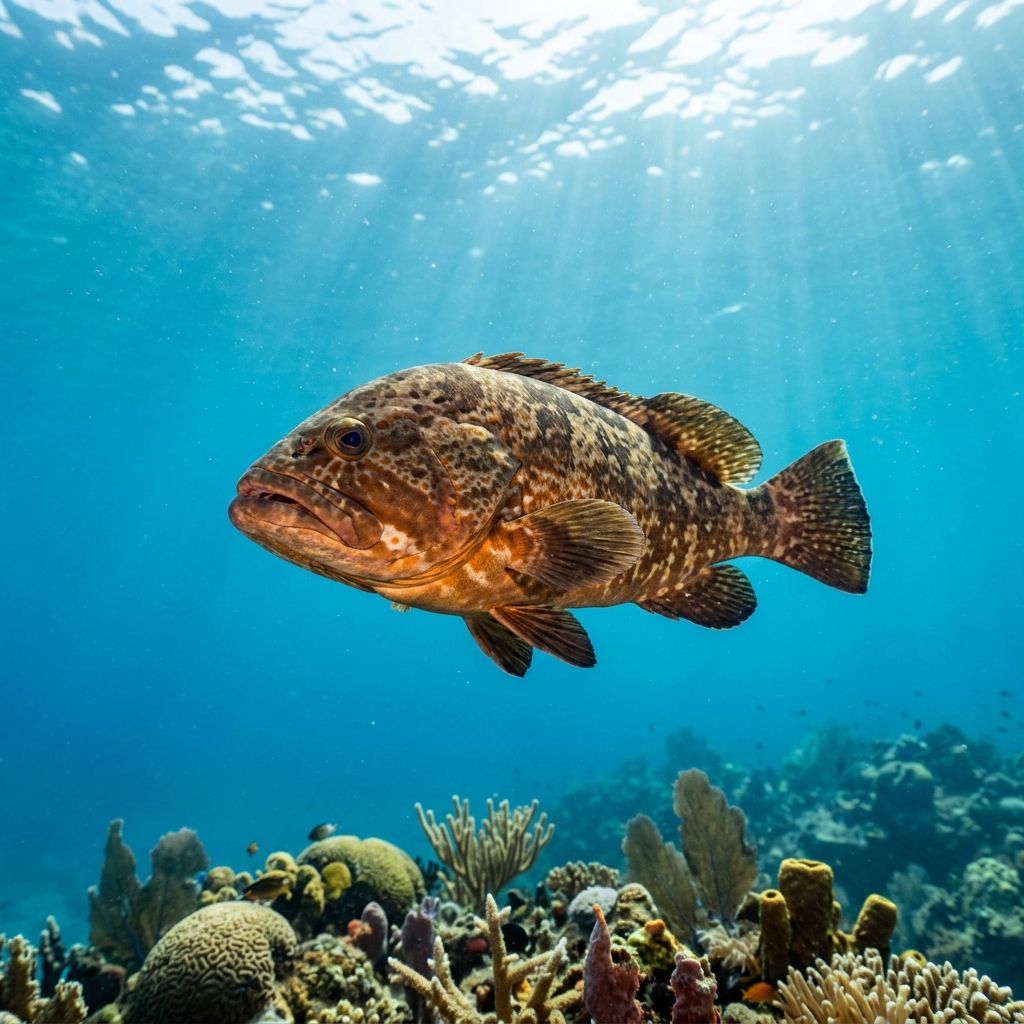
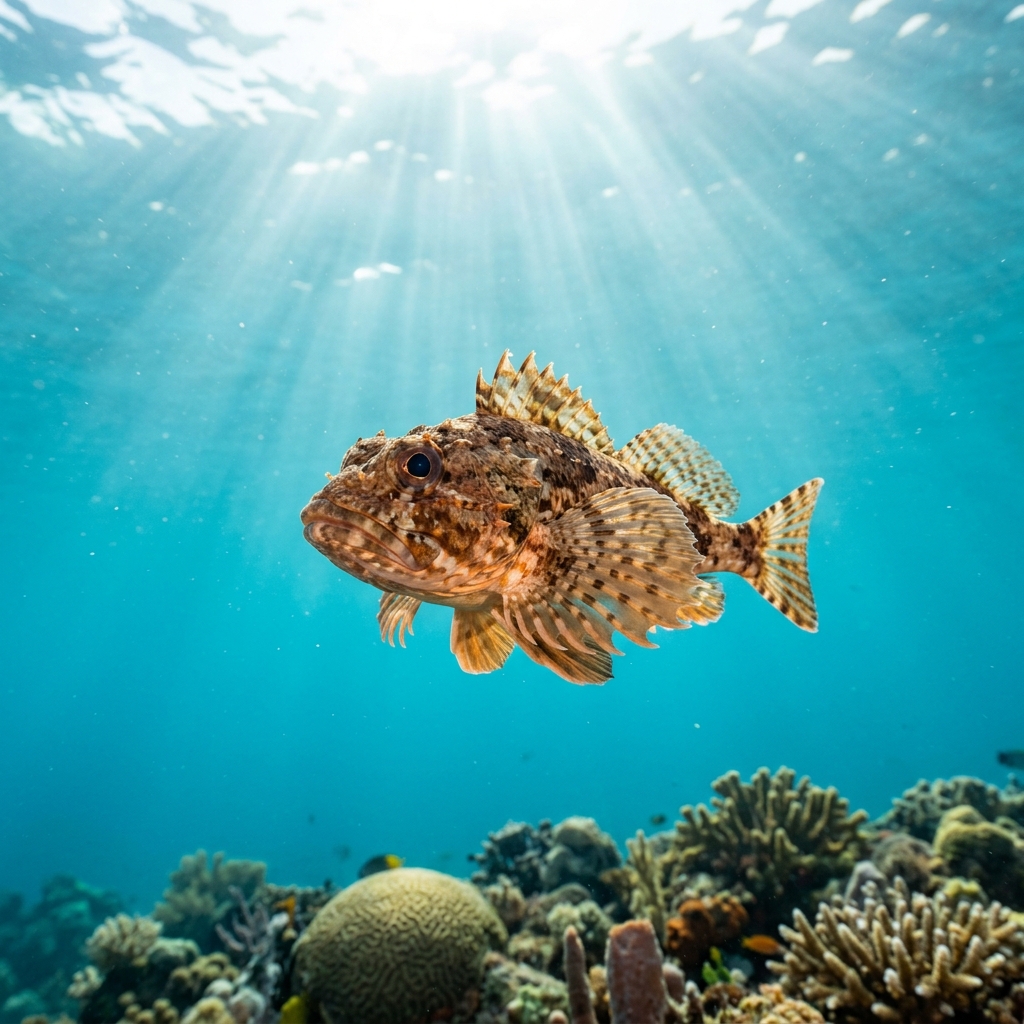
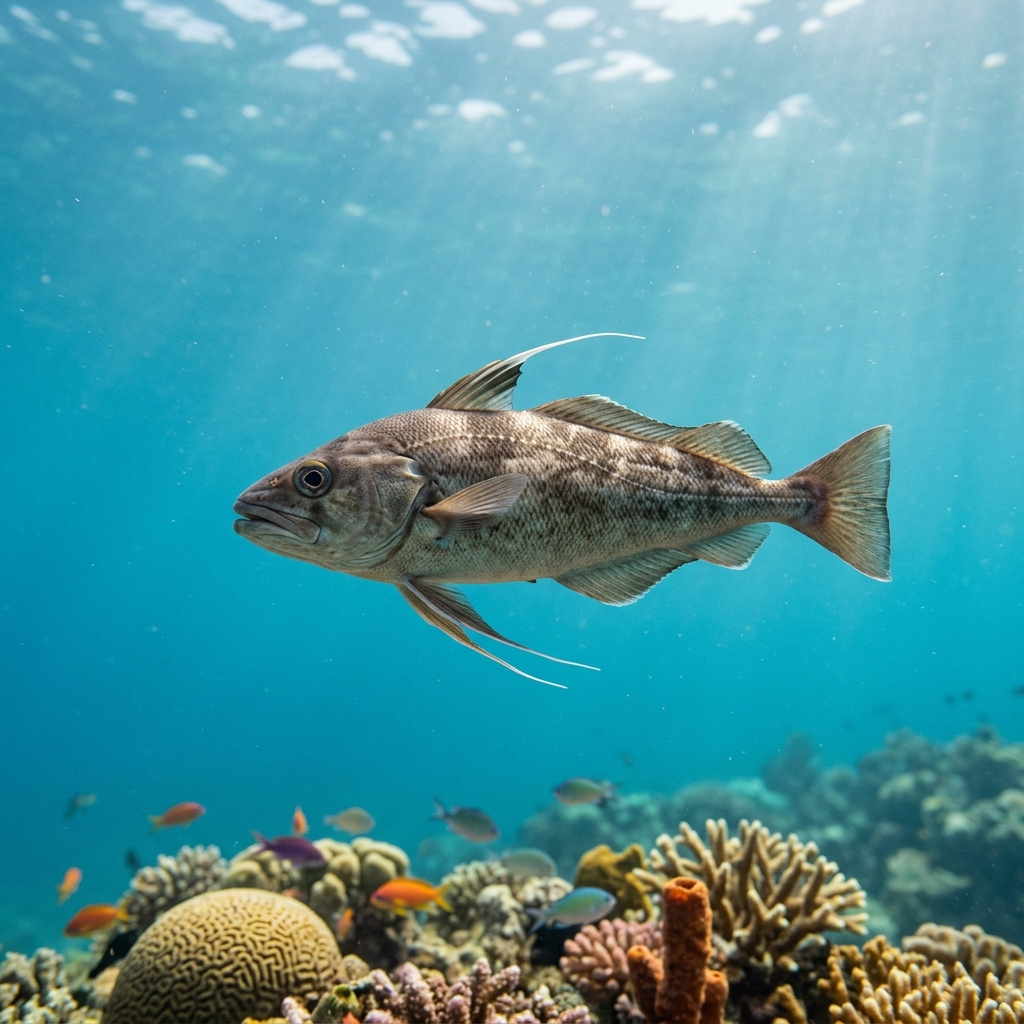
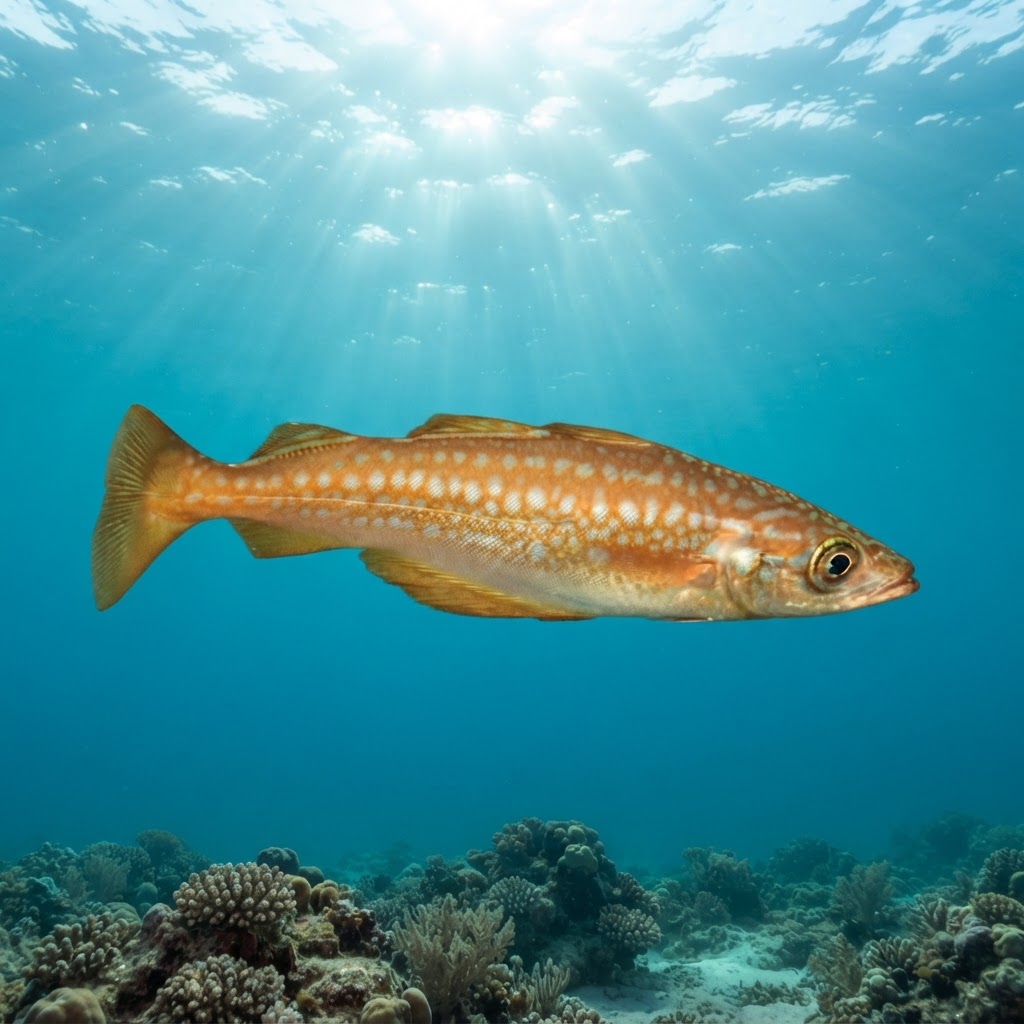
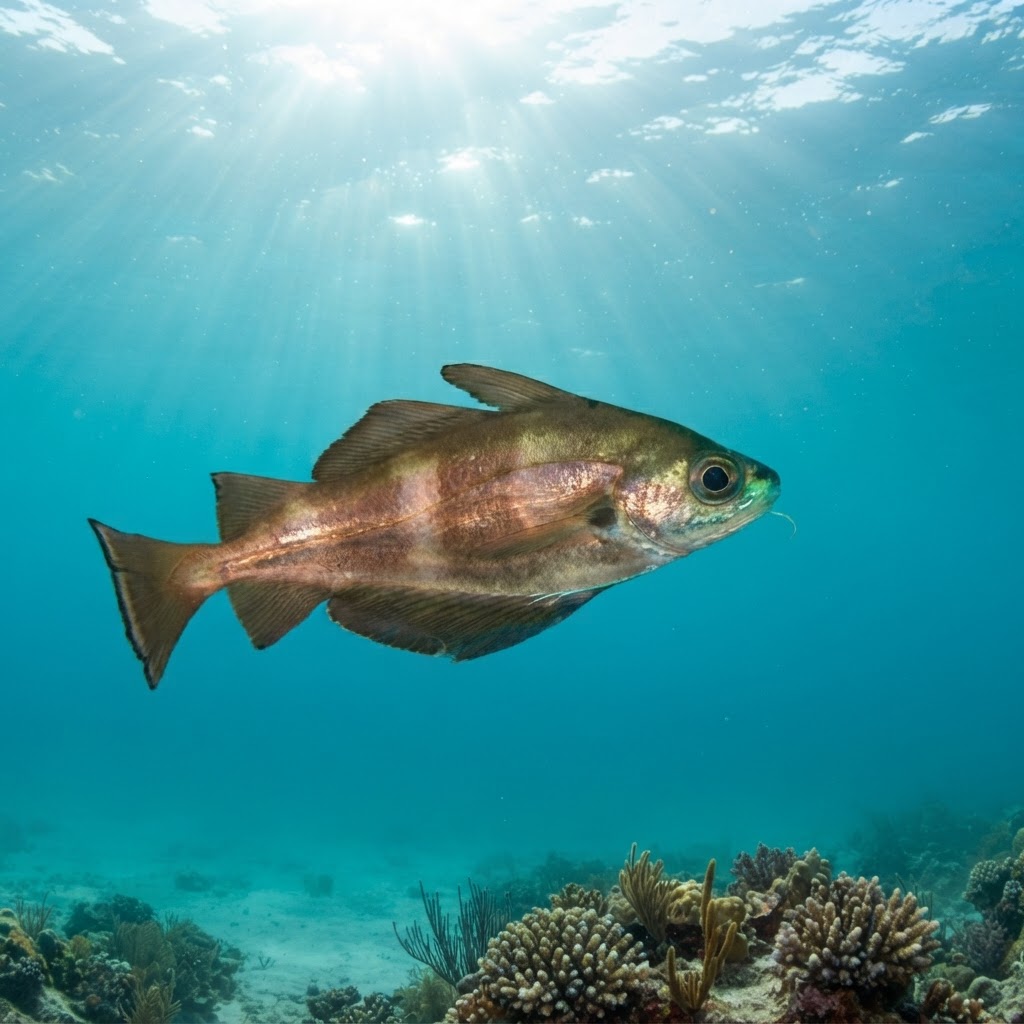
Reef neighbours a diver could mistake it for. Use the identification notes above to tell them apart.
Black Cod are most commonly logged along the US Pacific Coast, with strong representation in British Columbia and Alaska, making the cold Northeast Pacific the core of their accessible dive range. The Russian Far East and Japan's Sea of Japan round out the sighting picture for divers exploring the western North Pacific. Canada's British Columbia Coast, including Vancouver Island, is among the best-placed regions for divers to target this family.
Mapping where Black Cod is logged…
The bulk of dive encounters are concentrated along the US Pacific Coast, in British Columbia including Vancouver Island, and in Alaskan waters. The Russian Far East and Japan's Sea of Japan are also within their range for divers exploring the western North Pacific.
There is no confirmed seasonal peak in diver sighting data, so they can be targeted year-round. Their preference for water temperatures between roughly 7 and 14°C means any season in the cold North Pacific is potentially productive, though local conditions like visibility and swell will matter more than the calendar.
Look for a large, smooth, elongate fish in near-black to dark olive-grey colouration in cold, rocky environments. Unlike sculpins or rockfish, the head is relatively smooth without heavy ridges or spines. Two separate dorsal fins and a slightly forked tail are useful confirmation clues when visibility allows a closer look.
Typical size information is limited for diver encounters with this family, but Anoplopoma fimbria, the more familiar of the two family members, can reach around 90 to 100 centimetres and several kilograms in maturity. Divers most commonly report seeing fish in the 40 to 70 cm range on reef dives.
Black Cod are among the most extraordinarily long-lived bony fishes, with individuals confirmed at over 90 years old. The family Anoplopomatidae contains only two species worldwide, making it one of the smallest marine fish families, yet both members occupy a significant ecological role in cold North Pacific food webs.
Site and sighting data is aggregated from diver logs, iNaturalist and GBIF. For taxonomy and conservation status:
Pollack
282 sites