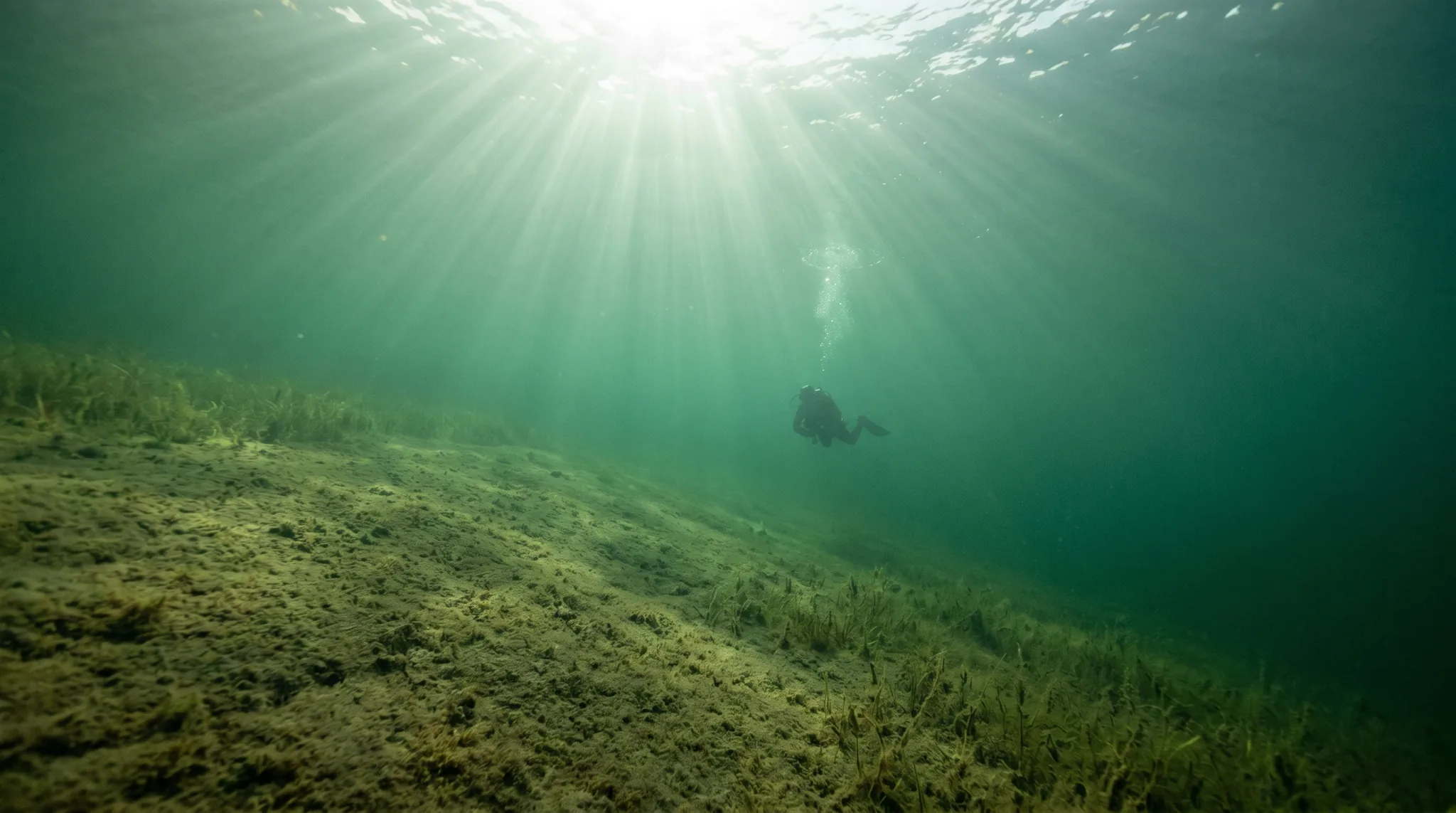
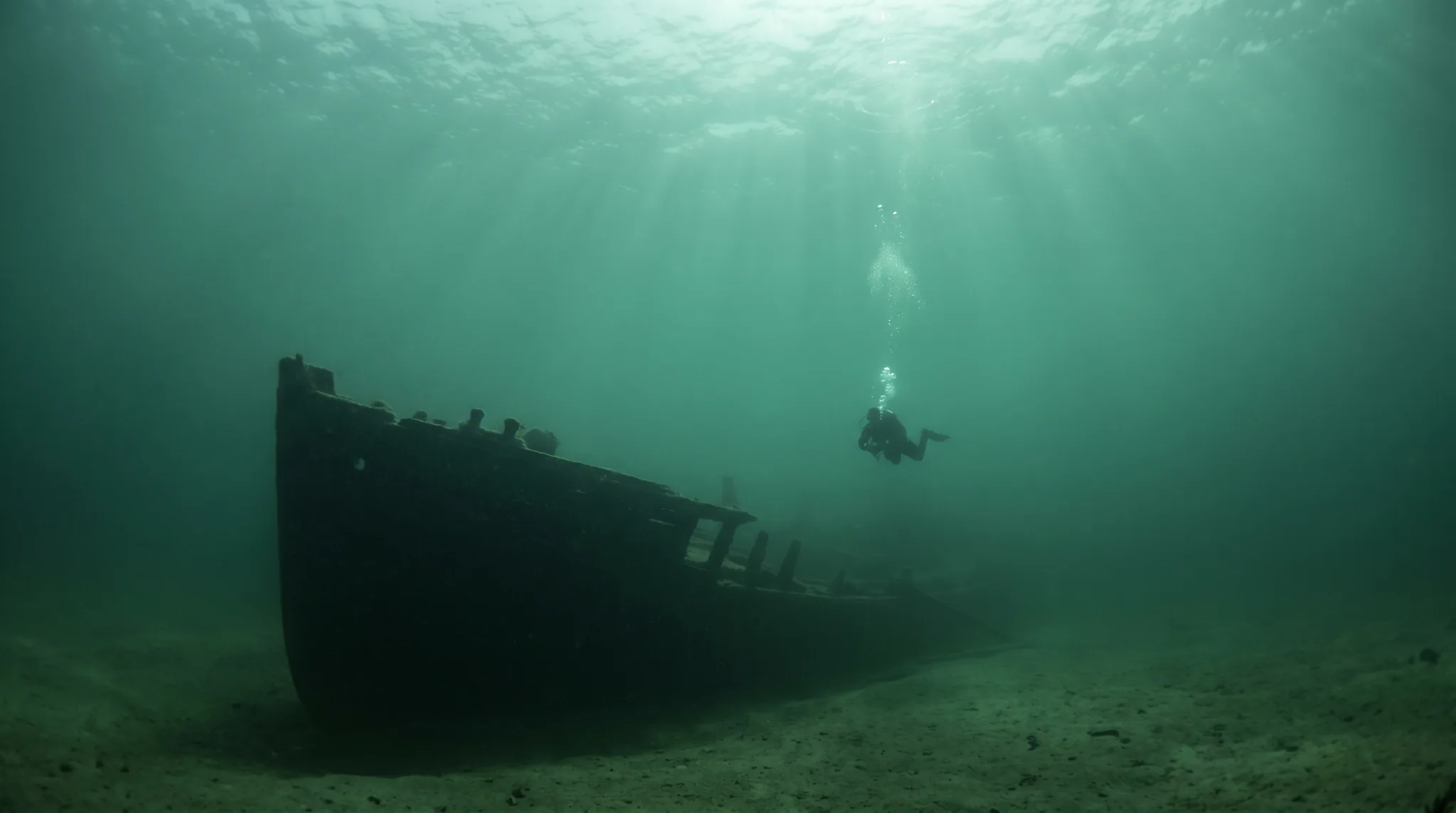
Romania's Black Sea Coast is defined by wreck diving. The majority of sites are sunken vessels spread across three sub-areas: Constanța holds the largest concentration, while Mangalia and Eforie & Costinești add pier and reef options closer inshore. Skill levels span beginner to advanced technical, with deep offshore wrecks such as the Moskva Destroyer Wreck and Sc-213 demanding experience, and shallow shore entries like Mangalia Pier suiting newer divers. Water temperatures peak in late summer, making June through September the most comfortable window. Sea Anemone and Common Moon Jellyfish are among the observed species across these sites.
3 areas
 9
9Romania's main Black Sea diving hub, with a wide range of wrecks from shallow beginner dives to advanced offshore sites and strong thermoclines.
4Shore-entry Black Sea diving near Mangalia, with natural reef, artificial reef, and wreck sites accessible to beginners.
 2
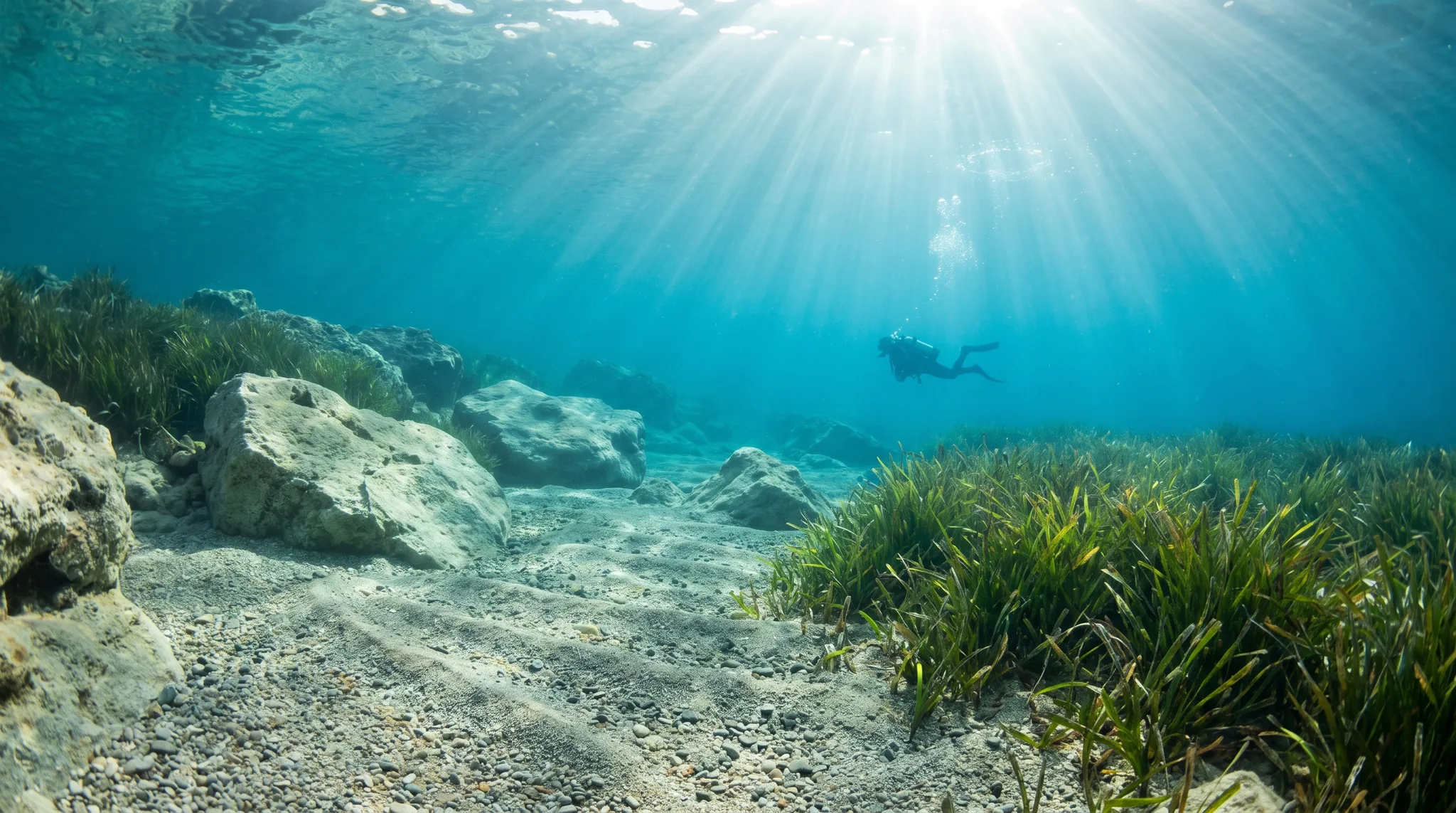
2Two shallow beginner shore dives on the Black Sea coast, a wreck at Costinesti and a reef at Eforie, with six local dive operators nearby.
Monthly water temperature across Black Sea Coast's sites, from satellite sea-surface data corrected for depth. The band shows the site-to-site spread.
Water temperatures follow a clear seasonal curve, rising from cold winter lows to their warmest in late summer, with September often the peak month. The best diving window runs from June through September, when conditions are most comfortable and the widest range of sites is accessible. Outside this window, cooler temperatures and reduced visibility favour experienced cold-water divers rather than casual visitors.
13 operators
Water temperature around Black Sea Coast ranges from about 7°C in February to 20°C in September, based on satellite sea-temperature data for its dive sites.
In the warm season (about 20°C) a 5mm suit is comfortable in Black Sea Coast; in the coldest months (about 7°C) step up to a drysuit.
Fin maps 15 sites in Black Sea Coast (15 scuba diving sites), organised into 3 areas.
Across Black Sea Coast's dive sites, June, July, August and September are most often reported as the best months to visit.
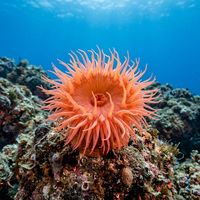
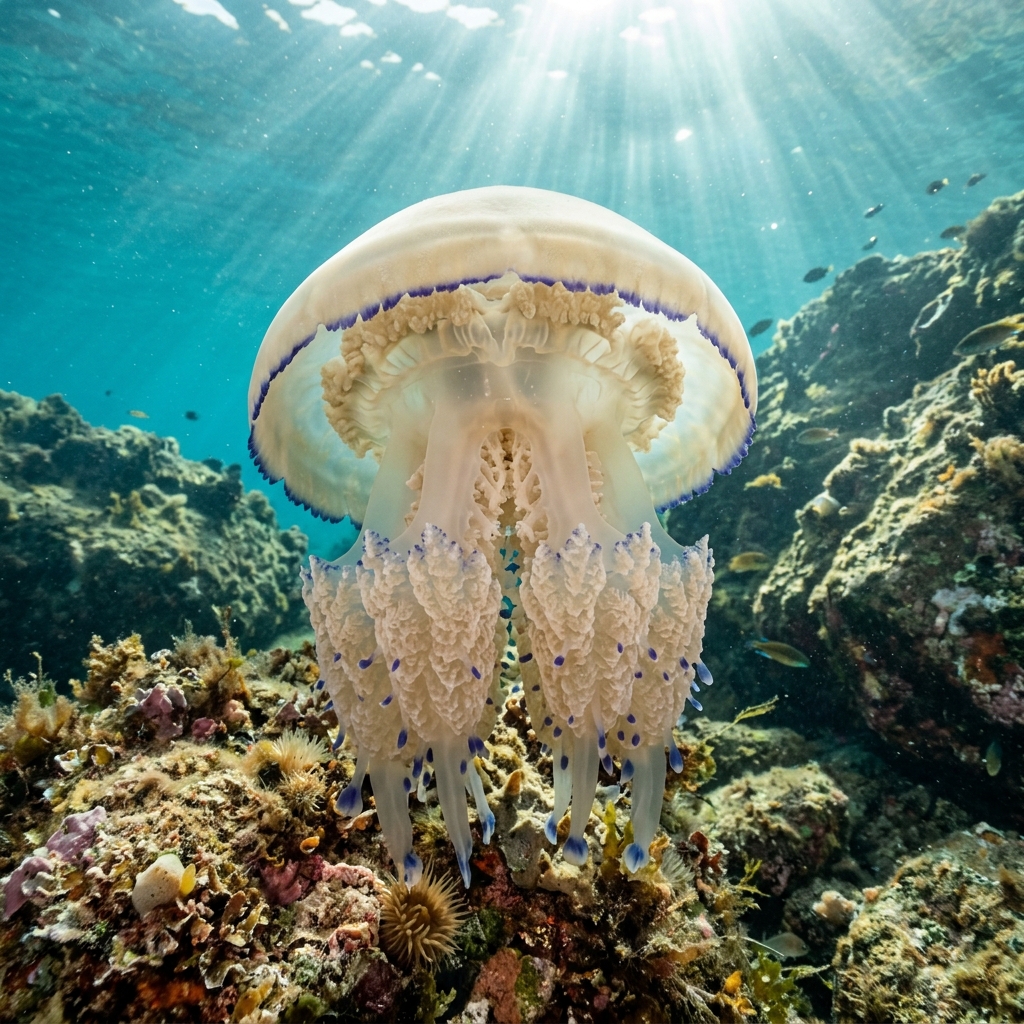
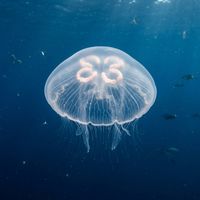
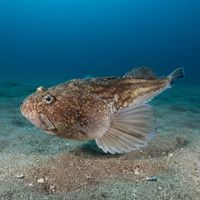
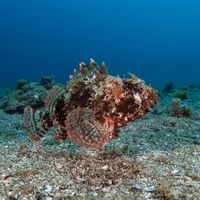
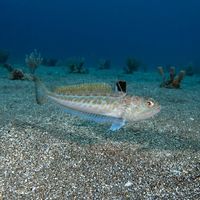
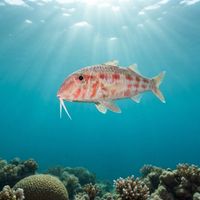
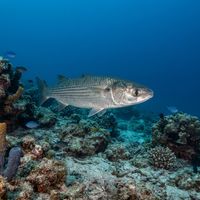
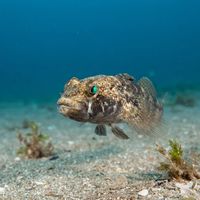
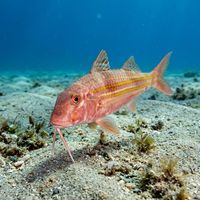
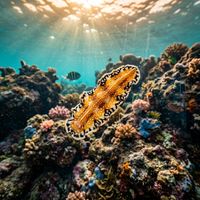
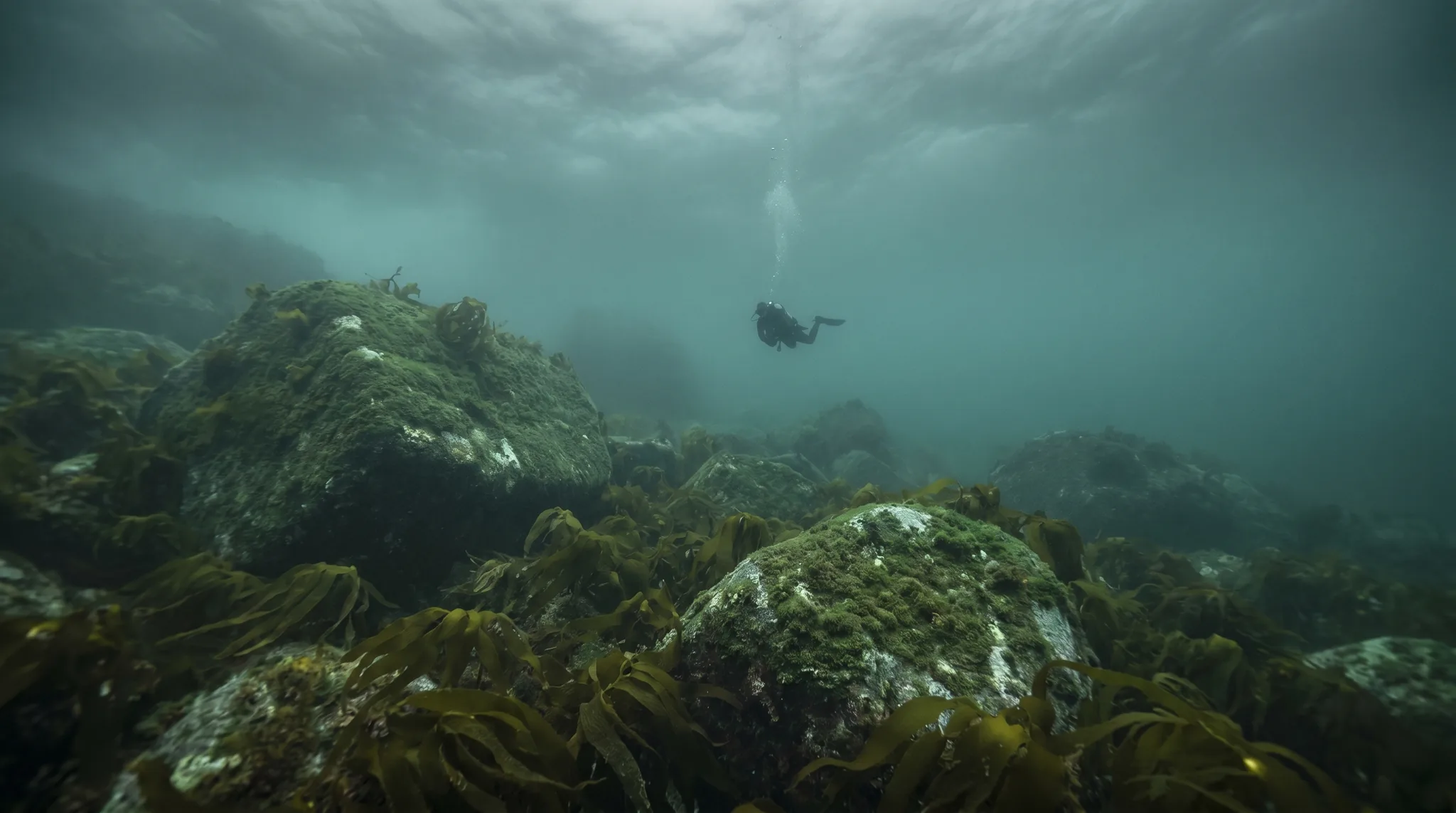
Observed species include Sea Anemone, Common Moon Jellyfish, Barrel Jellyfish, and Striped Red Mullet. Sea Anemone is recorded as very common across sites. Jellyfish encounters are occasional, so divers should remain aware of their surroundings, particularly in open water.
Several sites are rated beginner level, including Mangalia Pier, Mangalia Pier 2, Cazino Constanta, and Eforie, all accessible from shore and reaching only shallow depths. The majority of the region's wrecks, however, sit at intermediate to advanced depths and require boat access, so less experienced divers should focus on the inshore options first.
Constanța has the largest number of sites and includes both deep offshore wrecks and the shore-entry Cazino Constanta archaeological site. Mangalia is centred on pier and artificial reef diving, well suited to beginners. Eforie & Costinești offers a small number of sites and rounds out the region's shallower, shore-accessible options.
There are numerous operators active in the region, including ScubaDiver.ro, Nemo Diving Center, Aqua Mar Team, Marine Explorers Dive Center, Scuba Academy, Nautilius-Diving, and Ion Buncea's Diving School, among others. Most concentrate their services around Constanța, which is the logistical hub for boat-based wreck diving.