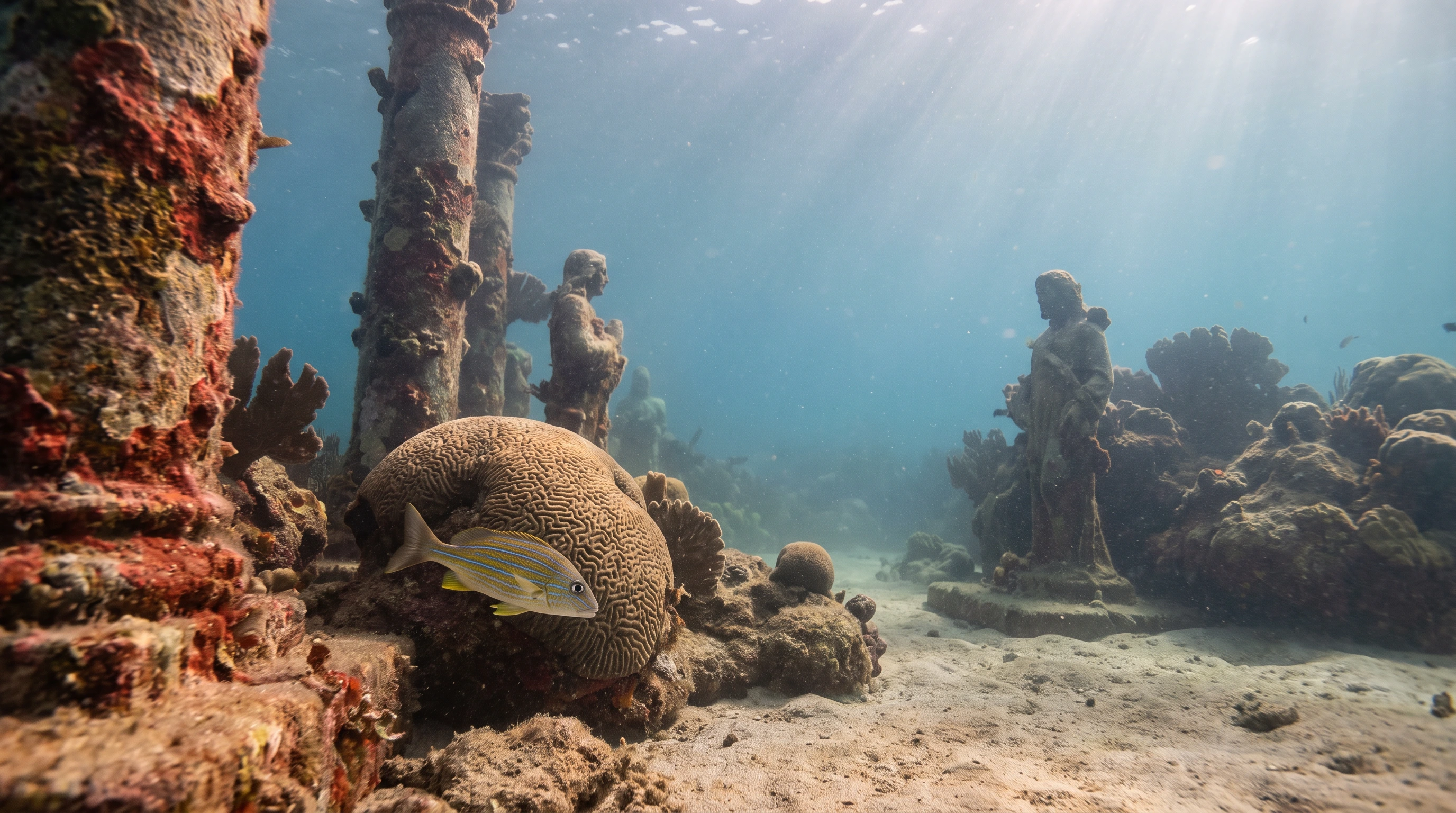
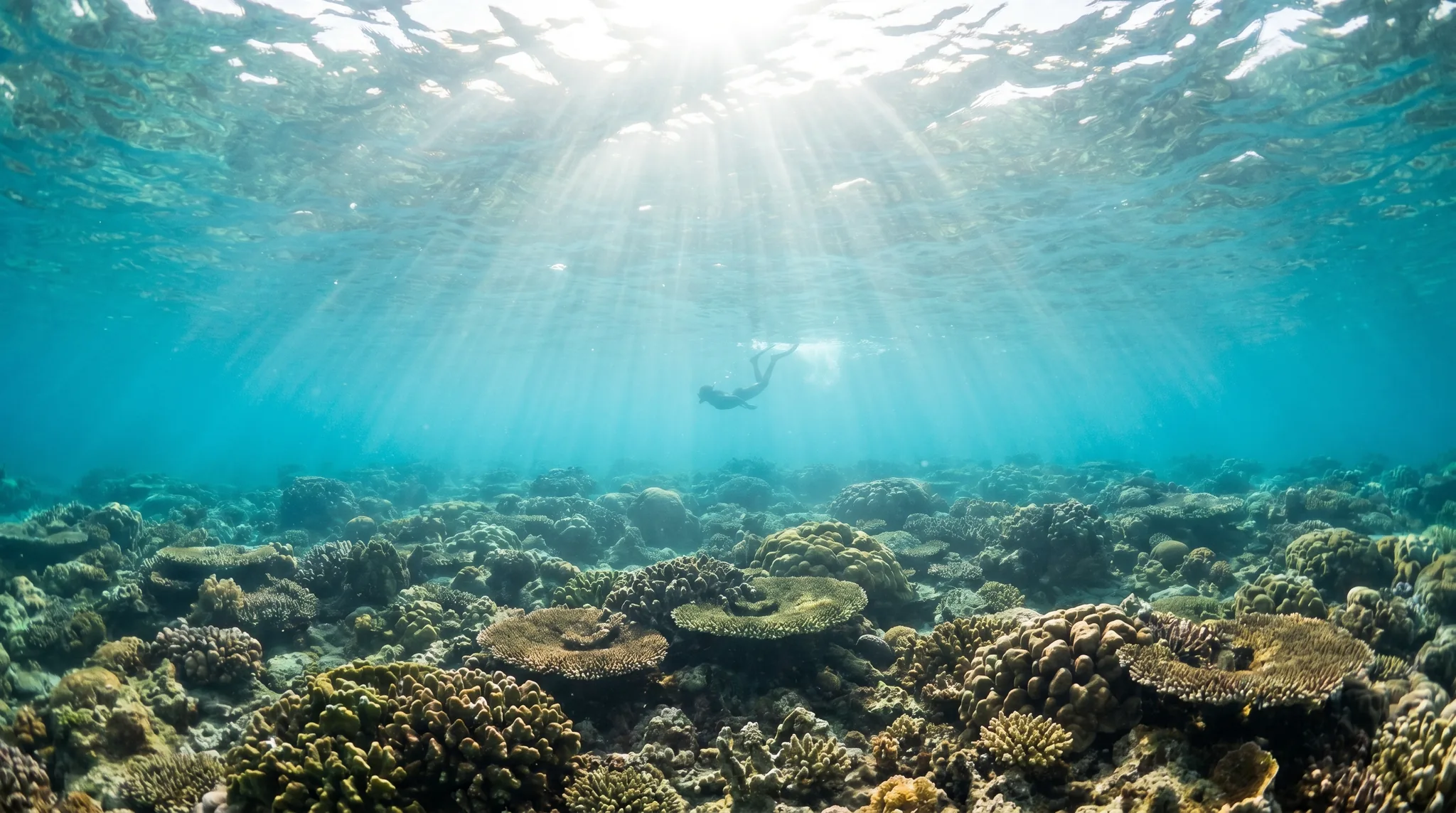
Puerto Rico's West Coast combines an unusually varied site roster: deep wrecks, exposed walls, cave systems, shallow artificial reefs, and coral gardens spread across Aguadilla, Rincon, and the offshore terrain of Desecheo Island. Aguadilla holds the bulk of the sites, from beginner-friendly shore dives at Crash Boat and El Natural to the expert-grade MV Ambar and the distinctive B-29 Aircraft Wreck. Rincon offers shore-accessible wall dives, while Desecheo Island rewards boat divers with multi-environment dives combining reefs, walls, and wrecks in a single outing. Warm water persists year-round, with visibility varying seasonally. Observed species include the West Indian Manatee, Spotted Scorpionfish, Brazilian Reef Octopus, and Atlantic Tarpon.
3 areas
 10
10Shore-accessible reefs, caves, and iconic aircraft and ship wrecks on Puerto Rico's West Coast, with a rich roster of observed reef species.
3West-coast Mona Passage diving with reef, wall, wreck, and artificial reef sites and good seasonal visibility.
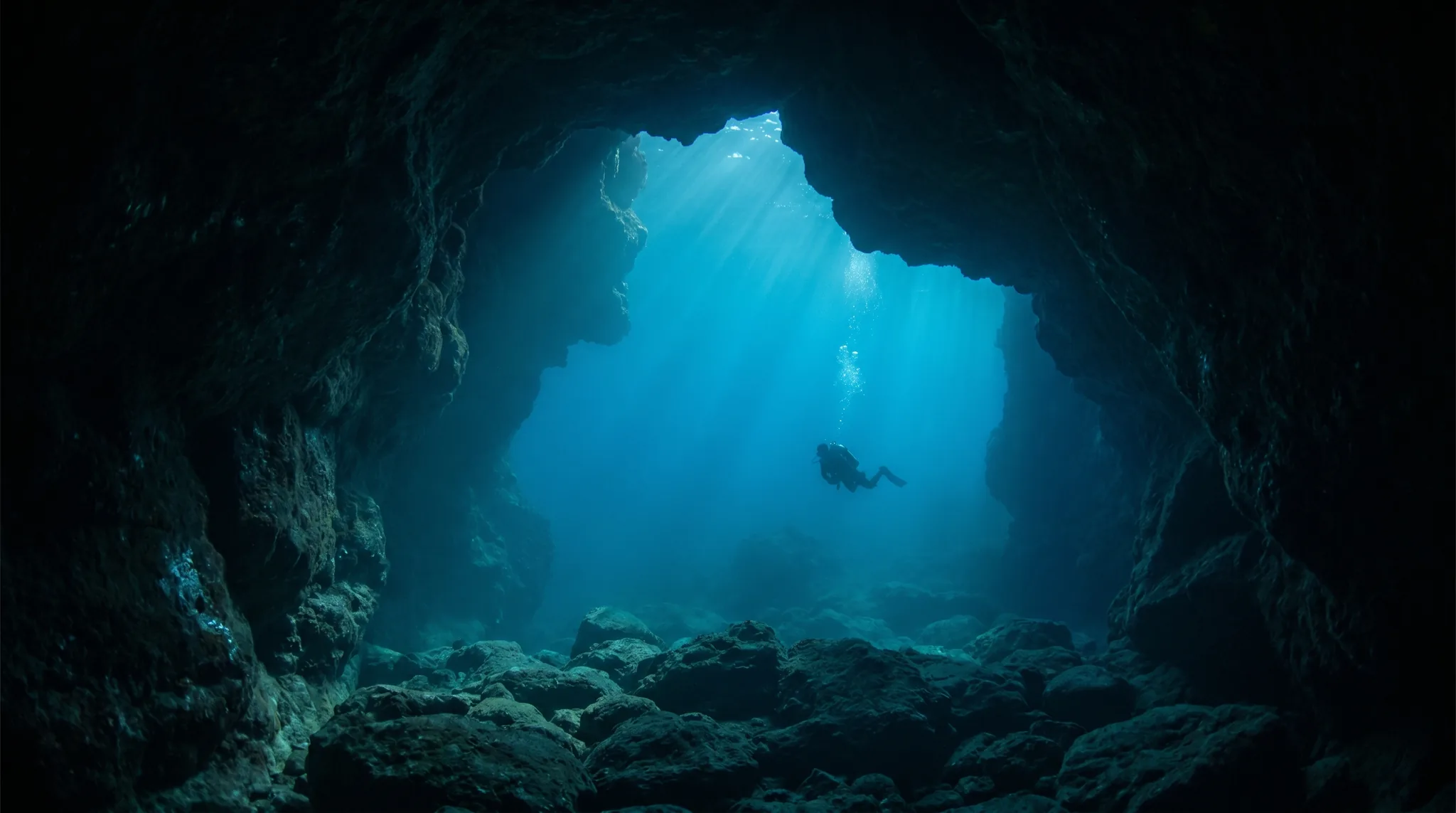
2Boat-only island diving in the Mona Passage with outstanding visibility, varied topography including caves and a wreck, and diverse marine life.
Monthly water temperature across West Coast's sites, from satellite sea-surface data corrected for depth. The band shows the site-to-site spread.
Water temperature stays warm across all months, rising to its peak from late summer into early autumn, making thermal comfort a constant rather than a seasonal reward. The best-months data points to the early part of the year, particularly the spring shoulder months, as the most favoured window, likely reflecting calmer surface conditions and stronger visibility. Exposed sites like Monito and Desecheo can carry meaningful surge and current, so conditions should be checked before heading out to those boat-access locations.
51 operators
Water temperature around West Coast ranges from about 27°C in January to 30°C in September, based on satellite sea-temperature data for its dive sites.
With water around 27–30°C, a rash guard or 3mm shorty works in West Coast year-round.
Fin maps 16 sites in West Coast (16 scuba diving sites and 4 snorkelling spots, with some suited to both), organised into 3 areas.
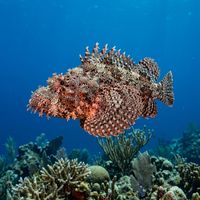
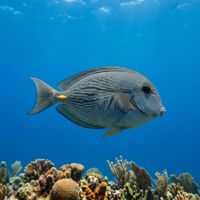
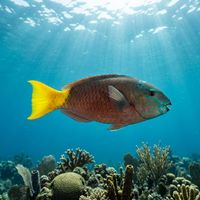
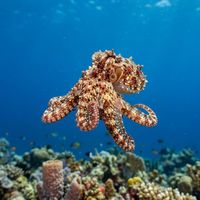
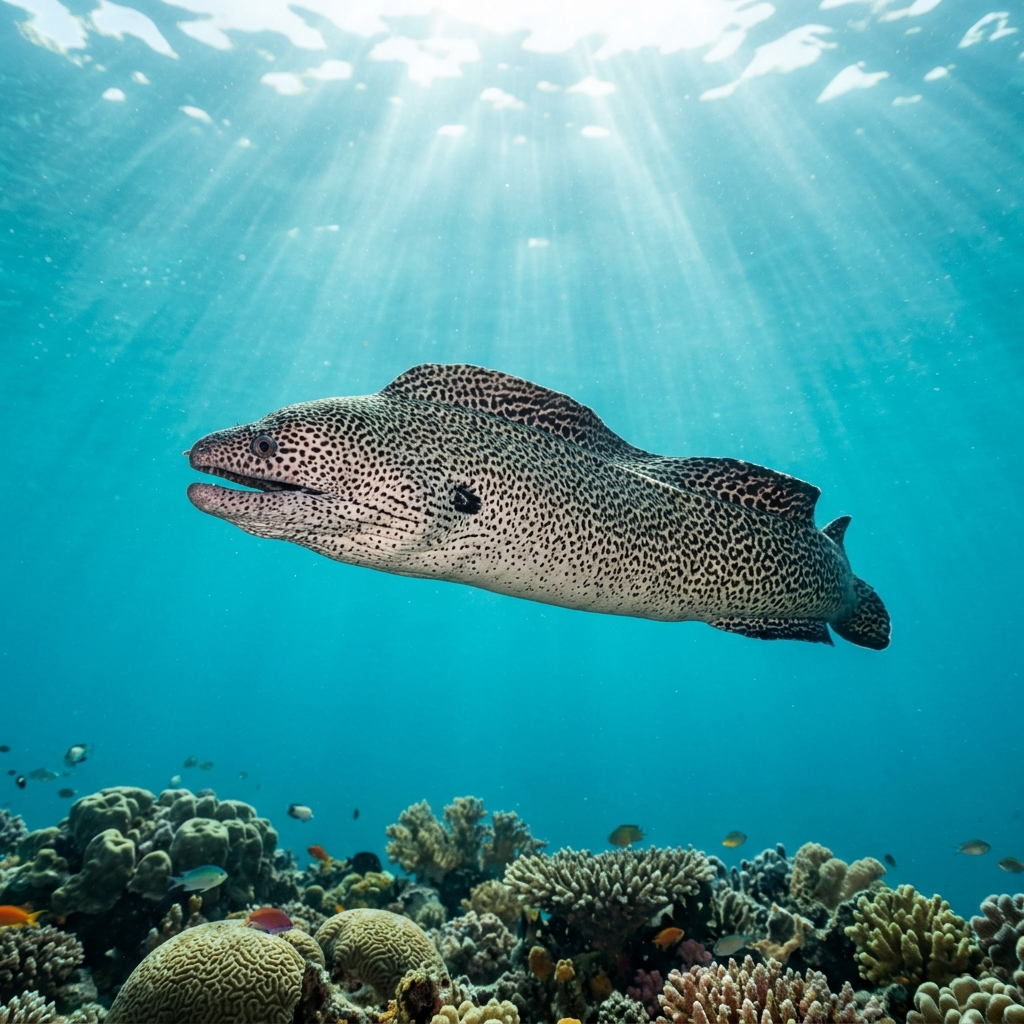
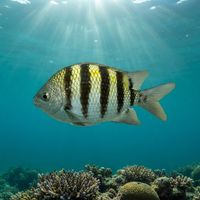
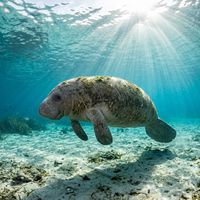
The region has a well-documented species list built from diver observations. Blue Tang, Caribbean Ocean Surgeonfish, and Yellowtail Parrotfish are seen across nearly every site. Look out for Spotted Scorpionfish resting on the reef, Brazilian Reef Octopus tucked into crevices, Spotted Moray in cave and wall formations, and the occasional West Indian Manatee, which turns up as a real highlight at several sites.
A good portion of the sites are rated for beginners, including popular shore dives such as El Natural, Muelle de Azúcar, and Crash Boat in Aguadilla. These offer shallow entry, calm conditions on most days, and natural reef alongside artificial structures. Intermediate and advanced divers are also well catered for, with wall dives in Rincon and the deep wrecks off Aguadilla reserved for those with appropriate experience.
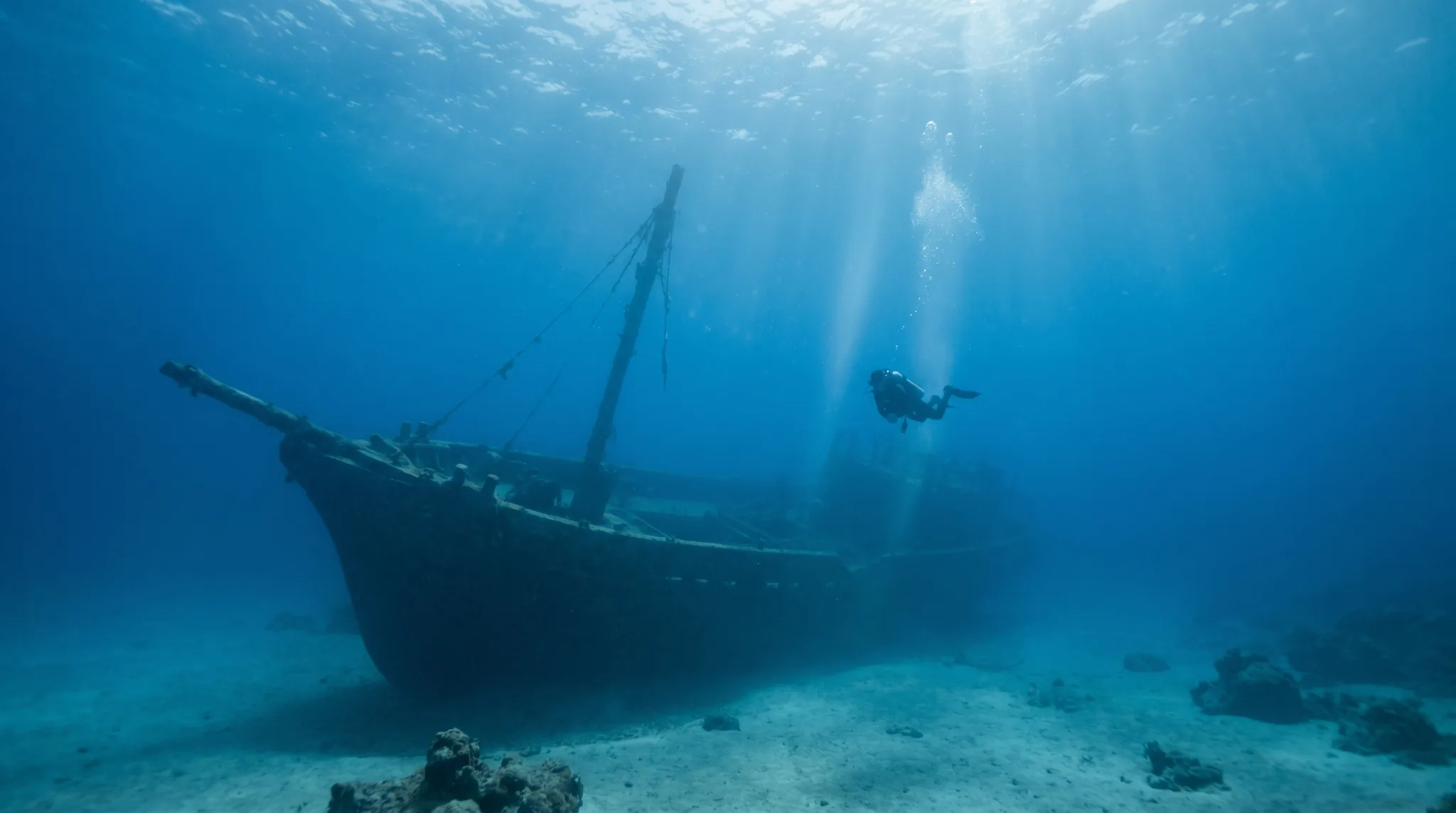
Aguadilla has the largest concentration of sites and covers the widest skill range, from calm beginner shore dives to challenging deep wrecks including the MV Ambar and the B-29 Aircraft Wreck. Rincon offers a smaller selection focused on reef and wall diving, with both shore and boat entries. Desecheo Island sits furthest offshore and requires a boat, but rewards the effort with a mix of reef, wall, cave, and wreck terrain in one location.
Shore entry is common throughout Aguadilla, where sites such as La Cueva Submarina, El Natural, and Crash Boat Piers are all accessible directly from the beach or shoreline. Rincon's Walk in the Park is also a shore dive. Deeper and offshore sites, including the MV Ambar, B-29 Aircraft Wreck, Monito, and Desecheo, require a boat. Several operators based in the area, including Taino Divers, Island Style Scuba, and Rincon Diving and Snorkeling, run boat trips to these sites.