Canthigaster rostrata
Spot Caribbean Sharpnose Puffer on reefs from Florida to Bonaire year-round. Learn how to identify this tiny 8 cm puffer and where divers log it most.
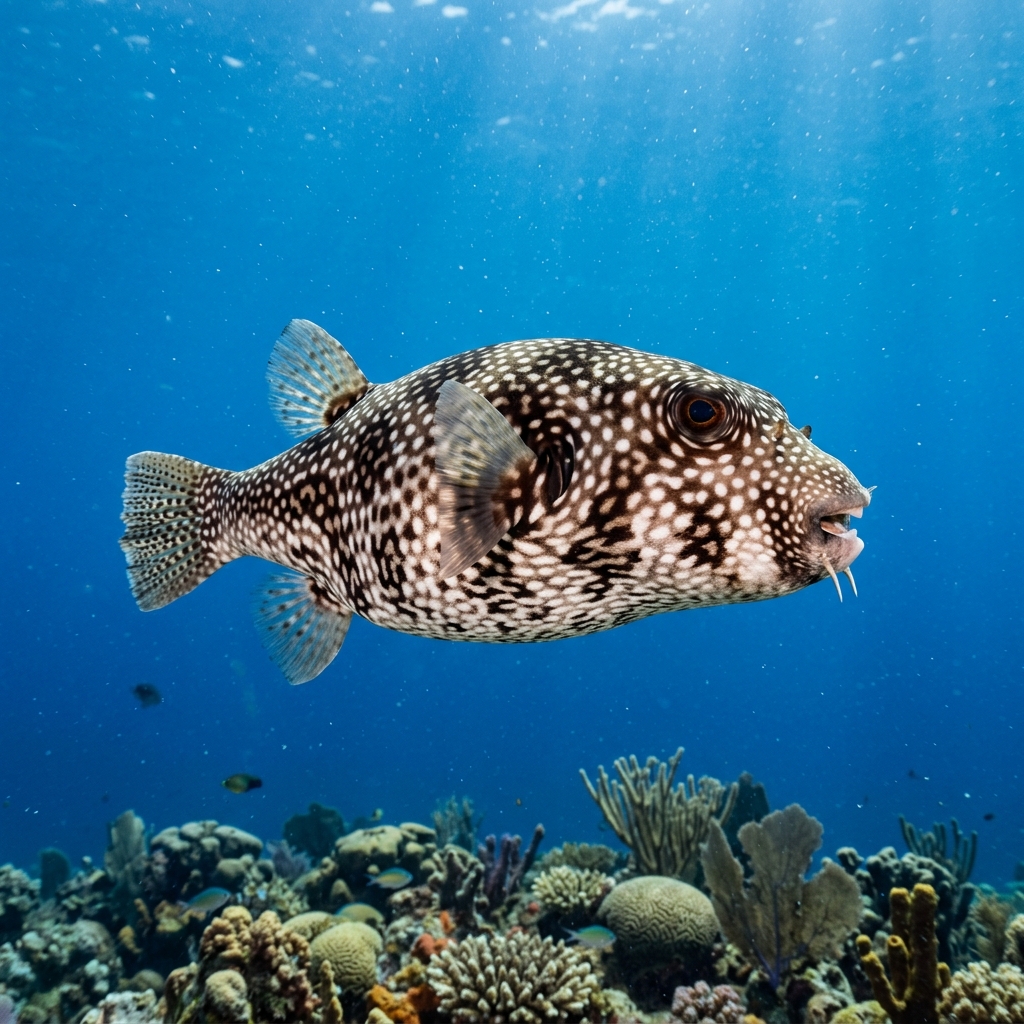
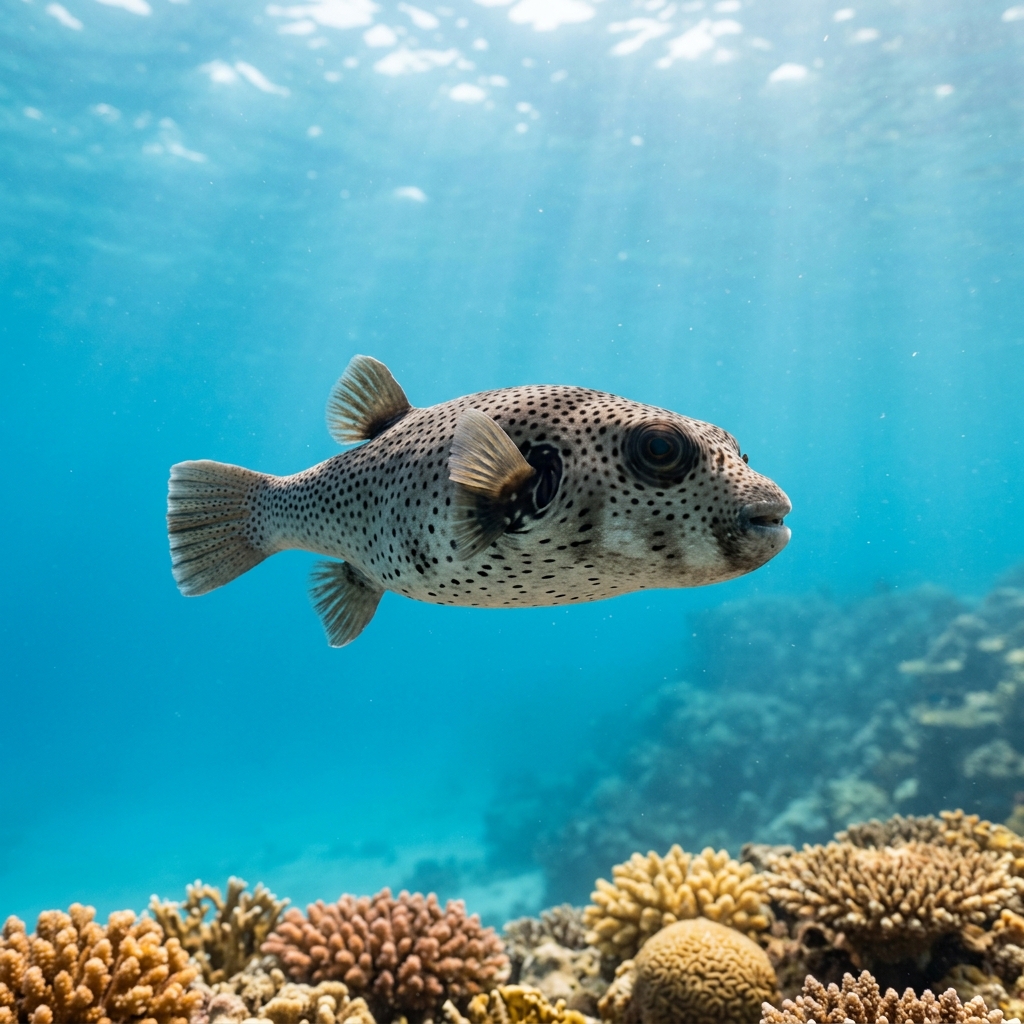
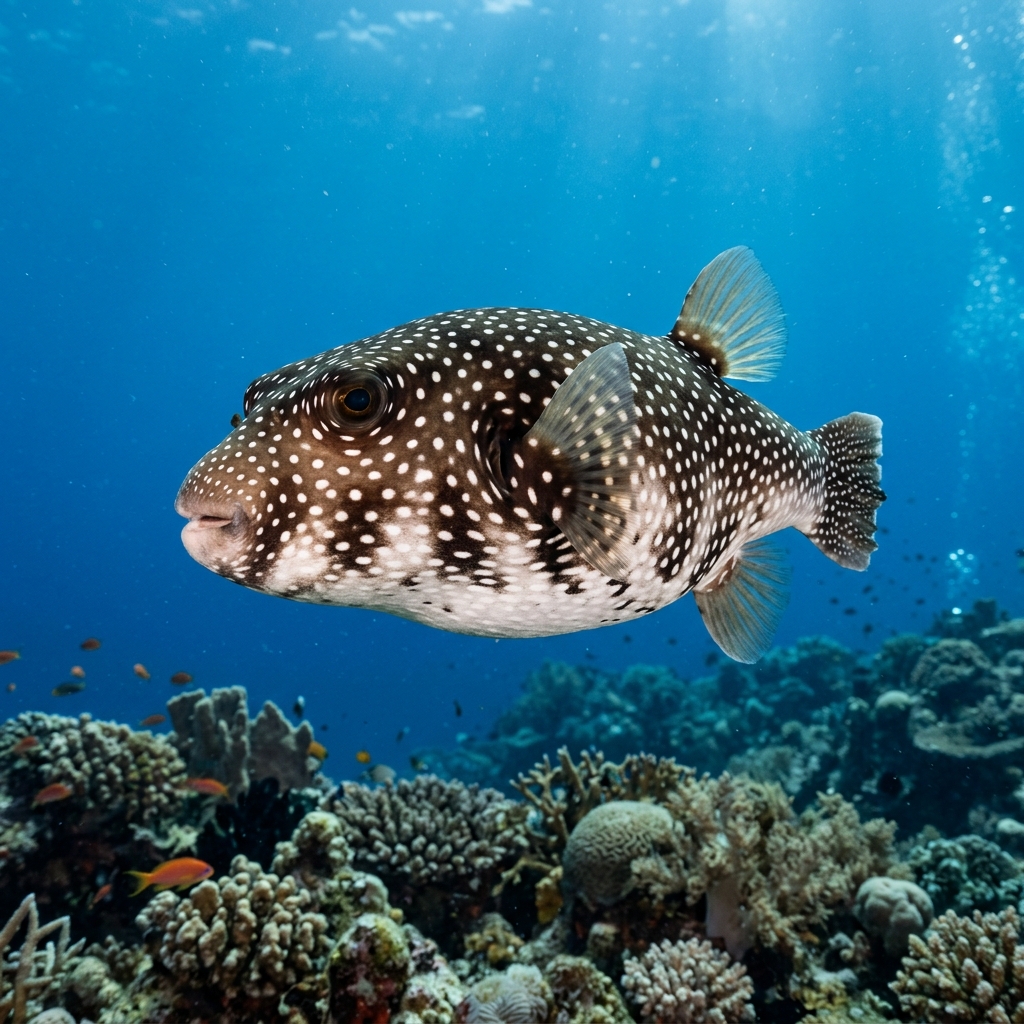
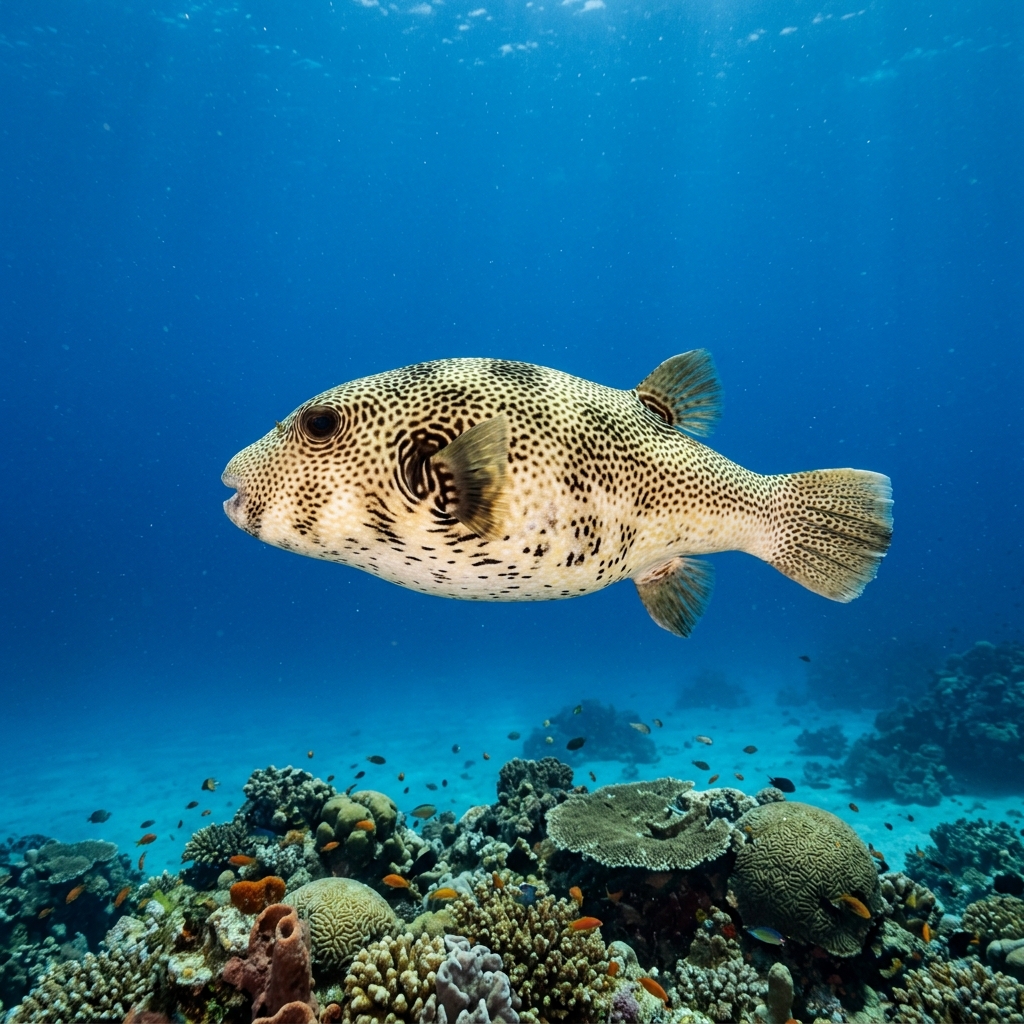
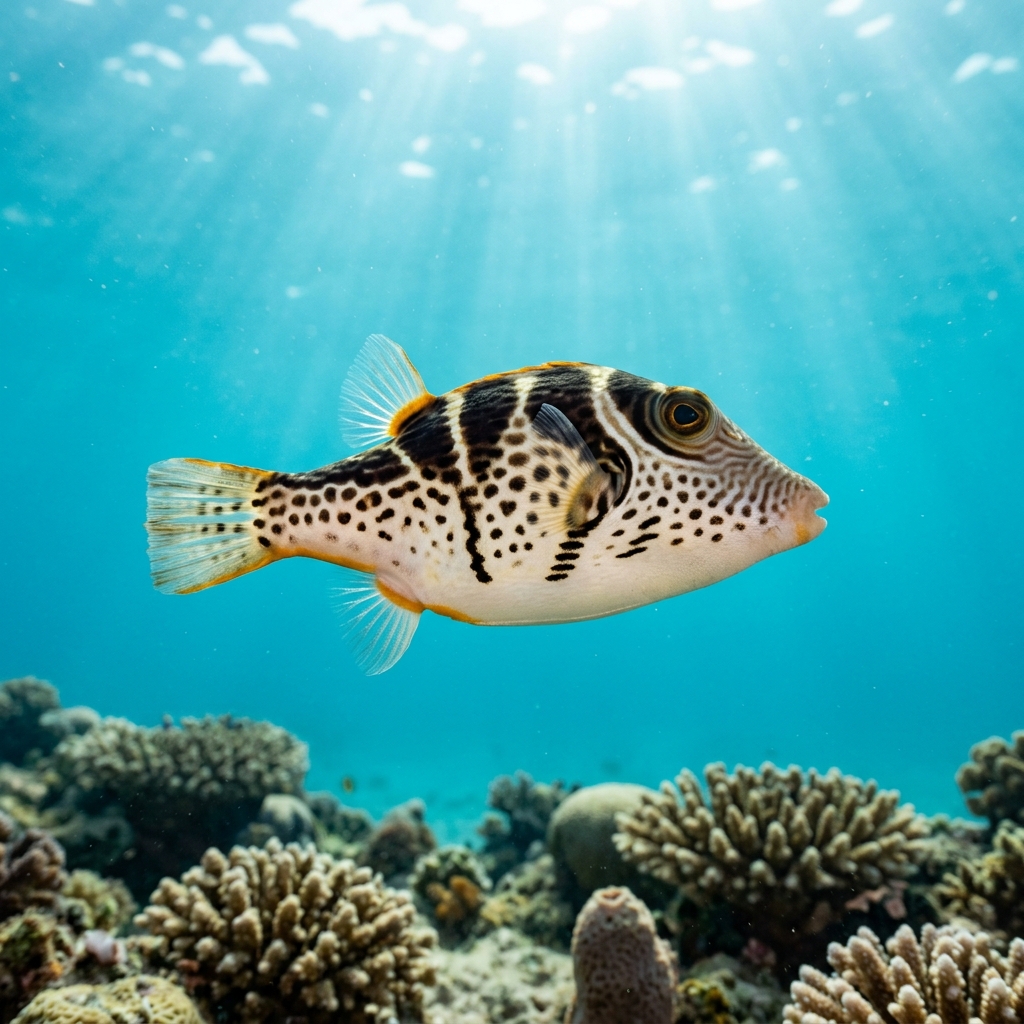
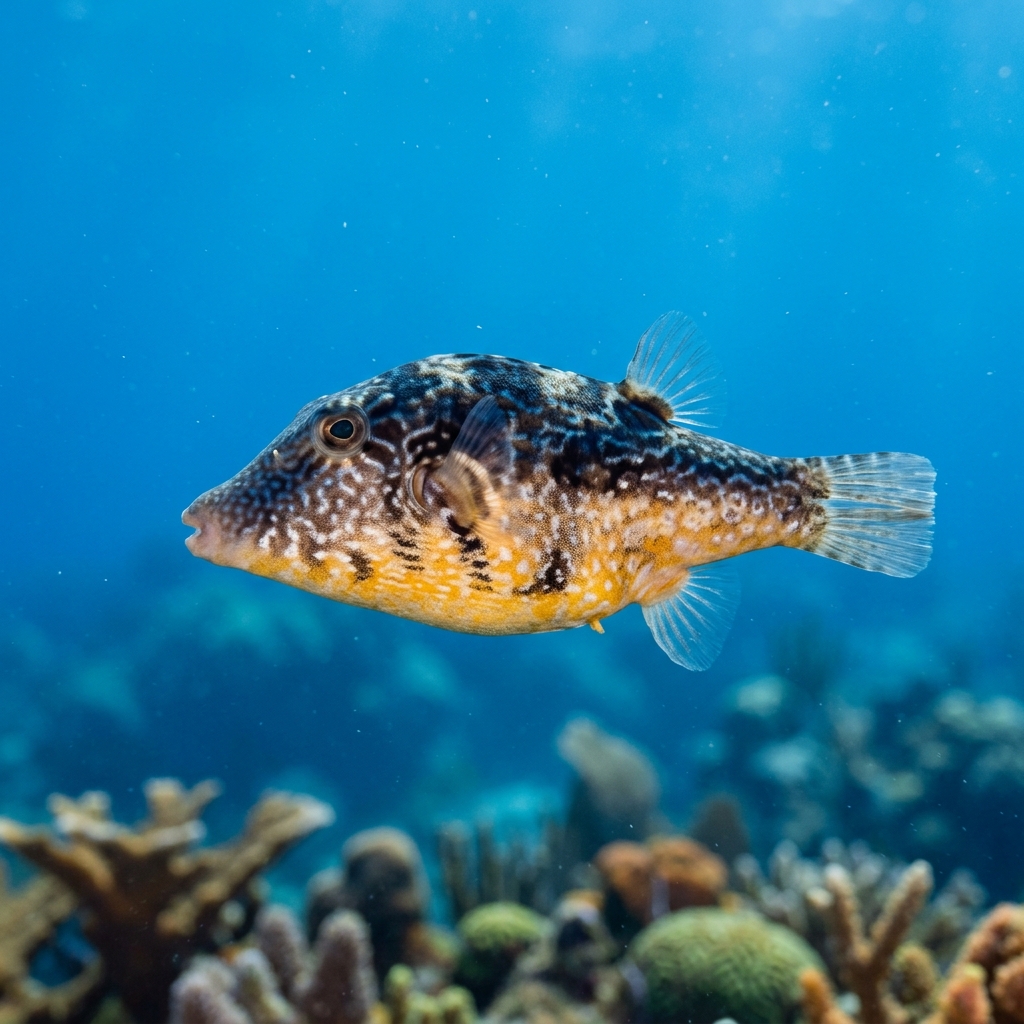
At around 8 cm, this is a small, compact puffer with a noticeably pointed snout that immediately separates it from rounder-faced relatives. The body is olive to brownish on top, fading to a pale underside, with blue-edged dark lines and spots radiating from the eyes and scattered across the flanks. Look for the characteristic orange-yellow tinge along the sides and a series of small dark spots near the tail. Its stubby, rounded profile and slow, rowing pectoral-fin swimming style are reliable underwater cues.
Typically spotted foraging slowly along the reef surface during daylight hours, picking at algae, small invertebrates, and encrusting organisms with its fused beak-like teeth. When a diver approaches, it tends to retreat into a coral crevice or hover just inside a gap, watching cautiously before resuming feeding once it decides you are not a threat. Patience pays off: stay still for a minute or two and it will often drift back into the open.
Like all puffers, it can inflate its body by drawing in water when threatened, making itself harder to swallow. Its skin and internal organs contain tetrodotoxin, a potent neurotoxin, which is part of what makes predators think twice.
Present year-round across its range with no concentrated season, which fits its preference for warm tropical reef temperatures between roughly 24 and 28 °C. Pick your destination based on overall dive conditions rather than trying to time a seasonal peak.
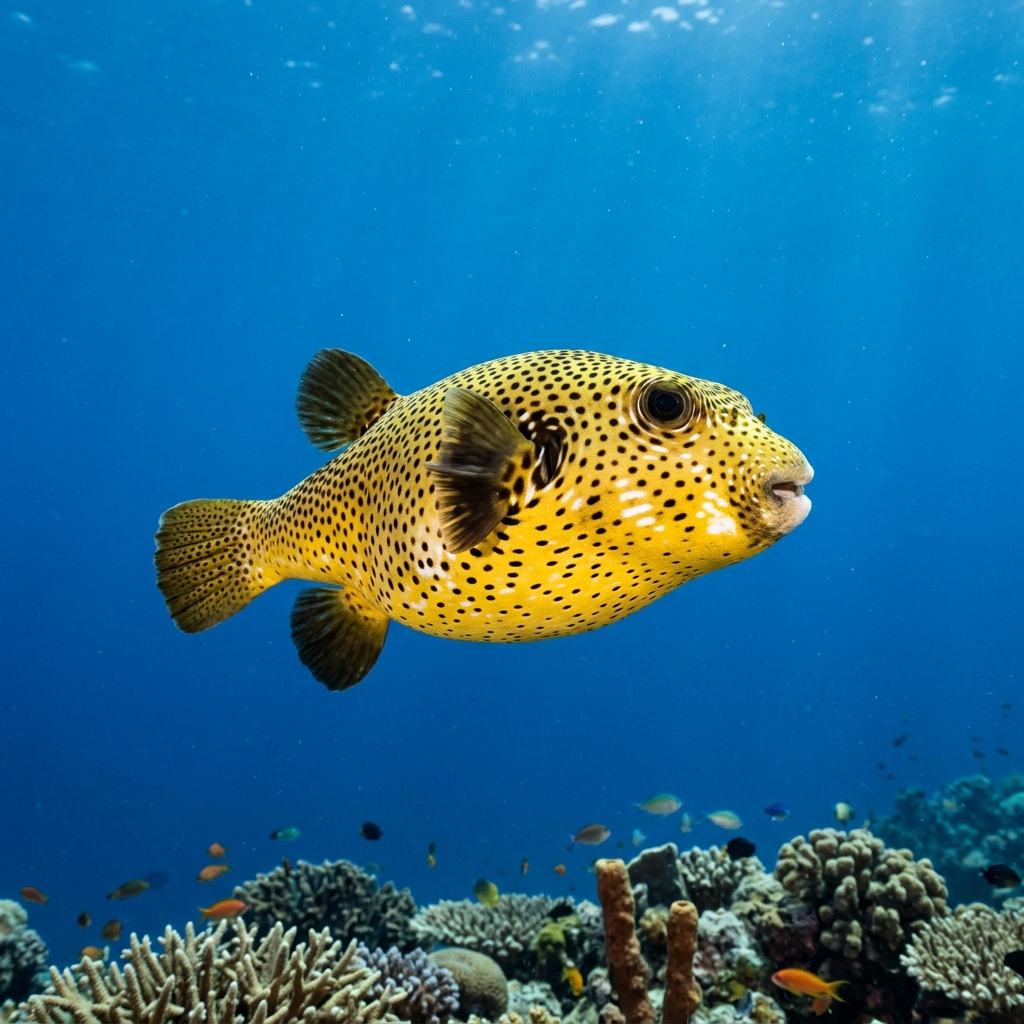
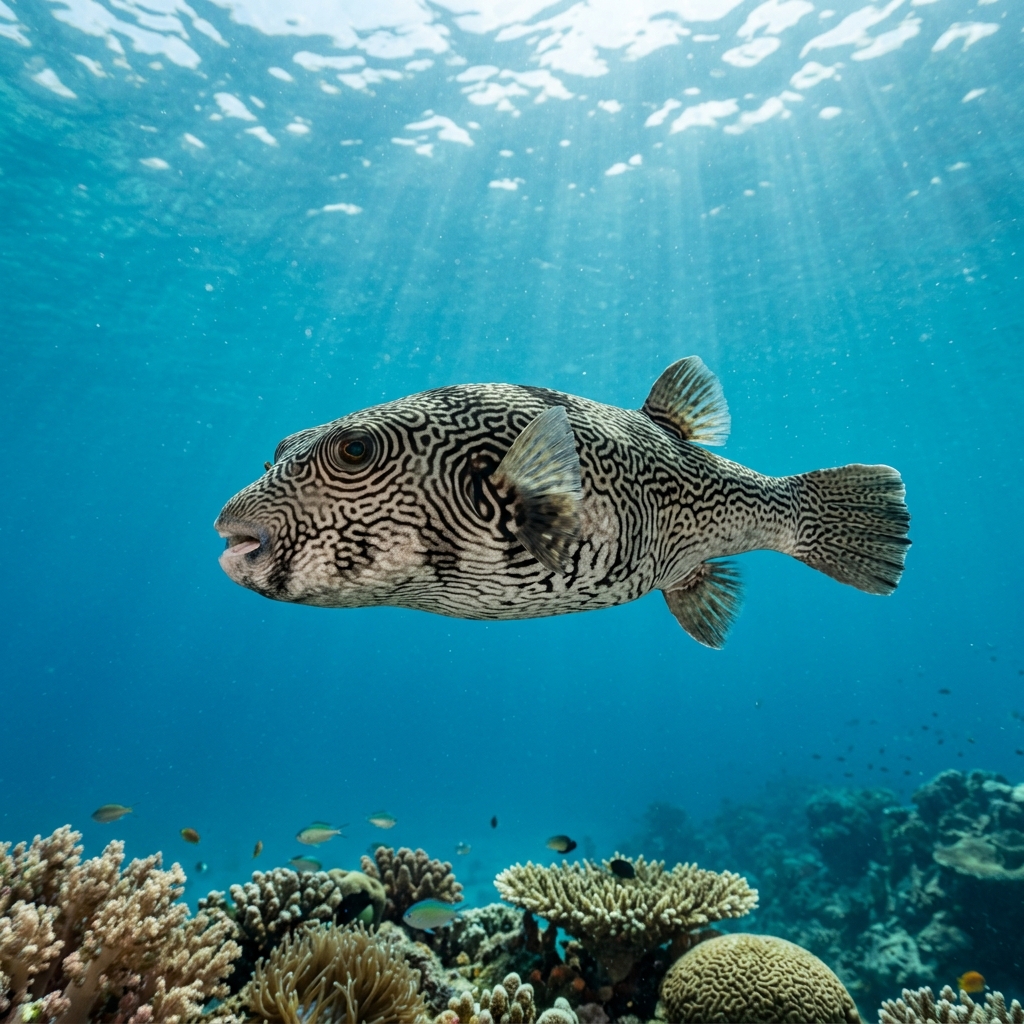
Reef neighbours a diver could mistake it for. Use the identification notes above to tell them apart.
Most commonly logged across the wider Caribbean and the Gulf of Mexico, with the strongest presence in Florida, the Yucatán Peninsula, and Roatán in Honduras. The Cayman Islands, Bonaire, and the Bahamas also produce reliable sightings, and records extend south through Colombia and into coastal Brazil. If you are diving anywhere in the Caribbean, there is a reasonable chance of an encounter on a shallow reef.
Mapping where Caribbean Sharpnose Puffer is logged…
The species is logged across a wide sweep of the western Atlantic and Caribbean, with the strongest sighting records in Florida, the Yucatán Peninsula, Roatán, Grand Cayman, and Bonaire. It also appears regularly in the Bahamas, Cuba, Colombia, and northeast Brazil.
Sightings are spread throughout the year with no single peak season. The species is at home in water between about 24 and 28 °C, which describes most Caribbean reef diving year-round, so any trip to its range gives you a fair chance.
Key in on the distinctly pointed snout, the olive-brown back fading to a pale belly, and the blue-edged lines and spots radiating from the eyes. At roughly 8 cm it is small, and its slow, rowing swim style using the pectoral fins is typical of all sharpnose puffers.
Adults reach around 8 cm in length, making this one of the smaller puffers on Caribbean reefs. That small size means it can be easy to overlook as it hovers in coral gaps.
Not to divers in the water. It poses no physical threat and will retreat rather than confront you. Like all puffers its tissues contain tetrodotoxin, but that is only relevant if the fish is handled roughly or harmed, so simply observe it without touching.
Site and sighting data is aggregated from diver logs, iNaturalist and GBIF. For taxonomy and conservation status:
Valentini Pufferfish
2,830 sites