
The River Gurara Wreck Area, off the Setúbal coast near Portugal, is a reef-dominated diving destination with a strong nudibranch community. Sites range from shallow beginner reefs and cave systems through to deep drift and canyon dives for advanced divers. All access is by boat. The area is particularly noted for its exceptional variety of observed nudibranch species alongside Common Octopus, Mediterranean Moray, and European Common Cuttlefish. Currents vary by site, so matching your skill level to the dive matters here.
Monthly water temperature across River Gurara Wreck Area's sites, from satellite sea-surface data corrected for depth. The band shows the site-to-site spread.
Water temperature stays within a relatively narrow band year-round, edging slightly warmer in late summer and cooler through late winter and early spring. The best conditions for diving, according to logged activity, fall around October, making autumn the peak season. Exposed sites with stronger currents, such as Arcanzil and P-39, are best tackled when conditions settle.
19 operators
Portugal
Portugal
10 more sites to explore
Water temperature around River Gurara Wreck Area ranges from about 15°C in February to 18°C in August, based on satellite sea-temperature data for its dive sites.
In the warm season (about 18°C) a 5mm suit is comfortable in River Gurara Wreck Area; in the coldest months (about 15°C) step up to a 7mm or semi-dry suit.
Fin maps 22 sites in River Gurara Wreck Area (22 scuba diving sites).
Across River Gurara Wreck Area's dive sites, October are most often reported as the best months to visit.
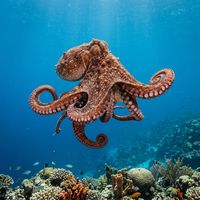
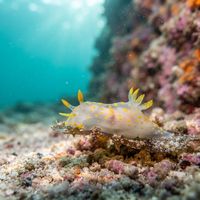
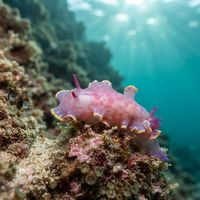
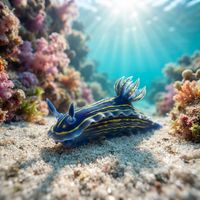
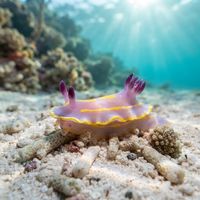
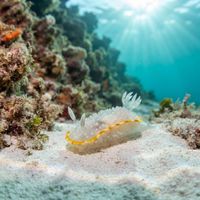
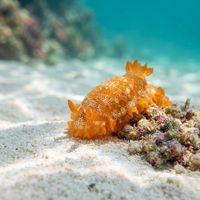
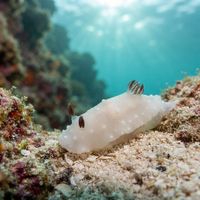
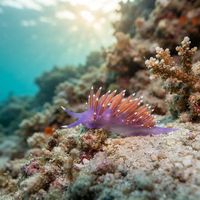
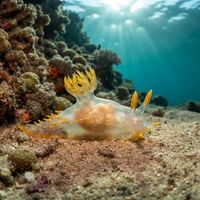
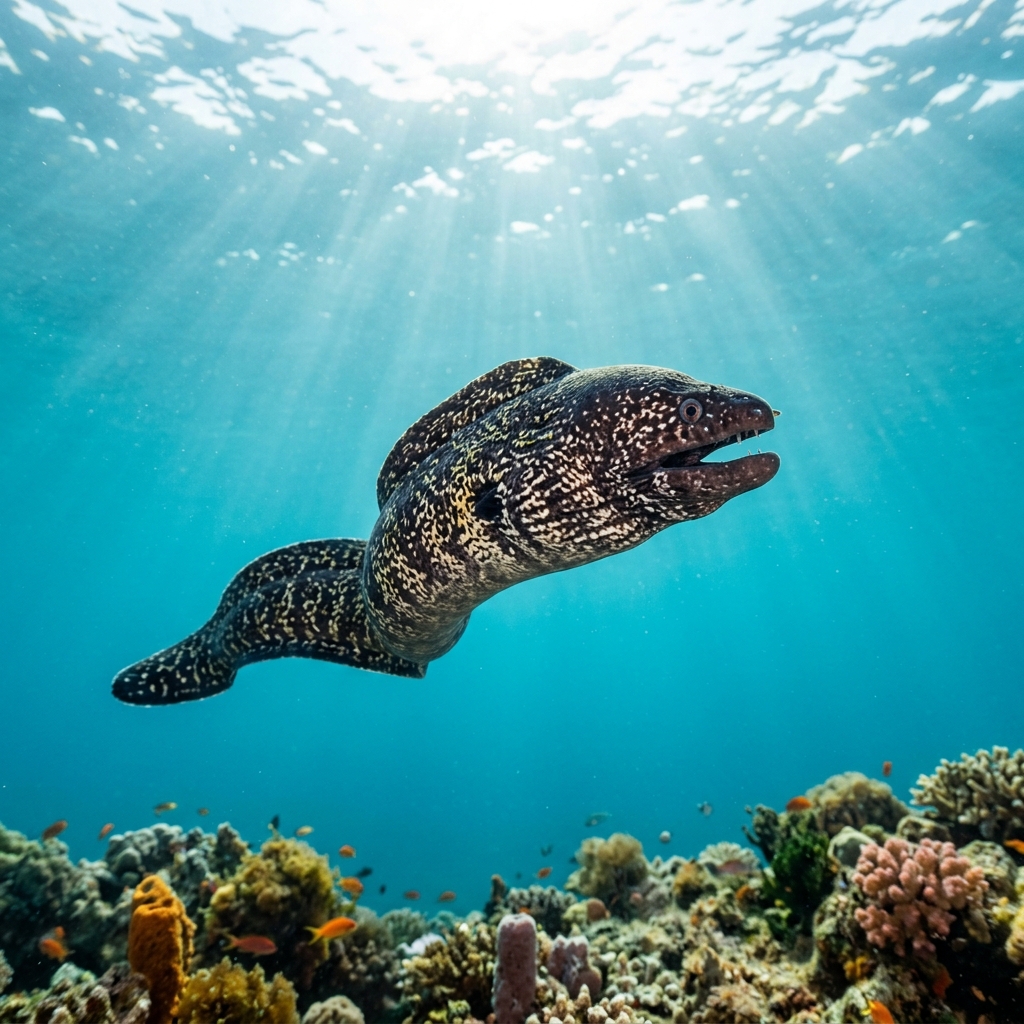
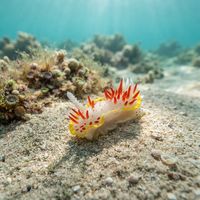
The area is exceptional for nudibranch diversity, with species such as Fourline Nudibranch, Felimare Cantabrica, Diaphorodoris Alba, Rudmania Purpurea, and Felimare villafranca observed consistently across sites. Common Octopus and Mediterranean Moray are also very commonly sighted, and European Common Cuttlefish turns up regularly on the reefs.
Yes, several sites are well suited to beginners. Paredes do Cabo, Forte da Baralha, Lagosteiros, and Pedra da Malha all carry a beginner skill rating and offer relatively sheltered reef environments. More advanced sites such as P-39 and Pedra do Avião, which involve deeper water, stronger currents, and canyon terrain, are reserved for experienced divers.
Almost all sites require boat access, with one exception that also allows shore entry. A number of local operators serve the area, including Cascais Dive, Escola de Mergulho de Lisboa, Portugal Dive, Haliotis, and Cipreia LDA, among others, so finding a boat to the sites of your choice is straightforward.
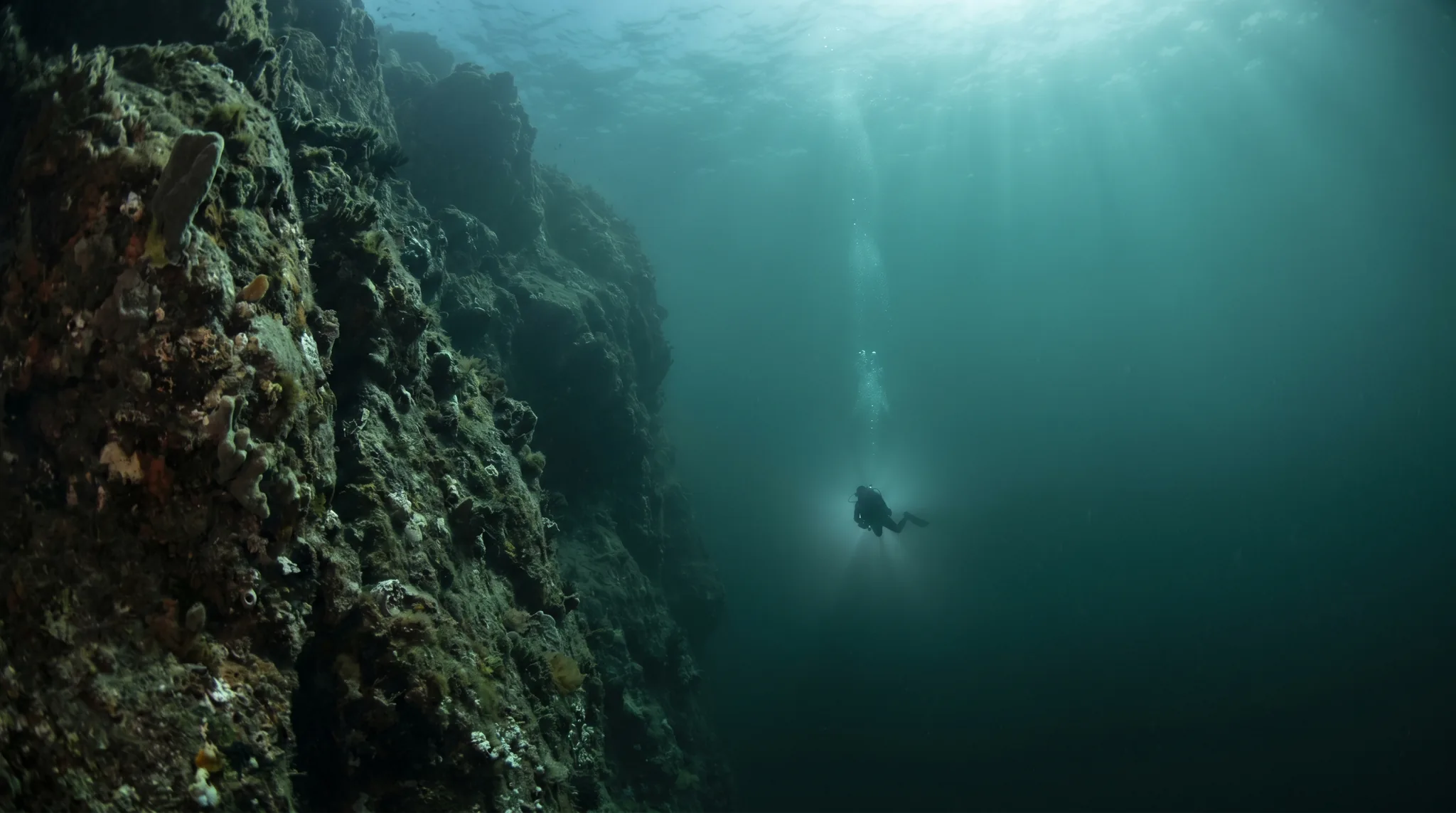
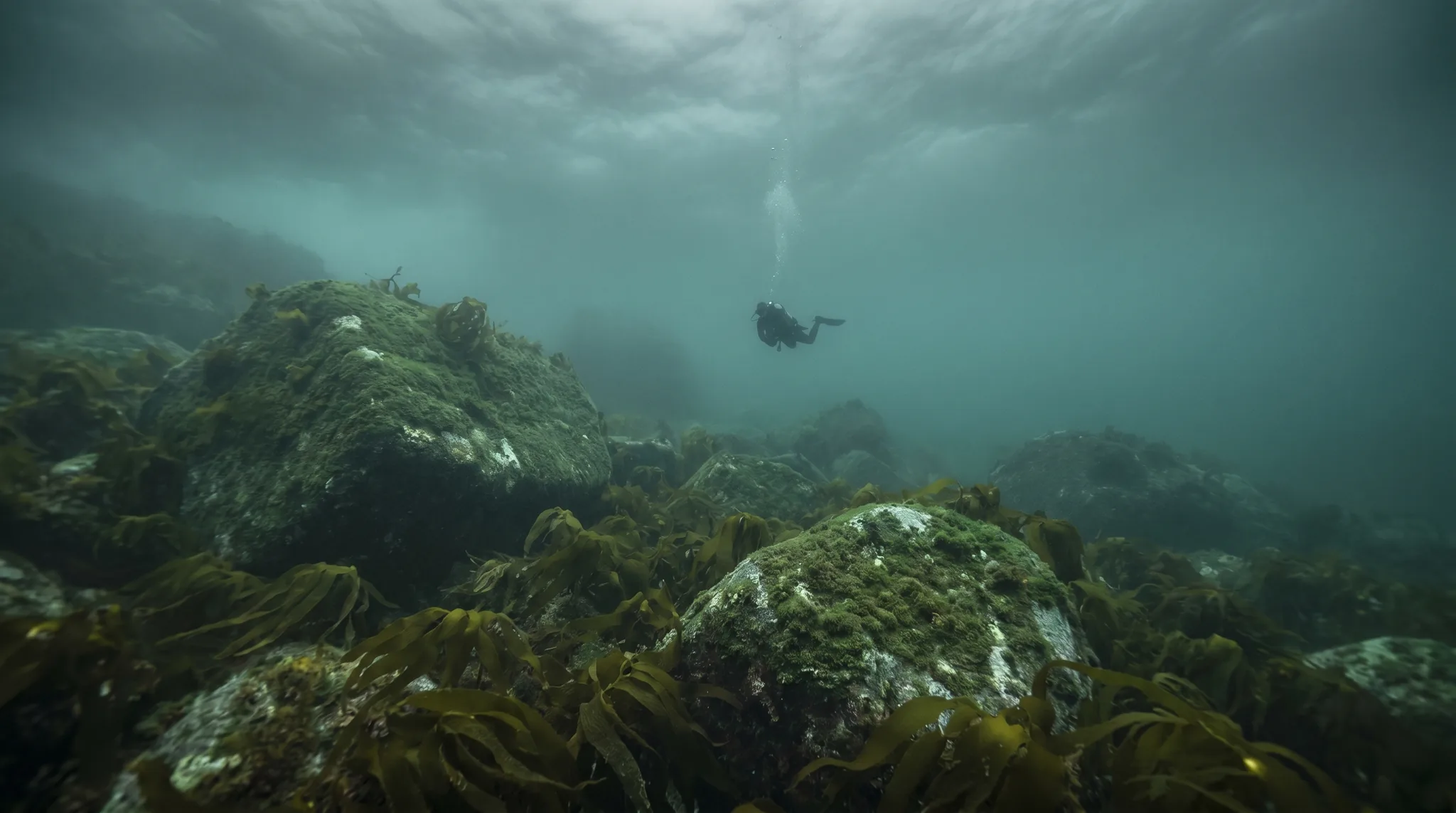
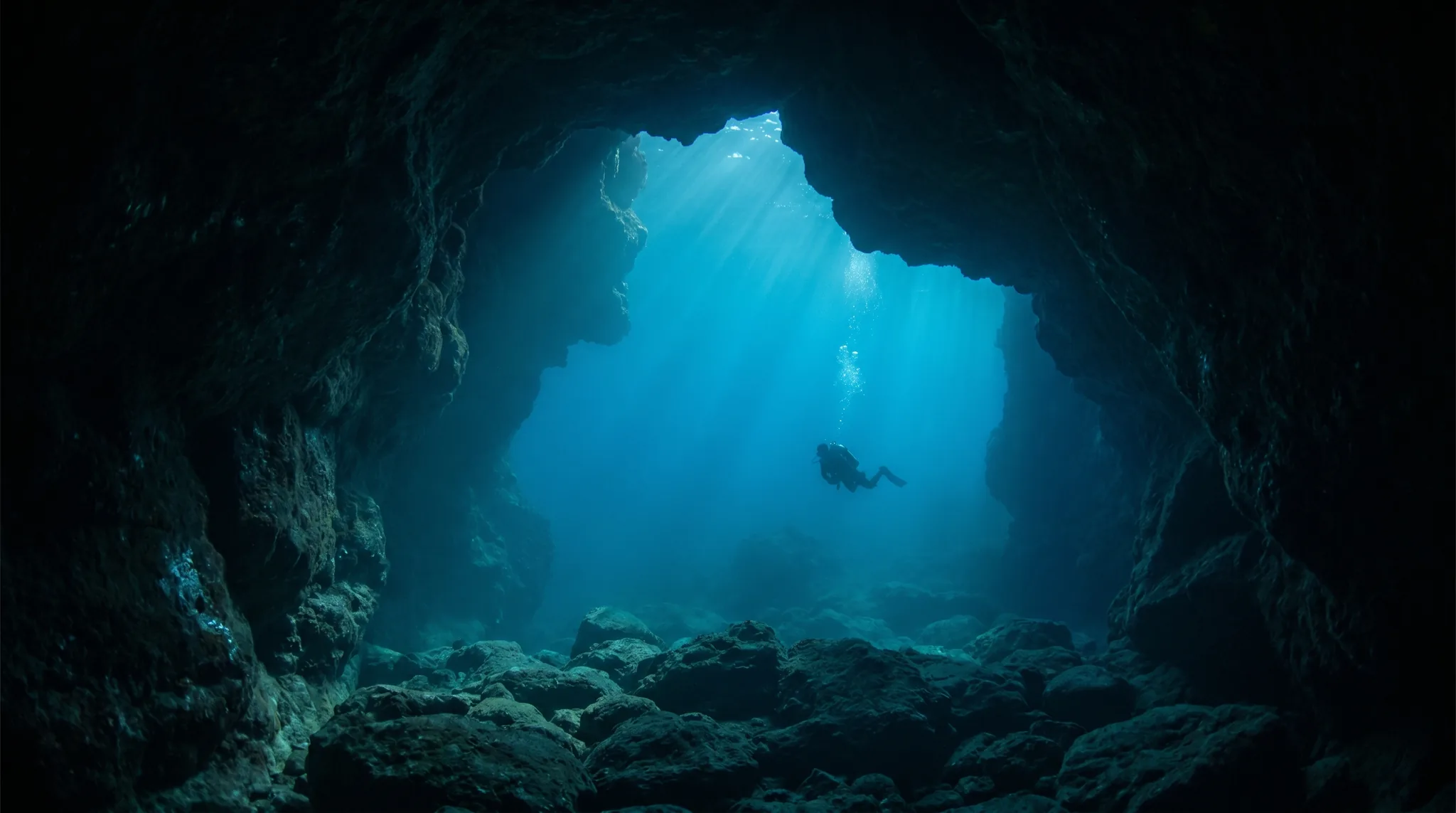
The area covers a broad range of site types. Reef diving dominates, but you will also find walls, caves, kelp forest at Ponta Da Passagem, artificial reef structures at sites like Pedra das Âncoras and Lagosteiros, and a drift and canyon environment at P-39. Depths span from very shallow reef tops through to serious deep dives, meaning there is something for most experience levels.