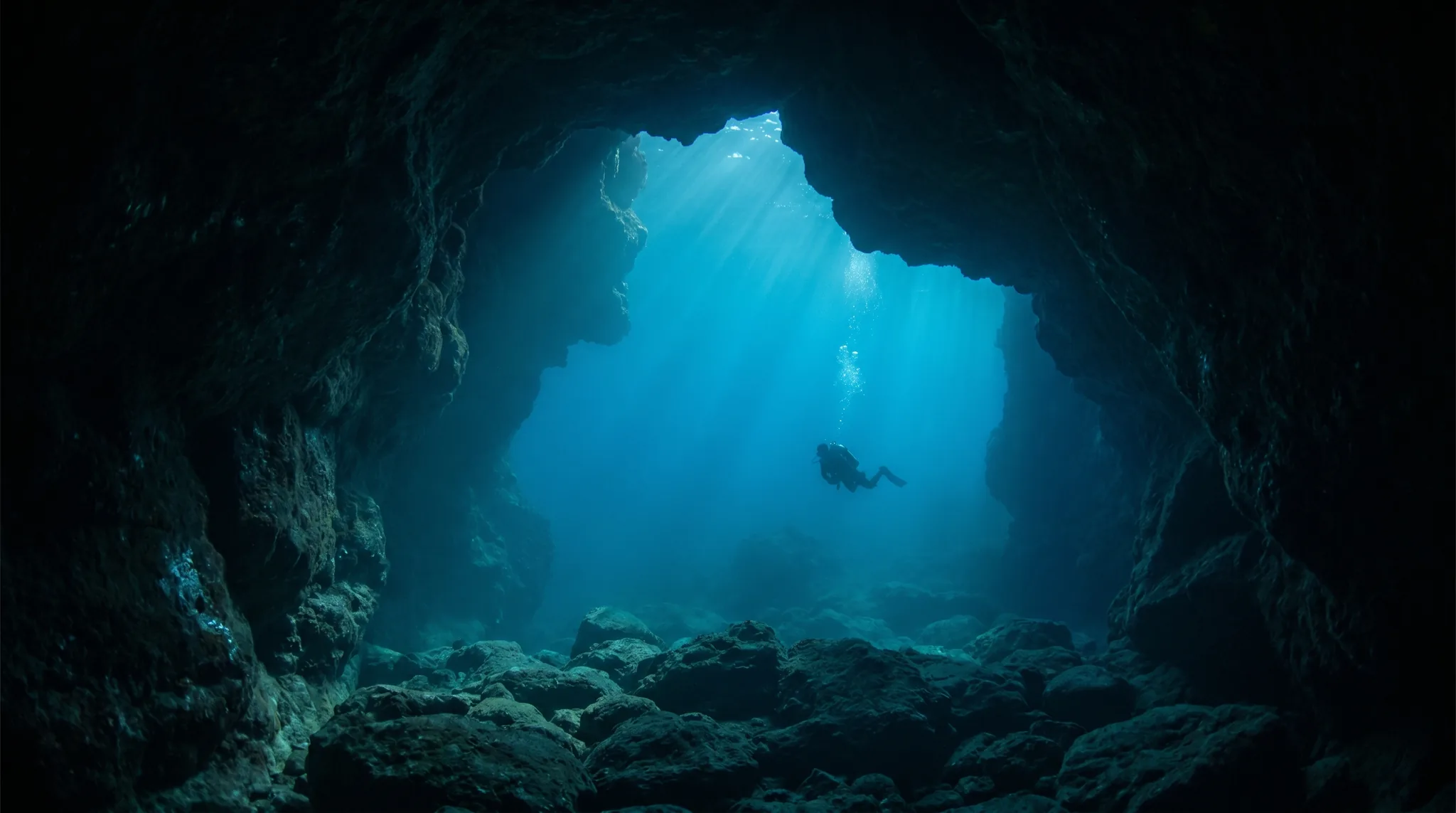
Lagos offers a varied dive landscape built around reefs, walls, canyon systems and wrecks. Beginner-friendly shallow sites such as Canavial and Martelo sit alongside more demanding dives like the Wilhelm Kraag Wreck and Mosh Wall. Cephalopods define the marine life here: the European Common Cuttlefish and Common Octopus are consistently observed across sites, joined by an exceptional range of nudibranchs including Felimare fontandraui, Mediterranean Violet Aeolid and Tricolor Doris. Nearly all sites are accessed by boat.
Monthly water temperature across Lagos's sites, from satellite sea-surface data corrected for depth. The band shows the site-to-site spread.
Water temperature stays moderate year-round, dipping slightly in late winter and peaking gently in autumn. The busiest dive season runs from early summer through to autumn, when conditions are most settled and visibility at its best. Outside these months diving is still possible, though exposed coastal conditions can be more variable.
2 operators
18 more sites to explore
Water temperature around Lagos ranges from about 15°C in March to 19°C in October, based on satellite sea-temperature data for its dive sites.
In the warm season (about 19°C) a 5mm suit is comfortable in Lagos; in the coldest months (about 15°C) step up to a 7mm or semi-dry suit.
Fin maps 30 sites in Lagos (26 scuba diving sites and 7 snorkelling spots, with some suited to both).
Across Lagos's dive sites, June, July, August and September are most often reported as the best months to visit.
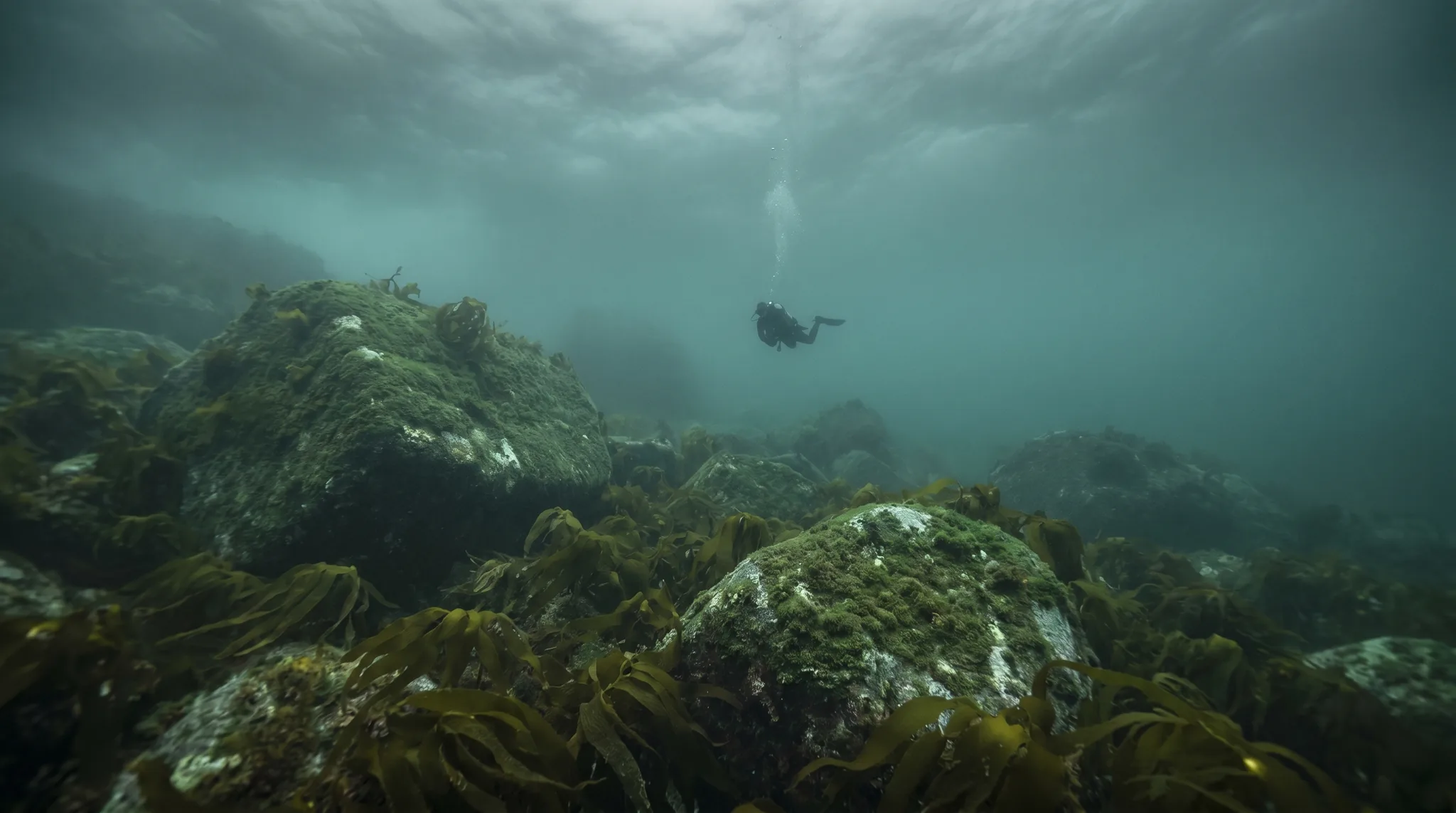
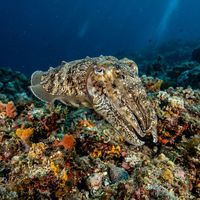
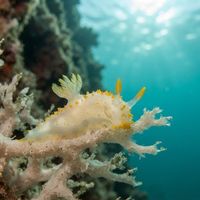
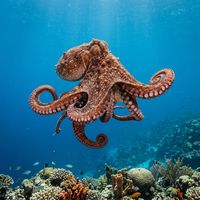
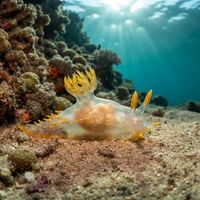
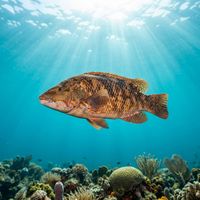
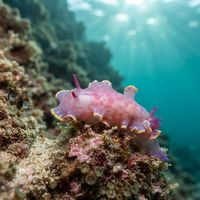
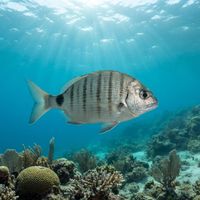
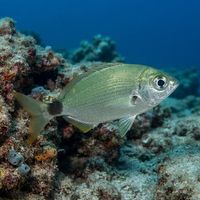
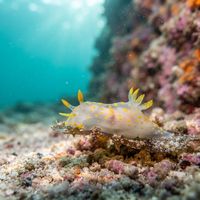
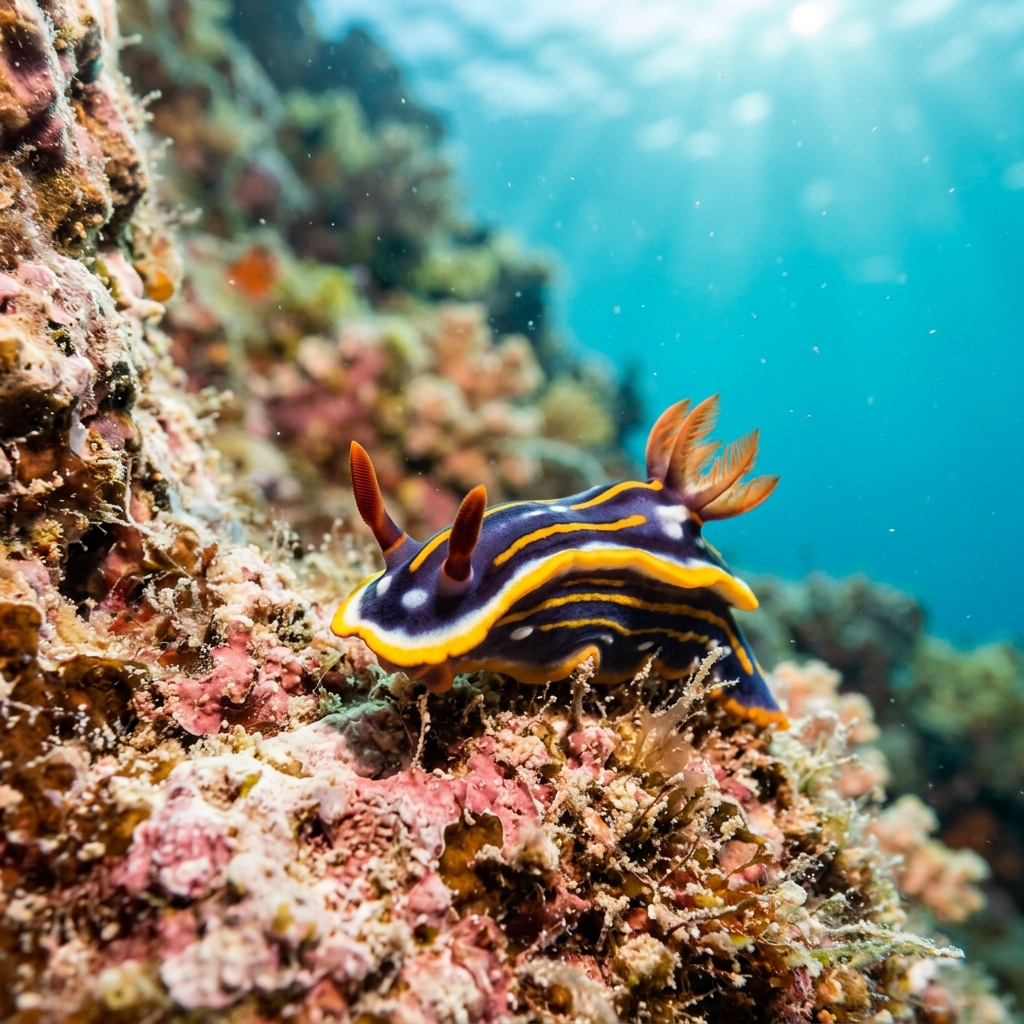
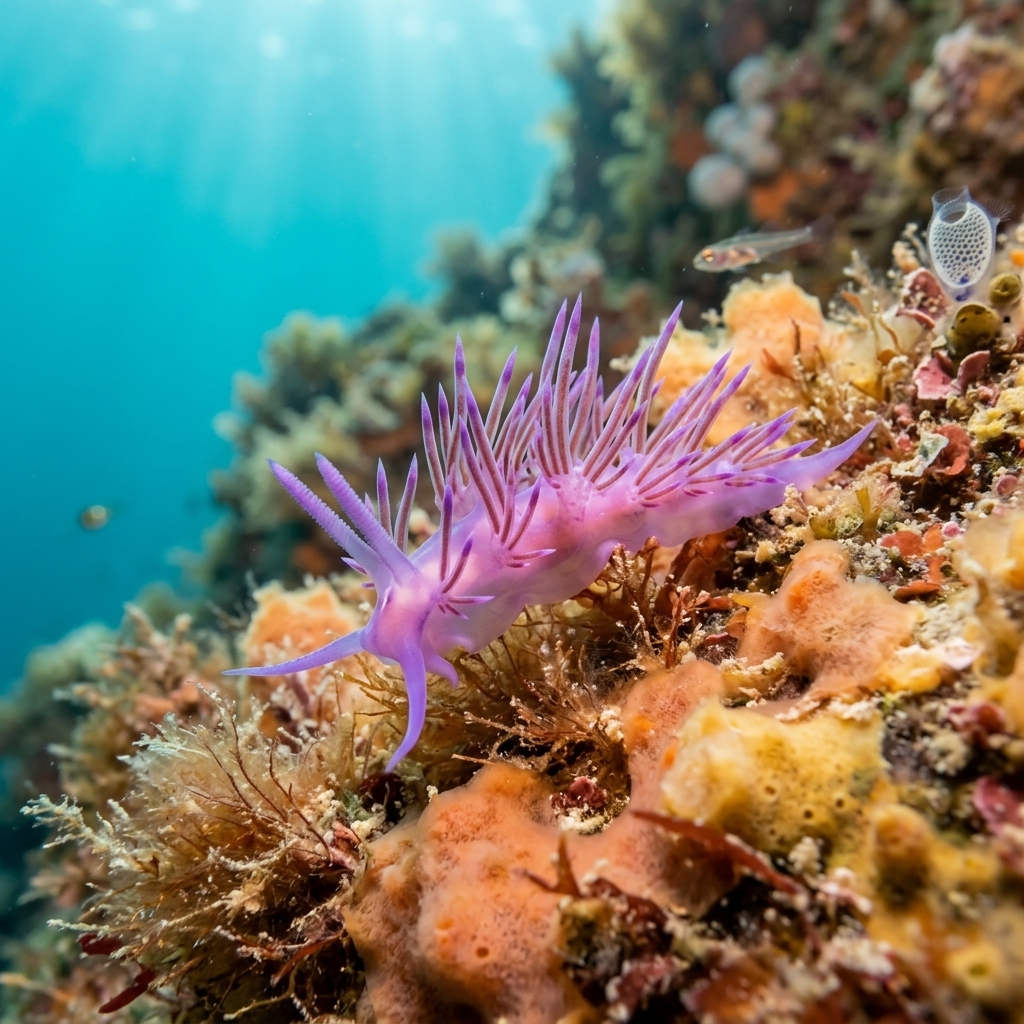
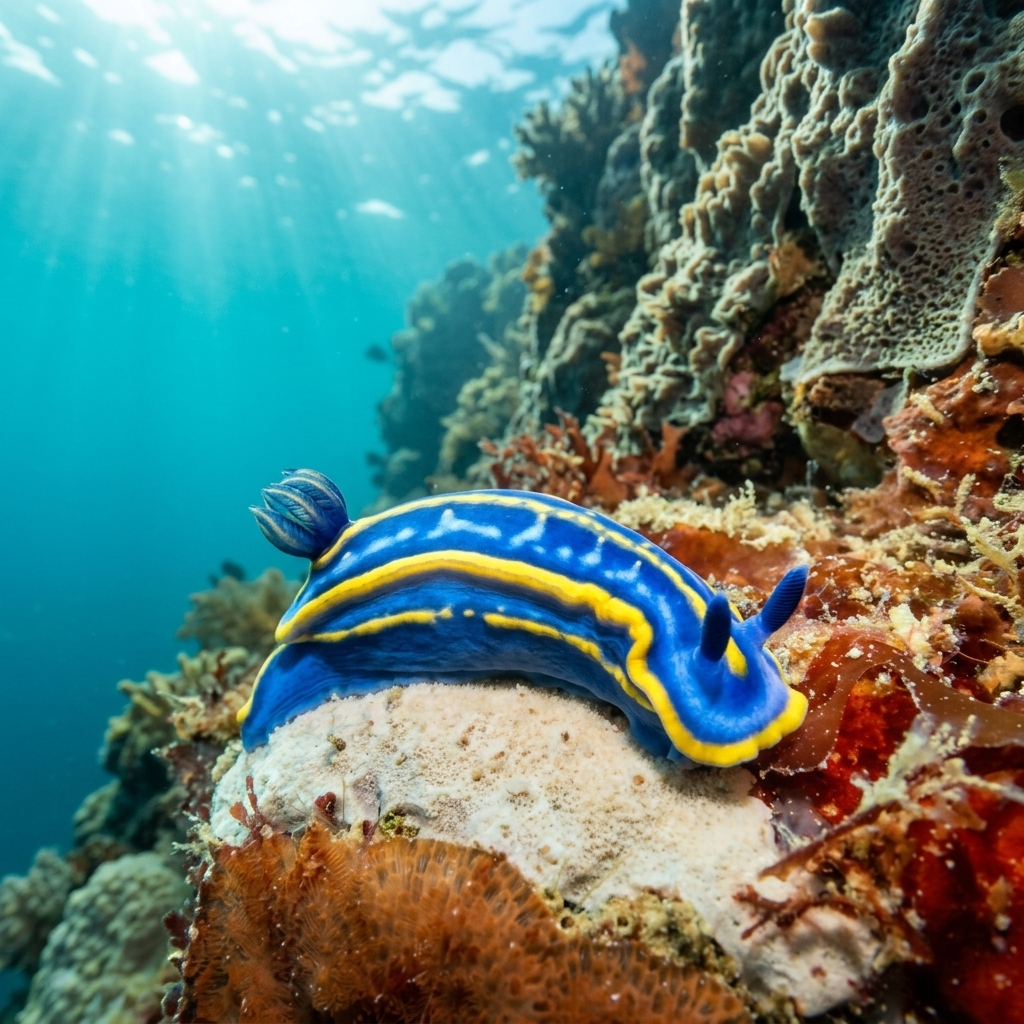
The European Common Cuttlefish and Common Octopus are the signature species and are observed across a wide range of sites. Wrasses, Bream and Two-banded Seabream are very commonly encountered, as are Tompot Blenny and Scorpionfish. Lagos is particularly notable for nudibranchs: Felimare fontandraui, Mediterranean Violet Aeolid, Tricolor Doris and Giant Doris have all been recorded here.
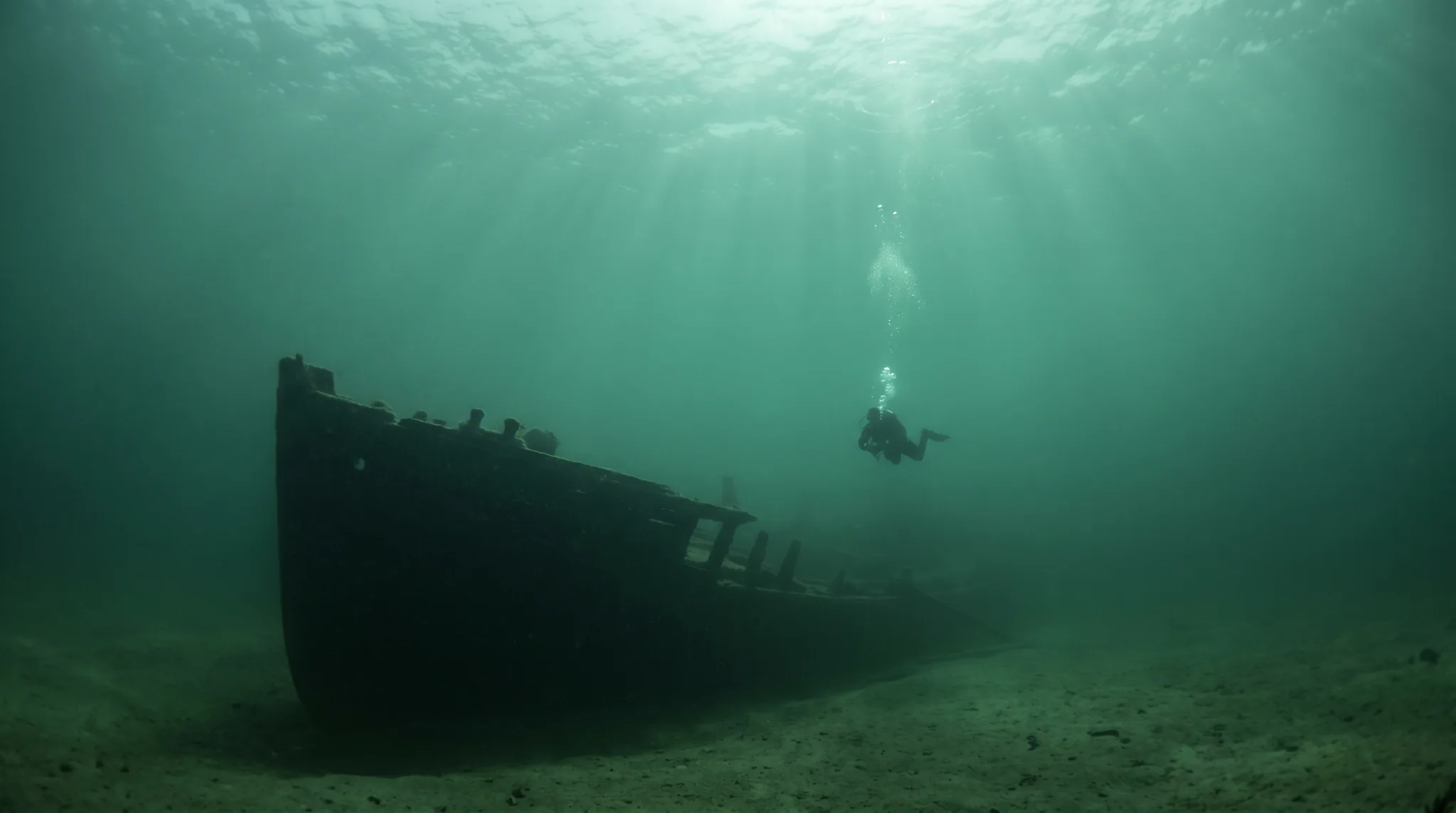
A good portion of the sites in Lagos are rated for beginners, including shallow reef dives such as Canavial, Martelo and Pedras Altas. These sites offer manageable depths and boat access with local operators. Intermediate divers can progress to wall dives like Mosh Wall or wreck sites including the Wilhelm Kraag Wreck and Canhoneira Faro.
The great majority of dive sites in Lagos require boat access, and several operators including Lagos Divers, Portisub, Blue Ocean Divers and Subnauta run regular trips. A small number of sites, such as Praia do Pintadinho, can be reached directly from shore. Boat-based diving is therefore the norm here, so booking with a local operator is the most straightforward approach.
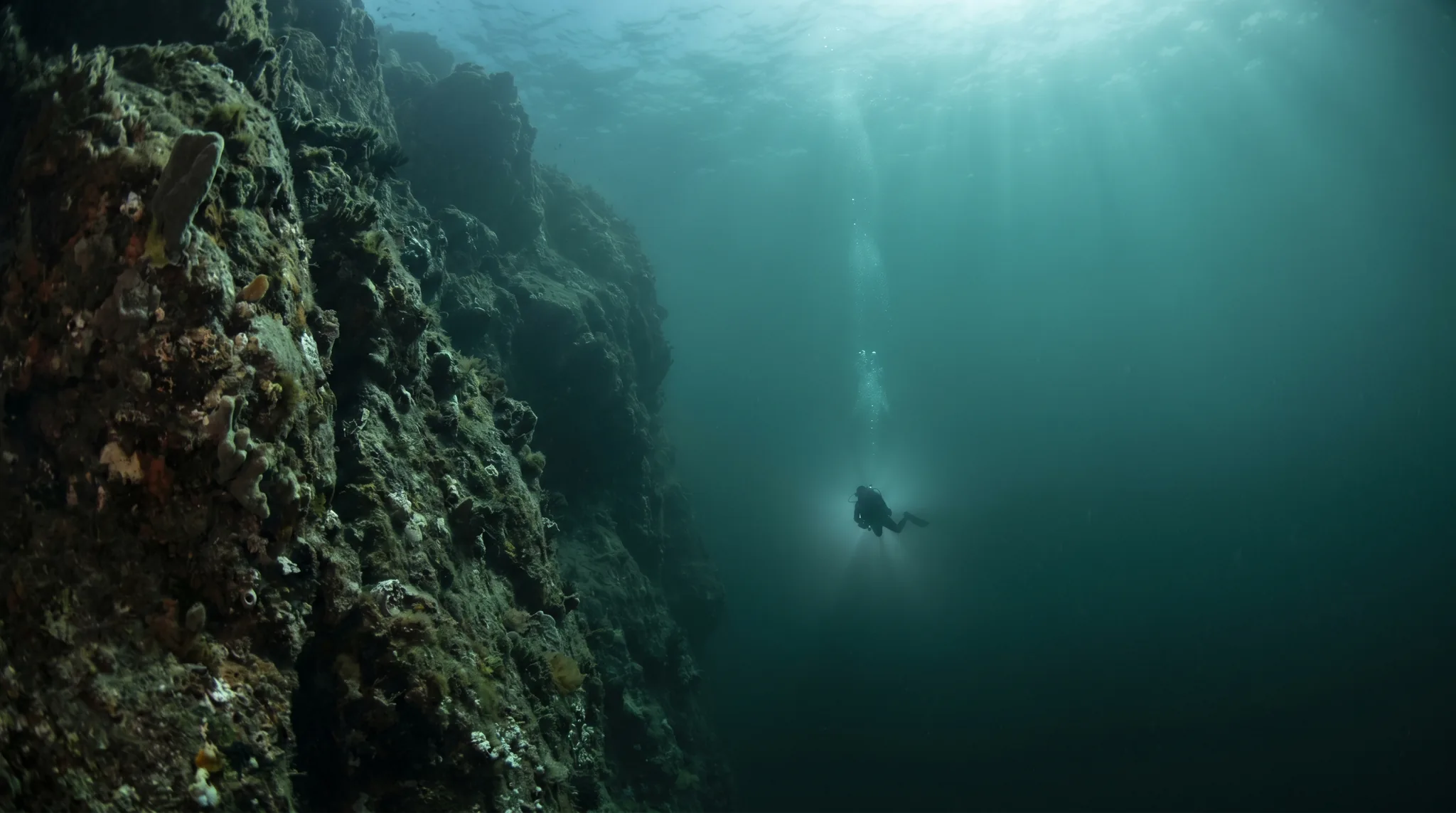
Lagos has a real mix of site types across its dive roster. Natural reefs and reef-wall combinations are the most common, but there are also canyon and cave structures at sites like Rondão Alvo and Pedras Altas. Wreck divers are served by the Wilhelm Kraag Wreck and the historic Canhoneira Faro, while Ancoras combines natural reef with artificial structure and documented archaeological interest.