
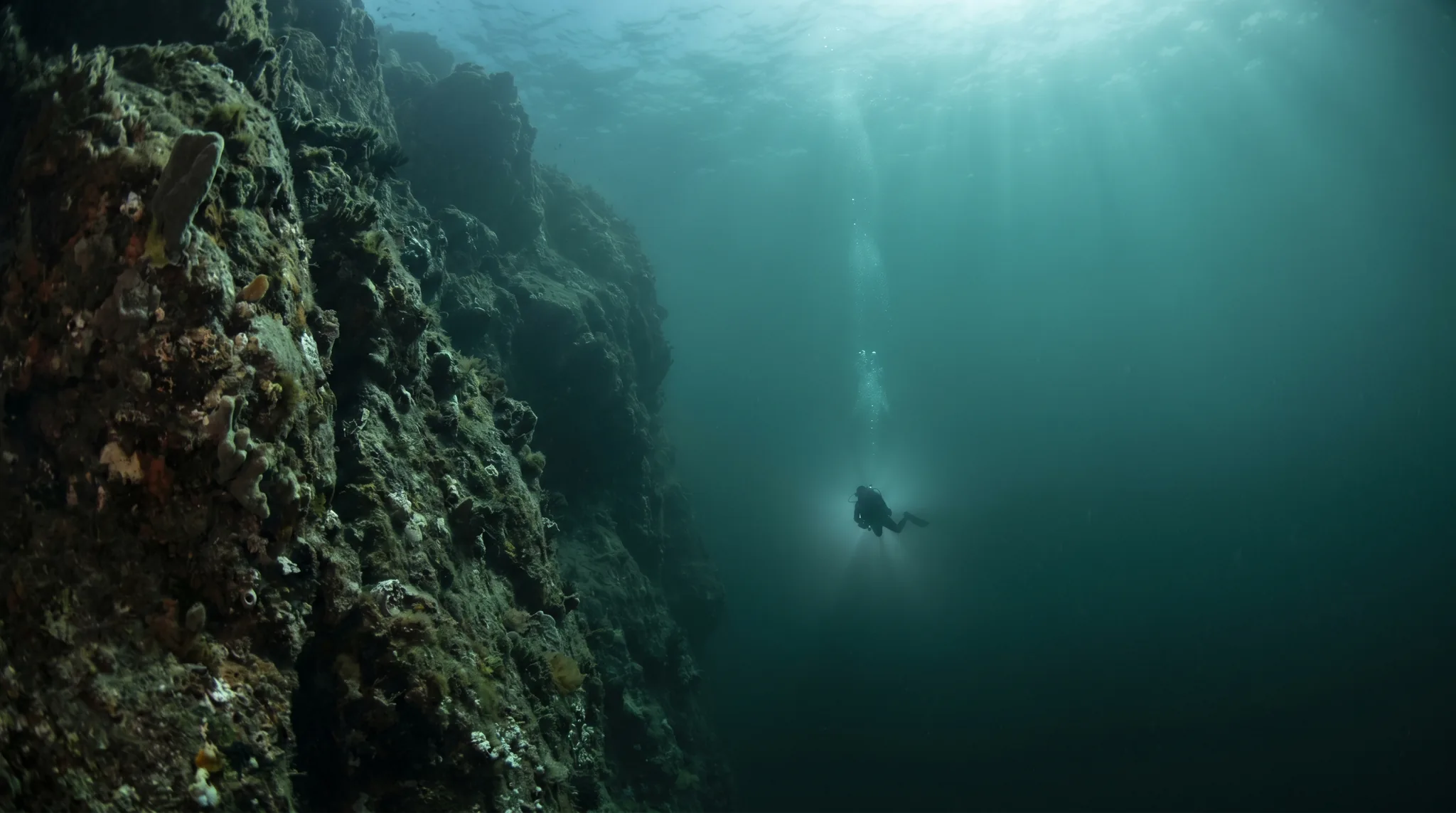
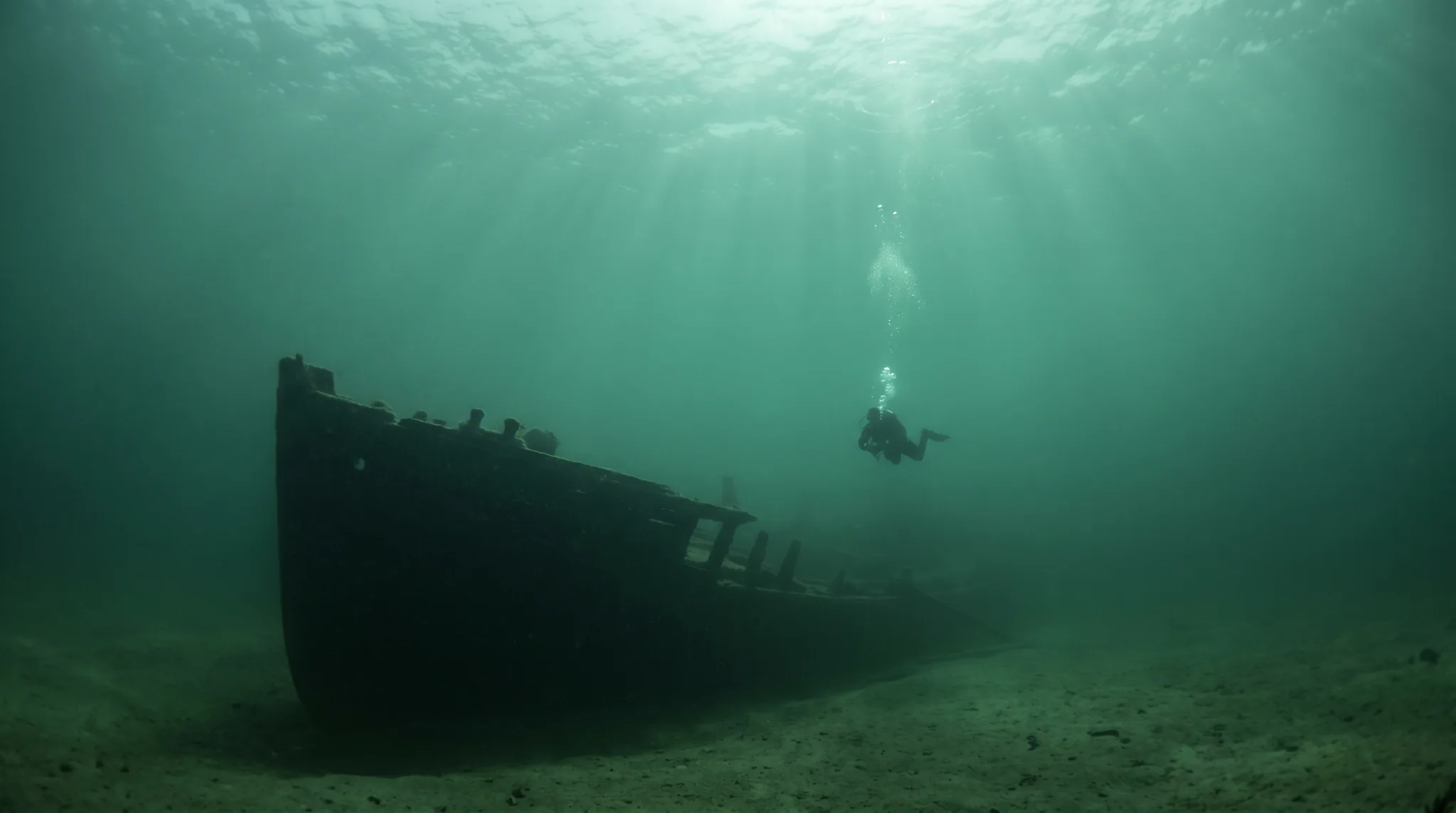
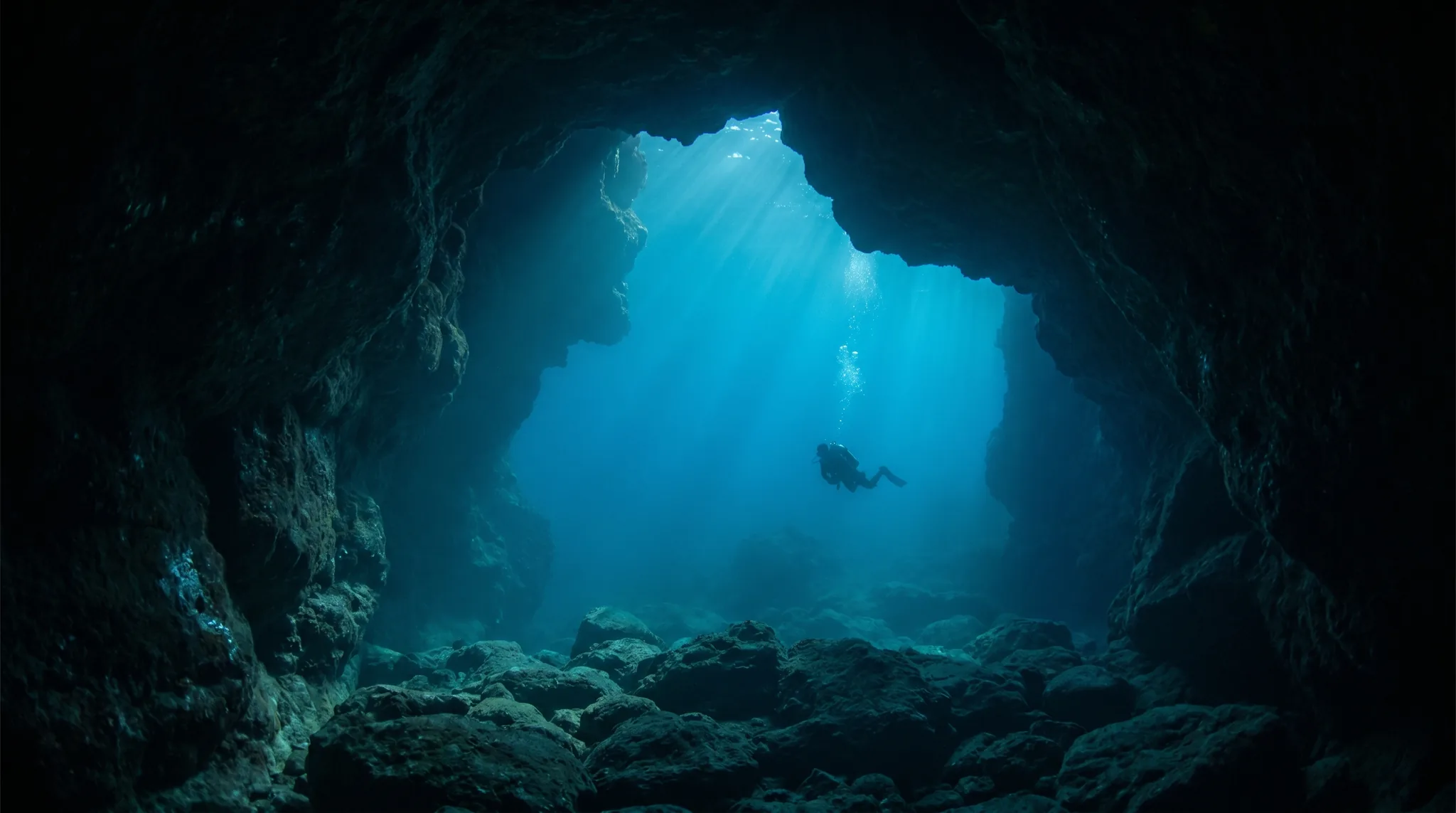
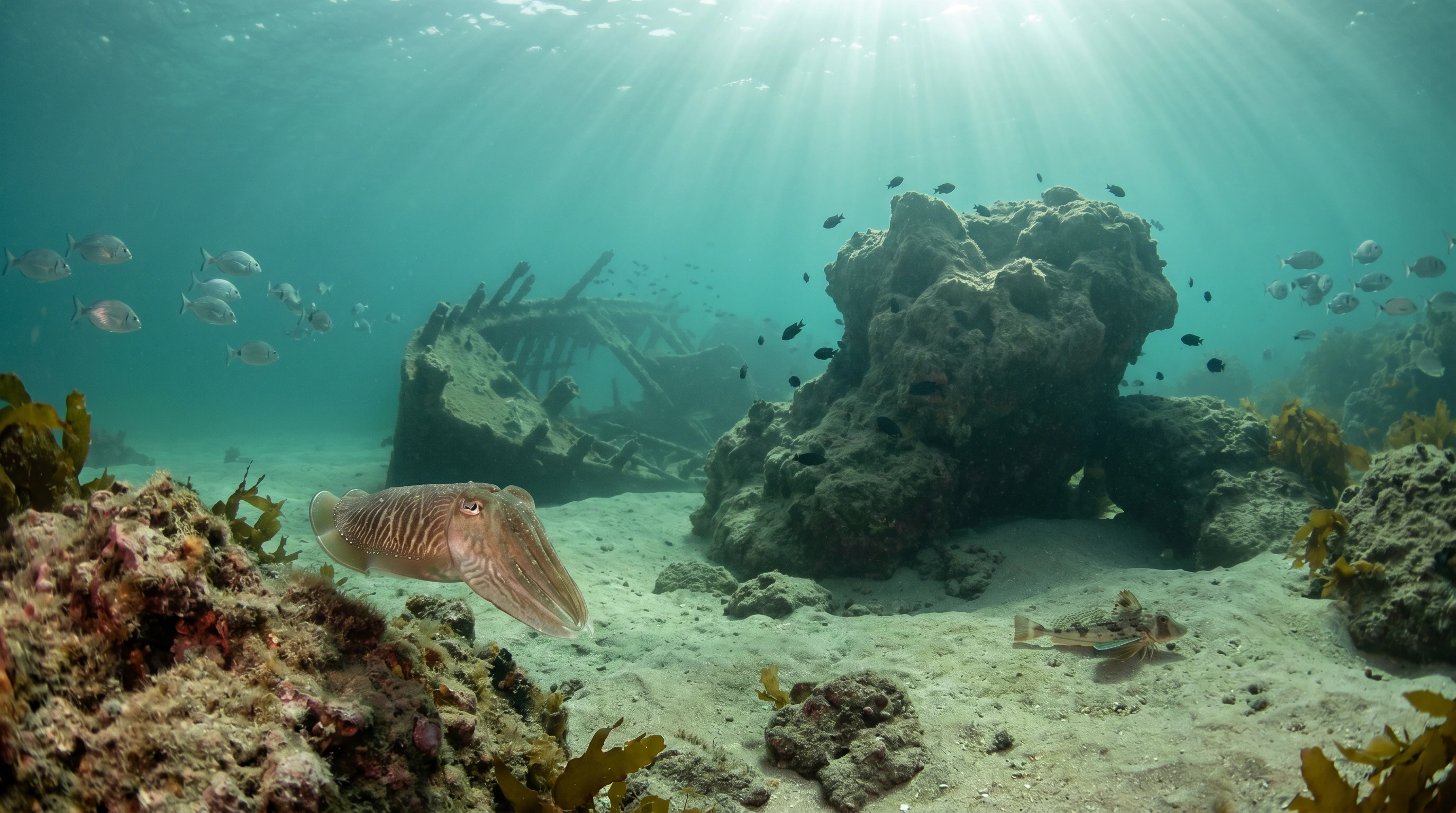
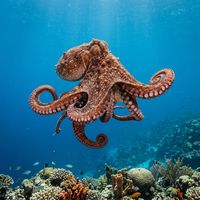
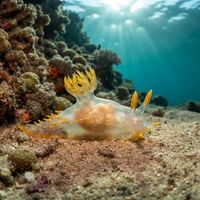
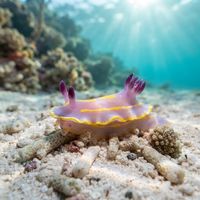
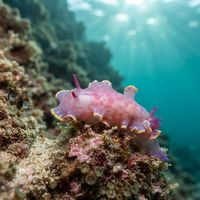
Berlenga Grande is defined by a dense concentration of wrecks, caves, and walls, with almost all sites reached by boat. Beginners can explore shallow cave and wall terrain at sites like Cova do Sonho and Parede do Relaxe, while intermediate and advanced divers push deeper at wreck sites such as Vapor do Trigo, Gomes VIII, and Maroudio Inglessi. Nudibranchs dominate the marine life, with the Common Octopus and European Common Cuttlefish consistently encountered across the reef.

Monthly water temperature across Berlenga Grande's sites, from satellite sea-surface data corrected for depth. The band shows the site-to-site spread.
Water temperature stays cool through winter and rises gradually toward autumn, with the warmest conditions running from late summer into October. The best diving months cluster firmly in summer, when conditions are most settled and visibility peaks. Some sites, particularly deeper wreck dives like Gomes VIII, involve strong currents that demand experience regardless of season.
8 operators
13 more sites to explore
Water temperature around Berlenga Grande ranges from about 15°C in January to 19°C in October, based on satellite sea-temperature data for its dive sites.
In the warm season (about 19°C) a 5mm suit is comfortable in Berlenga Grande; in the coldest months (about 15°C) step up to a 7mm or semi-dry suit.
Fin maps 24 sites in Berlenga Grande (22 scuba diving sites and 5 snorkelling spots, with some suited to both).
Across Berlenga Grande's dive sites, June, July, August and September are most often reported as the best months to visit.
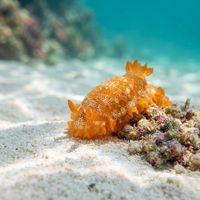
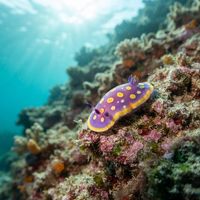
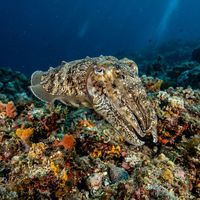
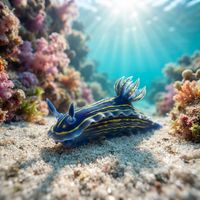
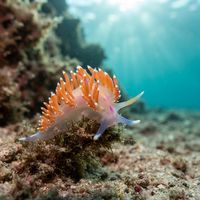
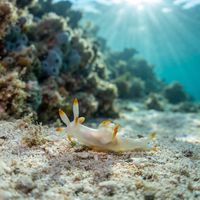
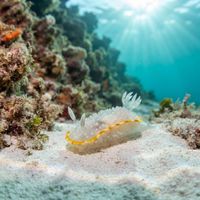
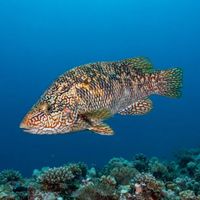
Nudibranchs are the standout group, with species including Doriopsilla Areolata, Polycera kernowensis, Rudmania Purpurea, Rudmania Krohni, Yellow-dotted Doris, Felimare Cantabrica, Felimare fontandraui, and Felimare villafranca all recorded across the sites. Common Octopus and European Common Cuttlefish are encountered very regularly, alongside reef fish such as Ballan Wrasse, Corkwing Wrasse, Black Seabream, and Giant Goby. Green Sea Turtle is among the signature species for the island.
Yes, a good portion of the sites are rated beginner level. Cova do Sonho offers a mix of cave, wall, and reef from very shallow down to moderate depth with shore entry, while Parede do Relaxe and Baía da Flandres are boat-access beginner sites with calm, sheltered cave and wall terrain. Deeper wreck sites such as Gomes VIII and Maroudio Inglessi are strictly for advanced divers comfortable with strong currents.
The vast majority of dive sites require boat access, and several operators based in the area run guided boat dives to the island's sites. Cova do Sonho is a notable exception, accessible from shore and suitable as an independent entry point for confident beginners. Operators including Haliotis Dive Center, Justdive, Santa Cruz Dive House, and Berlengatur serve the area.
The site mix is varied: wrecks are a strong theme, appearing at sites like Vapor do Trigo, Sapho, Mula Estelas, and Gomes VIII. Sea caves feature prominently at Gruta Lagosteira, Cova do Sonho, and Baía da Flandres. Wall dives such as Estelão and Parede do Relaxe round out the offering, and several sites combine two or three of these features in a single dive.