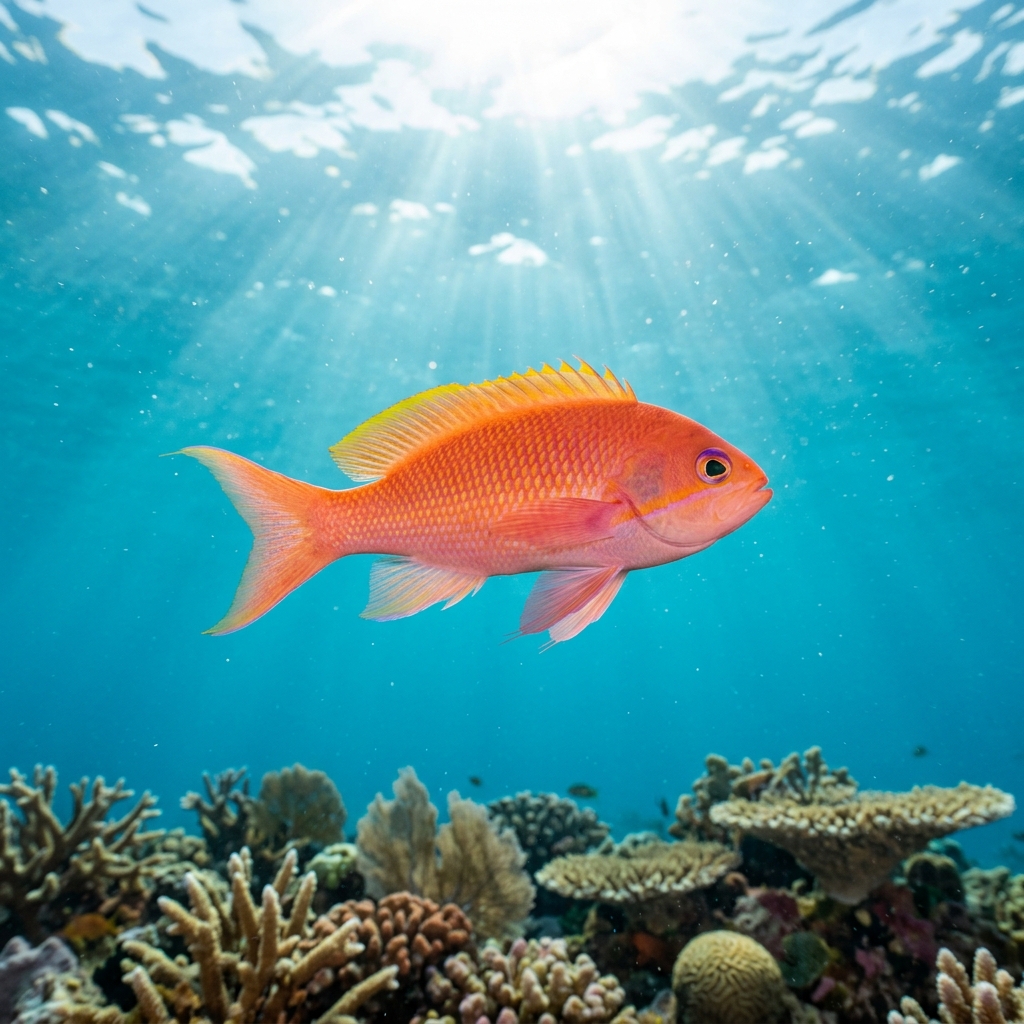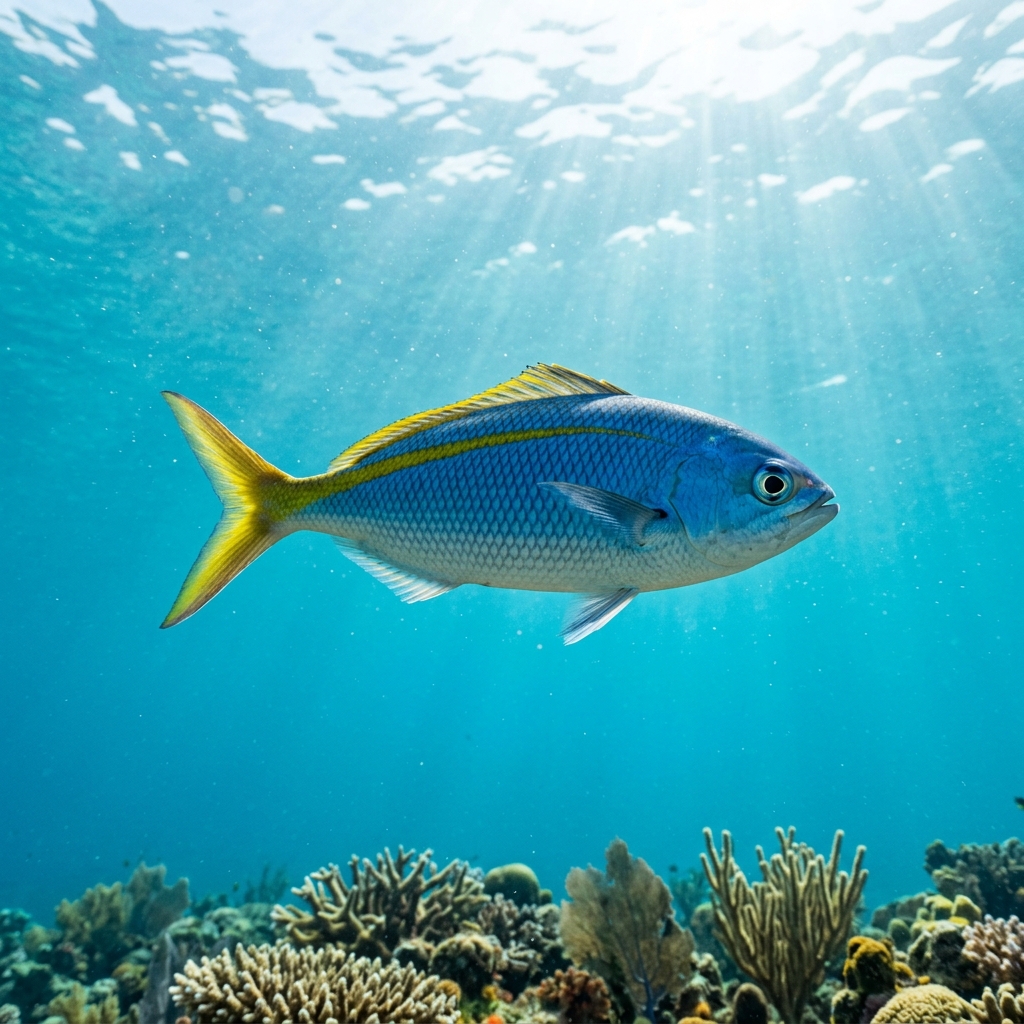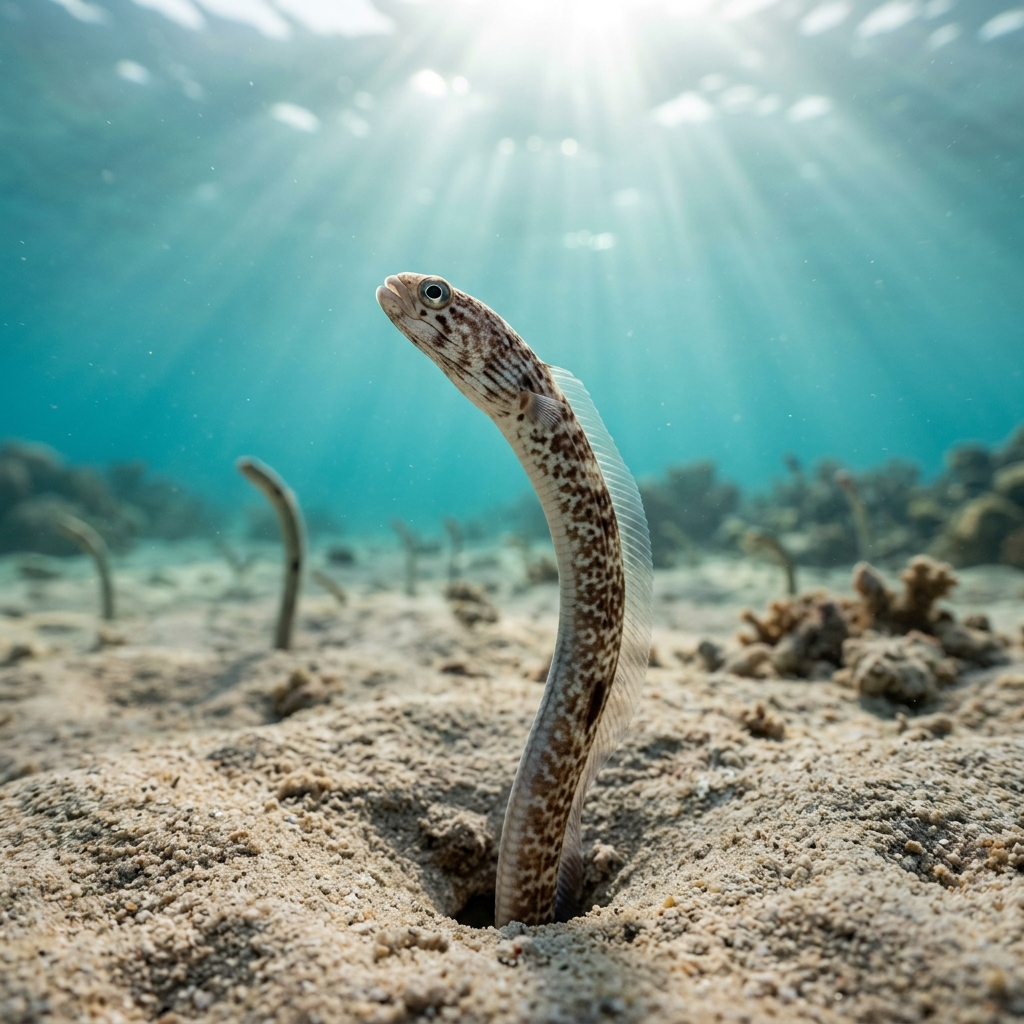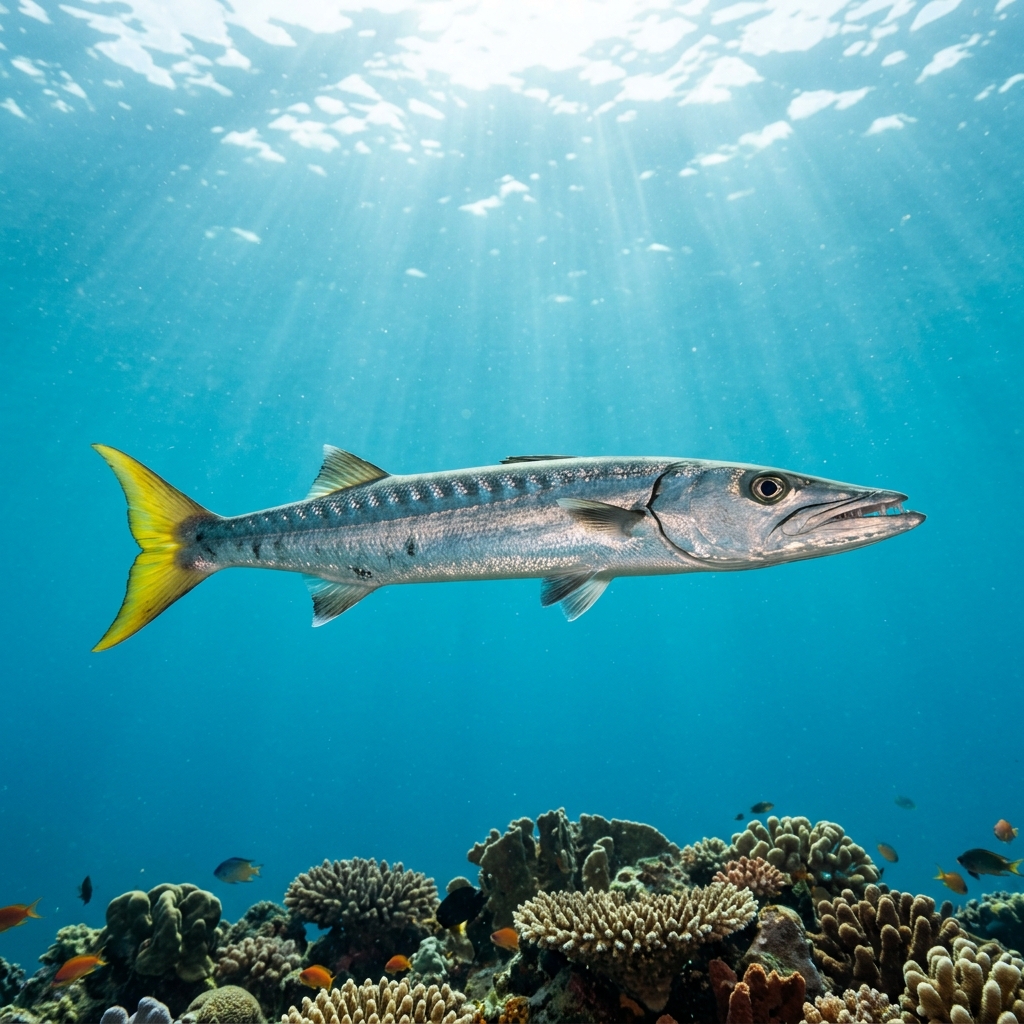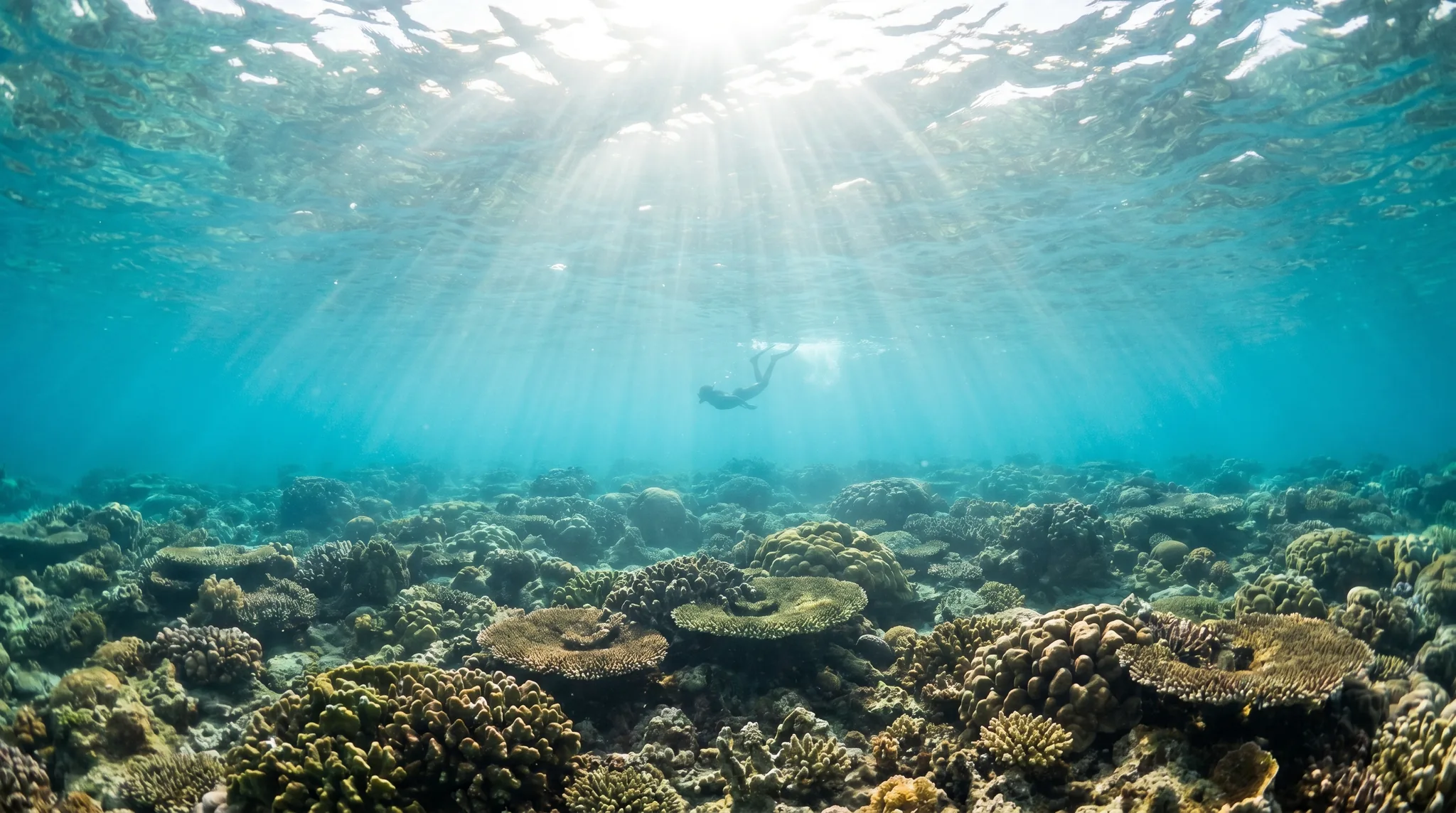
Sunken Island is a submerged reef formation located 2000 metres offshore from Dumaguete. This site requires boat access and is characterised by strong currents, making it suitable for experienced divers. Depths range from 10 to 60 metres, with an average depth of 20 metres. Visibility typically fluctuates between 15 and 30 metres. Species recorded around this area include various wrasses, triggerfish, nudibranchs, and moray eels. Due to the depth and current conditions, this site is best suited for advanced divers comfortable with open-water currents.
9.15676, 123.49092
The site has an all-around profile, meaning there is always a sheltered side regardless of current direction.
Boat access required.
Recorded at this site
Depth
10-60m
Visibility
15-30m
Entry
Boat
Boat required
Water Temp
26-30°C
Current
Strong
Best Time
Jan, Feb, Mar, Apr, May, Jun, Nov, Dec
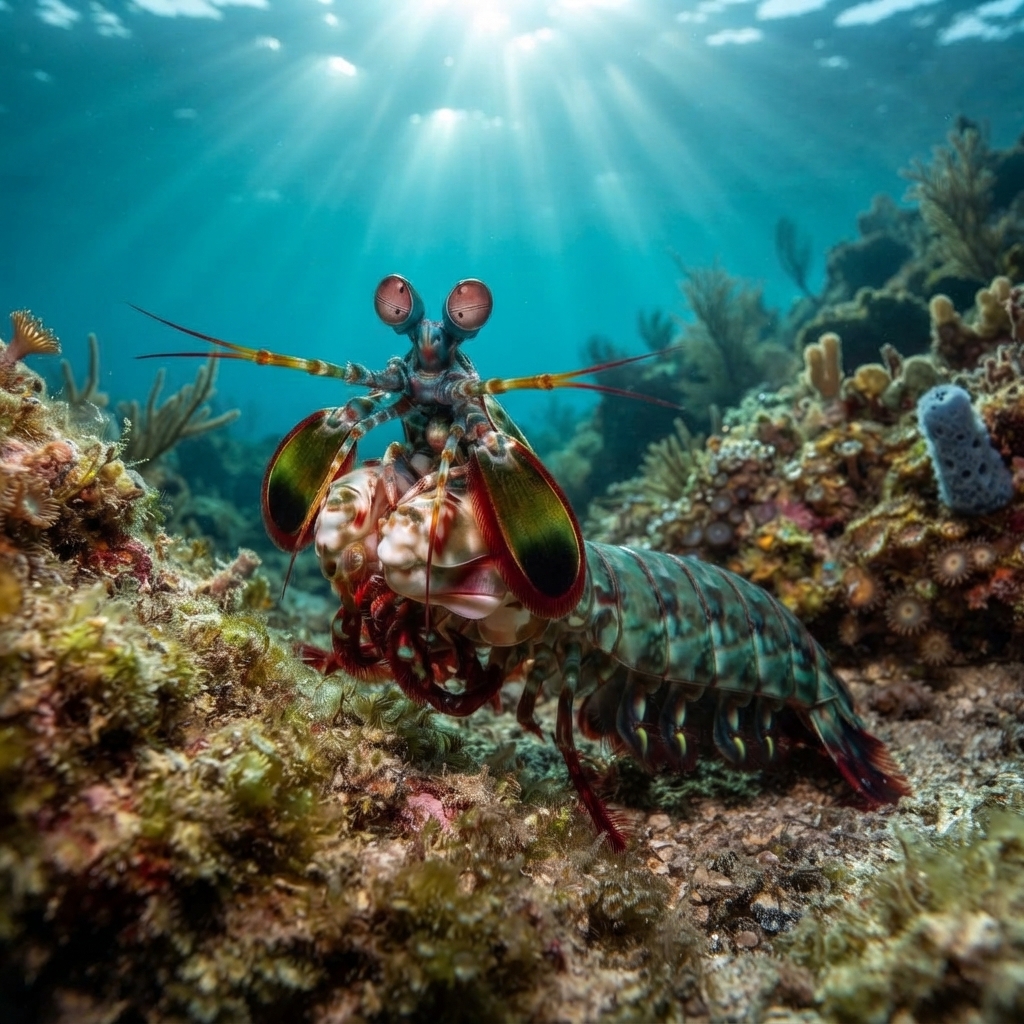
Species recorded around this area include wrasses, triggerfish, nudibranchs, moray eels, ghostpipefish, and mantis shrimp.
No, Sunken Island is not suitable for beginners due to the strong currents and the depth profile which averages 20 metres.
The site ranges from 10 to 60 metres deep, with an average depth of 20 metres.
Sunken Island is a boat dive located 2000 metres from the shore.
Snorkelling is not recommended as the site is a submerged formation with an average depth of 20 metres and strong currents.
Diving at Sunken Island in Moalboal requires the following certifications: Advanced. Always dive within your training limits.
A rashguard or 2mm shorty is recommended for diving at Sunken Island in Moalboal. Water temperatures range from 26°C to 30°C.
The best months to visit Sunken Island in Moalboal are January, February, March, April, May, June, November, and December. Conditions outside these months can still be good but are less predictable.
Sunken Island in Moalboal can have strong currents. Advanced experience with drift diving and current navigation is recommended.
Visibility at Sunken Island in Moalboal typically ranges from 15 metres to 30 metres. Conditions vary with weather, tides, and seasons.