Best for intermediate divers, 6m, boat entry, moderate current.
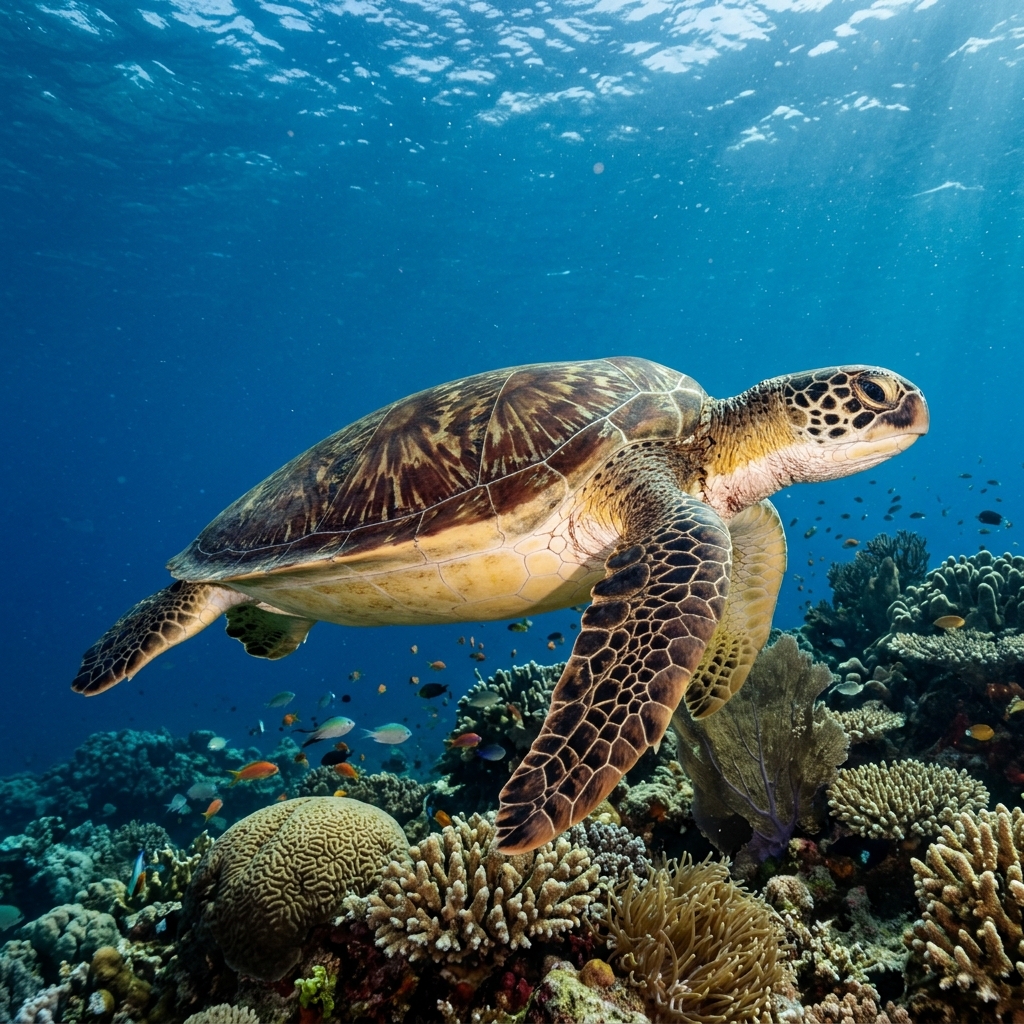
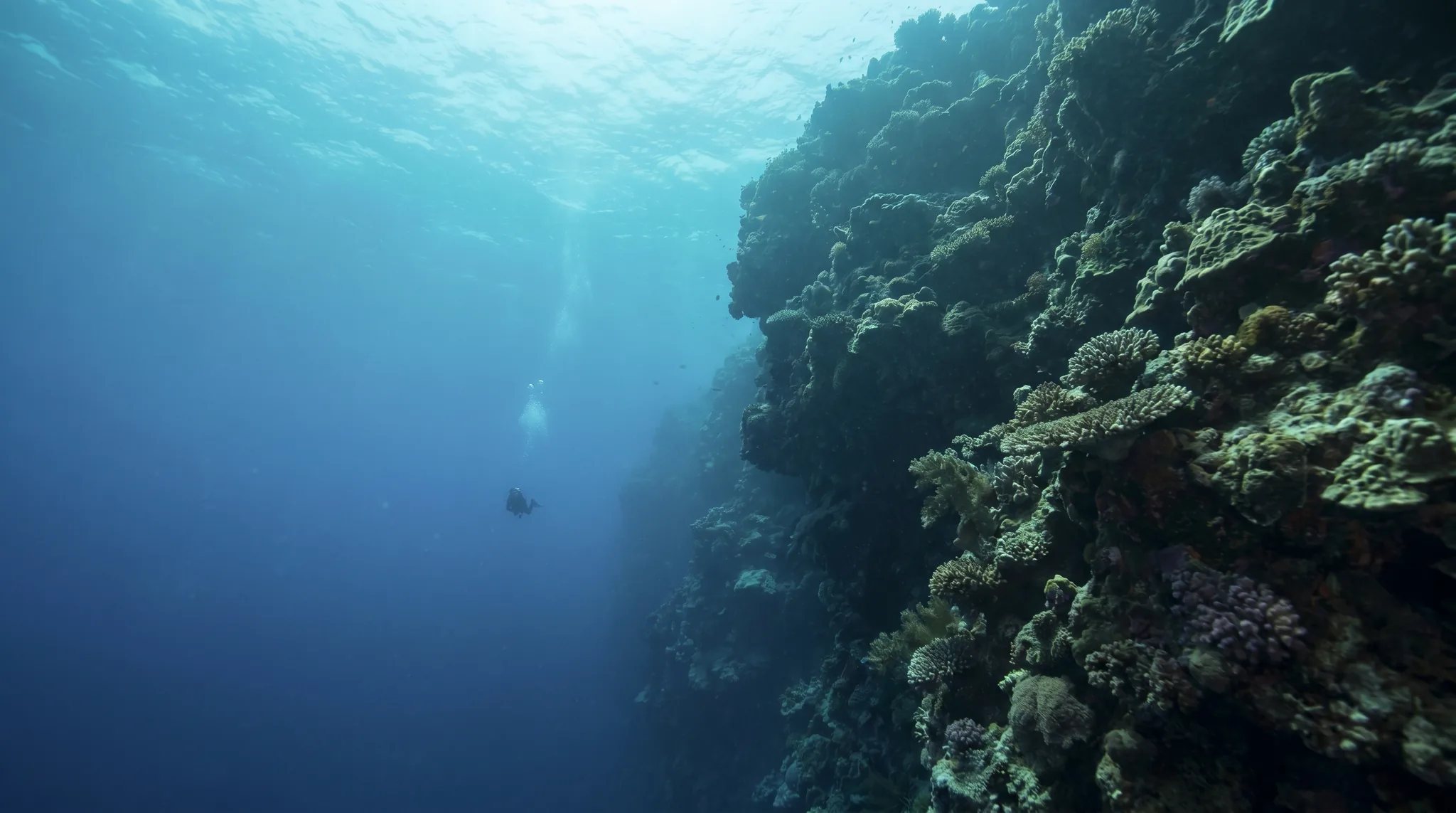
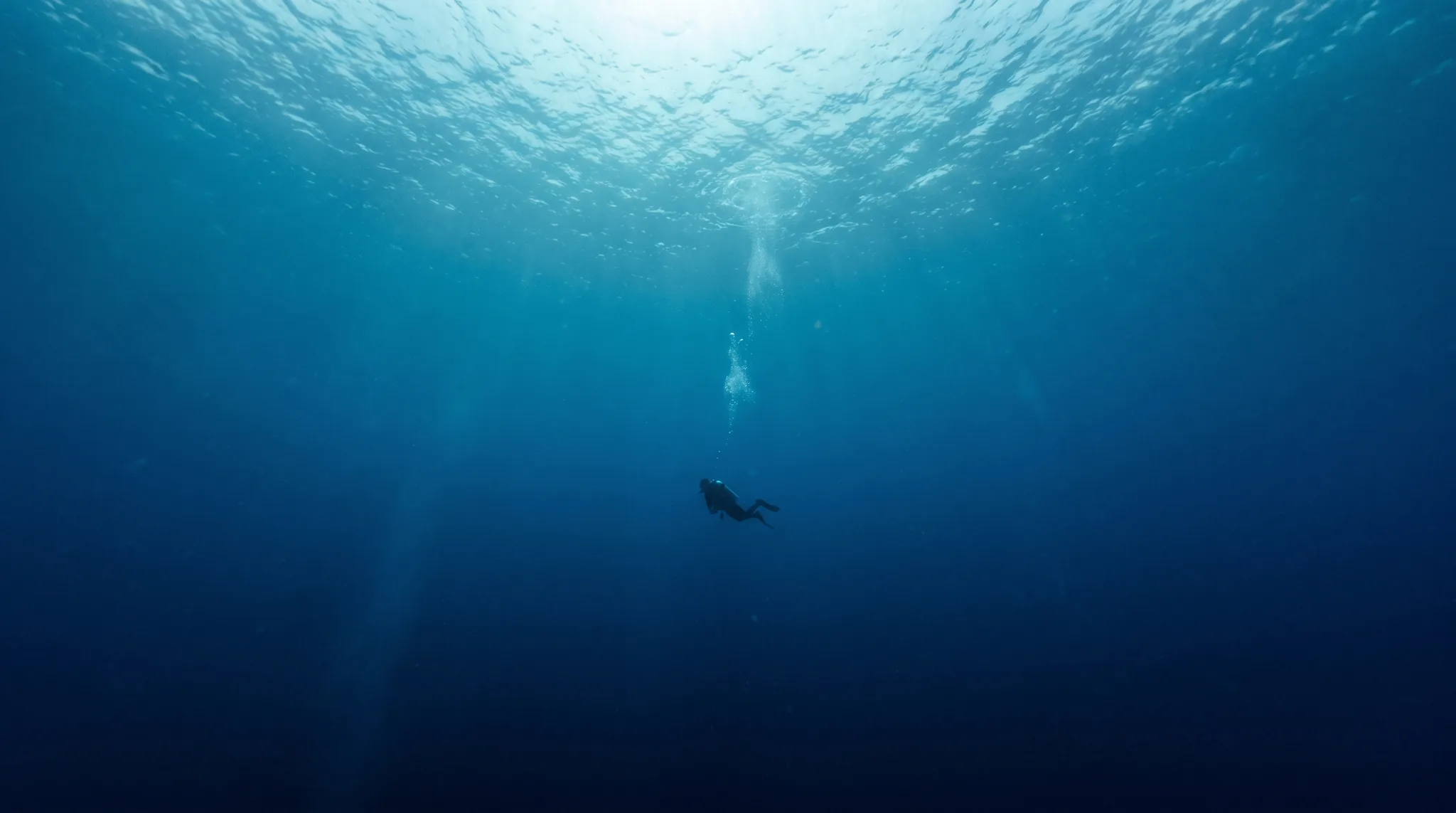
Dog Drift is a reef site located in Boracay, Philippines, primarily accessed by boat. This site is suited for intermediate divers due to the presence of moderate to strong currents. The topography is consistent, with an average depth of 6 metres. Visibility at the site ranges from 10 to 30 metres, and water temperatures fluctuate between 27C and 31C throughout the year. Species recorded around this area include various nudibranchs, wrasses, groupers, anemonefish, and moray eels. Divers should be prepared for the current, which is a defining feature of this drift dive.
11.92710, 121.94800
Deploy a surface marker buoy early in the dive so the boat crew can track your drift progress accurately.
Boat access is required for this site.
Recorded at this site
Depth
6m
Visibility
10-30m
Skill Level
Intermediate
Entry
Boat
Boat required
Water Temp
27-31°C
Current
Moderate
Typical Dive
30 min
Best Time
May, Jun
Species recorded around this area include wrasses, groupers, blackback anemonefish, snowflake morays, and various nudibranch species.
No, this site is intended for intermediate divers due to the moderate to strong currents encountered during the drift.
The site has a consistent depth of 6 metres.
Boat access is required to reach this site.
While the site is shallow, the moderate to strong currents and the nature of the drift dive make it primarily a location for scuba diving.
Diving at Dog Drift in Boracay requires the following certifications: Open Water. Always dive within your training limits.
A rashguard or 2mm shorty is recommended for diving at Dog Drift in Boracay. Water temperatures range from 27°C to 31°C.
The best months to visit Dog Drift in Boracay are May and June. Conditions outside these months can still be good but are less predictable.
Expect moderate currents at Dog Drift in Boracay. Good buoyancy control and some drift diving experience is helpful.
Visibility at Dog Drift in Boracay typically ranges from 10 metres to 30 metres. Conditions vary with weather, tides, and seasons.