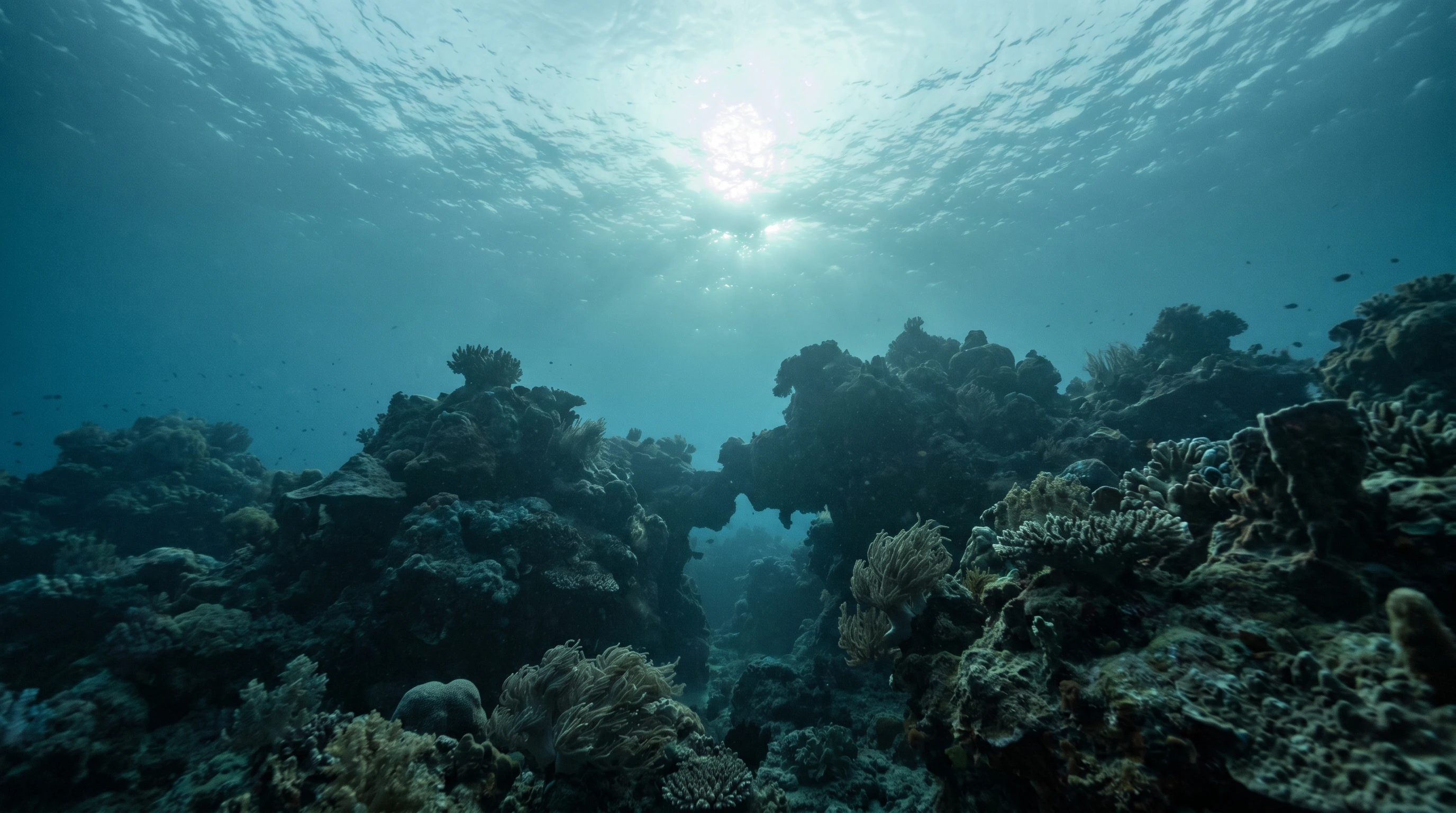
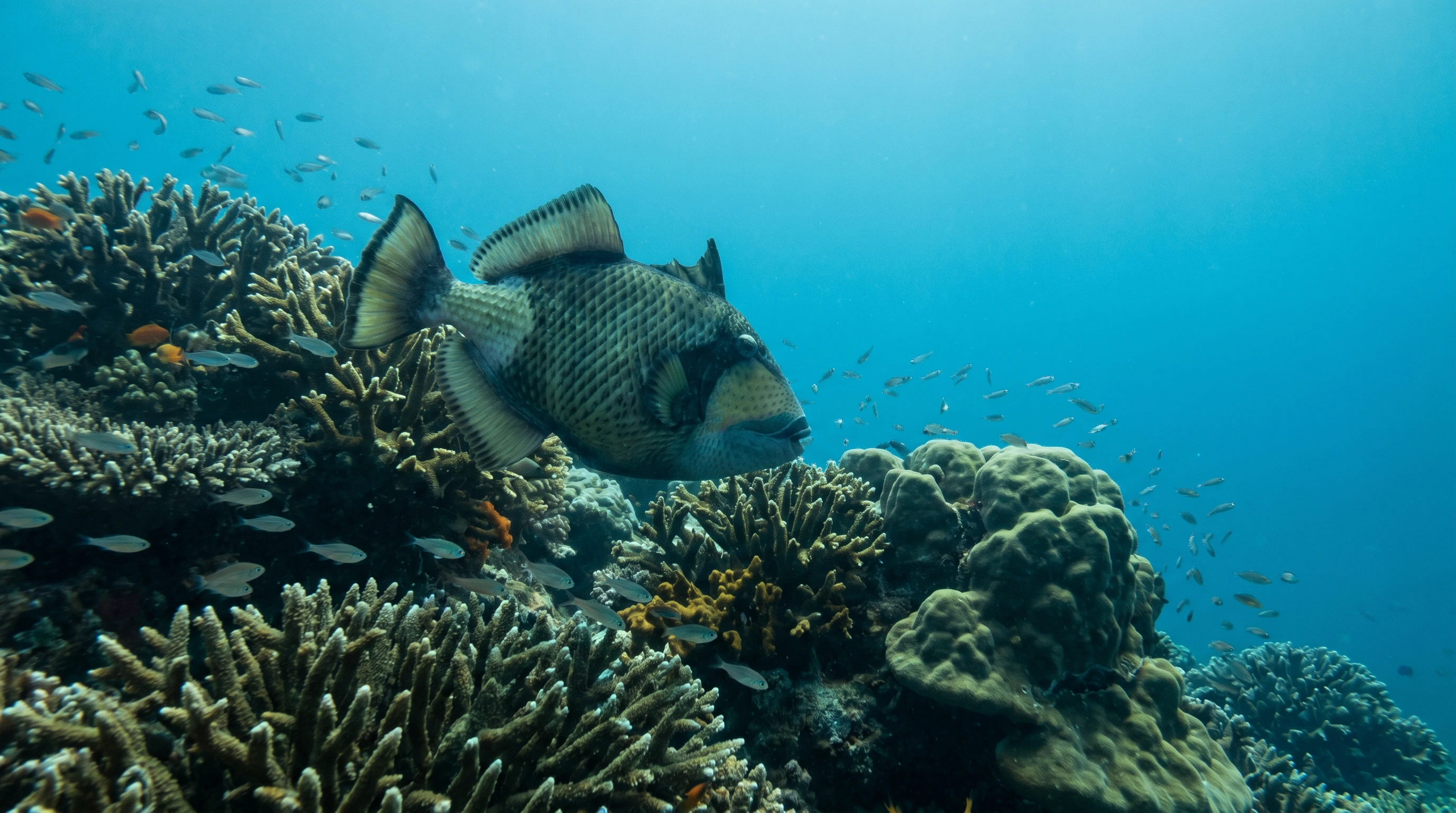
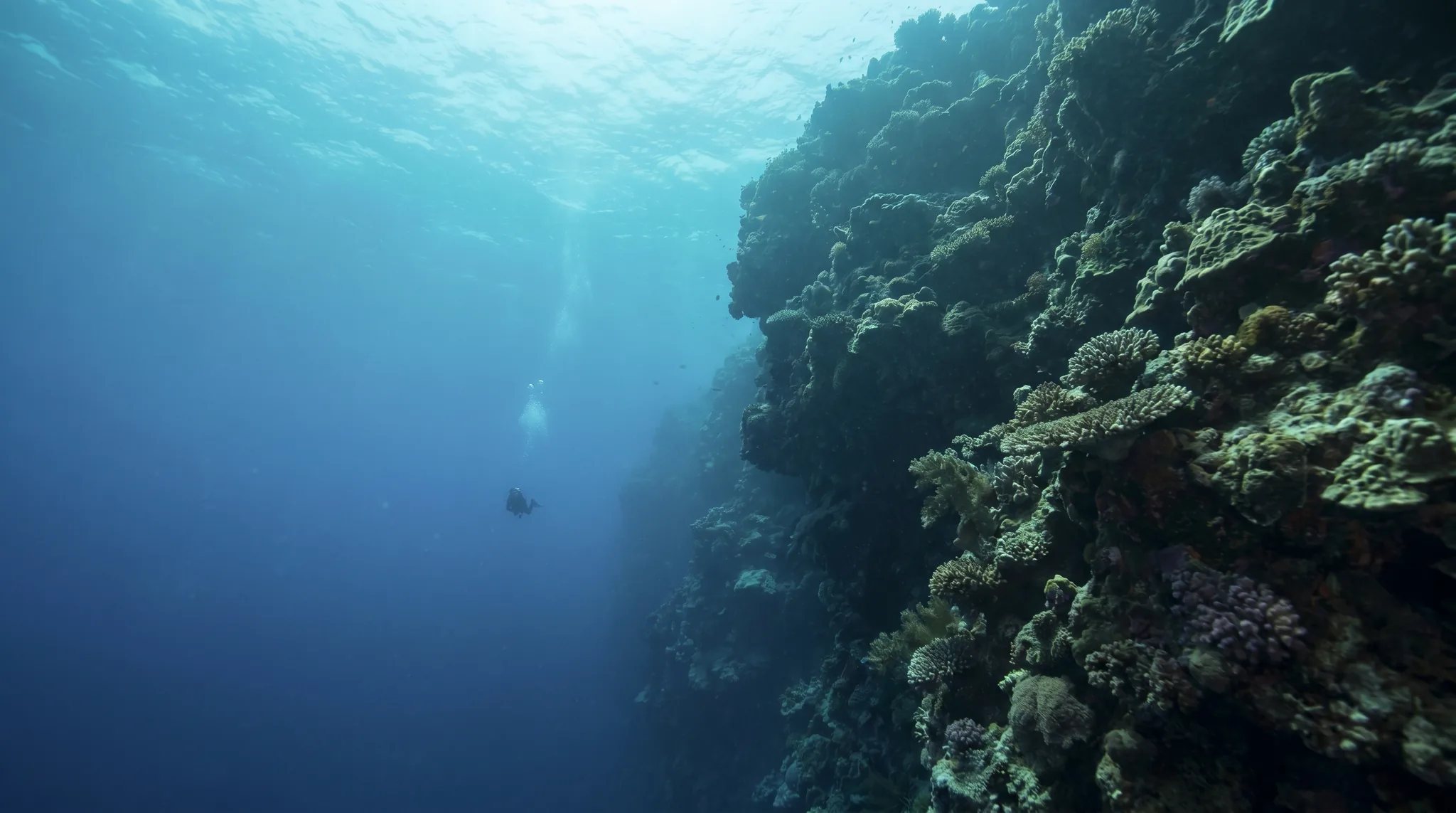
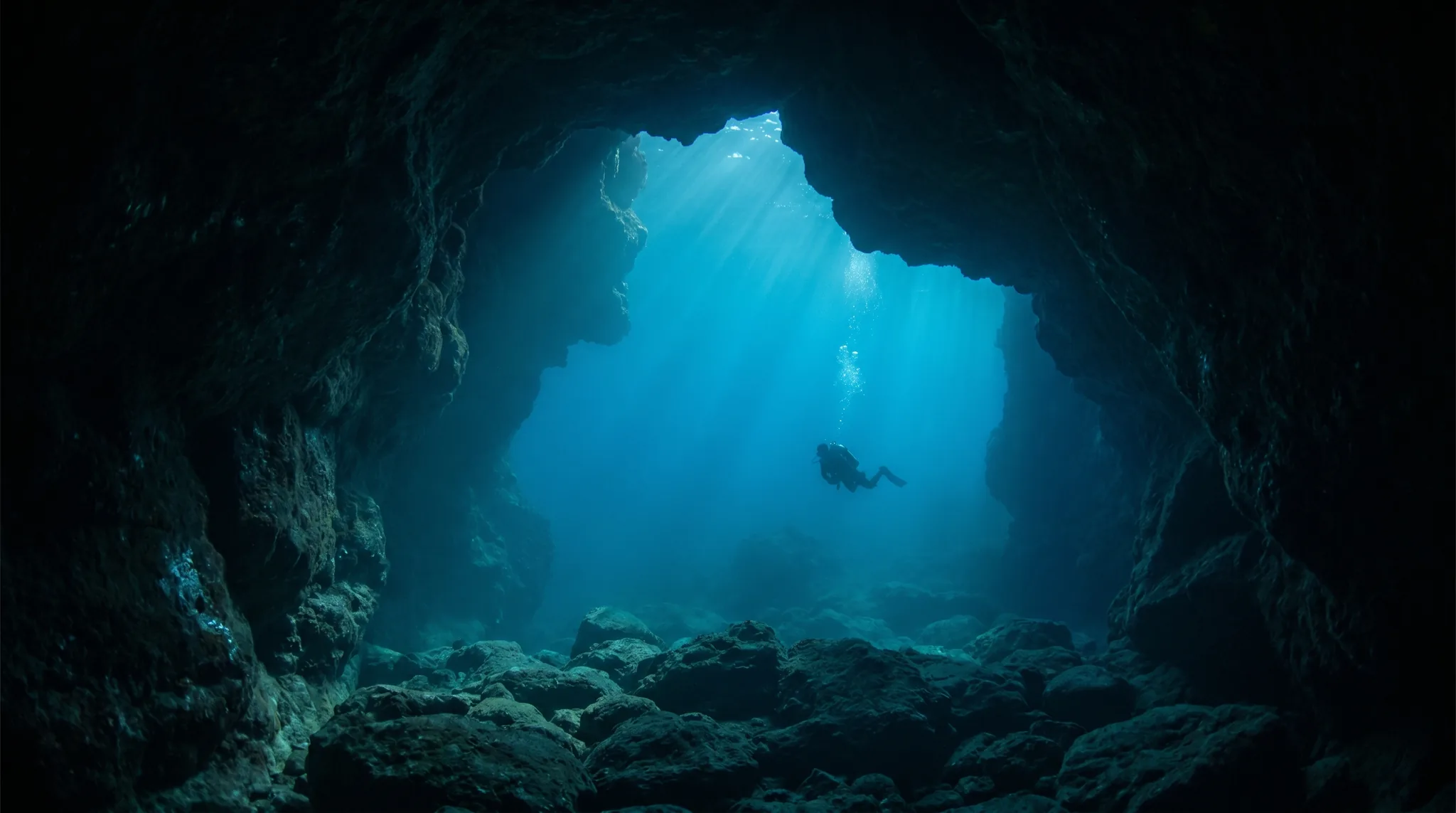
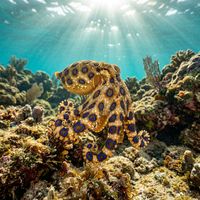
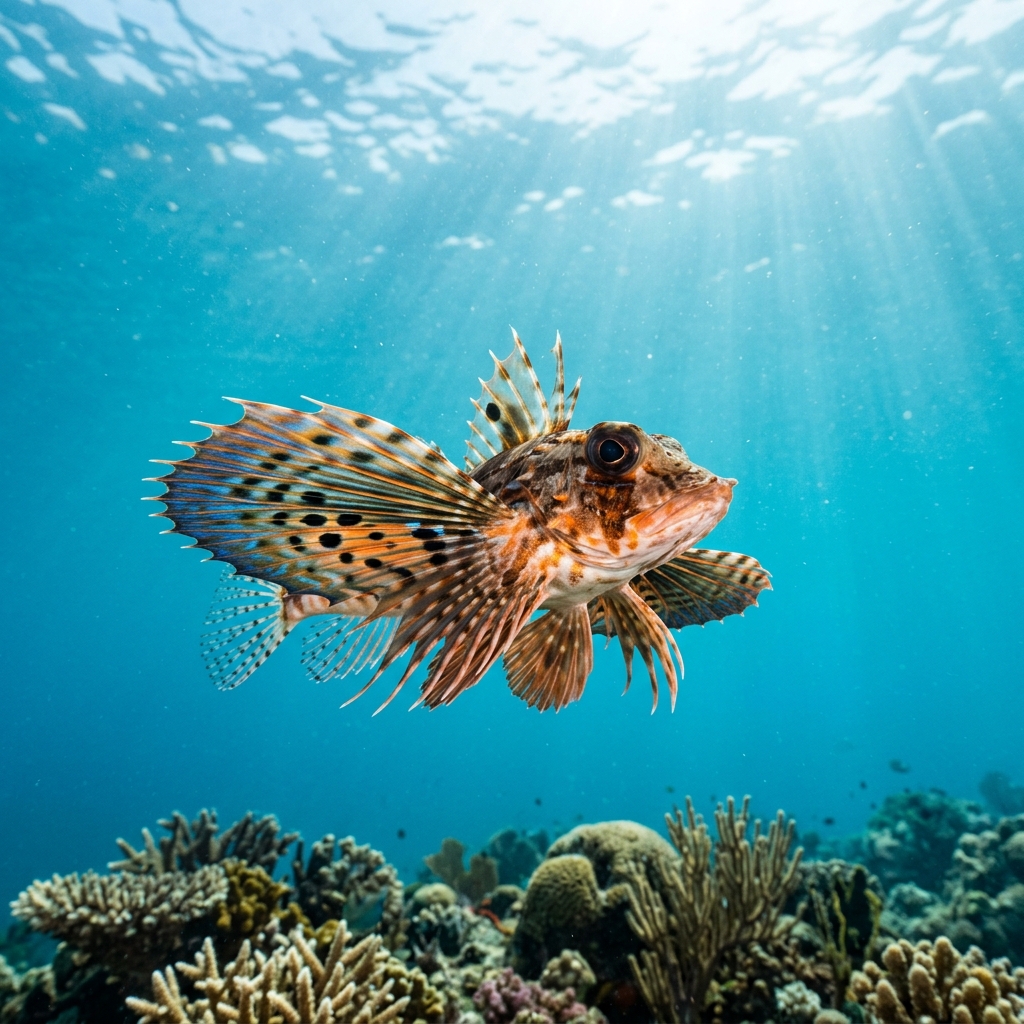
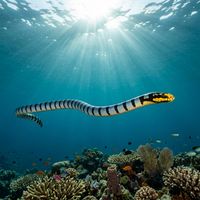
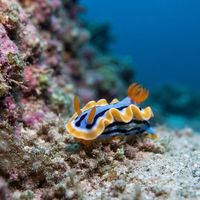
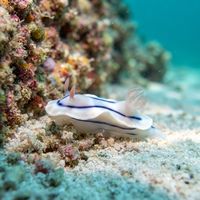
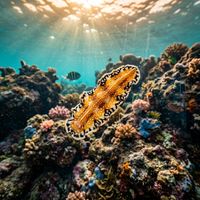
Yapak is defined by deep walls and strong drift potential, anchored by the eponymous wall site that drops well beyond recreational limits. Most sites are boat-accessed reef and wall dives spread across a range of skill levels, from the beginner-friendly Fuzilliers Wall to the advanced Yapak wall itself. Carabao Island adds cave diving to the mix. The species list skews towards the unusual: Blue-ringed Octopus, Oriental Flying Gurnard, and Sea Krait are regularly observed alongside a rich nudibranch community.

Monthly water temperature across Yapak's sites, from satellite sea-surface data corrected for depth. The band shows the site-to-site spread.
Water stays warm throughout the year, rising towards its peak during mid-year and the late-year months. The best-months data points to November, December, and May as the most favoured periods, with January and February also drawing consistent visits. Exposed wall and drift sites mean conditions can change quickly, so divers should check current strength before descending.
33 operators
Yapak, Philippines
4 more sites to explore
Water temperature around Yapak ranges from about 26°C in January to 29°C in May, based on satellite sea-temperature data for its dive sites.
In the warm season (about 29°C) a rash guard or 3mm shorty is comfortable in Yapak; in the coldest months (about 26°C) step up to a 3mm full suit.
Fin maps 10 sites in Yapak (9 scuba diving sites and 1 snorkelling spots).
Across Yapak's dive sites, May, November and December are most often reported as the best months to visit.
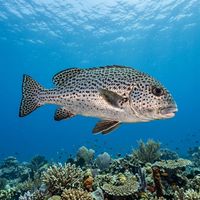
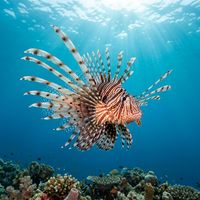
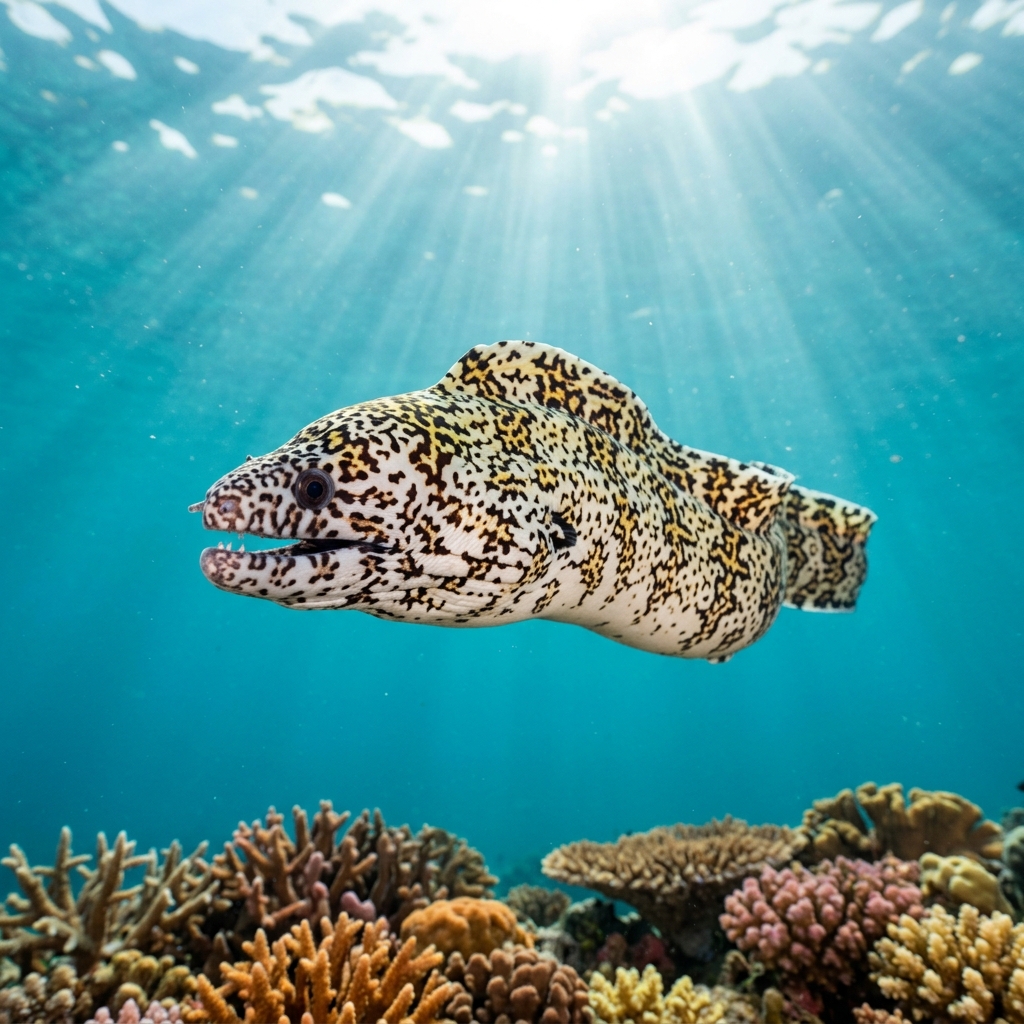
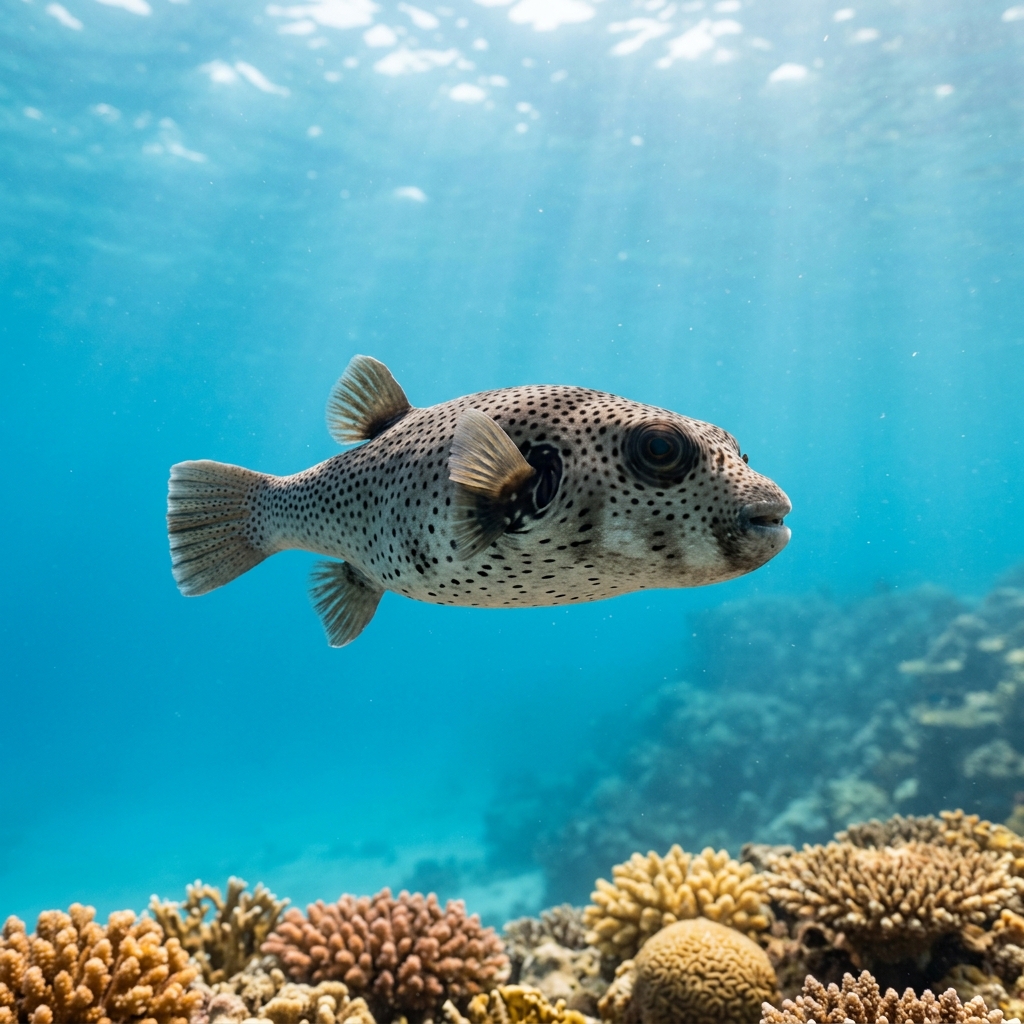
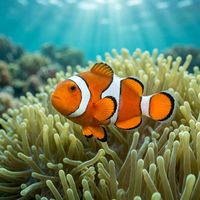
Yapak has an unusually varied observed species list. Blue-ringed Octopus, Spotfin Lionfish, and Oriental Flying Gurnard are very commonly recorded, as are several clownfish species and the Peacock-tail Anemone Shrimp. Sea Krait sightings are frequent across most sites, and Green Sea Turtle has been observed at roughly half the sites in the area.
The region caters to a range of experience levels. Fuzilliers Wall is rated beginner-friendly, and several sites are graded intermediate, including Punta Bunga, Bat Cave, and Carabao Island. The signature Yapak wall site is rated advanced due to its depth and drift conditions, so less experienced divers should pick their sites carefully with guidance from a local operator.
All of the top sites in Yapak are accessed by boat. There are no listed shore-entry sites in this area, so a local dive operator is effectively essential for any diving here. Operators such as WaterColors Boracay Dive Resort, DiveGurus Boracay, and White Beach Divers are among those running trips in the region.
The site mix in Yapak is broad. Wall and reef combinations dominate, but there are also dedicated drift dives, caves at Carabao Island and Bat Cave, and shallower reef terrain at sites like Punta Bunga. This variety means divers can switch between macro-focused reef exploration and more committed wall and drift dives within the same area.