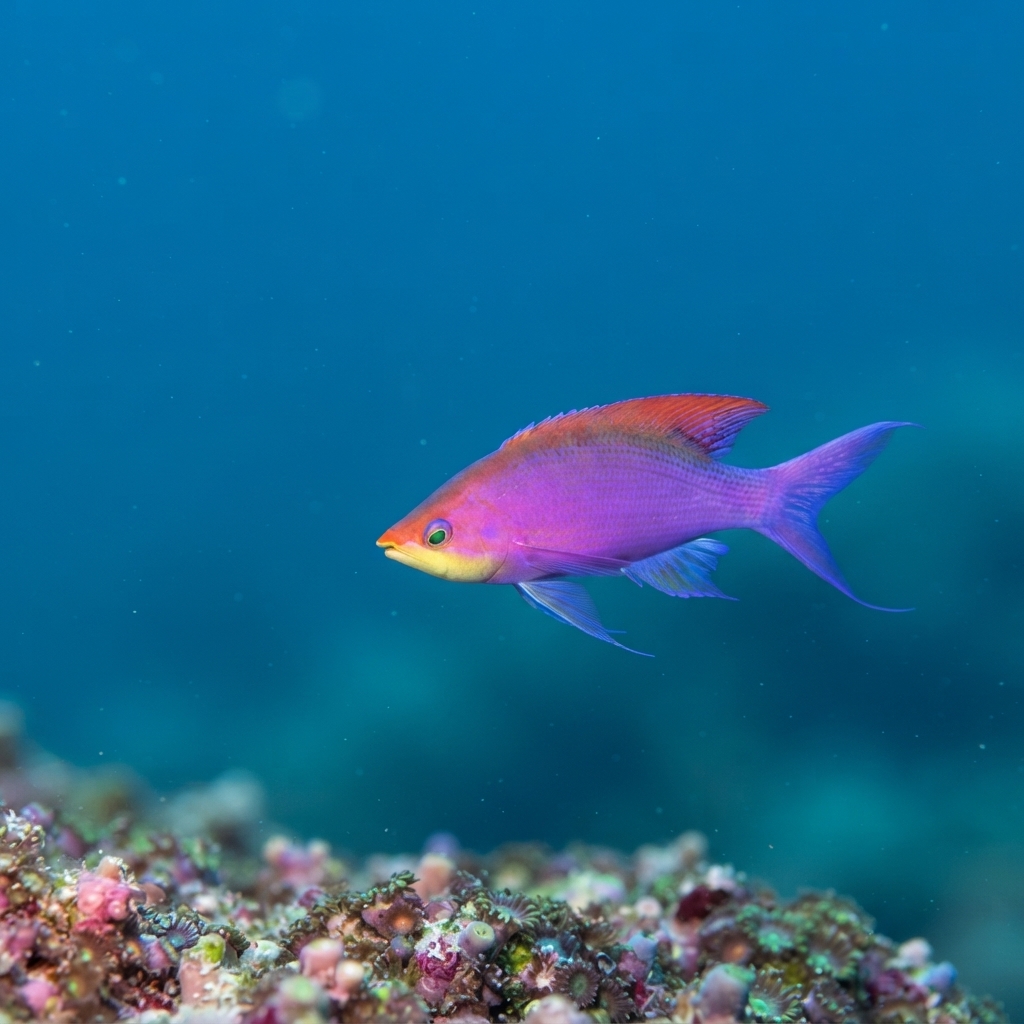
Mirolabrichthys tuka
Purple violet anthias schooling over reef walls in the Visayas and Raja Ampat, water 26-29C, seen year-round.
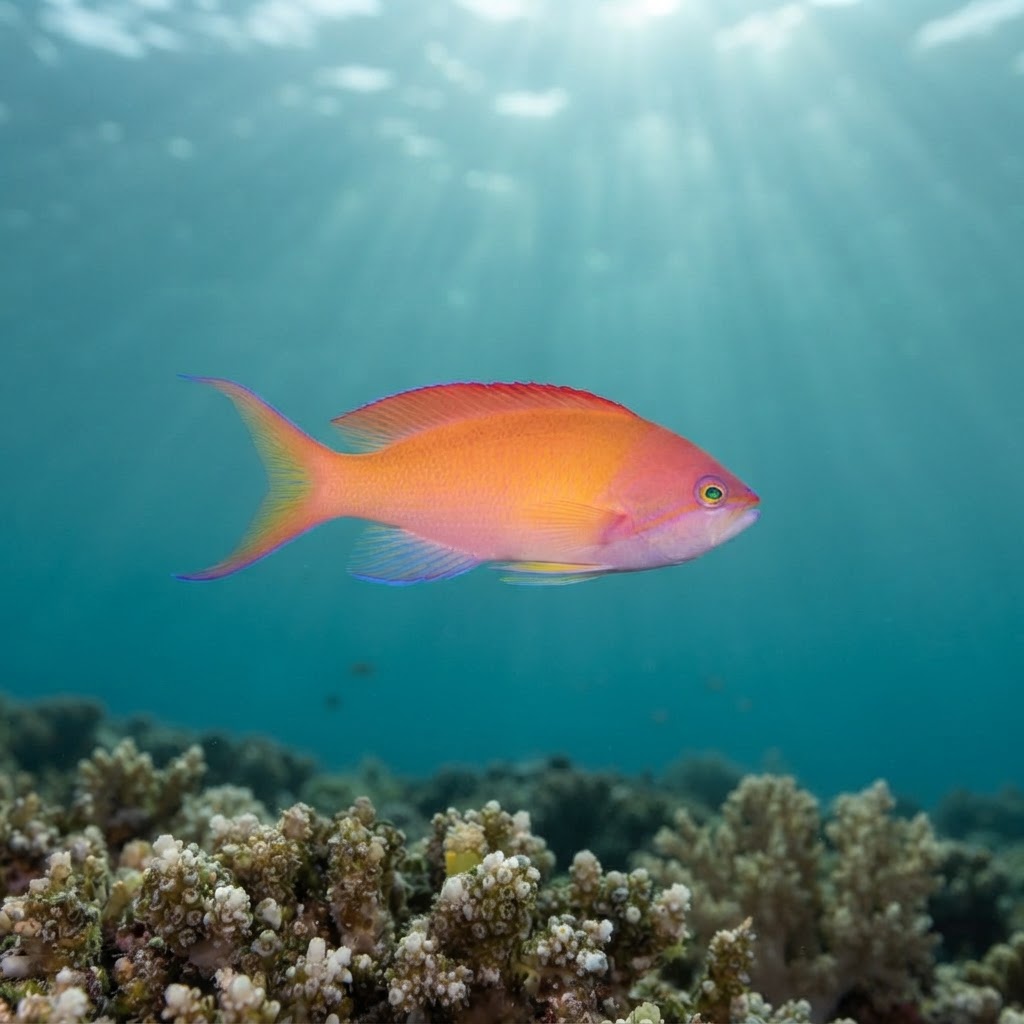
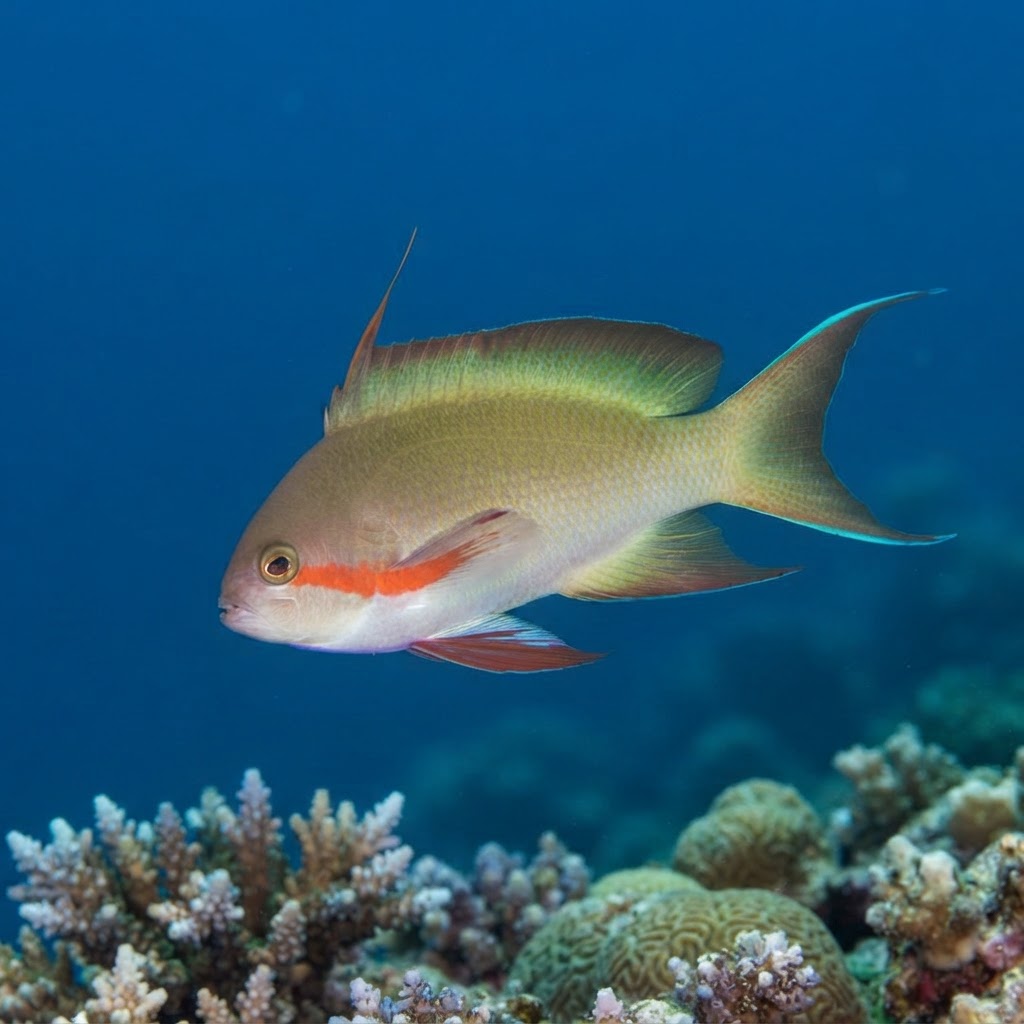
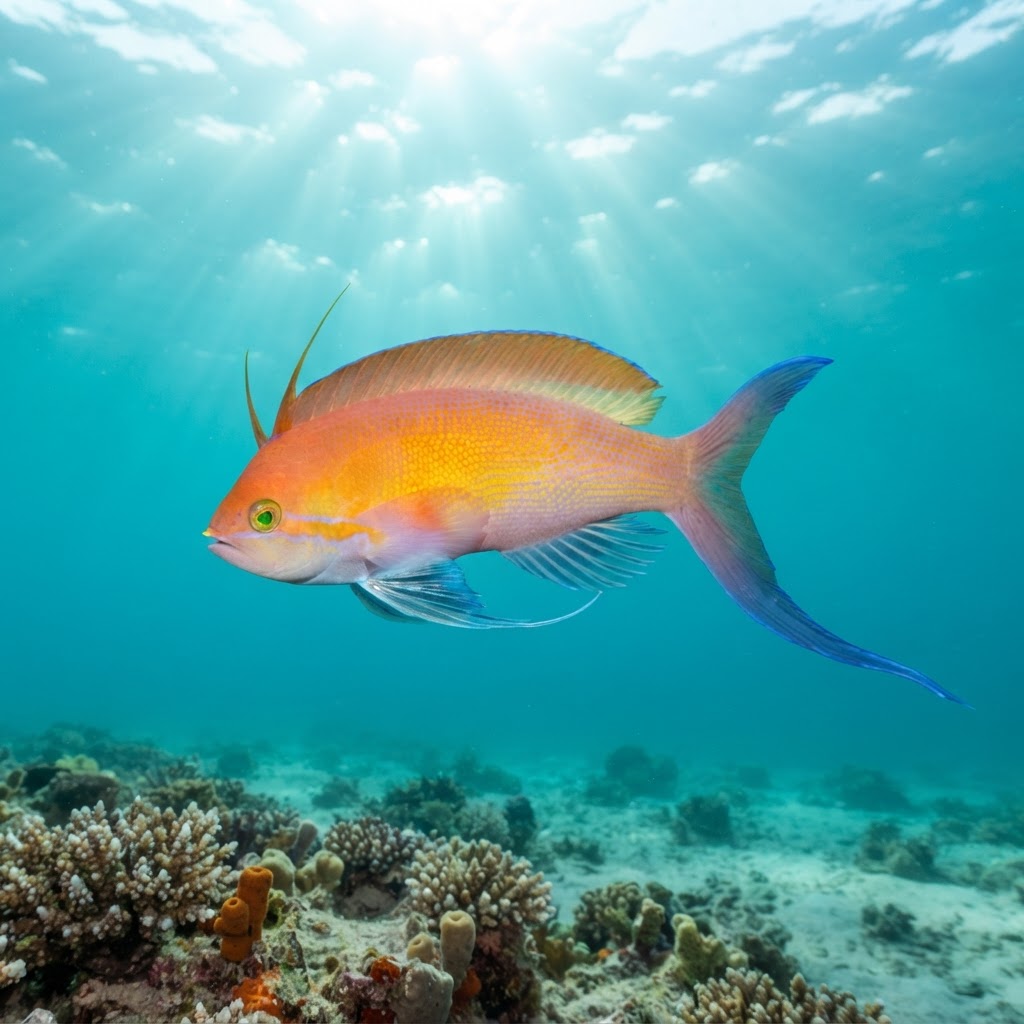
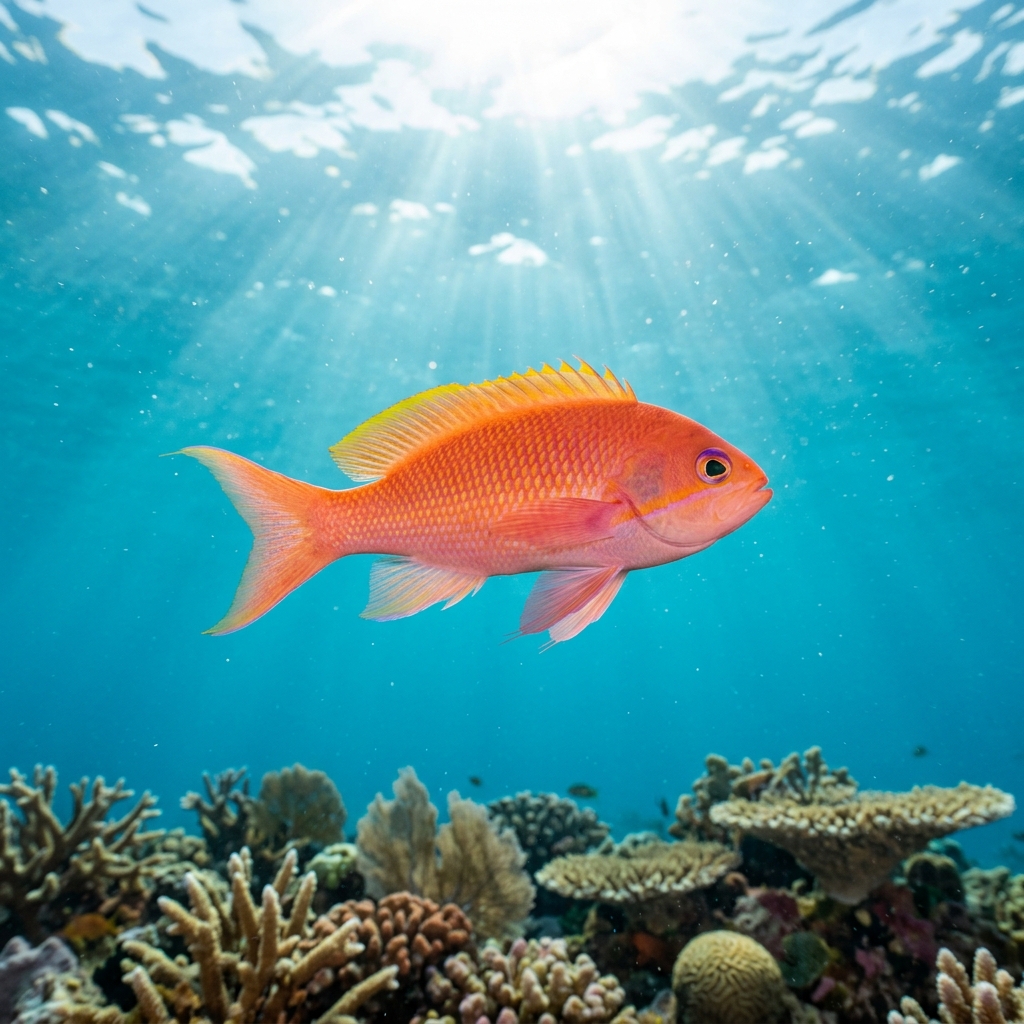
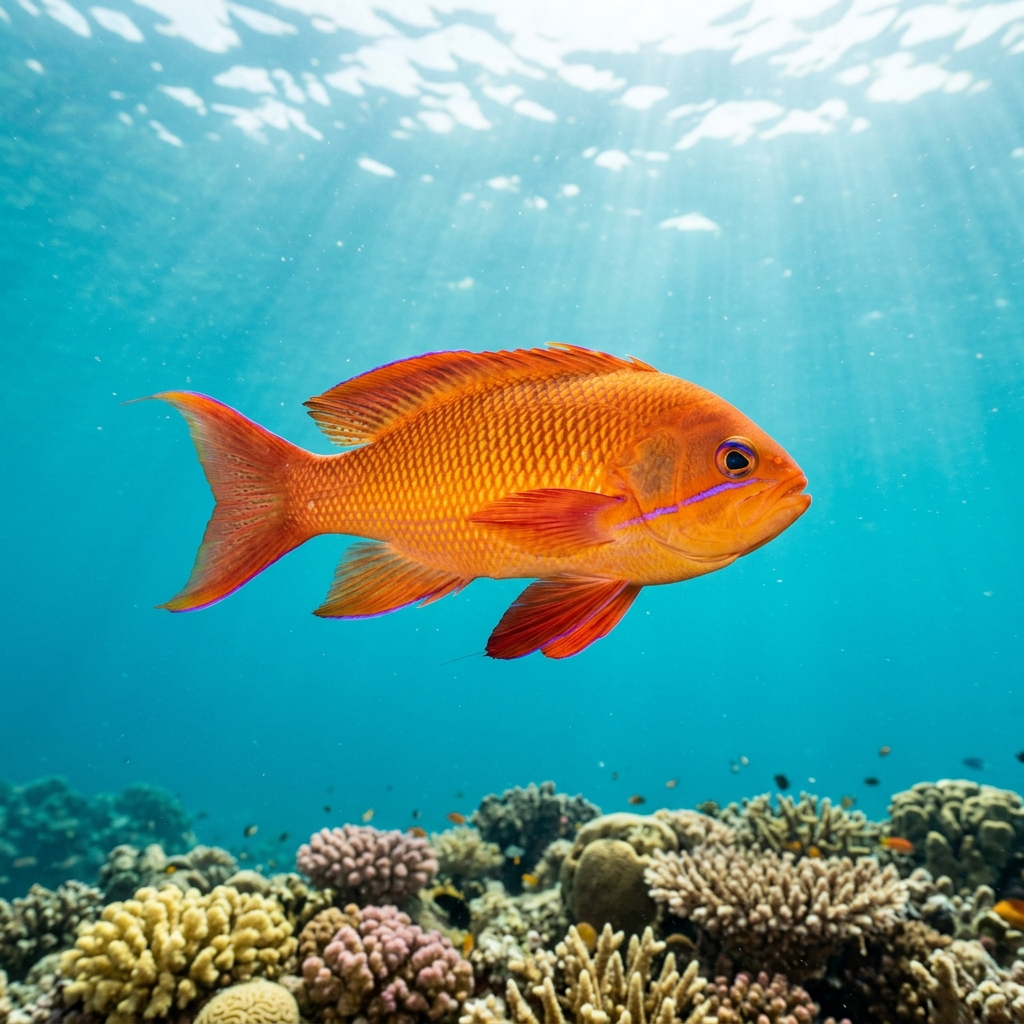
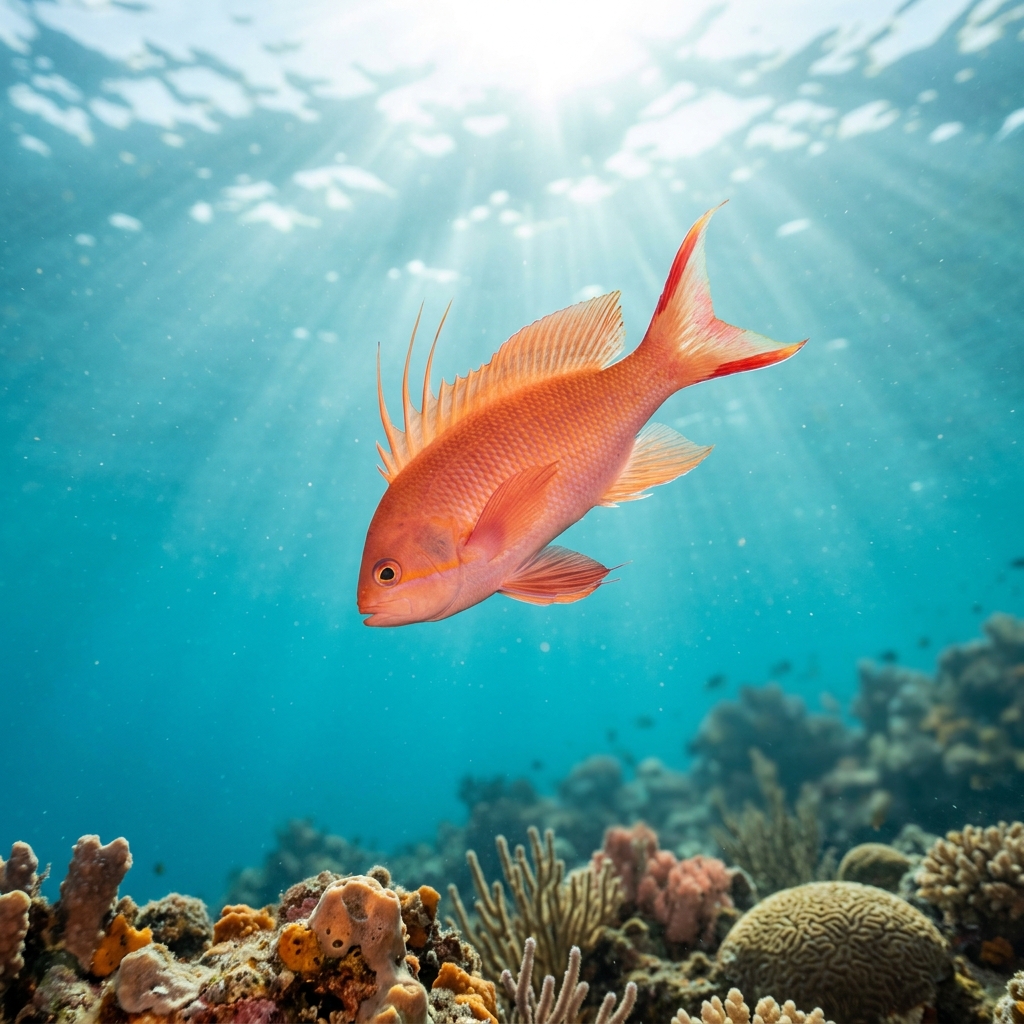
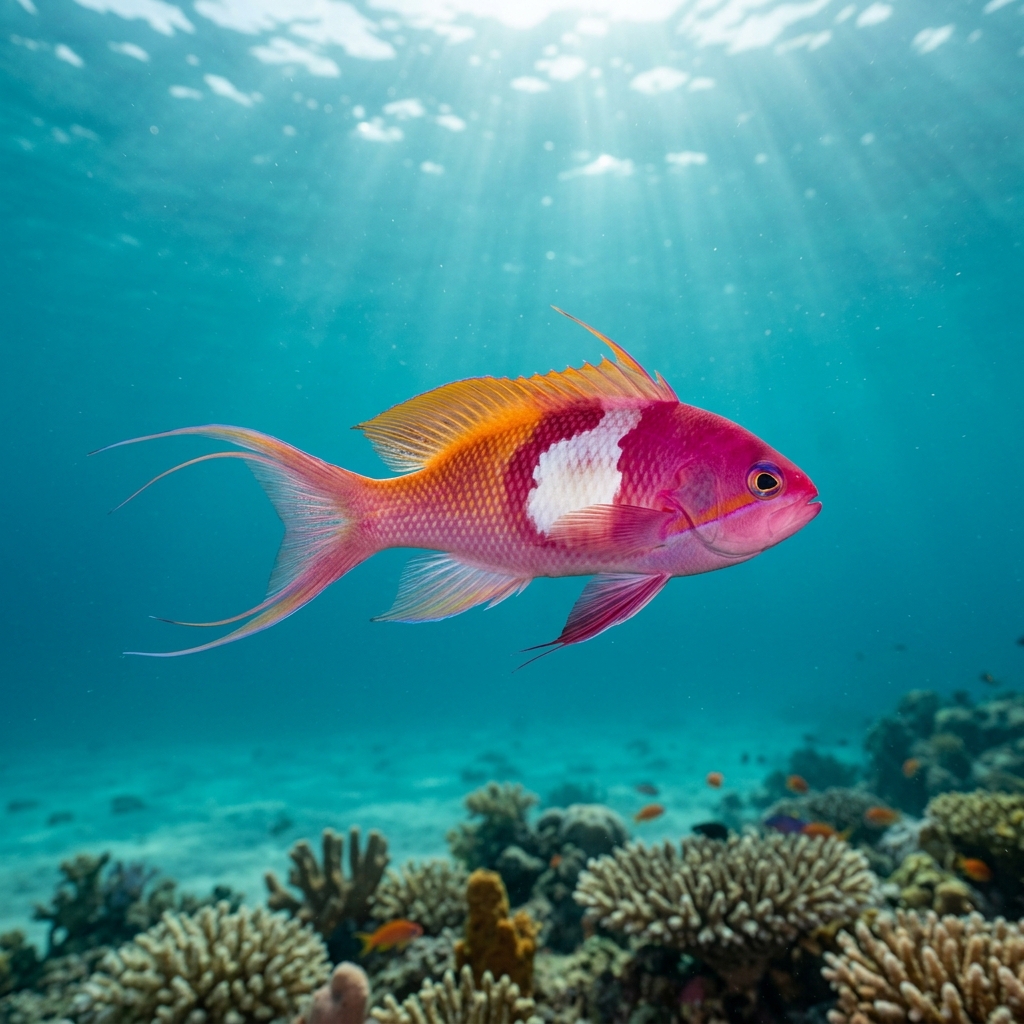
A small, slender fish, rarely more than 8 cm, with a body washed in deep violet-purple and a bright yellow stripe running along the top of the back and into the dorsal fin. It hovers in loose schools just off the reef face rather than sitting on the substrate, and the purple colouring often looks almost fluorescent in open water. Males can show a longer, more pointed tip on the dorsal fin than the females sharing the same school.
Look for it hanging in loose, often mixed-sex schools a metre or two off the reef, picking plankton out of the current rather than feeding on the bottom. It tends to stay close to cover, ducking into crevices or coral heads if divers get too close but returning quickly once things settle. Most sightings are on walls, drop-offs, and current-exposed slopes rather than flat sand or rubble, and it is active through the day rather than just at dawn or dusk.
It lives in harem-style groups with one dominant male overseeing several females, and if that male is lost another female can switch sex and take his place, a trait shared across many anthias species.
No clear seasonal pattern shows up in the data, so treat it as a year-round sighting on tropical reefs. It sits comfortably in 26.2 to 29.0 C water, which holds steady across the Indo-Pacific sites where it is logged, so timing your trip around this species specifically is not necessary.
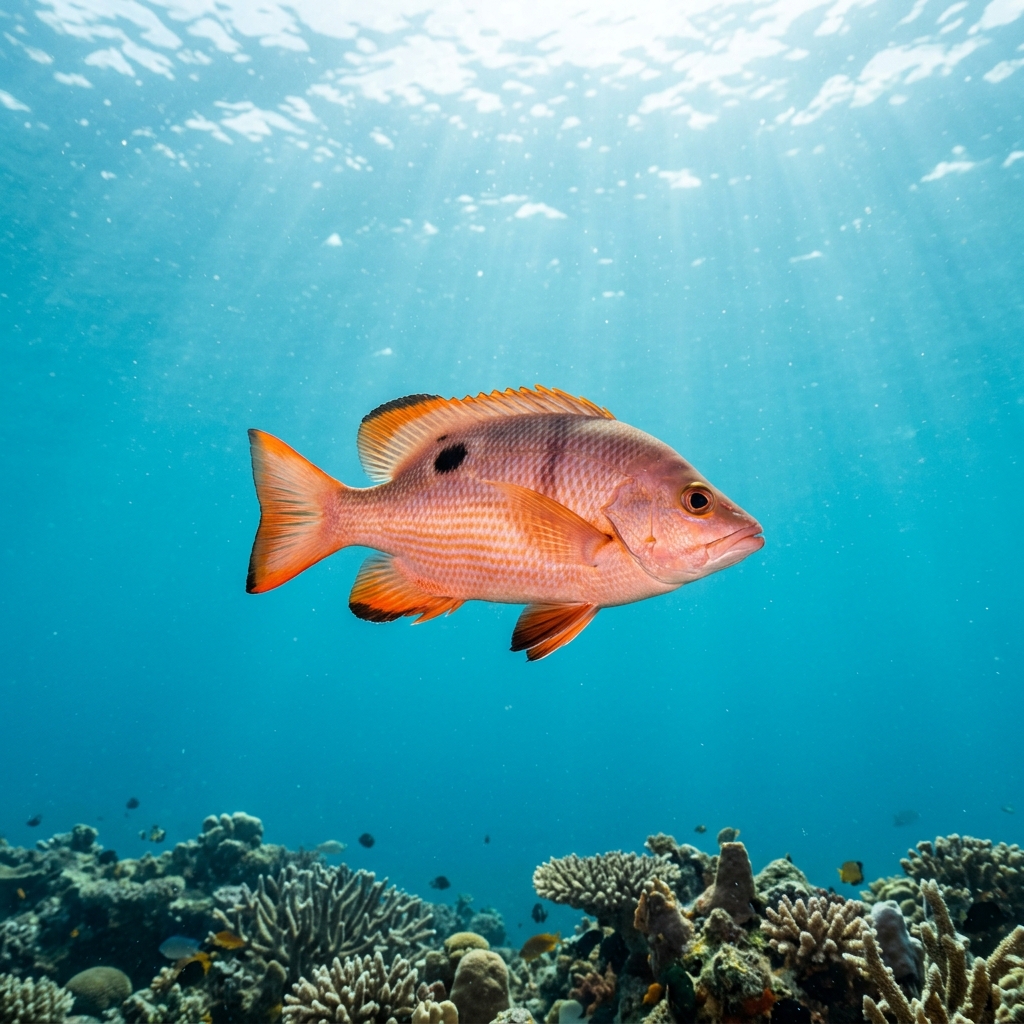
Reef neighbours a diver could mistake it for. Use the identification notes above to tell them apart.
Most reliably found on reef slopes and walls in the Philippines, especially across the Visayas, which accounts for the bulk of logged sightings. Strong populations also turn up in Sabah, Malaysia, and in Raja Ampat, Indonesia, with further records from Queensland, Australia, Sulawesi, and Tufi in Papua New Guinea. Fewer sightings come from Vanuatu and Mindanao, but it is worth checking any current-swept wall or drop-off in these regions.
Mapping where Purple Queenfish is logged…
The Visayas in the Philippines is the most consistent spot, with good numbers also logged in Sabah, Malaysia, and Raja Ampat, Indonesia. Queensland, Sulawesi, and Tufi in Papua New Guinea also have recorded sightings.
There is no strong season in the sighting data, so it is a year-round fish on the reefs where it lives. It favours warm water between roughly 26 and 29C, which is typical across its tropical Indo-Pacific range most of the year.
Look for a small violet-purple fish, around 8 cm, schooling just off the reef with a yellow stripe running along its back into the dorsal fin. Males often have a slightly extended, pointed dorsal fin compared to females in the same group.
They stay small, typically around 8 cm as adults, making them one of the more diminutive reef fish divers photograph regularly.
No, they pose no threat to divers. They are small plankton feeders that keep their distance and have no defensive behaviours directed at people.
Site and sighting data is aggregated from diver logs, iNaturalist and GBIF. For taxonomy and conservation status:
Red-cheeked Anthias
425 sites