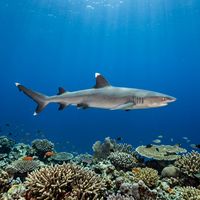
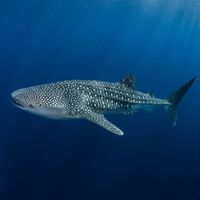
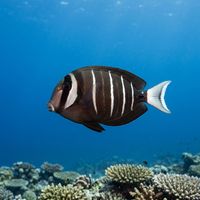
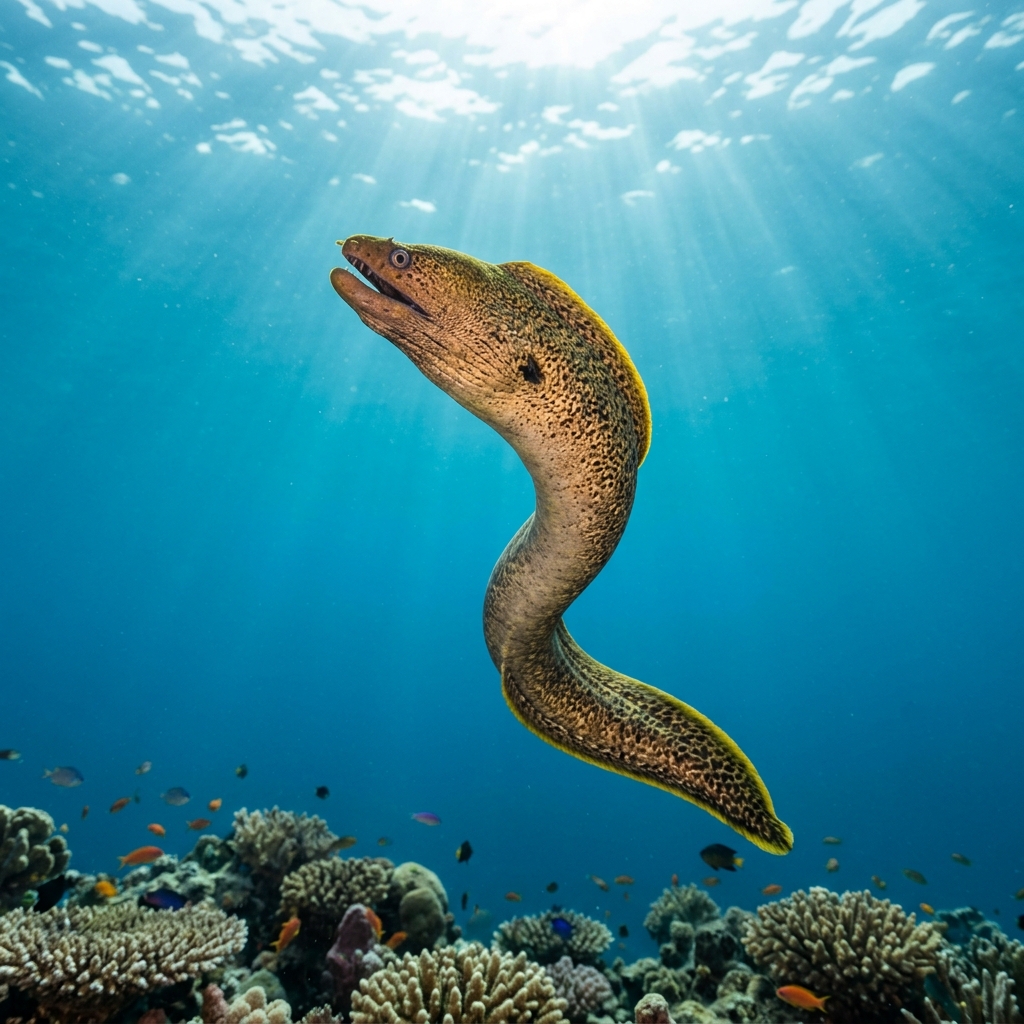
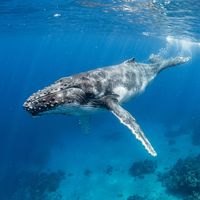
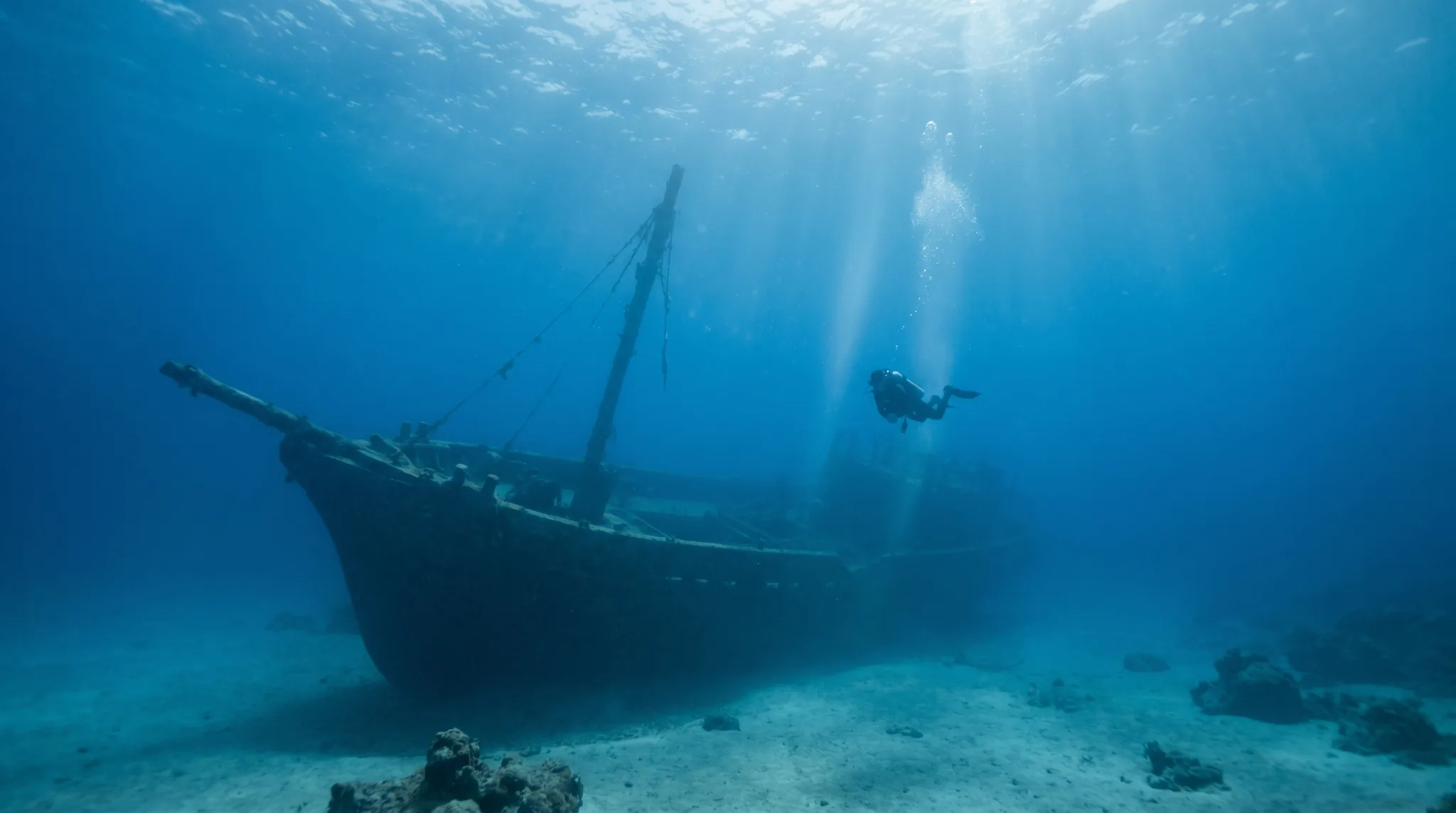
The South Pacific of Costa Rica centres entirely on Caño Island, an offshore destination reached only by boat. Every site sits within this single sub-area, ranging from shallow reef gardens accessible to beginners through to deep pinnacles, walls, and drop-offs that demand advanced skills. The Whitetip Reef Shark is encountered across virtually every site, while Whale Shark, Humpback Whale, and Razor Surgeonfish define the pelagic character of the area. Topography varies considerably: arches and swim-throughs at The Arch, cave systems at Sharks Cave and The Cave, a sunken sailboat at Cativo, and exposed pinnacles at Bajo del Diablo and Devils Bottom.
1 areas
Monthly water temperature across South Pacific's sites, from satellite sea-surface data corrected for depth. The band shows the site-to-site spread.
Water temperature remains consistently warm throughout the year, with almost no variation between seasons. Visibility, however, shifts notably: conditions tend to be clearest and diver traffic highest from December through May, with a particular peak around the year's end and in the early months. From June through September, increased rainfall on the mainland can reduce visibility at sites, though the warm water persists and pelagic encounters remain possible.
18 operators

Costa Rica
Costa Rica
Water around South Pacific stays near 28°C all year, based on satellite sea-temperature data for its dive sites.
With water around 27–28°C, a rash guard or 3mm shorty works in South Pacific year-round.
Fin maps 25 sites in South Pacific (25 scuba diving sites and 2 snorkelling spots, with some suited to both).
Across South Pacific's dive sites, February, March, April, May, November and December are most often reported as the best months to visit.
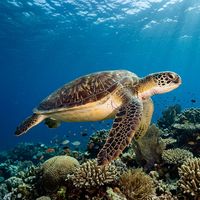
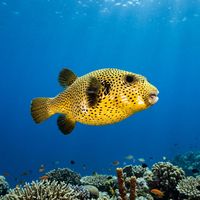
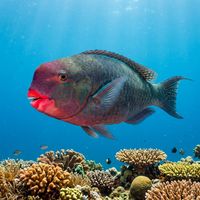
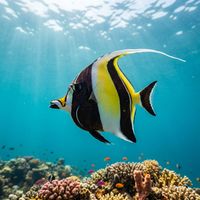
The Whitetip Reef Shark is observed across nearly every site in the region, making it a near-certain encounter. Whale Shark sightings are well documented and reasonably common, while Humpback Whale and Green Sea Turtle appear on an occasional basis. The Razor Surgeonfish, Moorish Idol, and Guineafowl Puffer are very frequently observed across the reef sites.
Several sites cater well to beginners. The Garden, The Arch, Pelagic Park, Campanario, and the Isla del Caño site itself are all rated for entry-level divers, offering reef and cave topography at manageable depths. Advanced sites such as Bajo del Diablo, Devils Bottom, and Matapalo Rock involve deep pinnacles and strong drift conditions that require solid buoyancy control and dive experience.
All sites across the South Pacific are boat-access only. There are no shore entries in the region. Costa Rica Adventure Divers is the operator serving the area, running trips out to Caño Island. Planning around a registered operator is essential for reaching any of the sites here.
The site variety within Caño Island is considerable. Beginners will find reef dives like The Garden and Campanario, while intermediate divers can explore cave systems at The Cave and Sharks Cave, or mixed reef and wall terrain at The Lighthouse and Iglesias. Advanced divers have dedicated sites in the deep pinnacles of Bajo del Diablo and Devils Bottom, the drift-heavy Matapalo Rock, and the wreck dive at Cativo. The contrast between the calm reef gardens and the exposed offshore pinnacles defines the range of experiences on offer.