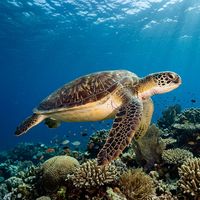
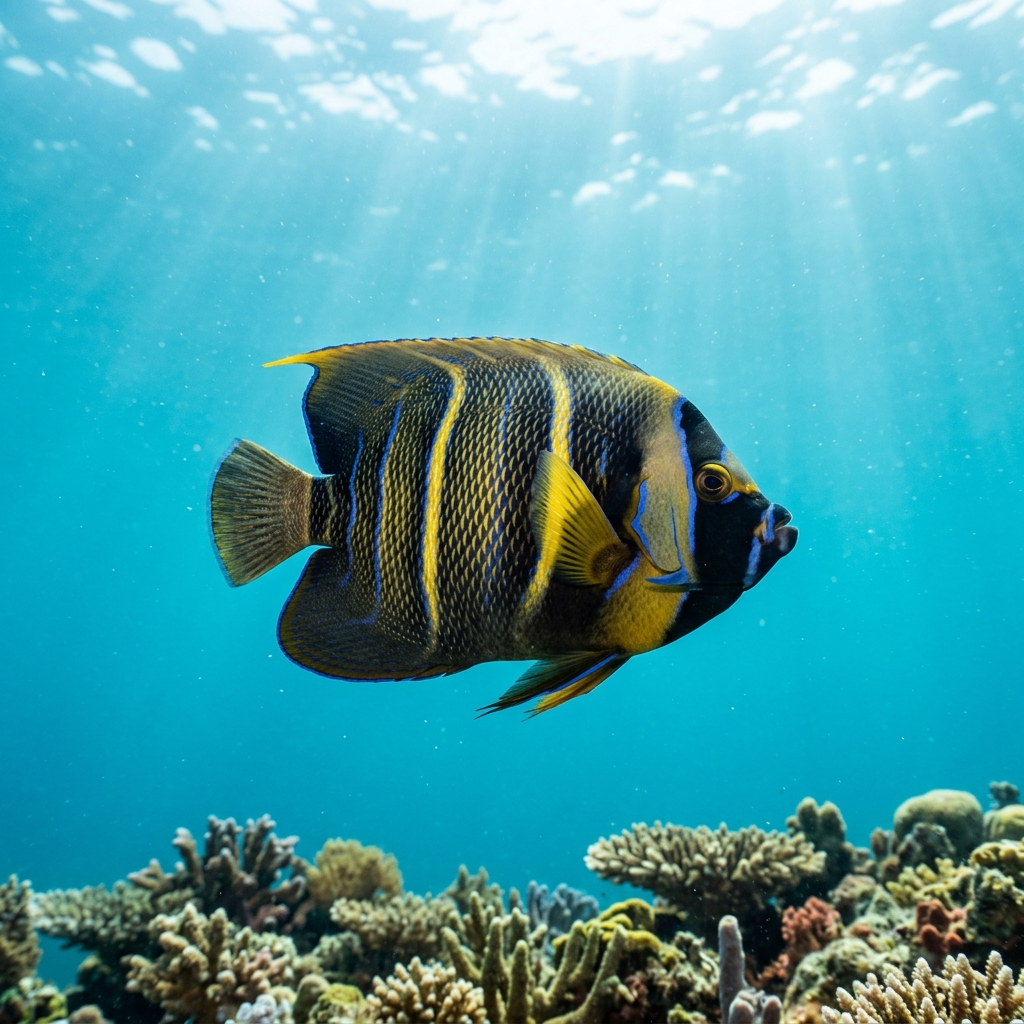
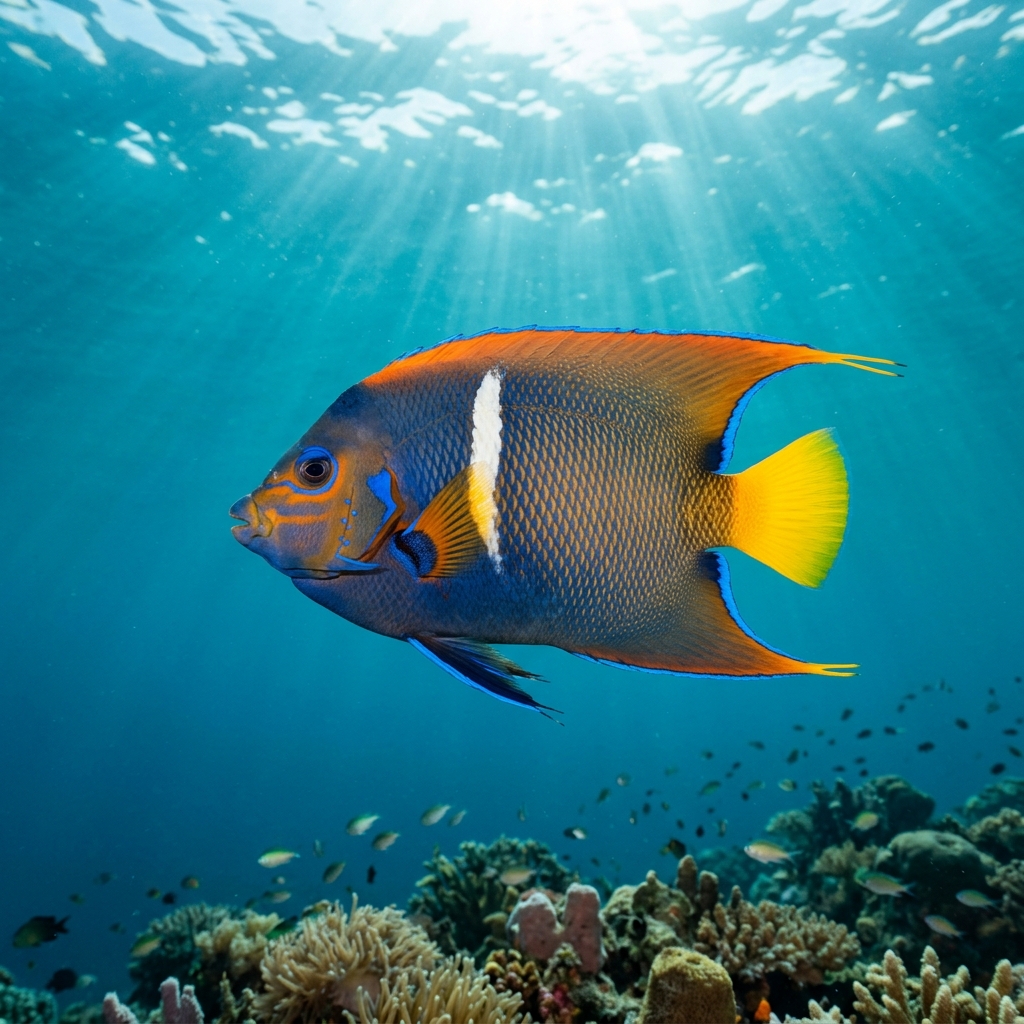
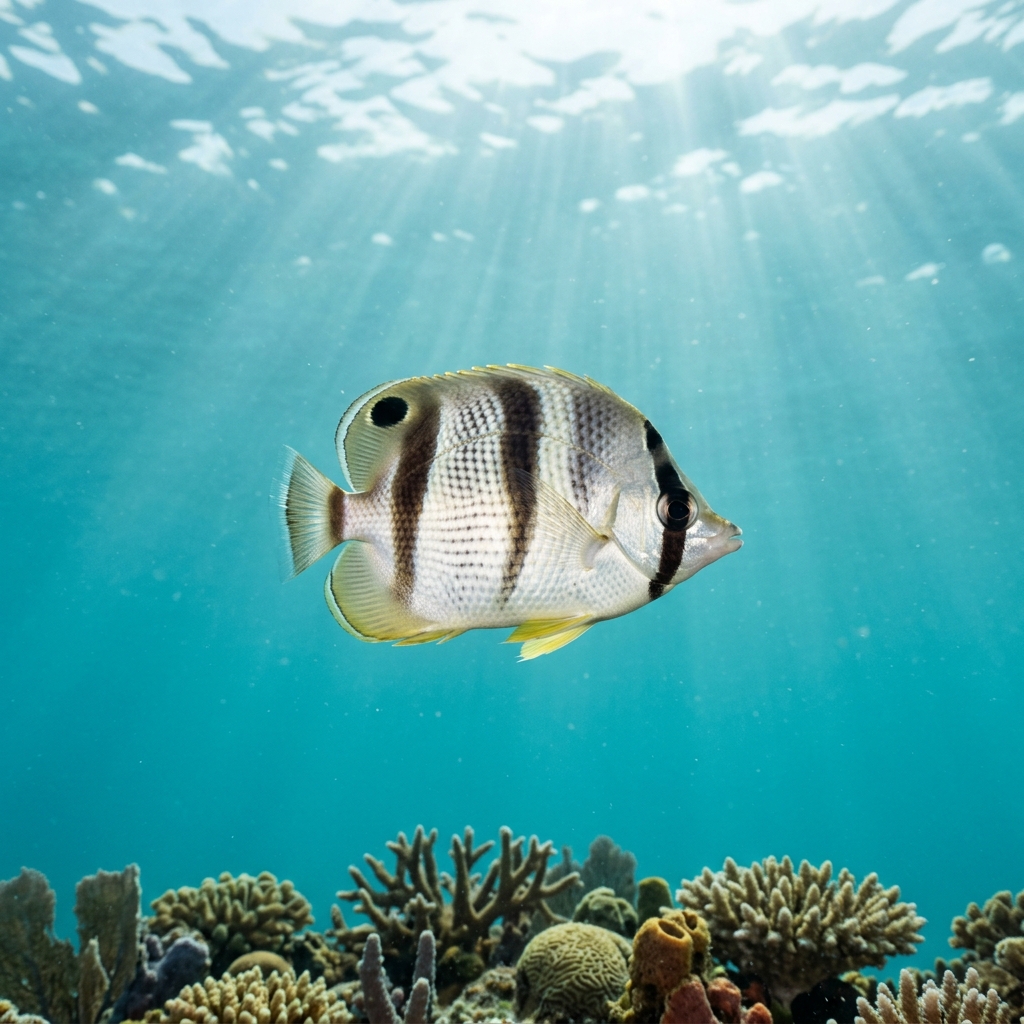
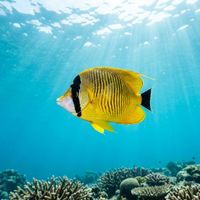
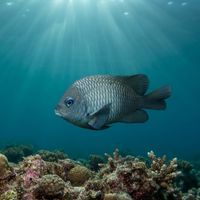
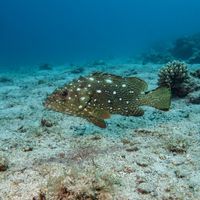
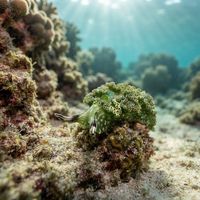
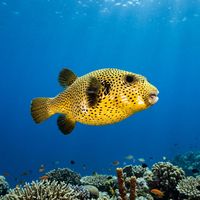
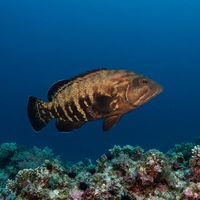
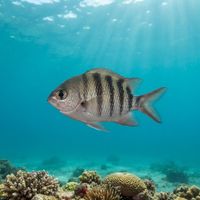
Costa Rica's Central Pacific offers a varied underwater landscape spread across three distinct sub-areas: Manuel Antonio, Tortuga Island and Tambor. Sites range from shallow beginner-friendly reefs and caverns to deep pinnacles, walls and canyon formations for advanced divers. Drift diving features strongly around Tambor, while Manuel Antonio adds canyon topography to the mix. Observation-backed species include the Cortez Angelfish, King Angelfish, Barberfish, Groupers and Sergeants as everyday reef companions, with occasional encounters with the Green Sea Turtle, Grey Reef Shark, Whitetip Reef Shark and Whale Shark. The Sally Lightfoot Crab is present across virtually every site.
3 areas
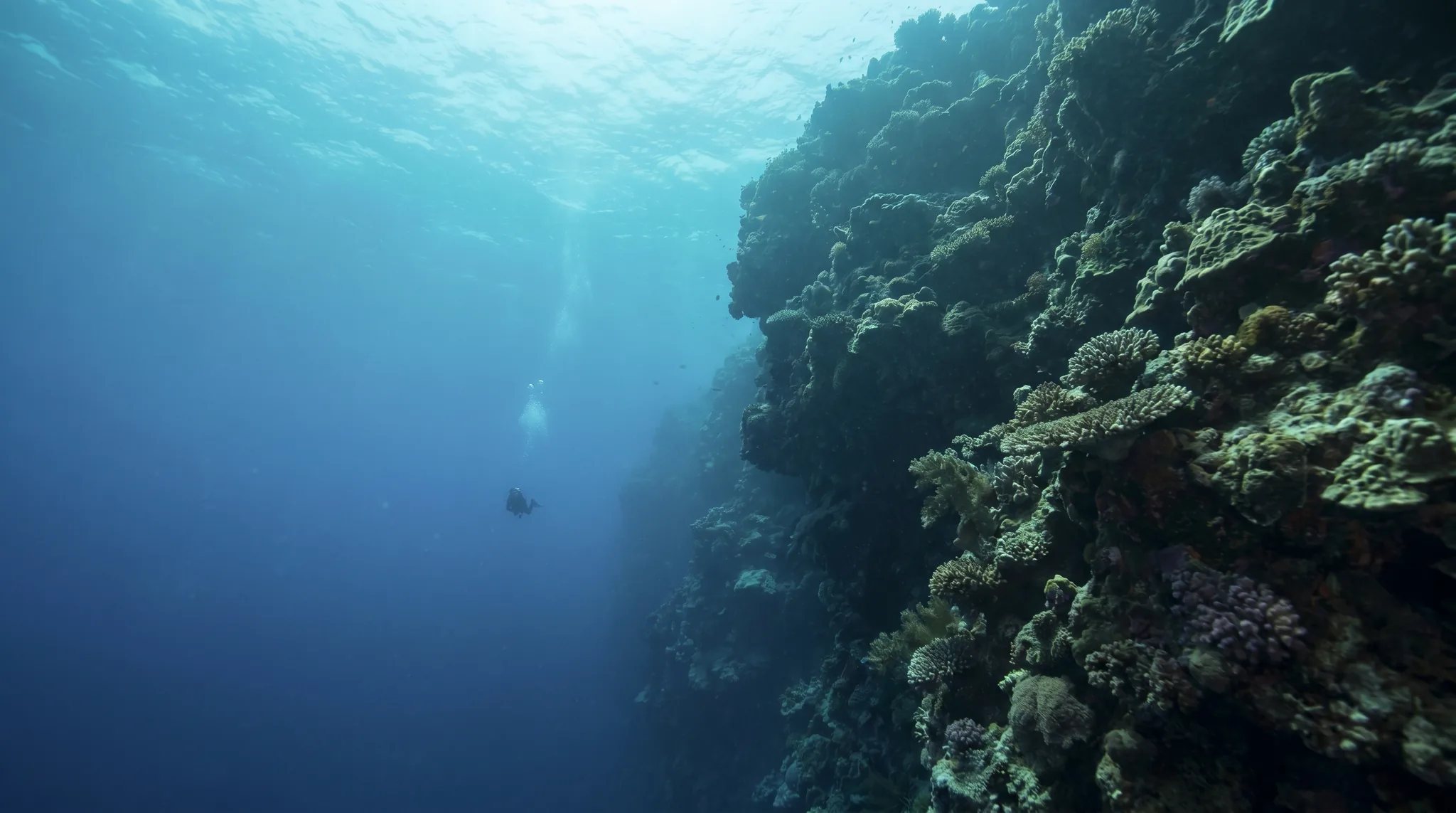 18
18Reef-rich boat diving with angelfish, moray eels and occasional Whale Shark, plus easy shore snorkelling from a calm bay.
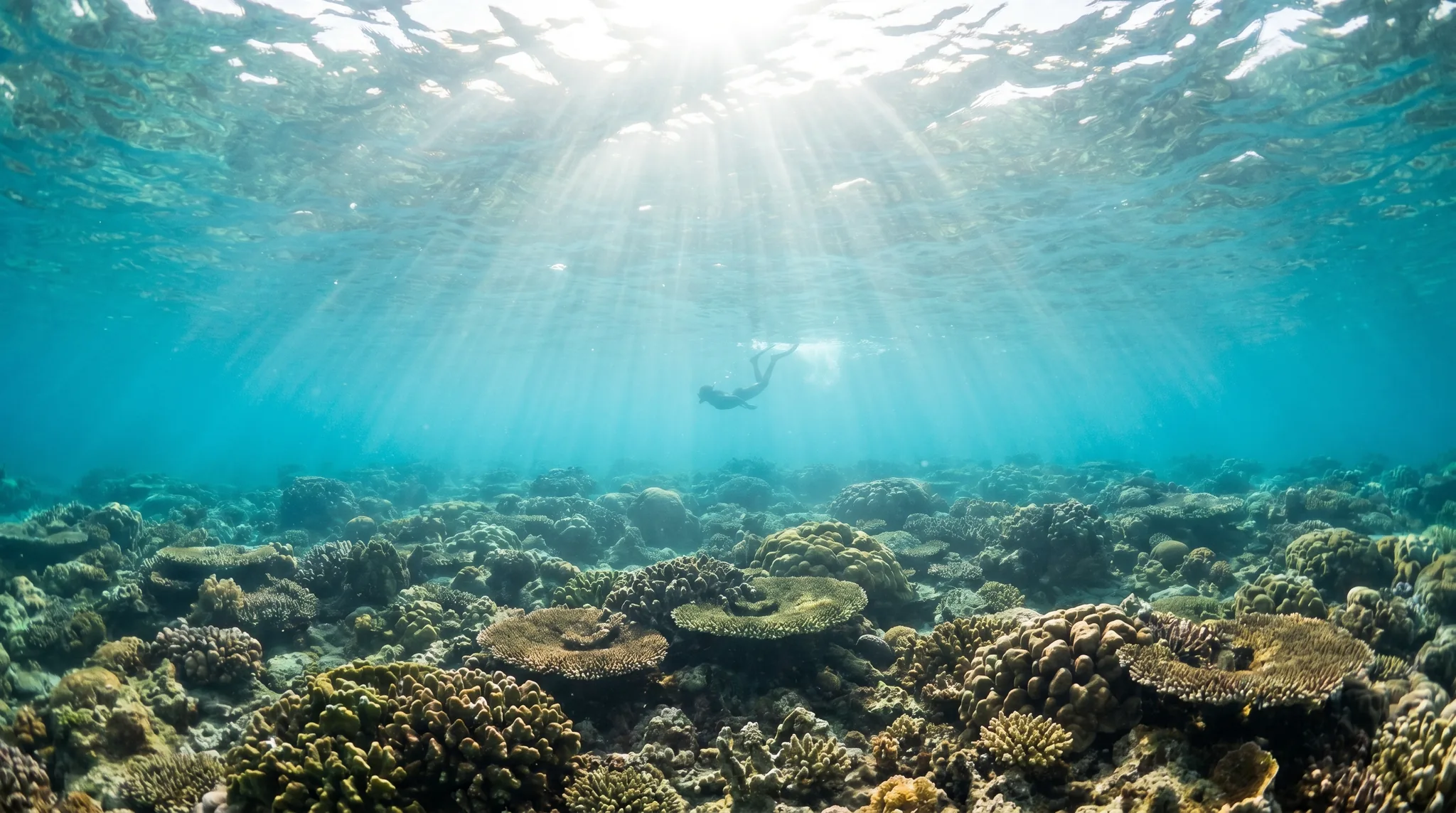 17
17Reef caves, wrecks and pinnacles off Costa Rica's Central Pacific coast, with angelfish and grouper at nearly every site.
8Pacific Ocean boat diving on the Nicoya Peninsula, with reefs, pinnacles, a wreck, and species from eagle rays to whale sharks.
Monthly water temperature across Central Pacific's sites, from satellite sea-surface data corrected for depth. The band shows the site-to-site spread.
Water temperature stays consistently warm throughout the year, with a slight peak in the mid-summer months. The best-months data points firmly toward the dry season, from December through April, when visibility tends to be at its clearest and conditions most settled. The wet season from May through November brings reduced visibility and stronger surge at exposed sites, though drift sites around Tambor remain diveable for those comfortable with current.
17 operators
Water temperature around Central Pacific ranges from about 27°C in February to 29°C in July, based on satellite sea-temperature data for its dive sites.
With water around 27–29°C, a rash guard or 3mm shorty works in Central Pacific year-round.
Fin maps 44 sites in Central Pacific (34 scuba diving sites and 15 snorkelling spots, with some suited to both), organised into 3 areas.
Across Central Pacific's dive sites, January, February, March, April and December are most often reported as the best months to visit.
The region has observation-backed records of the Green Sea Turtle, Grey Reef Shark, Whitetip Reef Shark and Whale Shark, though all three sharks and the turtle are classed as occasional rather than guaranteed sightings. Spotted Eagle Ray and Oceanic Manta Ray have also been observed. On any given dive, Groupers, Rock Cod and Guineafowl Puffer are far more reliably present.
A good proportion of the listed sites are rated for beginners, including Cadena, Tiburon, Pesebre and Herradura Island. These sites are mostly shallow to moderate in depth and are accessed by boat with relatively mild currents. Intermediate and advanced sites such as El Secreto, El Secreto 2 and Veinteseis are also available for more experienced divers looking for drift dives or deeper terrain.
Manuel Antonio is characterised by canyon formations, pinnacles and offshore reef sites, including wall dives at South Point. Tortuga Island offers a concentration of shallower reefs that suit beginners and snorkellers. Tambor, on the Nicoya Peninsula, is the strongest area for drift diving, with sites like El Secreto and El Secreto 2 designed for divers comfortable with strong currents, alongside a wreck site.
All of the top-listed sites in the region are boat-access only. Several sites sit well offshore, so local operators are the practical route onto the water. The region has a good range of operators across the sub-areas, including outfits based in Manuel Antonio, Tambor and nearby coastal towns.