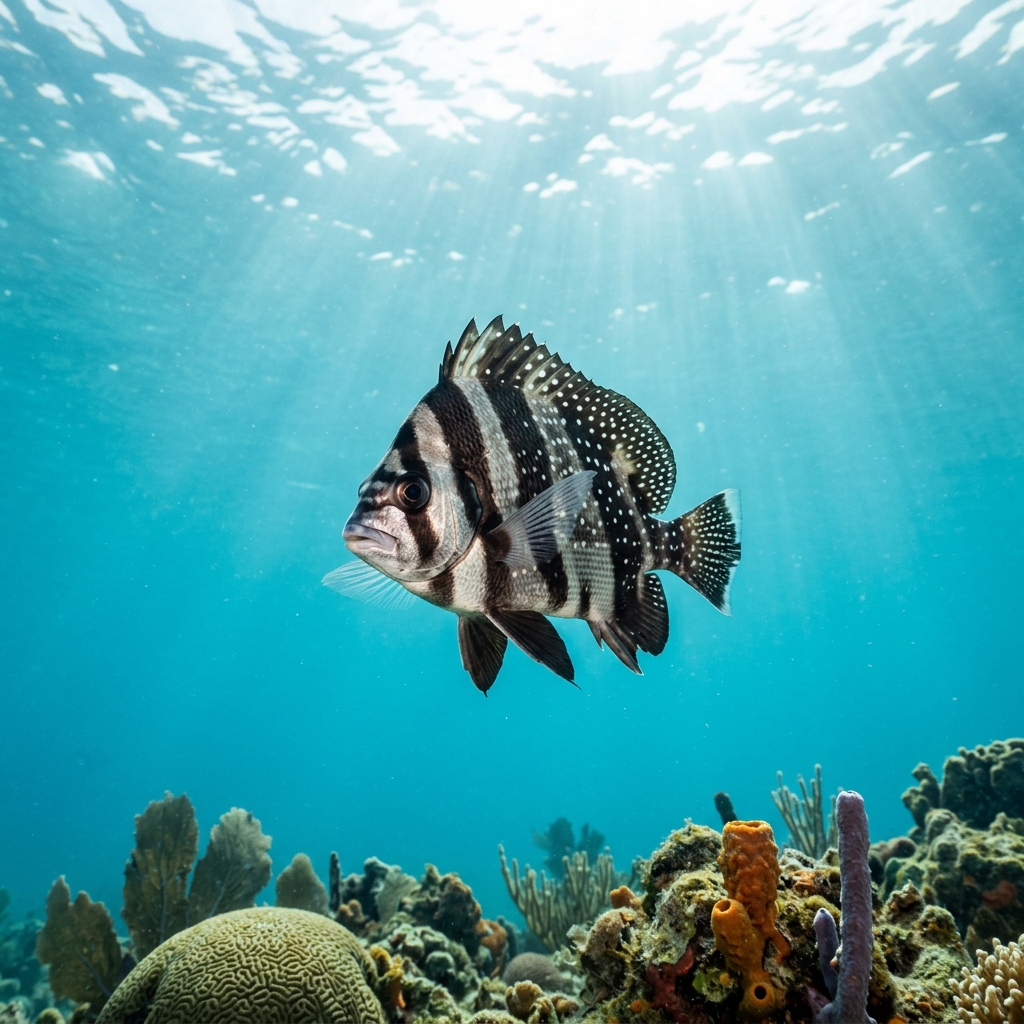
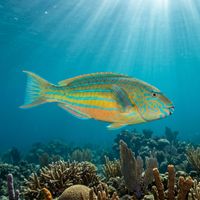
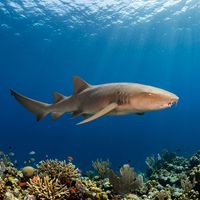
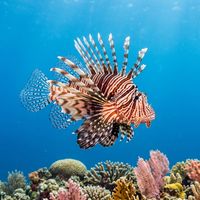
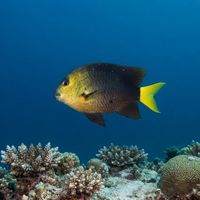
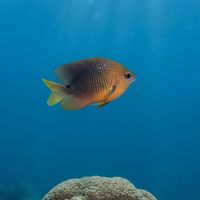
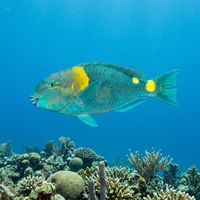
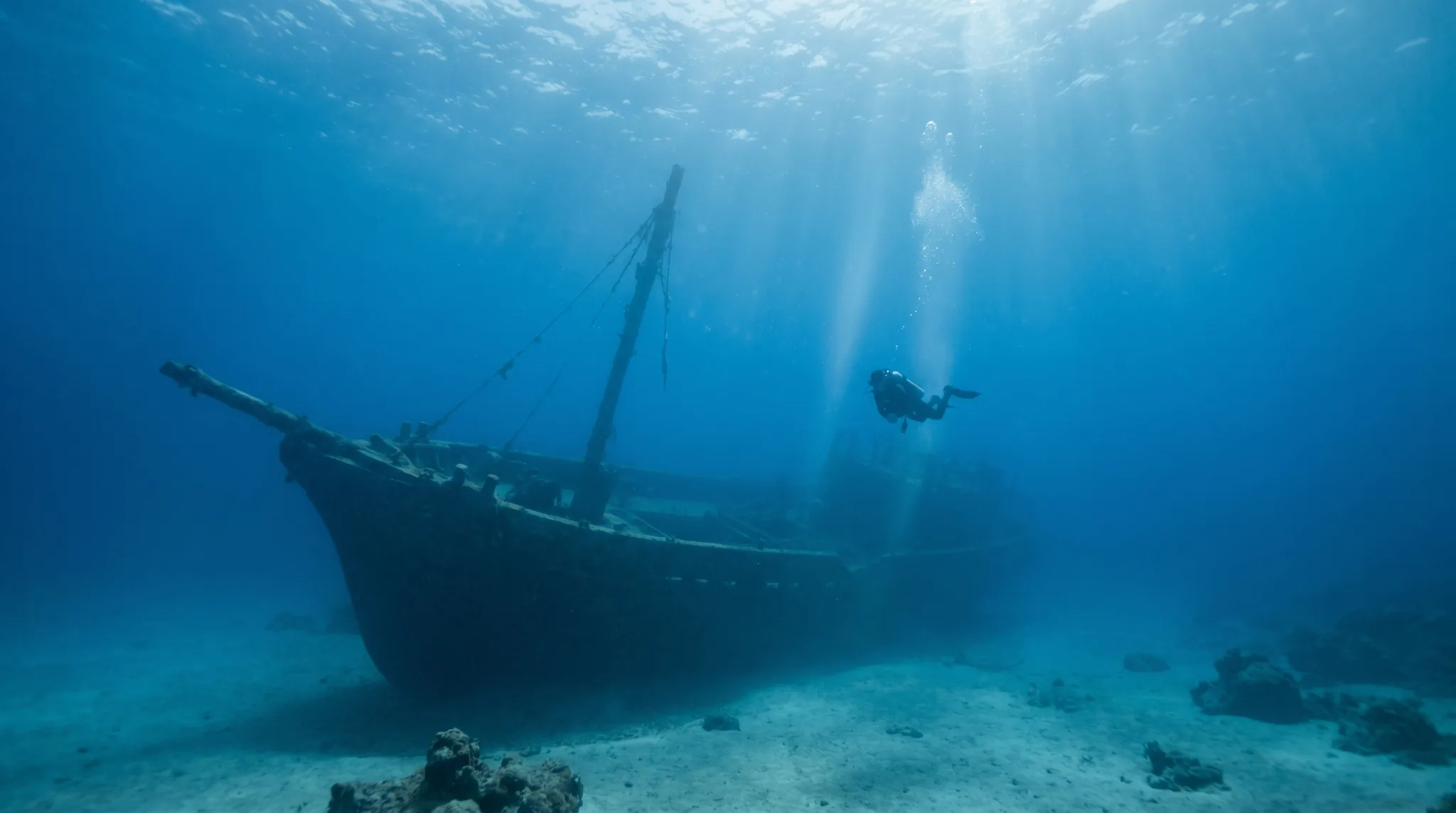
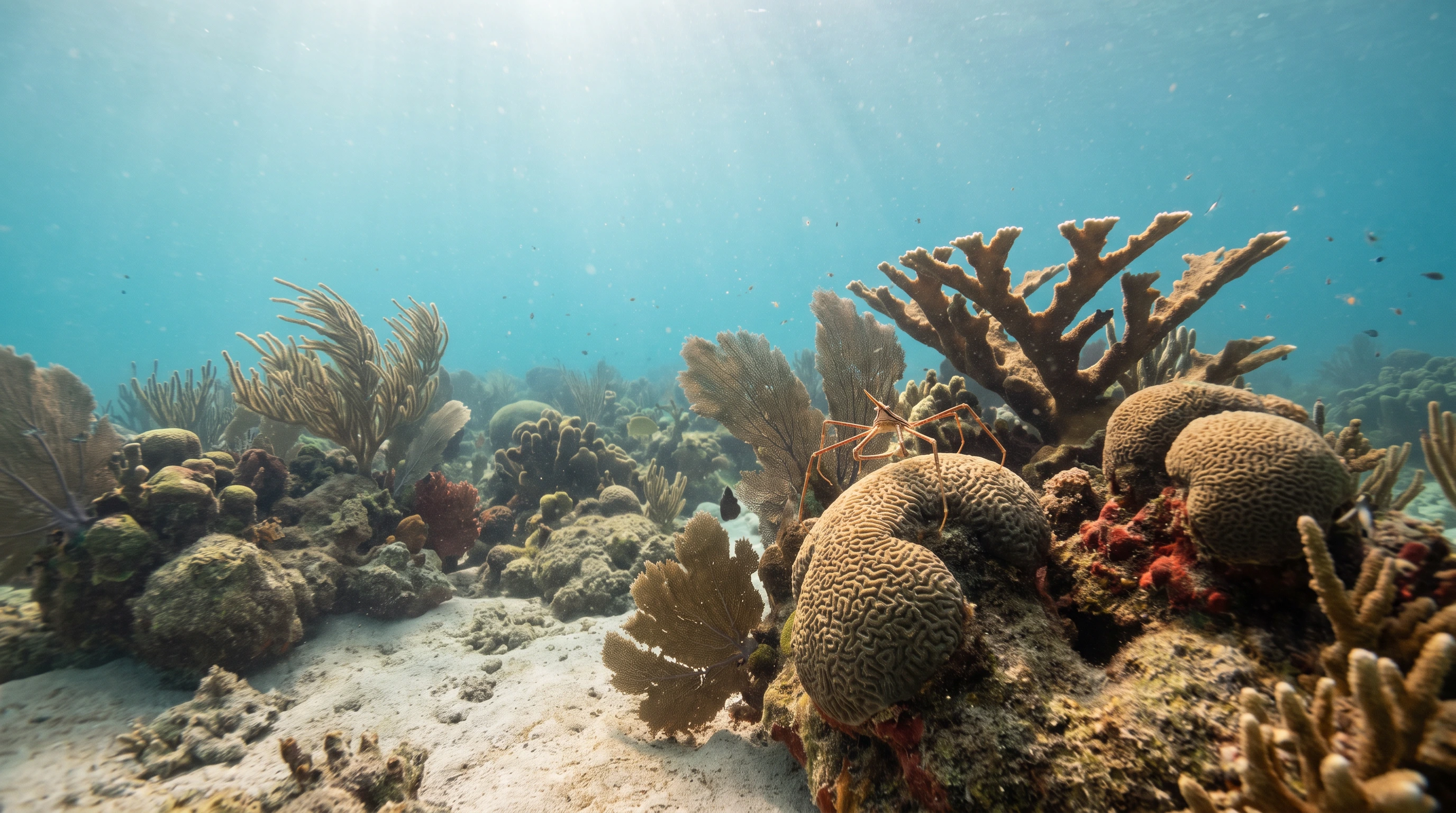
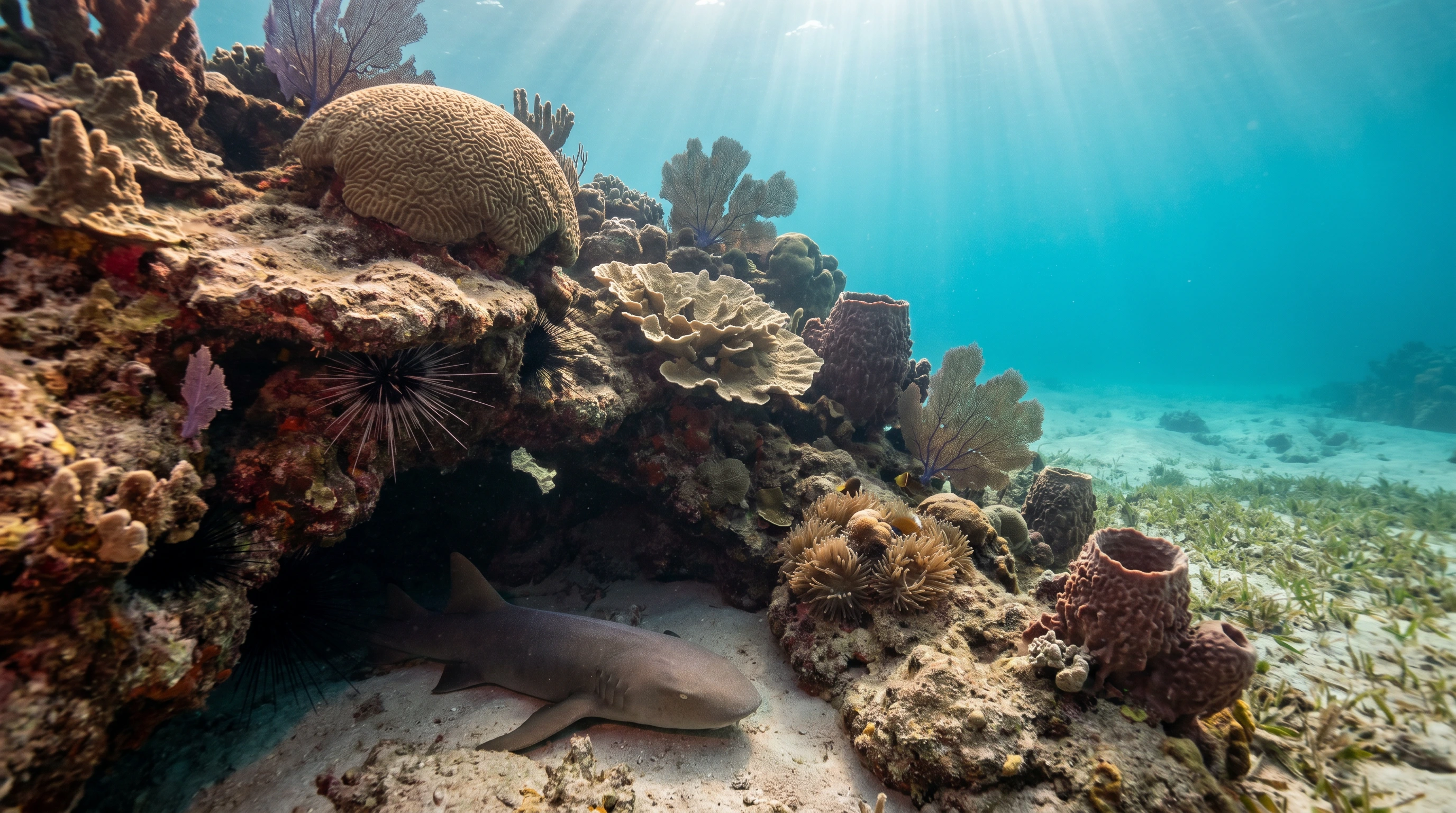
Panama's Caribbean Coast divides into three distinct sub-areas: Bocas del Toro to the west, Portobelo in the centre, and the San Blas Islands to the east. Together they offer reef flats, walls, drop-offs, cavern passages, seagrass beds, and a varied collection of wrecks including an intentionally sunk cargo ship and a submerged sailboat. The majority of sites suit beginners, with shallower structures providing accessible entries for snorkellers as well. Signature encounters include the Nurse Shark, Green Sea Turtle, and Indian Lionfish, while Striped Parrotfish, French Grunt, and Sergeants are observed across almost every site.
3 areas
 21
21Beginner-friendly reefs and wrecks with Nurse Shark encounters and easy seagrass snorkelling across a Caribbean island group.
21Reef labyrinths, caverns and wrecks on Panama's Caribbean Coast, with consistent warm water and a rich resident fish community.
8Caribbean snorkelling destination in an indigenous-governed archipelago where scuba diving is banned; warm, shallow reefs, wrecks, and seagrass year-round.
Monthly water temperature across Caribbean Coast's sites, from satellite sea-surface data corrected for depth. The band shows the site-to-site spread.
Water temperature stays warm throughout the year, peaking slightly in the later months of the calendar and remaining comfortable from January through December. The best-months data points to stronger conditions in February, April, September and October, suggesting these periods offer the most favourable visibility and sea state. Bocas del Toro and Portobelo each have exposed sites where conditions can vary, so checking local conditions before heading to walls and drop-offs is advisable.
46 operators
Bocas del Toro, Panama
Bocas del Toro, Panama
Water temperature around Caribbean Coast ranges from about 28°C in January to 30°C in October, based on satellite sea-temperature data for its dive sites.
With water around 28–30°C, a rash guard or 3mm shorty works in Caribbean Coast year-round.
Fin maps 50 sites in Caribbean Coast (38 scuba diving sites and 22 snorkelling spots, with some suited to both), organised into 3 areas.
Across Caribbean Coast's dive sites, February, March, April, August, September and October are most often reported as the best months to visit.
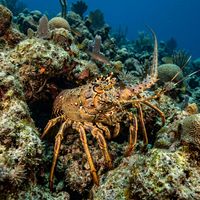
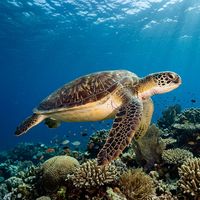
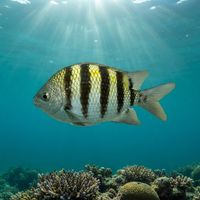
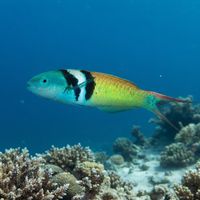
The most frequently observed species across the region include Striped Parrotfish, French Grunt, Sergeants, and Blue Tang (Dory). Nurse Shark and Caribbean Spiny Lobster are also commonly recorded, and Green Sea Turtle sightings occur at a range of sites. Less frequent but well-documented encounters include Indian Lionfish, Queen Angelfish, Honeycomb Cowfish, and Reef Squid.
The majority of listed sites are rated for beginner skill levels, including reef sites at Bocas del Toro, Portobelo, and the San Blas Islands. Sites such as Enchanted Forrest, Airport Point, and Coral Reef Labyrinth are shallow and straightforward. A smaller number of sites, including Terrys Reef and Manuel's Wall, are rated intermediate, so more experienced divers also have options to progress.
Bocas del Toro has the largest concentration of sites and the greatest variety of site types, including wrecks, walls, caverns, seagrass, and open reef. Portobelo offers cavern passages, winding reef structures, and wreck diving, with operators such as Dive Center Portobelo, S.A. and Scuba Panama based there. The San Blas Islands have fewer sites but feature very shallow reefs and a more remote character, with access largely via sailing and catamaran operators.
The vast majority of sites across all three sub-areas are accessed by boat, and a wide range of operators serve the region. Shore entry is available at a small number of sites, most notably Old Bank in Bocas del Toro. Hospital Point on Solarte offers both shore and boat entry, giving snorkellers and divers flexibility depending on where they are staying.