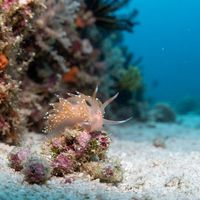
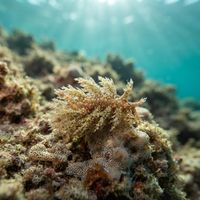
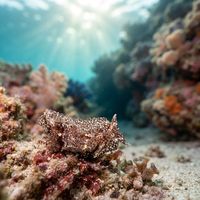
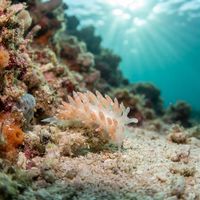
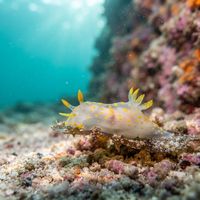
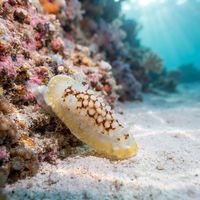
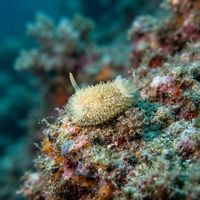
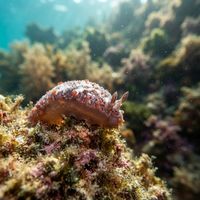
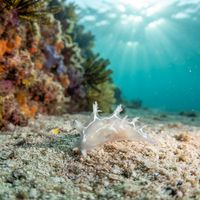
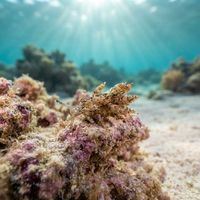
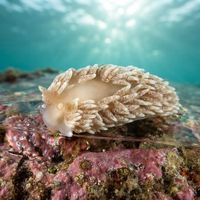
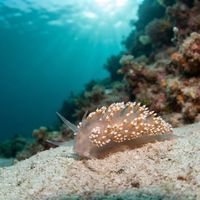
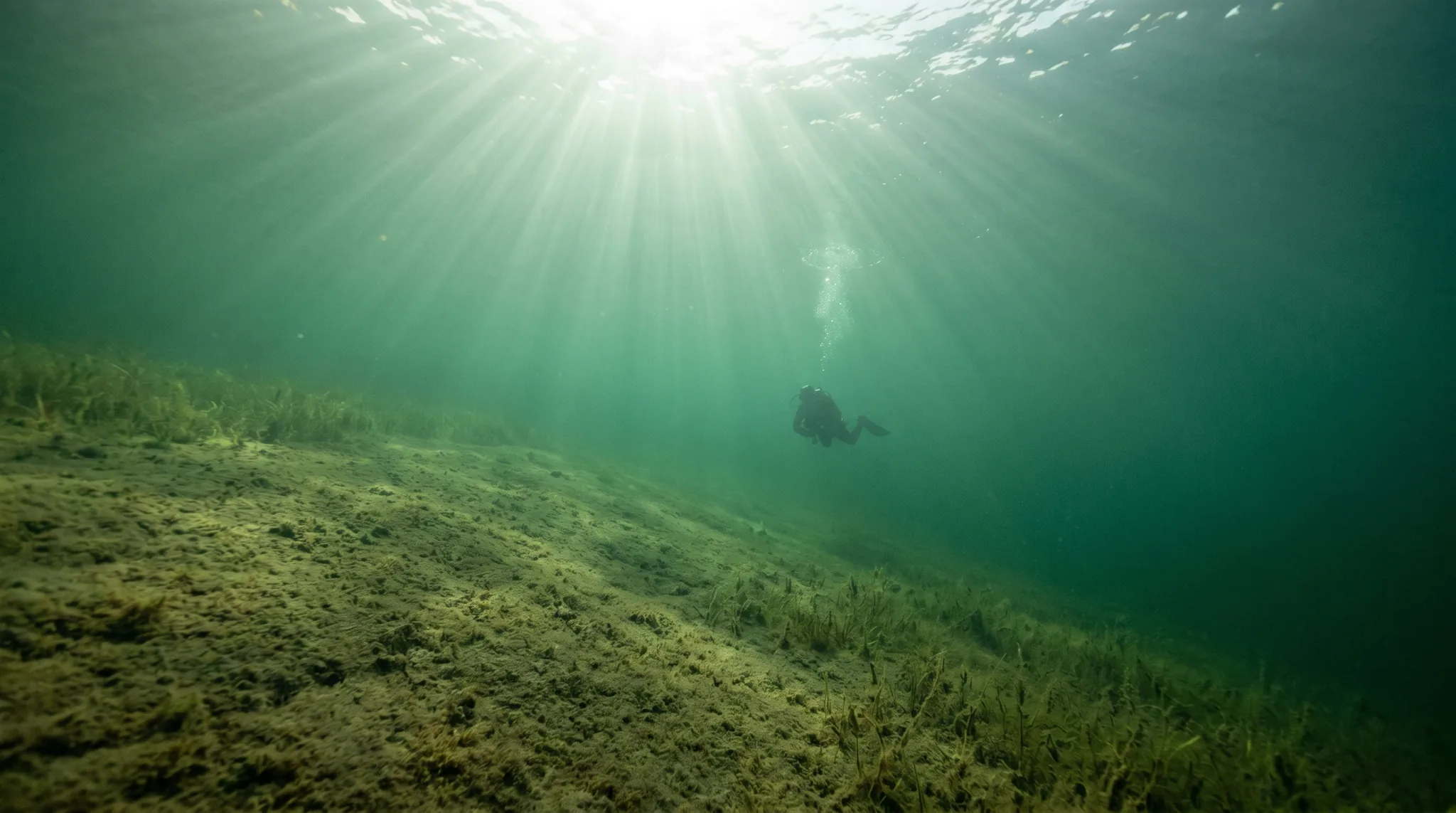
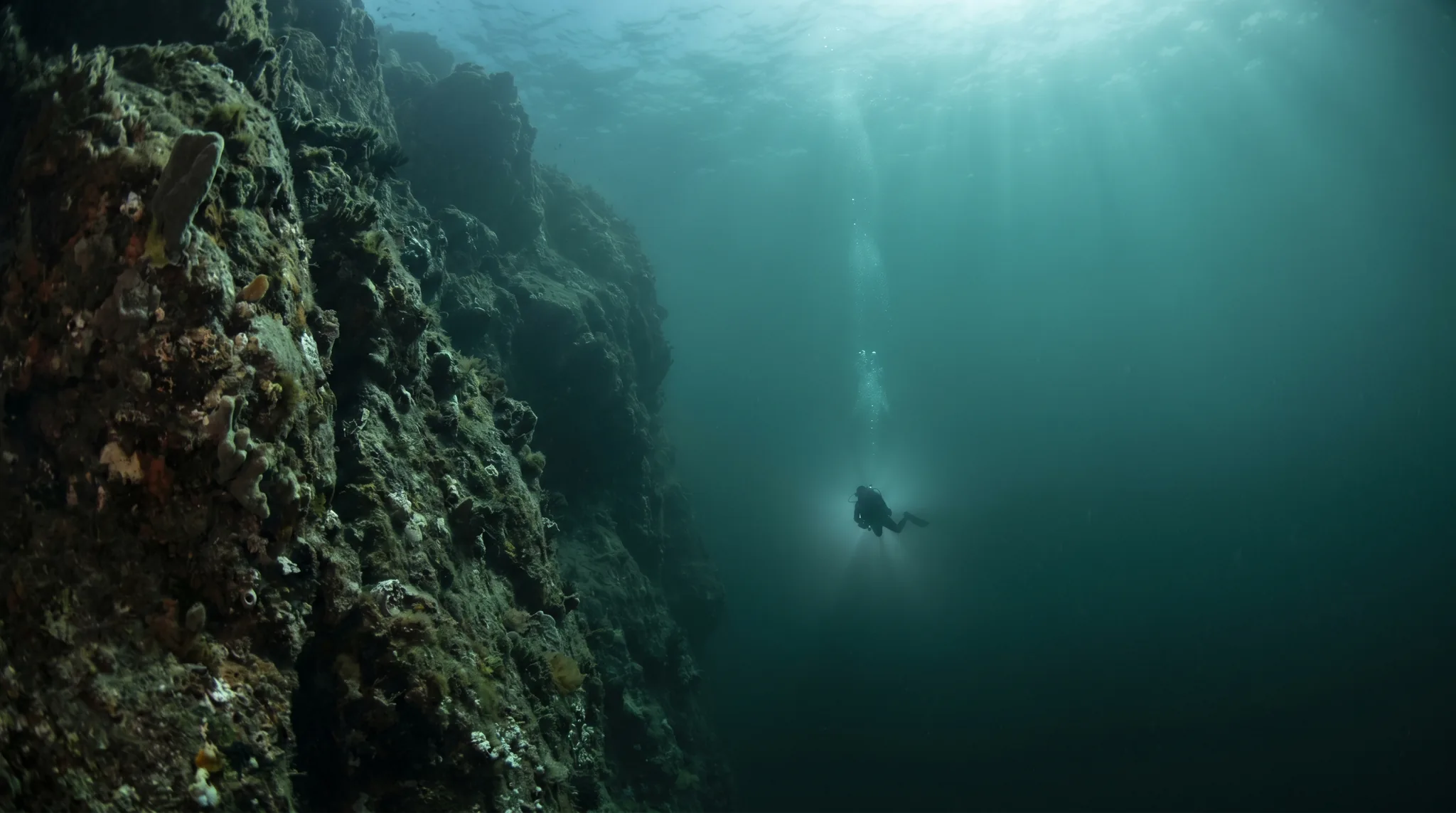
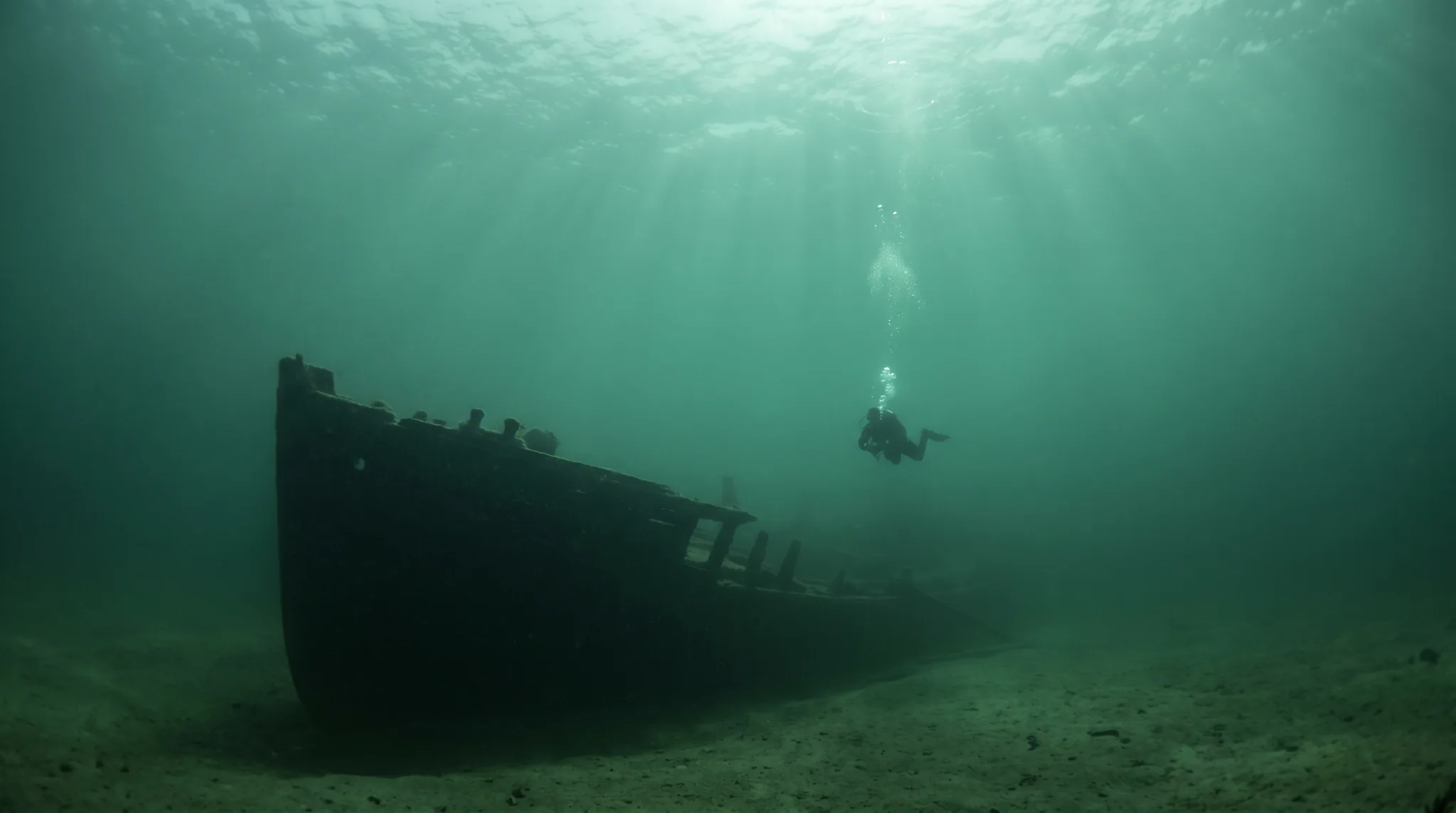
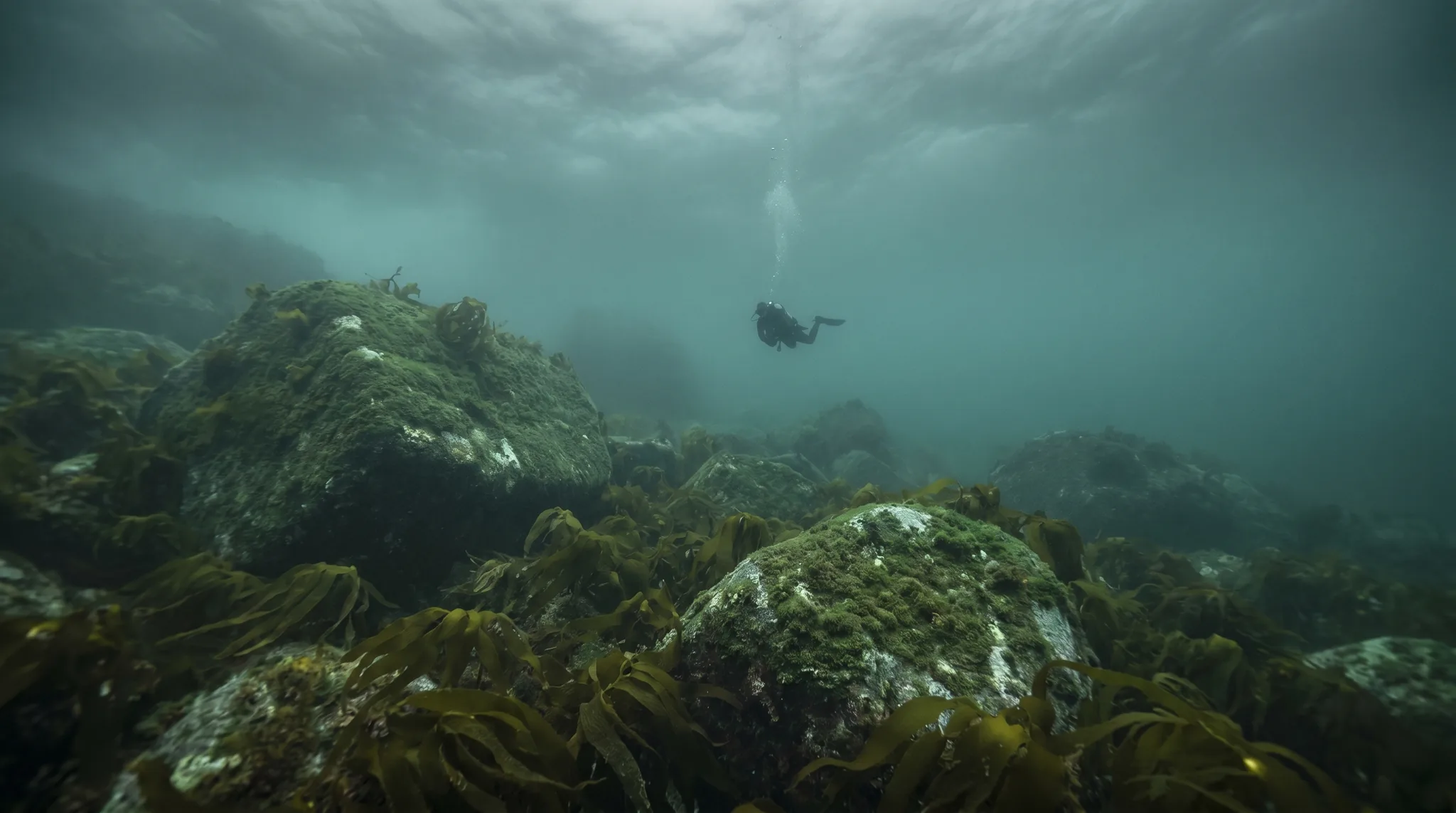
Drøbak and Vestby is defined by an exceptional concentration of wreck diving alongside wall and reef topography that suits a wide range of experience levels. Wrecks range from shallow shore entries like Sinbad and Sortebill to deep, advanced targets such as the Hobby. MF Melderskin combines wreck, kelp forest and cave in a single dive. The region is a remarkable destination for nudibranch enthusiasts, with observed species including the Boston Facelina, Bushy-backed Nudibranch and Fried Egg Nudibranch recorded consistently across sites.
Monthly water temperature across Drøbak & Vestby's sites, from satellite sea-surface data corrected for depth. The band shows the site-to-site spread.
Water temperature drops to its coldest through winter and early spring, then climbs through late spring into summer, when conditions are warmest and diver activity peaks. Autumn retains reasonable warmth before cooling into winter. The best-months data shows fairly even year-round diving, with a slight lean toward the warmer months of June through October, making the region accessible to suitably equipped divers in all seasons.
7 operators
Fagerstrand, Norway
25 more sites to explore
Water temperature around Drøbak & Vestby ranges from about 4°C in January to 17°C in August, based on satellite sea-temperature data for its dive sites.
In the warm season (about 17°C) a 7mm or semi-dry suit is comfortable in Drøbak & Vestby; in the coldest months (about 4°C) step up to a drysuit.
Fin maps 37 sites in Drøbak & Vestby (37 scuba diving sites and 2 snorkelling spots, with some suited to both).
The region is particularly notable for its nudibranch diversity, with many species observed consistently across sites. Commonly encountered nudibranchs include the Boston Facelina, Bushy-backed Nudibranch, Fried Egg Nudibranch, Sea Lemon, Violet Sea Slug and White Atlantic Cadlina, among others. Divers with an interest in small, colourful invertebrates will find this a rewarding area to explore.
Yes, there are several sites well suited to beginners. Skolebrygga is a shallow, shore-entry artificial reef, while Sinbad is a manageable wreck accessible from shore. Kjovangen Brygge offers a clear wall structure to follow from a shore entry. These sites sit at gentle depths and provide a good introduction to the region's varied underwater character.
Access is split between shore and boat entries. Sites like Sortebill, Vinsjen, Sinbad and Lekteren Ved Svestad can be reached directly from shore, which suits independent divers. Several of the deeper or more exposed sites, including the Hobby and Karholmen Ost, require a boat. Operators including NYD Subsea Training Centre, Prodykk Oslo and Oslofjorden Dykkesenter serve the area.
Wrecks are the defining site type, appearing across all skill levels from shallow beginner-friendly hulls to deep advanced targets. Walls and drop-offs feature at sites such as Gullholmen and Muren vest, while MF Melderskin combines a wreck with reef, kelp forest and cave sections. A few sites involve significant depth and sharp topographic drops, so gas management and buoyancy control are important considerations at the advanced end.