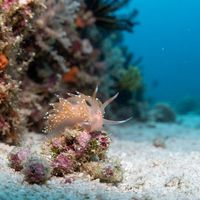
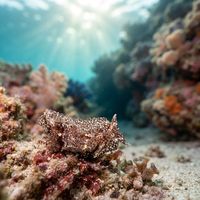
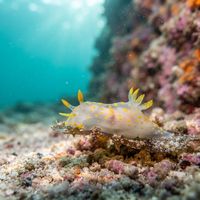
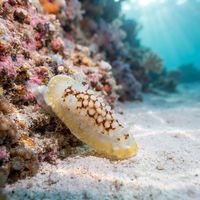
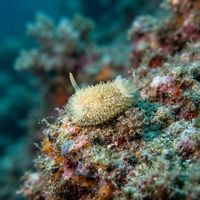
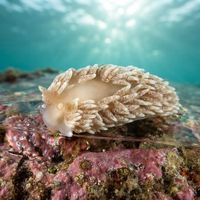
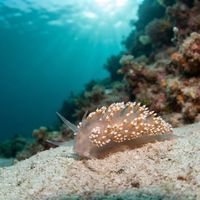
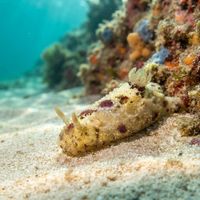
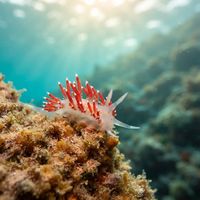
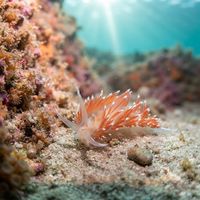
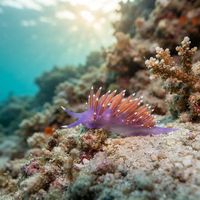
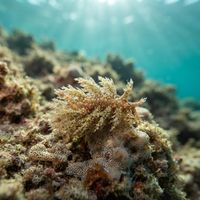
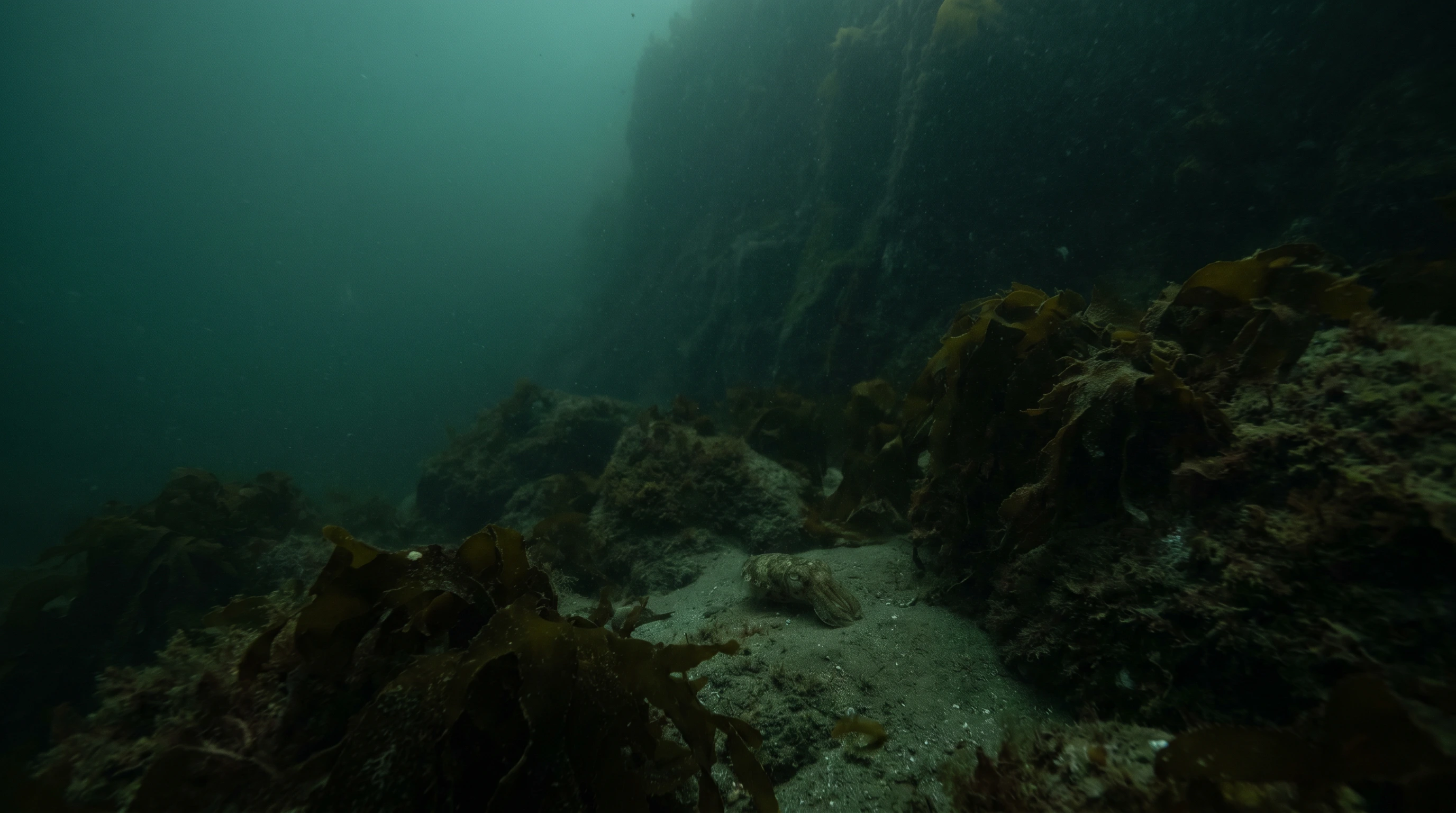
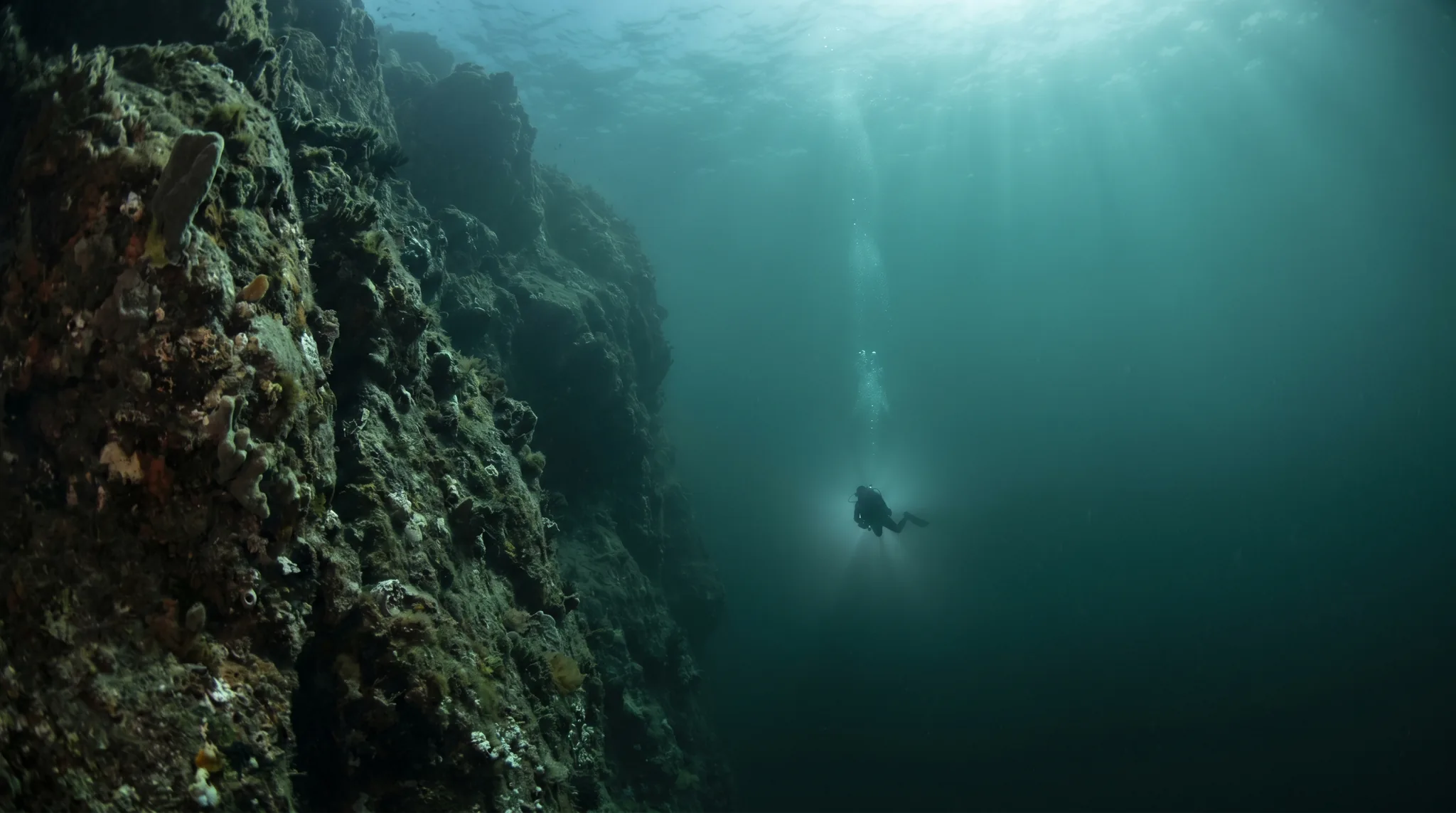
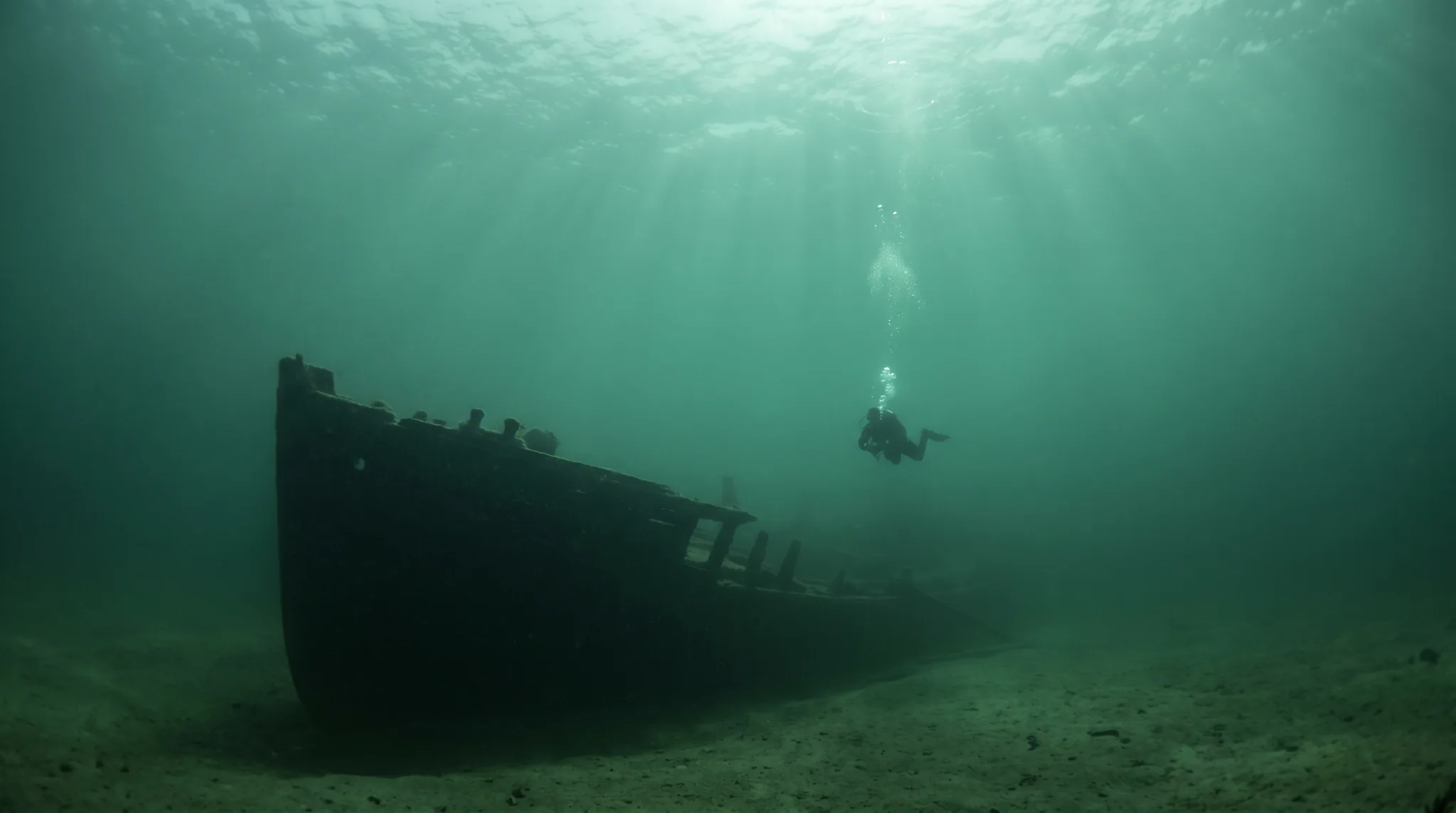
Oslofjord's diving character is shaped by wrecks, walls, and cold-water marine life spread across two distinct sub-areas. Drøbak and Vestby holds the bulk of the sites, ranging from shallow artificial reefs and beginner-friendly shore dives to deep technical wrecks. Hvaler and Fredrikstad offers a smaller selection including shore-entry reef diving. The Common Sea Star and a remarkable variety of nudibranch species define encounters here, alongside occasional King Crab, Lumpfish, and Atlantic Wolffish.
2 areas
Monthly water temperature across Oslofjord's sites, from satellite sea-surface data corrected for depth. The band shows the site-to-site spread.
Water temperatures drop to their coldest through winter and early spring, rising through summer to their warmest in July and August. The warmer months draw the most divers, though the best-months data shows activity distributed across the year, including winter. Visibility varies considerably, so conditions can shift with season and site exposure.
15 operators
Norway
Fagerstrand, Norway
34 more sites to explore
A wreck-rich fjord diving destination with an extraordinary diversity of nudibranchs and sites spanning beginner to advanced levels.

Water temperature around Oslofjord ranges from about 4°C in January to 16°C in August, based on satellite sea-temperature data for its dive sites.
In the warm season (about 16°C) a 7mm or semi-dry suit is comfortable in Oslofjord; in the coldest months (about 4°C) step up to a drysuit.
Fin maps 46 sites in Oslofjord (46 scuba diving sites and 2 snorkelling spots, with some suited to both), organised into 2 areas.
Nudibranchs are a highlight, with the Orange-clubbed Nudibranch, Grey Sea Slug, Barnacle-eating Dorid, and Sea Hare all observed regularly across sites. Common Sea Star and Sea Anemone are widespread, while Cod, Squat Lobster, and King Crab appear occasionally. Rarer sightings have included Atlantic Wolffish.
Yes, a solid number of sites are rated for beginners, including shore-entry options such as Sinbad, Skolebrygga, Verdens Ende, and Kjovangen Brygge. These offer relatively shallow depths and manageable conditions. Intermediate and advanced sites, including deep wrecks like Hobby and the drop-off at Karholmen Ost, are also well represented for those with more experience.
Drøbak and Vestby is by far the larger sub-area, covering the majority of sites with a wide range of types: wrecks, walls, artificial reefs, and even a freshwater site at Klaretjern. Hvaler and Fredrikstad is smaller but includes sites such as Verdens Ende and Ferder Fyr, which suit shore-entry reef and wall diving at beginner to intermediate levels.
Both access types are available. Several popular sites, including Sinbad, Vinsjen, Sortebill, and Verdens Ende, are reachable from shore. Many of the deeper or more exposed sites, such as Hobby, Gullholmen, and Svarteberget, are boat-access only. NYD Subsea Training Centre is the local operator listed for the region.