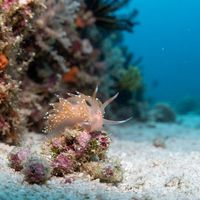
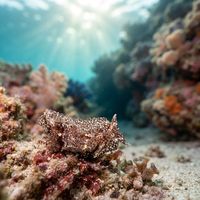
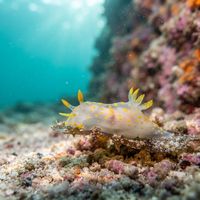
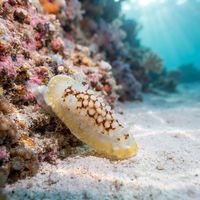
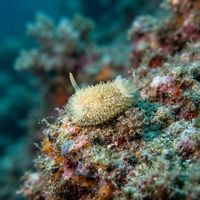
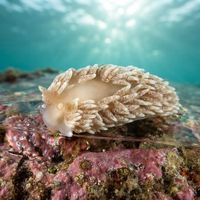
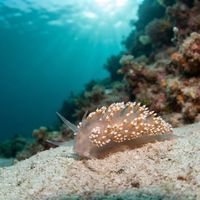
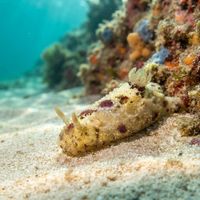
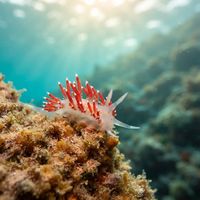
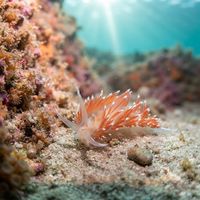
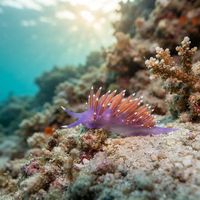
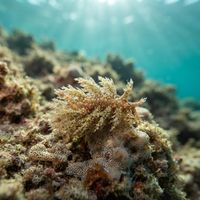
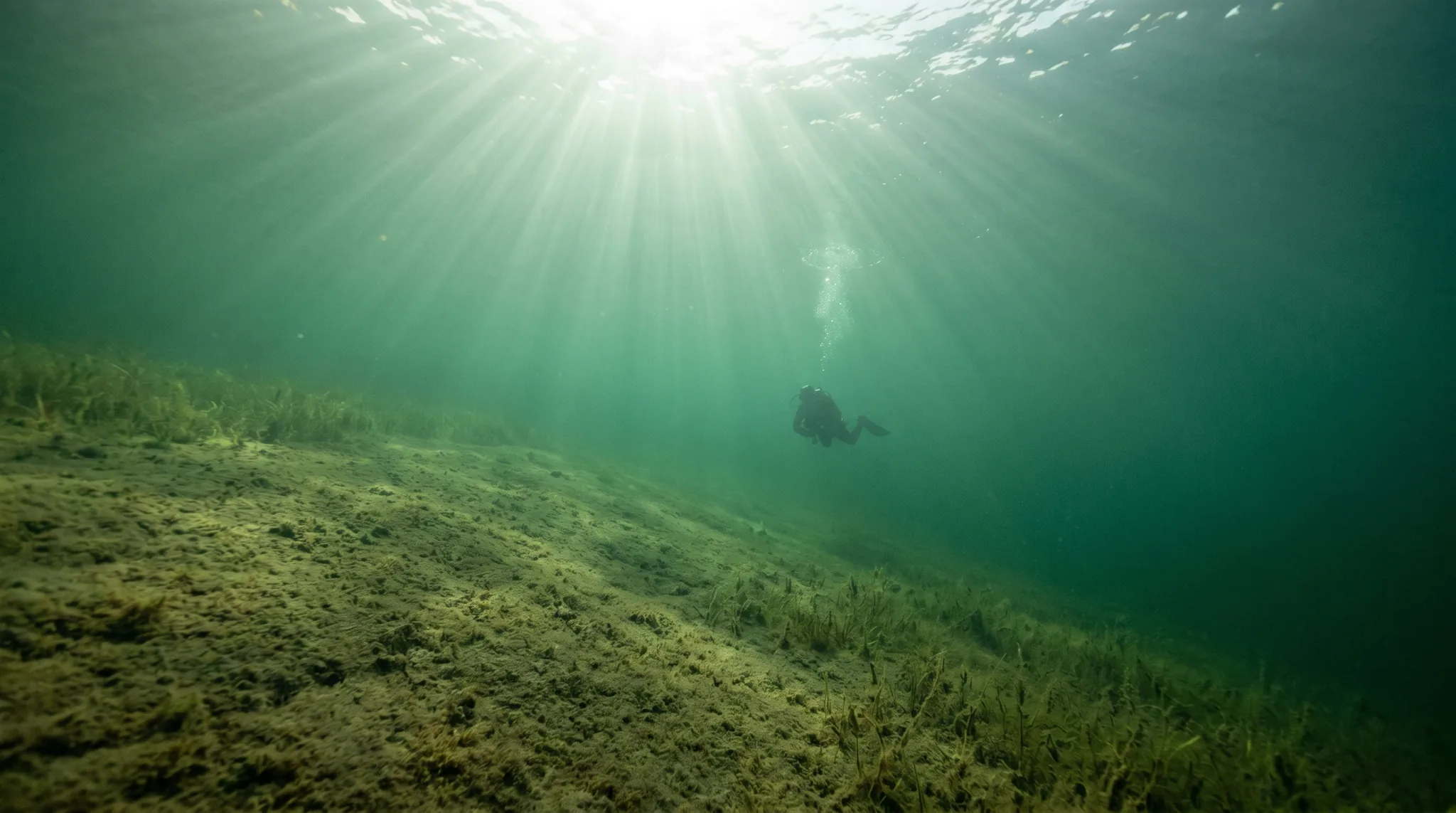
Østlandet's diving is concentrated entirely within the Oslofjord, where wrecks, walls, reefs, and kelp forest combine across a broad range of depths and skill levels. Beginners find shore-accessible shallow wrecks and artificial reefs in Drøbak and Vestby, while advanced divers head for deep drop-offs and substantial wreck dives demanding careful gas management. The water runs cold through winter and spring, warming noticeably from June through August. Marine life leans heavily towards invertebrates: the Common Sea Star, Sea Slug, Orange-clubbed Nudibranch, Barnacle-eating Dorid, and Sea Hare are regular sightings, with the occasional Atlantic Wolffish or Lumpfish adding character.
1 areas
Monthly water temperature across Østlandet's sites, from satellite sea-surface data corrected for depth. The band shows the site-to-site spread.
Water temperatures sit at their coldest from January through March, making drysuit diving the norm for much of the year. From June to August temperatures rise to their peak, drawing the highest concentration of diver activity and offering the most comfortable conditions. Autumn sees a gradual cool-down, though visibility can remain reasonable well into the cooler months.
15 operators
Norway
Fagerstrand, Norway
Water temperature around Østlandet ranges from about 4°C in January to 16°C in August, based on satellite sea-temperature data for its dive sites.
In the warm season (about 16°C) a 7mm or semi-dry suit is comfortable in Østlandet; in the coldest months (about 4°C) step up to a drysuit.
Fin maps 46 sites in Østlandet (46 scuba diving sites and 2 snorkelling spots, with some suited to both).
Invertebrates dominate the underwater landscape here. The Common Sea Star is seen on the vast majority of dives, and nudibranchs such as the Orange-clubbed Nudibranch, Grey Sea Slug, and Barnacle-eating Dorid are frequently encountered. Keep an eye out for the Lumpfish and occasional Atlantic Wolffish tucked into the reef, and the Plumose Anemone is a regular fixture on many walls.
Yes, several sites are well suited to those new to diving. Shore-entry sites such as Sinbad, Skolebrygga, and Verdens Ende offer shallow depths and straightforward conditions. The freshwater site Klaretjern is also rated beginner-friendly and is accessible from shore with notably good visibility. NYD Subsea Training Centre is the local operator who can provide guided access.
A good number of sites are reachable directly from shore, particularly around the Drøbak and Vestby area, making independent diving practical. Boat access opens up deeper and more exposed sites, including the wreck Hobby and the steep drop-off at Karholmen Ost, which are better suited to advanced divers. The Oslofjord sub-area contains all listed sites, so the choice between shore and boat depends mainly on the depth and site type you are targeting.
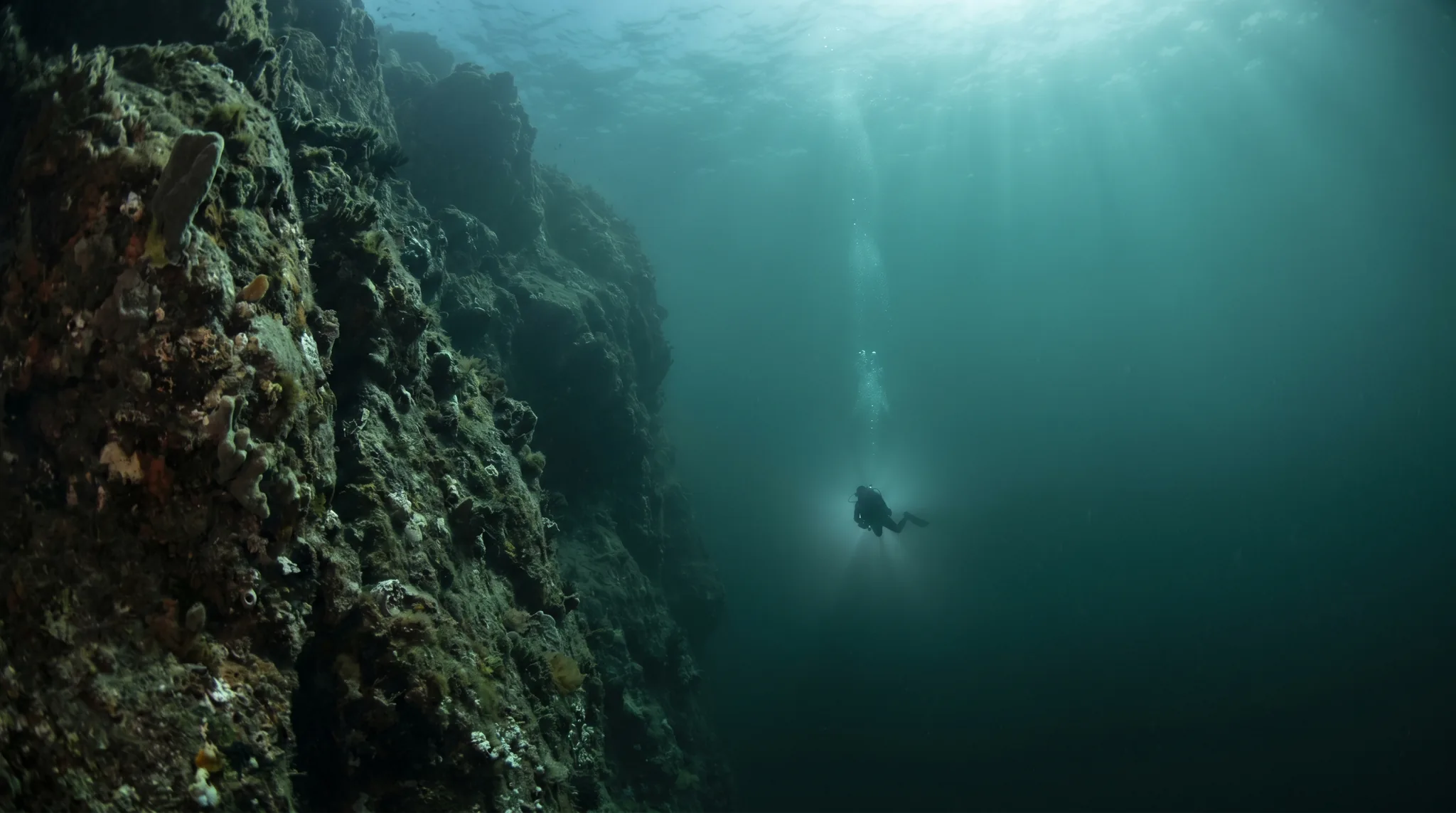
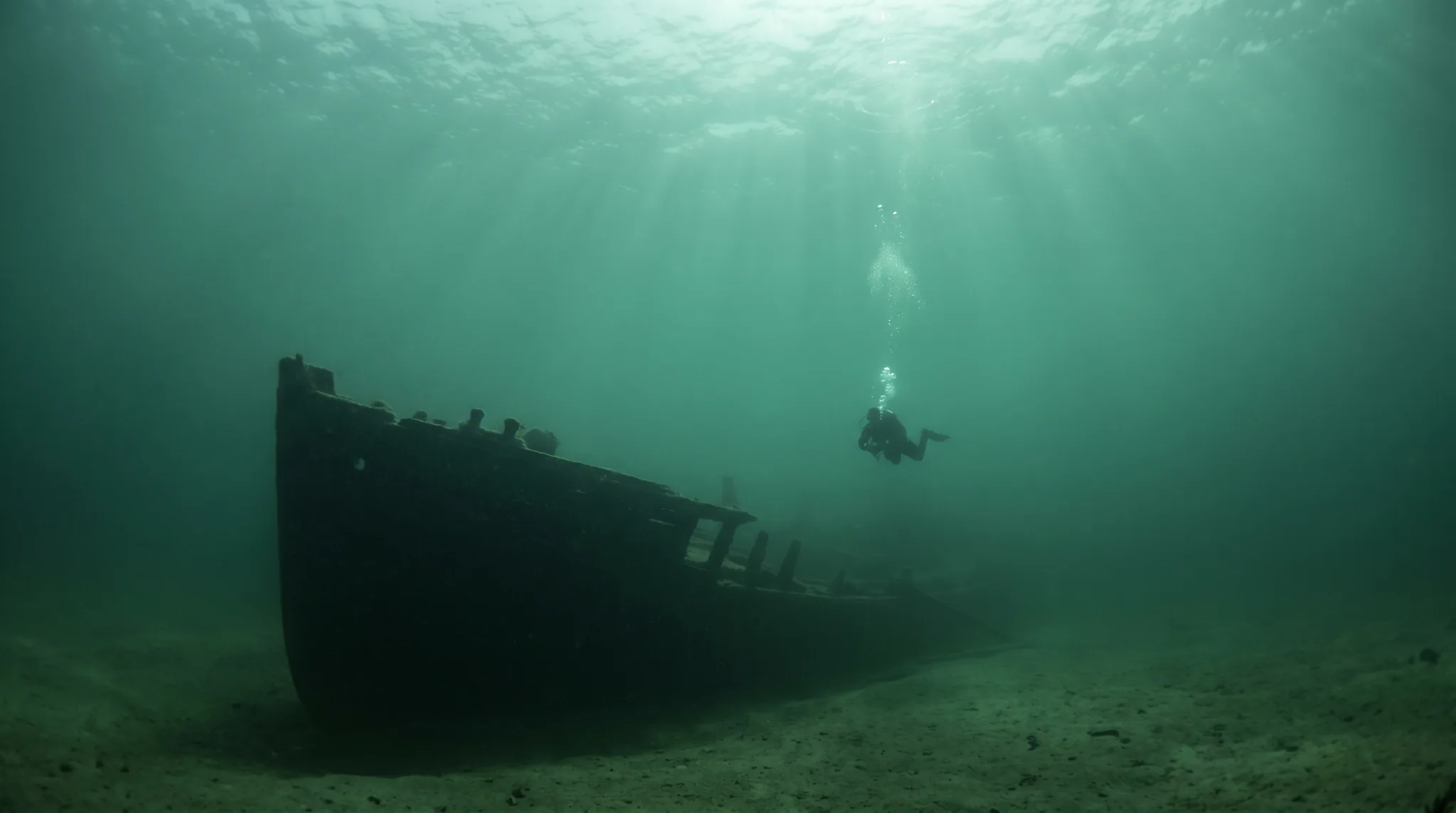
Wrecks are a defining feature, ranging from shallow beginner-friendly examples like Sinbad to the deep and demanding Hobby. Walls are also well represented, and MF Melderskin combines wreck, reef, kelp forest, and cave elements in a single site. Artificial reefs and open reef drop-offs round out the variety, giving divers a broad range of topographies within a single fjord system.