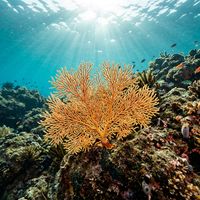
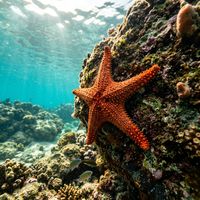
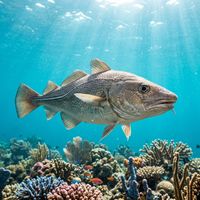
Trondheim's dive sites span the sheltered waters of Trondheimsfjord, mixing shore-entry reef dives, walls, kelp forest transitions, and artificial structures. The majority of sites suit beginners, though wall dives such as Kalkovn Strand and Ingdalen introduce moderate currents for intermediate divers. Fan Coral and Sea Star appear across virtually all sites, while Cod is frequently observed and the Atlantic Wolffish makes occasional appearances. Most entries are directly from shore, making the region accessible without a boat.

Monthly water temperature across Trondheim's sites, from satellite sea-surface data corrected for depth. The band shows the site-to-site spread.
Sites range from very shallow artificial reefs to deeper walls with moderate currents, so conditions vary considerably within the region. Shore entries are the norm, meaning divers can choose sheltered, gradual reef profiles or more exposed wall dives depending on experience. The best-months data points to late spring through early autumn as the favoured window.
9 operators
Norway
Trondheim, Norway
Trondheim, Norway
Water temperature around Trondheim ranges from about 3°C in February to 13°C in August, based on satellite sea-temperature data for its dive sites.
9 more sites to explore
In the warm season (about 13°C) a 7mm or semi-dry suit is comfortable in Trondheim; in the coldest months (about 3°C) step up to a drysuit.
Fin maps 16 sites in Trondheim (16 scuba diving sites and 1 snorkelling spots, with some suited to both).
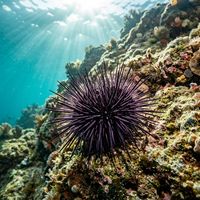
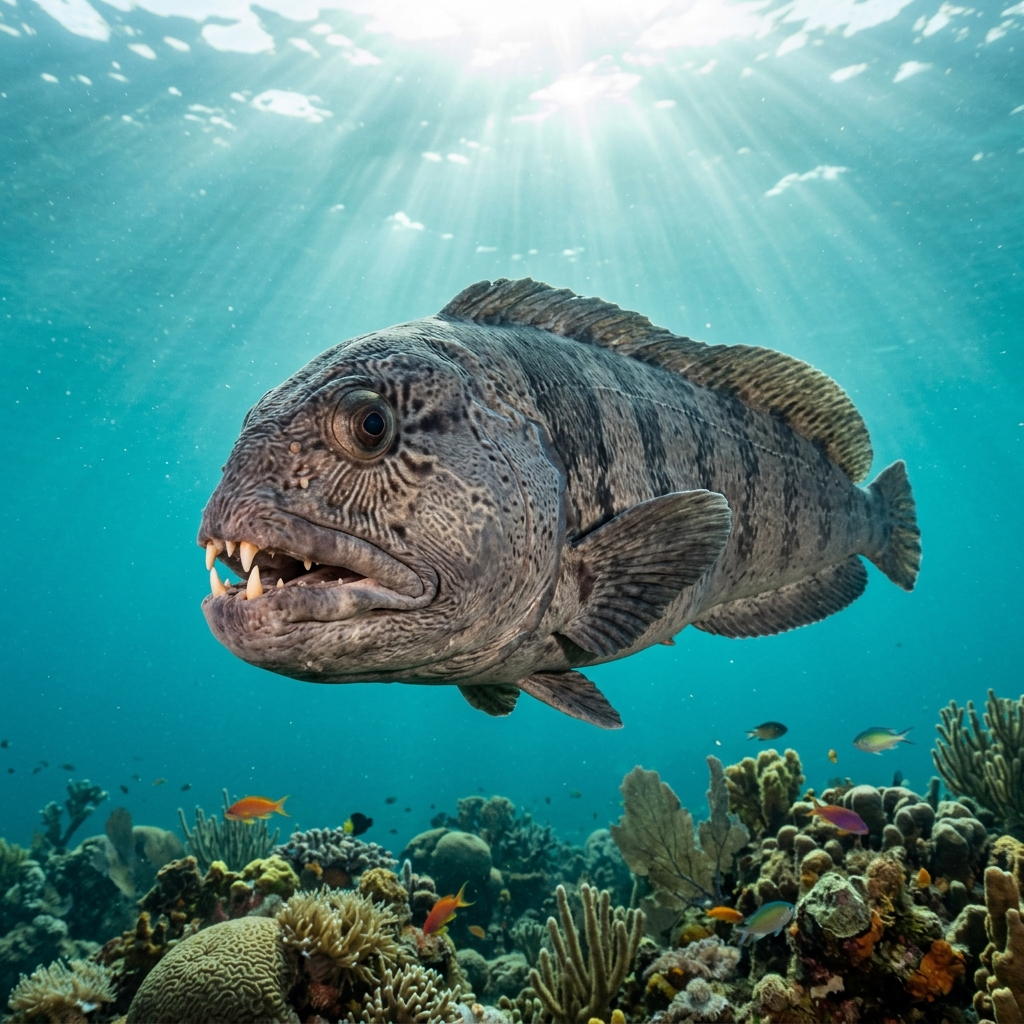
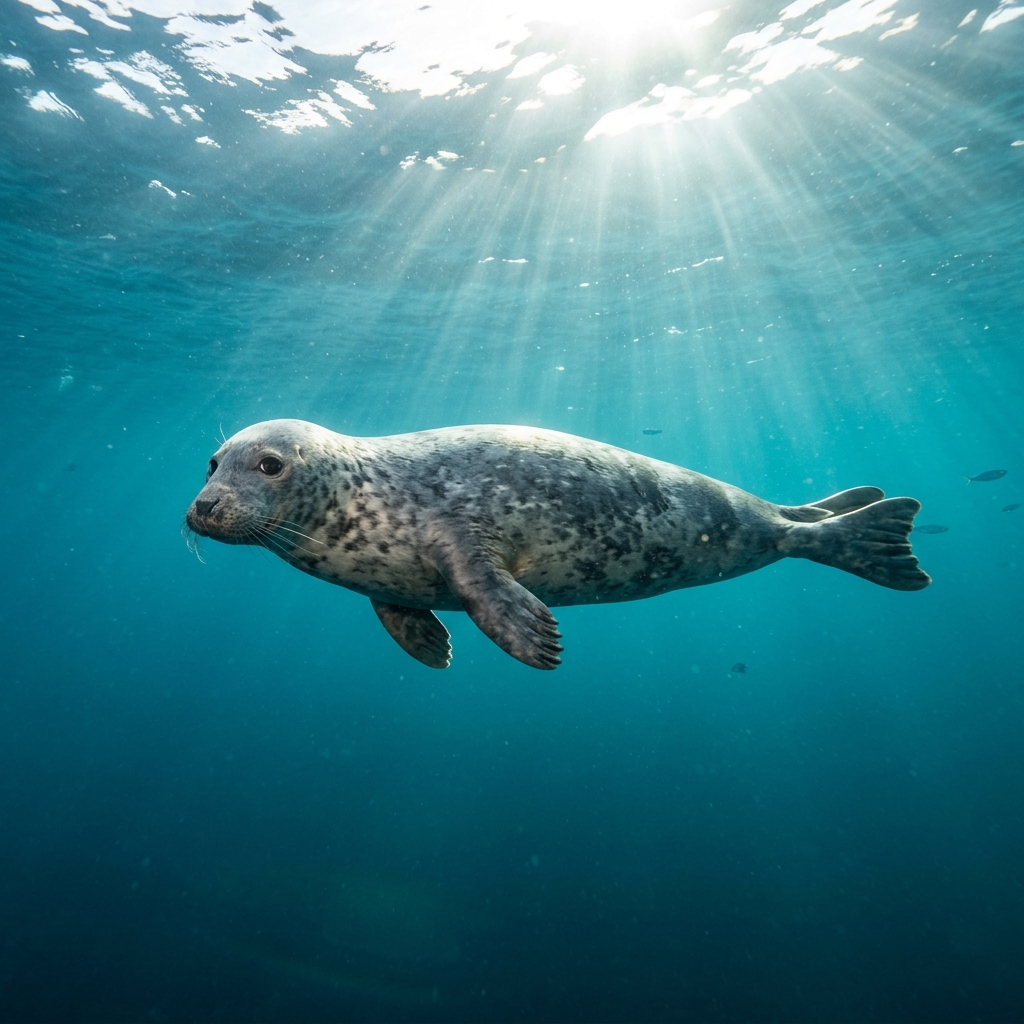
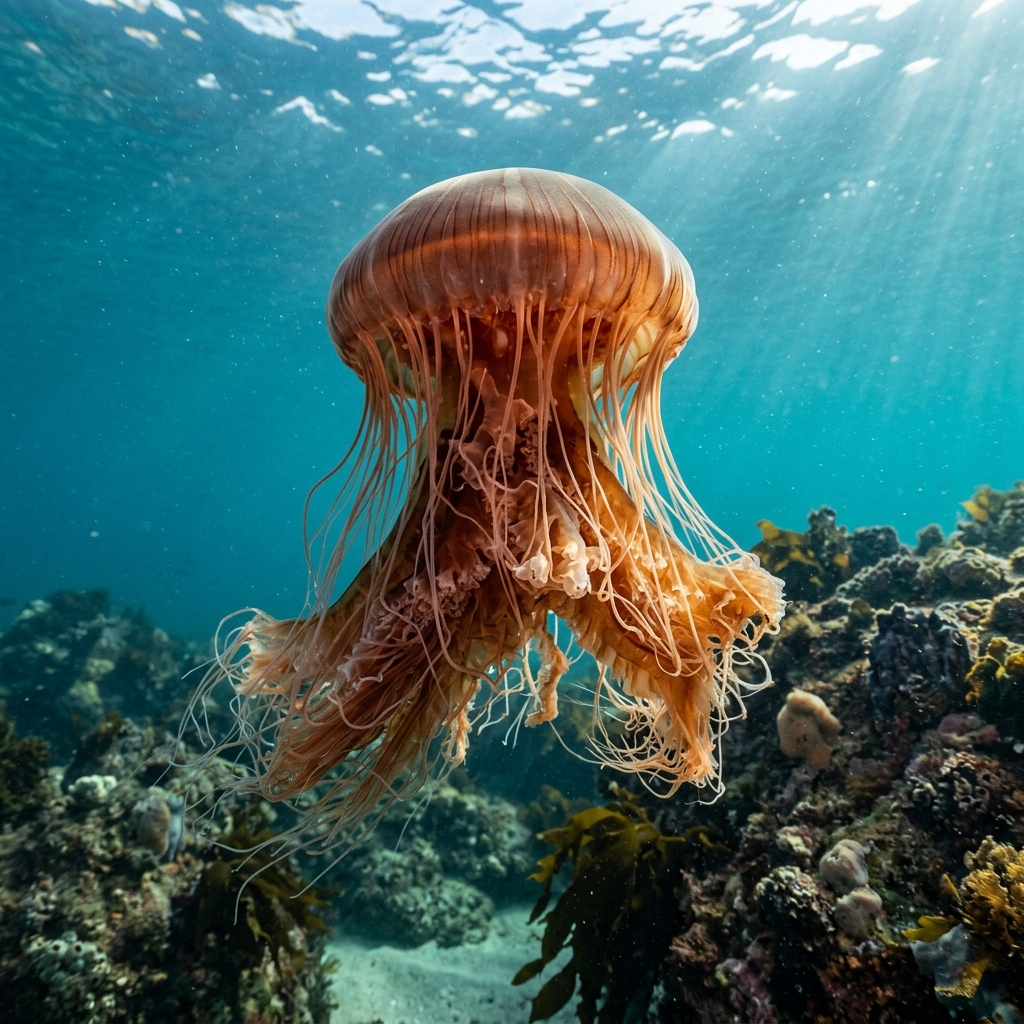
Fan Coral and Sea Star are observed across virtually all sites, and Sea Urchin is nearly as widespread. Cod is frequently sighted, and patience may reward divers with a glimpse of the Atlantic Wolffish or Gray Seal. Giant Jellyfish and Hermit Crab have also been recorded.
The majority of sites, including Korsvika, Frosta Port, Holsandbukta, and Småland, are rated for beginners and offer gradual, shallow profiles via easy shore entries. Intermediate divers can progress to wall sites such as Kalkovn Strand and Ingdalen, where moderate currents add an extra challenge.
Almost all sites in Trondheim are shore-entry dives, so a boat is not required. This makes planning straightforward and keeps costs down. Several local operators, including Midtdykk, Havsport Dykkersenter AS, and Norway Diving, are based in the area and can assist with guided dives.
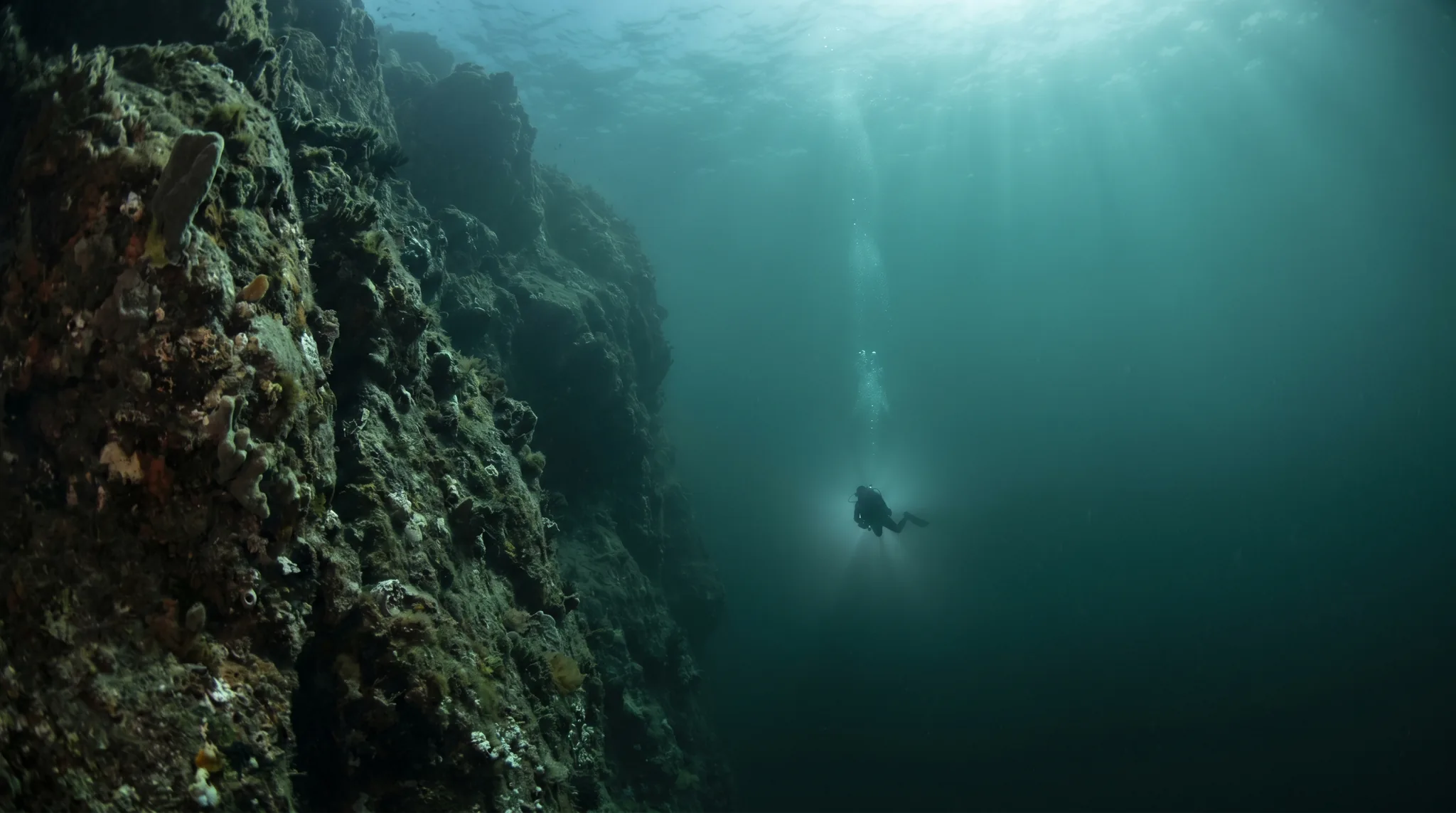
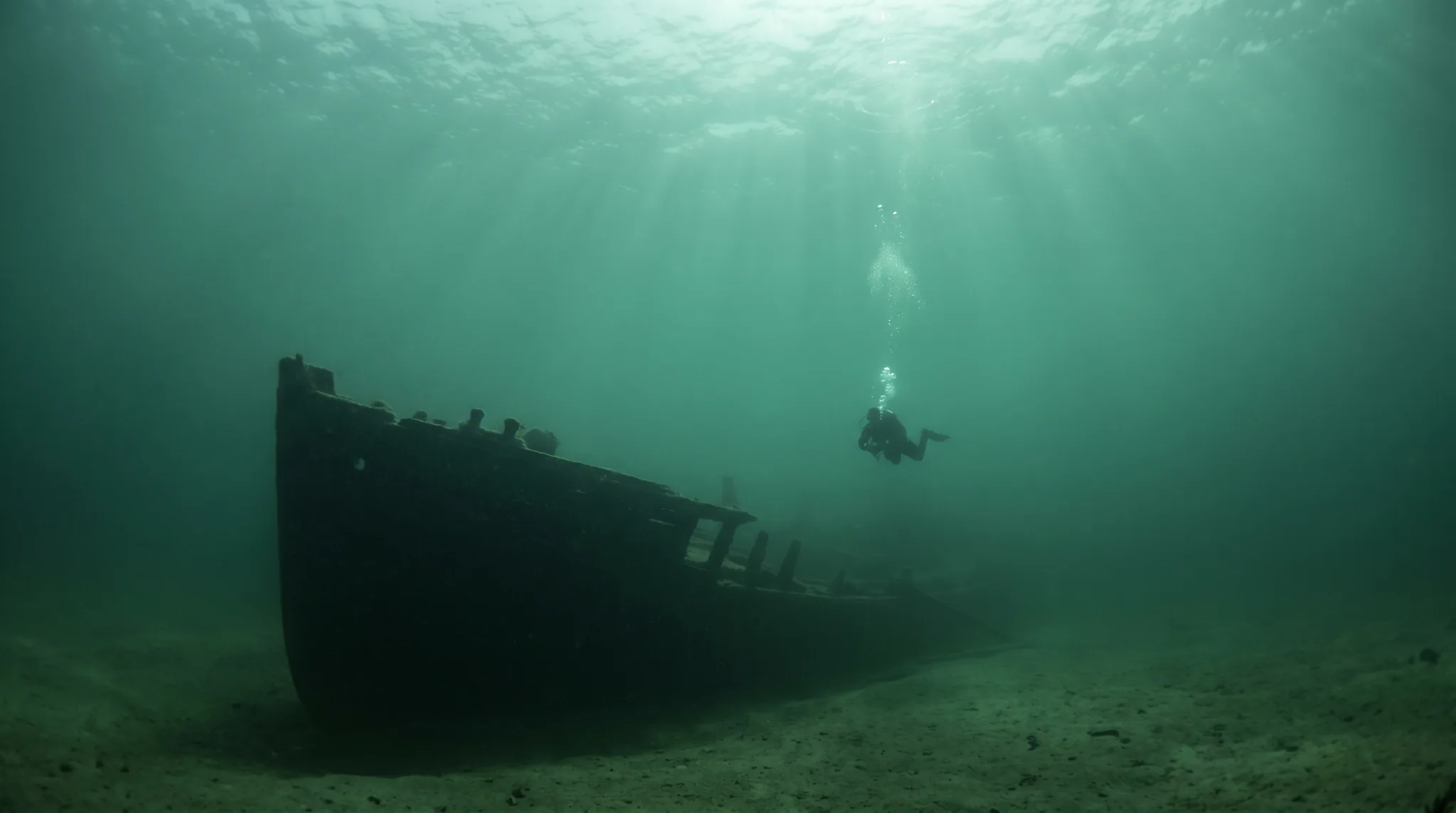
The region covers a variety of site types: natural reefs, walls, kelp forest transitions, and artificial reef structures. Ingdalen is a good example of the diversity on offer, moving from shallow kelp forest into a proper wall as depth increases. Artificial reefs such as Korsvika and Frosta Port provide structured habitats that attract invertebrates and fish.