Aeolidiella glauca
Cold-water nudibranch logged across Zeeland, Bohuslän and Norway's Østlandet, in water as cold as 7.7C. Here's how to spot one.
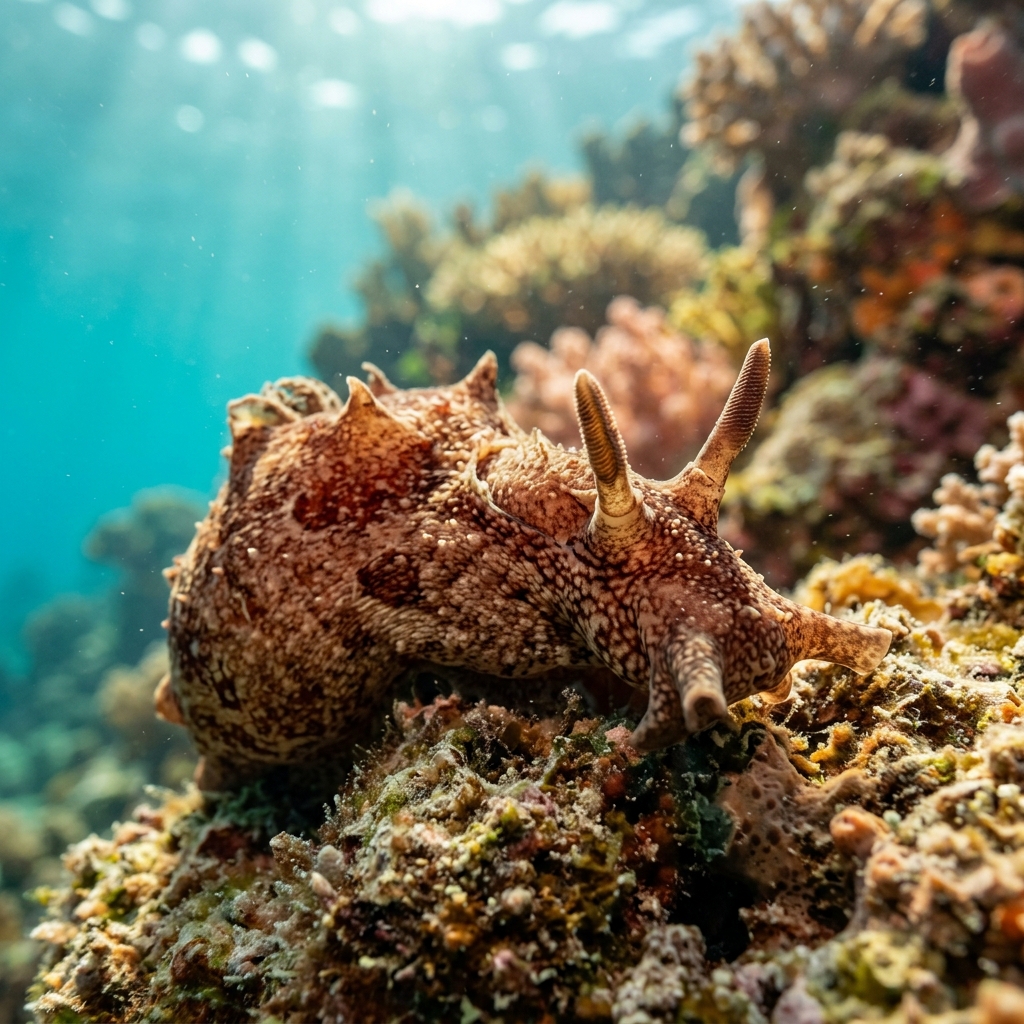
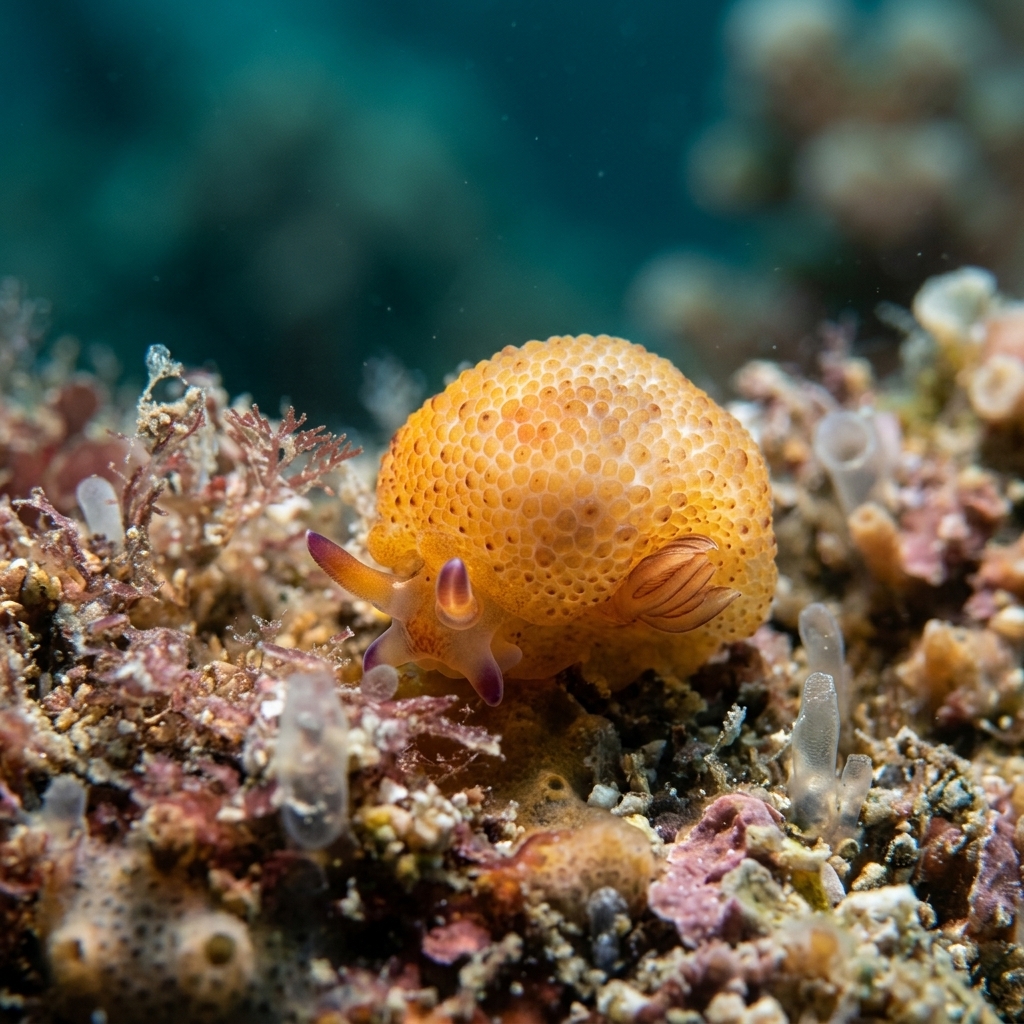
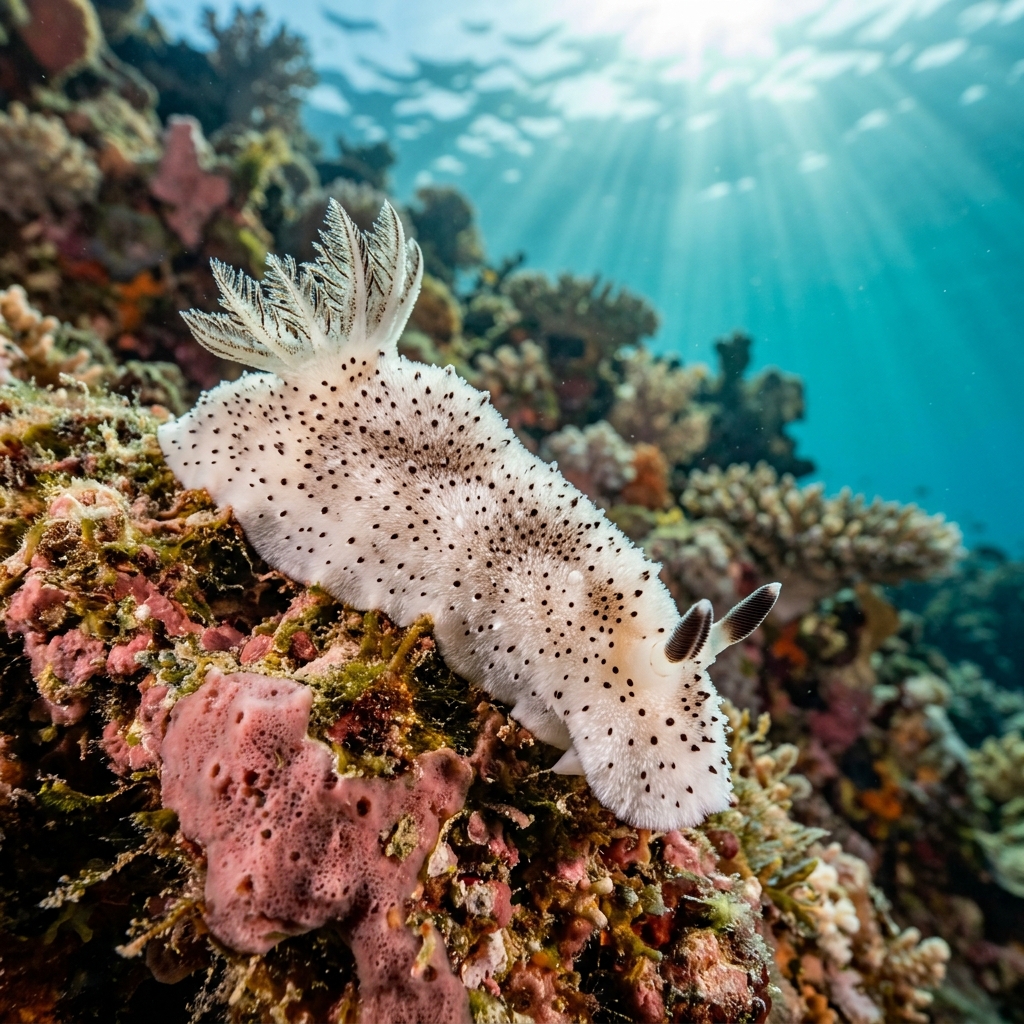
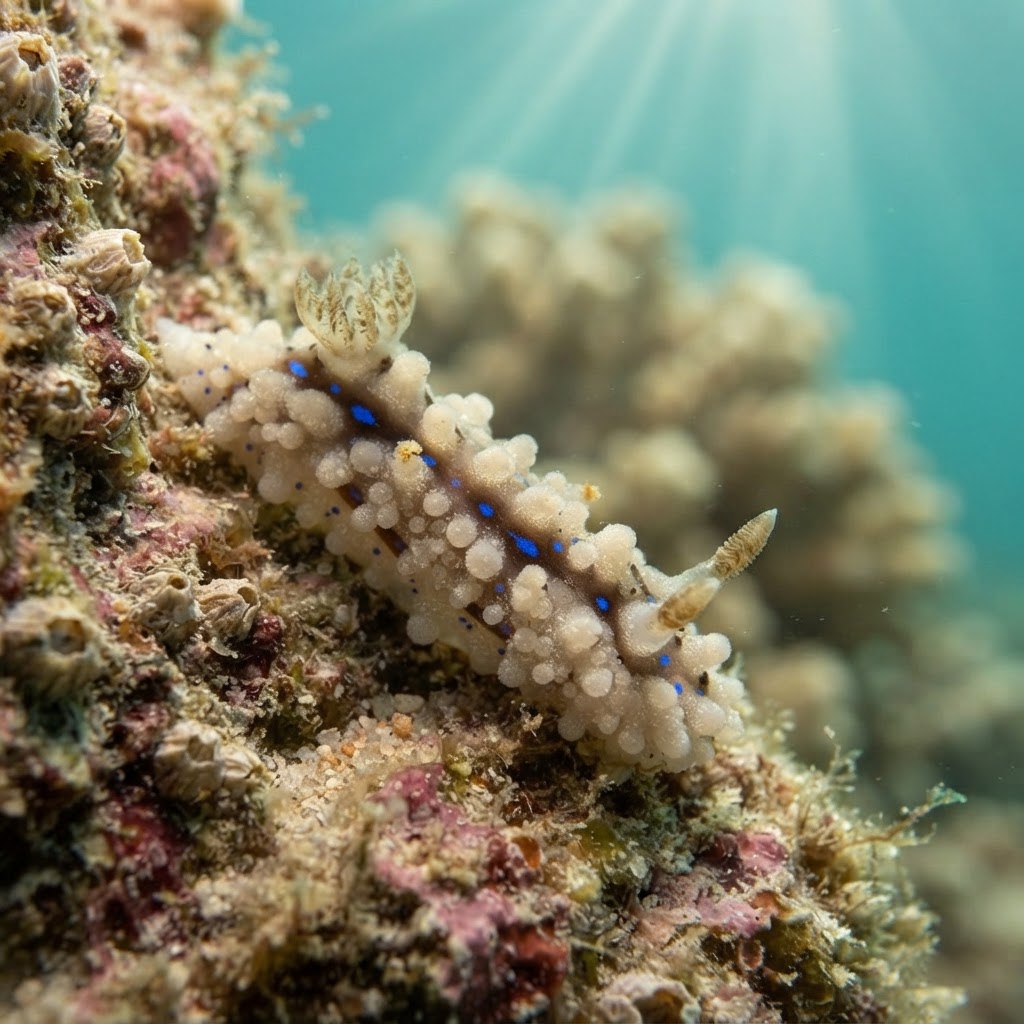
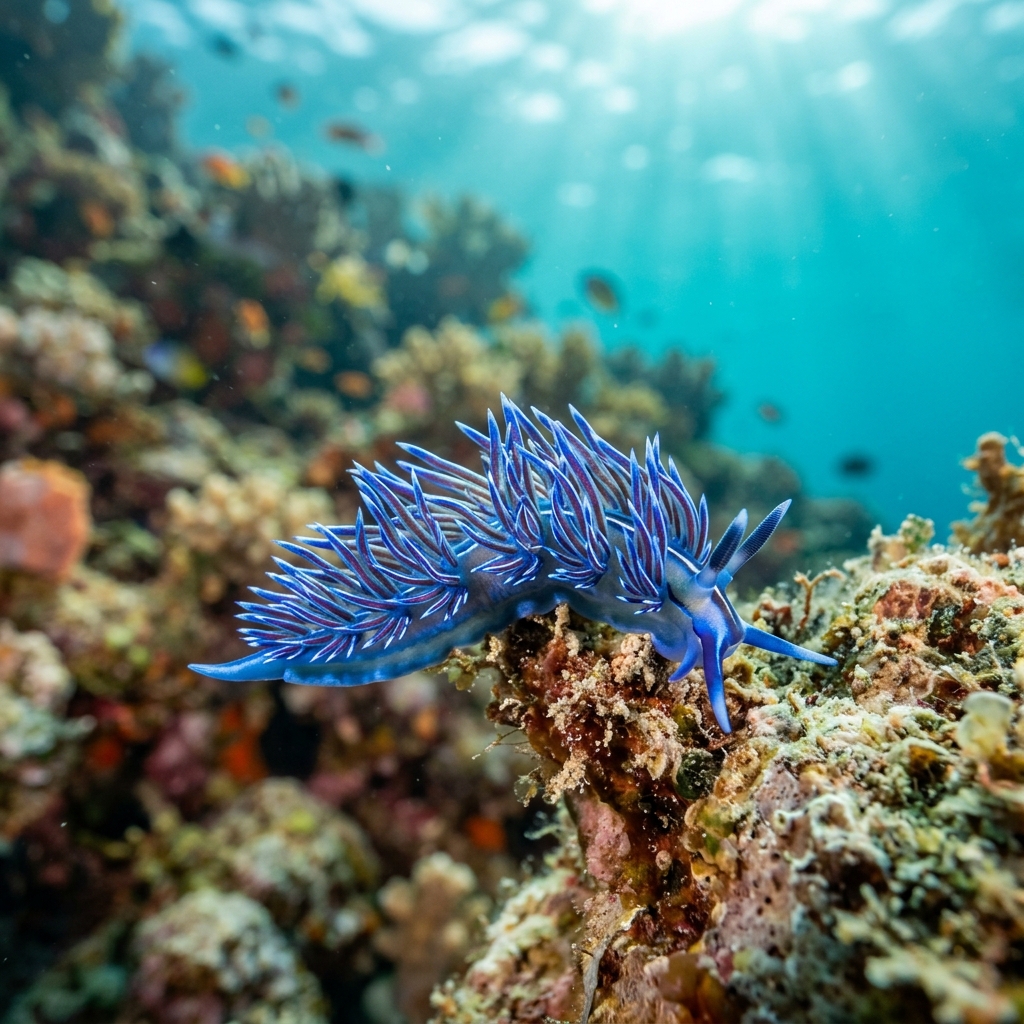
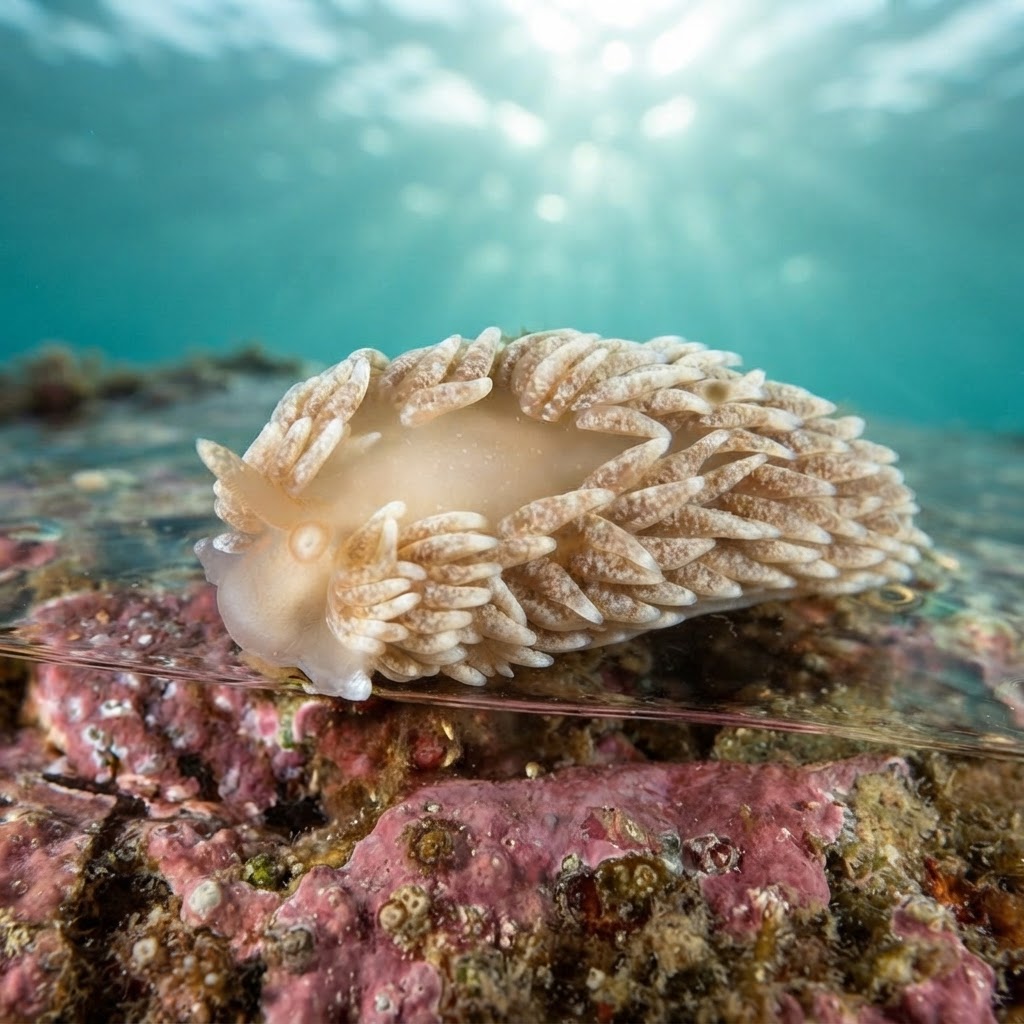
An elongated, soft-bodied slug with a tapering rear end and a covering of slender finger-like projections (cerata) along its back that give it a slightly furry silhouette. Colour runs from pale orange to brownish-grey, often mottled, which lets it blend into the silty or rocky bottoms it crawls over. It moves slowly across the substrate and lacks the bright contrasting patterns of many tropical nudibranchs, so divers usually spot it by shape and texture rather than colour alone.
Found crawling slowly over silt, rock or mixed seabed, usually low on the reef or seafloor rather than out in open water. It shows no particular reaction to divers beyond continuing its slow grazing pace, making it an easy subject for close macro photography if you can find one against the substrate. Most sightings come from divers scanning the bottom carefully rather than spotting it on a swim-by, since it does not stand out at a distance.
Like other aeolid nudibranchs, it likely feeds on sea anemones and can repurpose the stinging cells from its prey for its own defence, storing them in those back cerata.
No clear seasonal pattern shows in the data, so treat it as a year-round find. It sits in cold water from about 7.7 to 13.7C, conditions that persist through much of the year across its North Sea and Scandinavian range, so timing your dive around season matters less than picking these cold-water regions.
Most reliably found in the Netherlands, especially around Zeeland, where it turns up at a large number of sites. Strong populations also show up in Norway's Østlandet region and in Sweden's Bohuslän, with a smaller scatter of sightings in Wales and Scotland in the UK.
Mapping where Orange-brown Aeolid is logged…
It is most commonly logged in the Netherlands, particularly Zeeland, with further strong sightings in Norway's Østlandet region and Sweden's Bohuslän. A smaller number of records come from Wales and Scotland.
There is no strong seasonal pattern in the sighting data, so it can be found across the year. It occupies cold water between roughly 7.7 and 13.7C, which is typical of its North Sea and Scandinavian range for much of the year.
Look for a slow-moving, elongated slug covered in slender finger-like cerata along its back, coloured pale orange to brownish-grey. It usually blends closely with silty or rocky seabeds, so careful scanning of the bottom is the best way to spot one.
No. It poses no threat to divers and can be observed and photographed safely at close range.
As an aeolid nudibranch, it most likely preys on sea anemones and can store the stinging cells from its prey in its cerata for its own defence.
Site and sighting data is aggregated from diver logs, iNaturalist and GBIF. For taxonomy and conservation status:
Light-spotted Aegires
3,168 sites