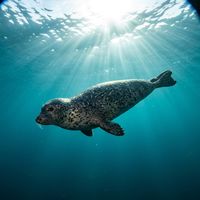
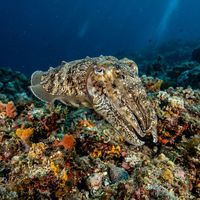
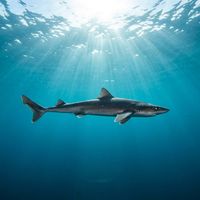
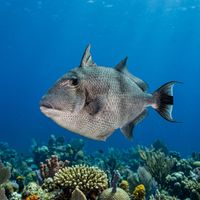
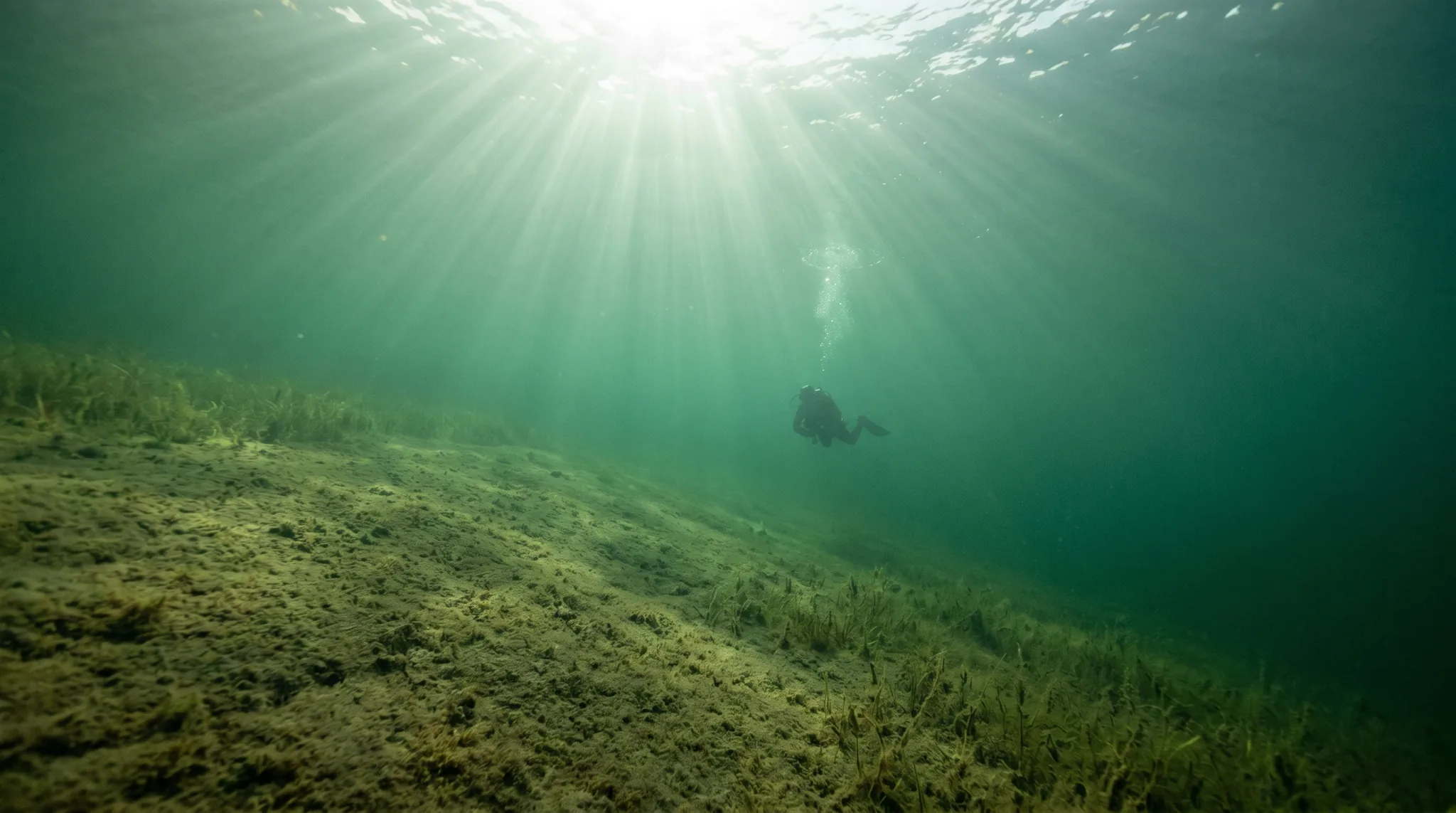
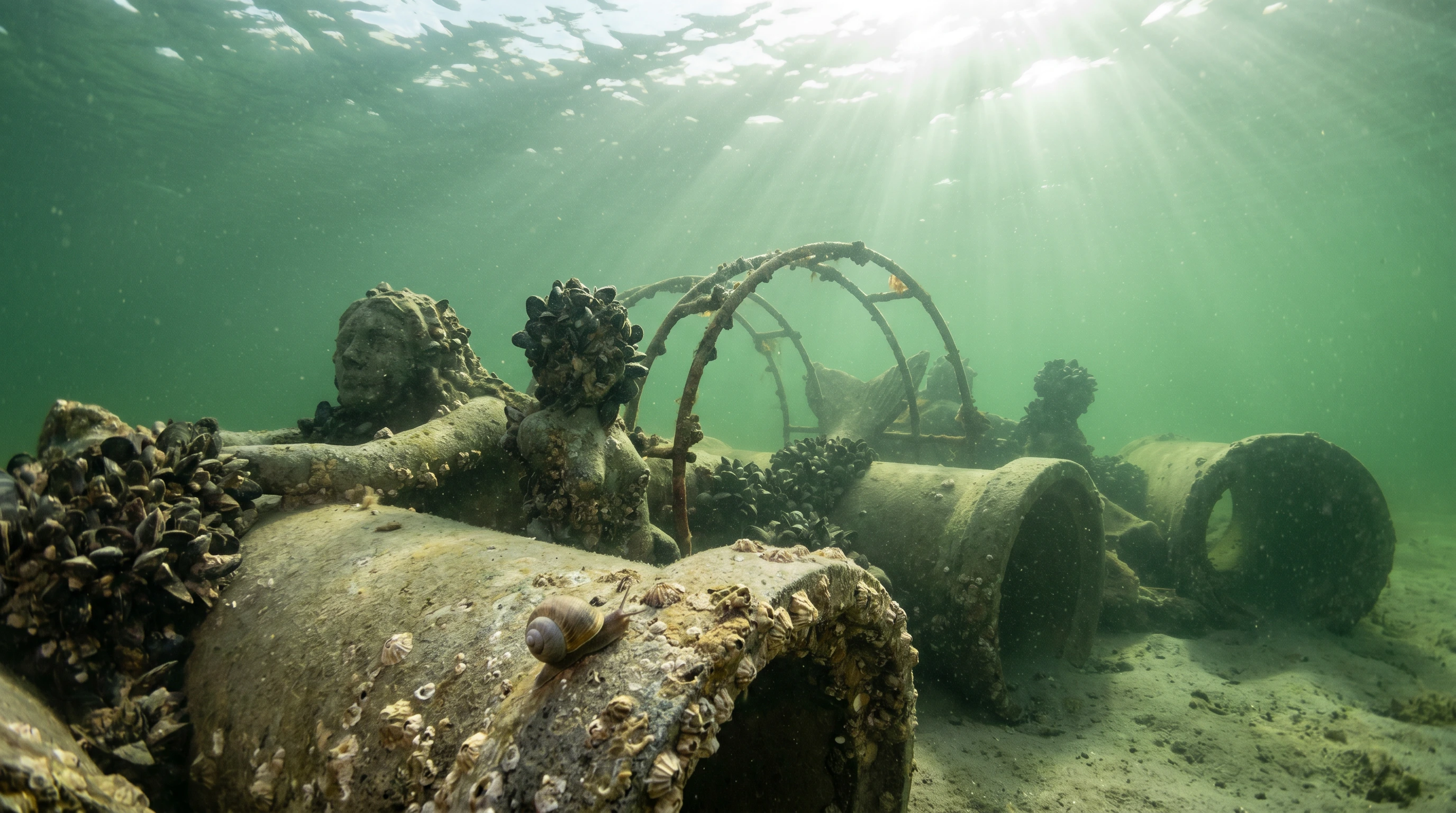
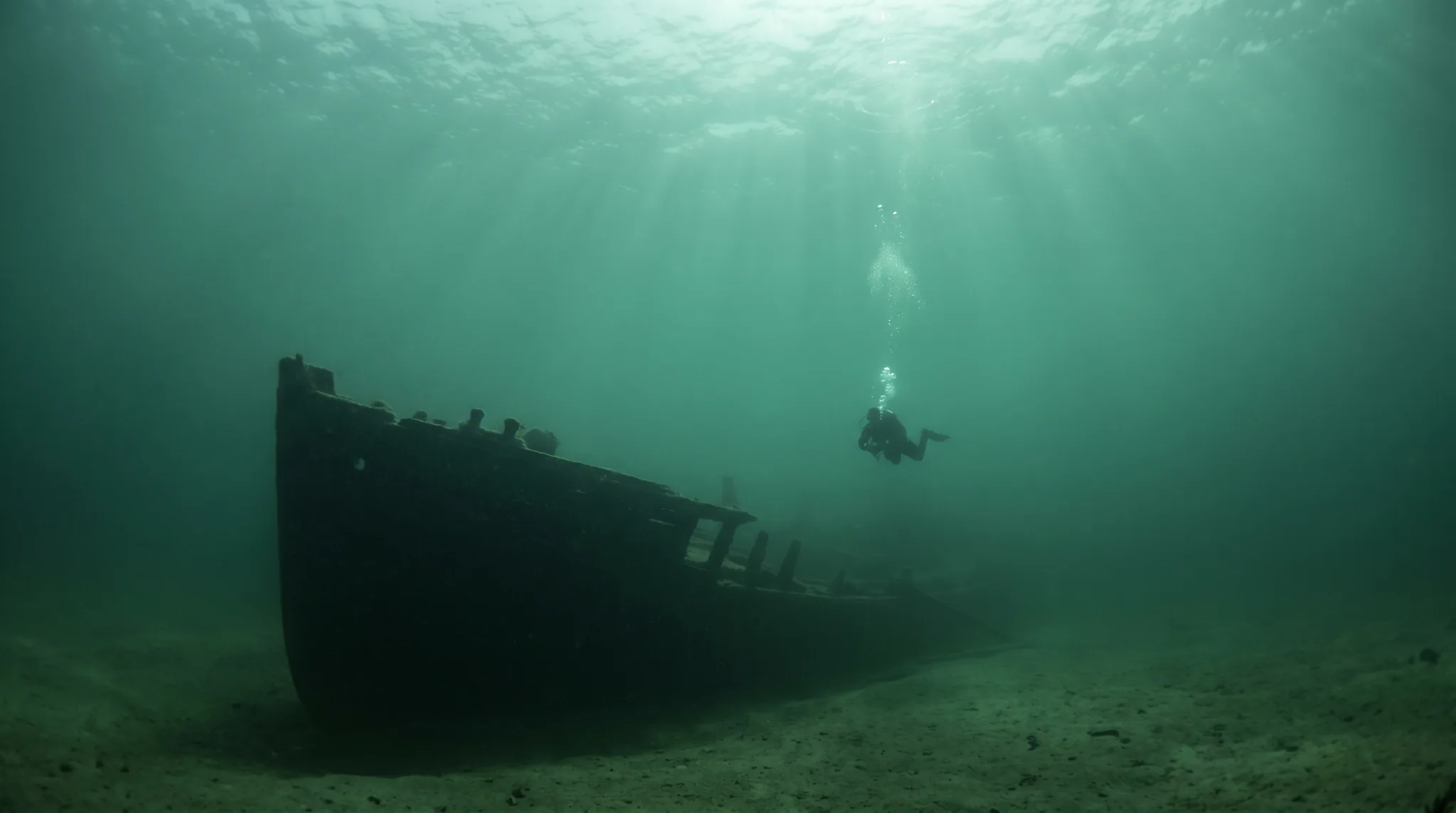
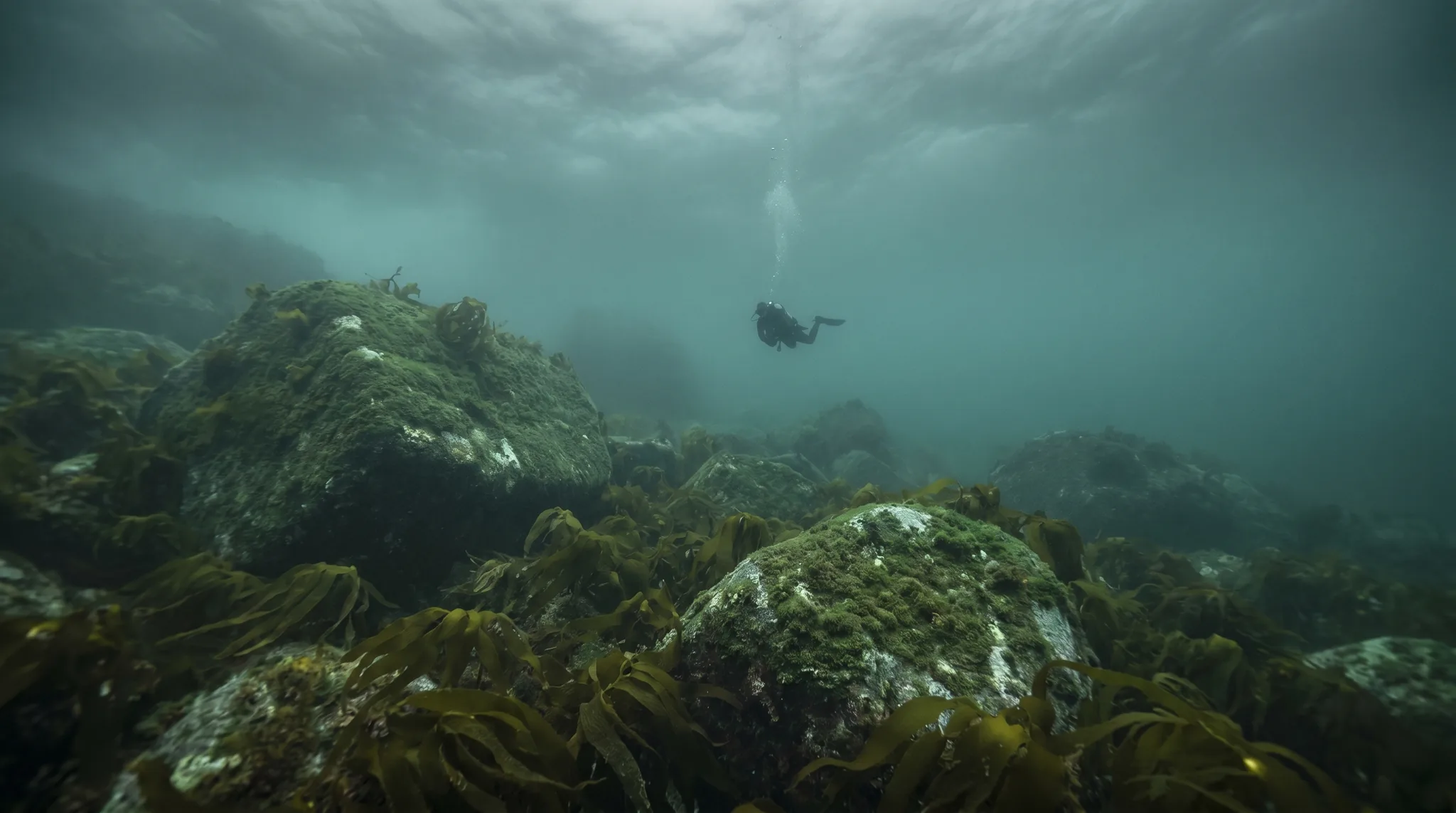
The North Zealand Coast is defined by wreck and artificial reef diving in relatively shallow, cool water. Shore entry suits beginners at sites like Sjaelland, while boat-access wrecks such as Ceylon af Bergkvara draw intermediate divers to greater depth. Harbor Seal and Cod are consistently encountered across the sites, alongside European Common Cuttlefish, Dogfish, Grey Triggerfish, and Righteye Flounder. Water is cold through winter and warms noticeably from late spring into early autumn.
Monthly water temperature across North Zealand Coast's sites, from satellite sea-surface data corrected for depth. The band shows the site-to-site spread.
Water temperatures sit near freezing through winter and climb gradually from spring, reaching their warmest in July through September before dropping sharply in autumn. Summer months offer the most comfortable conditions for exploring the wrecks and artificial reefs, with visibility at its most reliable. Drysuits are practical for much of the year given the cold baseline.
15 operators
Rydeback, Denmark
Espergaerde, Denmark
13 more sites to explore
Water temperature around North Zealand Coast ranges from about 4°C in January to 17°C in July, based on satellite sea-temperature data for its dive sites.
In the warm season (about 17°C) a 7mm or semi-dry suit is comfortable in North Zealand Coast; in the coldest months (about 4°C) step up to a drysuit.
Fin maps 15 sites in North Zealand Coast (15 scuba diving sites).
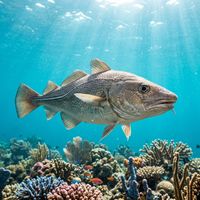
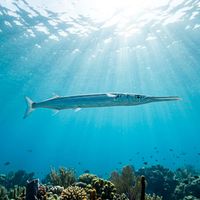
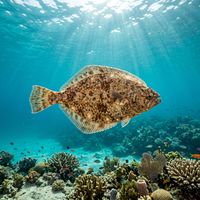
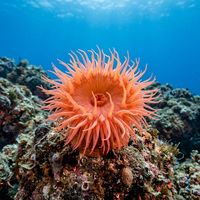
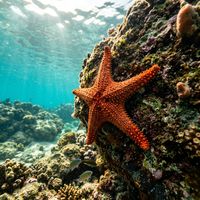
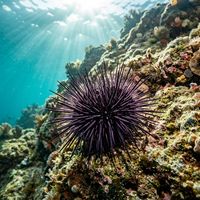
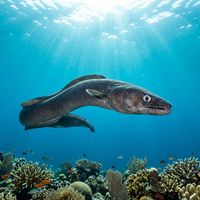
Harbor Seal and Cod are among the most frequently observed species across the sites. European Common Cuttlefish, Dogfish, Grey Triggerfish, Needlefish, and Righteye Flounder are also very commonly encountered. Invertebrate life on the wrecks and reefs includes Sea Anemone, Sea Star, Sea Urchin, and European Green Crab, with occasional sightings of Conger Eel and Pipefish.
Yes, the area includes sites specifically suited to beginner divers. Sjaelland is a shallow wreck and artificial reef with a shore entry, making it an accessible first wreck experience. Intermediate divers are catered for as well, with deeper boat-access wrecks such as Ceylon af Bergkvara offering more complex dives.
Access varies by site: some, like Sjaelland, are reached directly from shore, while others such as Ceylon af Bergkvara require a boat. A good number of local operators and clubs serve the area, including DykkerService Nordsjælland, Gilleleje Sportsdykkerklub Bundskraberen, Sportsdykkerklub Aquanaut, and Bubblewatcher, among others.
Wrecks and artificial reefs are the dominant site types across the region. The wrecks range from very shallow shore entries to deeper boat-access shipwrecks, giving the area a consistent character whether you are on a first-time wreck dive or looking for something more involved. The artificial reef structure on many sites also supports a healthy variety of invertebrate and fish life.