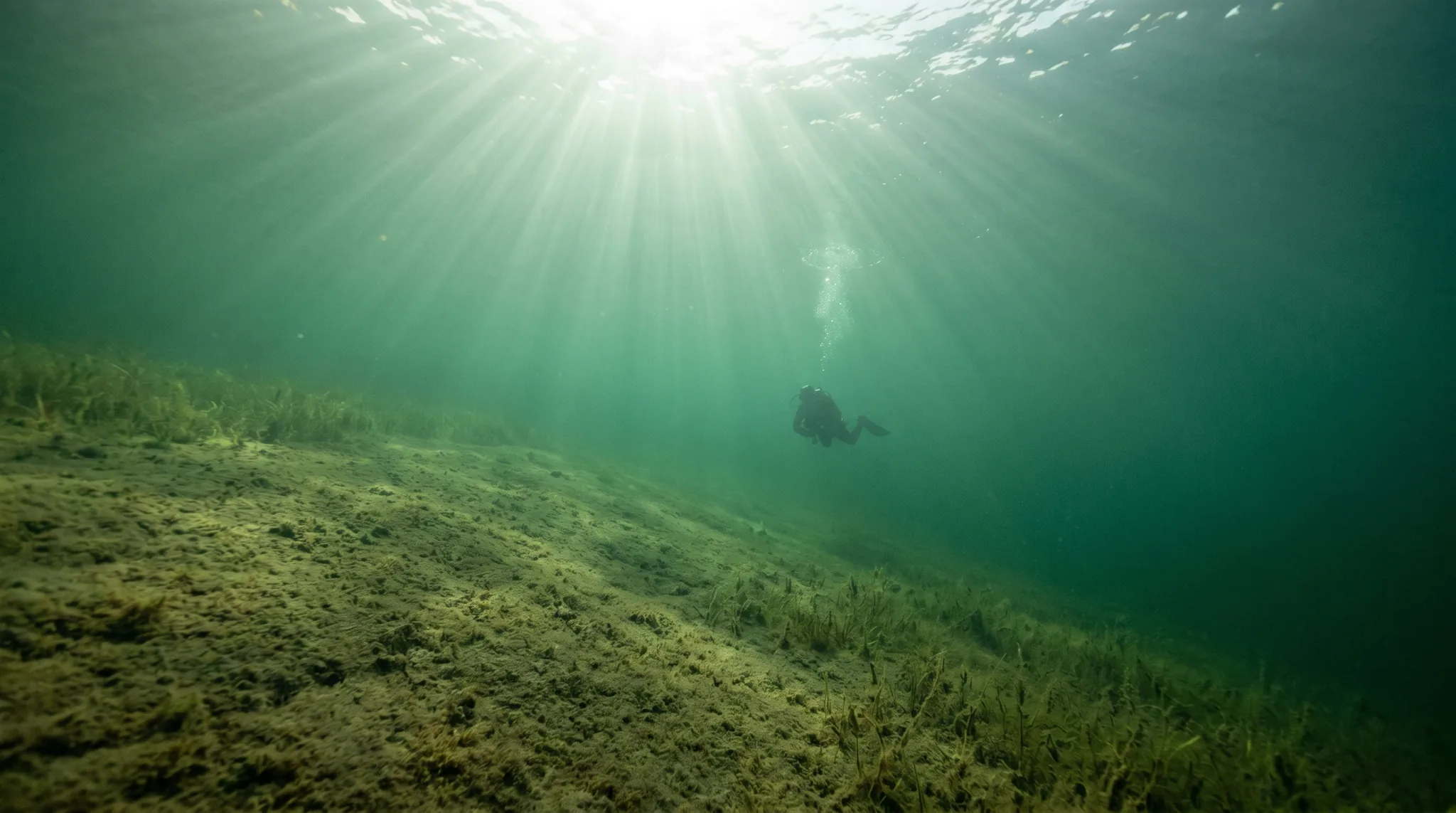
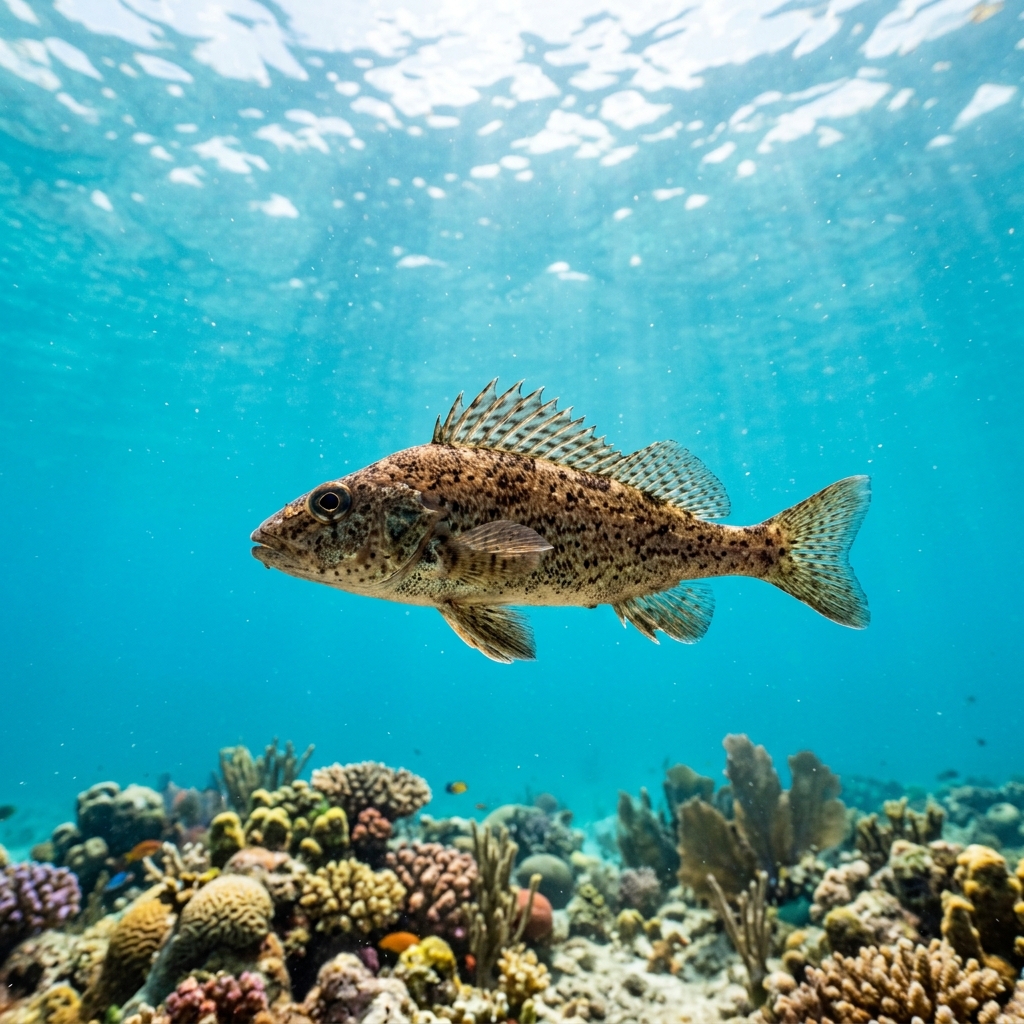
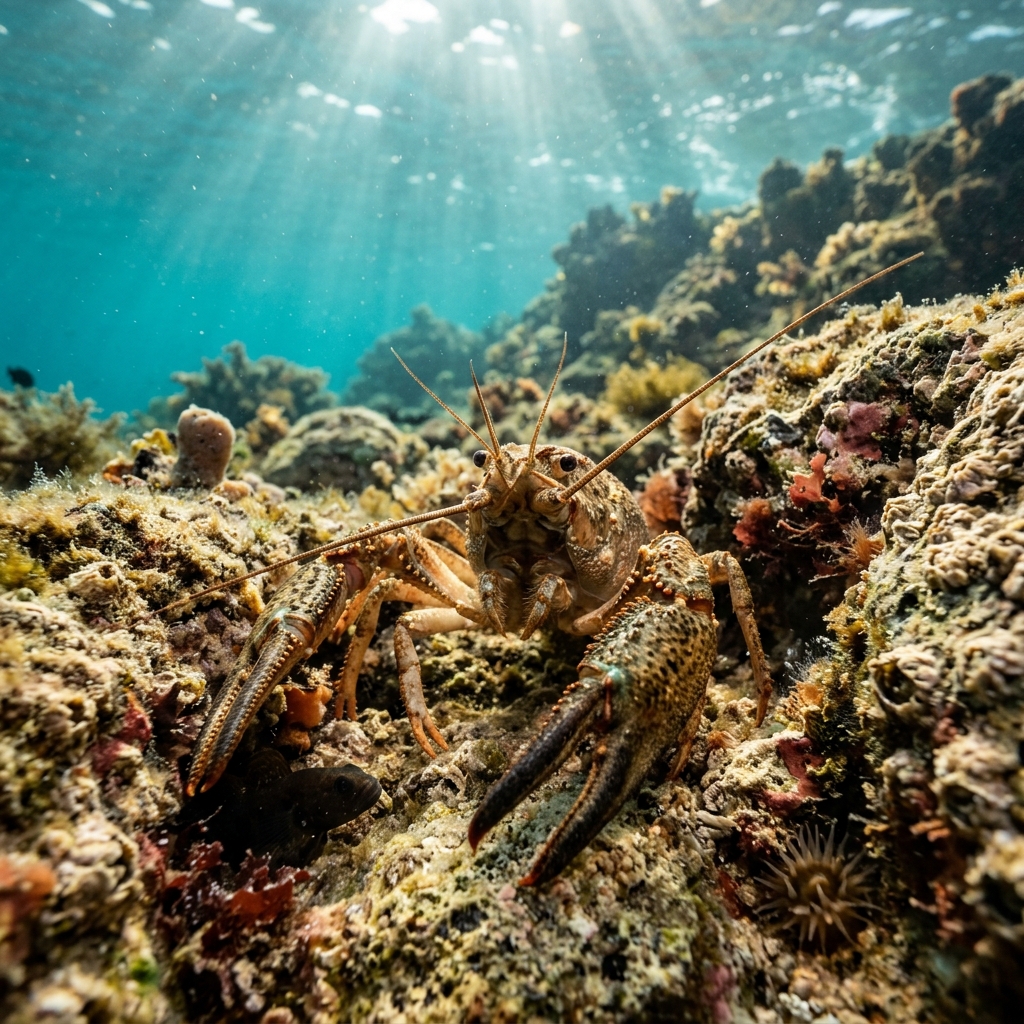
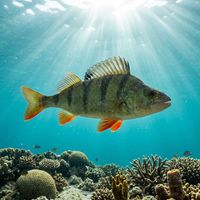
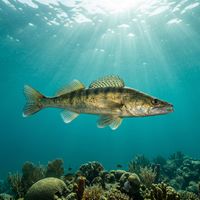
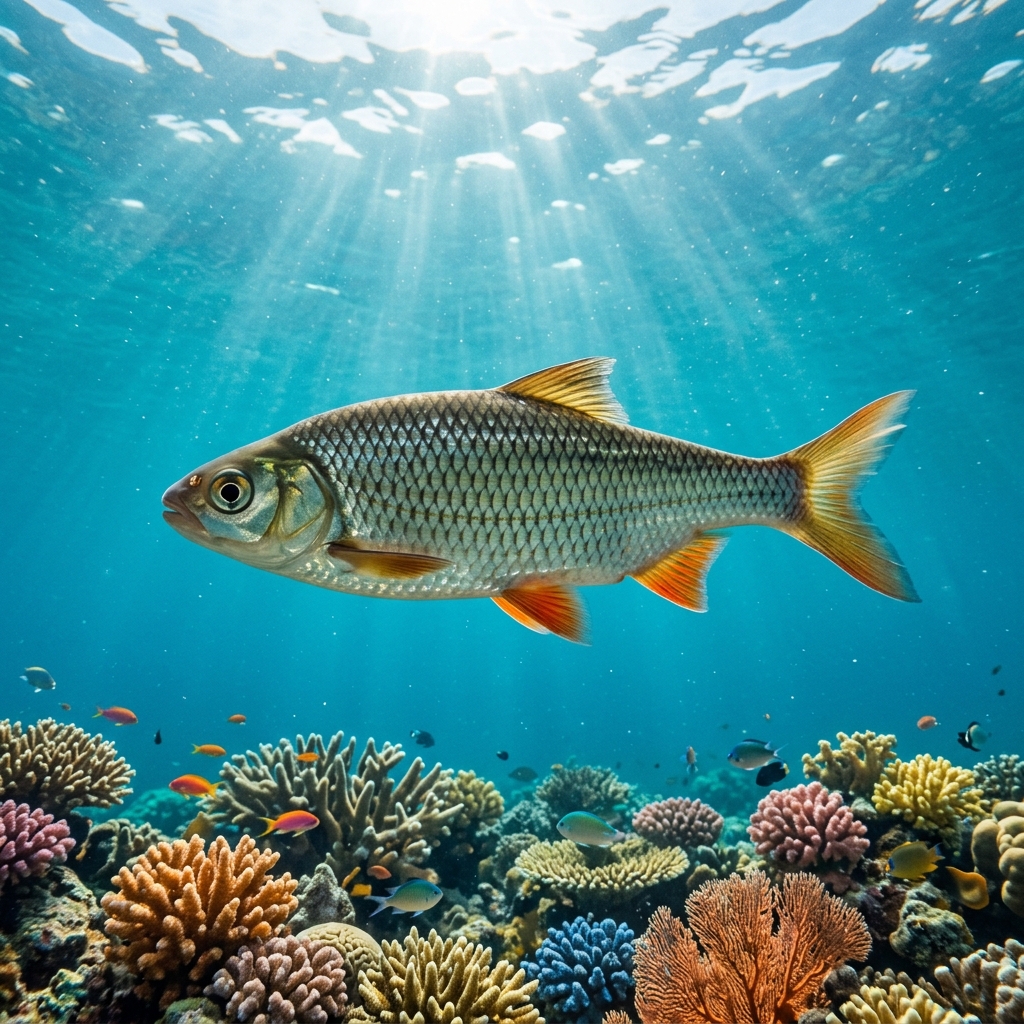
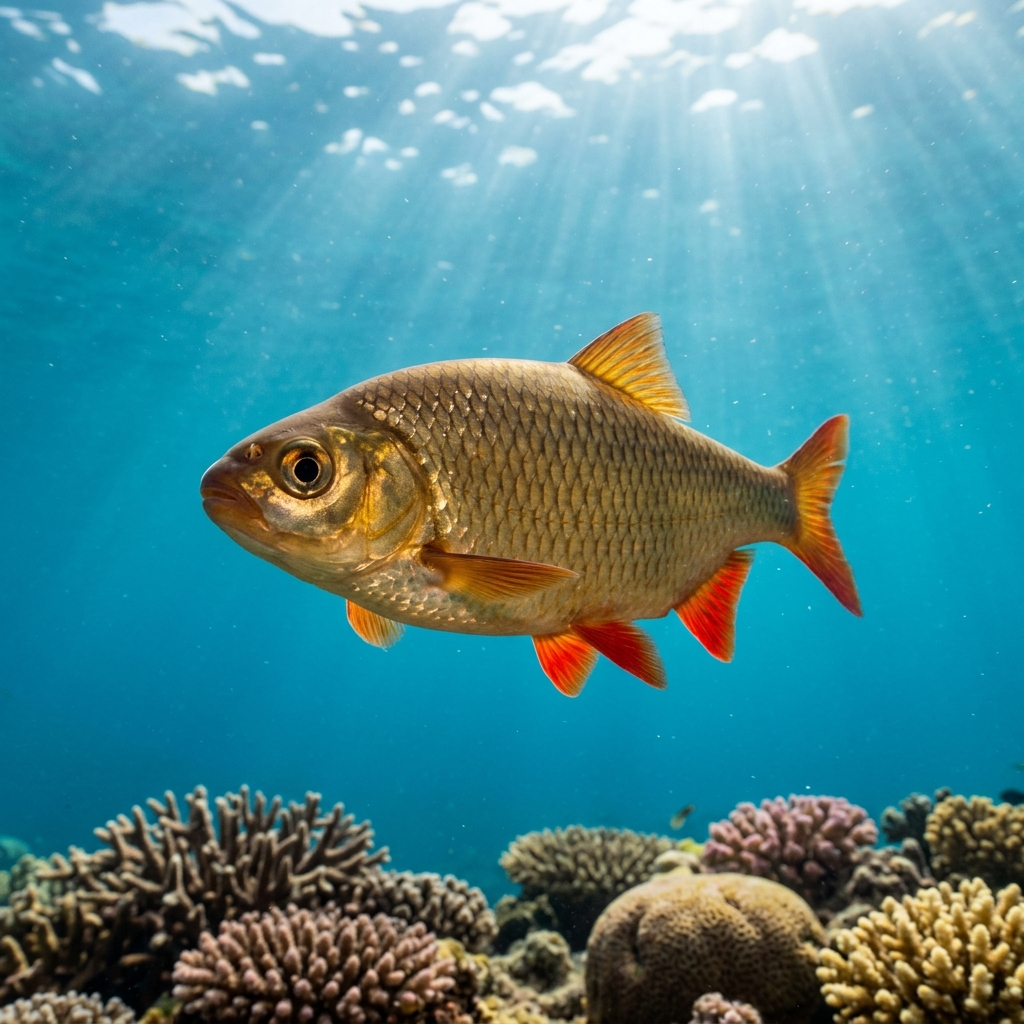
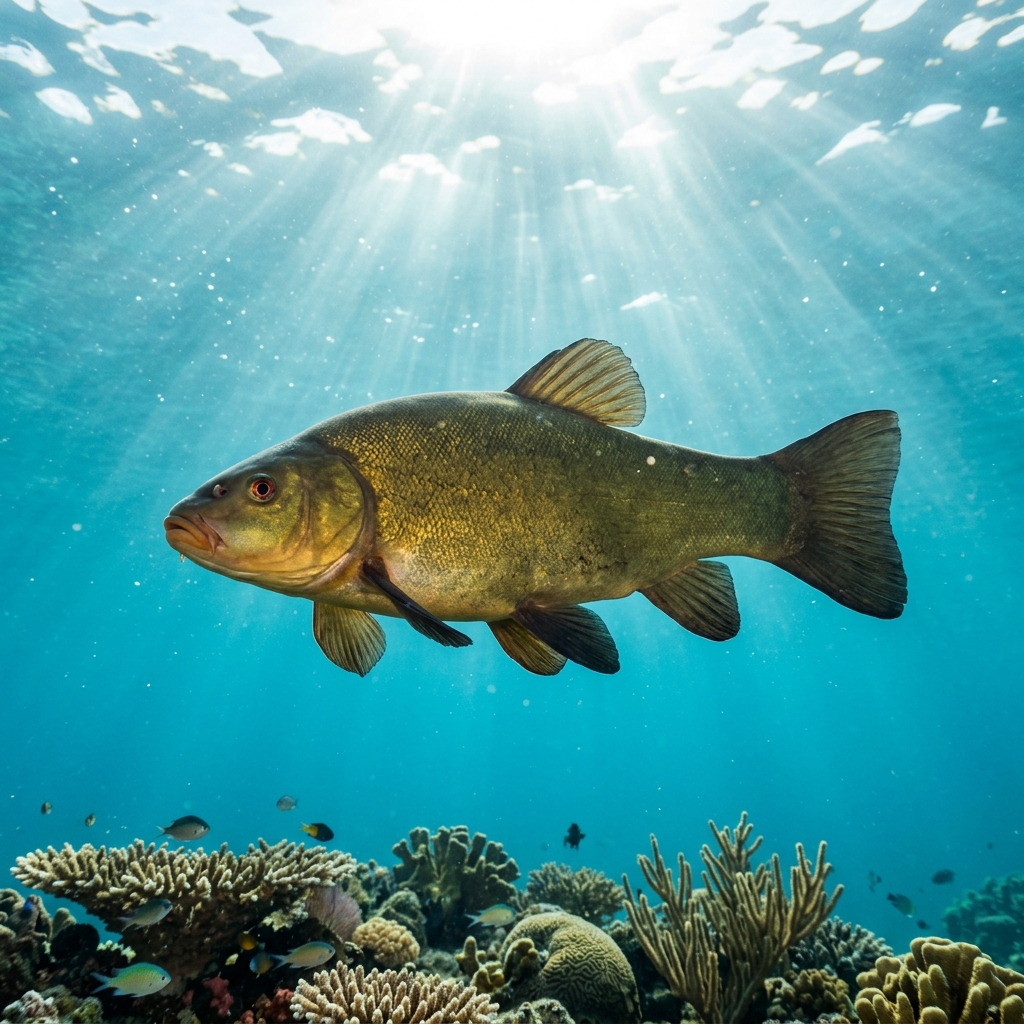
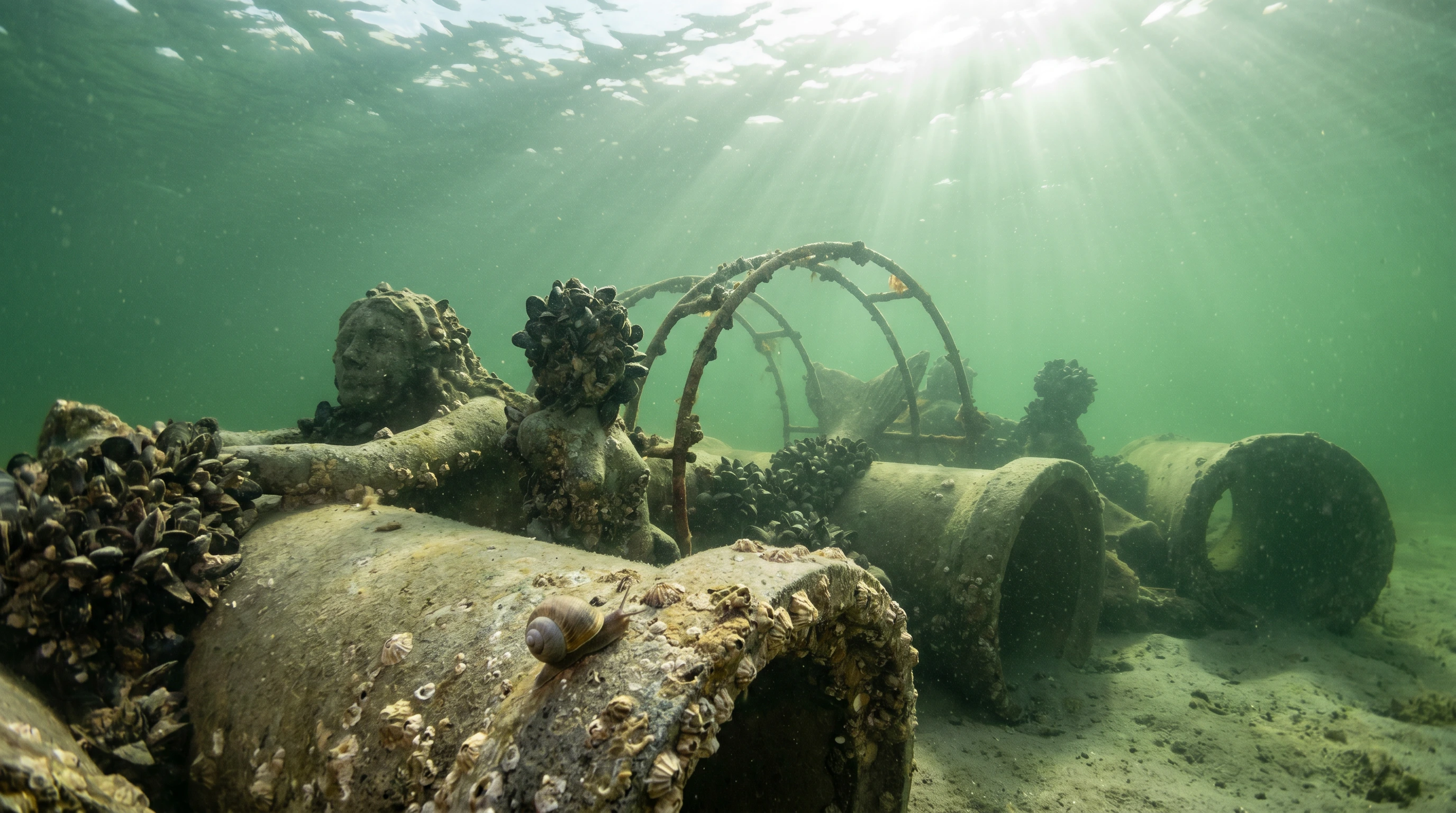
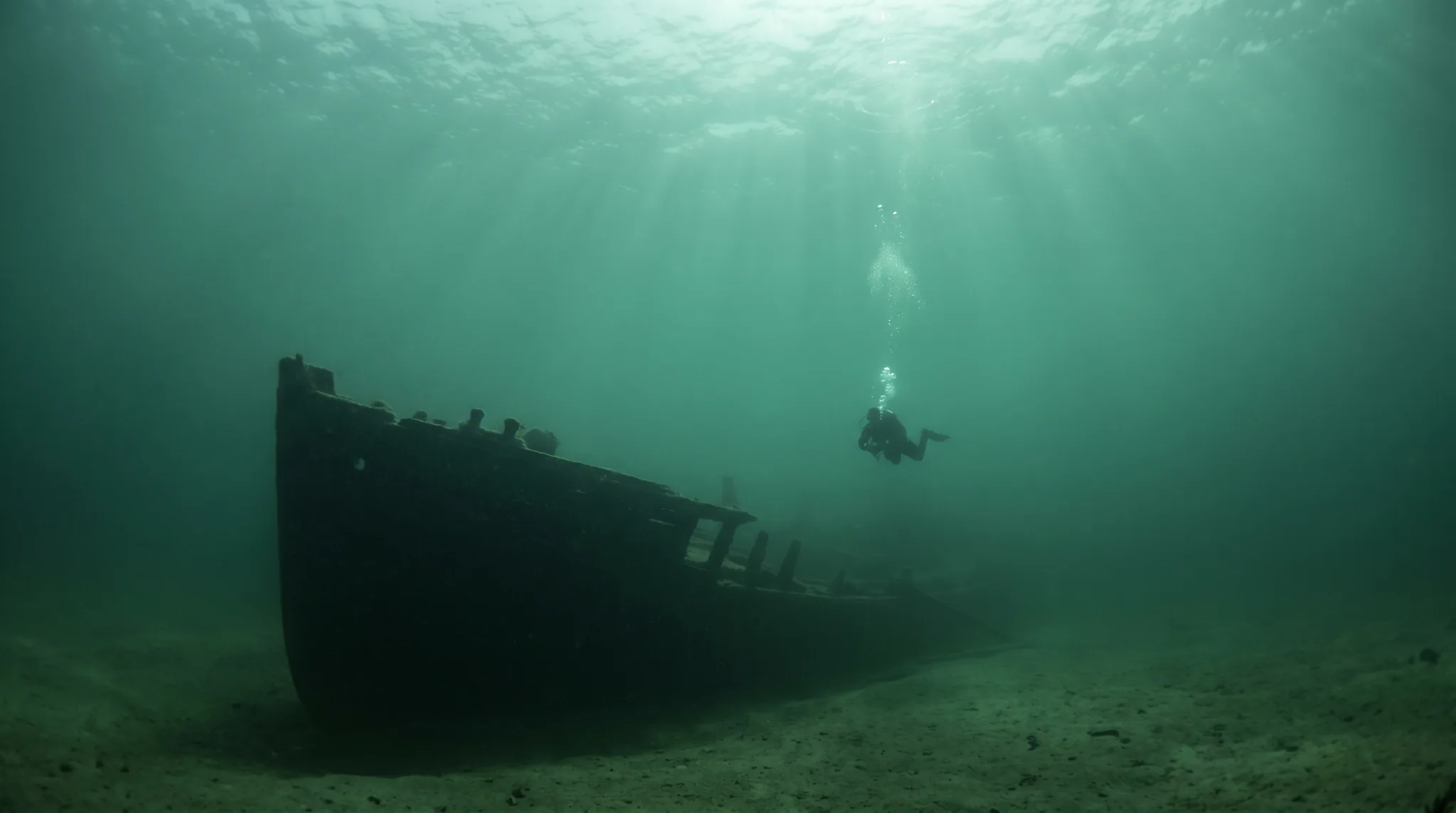
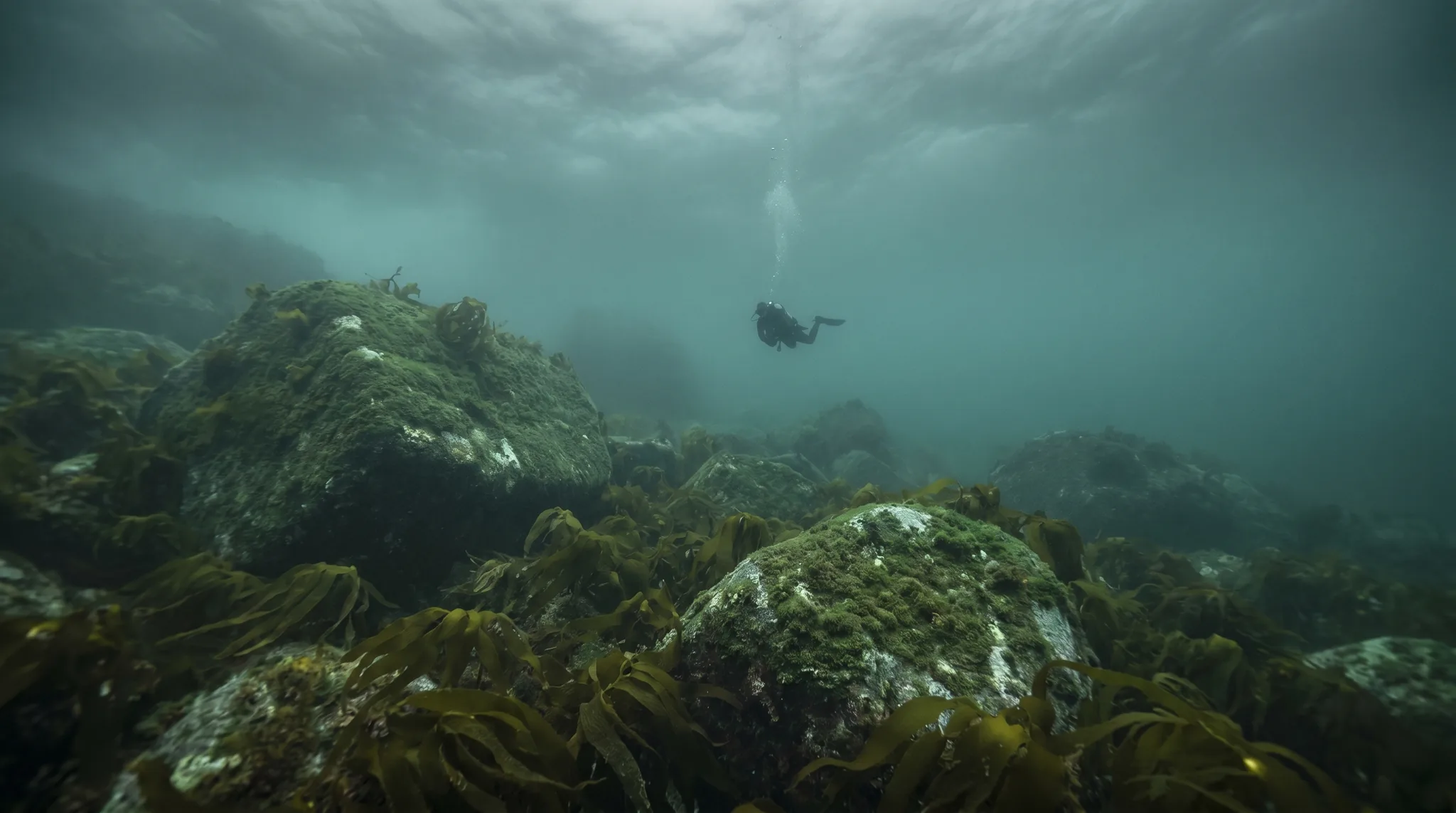
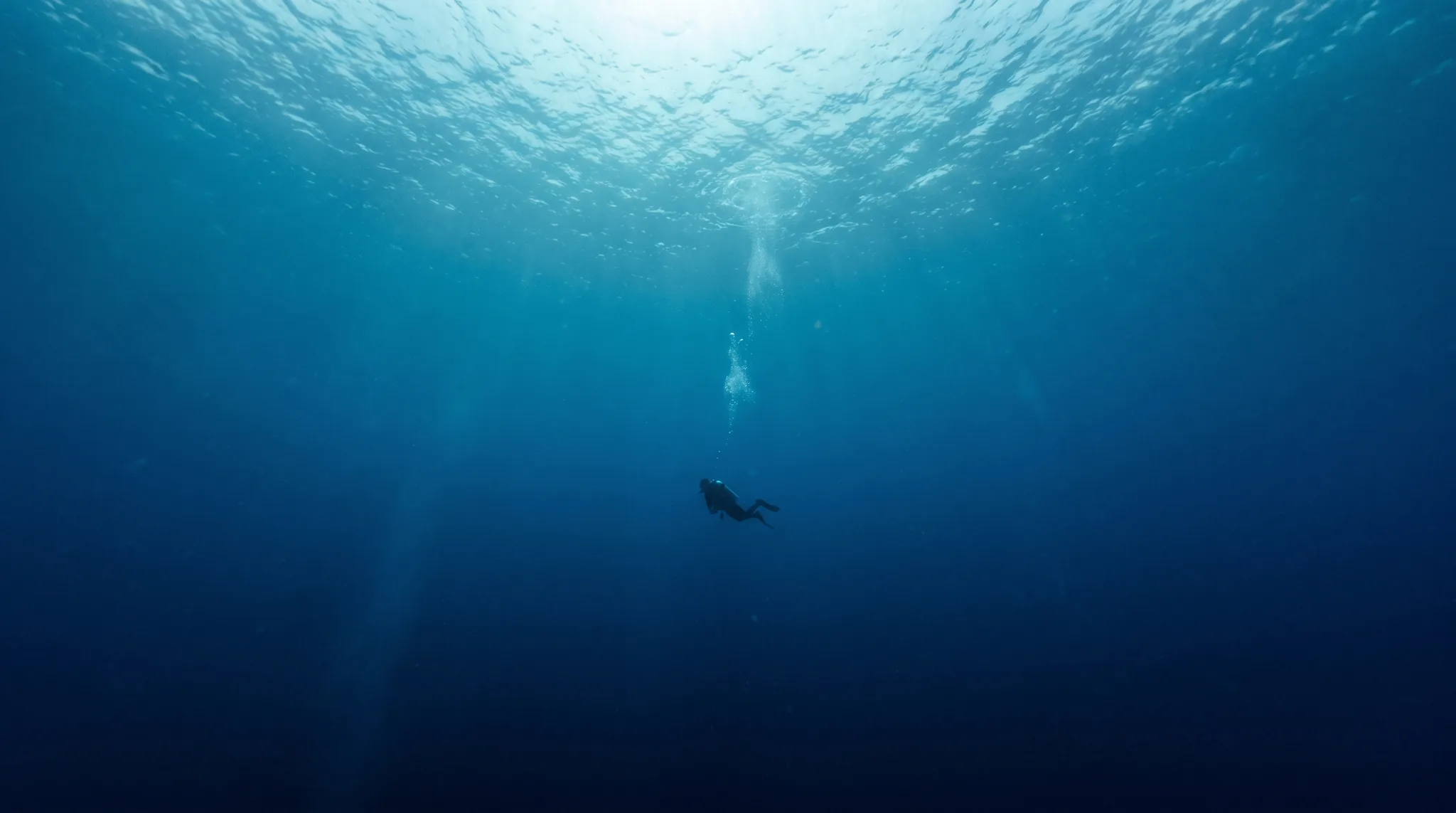
Furesø is Denmark's deepest lake, formed by glacial activity, and offers a freshwater alternative to the country's coastal diving. Shore entry is from Furesøbad, where shallow areas between two and five metres hold kelp forests, mussel banks, and crown needle algae, with deeper sections reaching fifteen metres. Visibility can be low, making buoyancy control and compass navigation useful skills to practise here. Species are entirely freshwater: European eel, pike, perch, carp, burbot, tench, Turkish crayfish, and bronze bream are all recorded. Water temperatures are cold in winter and warm to their peak in midsummer, then cool again through autumn.
Monthly water temperature across Furesø's sites, from satellite sea-surface data corrected for depth. The band shows the site-to-site spread.
Lake temperatures follow a clear seasonal curve, cold through winter and early spring, warming to their peak in midsummer, then dropping through autumn. Low visibility is a consistent factor and makes this a practical site for navigation and buoyancy practice. Late spring through early autumn offers the most comfortable conditions.
10 operators
Vindinge, Denmark
Frederikssund, Denmark
Herlev, Denmark
Stavnsholt, Denmark
Ballerup, Denmark
Denmark
Water temperature around Furesø ranges from about 4°C in January to 18°C in July, based on satellite sea-temperature data for its dive sites.
In the warm season (about 18°C) a 5mm suit is comfortable in Furesø; in the coldest months (about 4°C) step up to a drysuit.
Fin maps 3 sites in Furesø (3 scuba diving sites and 1 snorkelling spots, with some suited to both).
3 more sites to explore