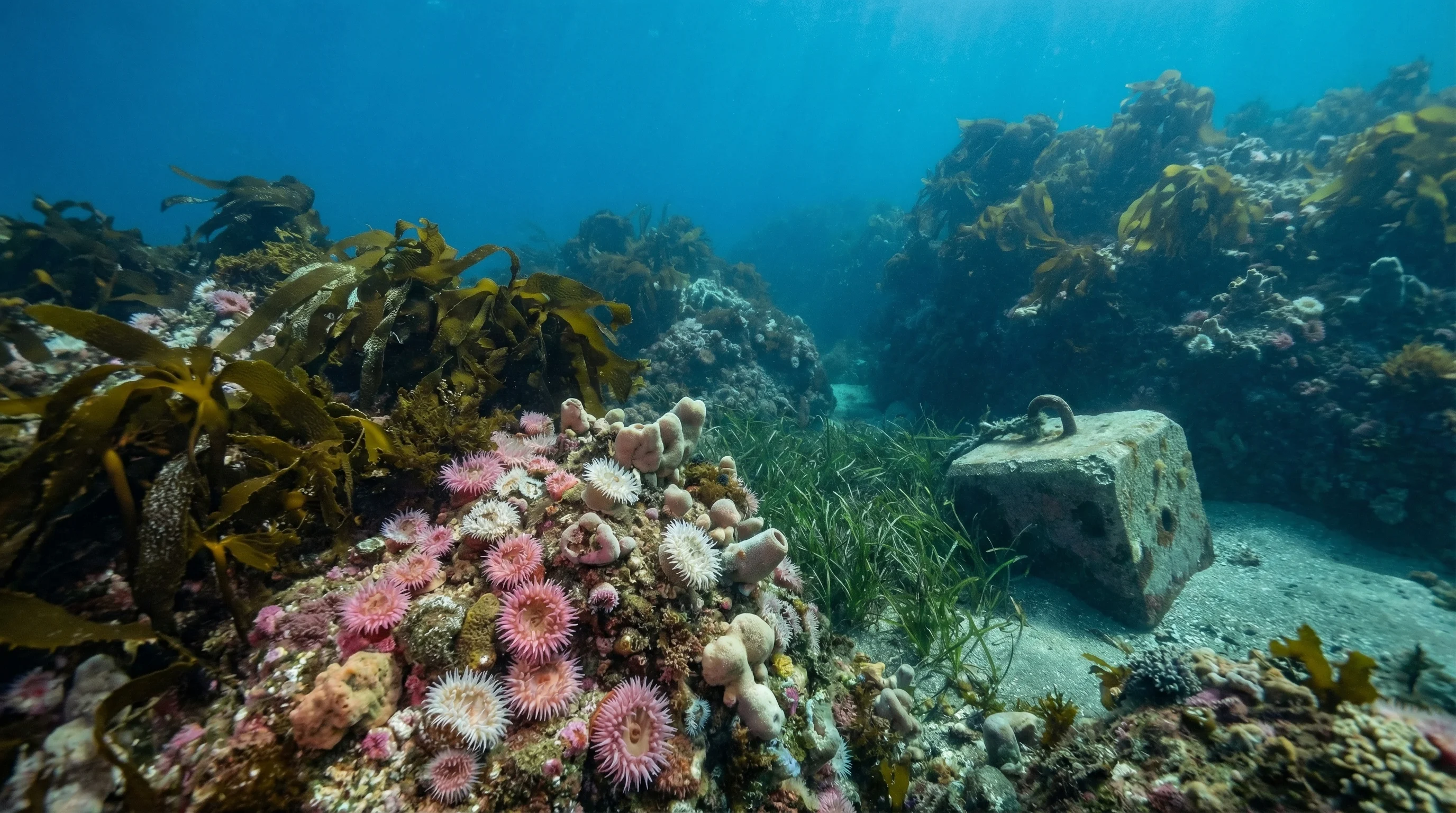
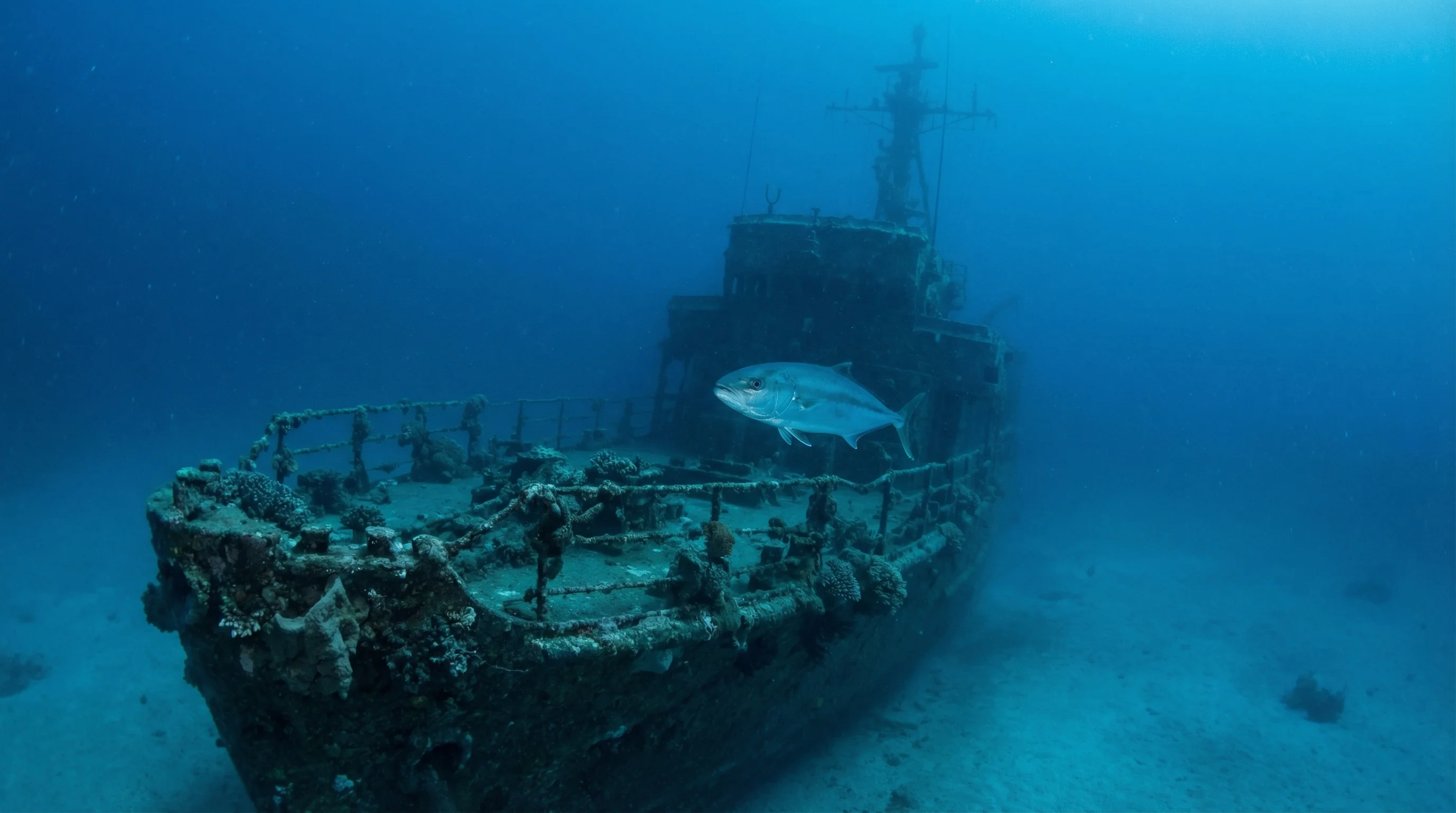
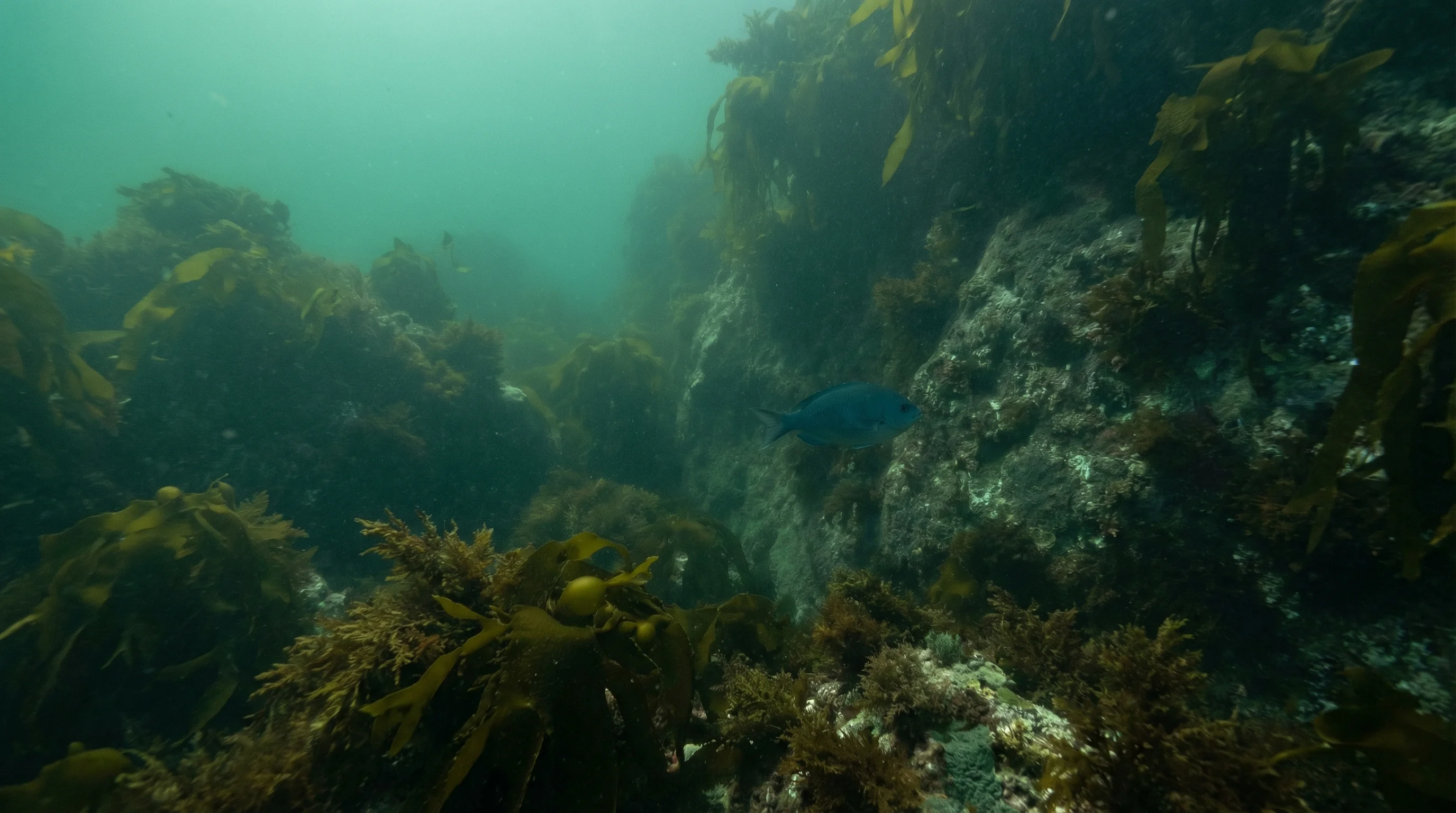
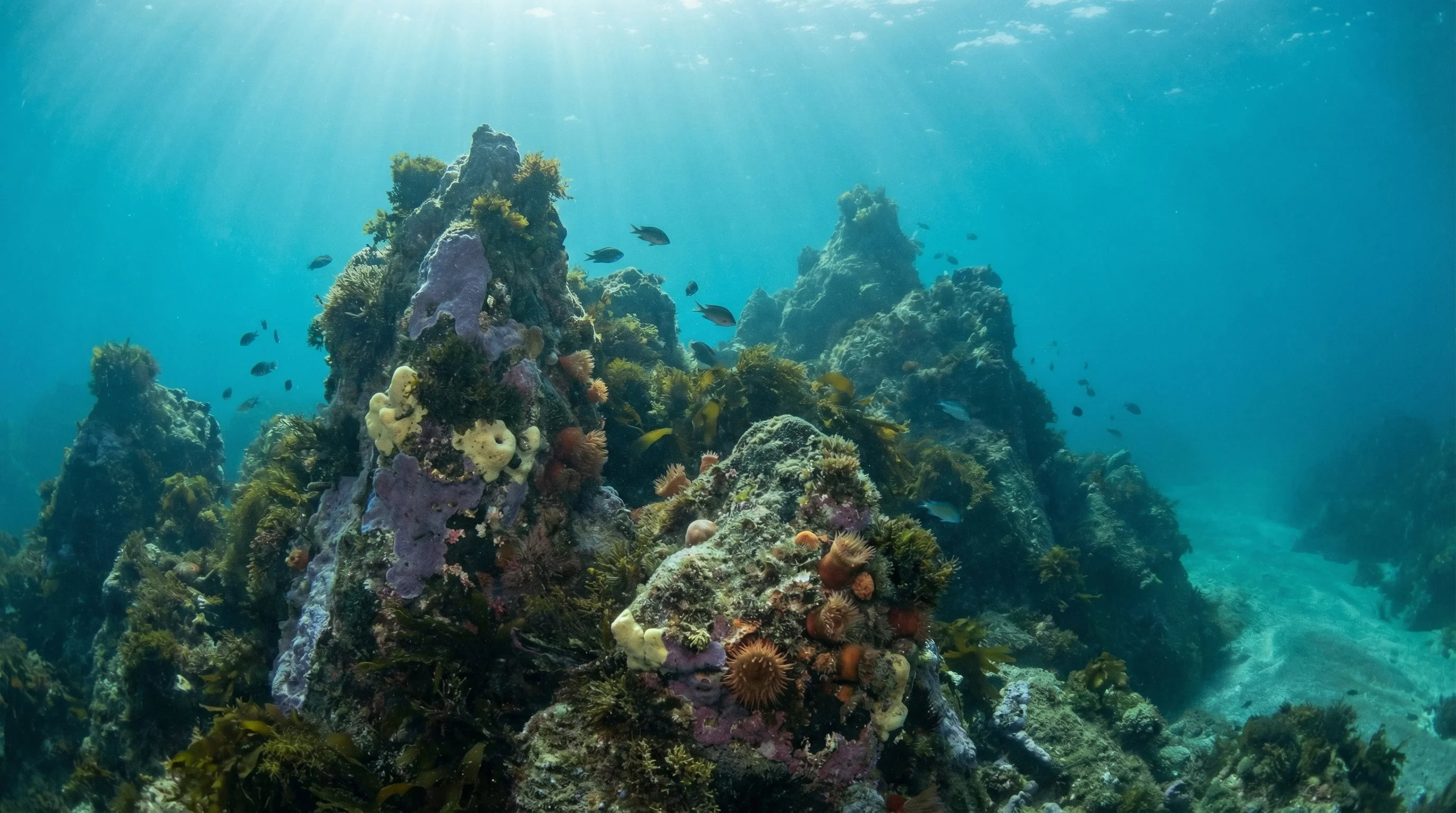
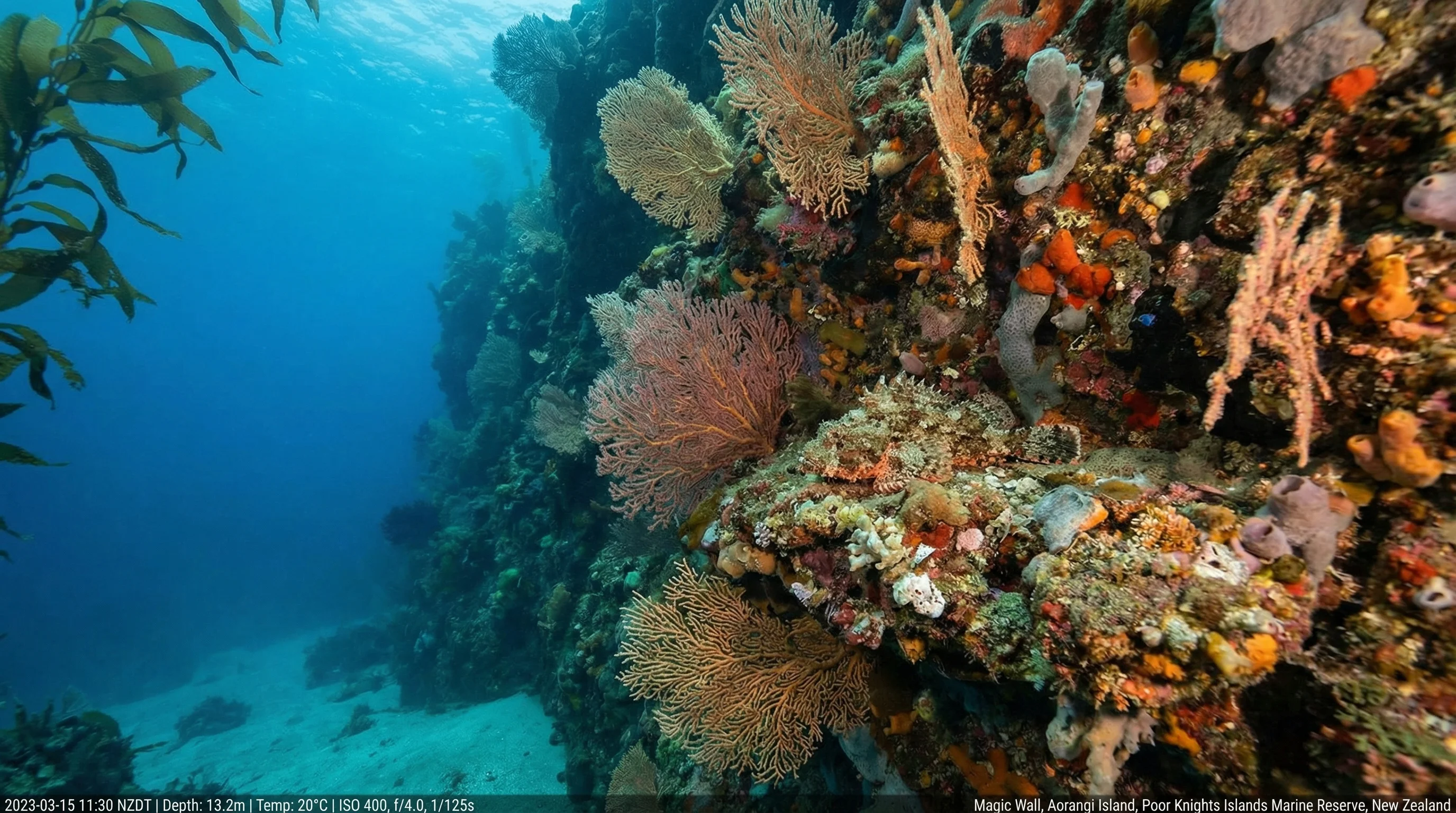
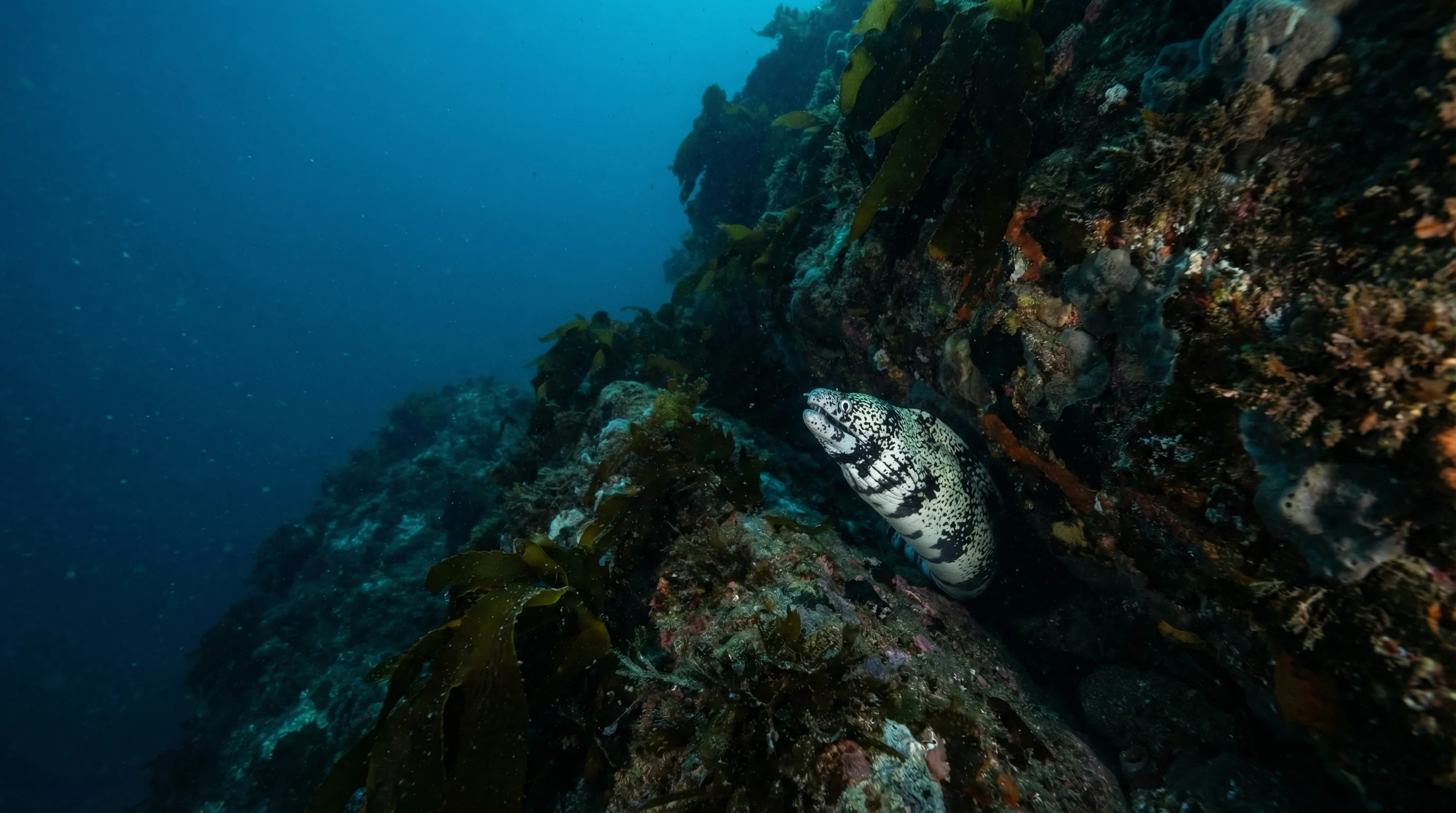
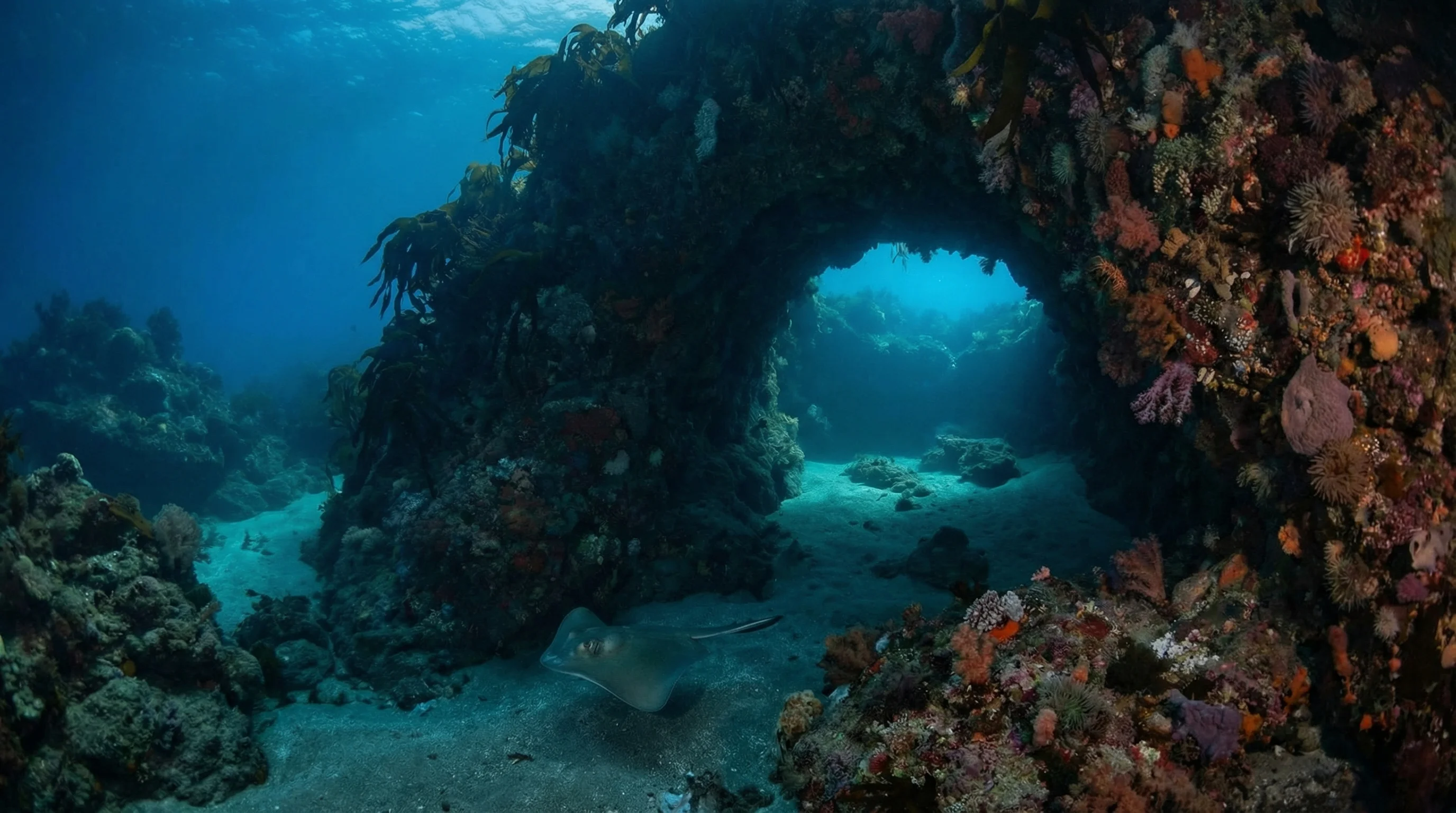
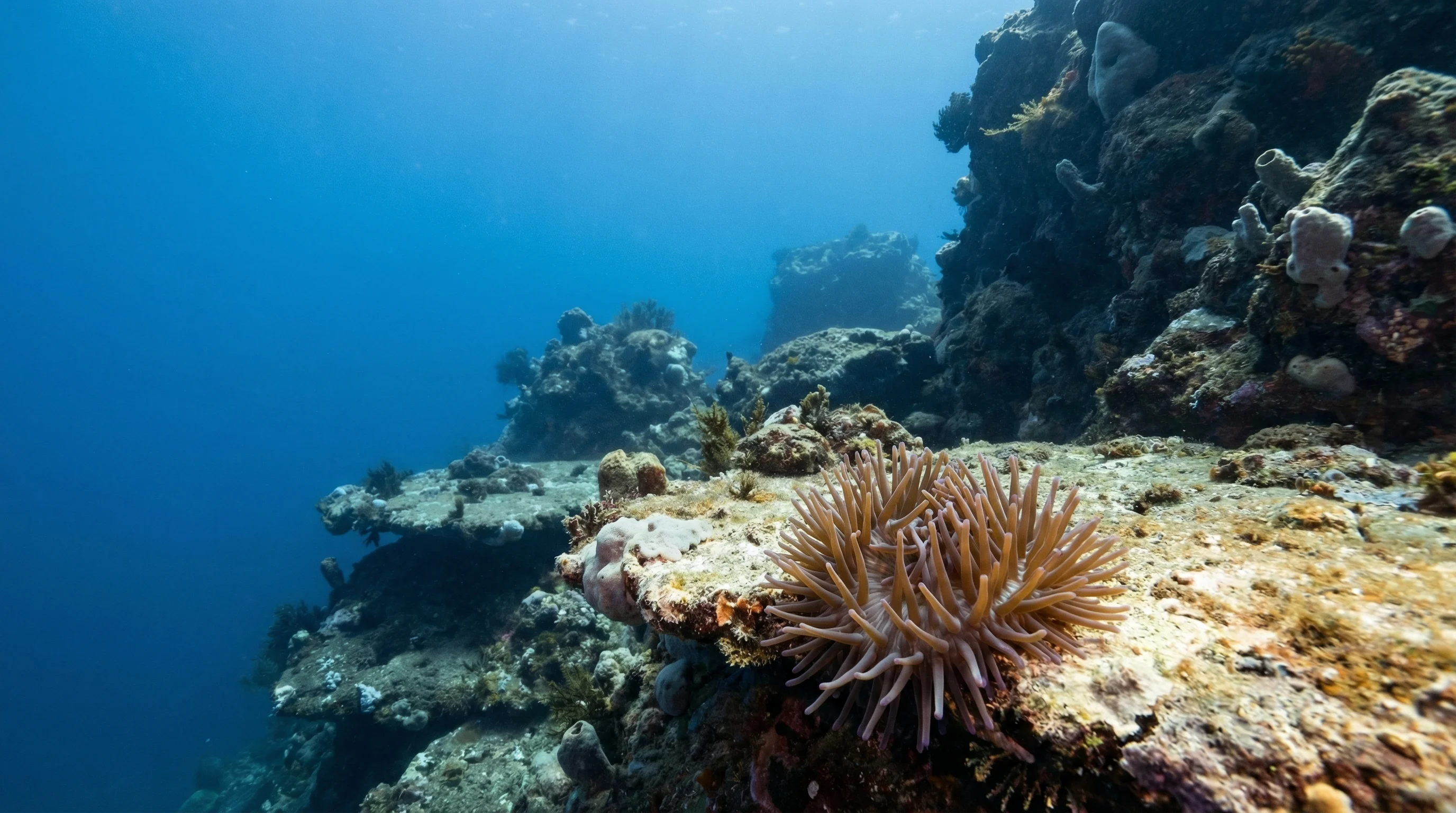
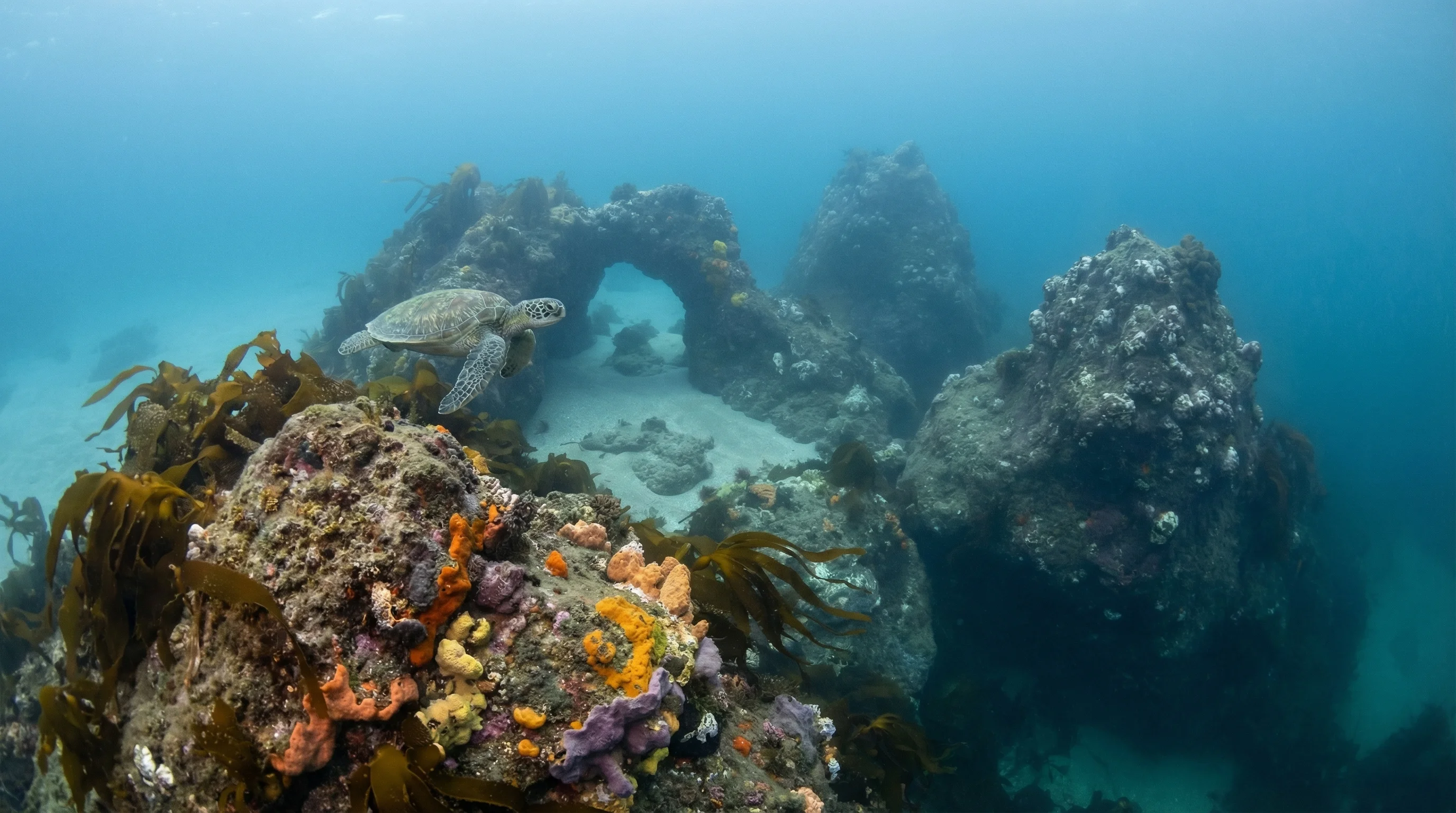
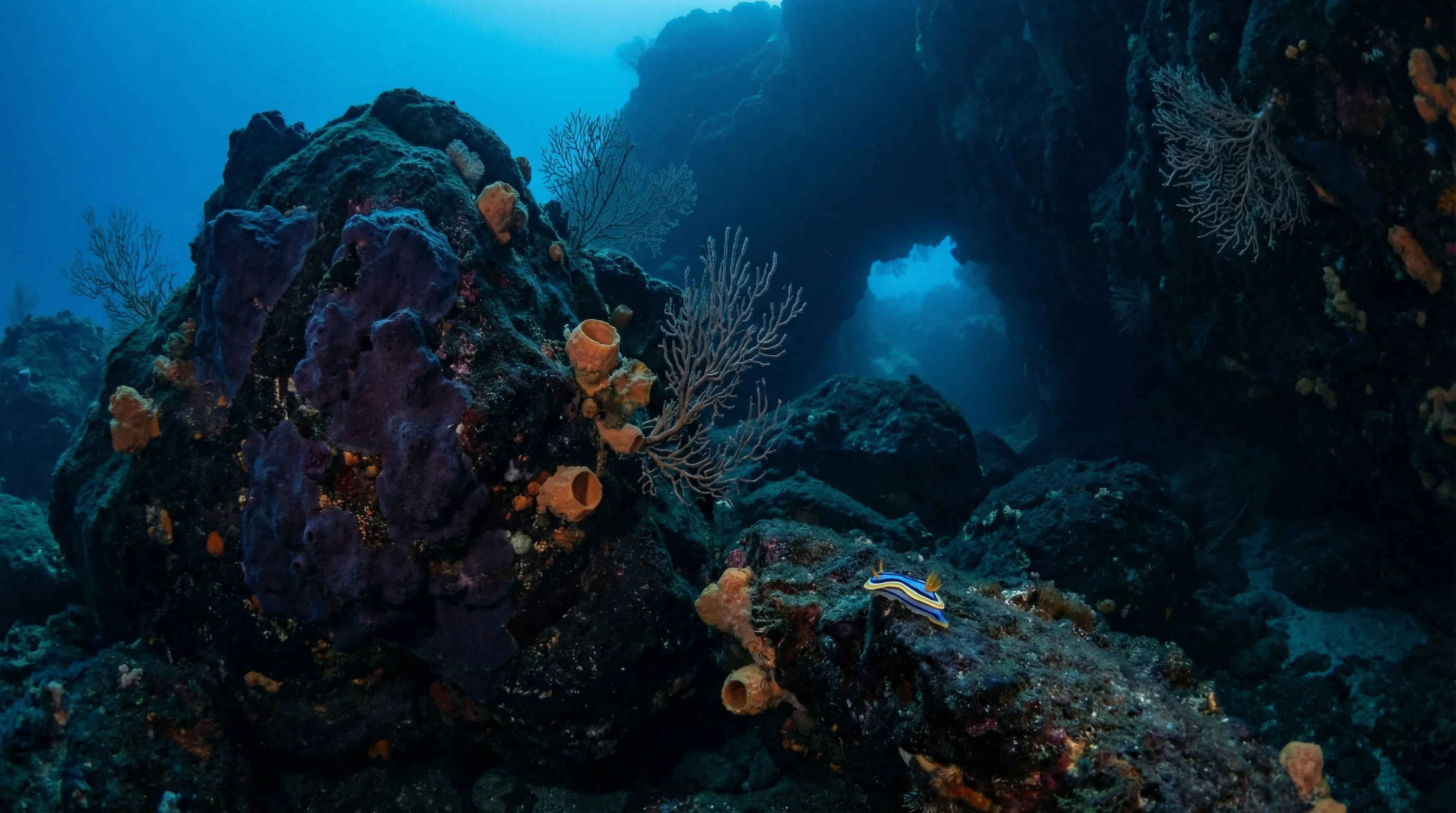
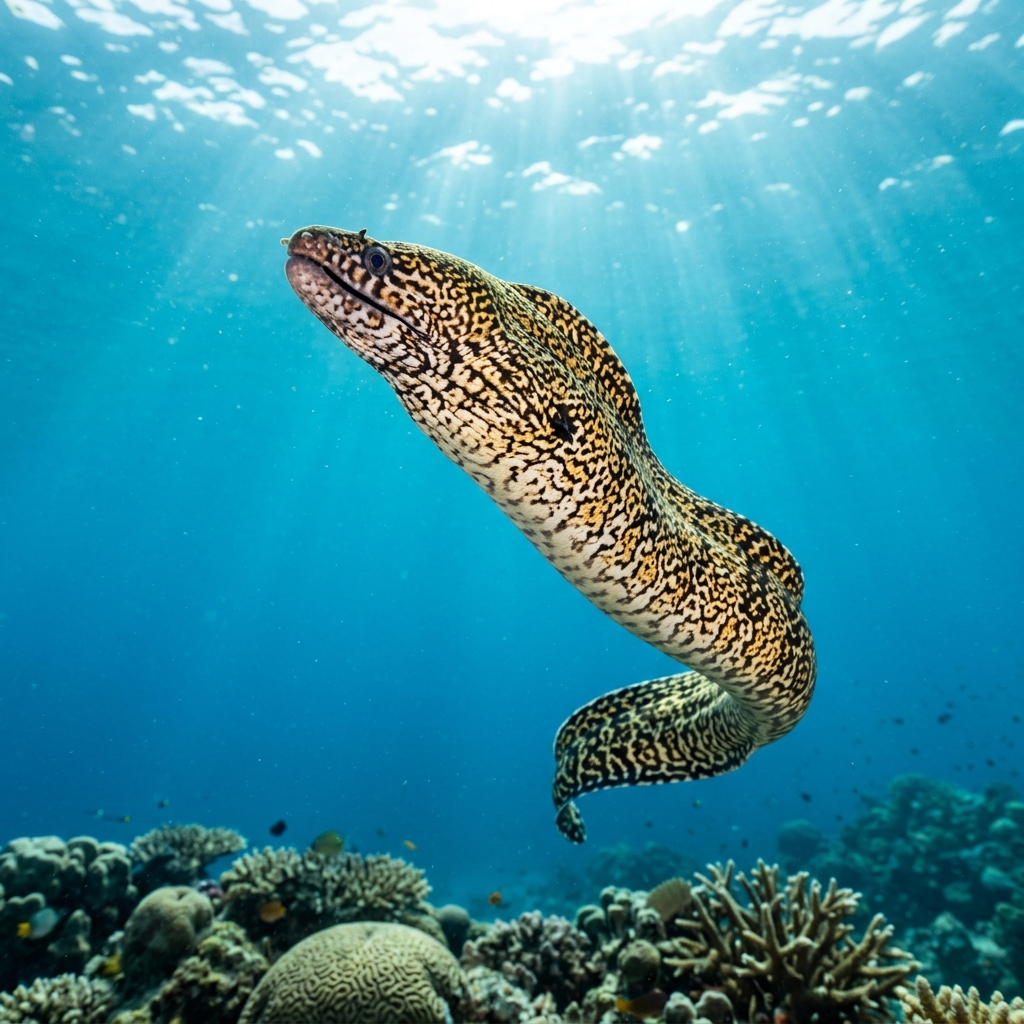
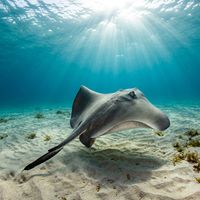
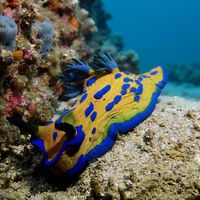
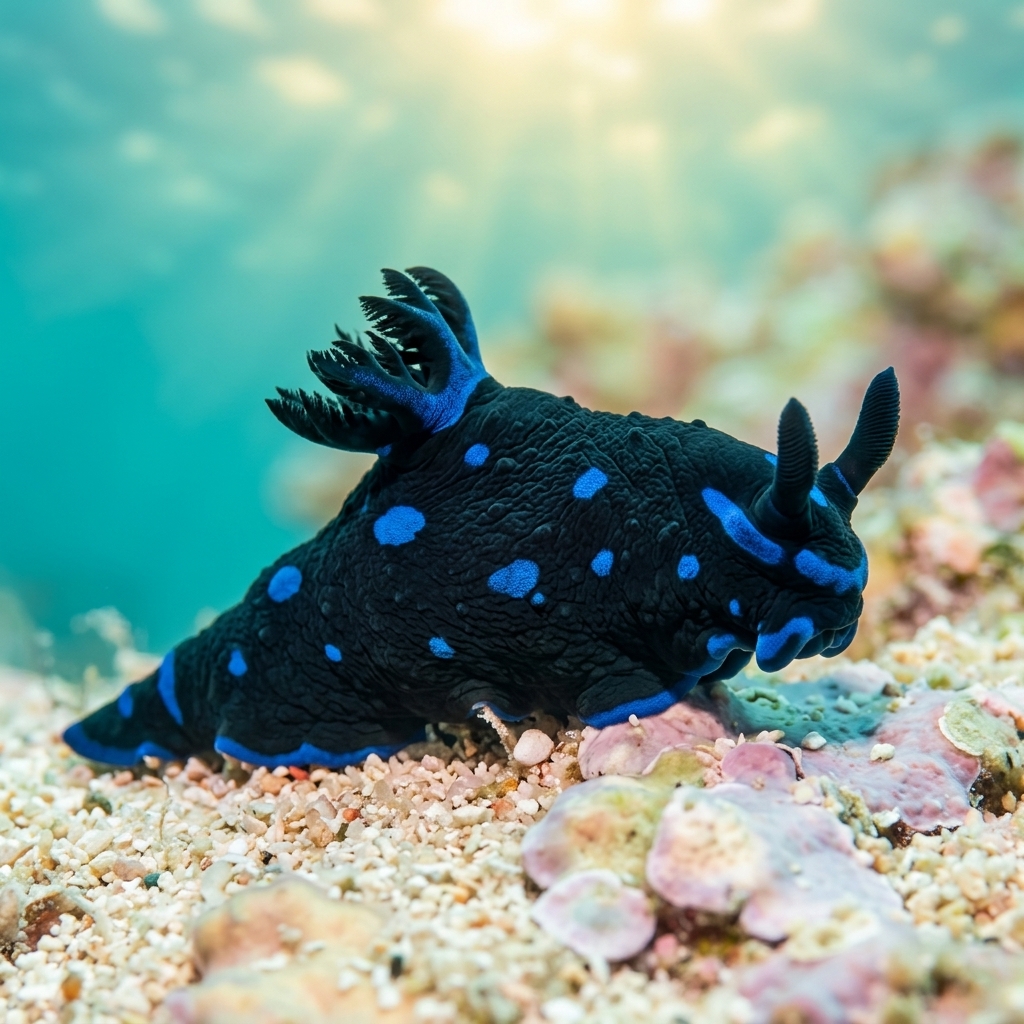
The Poor Knights Islands is a boat-access dive destination built around caves, arches, walls and pinnacles. The single sub-area, RikoRiko Cave, organises all sites from sheltered beginner bays like Nursery Cove and Cleaner Fish Bay through to deep advanced dives at Northern Arch and Landing Bay Pinnacle. Morays are a constant presence, with Green Moray, Mosaic Moray and Cloudy Moray observed across sites. Nudibranchs, including Fine-lined Tambja and Verco's Nudibranch, appear throughout the reef topography alongside Kingfish, Smooth Ray and Eagle Ray.
1 areas
Monthly water temperature across Poor Knights Islands's sites, from satellite sea-surface data corrected for depth. The band shows the site-to-site spread.
Water is warmest from December through March, making the late-summer months the most comfortable for extended dives. Temperatures drop noticeably through the cooler months, bottoming out mid-winter before recovering in spring. The best-months data clusters strongly around December to March, with a secondary lift in November, reflecting the seasonal preference of visiting divers.
2 operators
New Zealand
New Zealand
5 more sites to explore
Water temperature around Poor Knights Islands ranges from about 16°C in July to 21°C in February, based on satellite sea-temperature data for its dive sites.
In the warm season (about 21°C) a 5mm suit is comfortable in Poor Knights Islands; in the coldest months (about 16°C) step up to a 7mm or semi-dry suit.
Fin maps 17 sites in Poor Knights Islands (17 scuba diving sites and 2 snorkelling spots, with some suited to both).
Across Poor Knights Islands's dive sites, January, February, March and December are most often reported as the best months to visit.
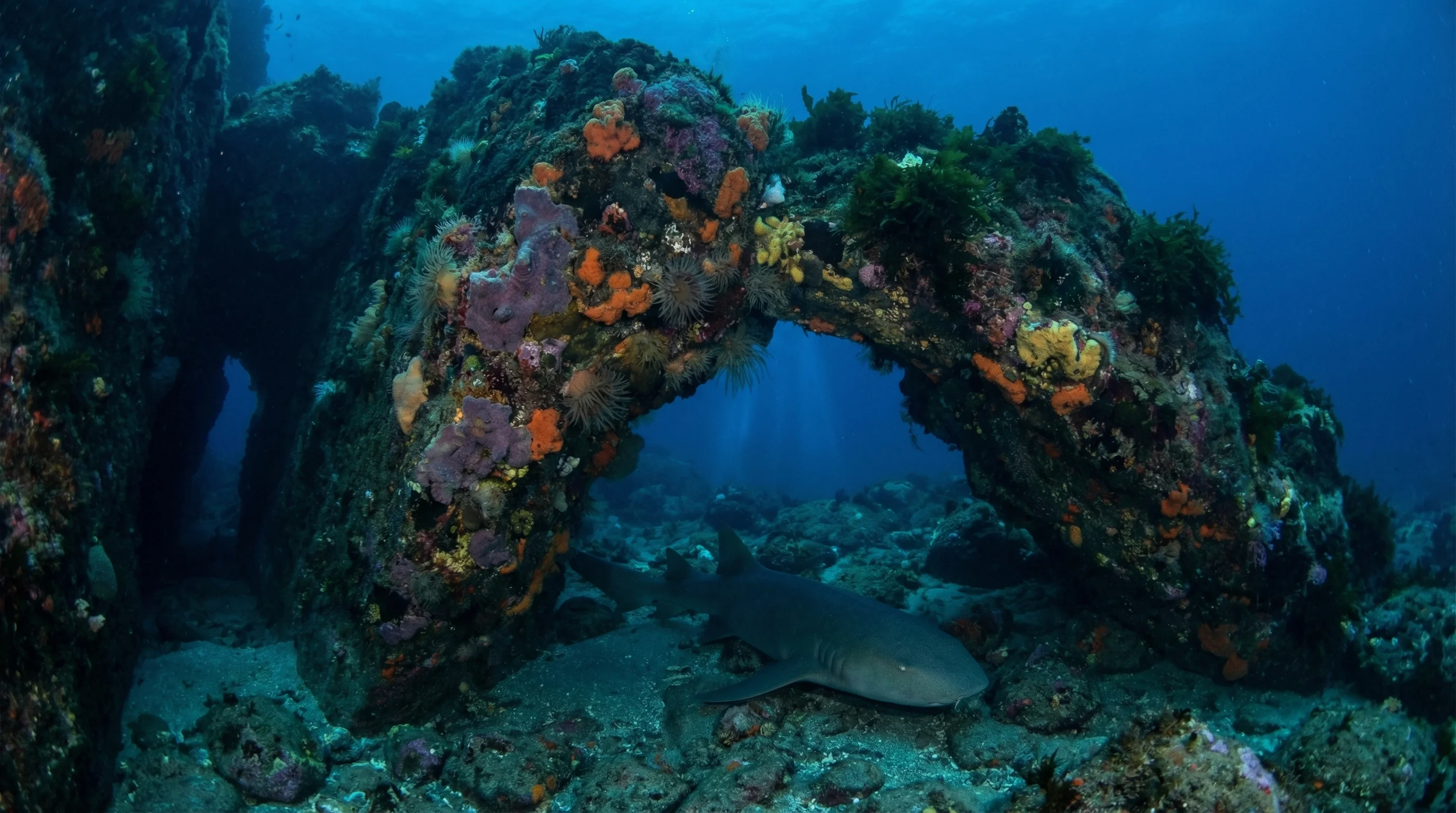
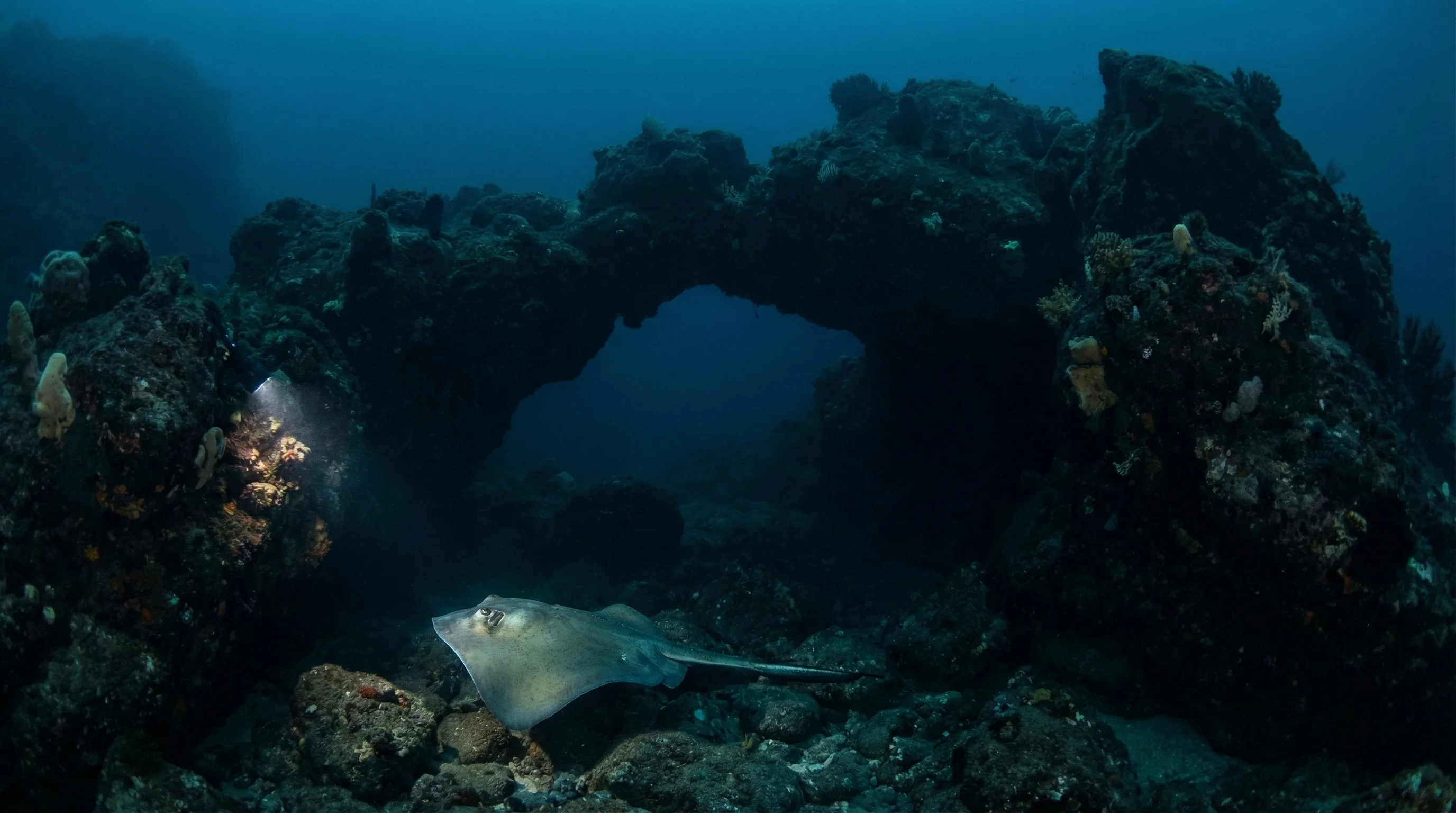
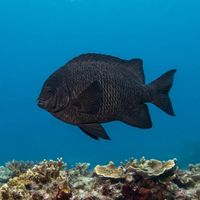
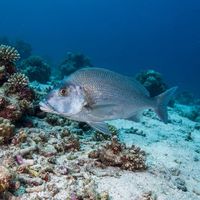
Morays are among the most reliably sighted animals here, with Green Moray, Mosaic Moray and Cloudy Moray observed across nearly all sites. Smooth Ray and Eagle Ray are frequently encountered, and Kingfish and Pink Maomao are common in open water. Nudibranch diversity is a notable feature, with species such as Fine-lined Tambja, Verco's Nudibranch, Clown Doris and Dendrodoris Gunnamatta all observation-backed.
A good number of sites are rated for beginners, including Nursery Cove, Magic Wall, Cleaner Fish Bay and Mao Mao Arch. These sites are sheltered, relatively shallow and offer varied topography without demanding conditions. Intermediate and advanced sites such as Northern Arch and Landing Bay Pinnacle are also available for more experienced divers, so the area accommodates a range of skill levels.
All sites are boat-access only. Operators Yukon Dive and Techdive New Zealand both run trips to the islands. There are no shore-entry sites listed across the entire site mix, so all dives require a boat departure.
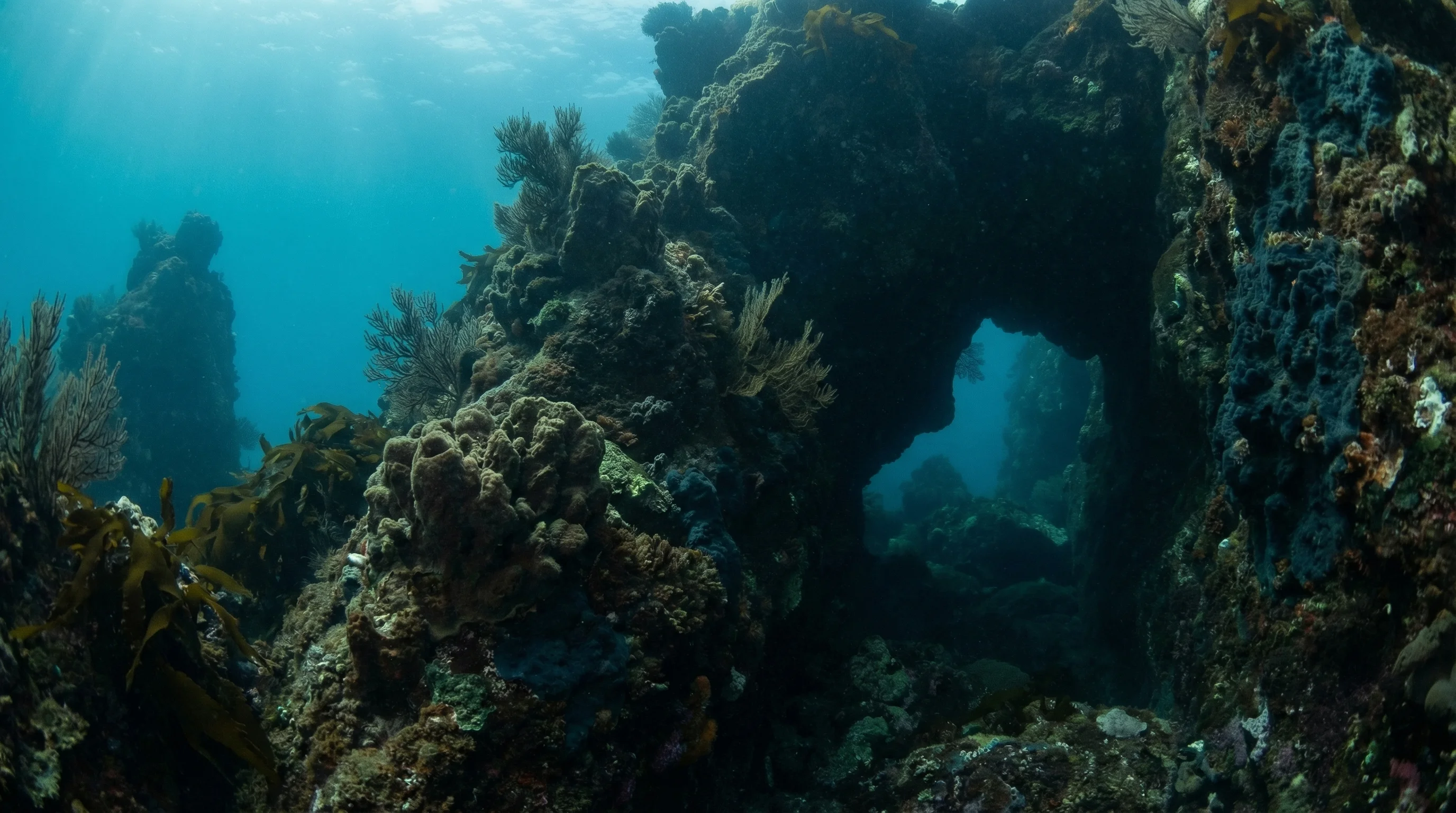
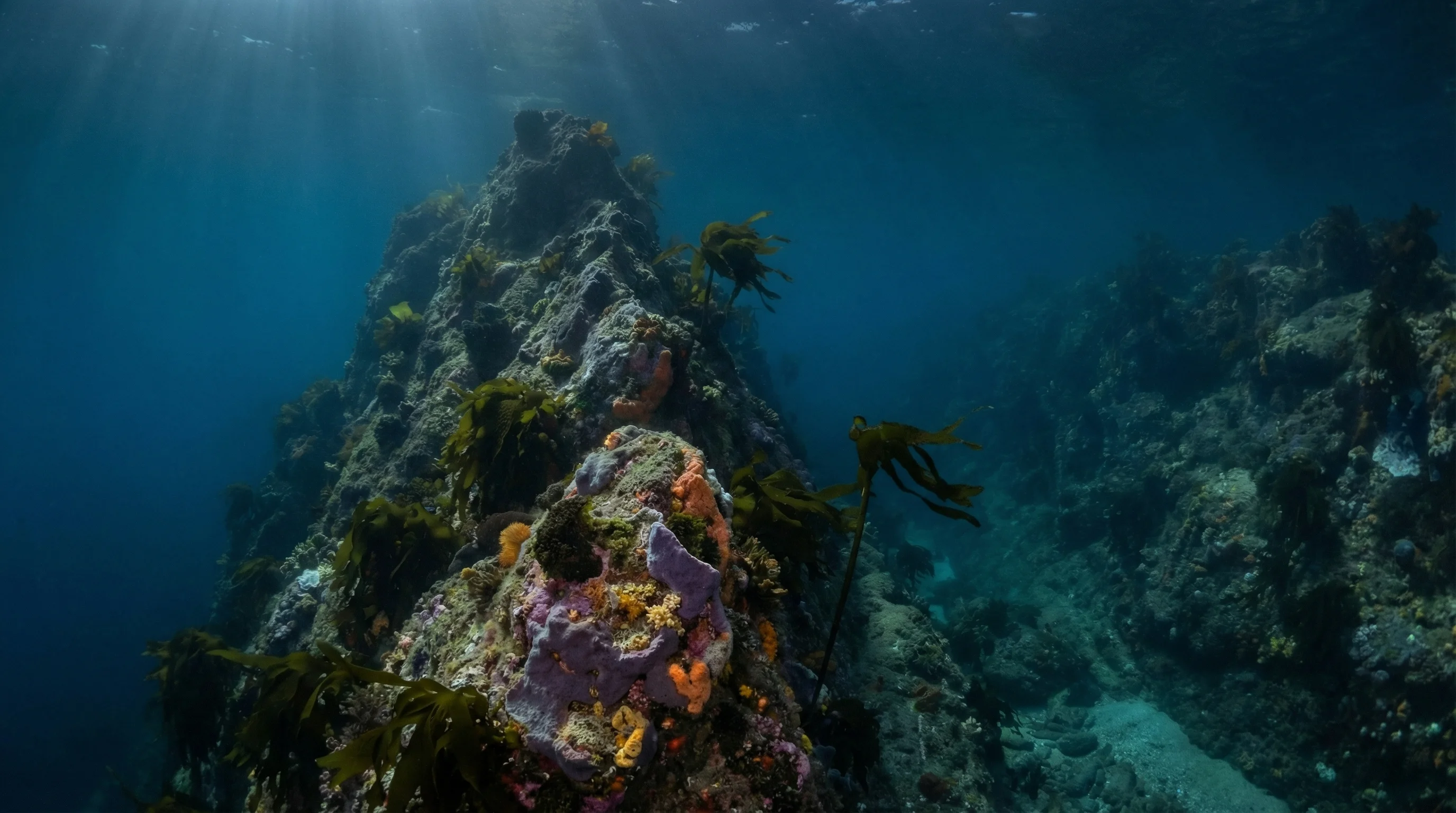
The area is dominated by cave, wall and arch formations, most grouped within the RikoRiko Cave sub-area. Pinnacle sites like Landing Bay Pinnacle and Ngaio Rock offer full water-column dives, while kelp forest features at Landing Bay Pinnacle and The Gardens Pinnacles add further variety. Nursery Cove also includes an artificial reef structure alongside natural reef, making it a useful site for newer divers.