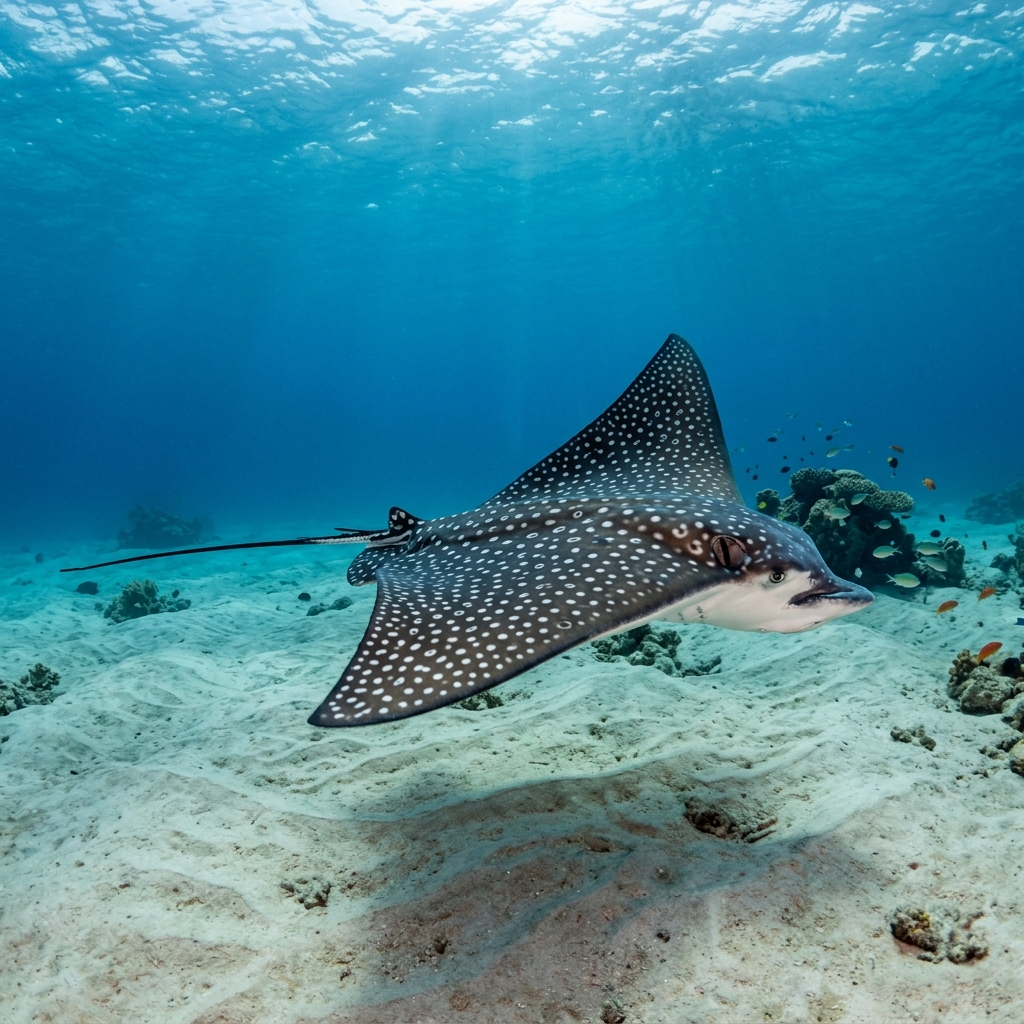
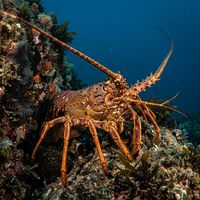
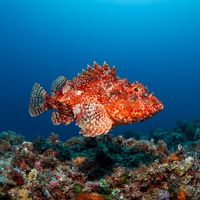
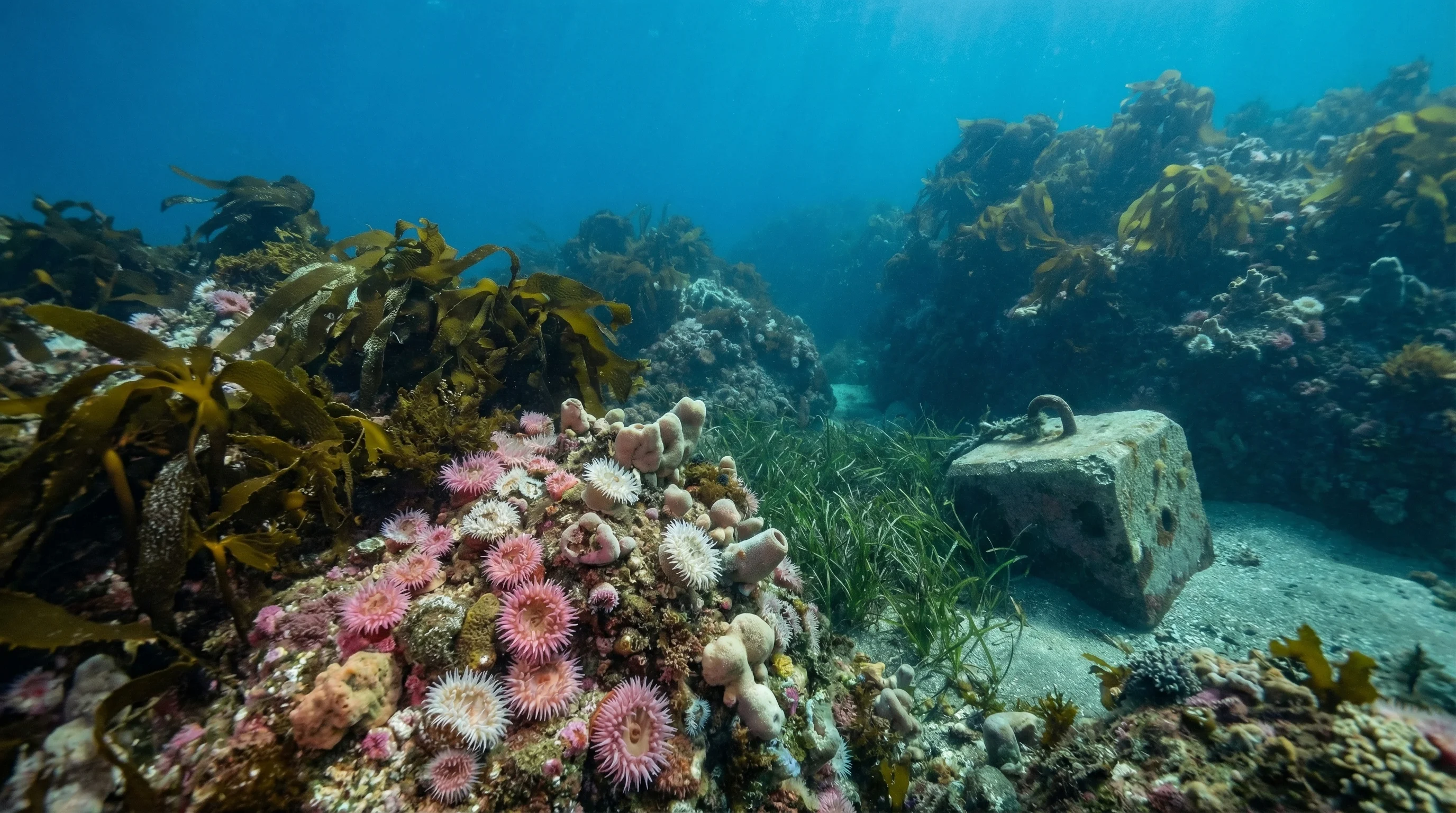
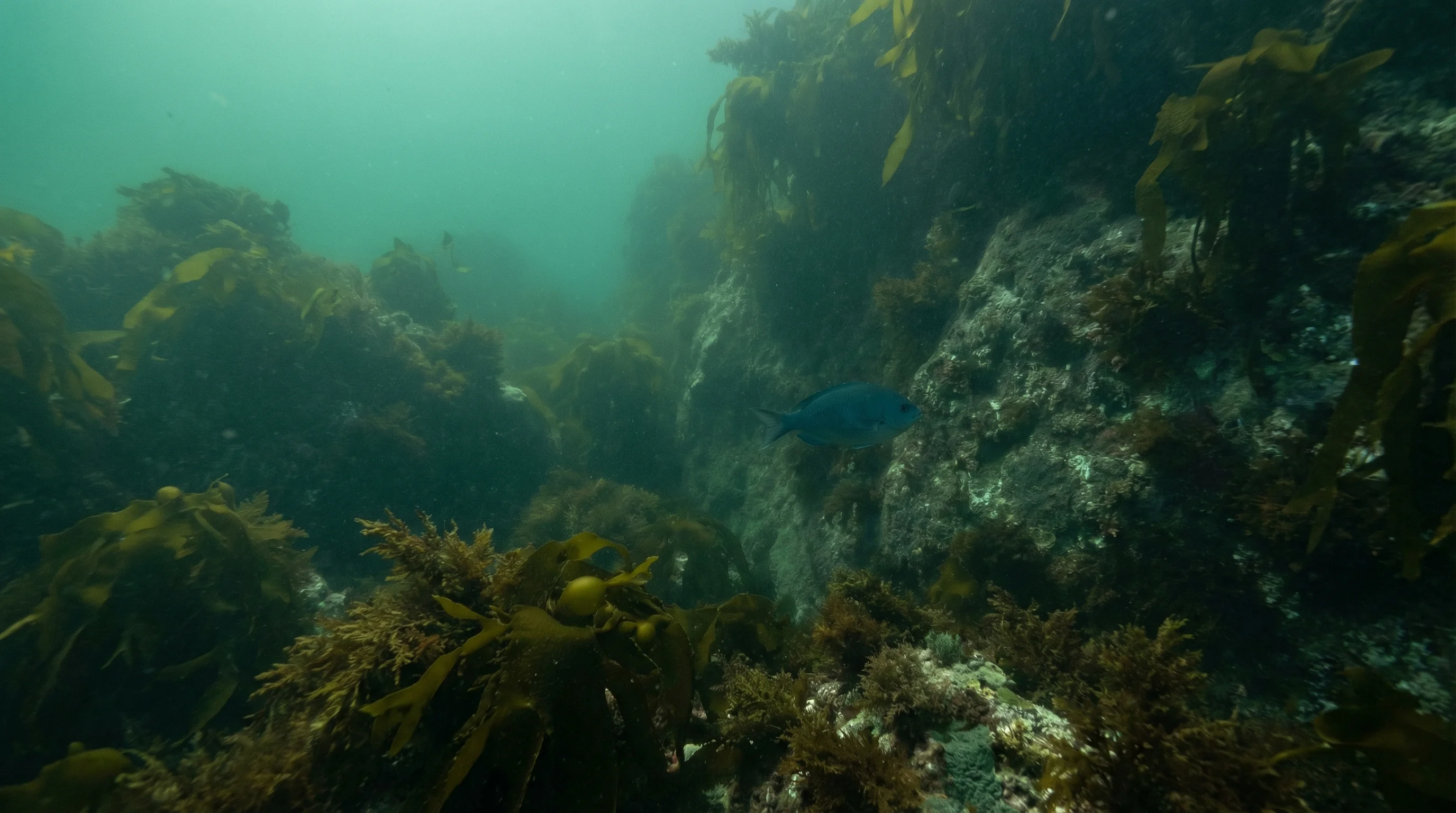
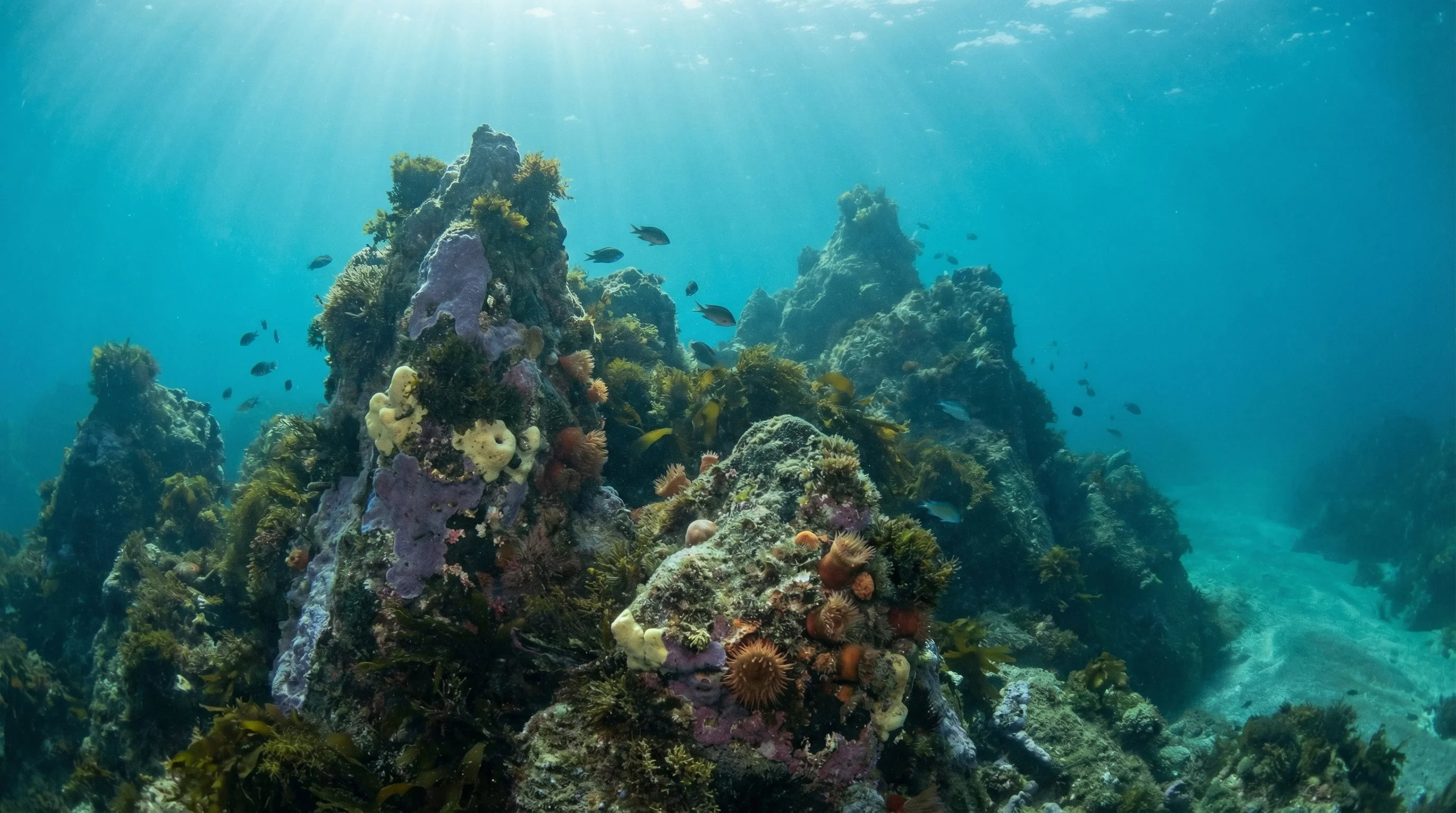
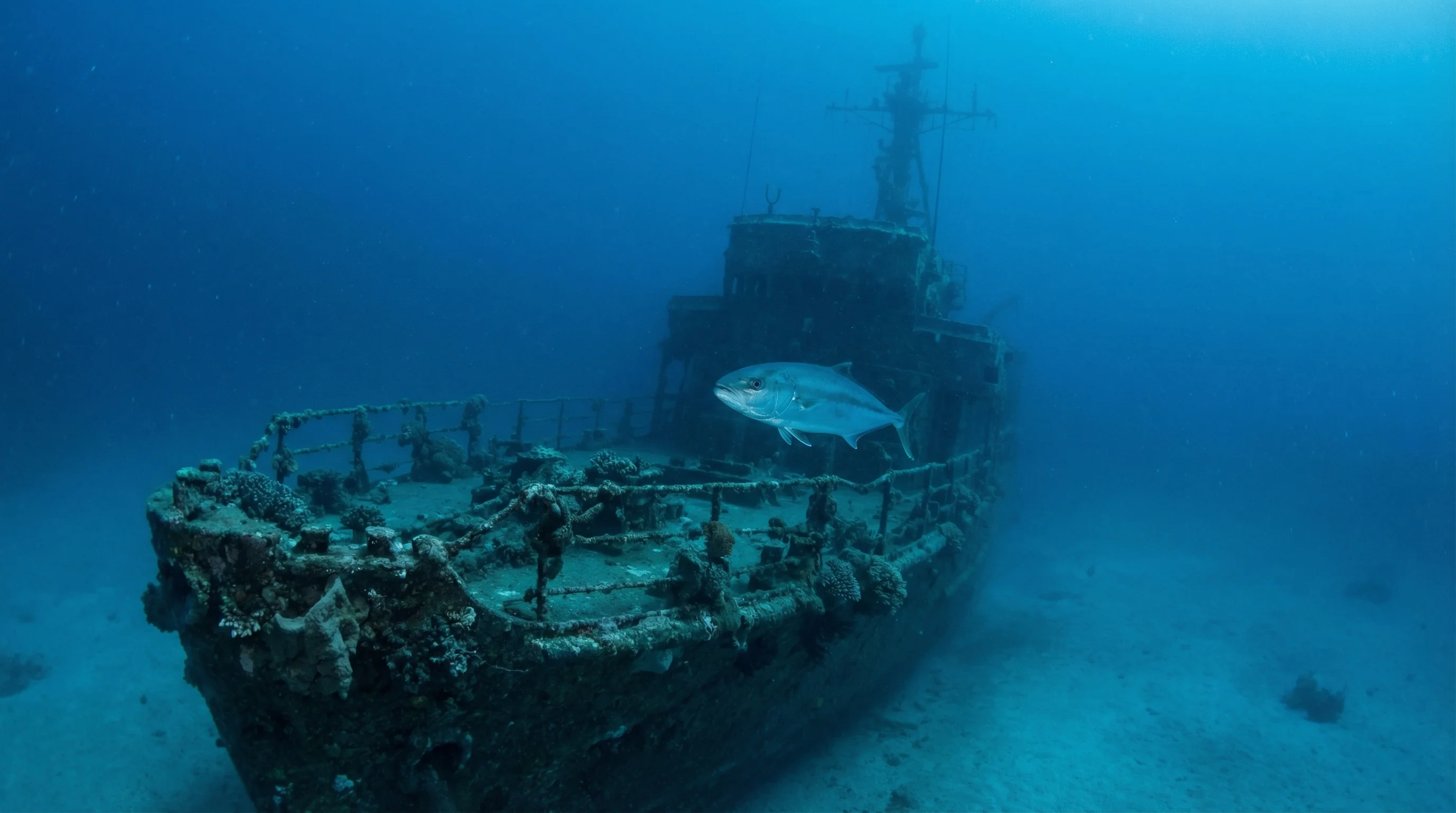
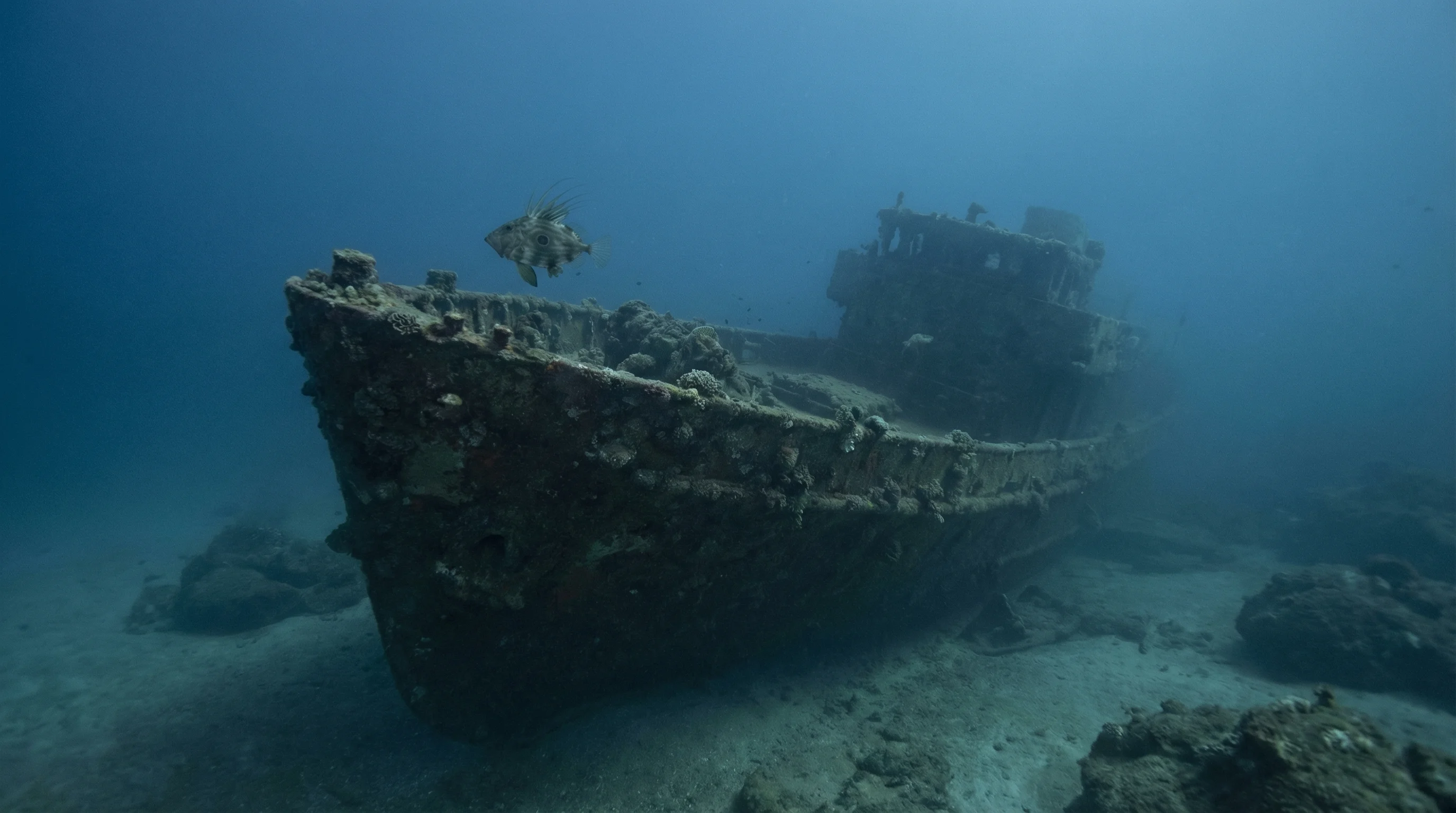
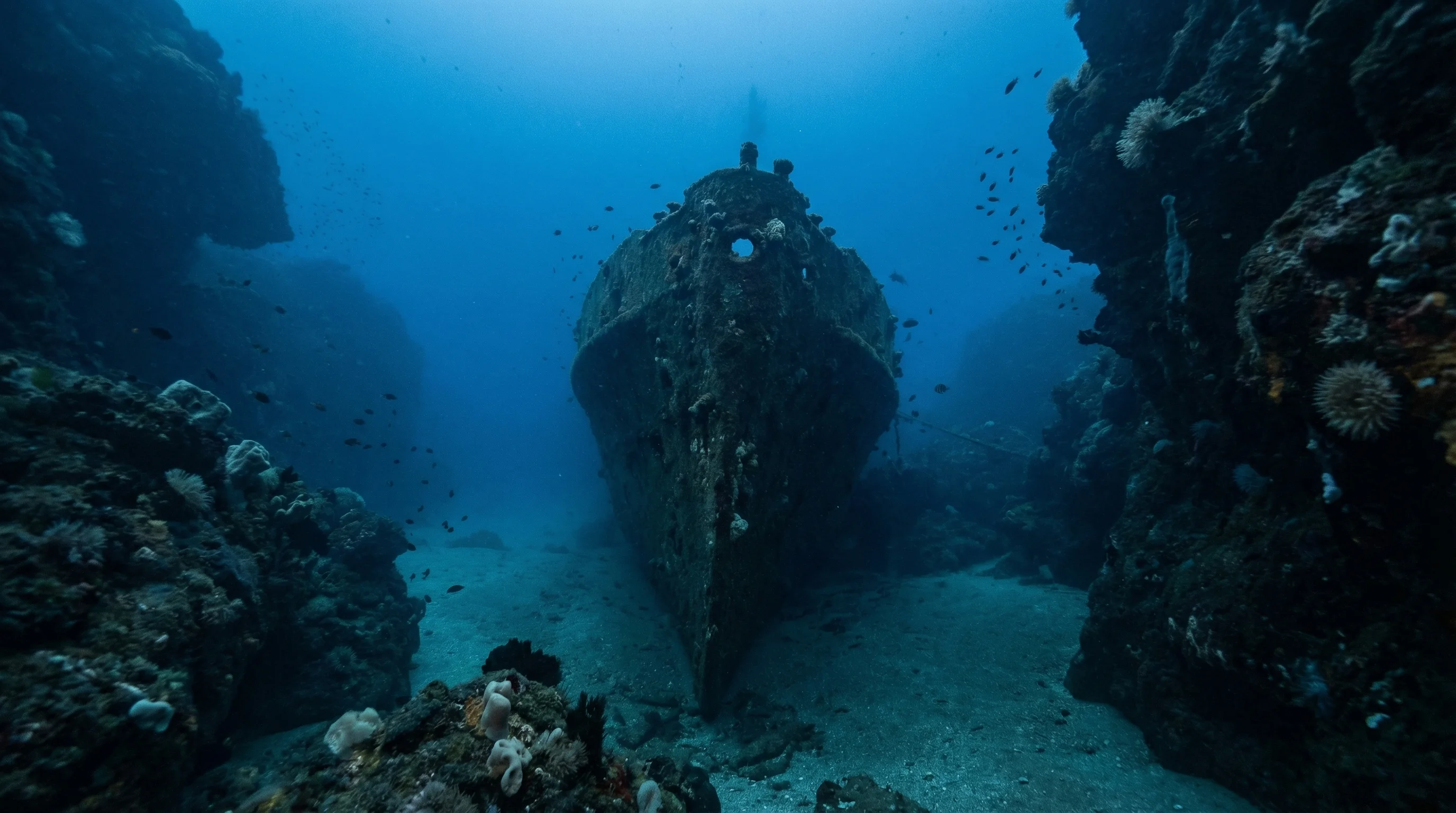
Bay of Islands diving is defined by two exceptional wrecks and a rich cast of reef species. The HMSNZ Canterbury and the Rainbow Warrior sit upright and intact, drawing intermediate divers on boat trips out to Deep Water Cove and the Cavalli Islands respectively. Between wreck dives, the region's reefs deliver Green Moray, Eagle Ray, Smooth Ray, Southern Rock Lobster and Cardinal Scorpionfish alongside an unusually diverse range of wrasse and triplefin species. The Hole in the Rock sub-area accounts for the majority of sites.
1 areas
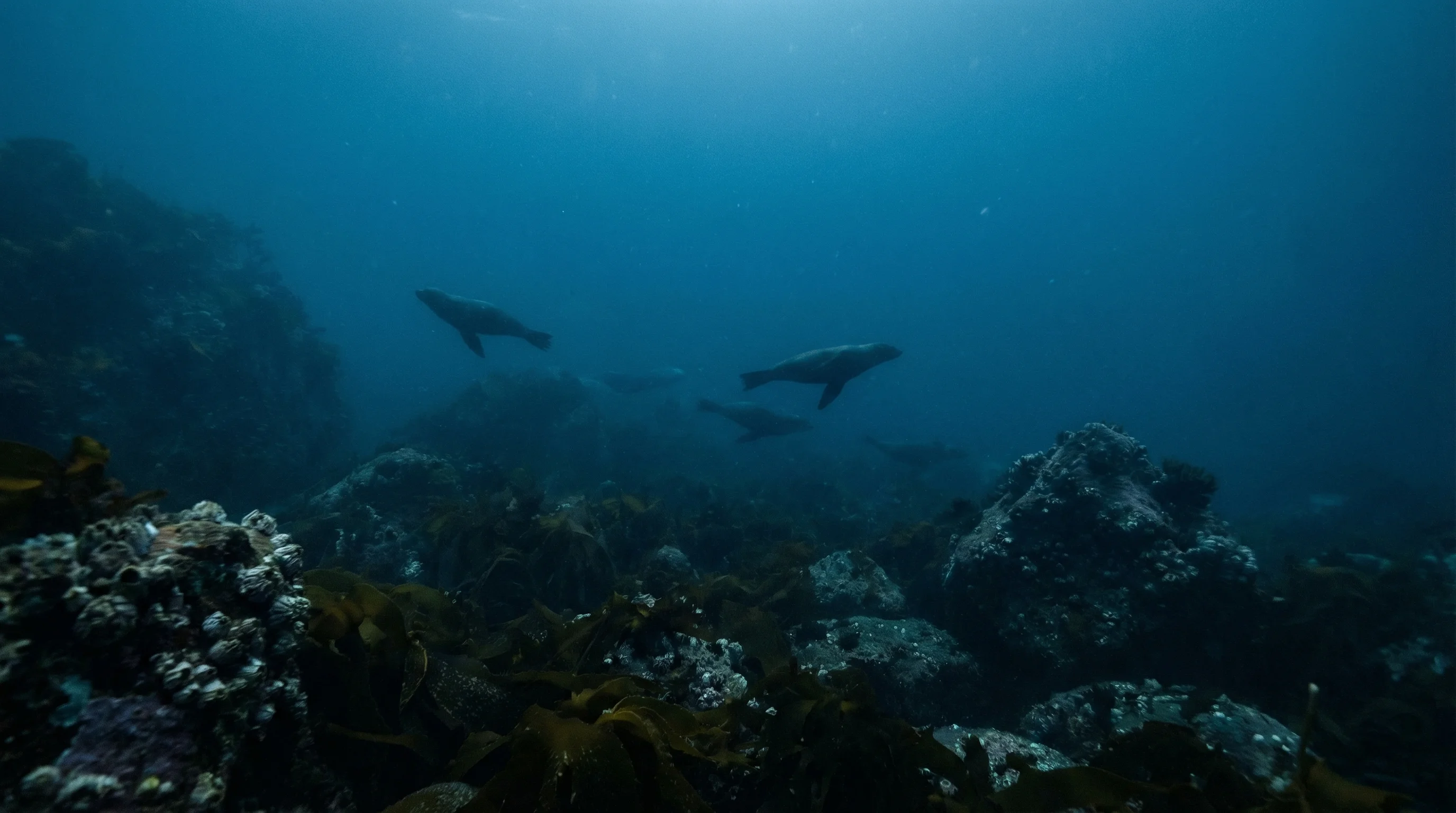
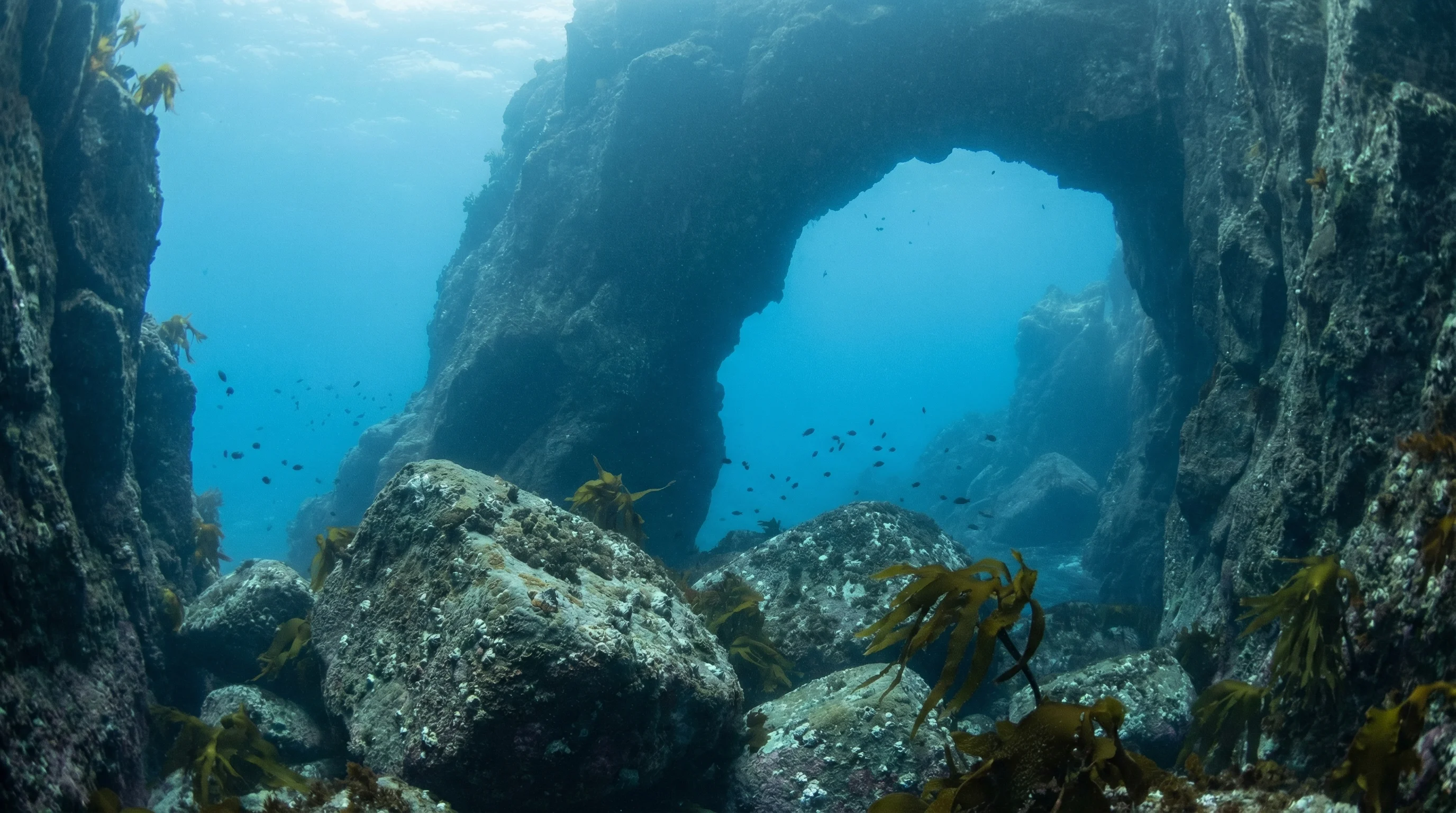
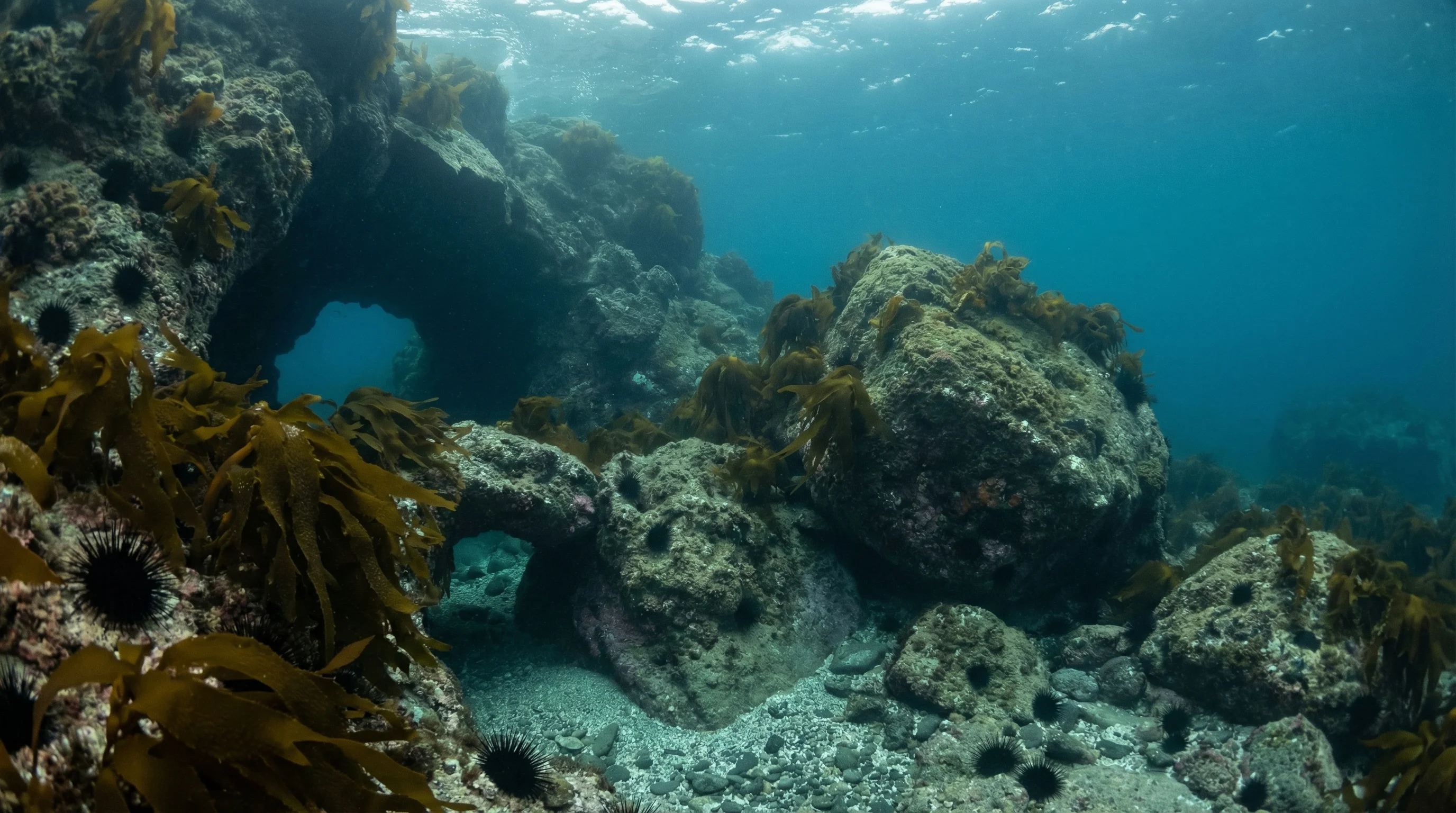
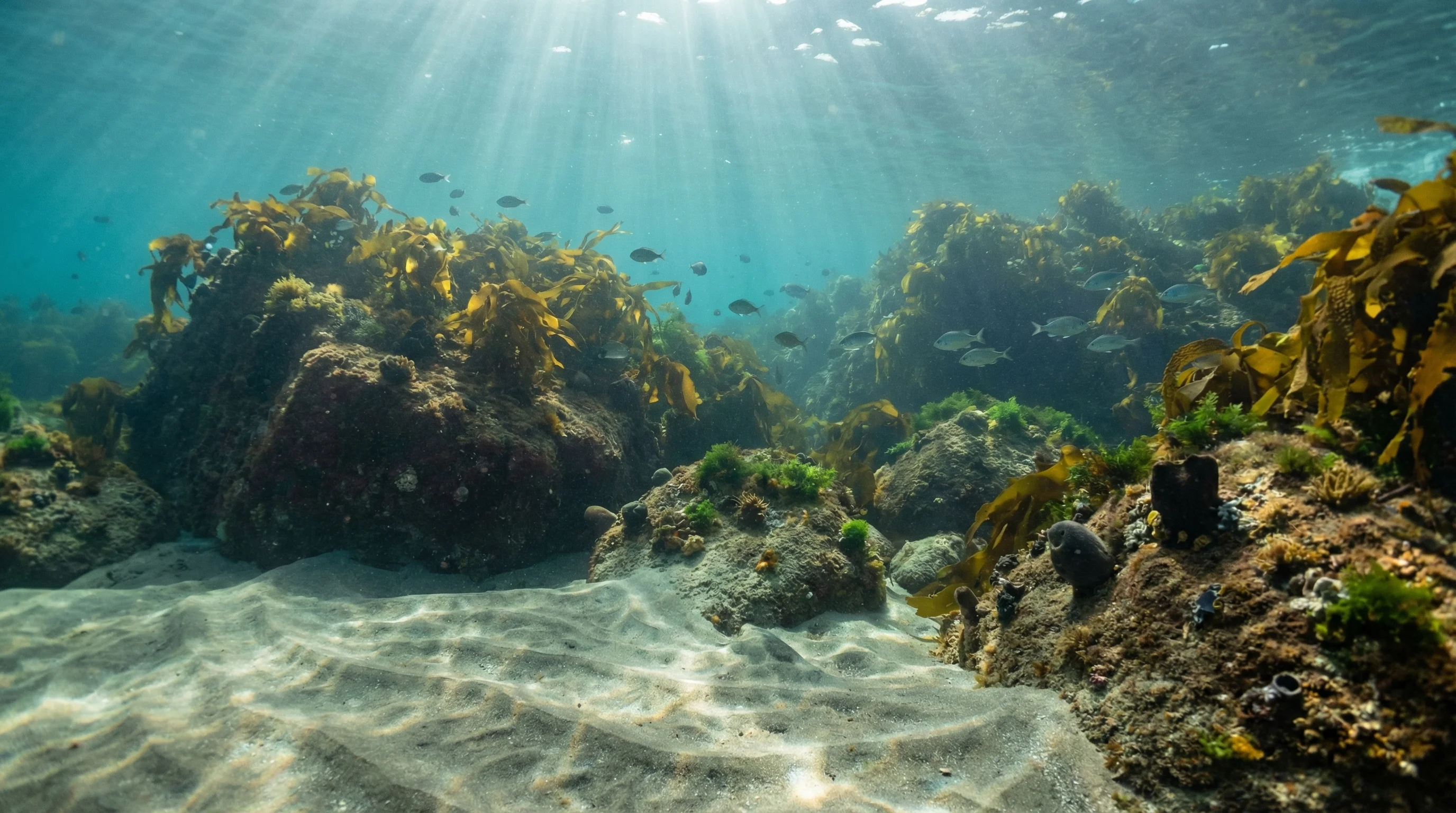
Monthly water temperature across Bay of Islands's sites, from satellite sea-surface data corrected for depth. The band shows the site-to-site spread.
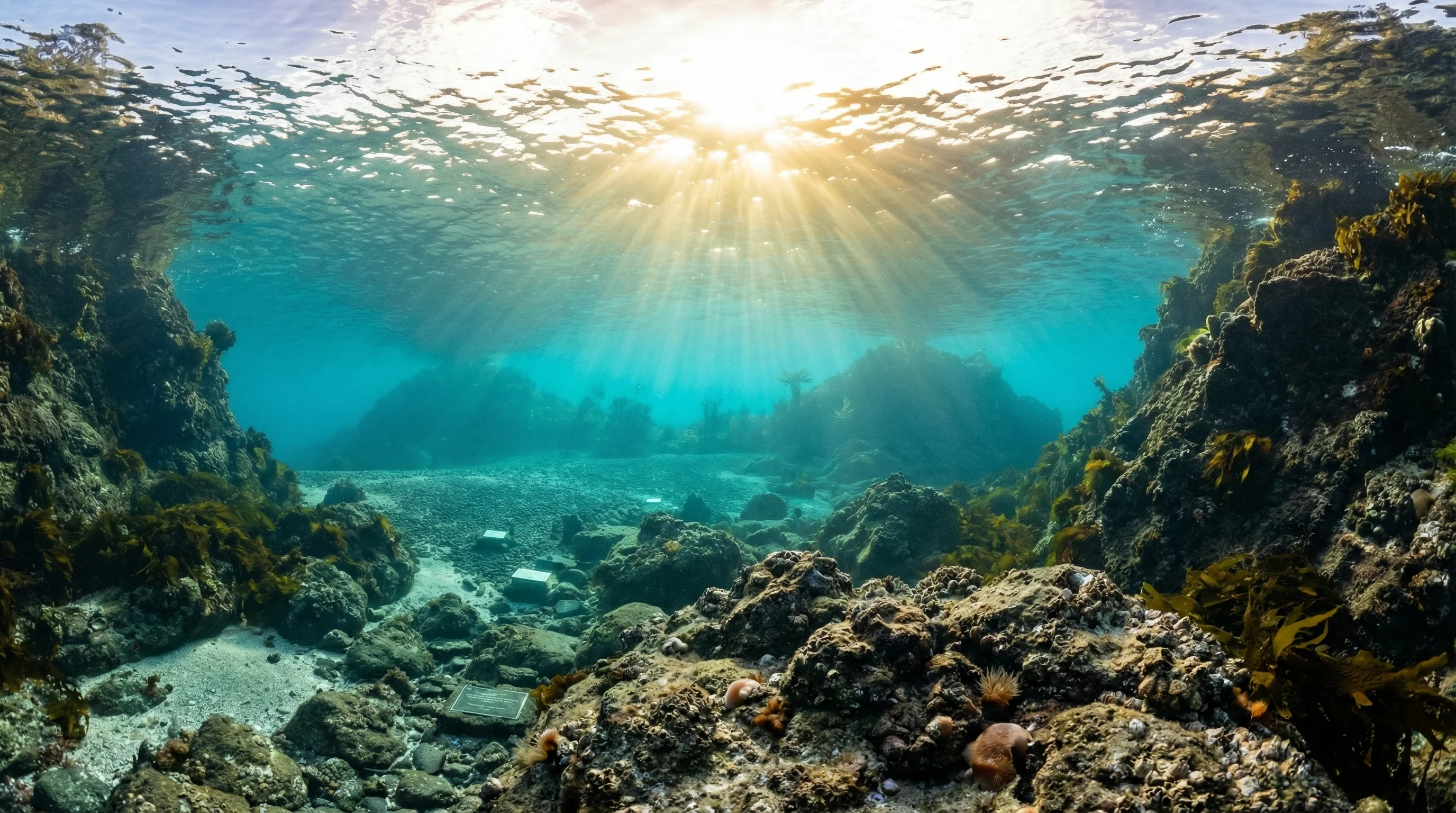
Water is at its warmest through the height of summer, making the months from December through March the most comfortable for longer dives. Temperatures drop noticeably through the cooler months, with the coldest water arriving in late winter. Visibility varies considerably depending on conditions and site, so checking locally before heading out is worthwhile.
6 operators
New Zealand
13 more sites to explore
Water temperature around Bay of Islands ranges from about 16°C in August to 22°C in February, based on satellite sea-temperature data for its dive sites.
In the warm season (about 22°C) a 3mm full suit is comfortable in Bay of Islands; in the coldest months (about 16°C) step up to a 7mm or semi-dry suit.
Fin maps 15 sites in Bay of Islands (15 scuba diving sites and 2 snorkelling spots, with some suited to both).
Across Bay of Islands's dive sites, January, February, March and December are most often reported as the best months to visit.
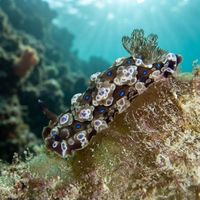
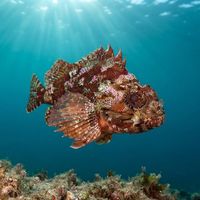
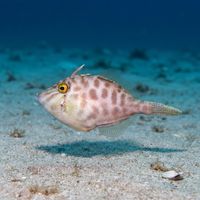
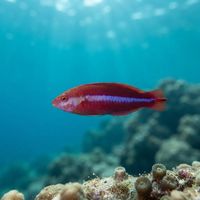
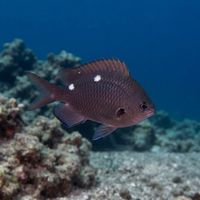
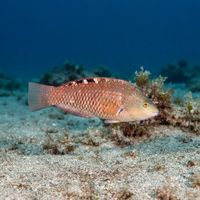
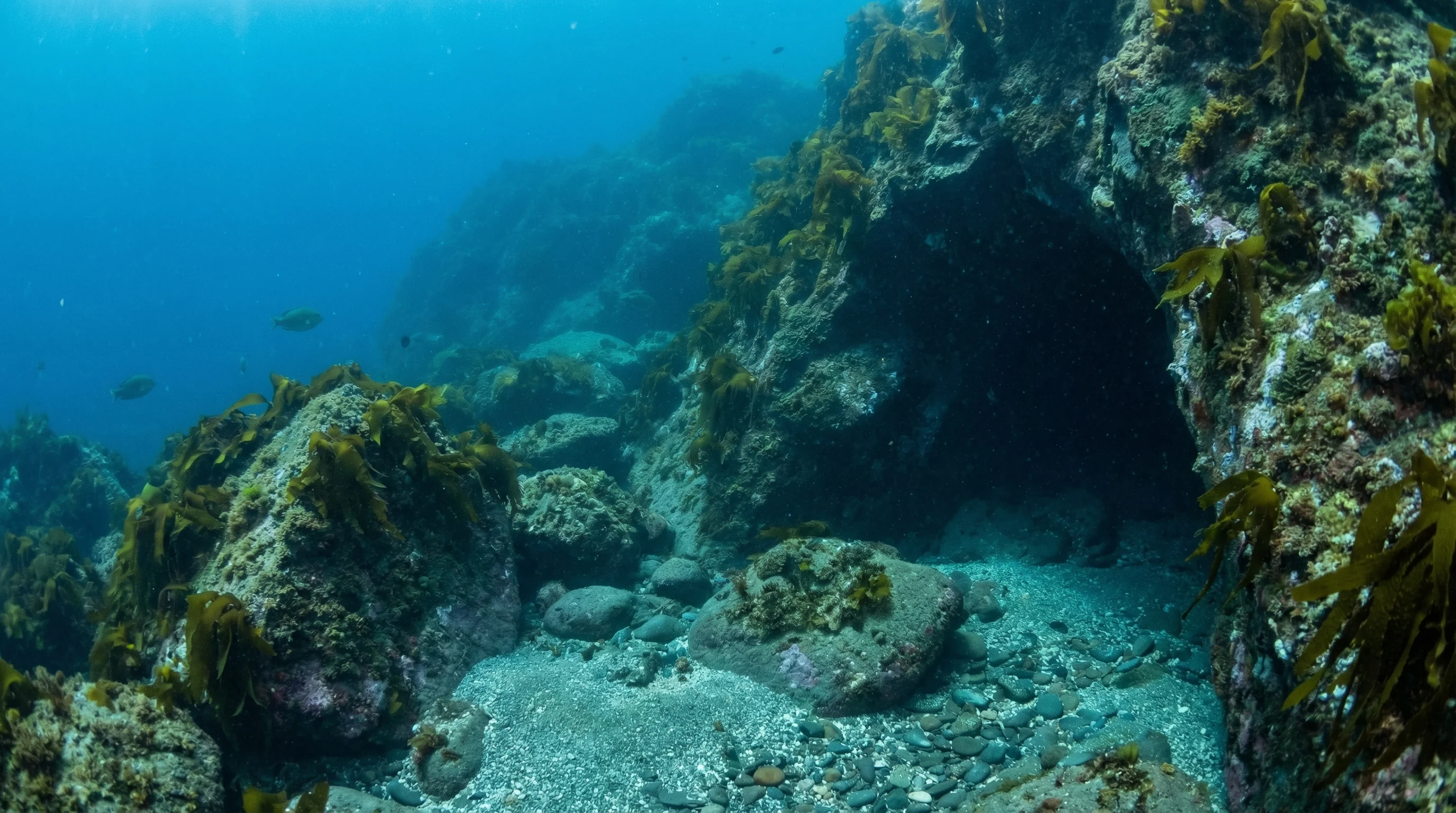
The region has a strong showing of rays, with Eagle Ray and Smooth Ray both recorded consistently across sites. Green Moray and Southern Rock Lobster are among the most frequently encountered animals, while Cardinal Scorpionfish, Red Rock Cod and Scaber Leatherjacket are very common on the reefs. Divers with a keen eye for smaller creatures will also find Dendrodoris Gunnamatta nudibranch and a wide variety of wrasse and triplefin species.
Both the HMSNZ Canterbury and the Rainbow Warrior are rated at intermediate skill level, so some logged dive experience is recommended before visiting them. The Canterbury reaches deeper sections that require confidence in buoyancy and navigation, while the Rainbow Warrior's shallowest points are more accessible. Beginners would benefit from completing open-water training and gaining reef dive experience before attempting either wreck.
Hole in the Rock is the most site-dense sub-area within Bay of Islands, holding the majority of the region's dive spots. The two headline wrecks sit outside this cluster, with the Canterbury near Cape Brett and the Rainbow Warrior in the Cavalli Islands. This spread means most Bay of Islands diving is a real boat trip rather than a short transfer.
All of the top sites are boat-access dives, and several local operators run regular charters to both the wrecks and the reef sites. Operators including Paihia Dive, Northland Dive and Dive Zone Bay of Islands service the region. Booking in advance is sensible, particularly during the warmer summer months when demand for wreck trips is highest.