Meuschenia scabra
Common on North Island, New Zealand dives in cool 13 to 18 C water, year-round, no clear season needed to spot one.
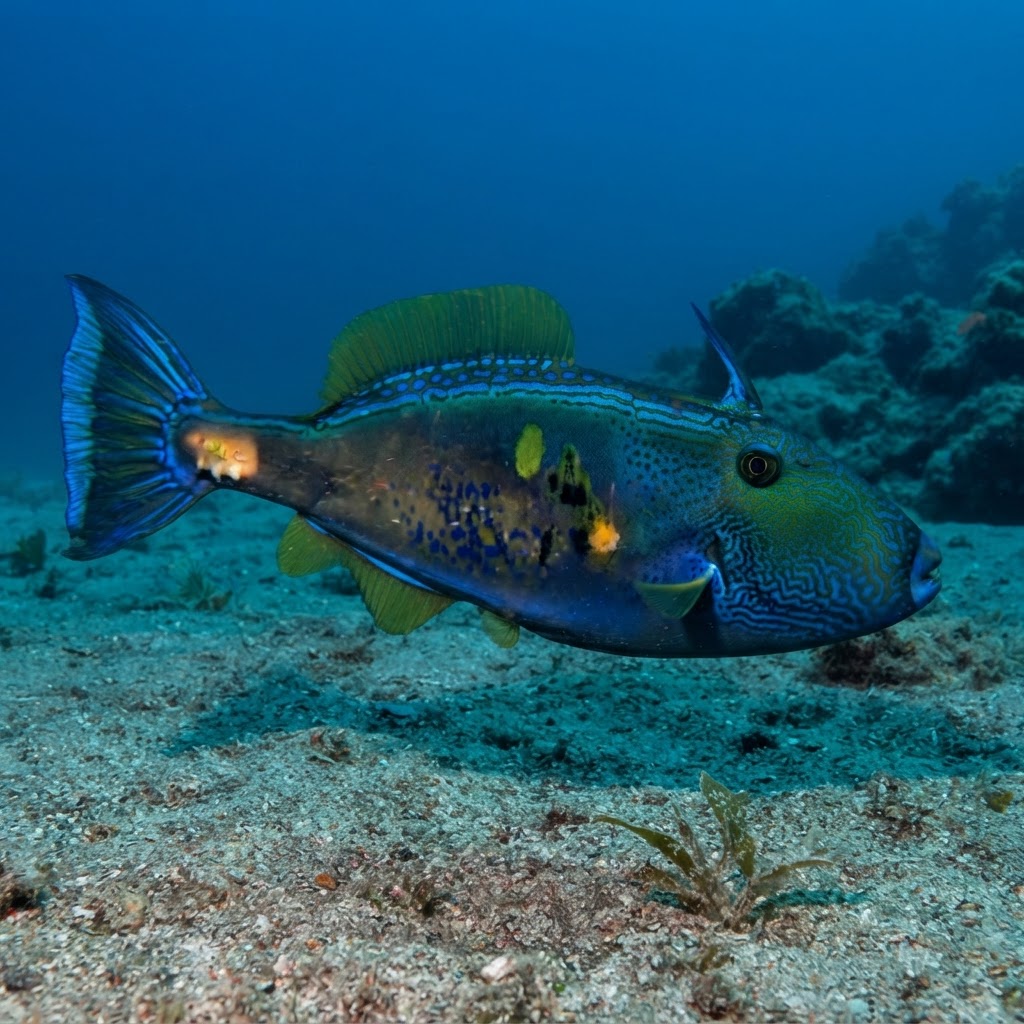
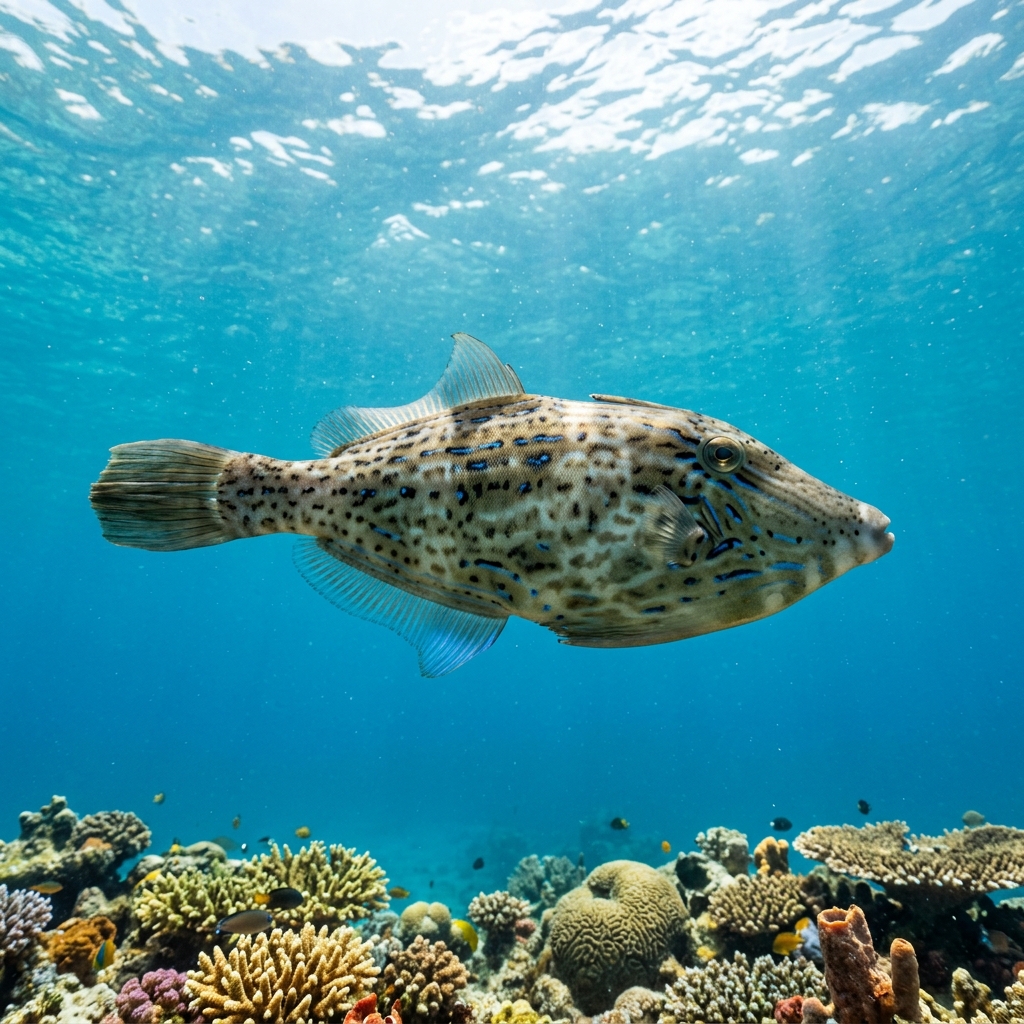
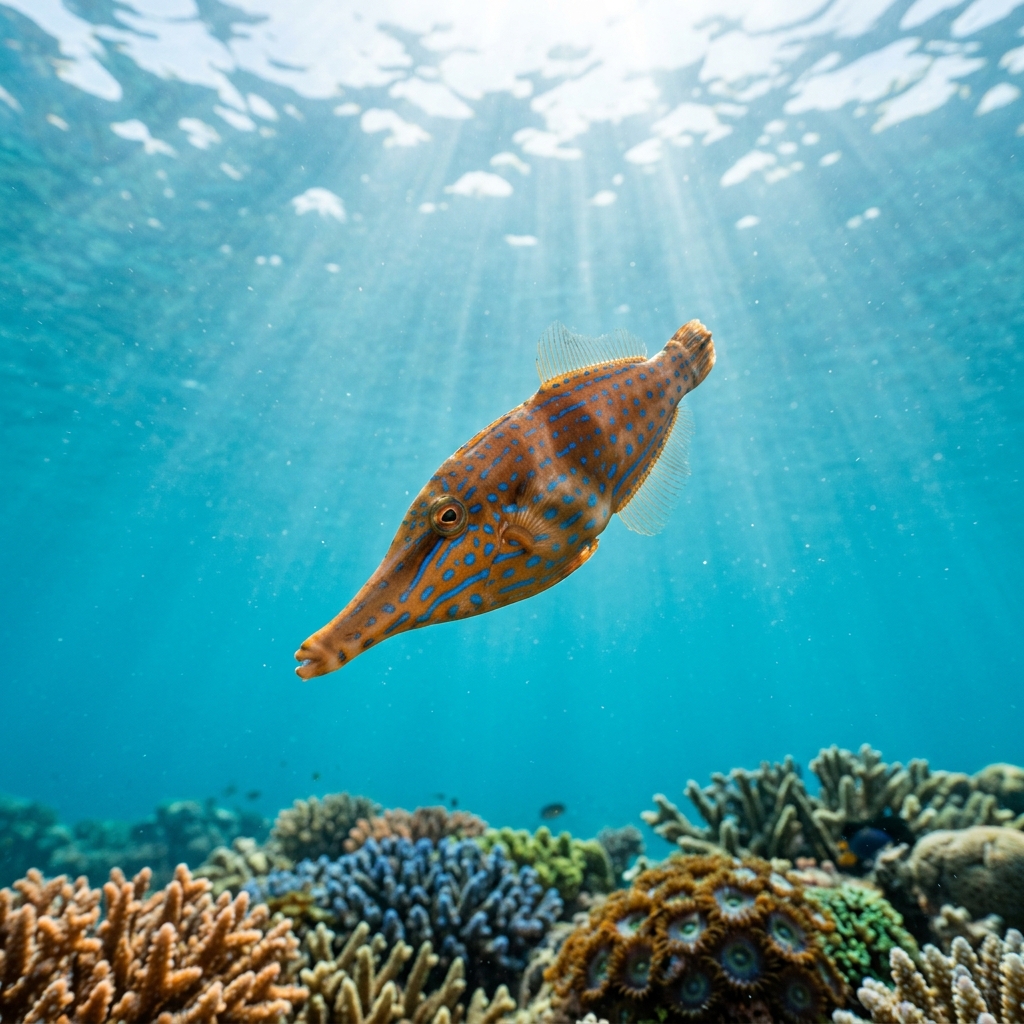
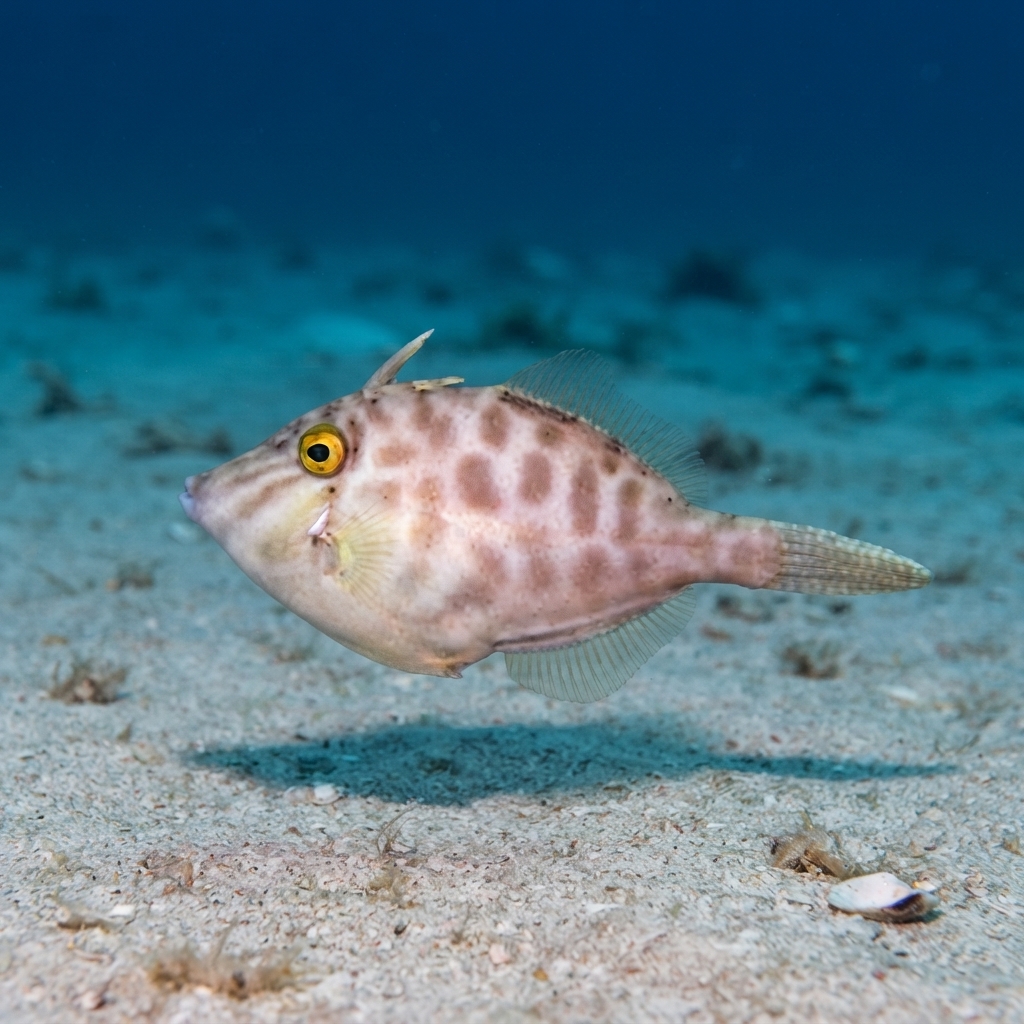
A stocky, deep-bodied fish around 21 cm long with rough, sandpaper-like scales in mottled grey, brown and olive tones that blend into rocky reef. Look for the small, spine-tipped dorsal fin set well back on the head and a narrow, pointed snout typical of filefish. The mottling breaks up its outline against kelp and rock, so divers often spot it hovering nearly motionless before noticing the shape.
Divers usually find this leatherjacket hovering close to rock and reef structure, often holding still with slow, deliberate fin movements rather than darting away. It tends to tolerate a slow approach reasonably well, making it a good subject for divers who pause and let it settle rather than chase it. Most sightings come from demersal habitat near the seabed rather than out in open water.
Filefish like this one can flex their small dorsal spine into an upright lock, wedging themselves into crevices to avoid being pulled out by predators.
No strong seasonal pattern shows in the data, so treat sightings as year-round. It sits in a cool 13.4 to 17.7 C water-temperature niche, which matches the steady temperate conditions off the North Island through most of the year.
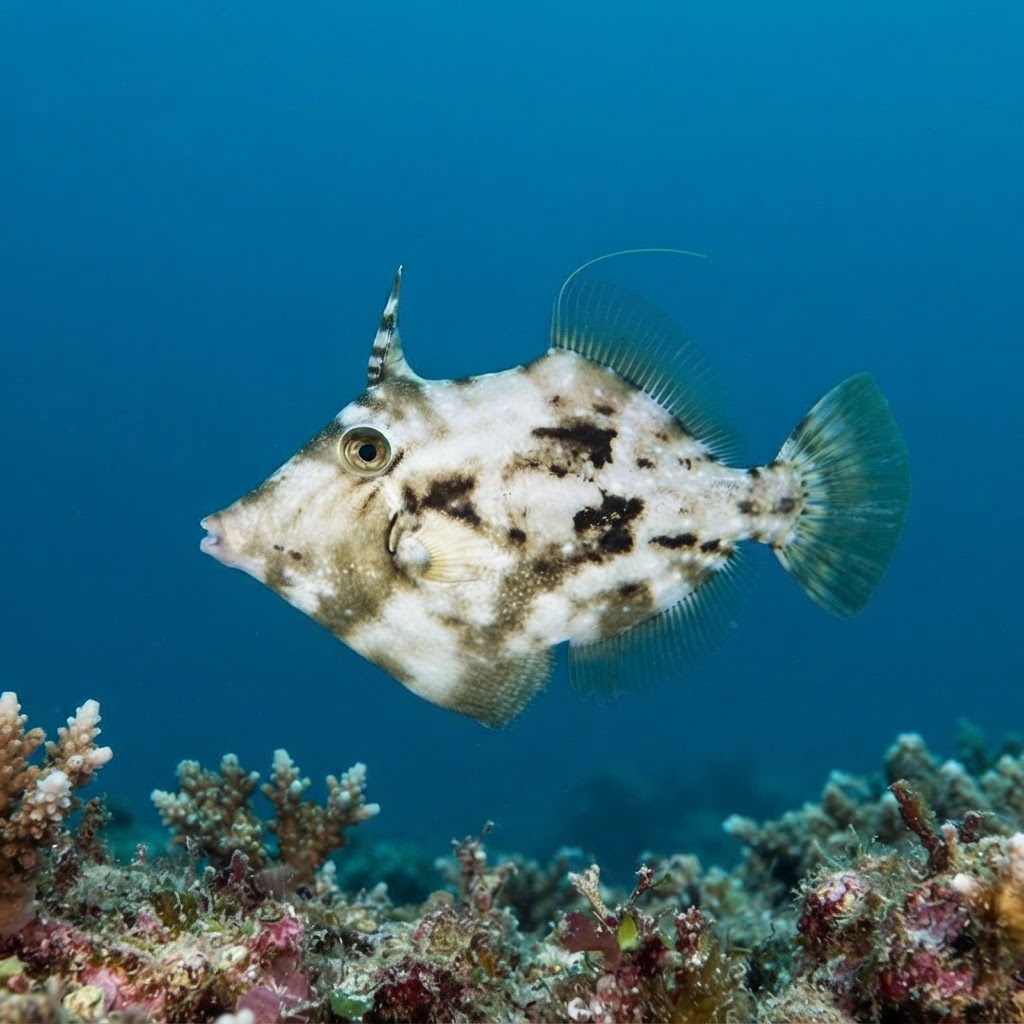
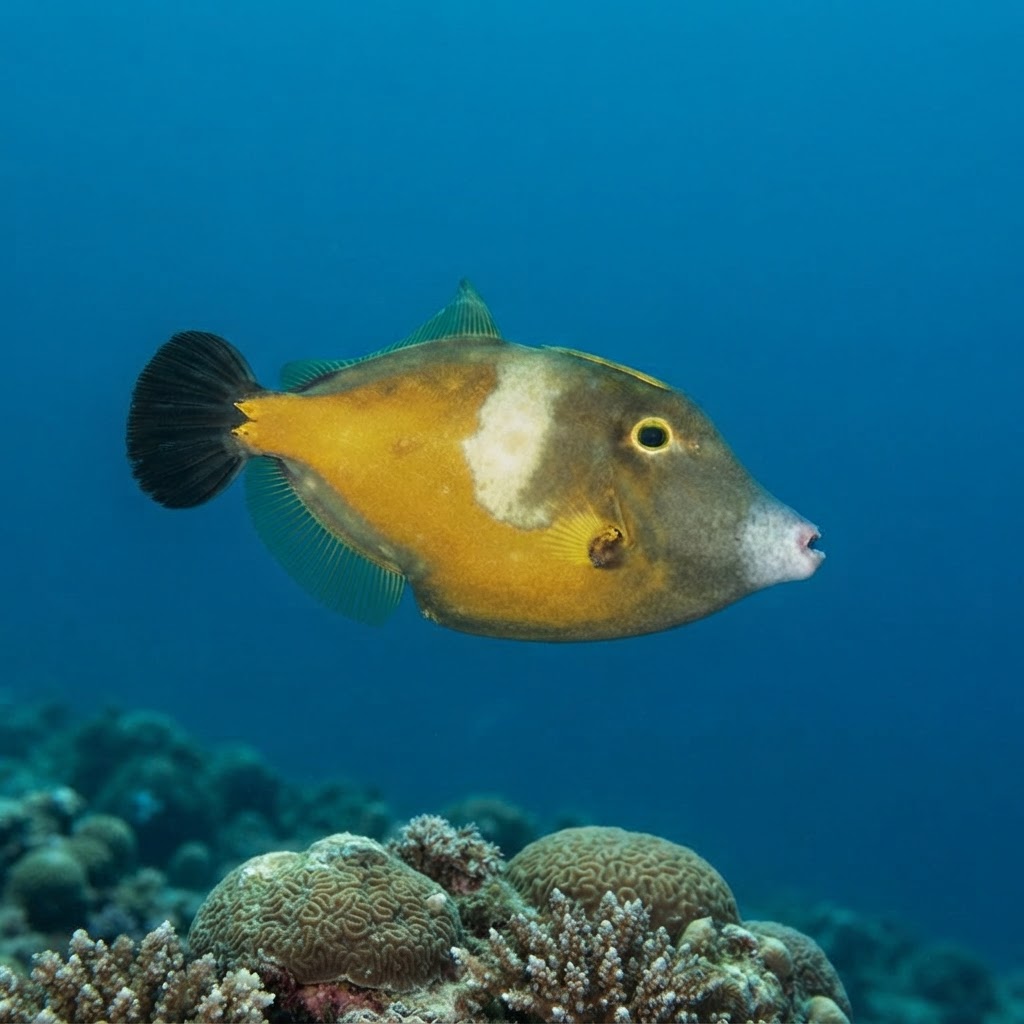
Reef neighbours a diver could mistake it for. Use the identification notes above to tell them apart.
This is overwhelmingly a New Zealand fish, most reliably logged around the North Island, with Tasmania, New South Wales and Victoria in Australia offering scattered but real sightings too. Cooler temperate reef and rocky-bottom sites in these regions are where divers consistently report it as common.
Mapping where Scaber Leatherjacket is logged…
The North Island of New Zealand is by far the most reliable region, with additional sightings around Tasmania, New South Wales and Victoria in Australia.
There is no strong season in the sighting data, so it is treated as a year-round species. Its comfort range of roughly 13 to 18 C matches temperate New Zealand waters most of the year.
Look for a stocky, rough-scaled body about 21 cm long in mottled grey and brown tones, a pointed snout and a small spiny dorsal fin set back on the head. It often sits nearly still against rock or kelp, using its colouring to blend in.
They typically reach around 21 cm in length, a modest size that fits their habit of tucking close to reef and rock structure.
No, they pose no danger to divers and are generally calm, approachable fish when encountered on a dive.
Like other filefish, it can lock an upright dorsal spine in place, wedging itself into a crevice so predators cannot easily pull it free.
Site and sighting data is aggregated from diver logs, iNaturalist and GBIF. For taxonomy and conservation status:
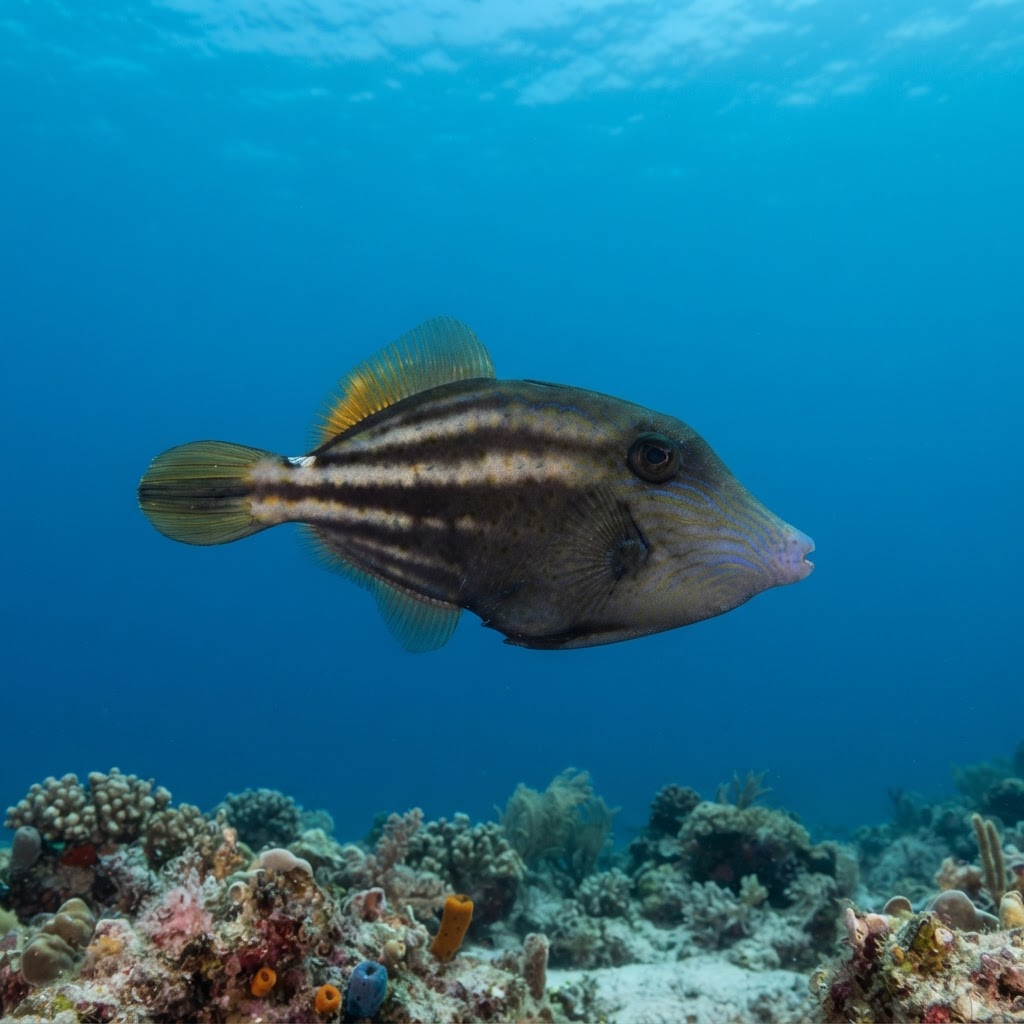
Orangespotted Filefish
836 sites