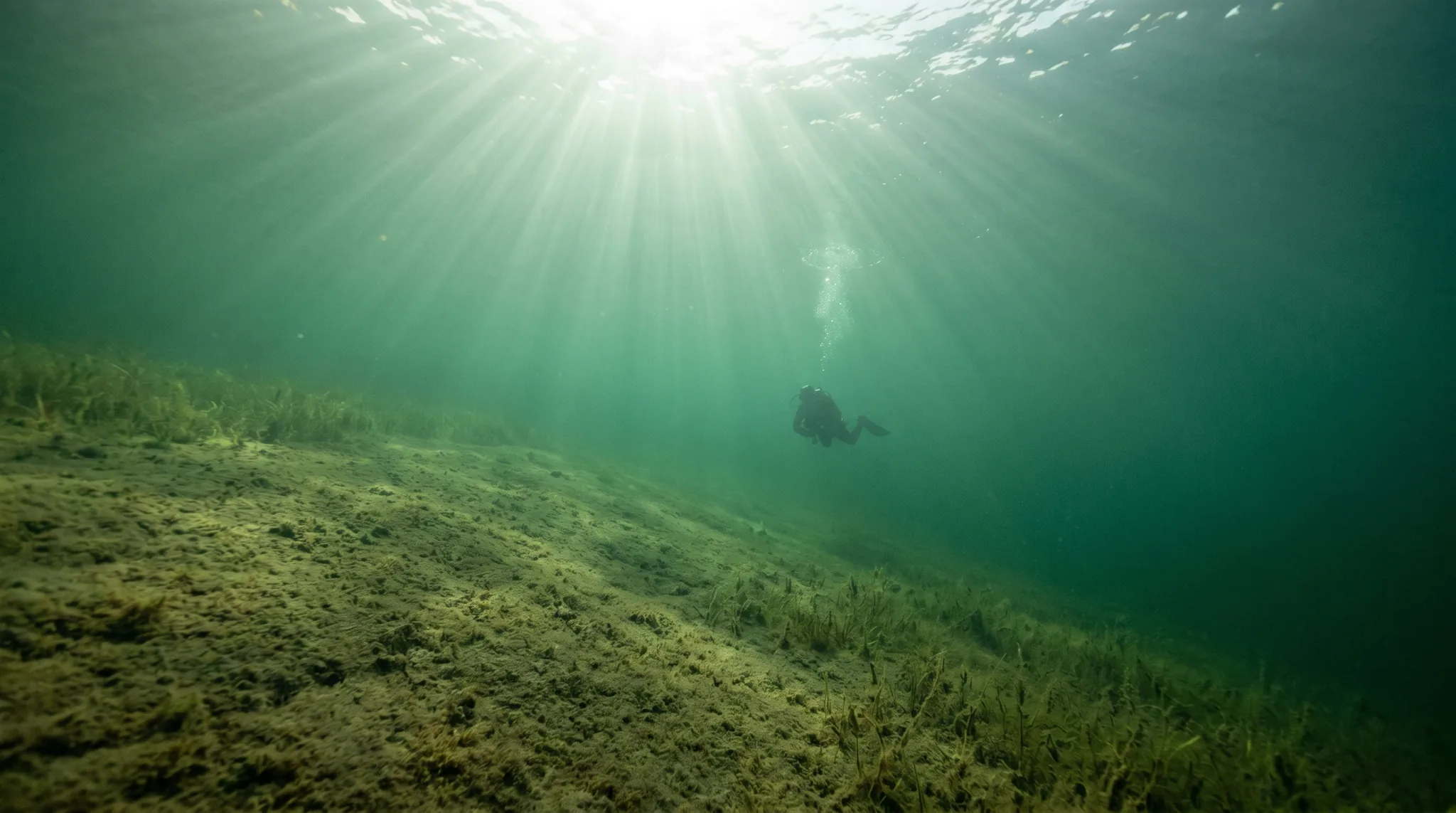
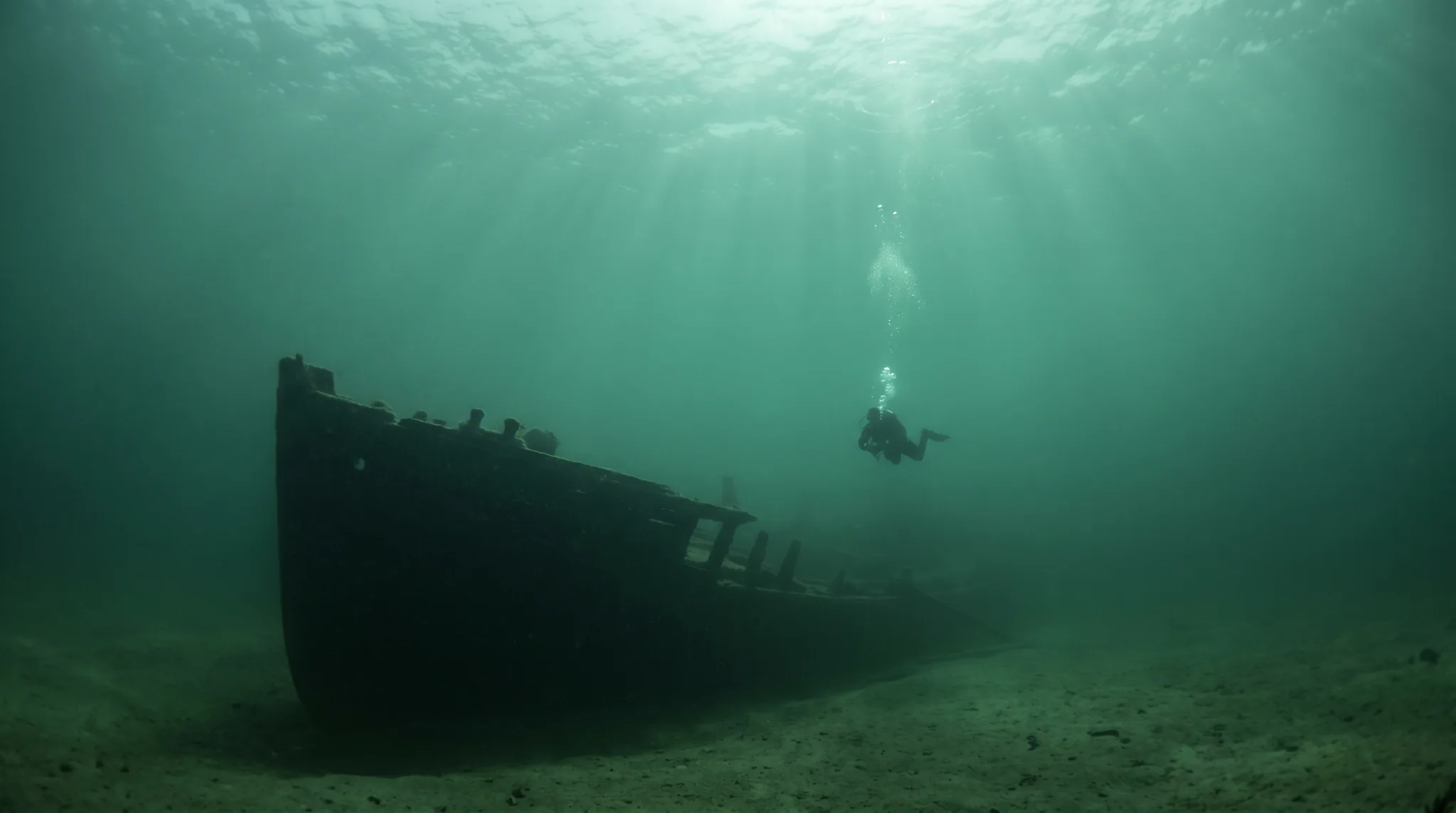
North Sea Wrecks is defined by its collection of boat-access wreck and reef sites spread across cold, exposed open water in the Netherlands. The region suits intermediate and advanced divers, with sites ranging from shallow structures offering extended bottom time to deep wrecks demanding careful planning. Currents are a consistent factor across the fleet. European Common Cuttlefish and Cod are reliably encountered, while Dead Man's Fingers and Sponge colonise the hard substrates. The Klaverbank sites add rocky reef character to the wreck diving. Conditions are coldest in late winter and warm slightly through summer, when visibility tends to be at its best.
Monthly water temperature across North Sea Wrecks's sites, from satellite sea-surface data corrected for depth. The band shows the site-to-site spread.
Water temperatures climb from their winter low through spring and into the warmer months of late summer, making July through September the most comfortable window for diving. Currents are a persistent feature across the sites, and open-water exposure means conditions can change quickly. Divers should plan entries around tidal windows and be prepared for cold water at any time of year.
4 more sites to explore
Water temperature around North Sea Wrecks ranges from about 7°C in February to 17°C in August, based on satellite sea-temperature data for its dive sites.
In the warm season (about 17°C) a 7mm or semi-dry suit is comfortable in North Sea Wrecks; in the coldest months (about 7°C) step up to a drysuit.
Fin maps 10 sites in North Sea Wrecks (10 scuba diving sites).
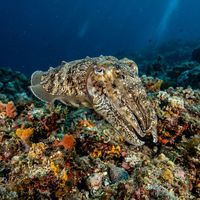
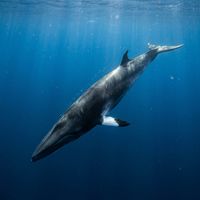
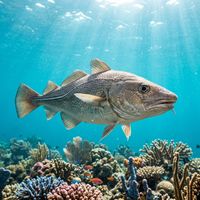
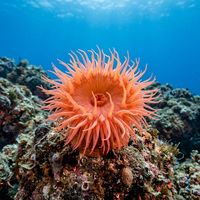
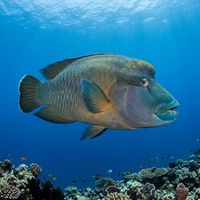
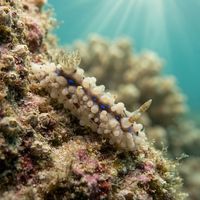
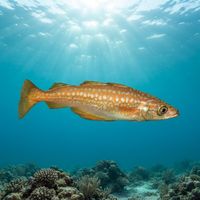
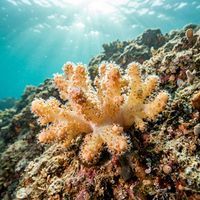
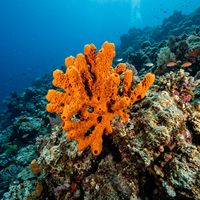
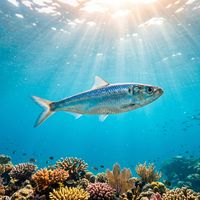
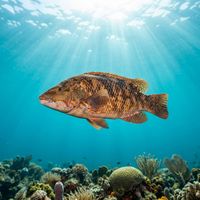
European Common Cuttlefish and Cod are very commonly encountered across the sites. Dead Man's Fingers, Sea Anemone and Sponge colonise the structural surfaces of the wrecks and reefs. Herring are frequently seen in the water column, and an occasional Common Minke Whale has been recorded in the area.
The majority of sites are rated intermediate or advanced, and none are listed as beginner-friendly. Strong currents, cold water and open-water conditions are common factors. Divers should have solid buoyancy control and cold-water experience before visiting.
All sites in the region are boat-access only. The exposed open-water location makes shore entry impractical, and some site descriptions specifically note strong shore breaks as a reason that boat access is necessary. Divers will need to arrange a liveaboard or charter vessel to reach the sites.
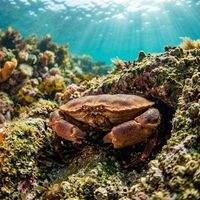
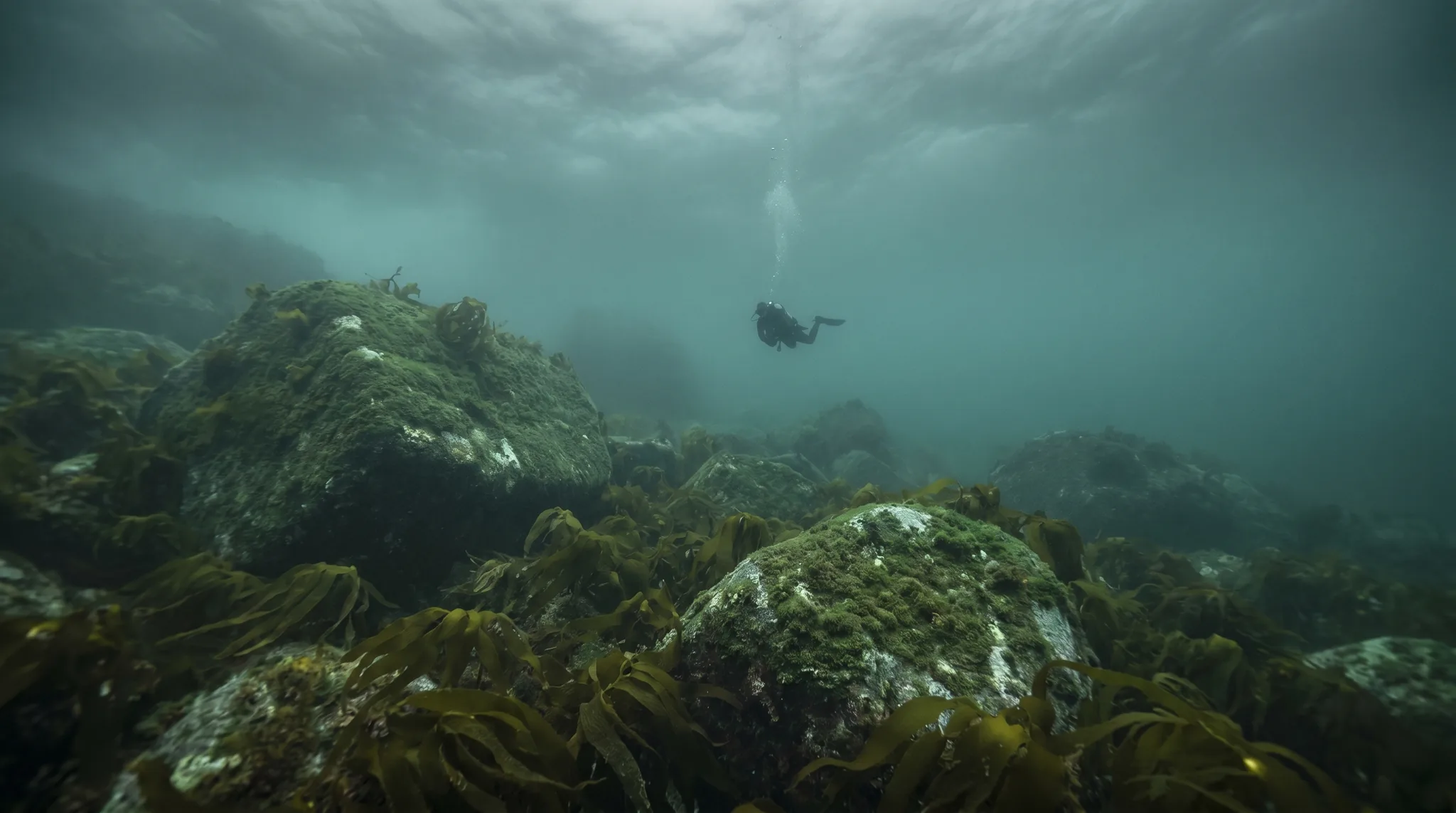
Klaverbank I and Klaverbank III incorporate hard rocky and gravel reef substrate alongside wreck structure, which sets them apart from pure wreck sites like Jeanette Kristina or Koningin Regentes. This means divers encounter reef-dwelling life in addition to the species that colonise the wrecks themselves. Both Klaverbank sites are relatively deep and suited to experienced divers comfortable with moderate currents.