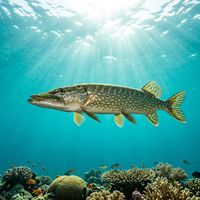
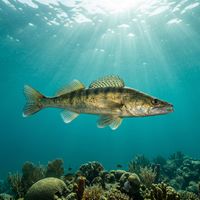
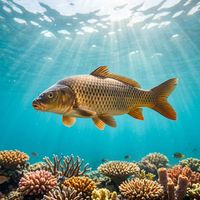
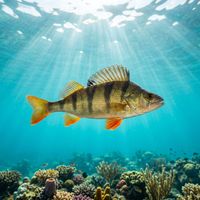
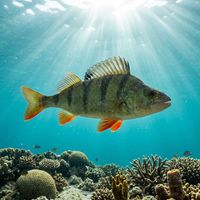
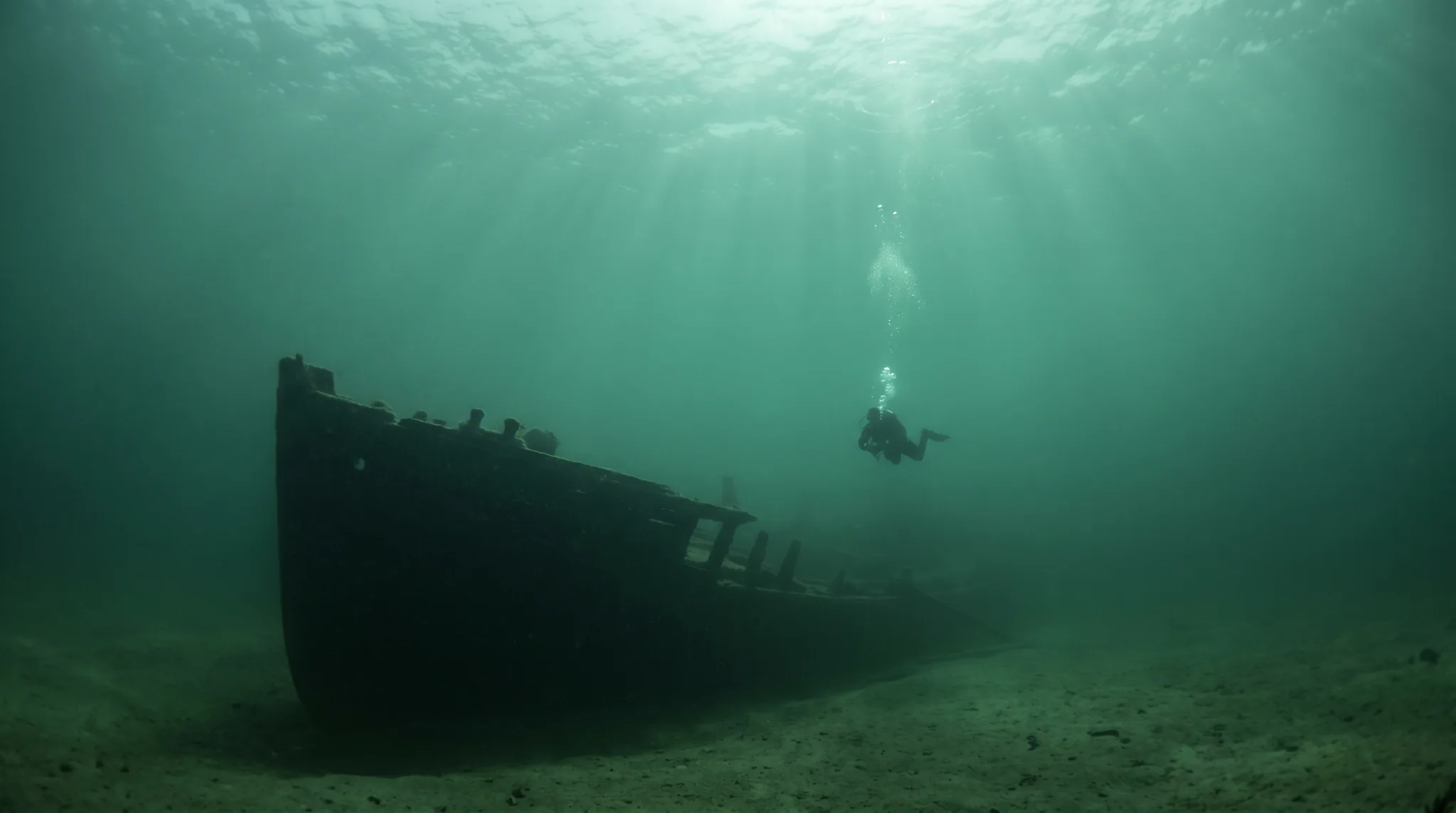
Groningen, Friesland and North Drenthe is a freshwater diving region built around flooded peat lakes, where artificial reefs and wrecks provide the main structure. Sites such as t Veenmeer, Woudfennen, Middelbert and Gasselterveld offer shore-entry dives across a wide range of depths, from the very shallow to truly deep. The resident fish life is dominated by Pike, Common Perch, Carp and Pike Perch, all observation-backed regulars. Water is cold through winter and warms noticeably from late spring into summer, which shapes when most divers choose to visit.
Monthly water temperature across Groningen, Friesland & North Drenthe's sites, from satellite sea-surface data corrected for depth. The band shows the site-to-site spread.
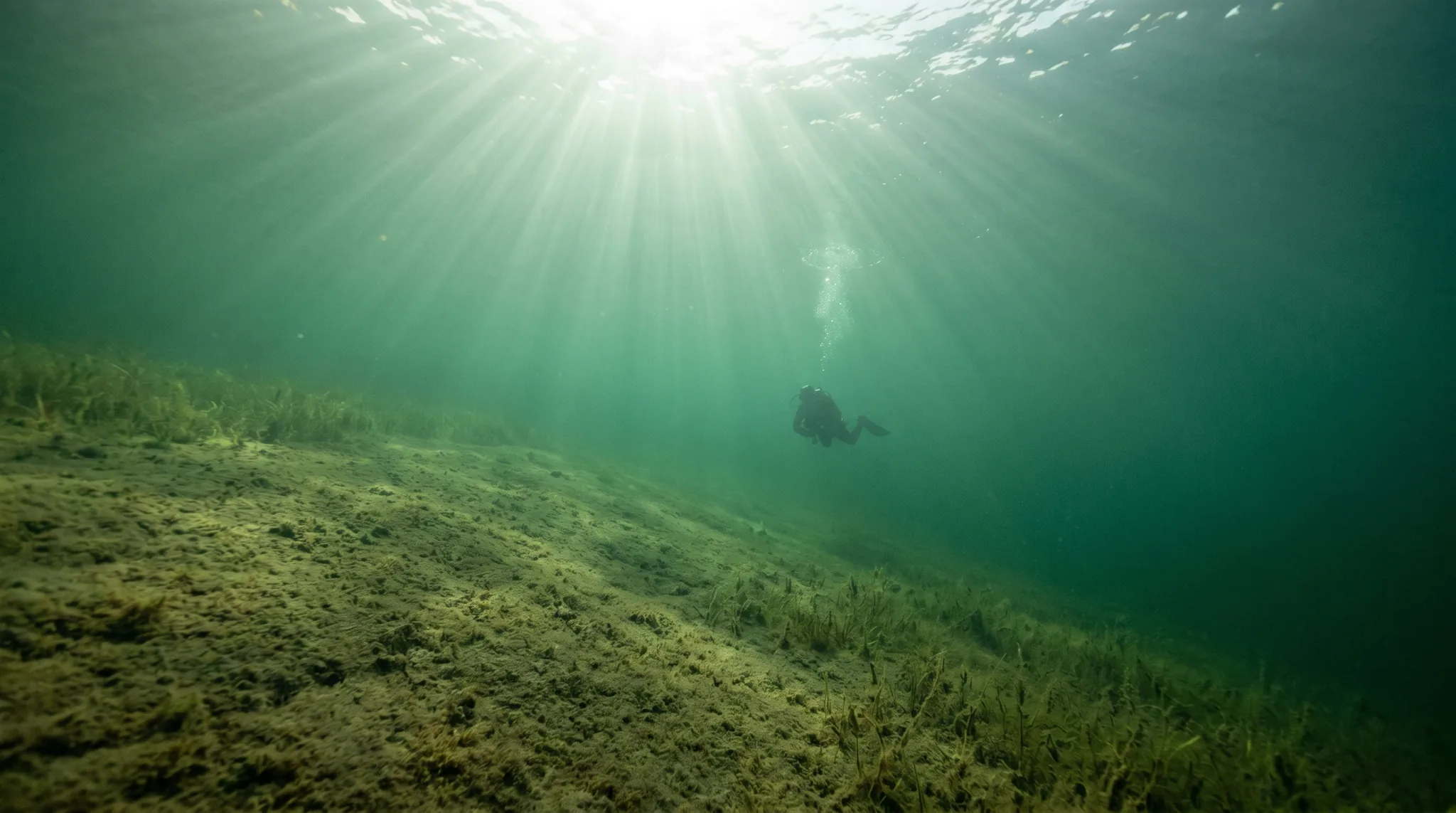
Water temperatures sit near their lowest in winter and climb steadily from spring, reaching their warmest in July and August before cooling again through autumn. The warmer months from late spring to early autumn draw the most visitors and offer the most comfortable conditions. Visibility in these peat lakes is characteristically modest year-round, so divers should be comfortable navigating in limited light.
24 more sites to explore
Water temperature around Groningen, Friesland & North Drenthe ranges from about 5°C in January to 20°C in August, based on satellite sea-temperature data for its dive sites.
In the warm season (about 20°C) a 5mm suit is comfortable in Groningen, Friesland & North Drenthe; in the coldest months (about 5°C) step up to a drysuit.
Fin maps 28 sites in Groningen, Friesland & North Drenthe (28 scuba diving sites).
Across Groningen, Friesland & North Drenthe's dive sites, May, June, July, August and September are most often reported as the best months to visit.
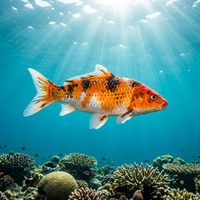
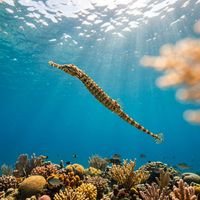
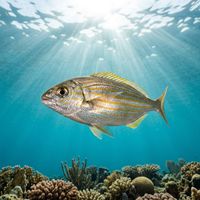
The region's freshwater lakes host a solid community of observation-backed species. Pike, Common Perch, Carp and Pike Perch are commonly recorded across the sites. Roach, Bream, Rudd and Bullhead have also been spotted, and Pipefish turns up occasionally.
The top sites, including t Veenmeer, Woudfennen, Middelbert and Gasselterveld, are all rated for beginner divers. Entry is from shore at each of these sites, removing the need for boat handling skills. The range of depths means beginners can stay shallow while more experienced divers explore deeper structures at the same location.
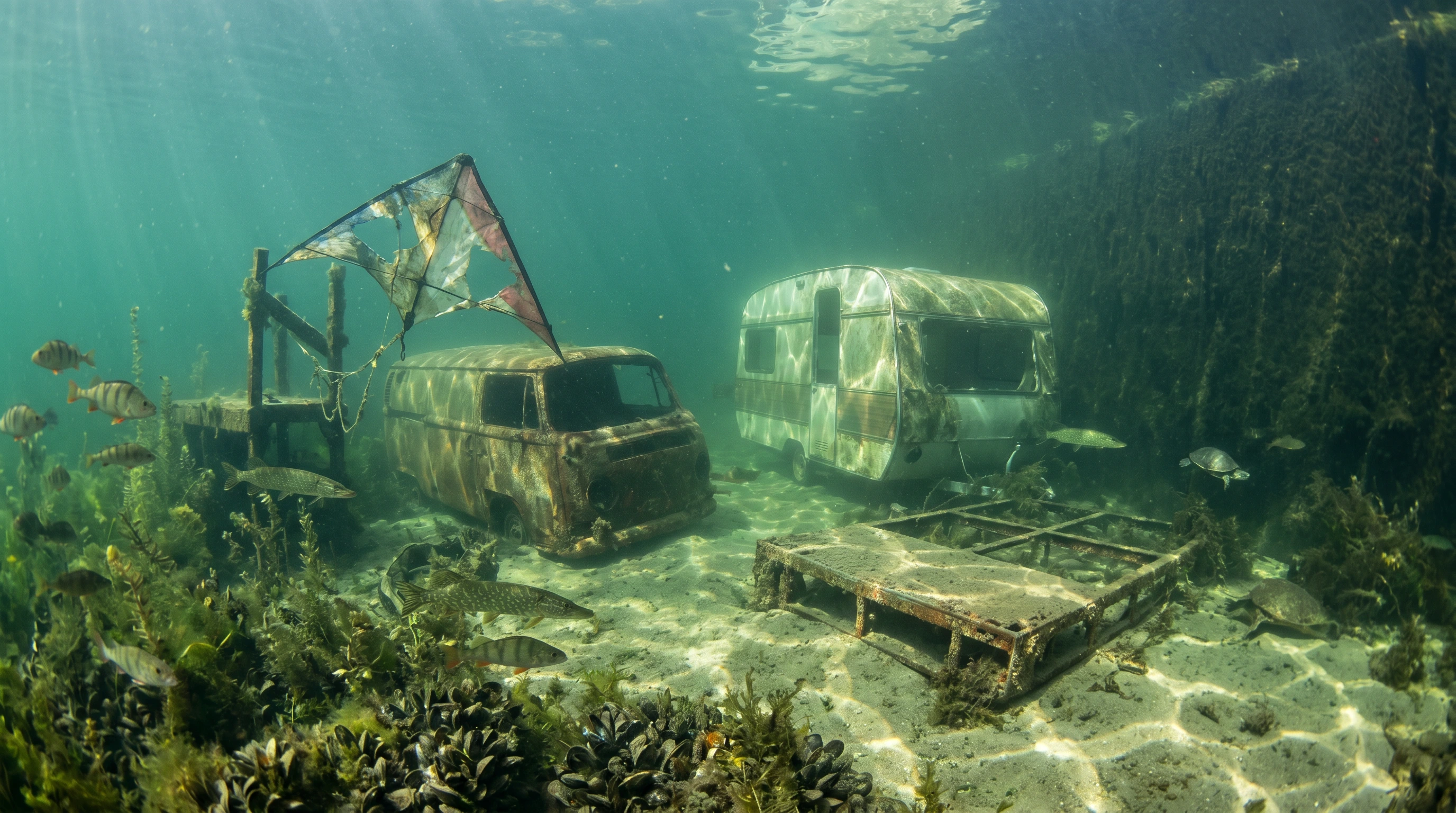
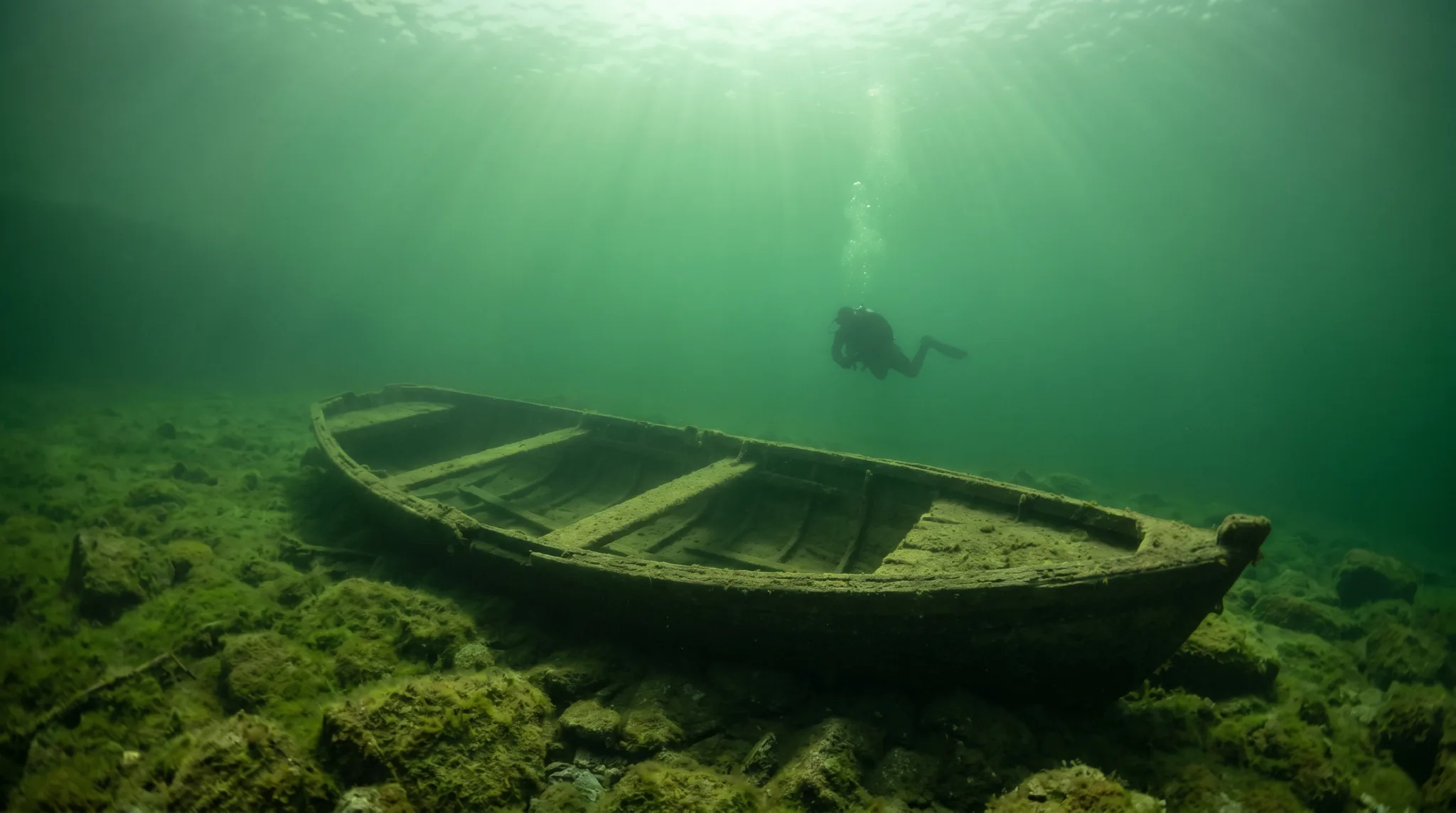
The sites are centred on flooded peat lakes and feature a mix of artificial reefs, wrecks and natural reef structure. Woudfennen is notable for its unusual collection of submerged objects, including a speed camera and a lawn mower, which give dives a distinctive character. All listed sites are shore-entry freshwater dives.
The region data does not list any local dive operators at present. Divers planning a trip should arrange equipment, guides and any necessary qualifications before arrival. The shore-entry nature of the sites does make independent diving practical for those who are already equipped and certified.