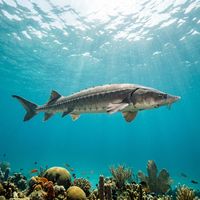
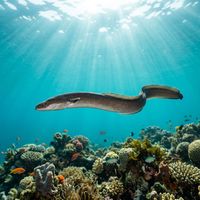
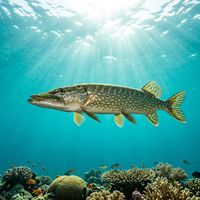
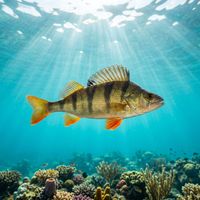
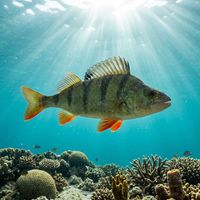
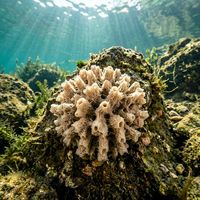
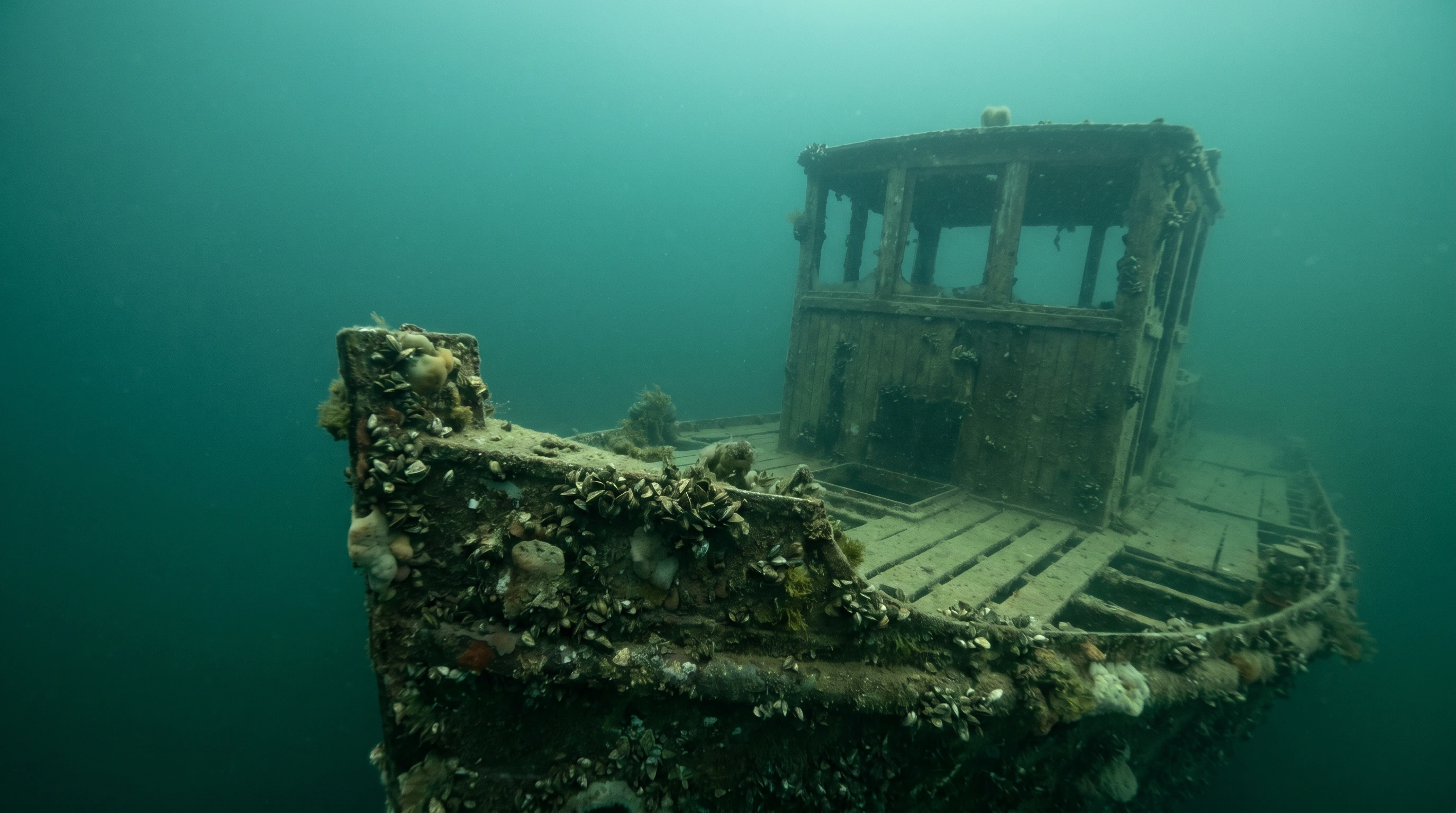
Gelderland's diving is built around freshwater lakes and quarry pits, where artificial reefs, sunken wrecks and varied structures give divers a clear reason to explore. The site mix leans heavily towards shore entry, making access straightforward across the region. Beginners are well served by shallow, calm lakes, while sites such as De Groene Heuvels and Gat van Roelofs offer more varied topography for intermediate divers. Underwater, Pike and Common Perch are reliably encountered, Sturgeon make an appearance across many sites, and Freshwater Sponge adds texture to the artificial structures.
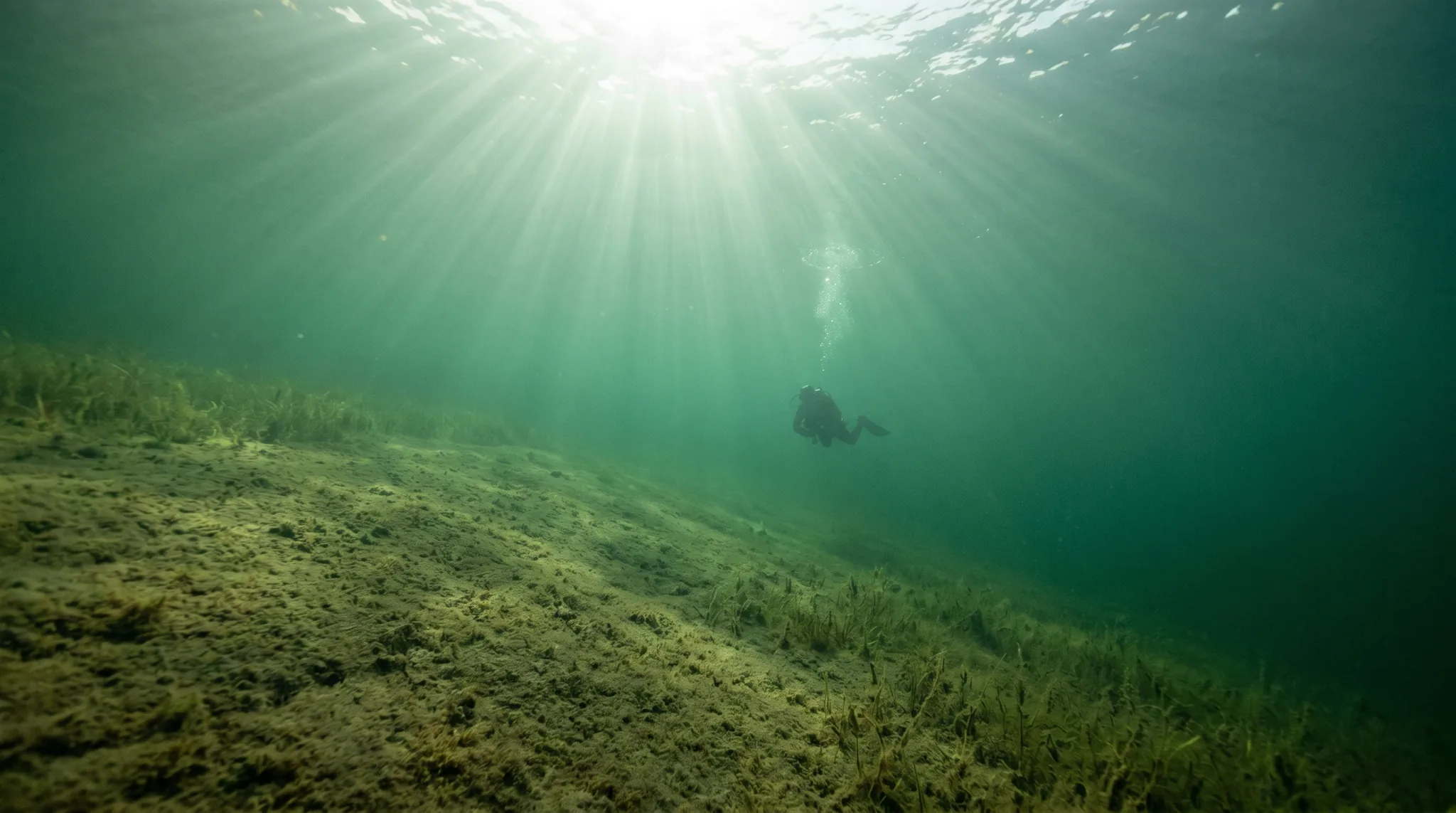
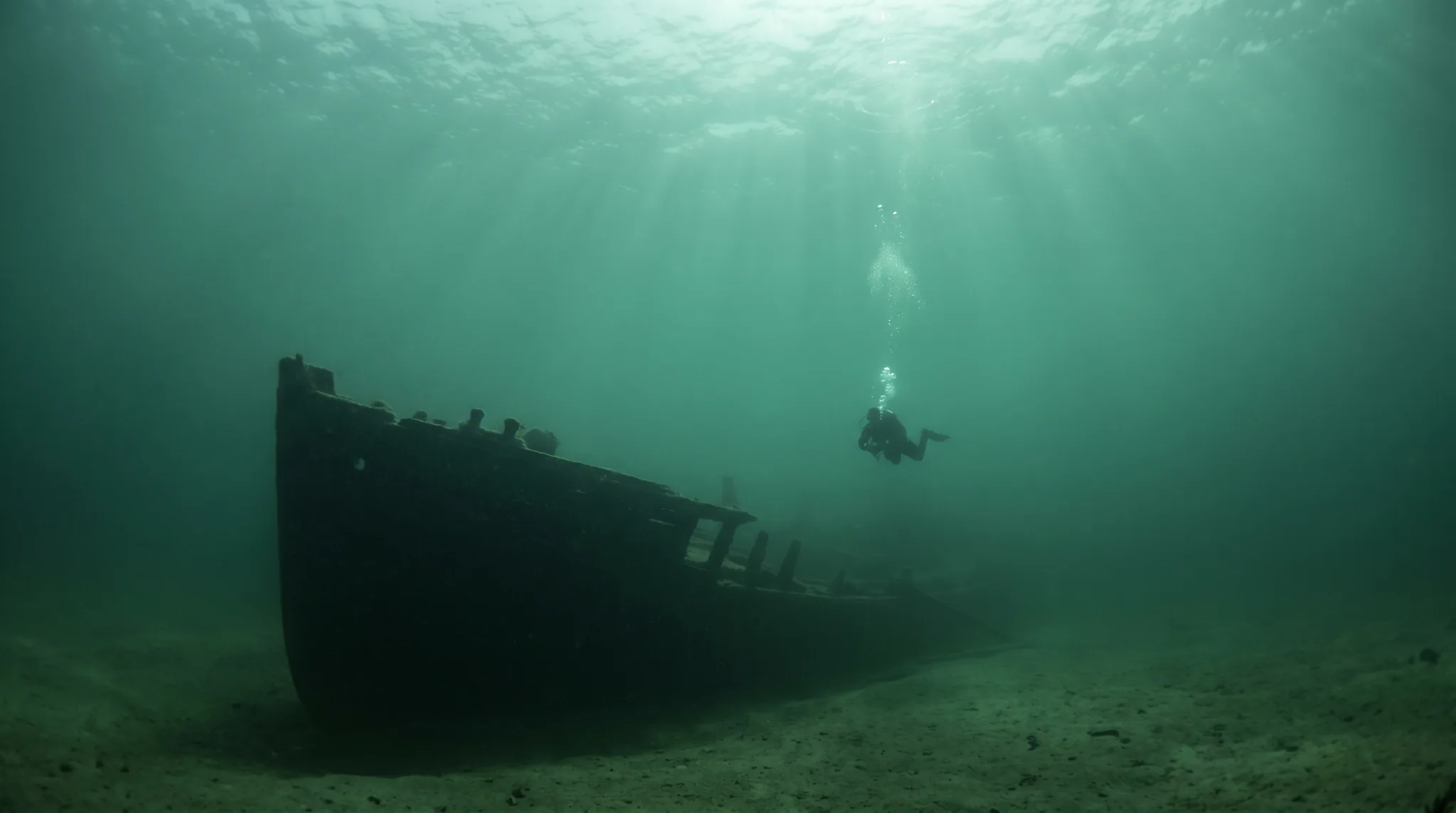
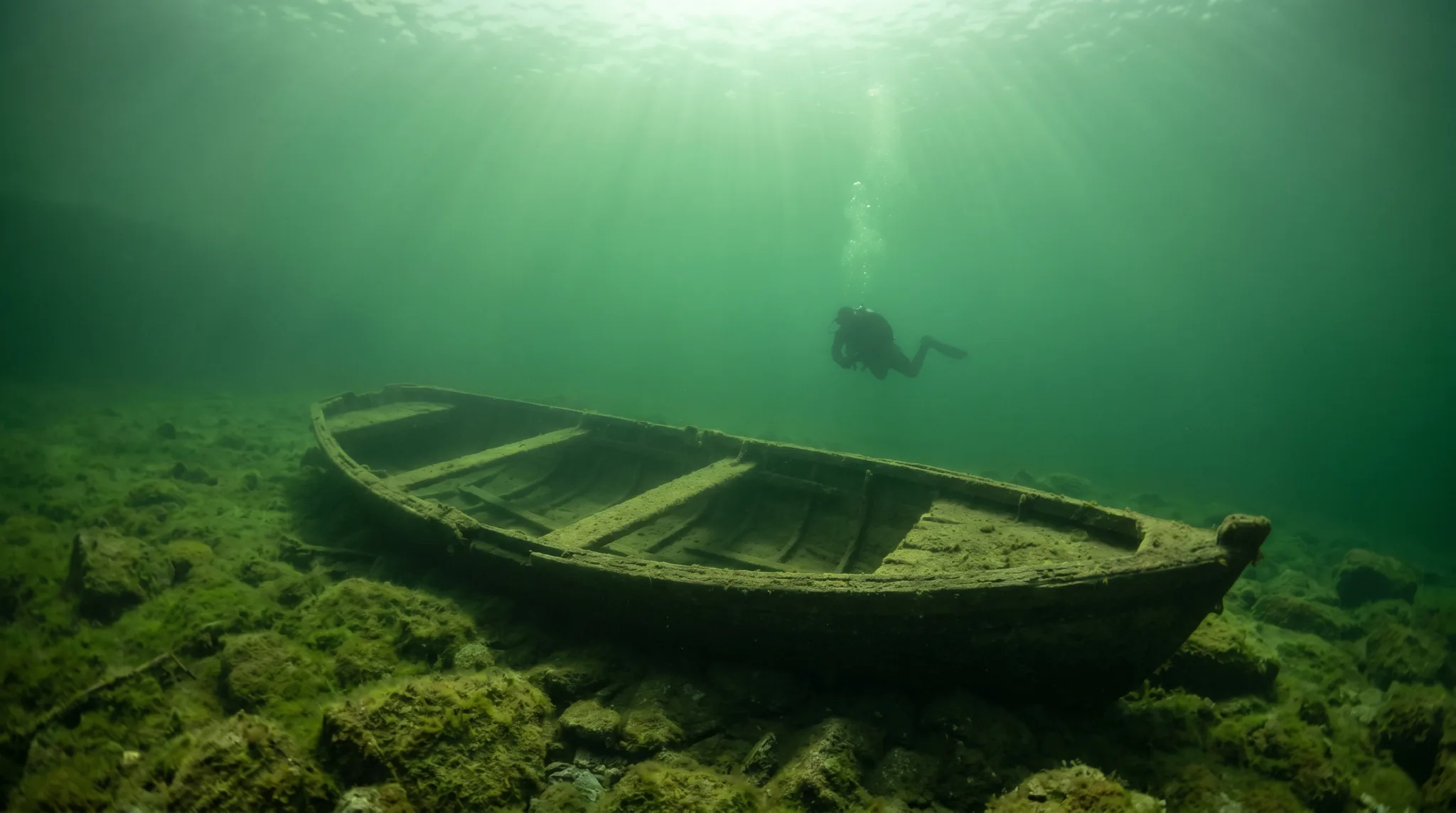
Fin maps 42 sites in Gelderland (42 scuba diving sites and 4 snorkelling spots, with some suited to both).
30 more sites to explore
Across Gelderland's dive sites, May, June, July, August and September are most often reported as the best months to visit.
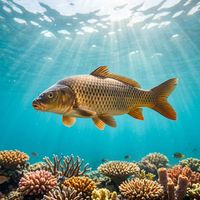
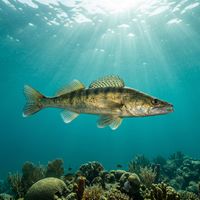
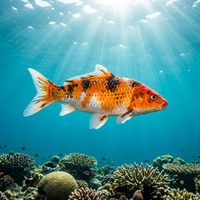
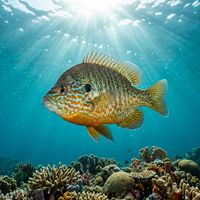
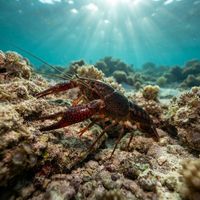
Pike and Common Perch are among the most frequently observed species across the region's lakes. Sturgeon, Carp, Pike Perch and European Eel are also regularly spotted. Less common but recorded encounters include Tench, Roach, Round Goby and American Crayfish, giving freshwater divers a varied and truly rewarding wildlife experience.
The majority of sites in Gelderland are rated for beginner divers. Shallow, calm lakes with no significant current, such as De Vrije Slag and Gat van Cortenoever, are particularly well suited to those building confidence and practising buoyancy. Intermediate divers looking for more depth and structural variety can head to De Groene Heuvels or Gat van Roelofs.
Virtually all dive sites in Gelderland are shore-entry, so boat support is not required. Divers walk in directly from the lake bank, which keeps logistics simple. This setup suits independent diving and is part of what makes the region accessible for divers of all levels throughout the year.
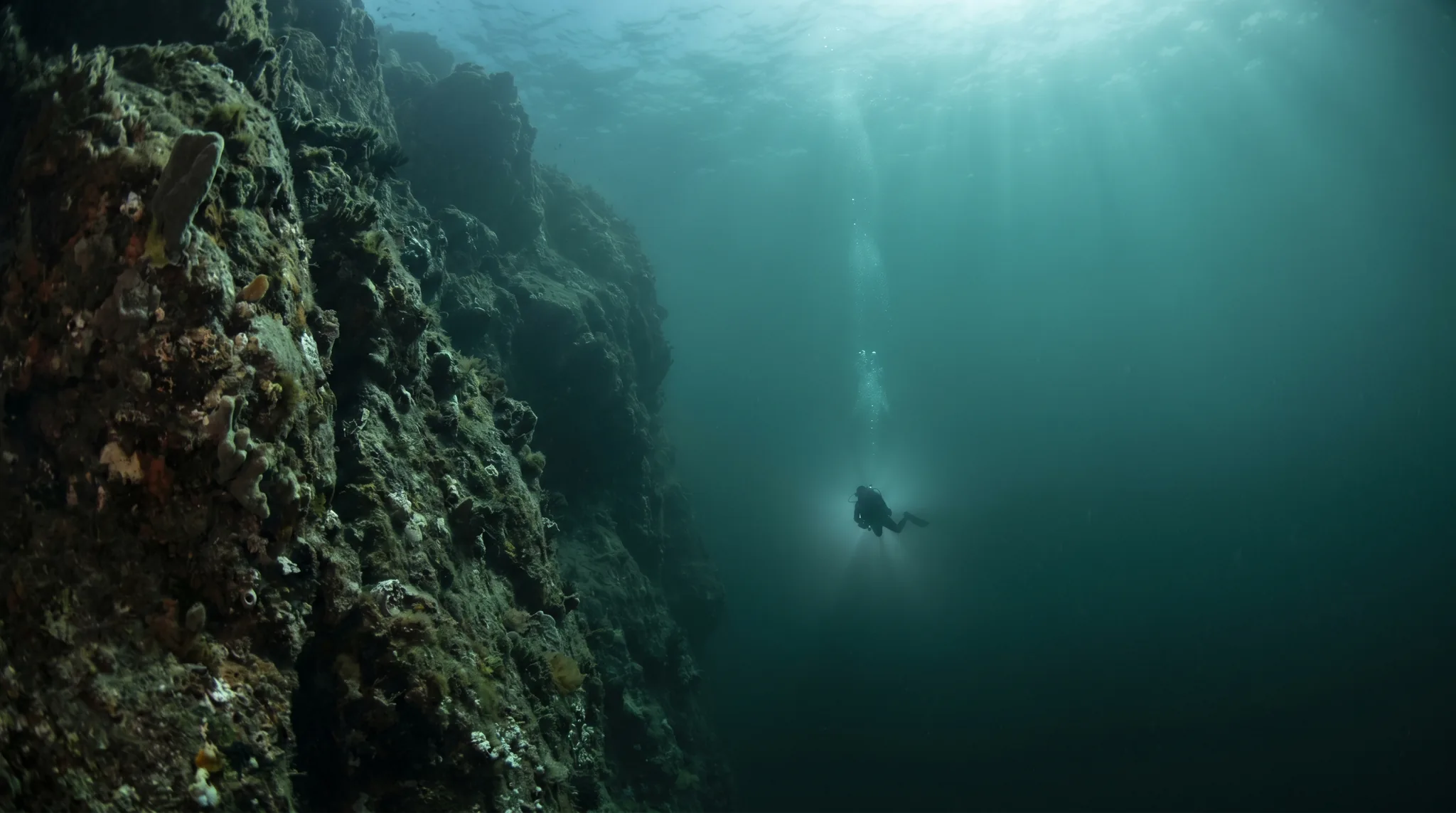
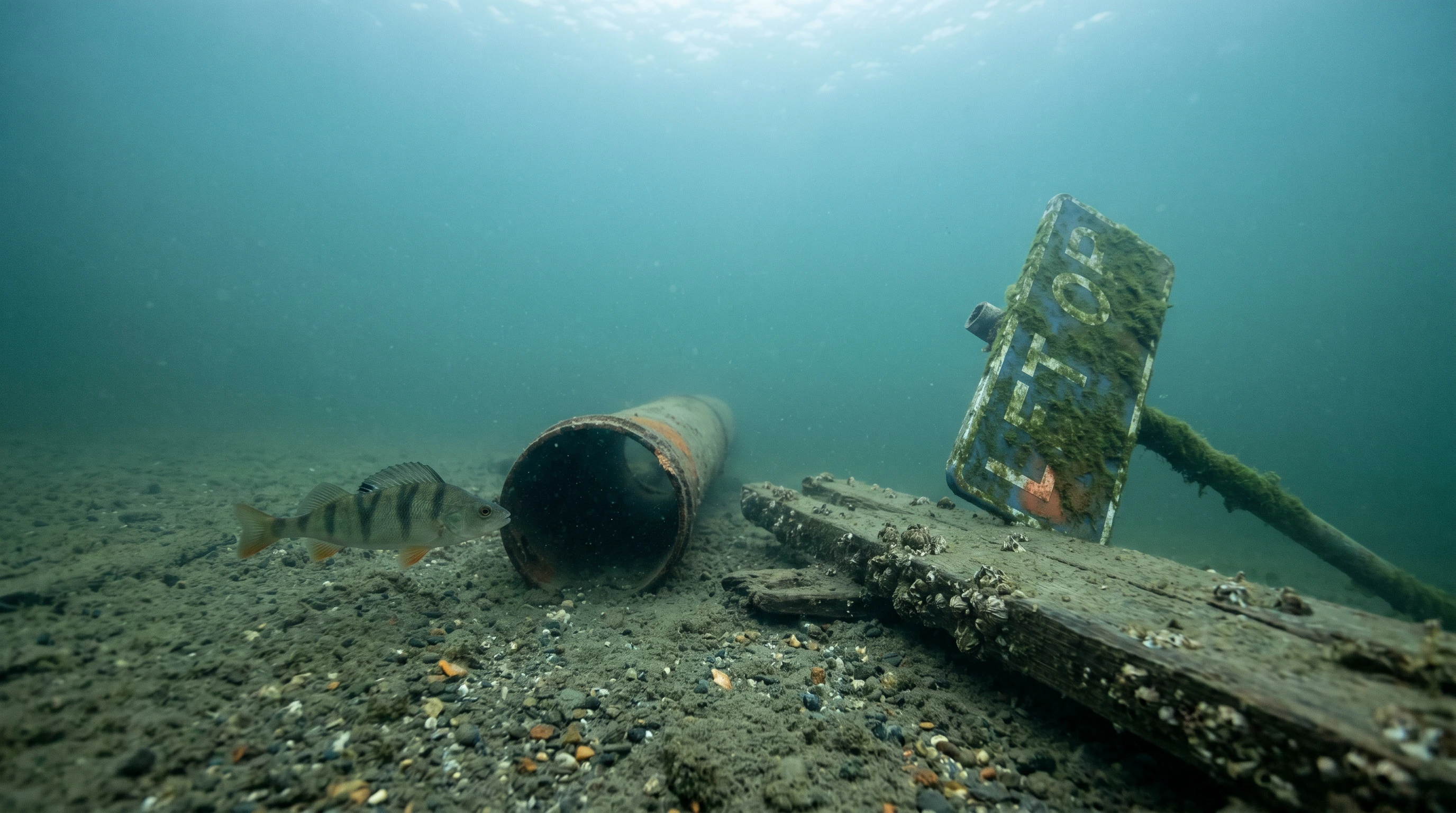
Artificial reefs are the most common feature, appearing at sites such as Watergoed, Kraaijenbergse plas eight and De Kuilen. Many sites also have sunken wrecks deliberately placed to create focal points for navigation and wildlife habitat. A smaller number of sites offer wall sections or muck environments, adding variety for divers who want to move beyond standard reef structures.