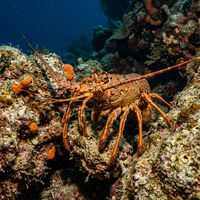
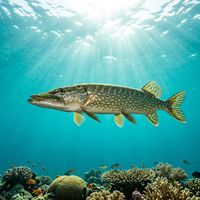
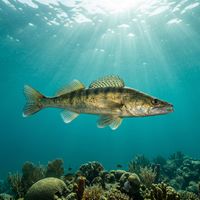
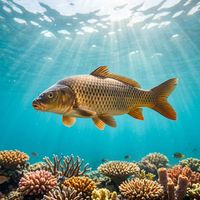
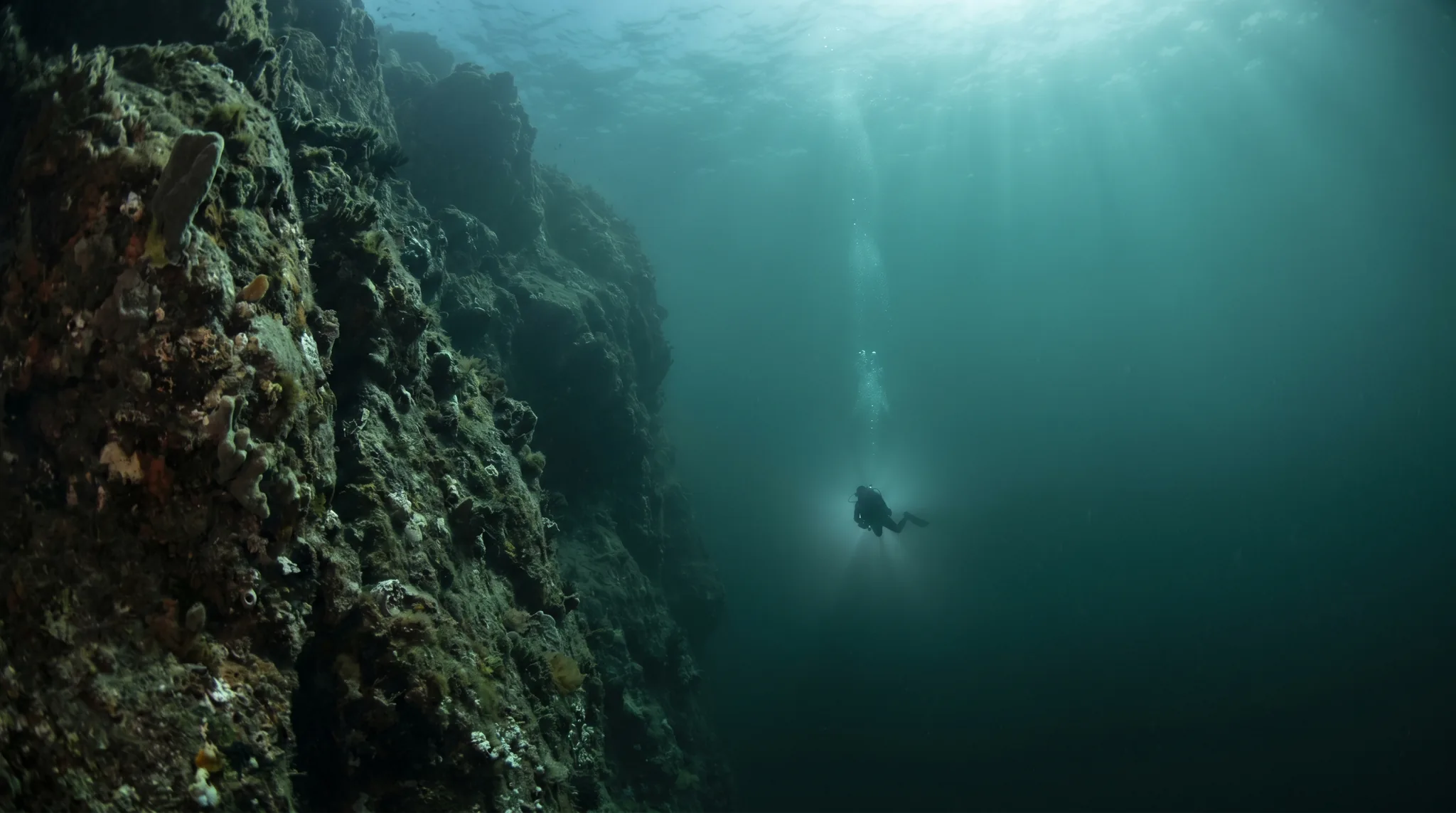
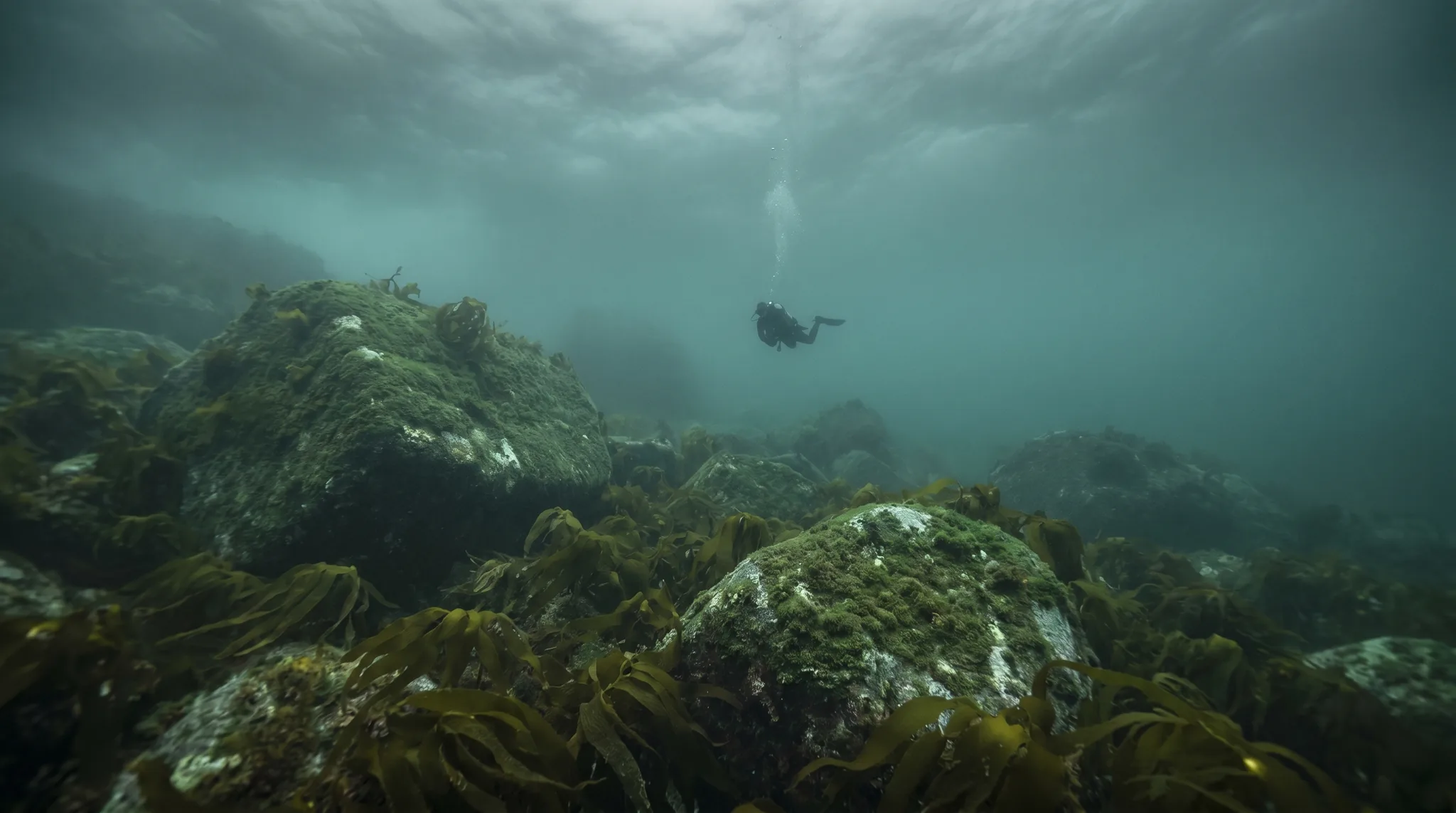
Limburg's dive sites are freshwater lakes, locally known as the Limburg Lakes, where submerged wrecks and artificial reefs form the backbone of the experience. Boschmolenplas draws divers with a range of submerged structures across a wide depth range, while t' Zuth offers a gradually sloping artificial reef on a shore entry. De Grote Hegge adds another wreck to the mix, and Zuidplas connects to the Maas river, giving it a distinct character among the lakes. The fish life is dominated by observation-backed species: Pike Perch is very common across sites, joined by Carp, Perch, and Pike, with Crayfish and Stone Loach found in shallower areas.
Fin maps 11 sites in Limburg (11 scuba diving sites).
7 more sites to explore
Across Limburg's dive sites, April and May are most often reported as the best months to visit.
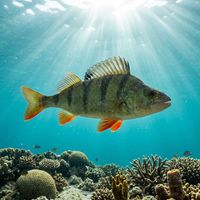
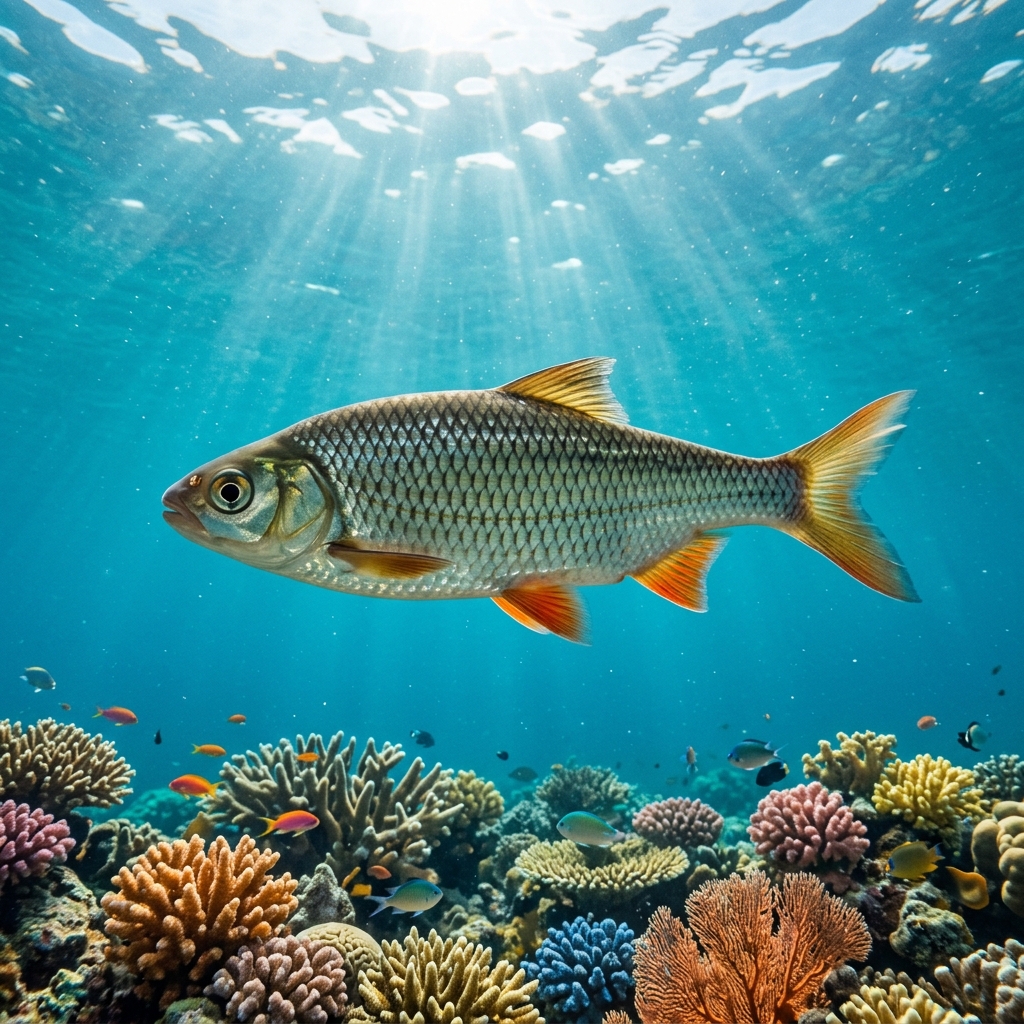
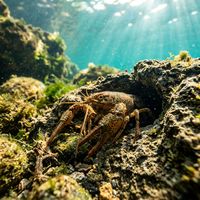
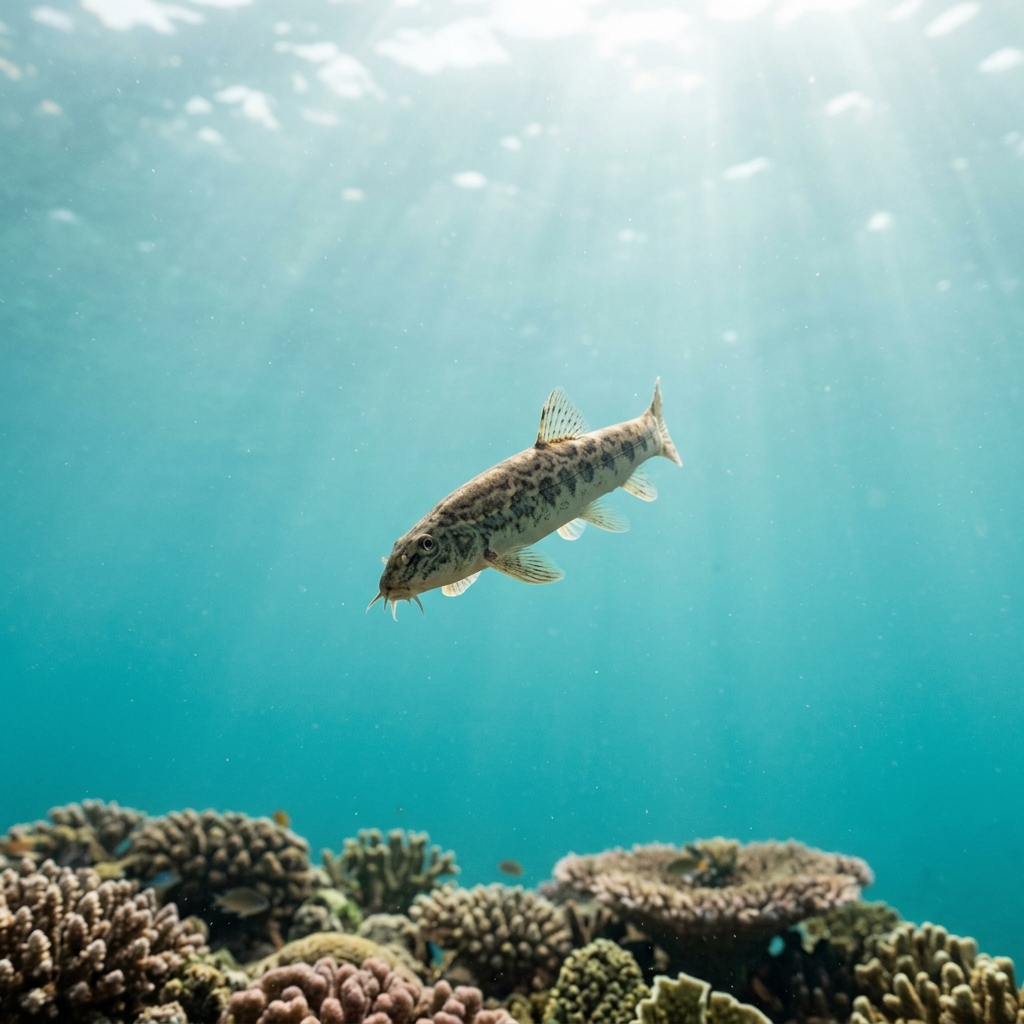
The lakes are home to a range of freshwater species that have been observed by divers. Pike Perch is very common and present across the majority of sites, while Carp, Perch, and Pike are regularly encountered. Roach appears occasionally, and Crayfish, Stone Loach, and Stickleback have also been recorded.
The majority of sites in Limburg are rated for beginner divers, with shore entries and structured environments such as wrecks and artificial reefs that are easy to navigate. Boschmolenplas, t' Zuth, De Grote Hegge, and Zuidplas all carry a beginner skill rating. The range of maximum depths across sites means newer divers can choose sites that suit their certification level.
Most sites in Limburg are shore-entry dives, meaning no boat is required to reach them. Boschmolenplas, t' Zuth, and De Grote Hegge are all accessed from the shore. Zuidplas is an exception, requiring a boat entry. This makes the region particularly convenient for independent divers.
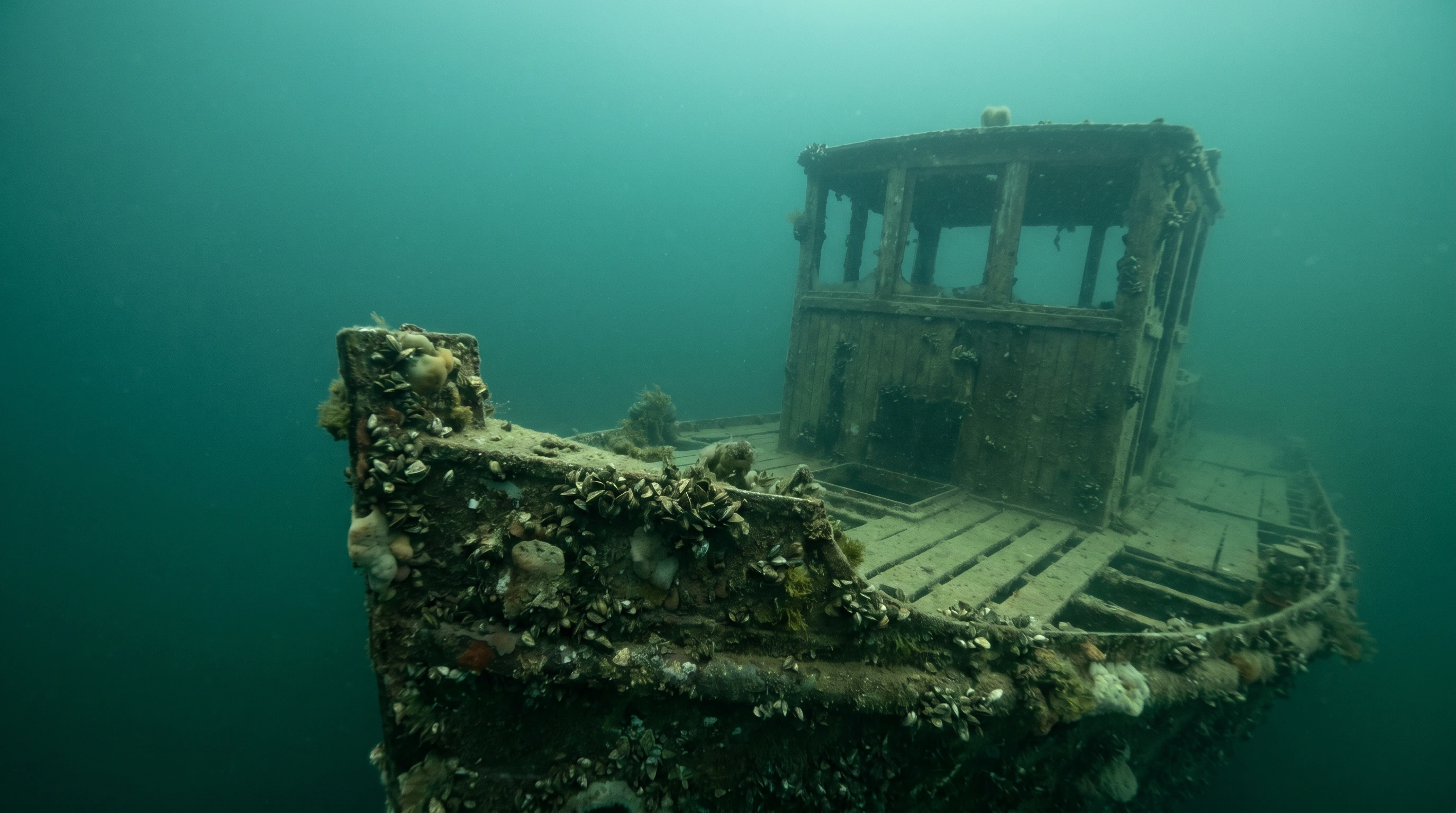
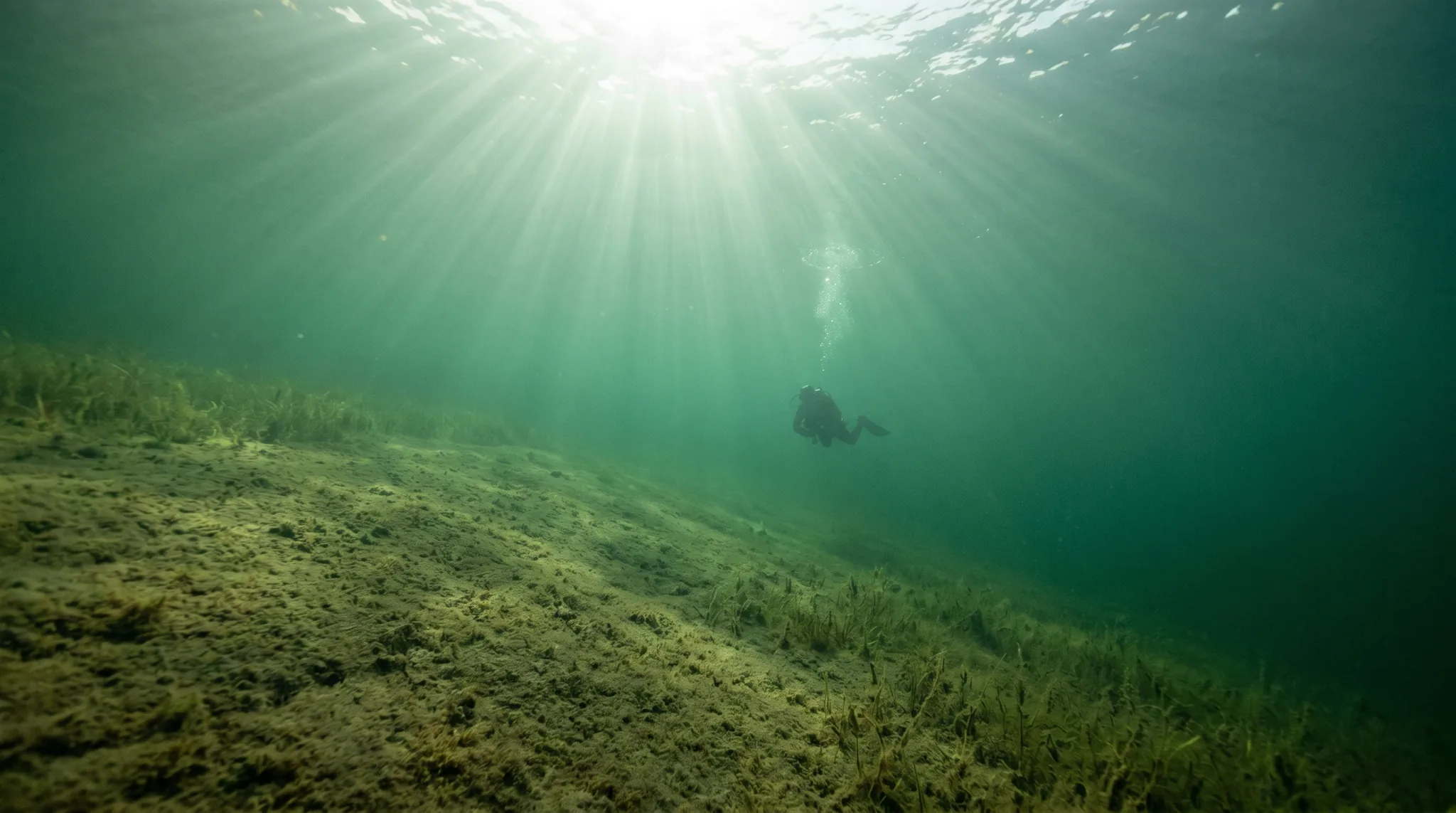
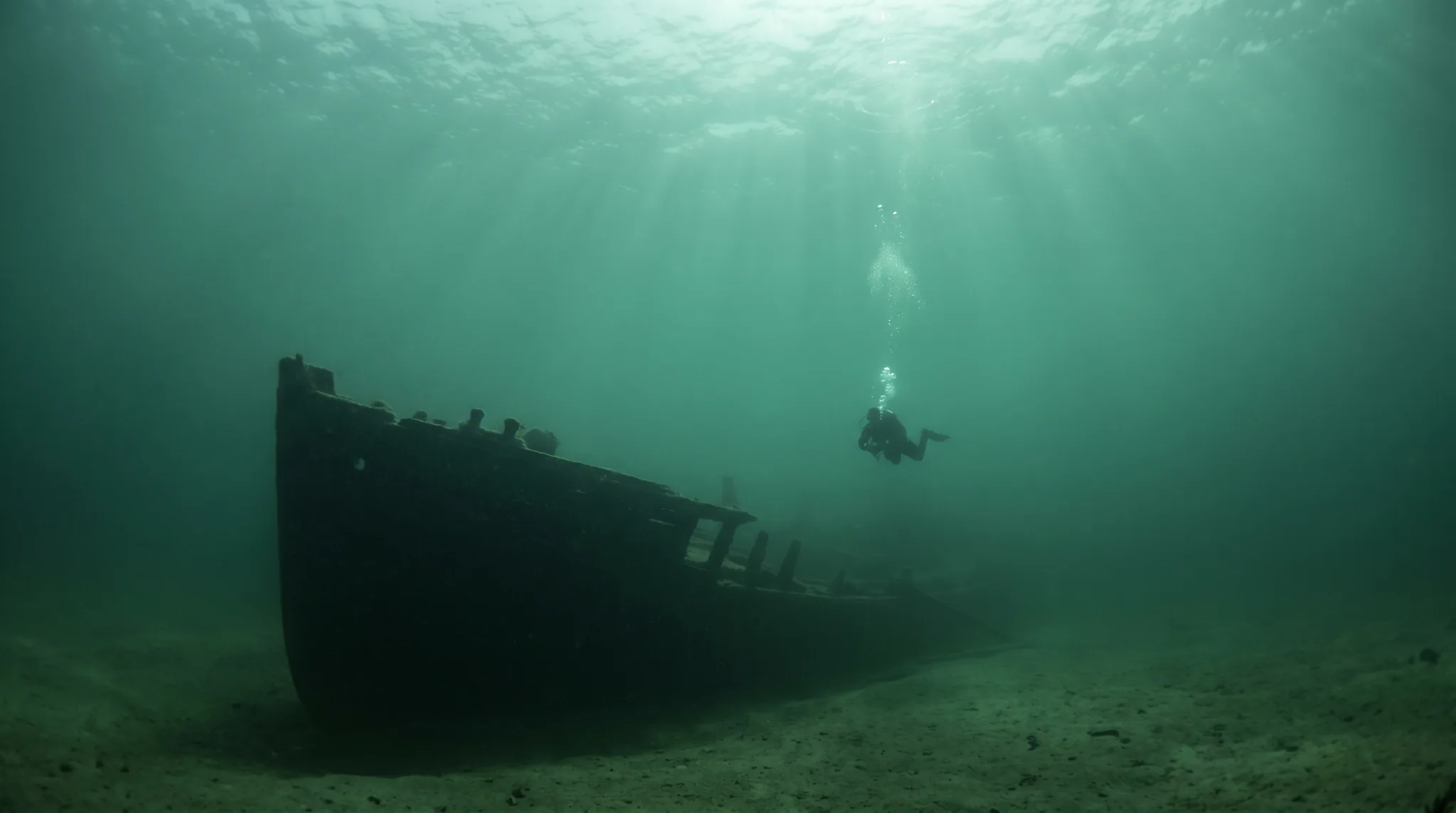
Limburg's diving centres on two main site types: wrecks and artificial reefs. Boschmolenplas is known for its variety of submerged structures including a pirate ship, while De Grote Hegge features a dedicated wreck dive. t' Zuth is an artificial reef with a sloping bottom. Together these man-made features give the freshwater lakes a structured underwater environment that suits training dives and recreational exploration alike.