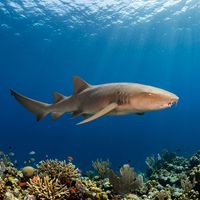
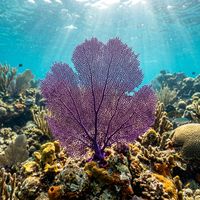
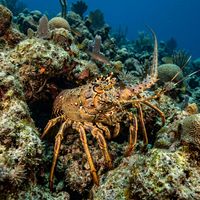
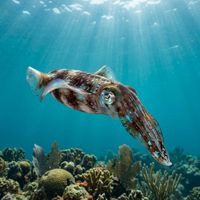
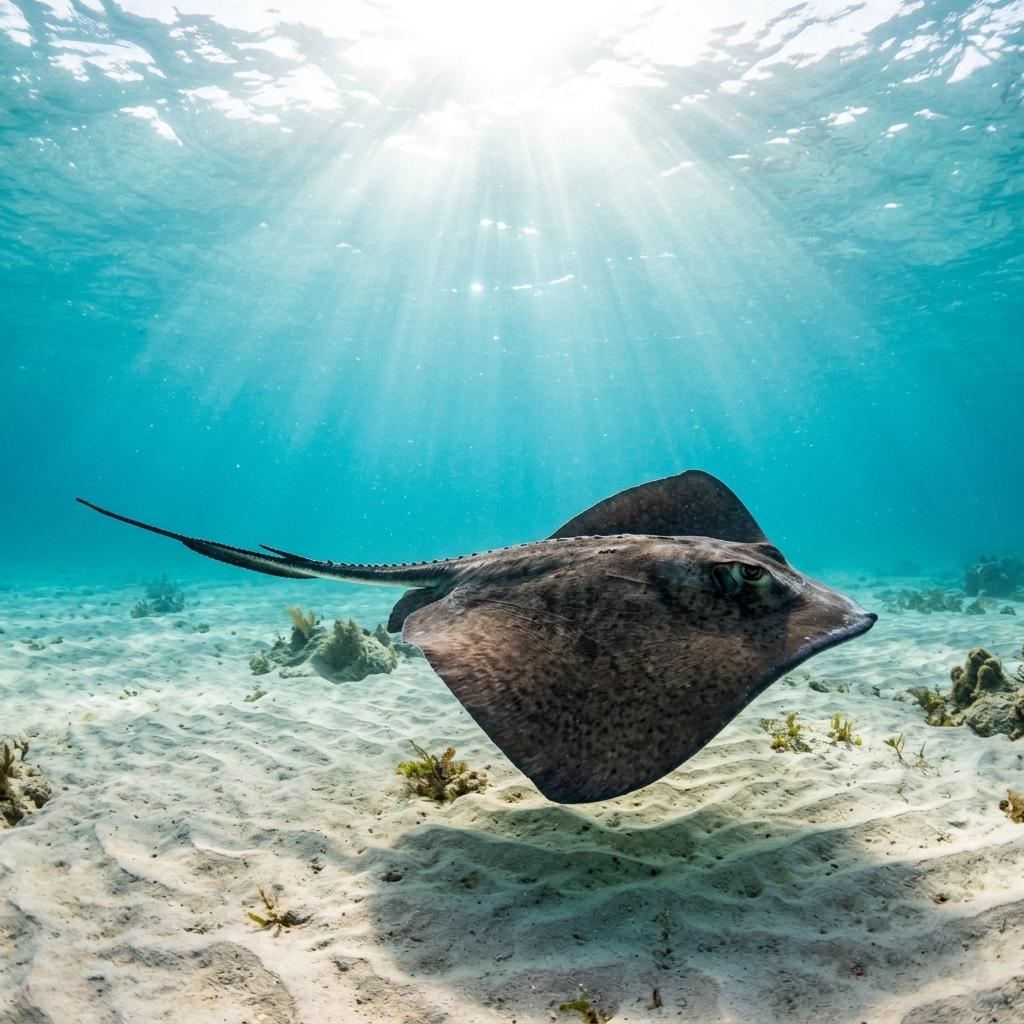
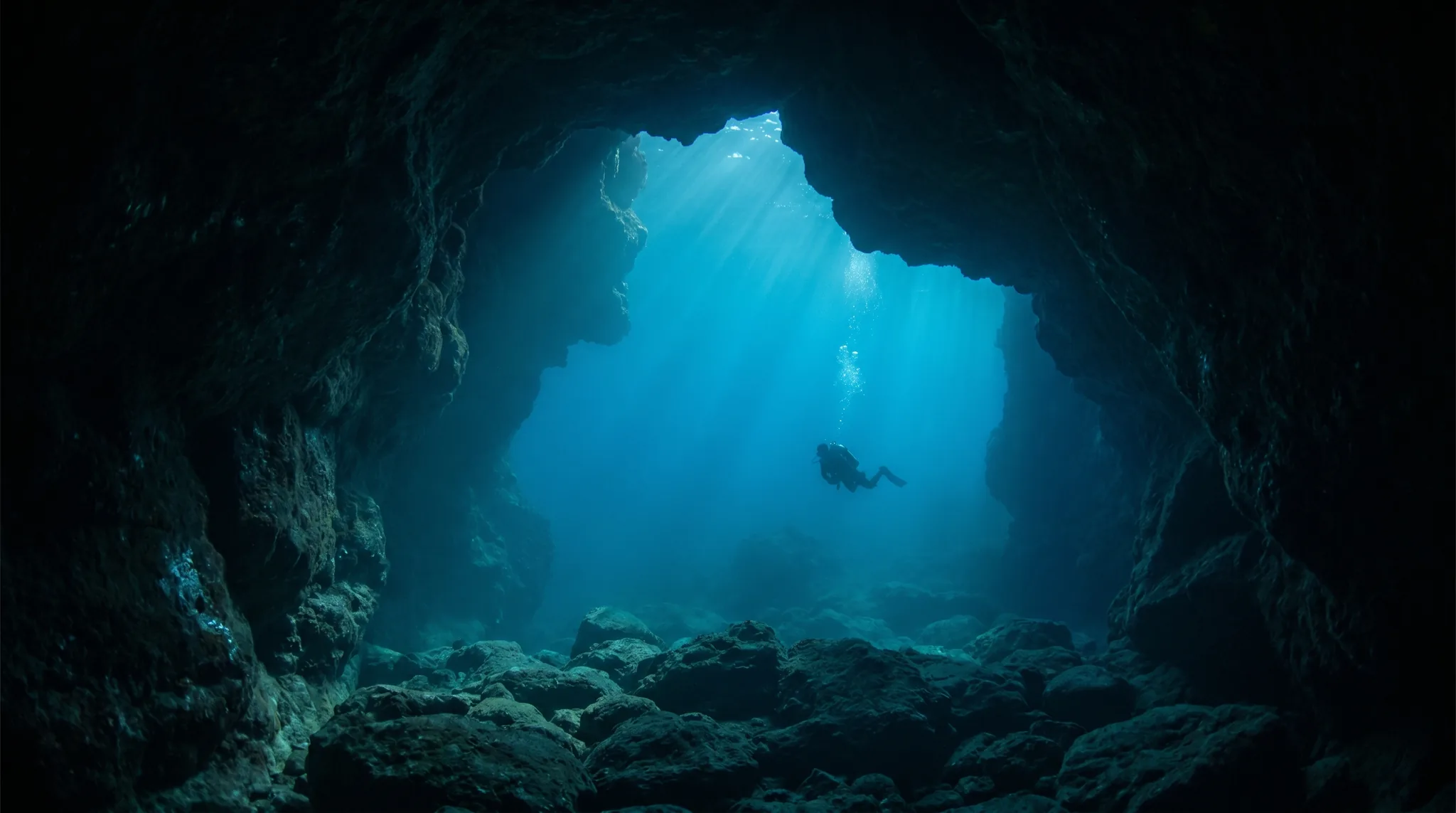
Mahahual's diving is built around a shallow-to-mid-range reef system running close to shore, with boat access to every site. The majority of sites suit beginners, from the mixed reef and wall topography of La China Nómada to the wreck and reef combination at Simio Bipolar. Banco Chinchorro adds a distinct remote dimension, with drift dives, wrecks, and deeper walls for intermediate and advanced divers. Across the sites, Nurse Shark, Reef Squid, and Caribbean Spiny Lobster are consistently observed.
Monthly water temperature across Mahahual's sites, from satellite sea-surface data corrected for depth. The band shows the site-to-site spread.
Water stays warm throughout the year, rising to its peak through late summer and early autumn, and sitting only marginally cooler in the winter months. The best-rated diving months run from late spring through early autumn, when conditions and visibility tend to be most favourable. Outside this window, diving remains viable year-round.
11 operators
Mexico
12 more sites to explore
Water temperature around Mahahual ranges from about 27°C in January to 30°C in August, based on satellite sea-temperature data for its dive sites.
With water around 27–30°C, a rash guard or 3mm shorty works in Mahahual year-round.
Fin maps 24 sites in Mahahual (20 scuba diving sites and 7 snorkelling spots, with some suited to both).
Across Mahahual's dive sites, May, June, July, August and September are most often reported as the best months to visit.
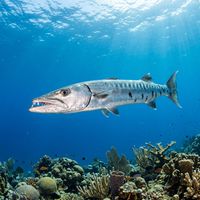
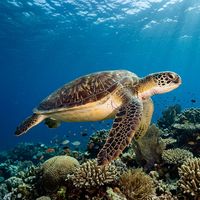
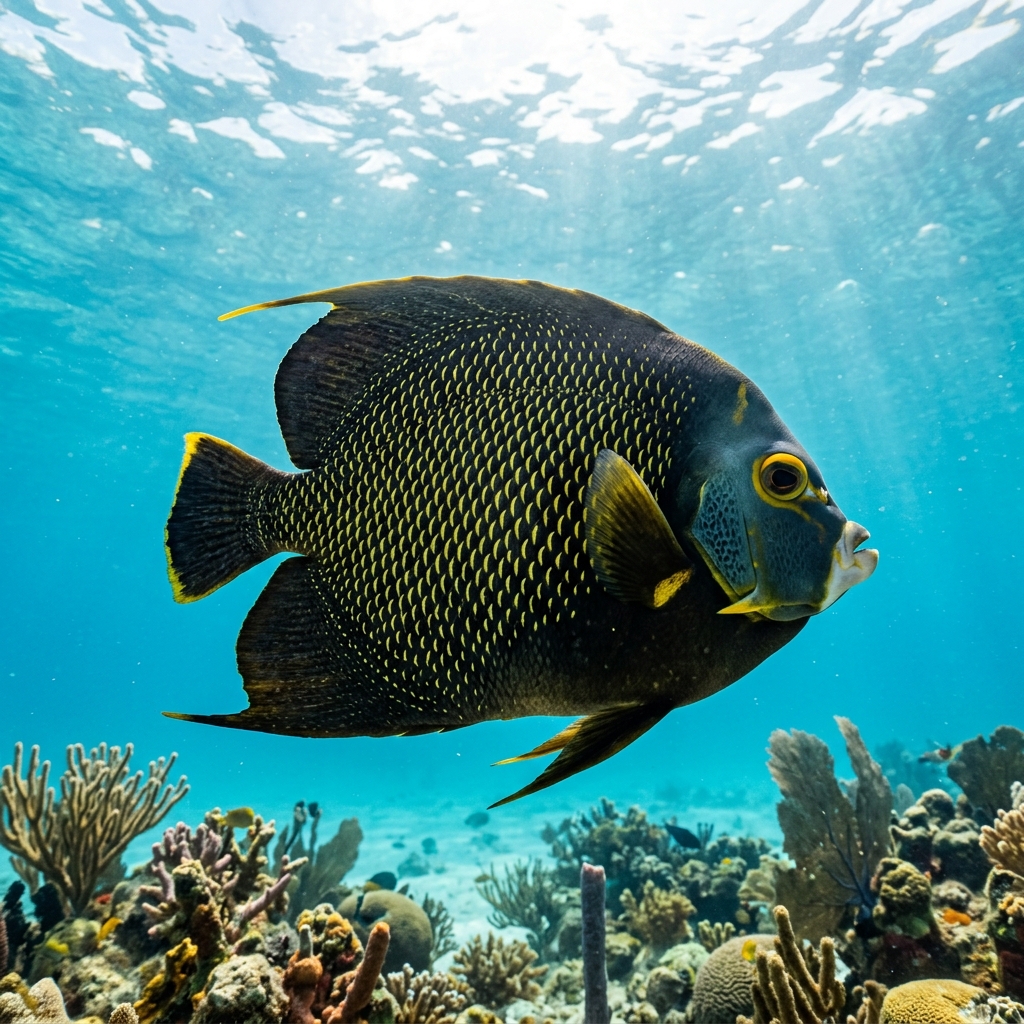
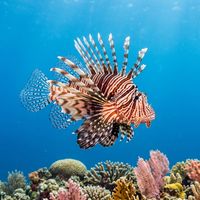
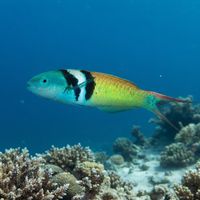
The reefs host a wide variety of observed species. Nurse Shark, Chupare Stingray, and Great Barracuda are among the signature encounters, alongside the ever-present Bluestriped Grunt, French Grunt, and Schoolmaster Snapper. French Angelfish, Gray Angelfish, and Blue Tang are commonly observed, and Green Sea Turtle and Indian Lionfish appear across a good portion of the sites.
The majority of sites in Mahahual are rated for beginner divers, including popular spots such as Acuario, Mahahual Reef, Jardin, and Faro Nuevo. These are shallow to mid-range reef dives with mild currents, all accessed by boat. Intermediate and advanced divers can progress to deeper drift and wall sites at Banco Chinchorro, including Punta Isabel and Ginger Scout.
The sites close to Mahahual are generally shallower reef dives with calm conditions, well suited to newer divers building confidence. Banco Chinchorro sits further offshore and offers a different character entirely: drift dives along deep walls, wreck diving at sites like Ginger Scout and the SS Far Star, and more demanding current conditions. Most operators offer day trips to Banco Chinchorro as a separate excursion.
Yes, every dive site listed in Mahahual requires boat access. There are no shore-entry dive sites among the sites recorded here. Multiple operators are based in the area, including Gypsea Divers, Pepe Dive Mahahual, Doctor Dive, Alux Divers, and XTC Dive Center, giving divers a good range of options for organising trips.