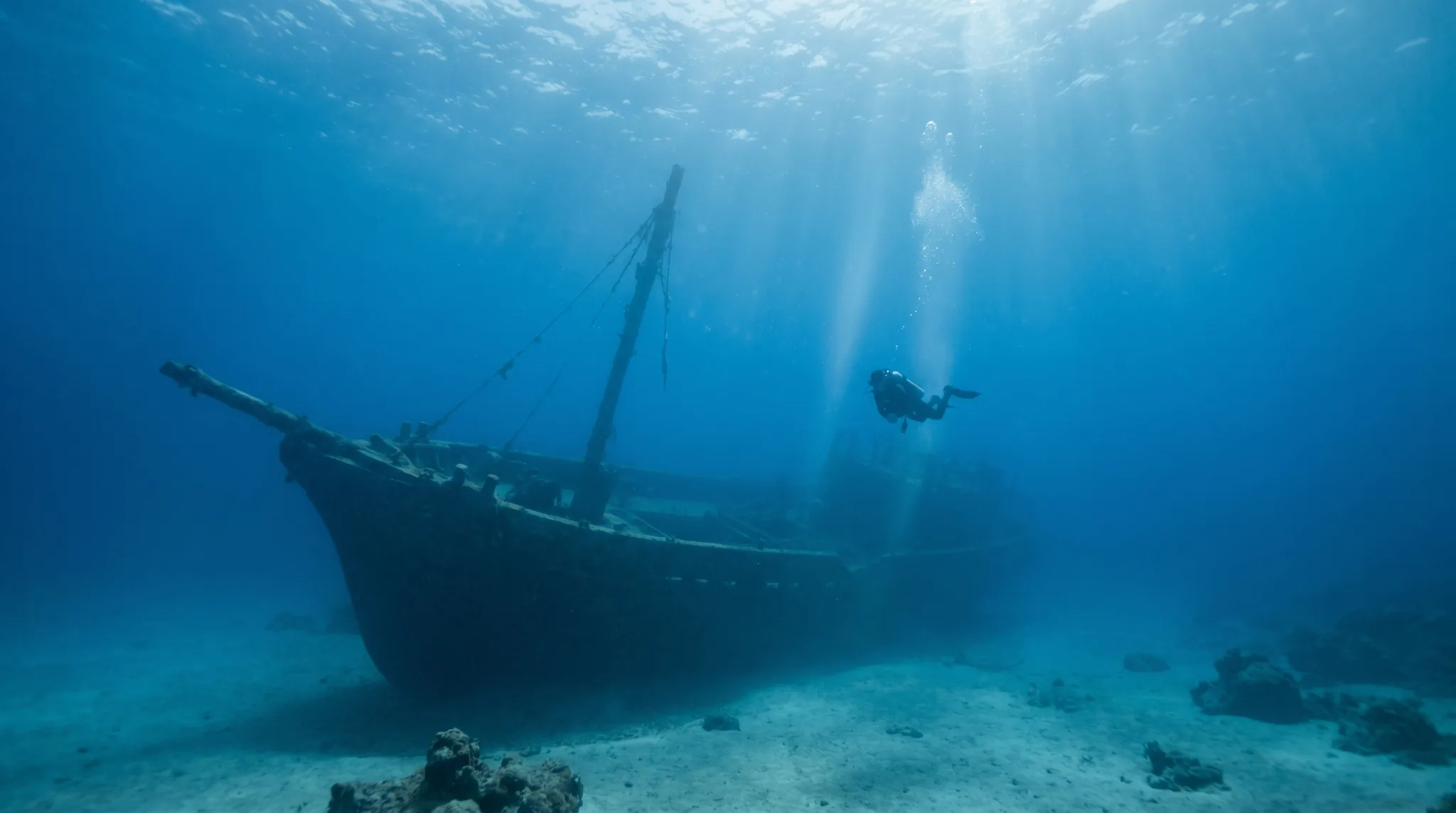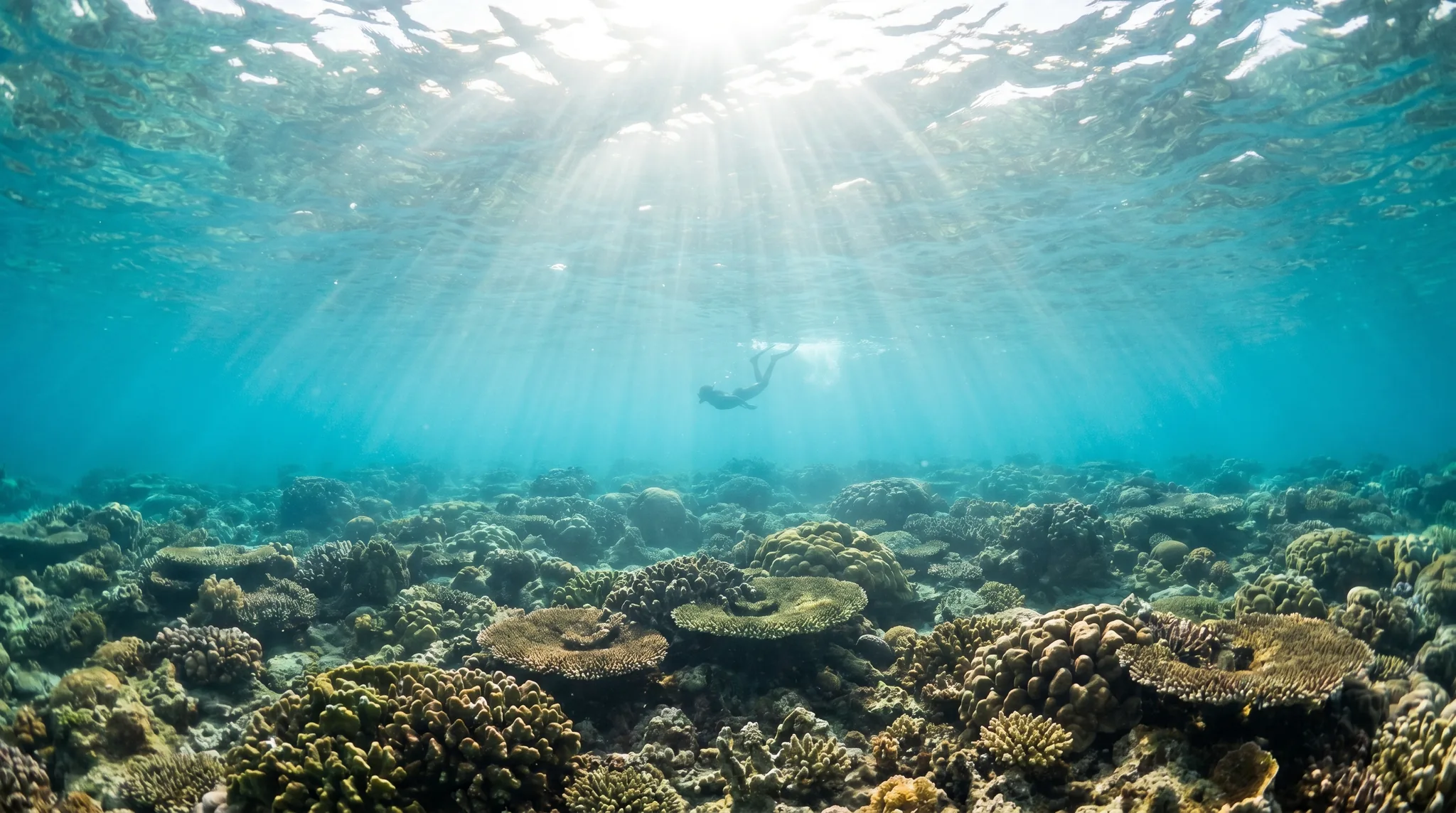
Best for beginner divers, 8-20m, boat entry, mild current.
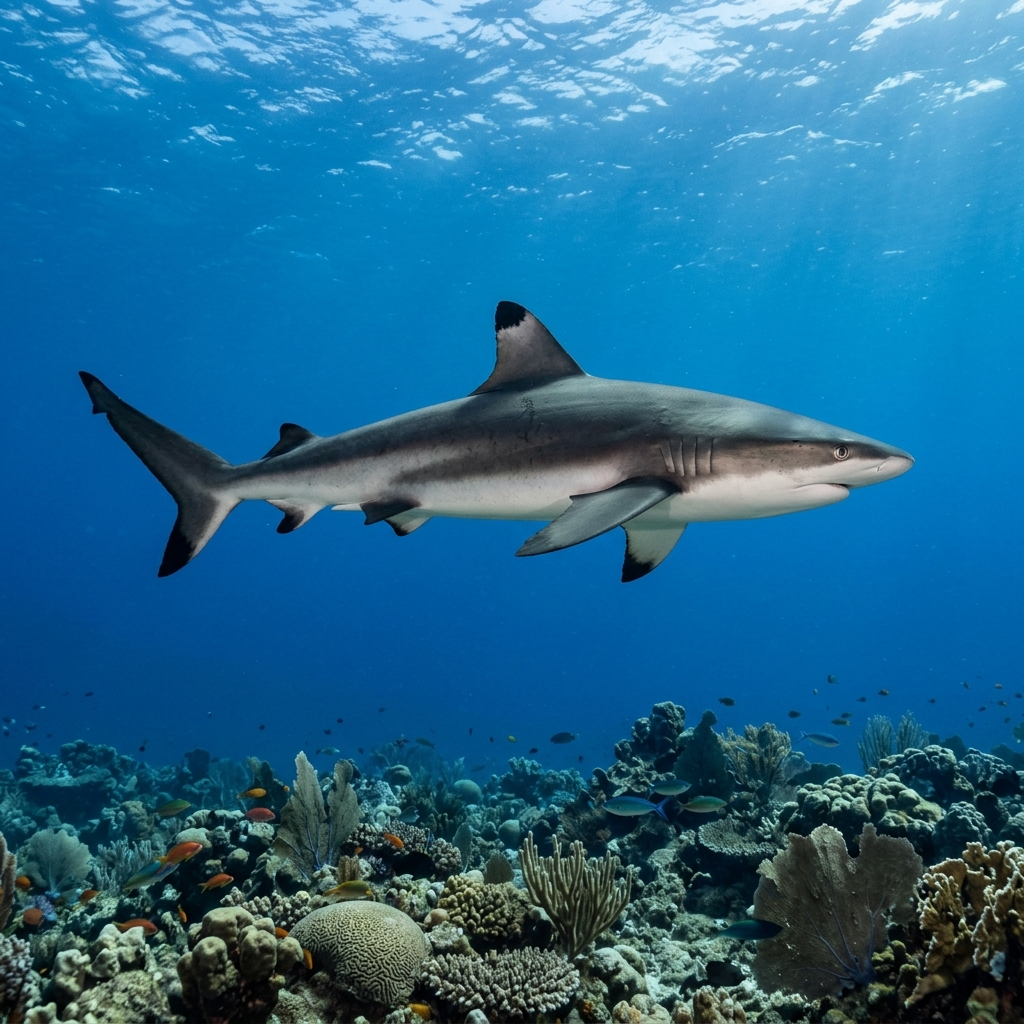
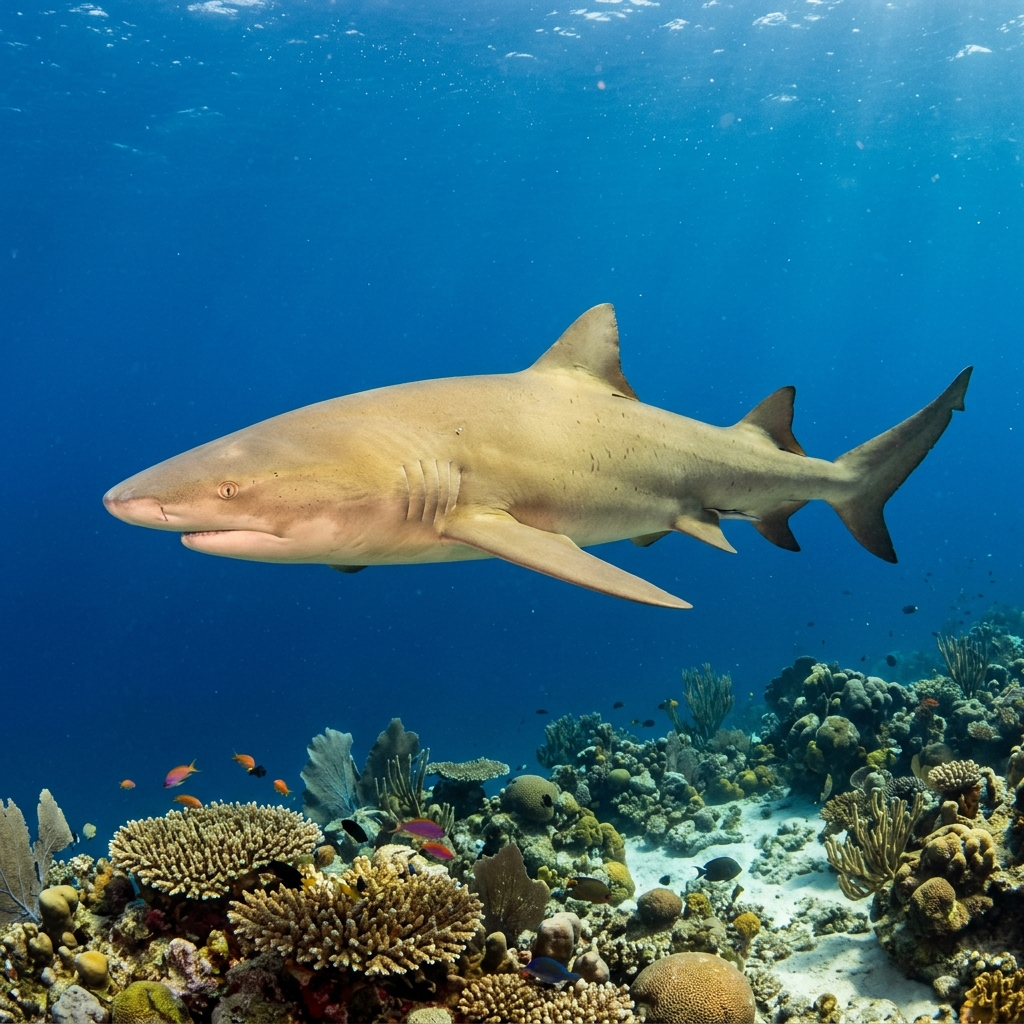
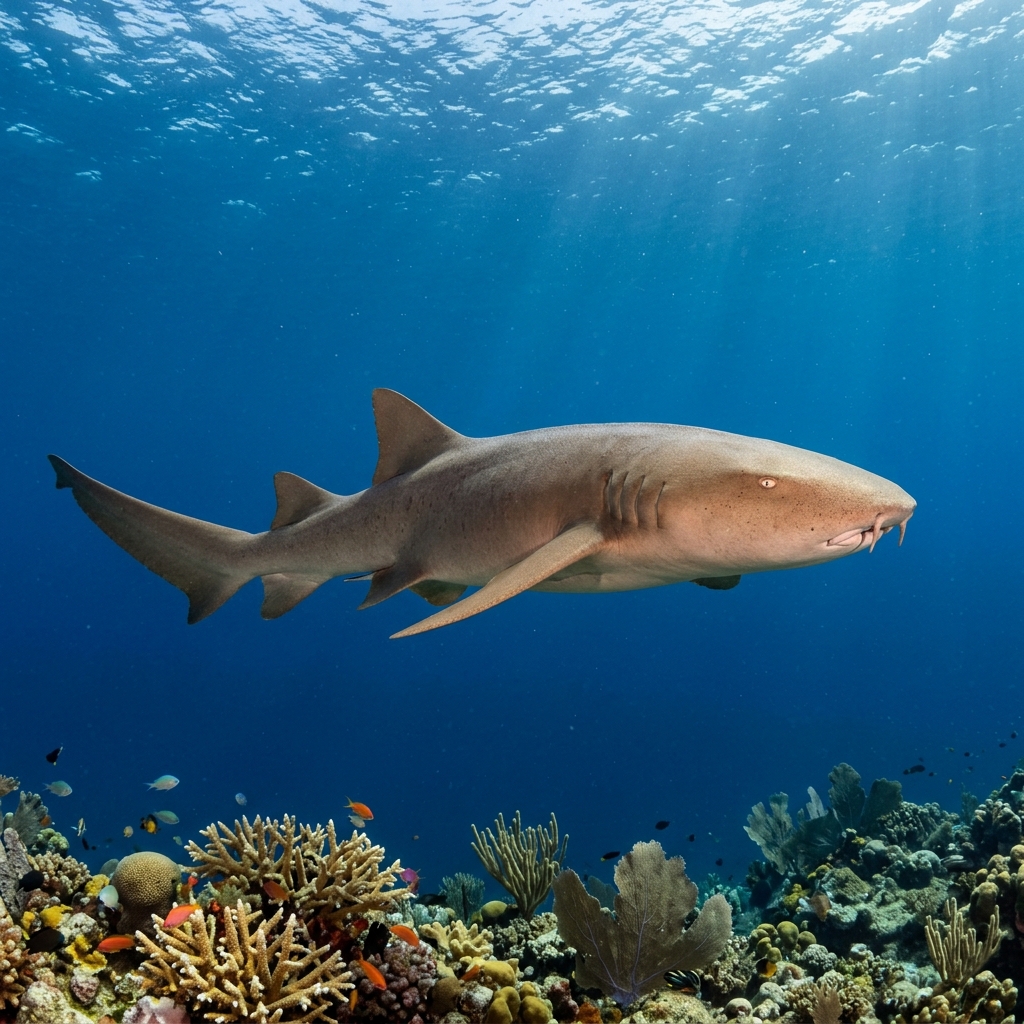
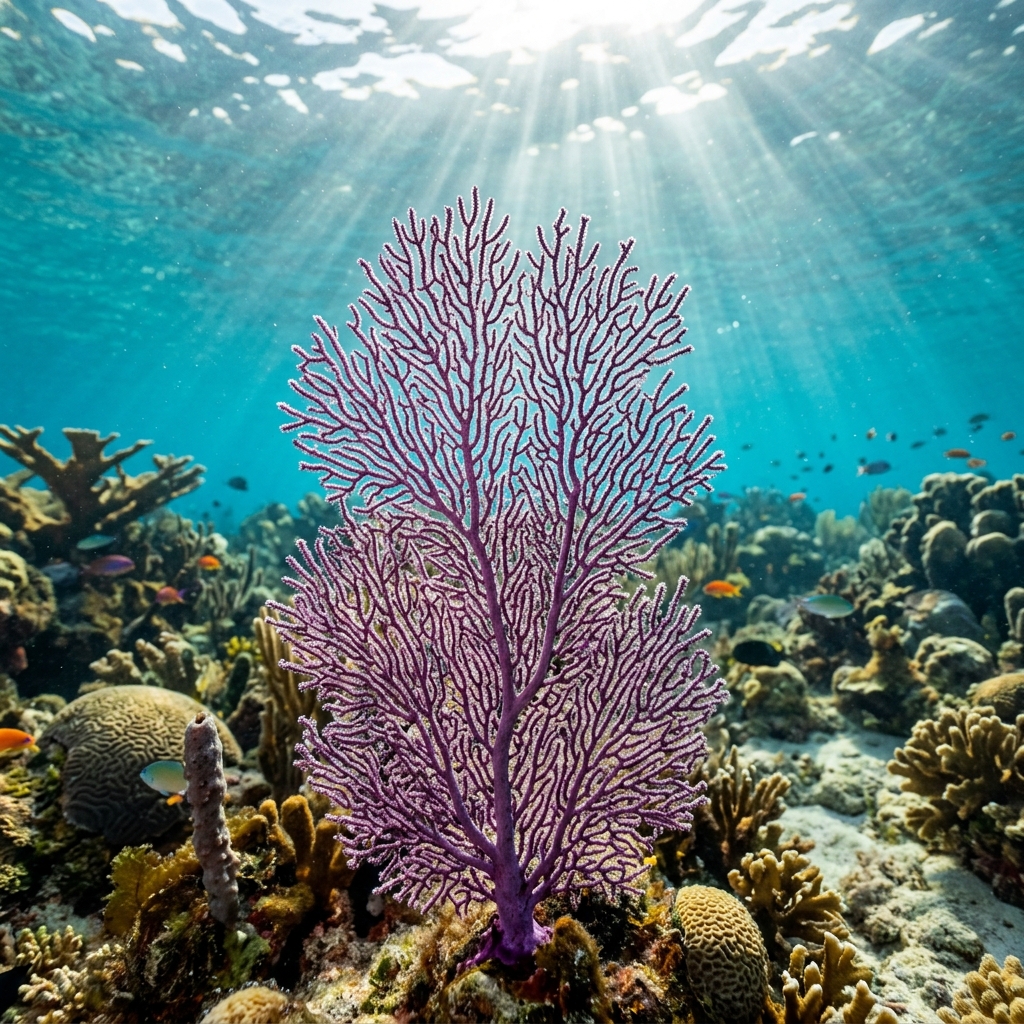
Gatas Reef is a leeward reef and artificial reef site located off the coast of Mahahual, Mexico. The site features depths ranging from 8 to 20 metres, with an average depth of 12 metres. Divers and snorkellers can expect mild currents and visibility between 15 and 30 metres. Access is by boat only, as the site is situated 30 kilometres from the shore. The location is suitable for beginners and offers a typical dive time of 50 minutes. Hazards at this site include jellyfish, sea urchins, sharks, sharp coral, and stonefish. Water temperatures remain warm throughout the year, ranging from 27C to 30C.
18.58300, -87.43500
Wide-angle lenses are recommended for capturing coral and marine life.
Access info coming soon
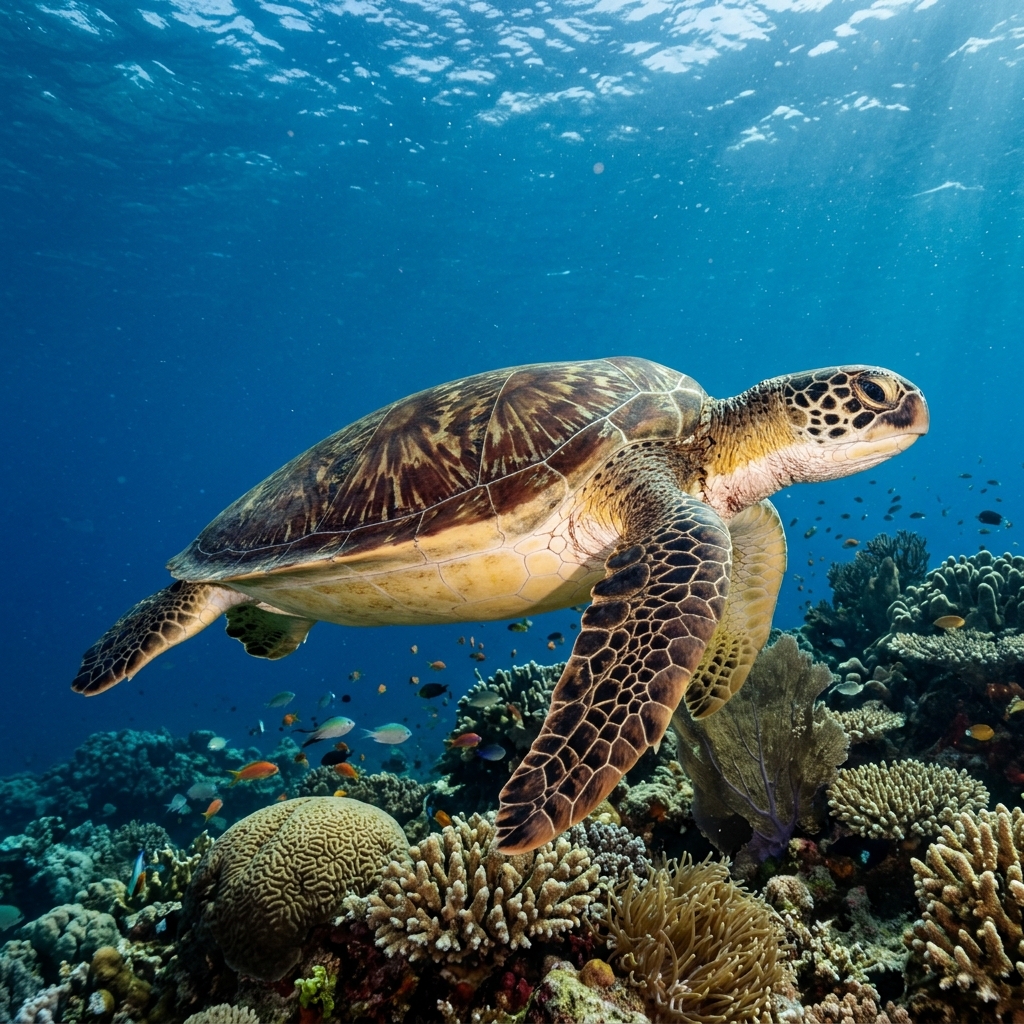
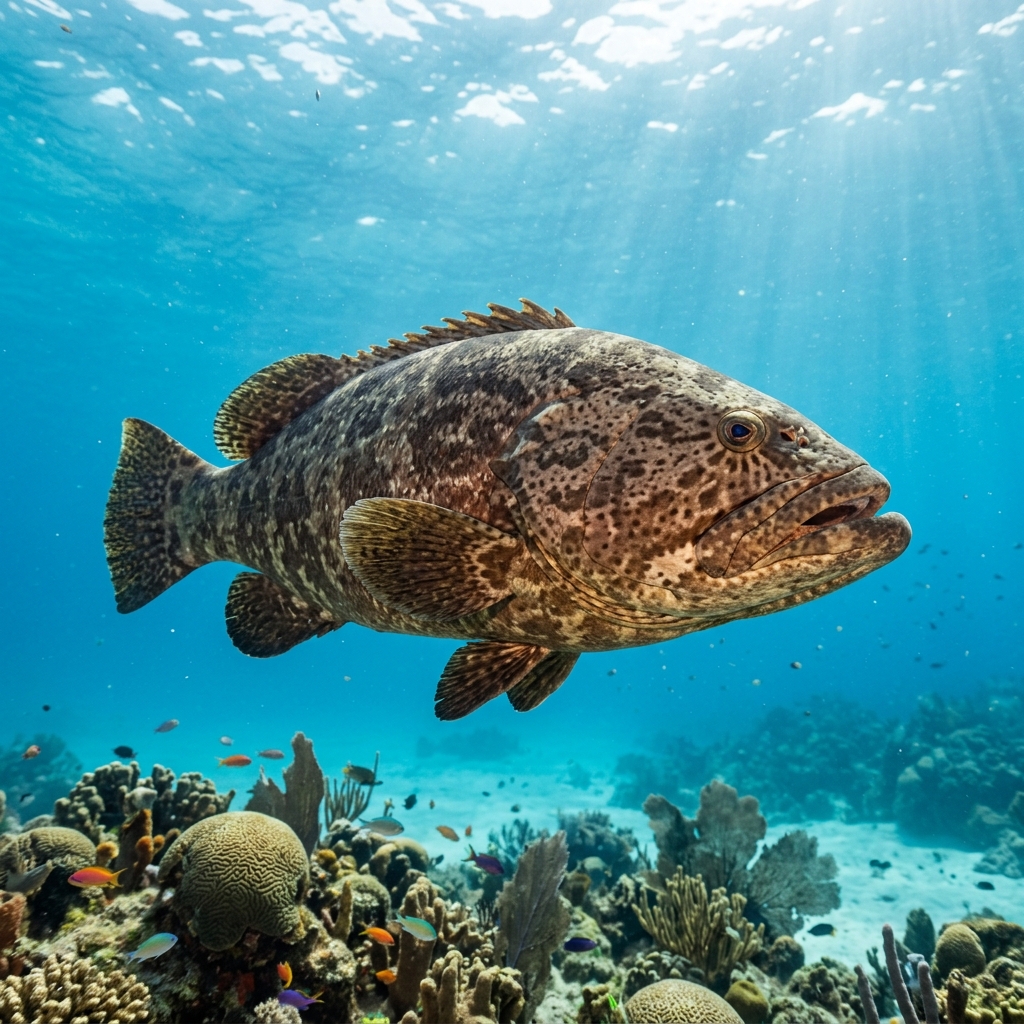
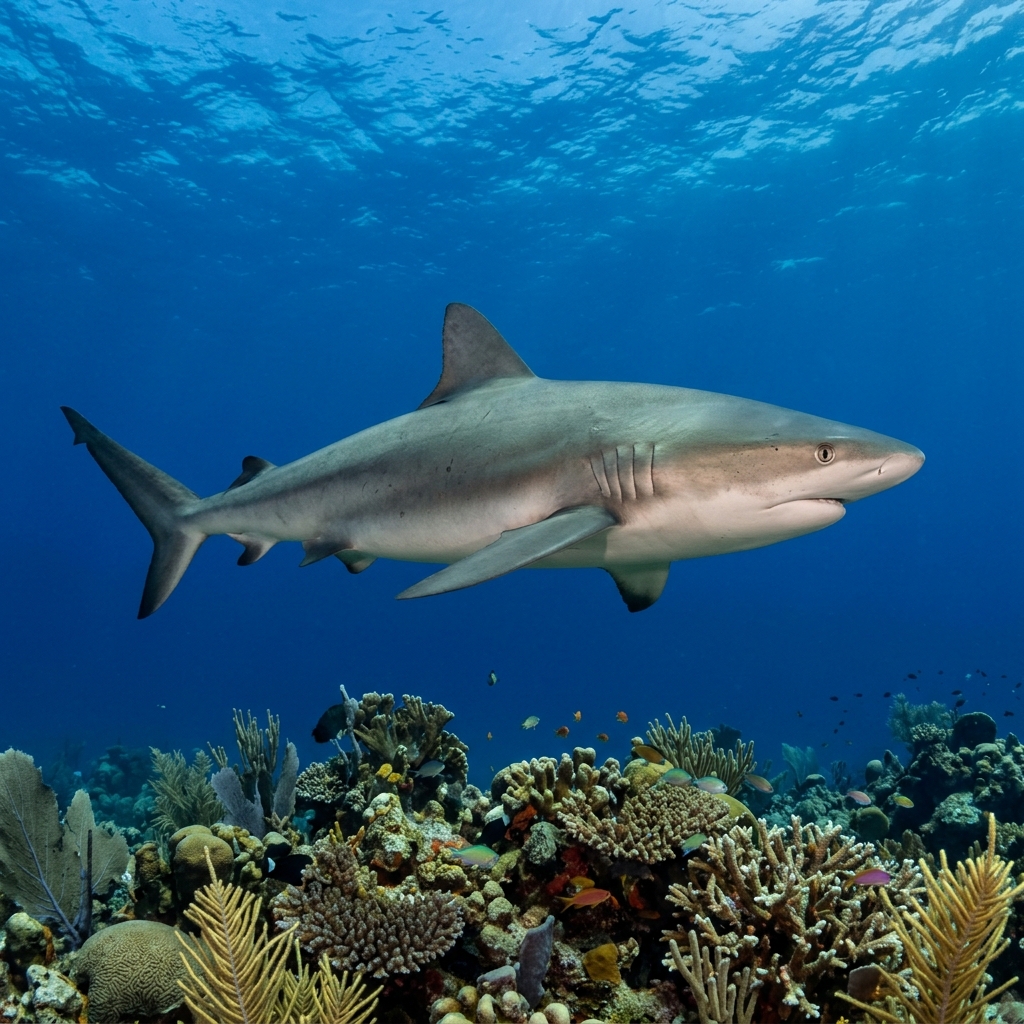
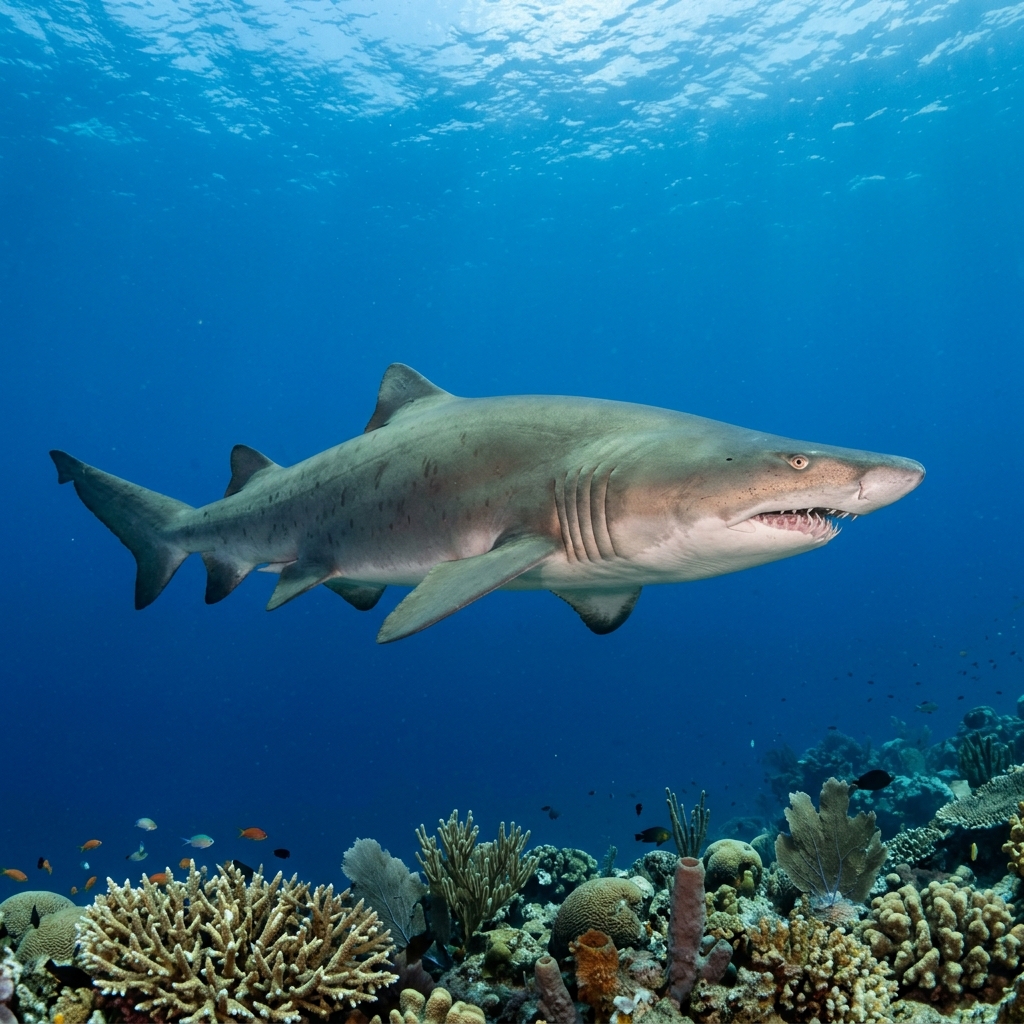
Expected in this region. No sightings logged here yet.
Depth
8-20m
Visibility
15-30m
Skill Level
Beginner
Entry
Boat
Boat required
Water Temp
27-30°C
Current
Mild
Typical Dive
50 min
Best Time
May, Jun, Jul, Aug, Sep
Yes, Gatas Reef is considered suitable for beginner divers.
The site has a depth range of 8 to 20 metres, with an average depth of 12 metres.
Yes, the site is well-suited for snorkelling and holds a rating of 4 out of 5.
Access to the site is by boat only, as it is located 30 kilometres from the shore.
Divers and snorkellers should be aware of jellyfish, sea urchins, sharks, sharp coral, and stonefish.
Diving at Gatas Reef in Yucatán Peninsula requires the following certifications: Open Water. Always dive within your training limits.
A rashguard or 2mm shorty is recommended for diving at Gatas Reef in Yucatán Peninsula. Water temperatures range from 27°C to 30°C.
The best months to visit Gatas Reef in Yucatán Peninsula are May, June, July, August, and September. Conditions outside these months can still be good but are less predictable.
Gatas Reef in Yucatán Peninsula typically has mild currents that most divers can handle comfortably.
Visibility at Gatas Reef in Yucatán Peninsula typically ranges from 15 metres to 30 metres. Conditions vary with weather, tides, and seasons.