
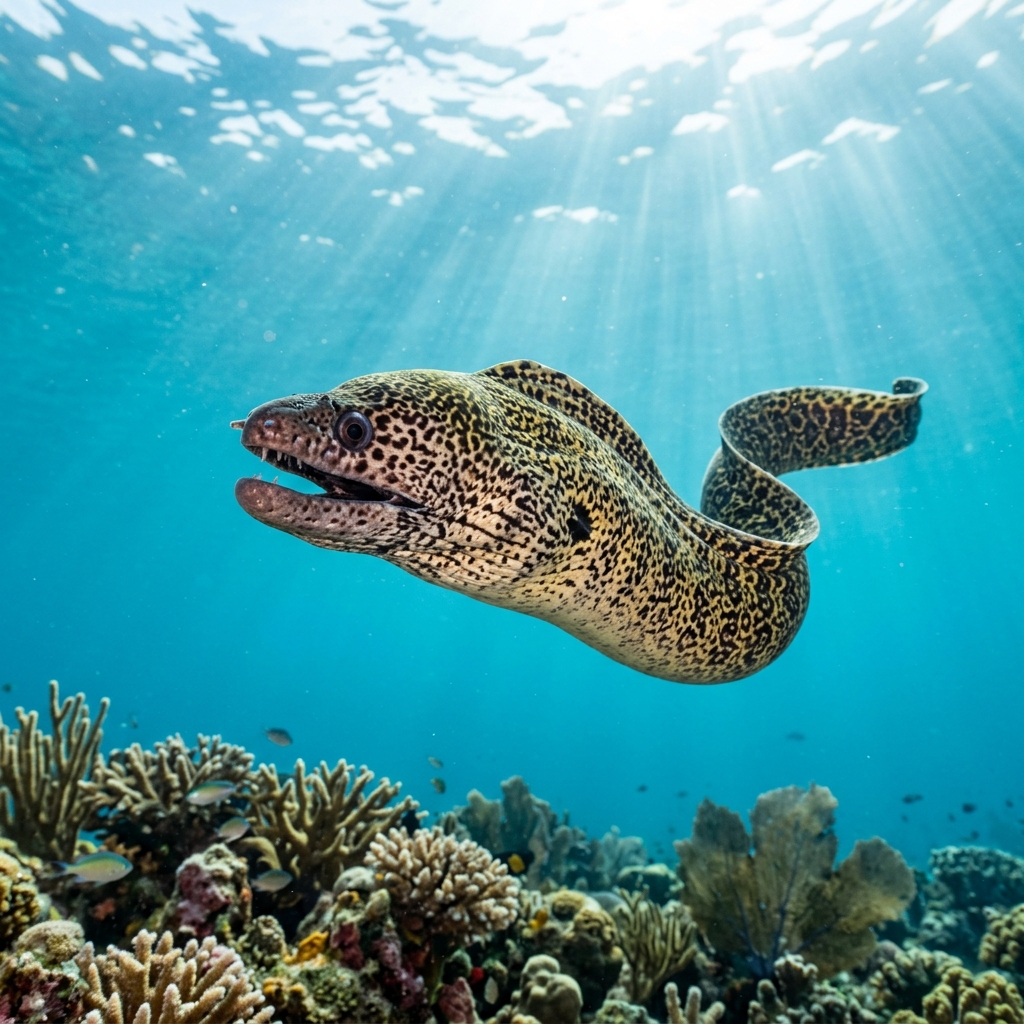
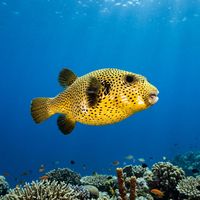
Acapulco's diving and snorkelling is anchored around Isla de la Roqueta, which hosts the great majority of sites. Reefs dominate the mix, with wrecks and artificial structures adding variety. Almost all sites are rated beginner, reached by boat, and sit at shallow to moderate depths. The Guineafowl Puffer, Panamic Sergeant Major and Wrasses appear across virtually every site, while the Spotted Eagle Ray, Jewel Moray and occasional Whale Shark raise the stakes. Rio de la Plata, off Puerto Marques, offers the deepest ground for intermediate divers.
1 areas
Monthly water temperature across Acapulco's sites, from satellite sea-surface data corrected for depth. The band shows the site-to-site spread.
Water stays warm throughout the year, with the peak of warmth running from late spring through autumn. The best-months data points to May through October as the prime window, when conditions are most favourable for diving. Most sites are sheltered enough for beginners, though Seven Octopuses adds drift and wall topography for those who want more movement.
5 operators
Mexico
Mexico
10 more sites to explore
Water temperature around Acapulco ranges from about 28°C in February to 31°C in August, based on satellite sea-temperature data for its dive sites.
With water around 28–31°C, a rash guard or 3mm shorty works in Acapulco year-round.
Fin maps 19 sites in Acapulco (16 scuba diving sites and 7 snorkelling spots, with some suited to both).
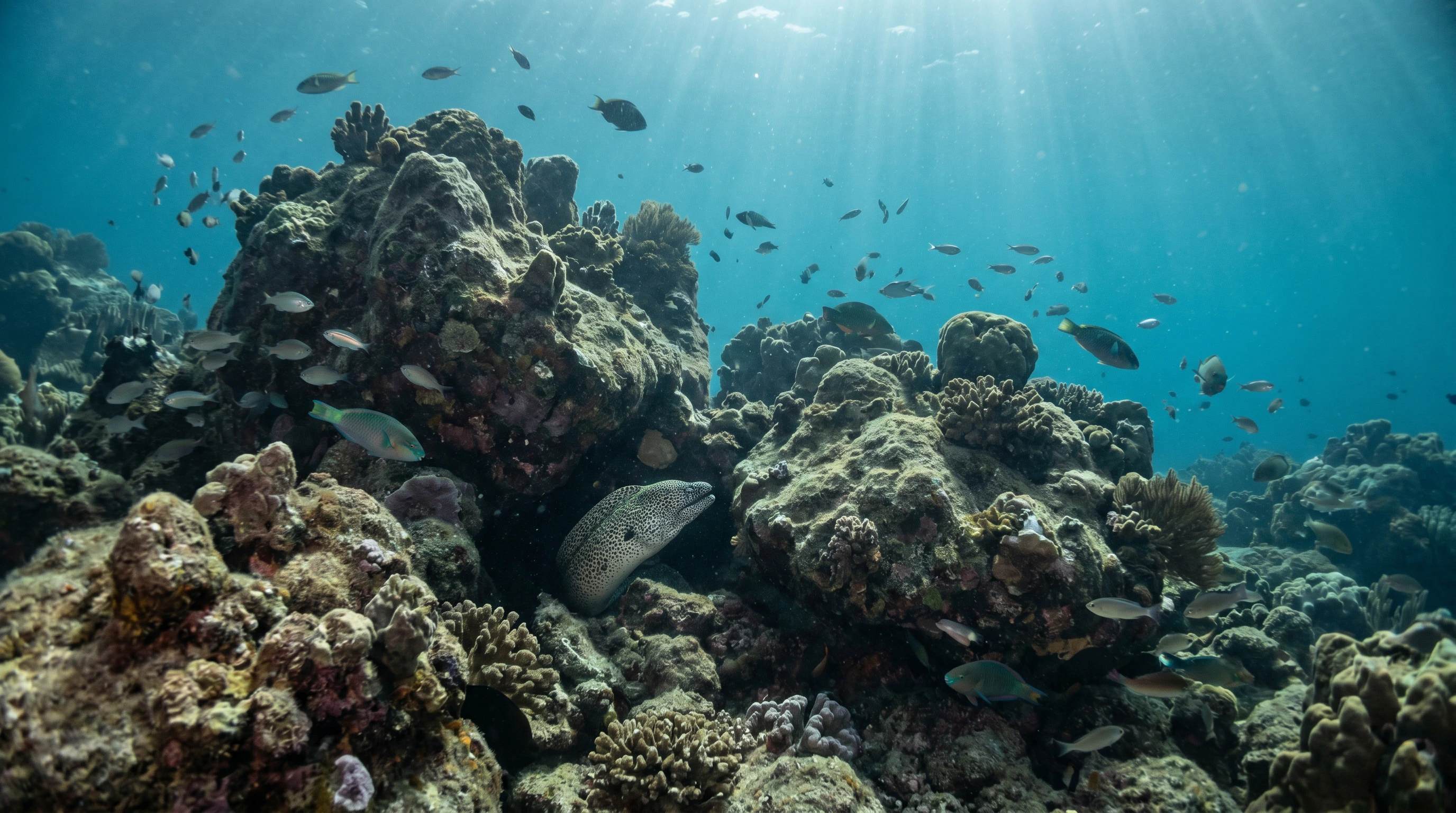
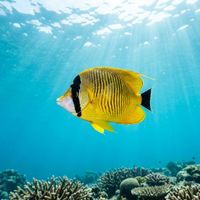
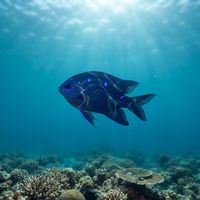
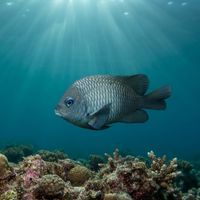
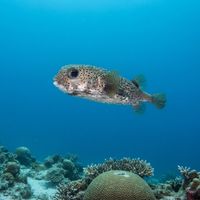
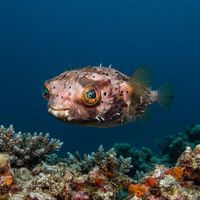
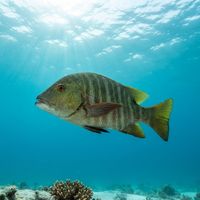
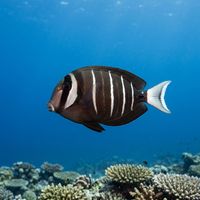
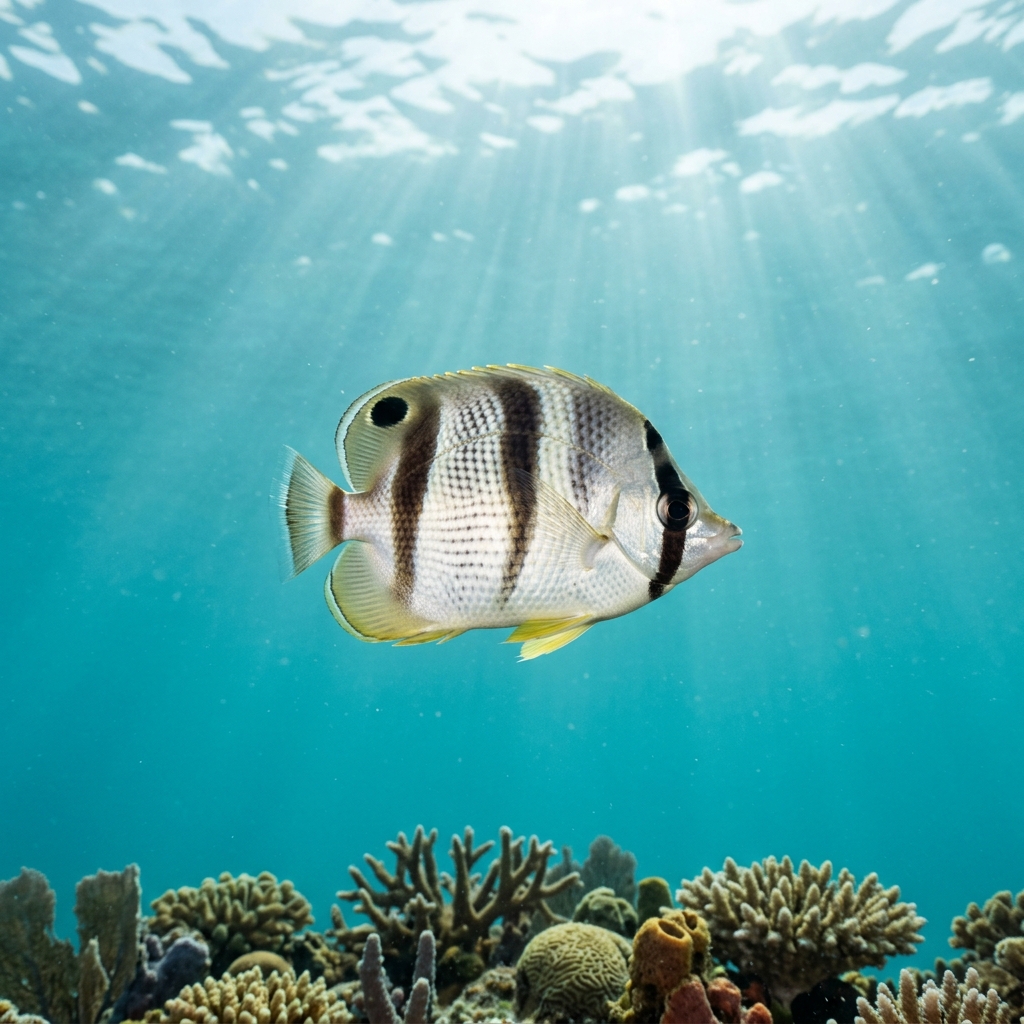
The Guineafowl Puffer, Panamic Sergeant Major, Barberfish and Jewel Moray are observed across nearly every site. The Spotted Eagle Ray is commonly recorded, and both the California Sea Lion and Whale Shark appear occasionally. Reef fish such as Threebanded Butterflyfish, Razor Surgeonfish, Cortez Angelfish and King Angelfish round out a varied list.
The overwhelming majority of dive sites in Acapulco are rated for beginners, with shallow to moderate depths and generally mild conditions. Sites like Casa Del Arabe, La Marina and El Jardin are particularly approachable. Rio de la Plata is the main exception, where deeper water and wreck topography make it better suited to intermediate divers.
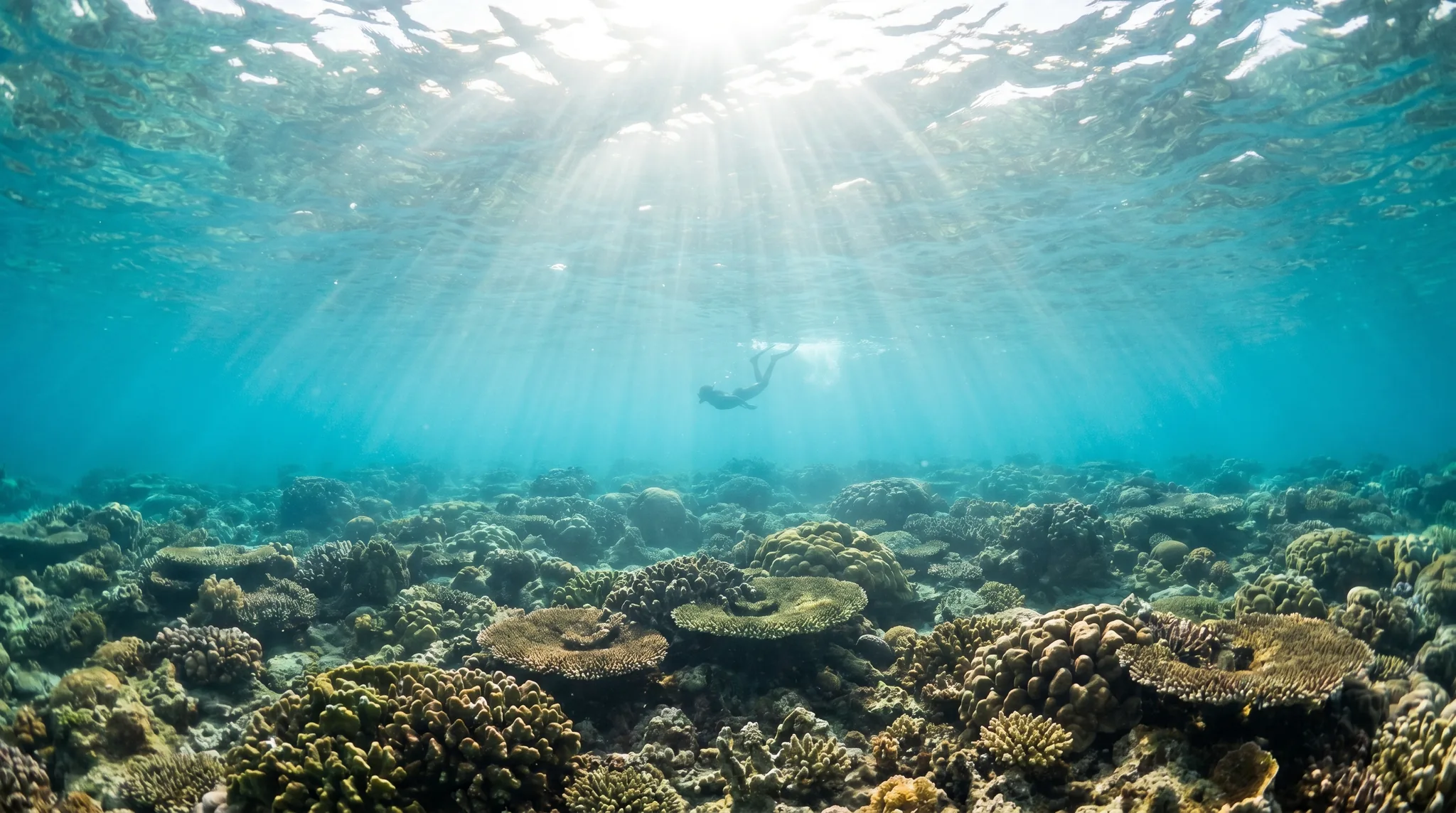
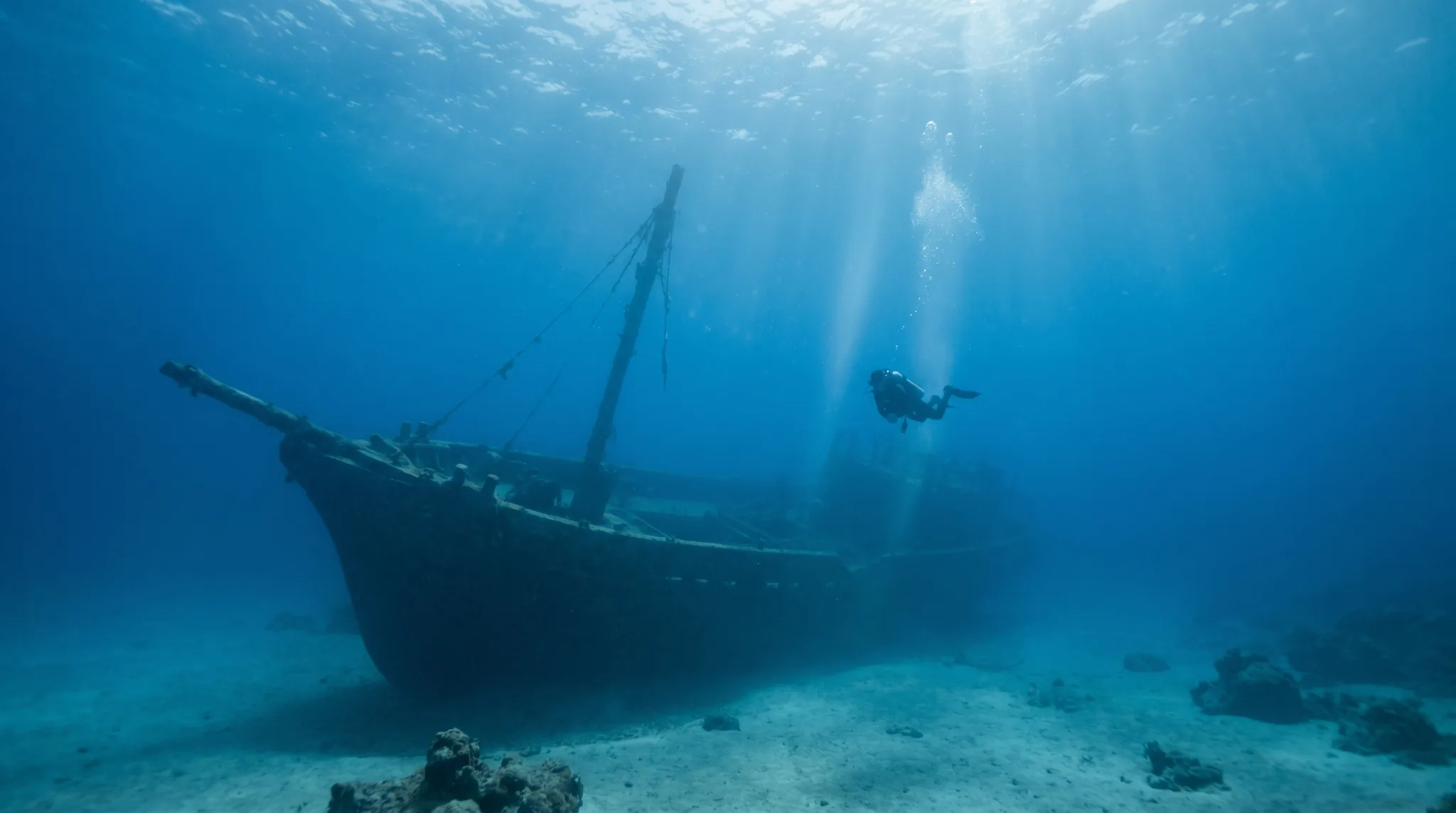
Isla de la Roqueta holds the bulk of Acapulco's sites and offers a good range of underwater terrain. Palmitas features rock formations and swim-throughs, Seven Octopuses combines drift, wall and reef, and El Corsario is a wreck that now functions as an artificial reef. El Jardin is the shallowest and calmest option, making it a natural starting point for snorkellers and first-time divers.
All listed sites in Acapulco are reached by boat. There are no shore-entry sites in the current data. Boat trips give access to reefs, wrecks and walls spread around Isla de la Roqueta, as well as the deeper wreck at Rio de la Plata off Puerto Marques.