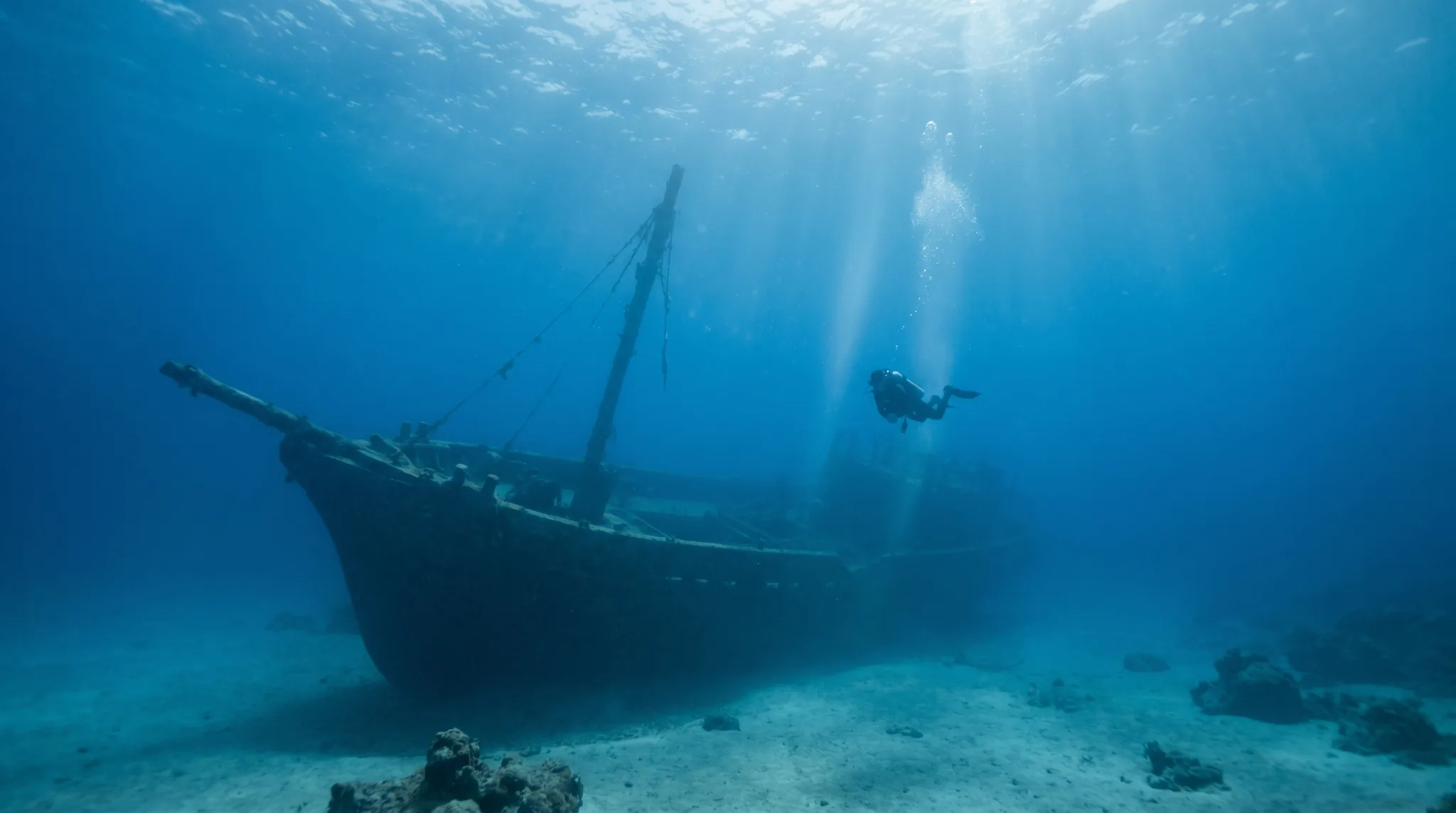
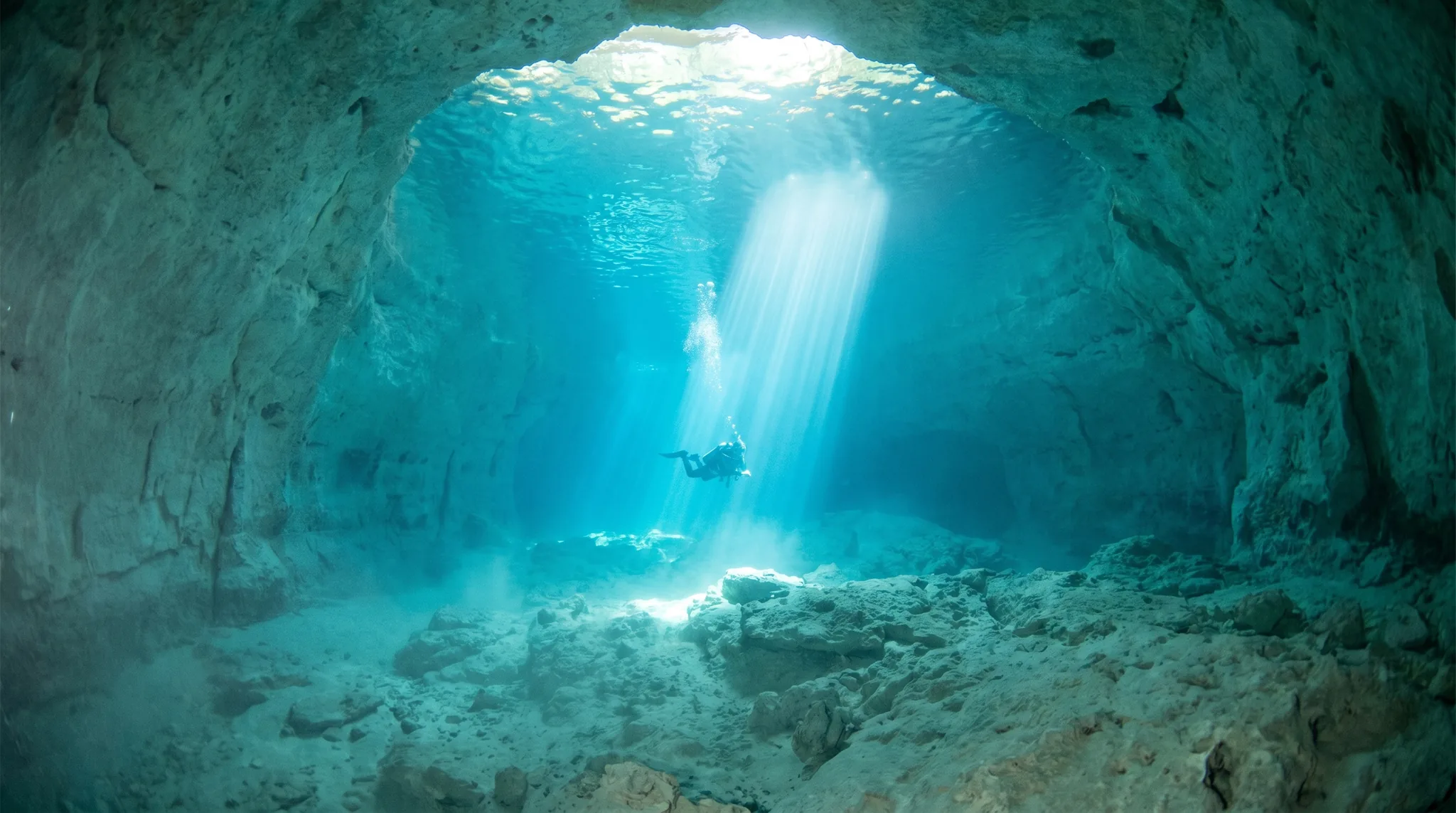
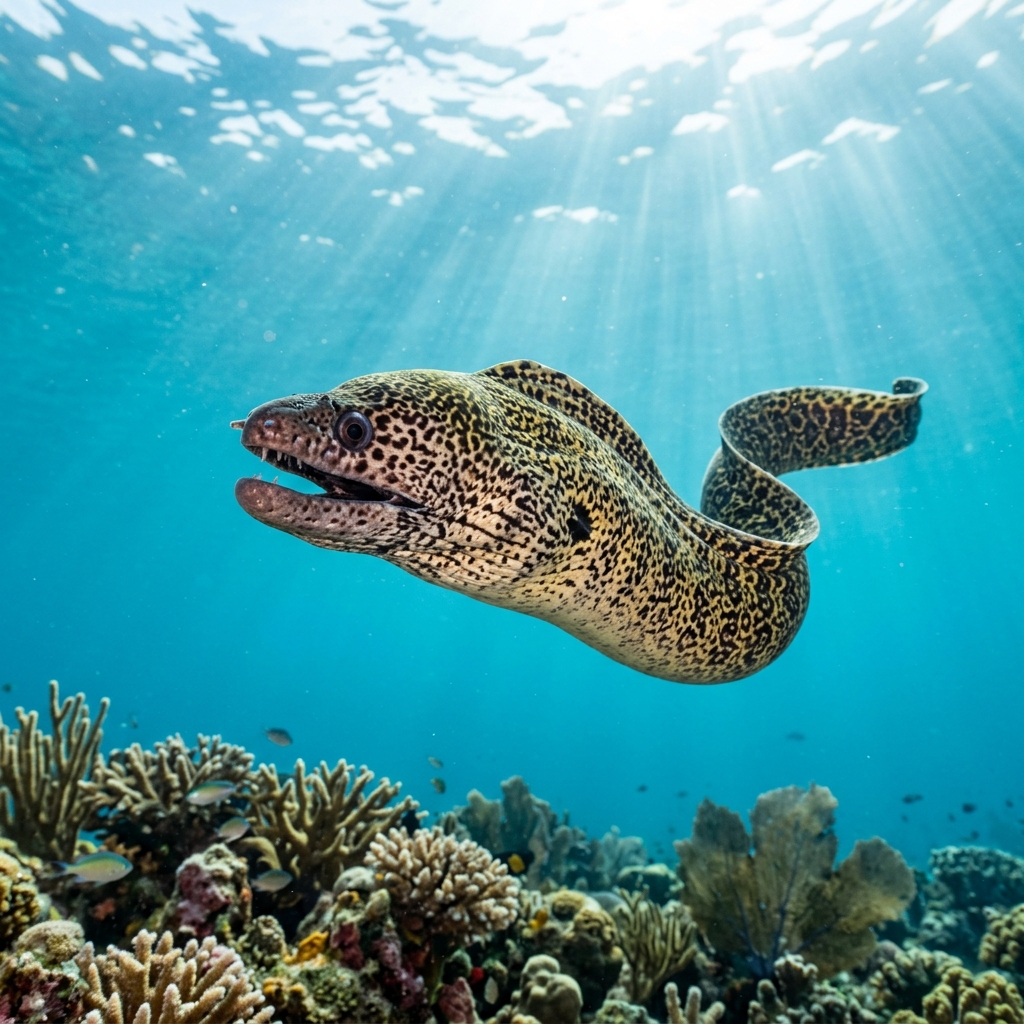
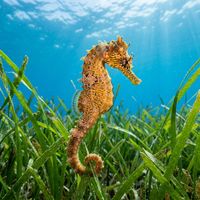
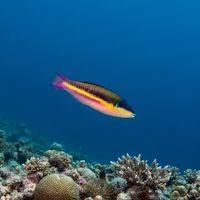
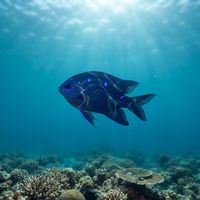
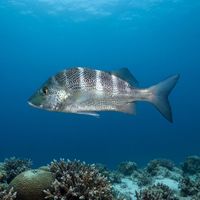
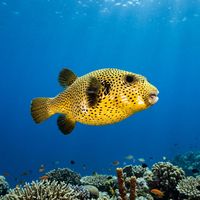
Ixtapa and Zihuatanejo offer warm, accessible reef diving split across two distinct sub-areas. Zihuatanejo Bay shelters a mix of shallow natural reefs, artificial structures and one serious deep-water wall at Piedra Solitaria, while the Ixtapa Coast adds reef and wall terrain for boat-based exploration. Most sites suit beginners, and the marine life leans characterful: Spotted Eagle Ray, Jewel Moray, Seahorse, Guineafowl Puffer and Moorish Idol are all regularly observed across the area.
2 areas
 8
8A sheltered Pacific bay in Guerrero with reefs, walls, and diverse marine life from turtles to sharks, suitable for all skill levels.
7Pacific coast sites near Ixtapa spanning reef, wall, cave, and seagrass, with warm water year-round and species including whale sharks, turtles, and cownose rays.
Monthly water temperature across Ixtapa and Zihuatanejo's sites, from satellite sea-surface data corrected for depth. The band shows the site-to-site spread.
Water stays warm throughout the year, with the coolest months in spring and the warmest in late summer. Diver ratings peak in late winter through early spring and again in November, suggesting these are the most consistent conditions. Piedra Solitaria brings exposure and moderate current for those seeking a challenge beyond the sheltered bay sites.
9 operators
Mexico
Mexico
7 more sites to explore
Water temperature around Ixtapa and Zihuatanejo ranges from about 27°C in March to 31°C in August, based on satellite sea-temperature data for its dive sites.
With water around 27–31°C, a rash guard or 3mm shorty works in Ixtapa and Zihuatanejo year-round.
Fin maps 15 sites in Ixtapa and Zihuatanejo (12 scuba diving sites and 5 snorkelling spots, with some suited to both), organised into 2 areas.
Across Ixtapa and Zihuatanejo's dive sites, January, February, March, November and December are most often reported as the best months to visit.
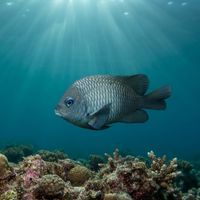
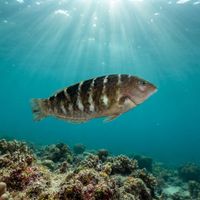
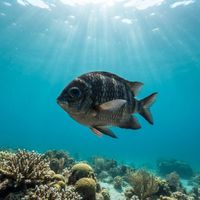
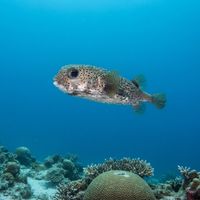
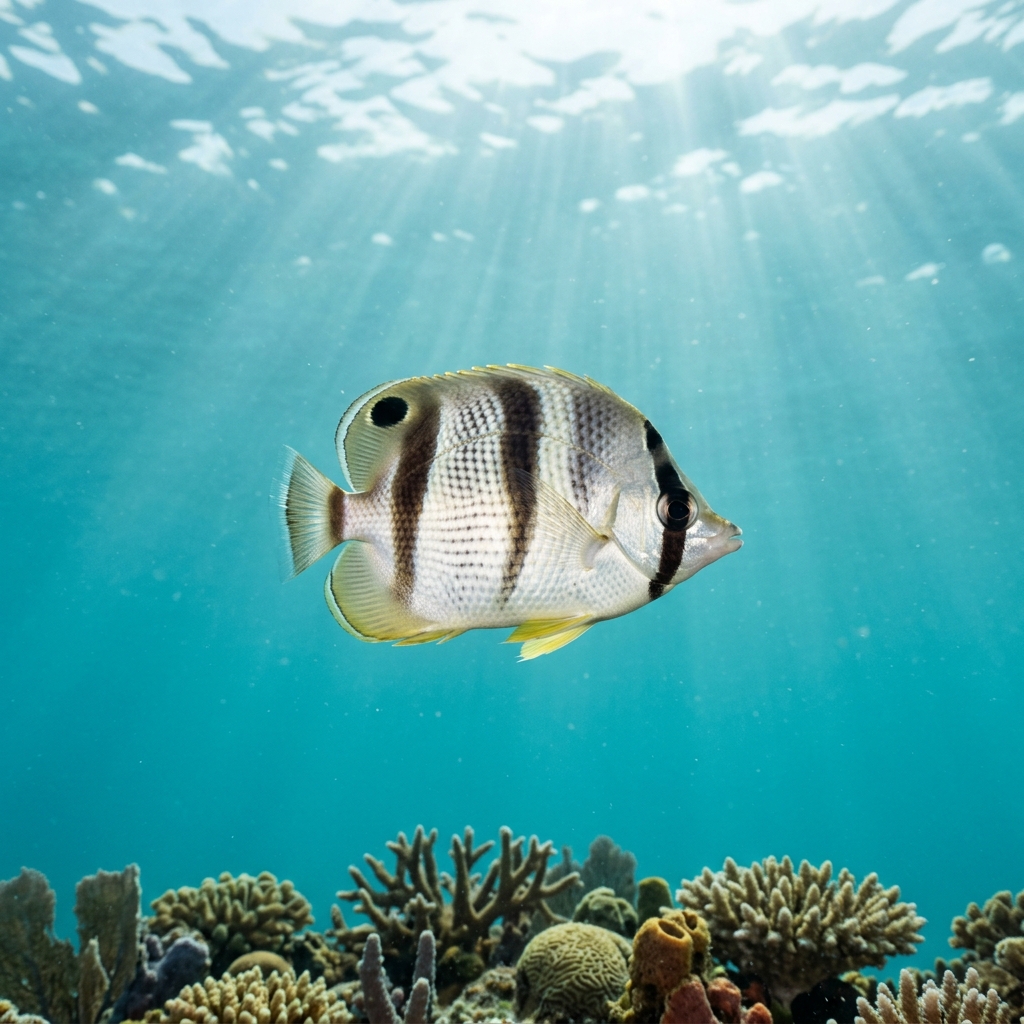
The region has a rich and well-observed species list. Guineafowl Puffer, Porcupinefish and Jewel Moray are seen across the vast majority of sites. Spotted Eagle Ray and Eagle Ray are frequently encountered, and Seahorse sightings are common enough to be a signature draw. Moorish Idol, Threebanded Butterflyfish, Snake Eel and Spotted Boxfish round out a characterful reef community.
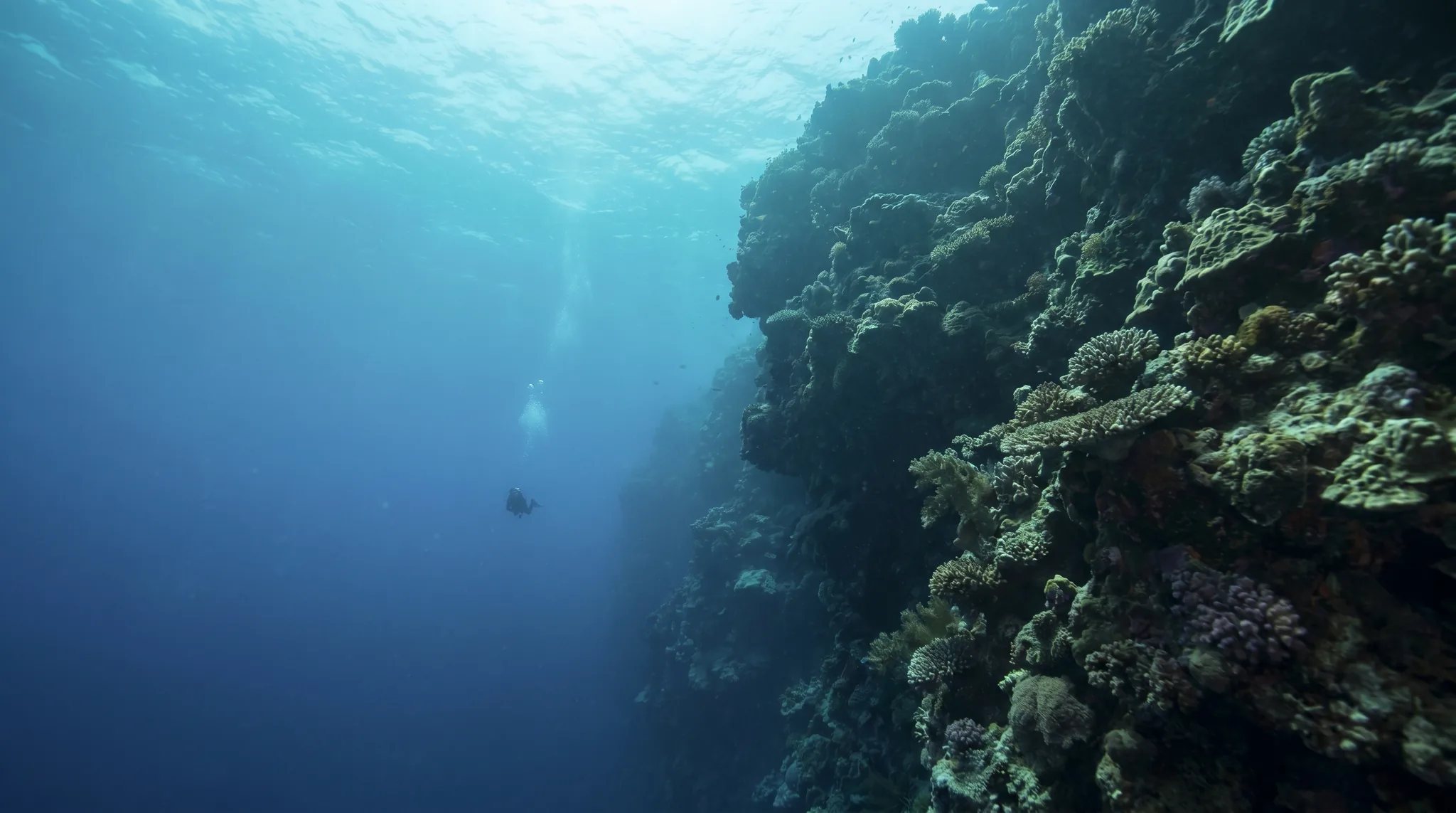
The area is well suited to newer divers. The majority of sites are rated for beginners, with shallow, sheltered options such as Playa Las Gatas, Manzanillo and Ixtapa Lagoon offering calm conditions and easy entries. The exception is Piedra Solitaria, a deep wall and drift site that calls for more experience and comfort with current.
Zihuatanejo Bay offers more variety in a compact area, including protected coves with artificial reef structures, a shore-entry reef at Manzanillo and the advanced wall dive at Piedra Solitaria further offshore. The Ixtapa Coast is entirely boat-access and features reef and wall terrain, including El Chato with its combined reef and wall topography.
Both options exist. Manzanillo and Ixtapa Lagoon offer straightforward shore entries, making them practical for independent divers. Playa Las Gatas and El Cristo can be reached from either shore or boat. Most Ixtapa Coast sites and the offshore Zihuatanejo Bay sites such as Caleta de Chon and Piedra Solitaria require a boat.