Stegastes acapulcoensis
Find this territorial reef fish in Costa Rica's Guanacaste or Mexico's Pacific Coast in warm 22-29C water, year-round.
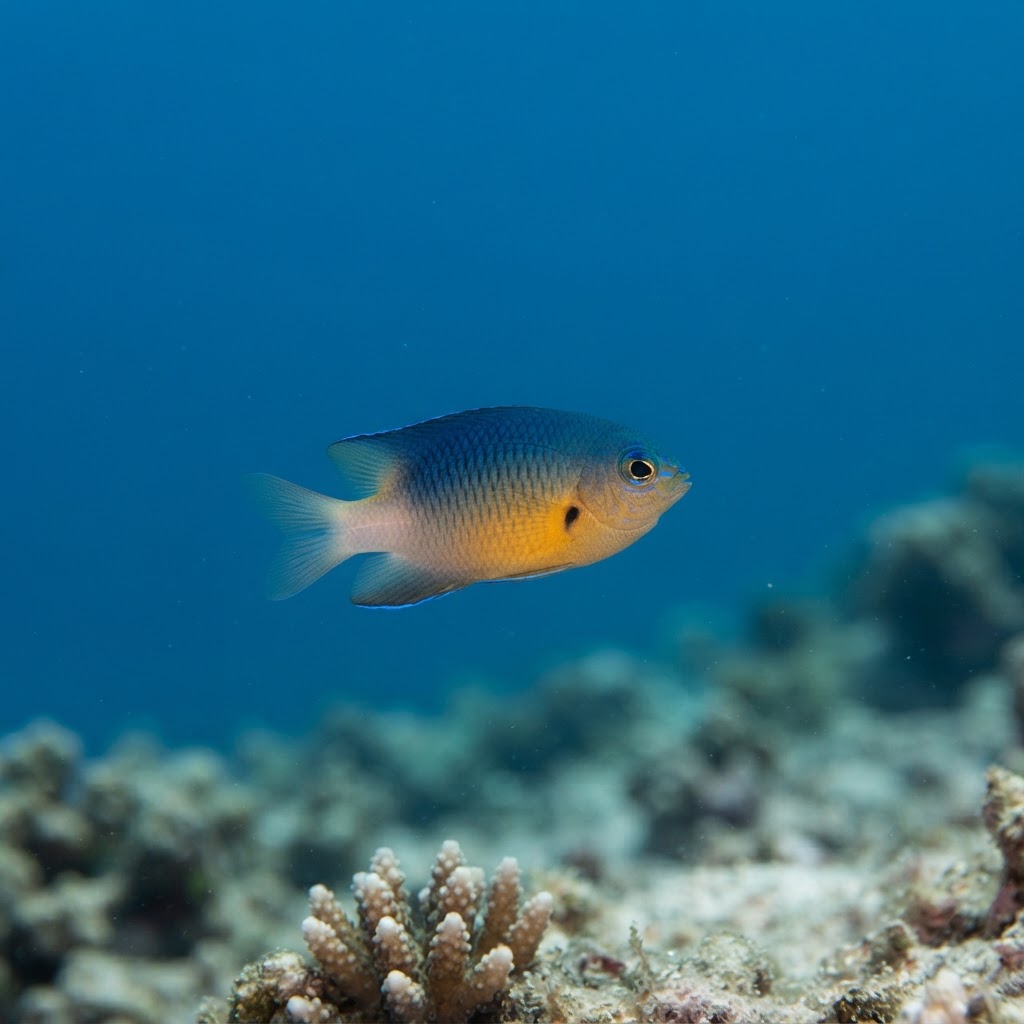
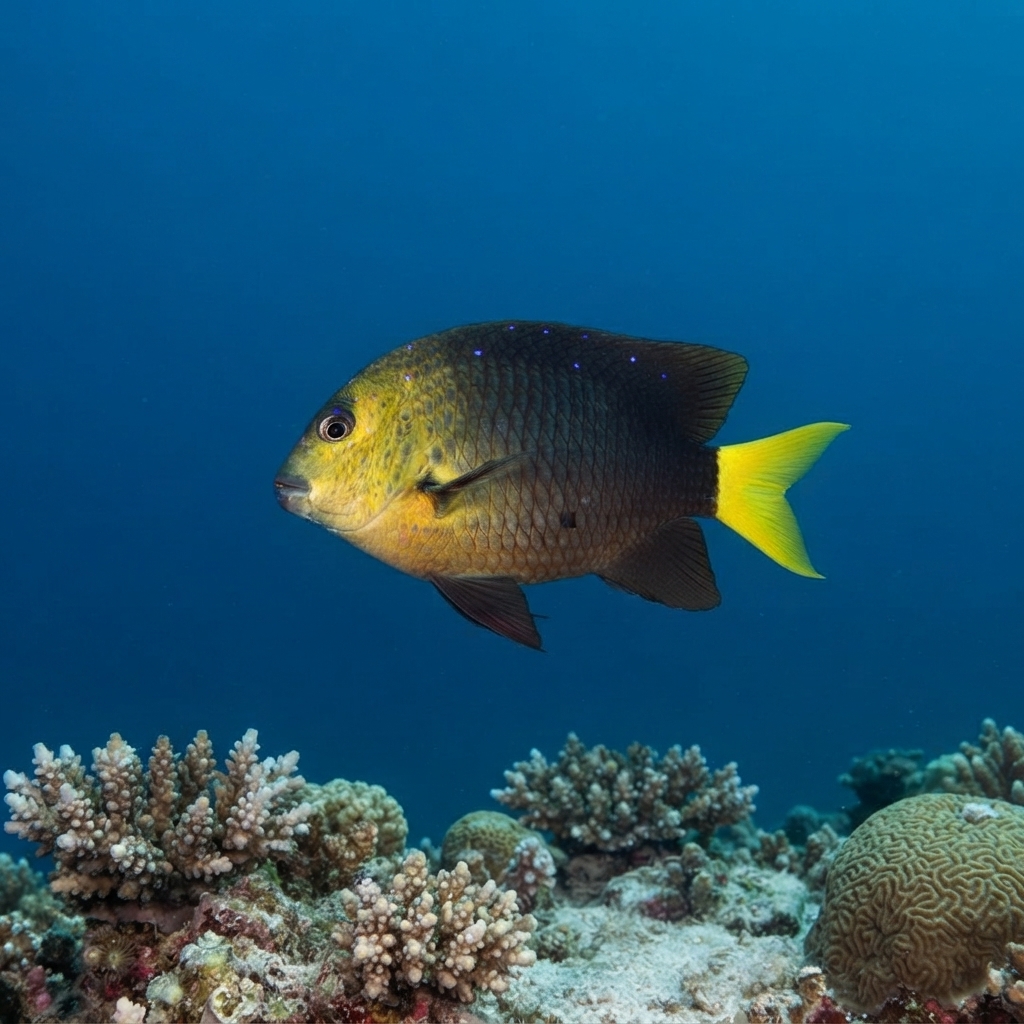
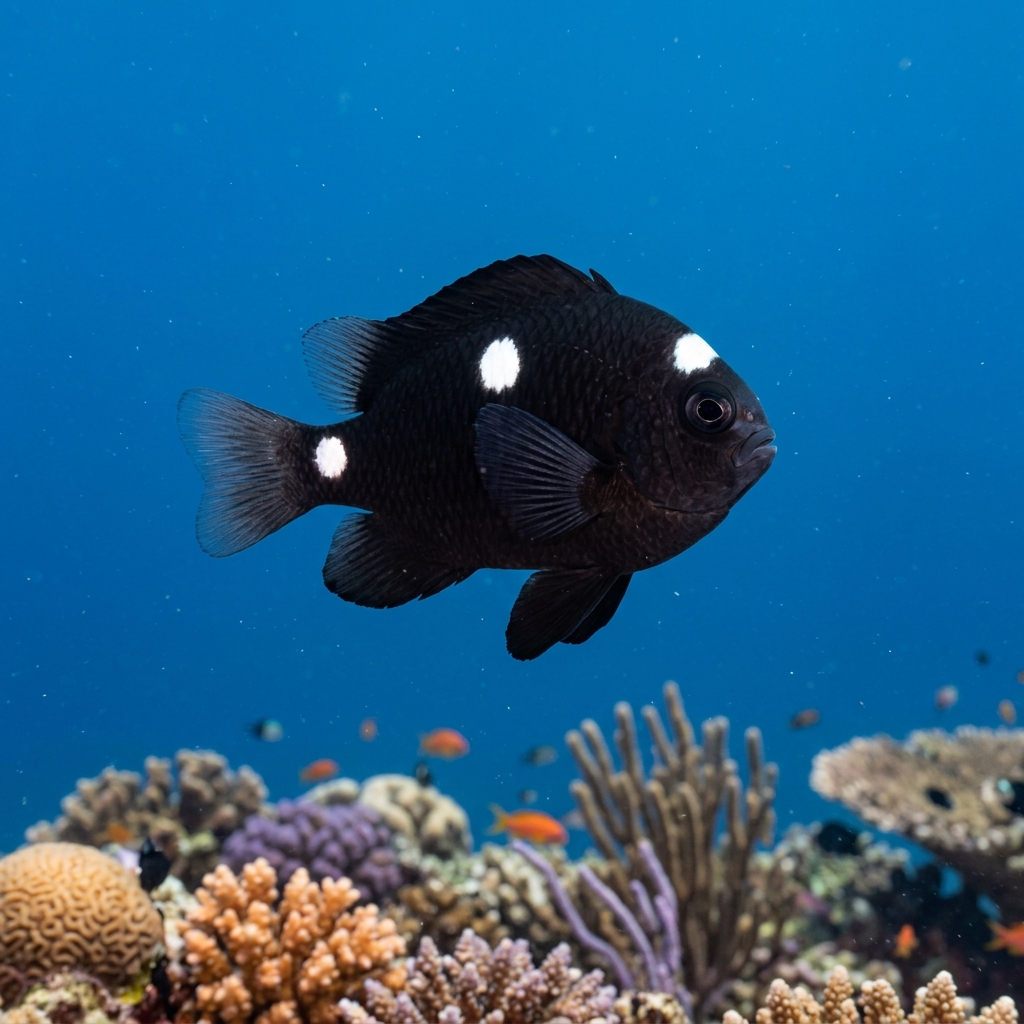
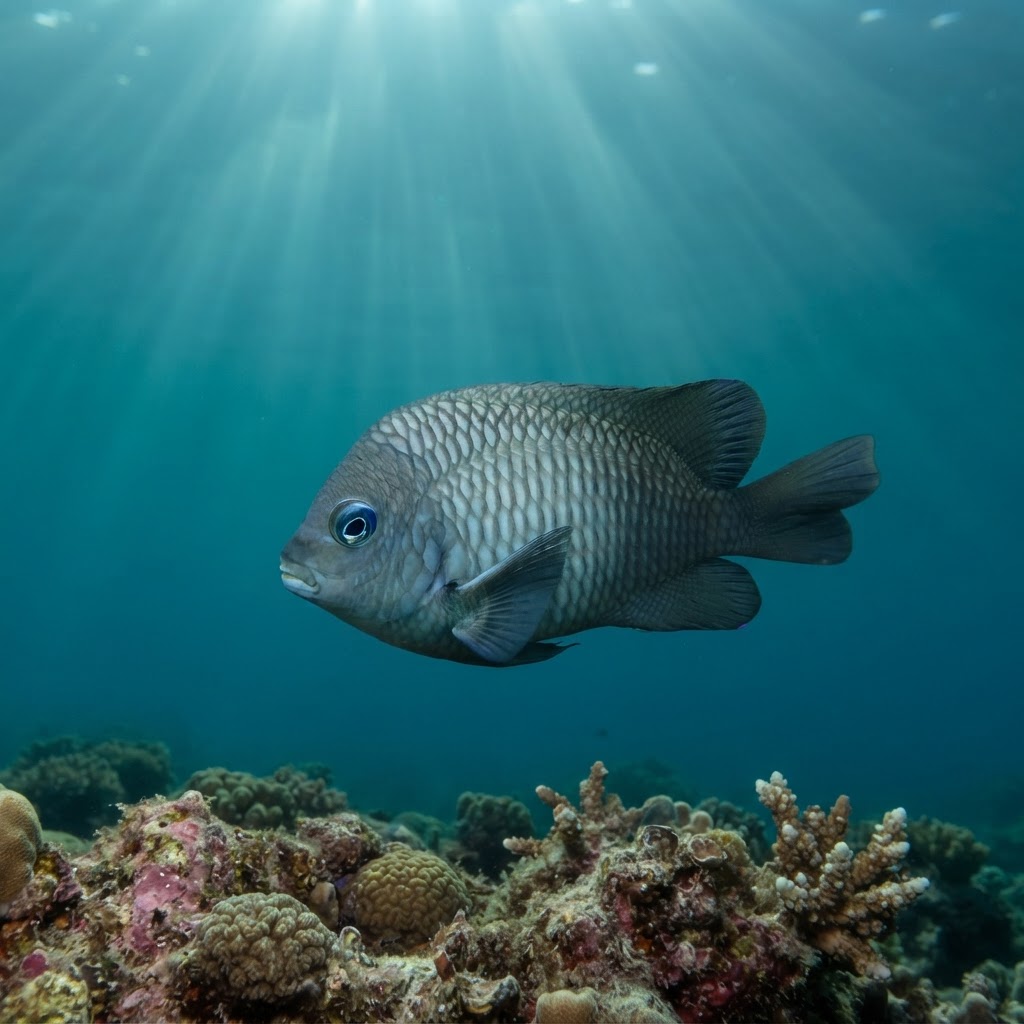
A small, stocky damselfish with an oval body rarely longer than 11 cm, typically dusky brown to grey-olive with faint darker bars along the flanks. Look for the blunt head and the way it hovers close to a patch of rocky or coral reef it clearly considers its own. There is no bright flash of colour to key on here; it is the fish's stubborn, hovering presence over one small territory that gives it away underwater.
Expect to find it parked over the same few square metres of reef or rocky bottom dive after dive, tending an algae patch it treats as a garden. It will dart out at intruders, including divers who get too close, in short aggressive charges before darting straight back to its post. Most sightings come shallow, between 2 and 16 metres, on reef structure with enough rock or coral to anchor a territory.
Like most damselfish it farms a patch of algae on the reef, weeding out unwanted species and chasing off grazers and fish many times its own size to protect the crop.
No clear seasonal pattern shows up in the sighting data, and with a comfortable range of 22.3 to 28.6C it holds its reef territories year-round rather than migrating with temperature swings. Plan around conditions and visibility for your chosen region rather than chasing a season for this fish specifically.
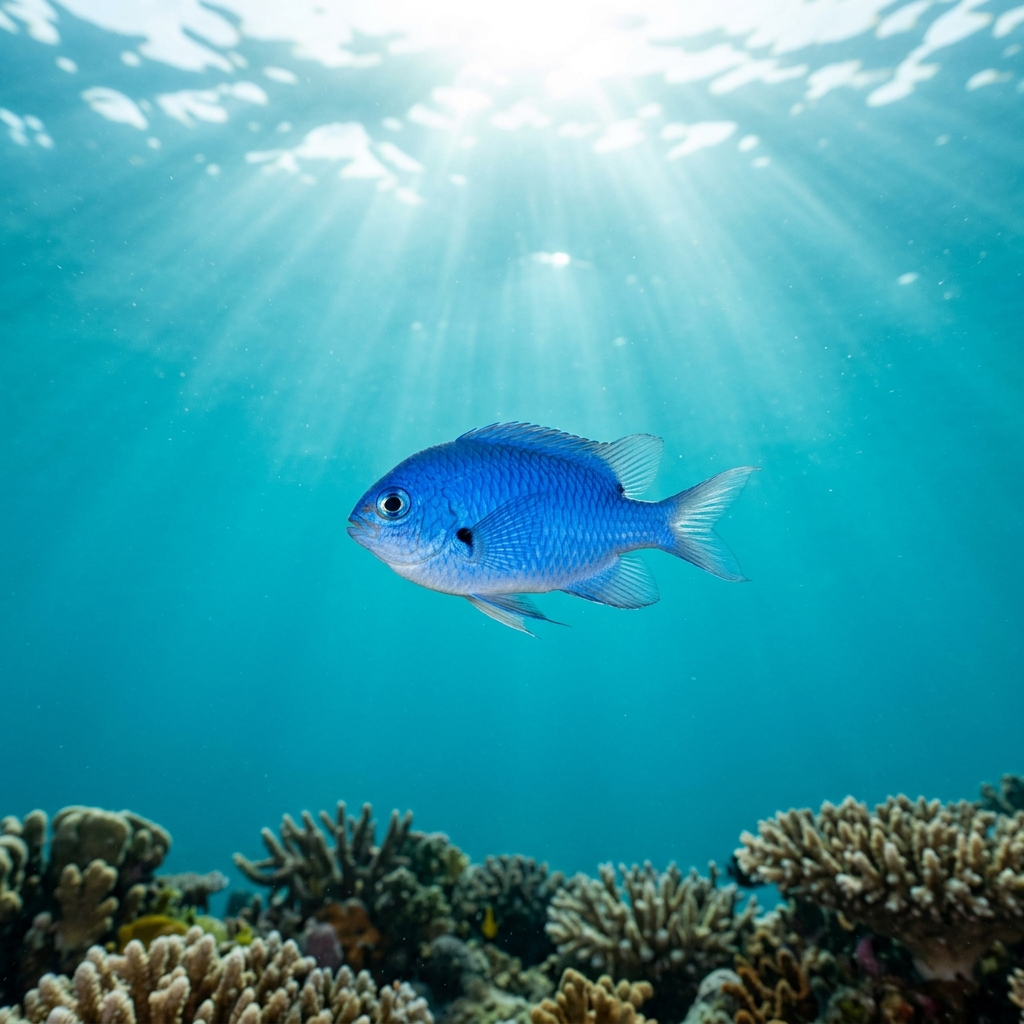
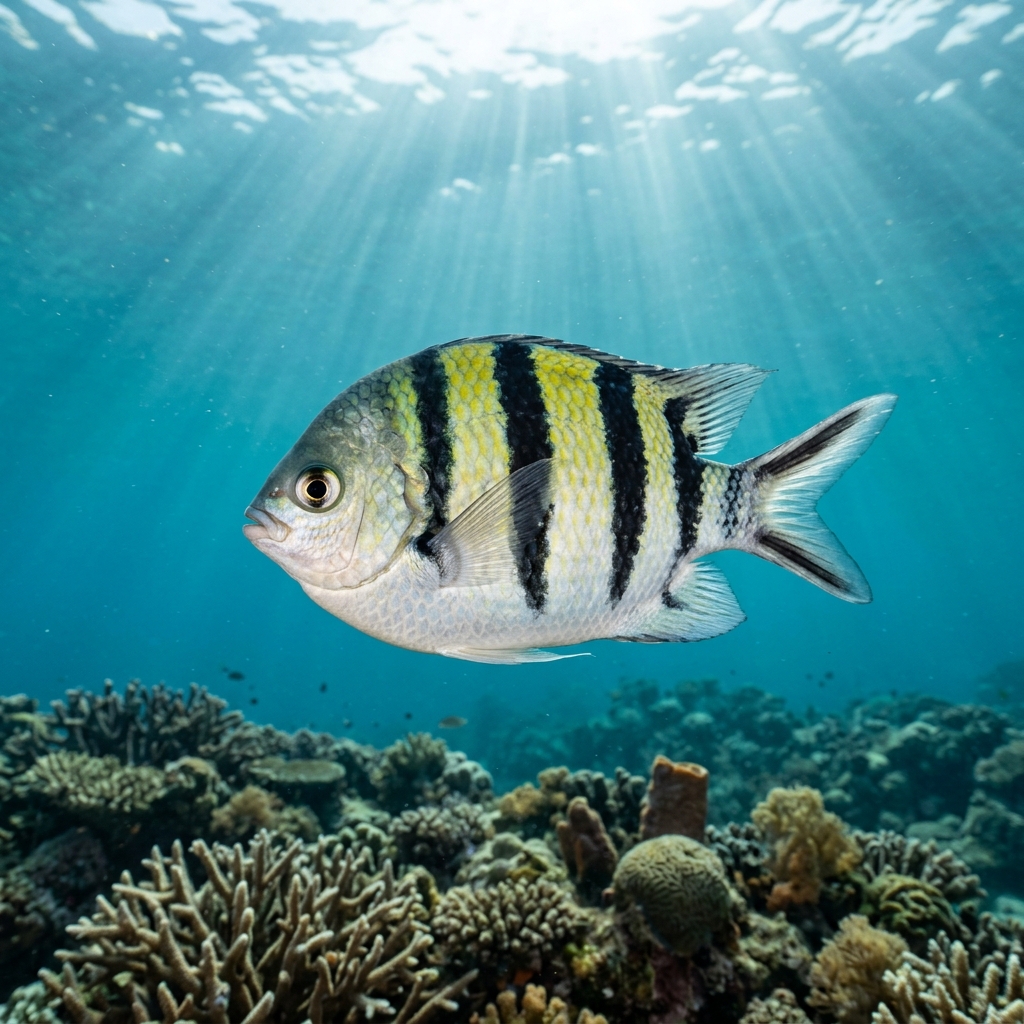
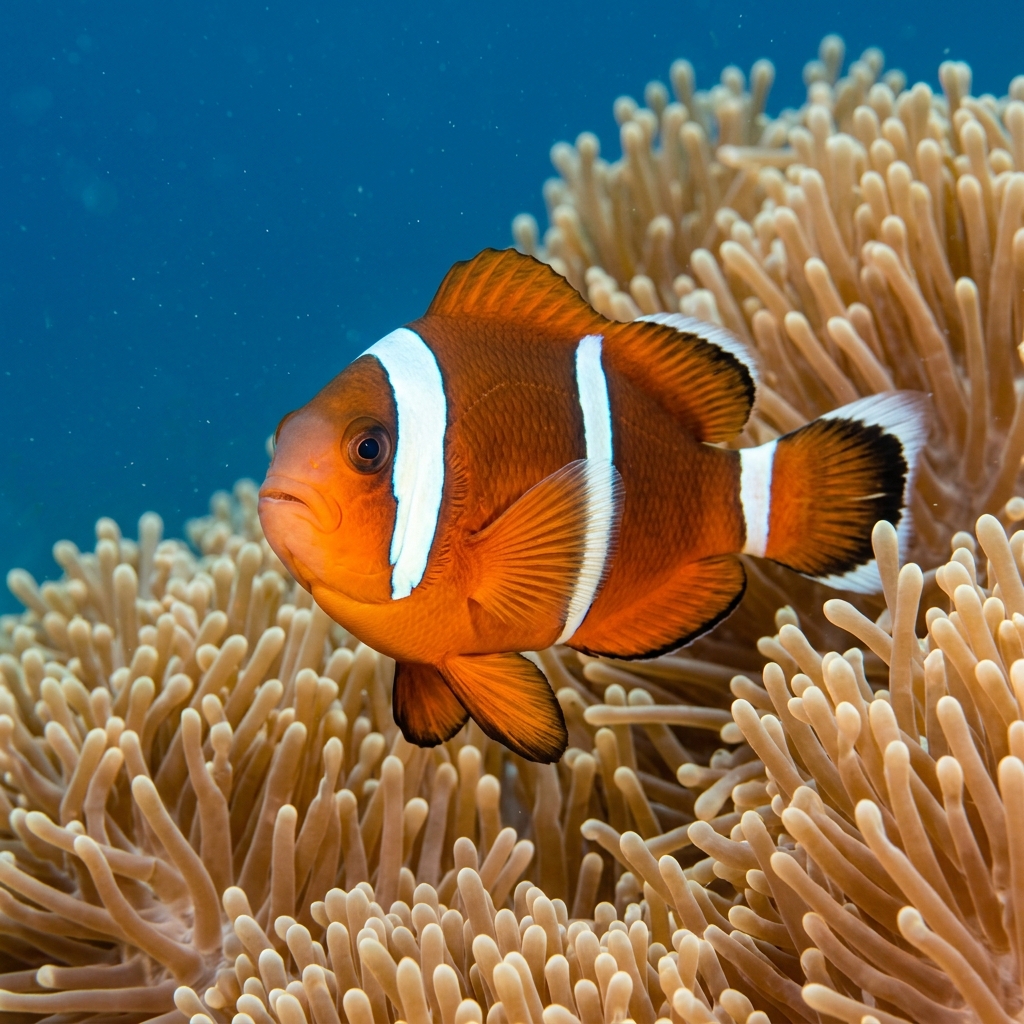
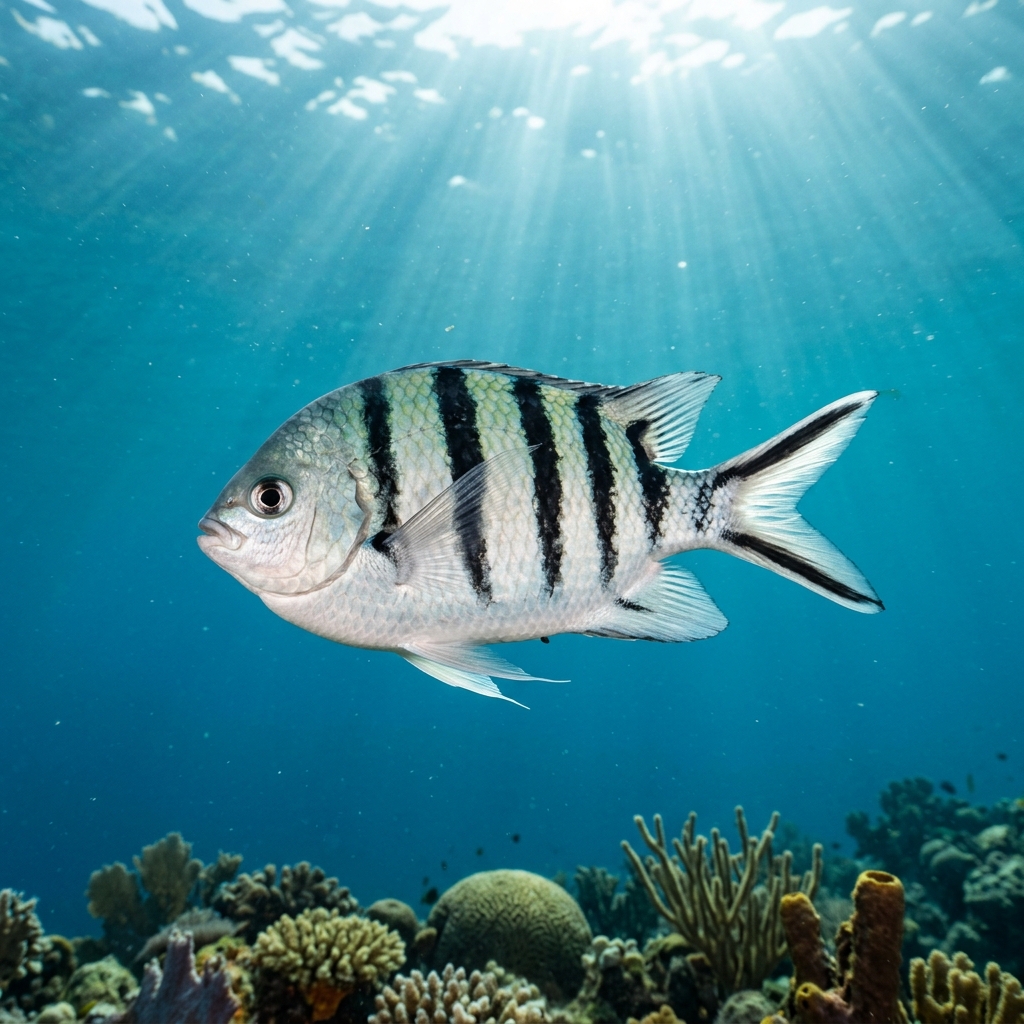
Reef neighbours a diver could mistake it for. Use the identification notes above to tell them apart.
This is a Pacific-side fish through and through, most reliably logged along Mexico's Pacific Coast and in Costa Rica's Guanacaste and Central Pacific regions. It also turns up with fair consistency in Panama's Pacific Coast, Ecuador's Pacific Coast, and out in the Galapagos Islands, though sightings there thin out compared to the Mexican and Costa Rican strongholds.
Mapping where Acapulco Damselfish is logged…
Best odds are along Mexico's Pacific Coast and Costa Rica's Guanacaste and Central Pacific regions. It also shows up in Panama's Pacific Coast, Ecuador's Pacific Coast, and the Galapagos Islands, though less frequently.
There is no strong season in the data. It sits in water from 22.3 to 28.6C and holds its reef territory year-round, so timing your trip around this fish specifically is not necessary.
Look for a small, stocky, dusky brown or olive-grey fish about the size of your palm, hovering aggressively over one patch of reef. It lacks bold stripes or bright colour, so its territorial behaviour is often the clearest ID clue.
They top out around 11 cm, making them one of the smaller reef fish you will notice mainly by attitude rather than size.
They farm small patches of algae on the reef and will charge at anything, including divers, that gets too close to their crop. It is a defensive display rather than a real threat.
No. They may dart towards a mask or hand if you linger over their territory, but there is no sting or bite risk worth worrying about.
Site and sighting data is aggregated from diver logs, iNaturalist and GBIF. For taxonomy and conservation status:
Dascyllus
3,697 sites