Halichoeres notospilus
Look for this small reef wrasse along Mexico's Pacific Coast and Costa Rica's Guanacaste in warm 22-29C water, year-round and mostly uncommon.
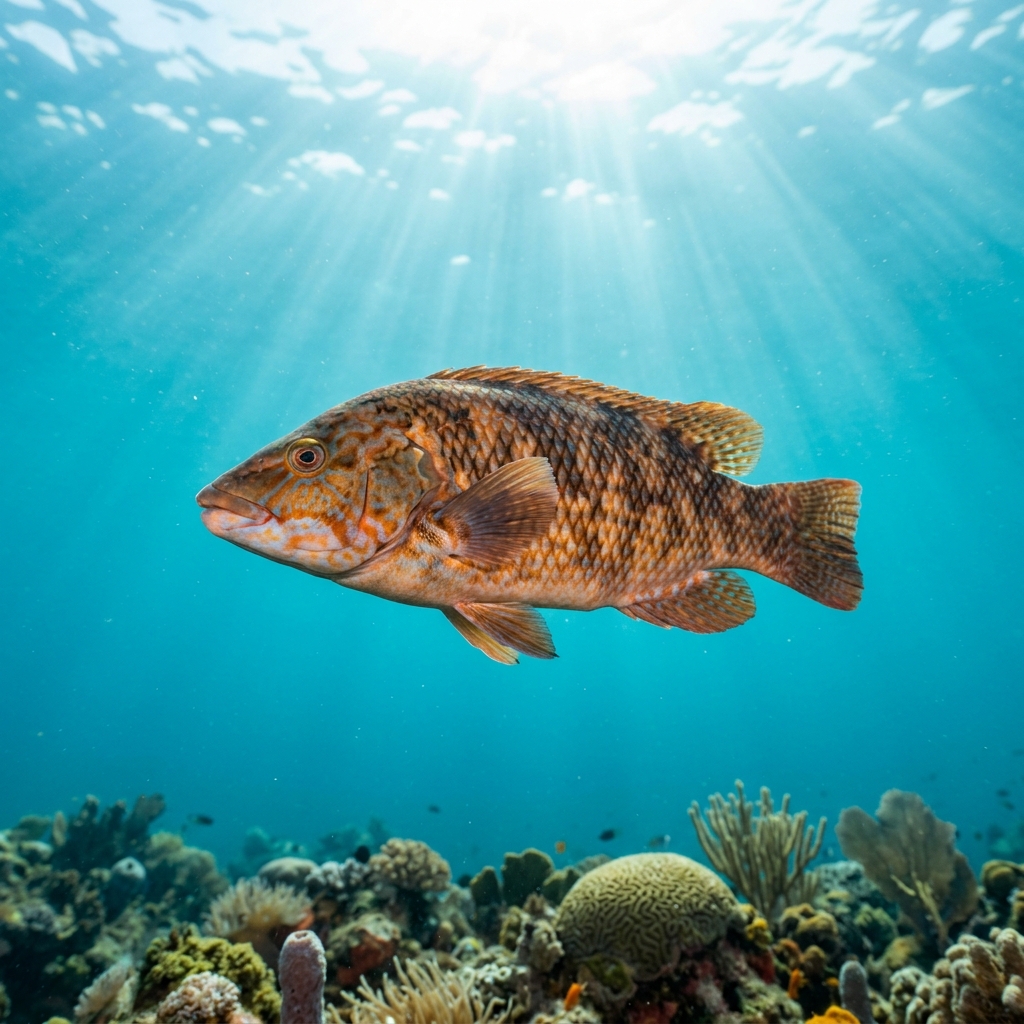
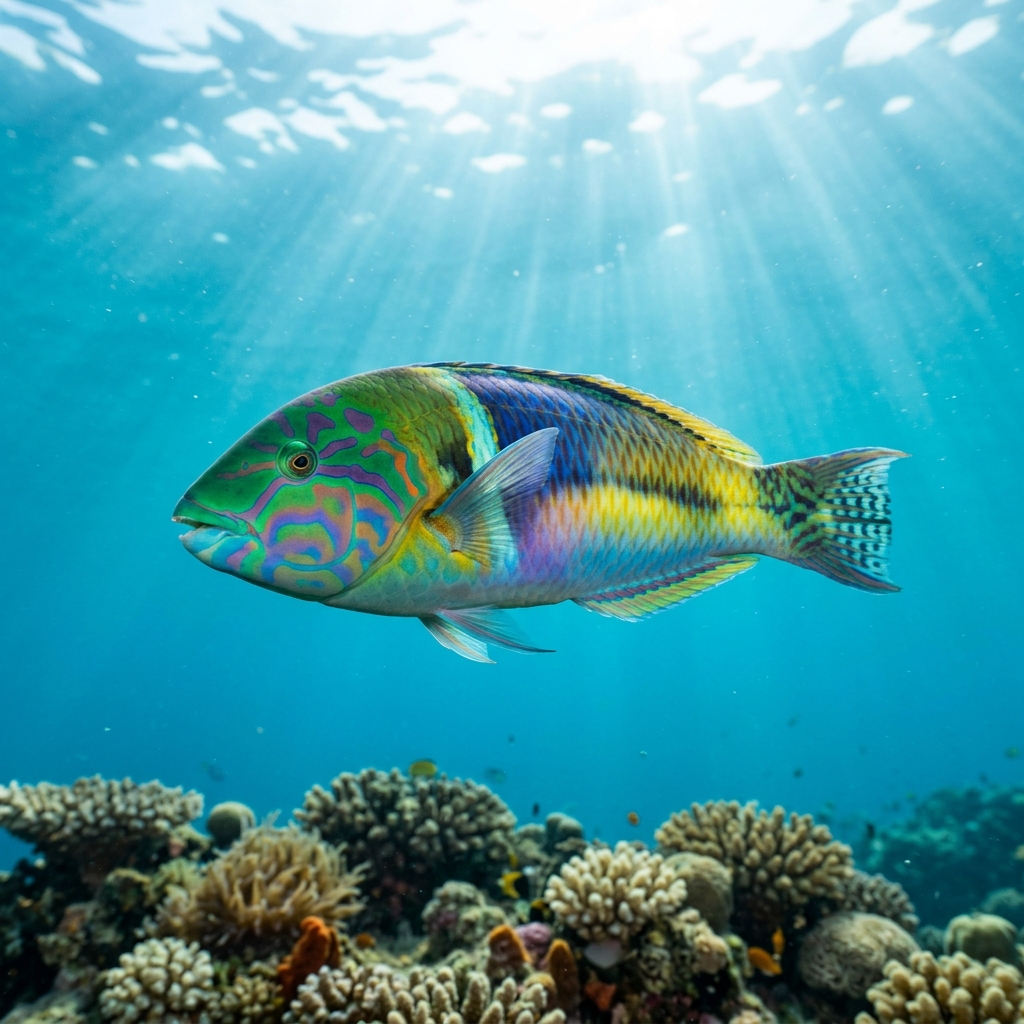
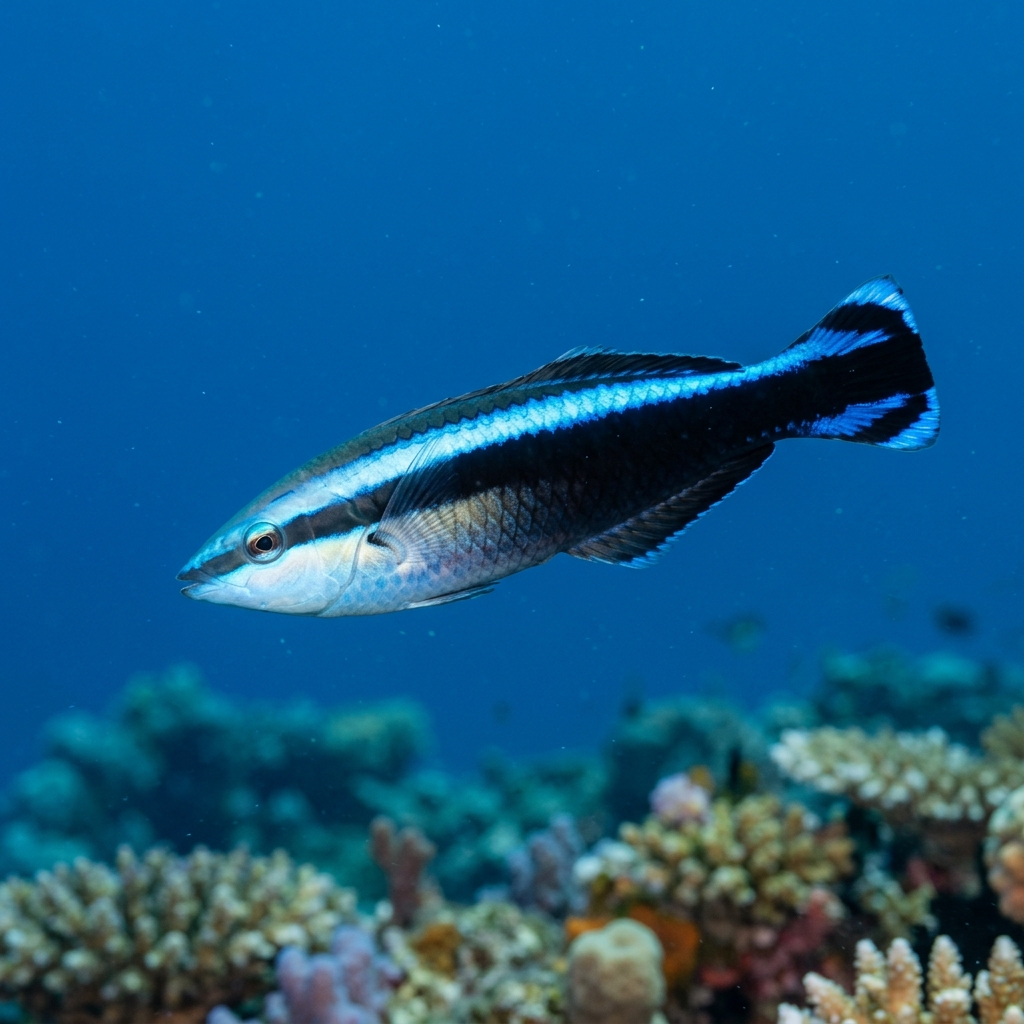
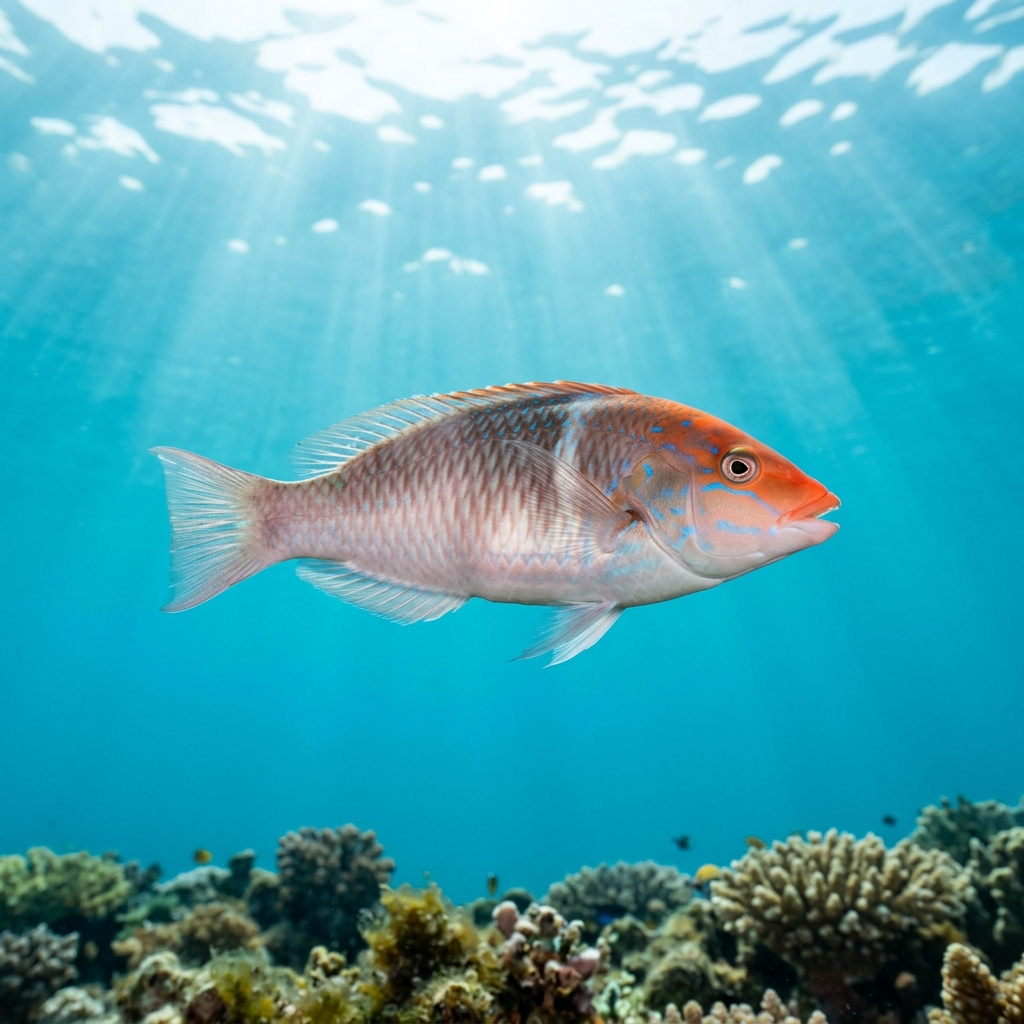
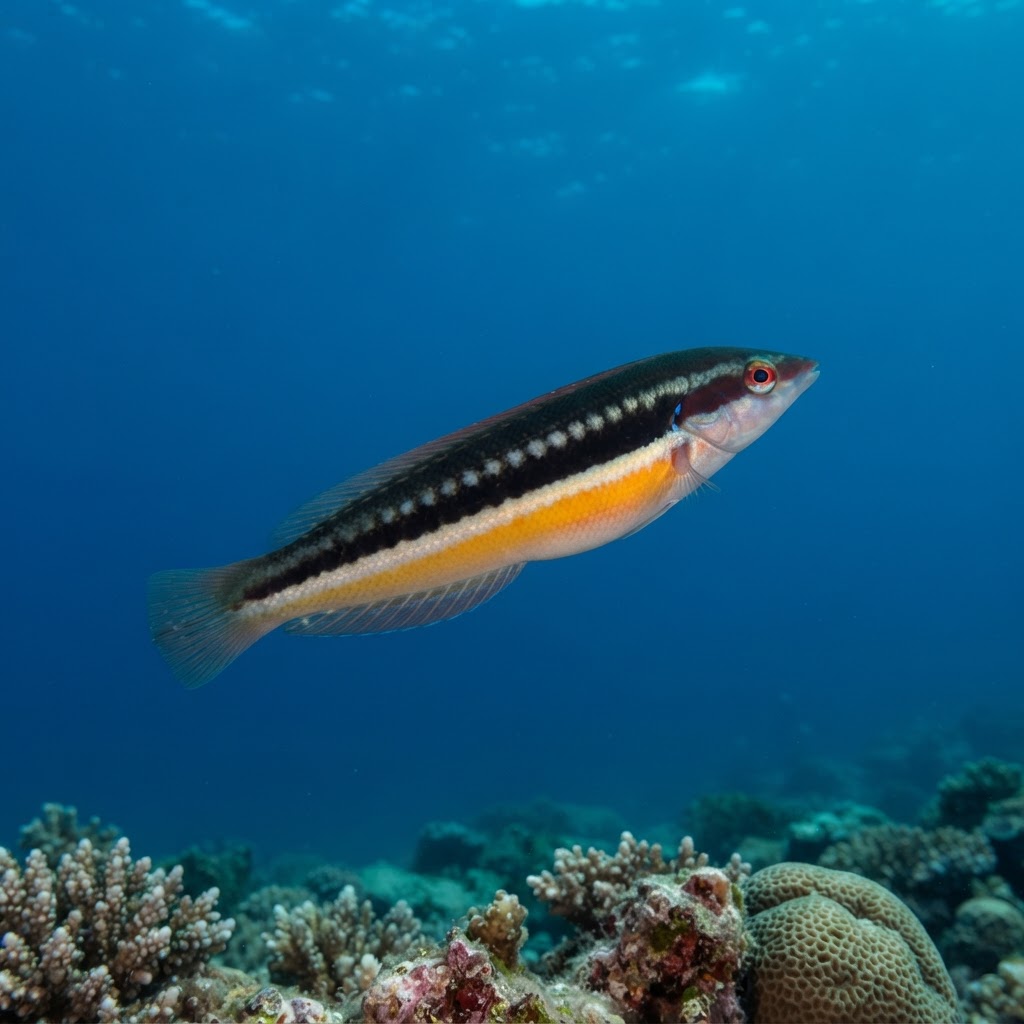
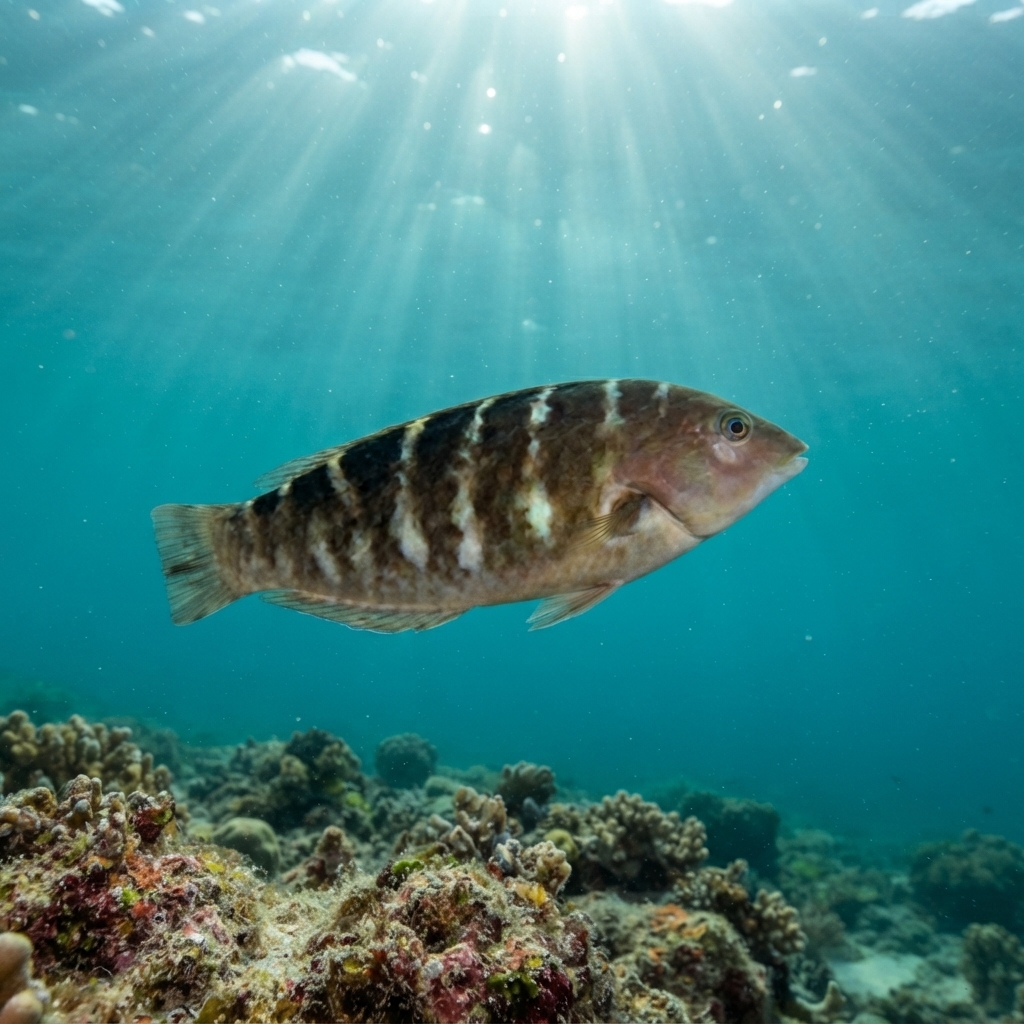
A slim, torpedo-shaped wrasse reaching around 17 cm, seen darting low over rock and reef rubble rather than out in open water. Look for a pattern of dark bands or blotches running along the sides against a lighter body, a feature that gives the fish its common name. Like most wrasses it swims with quick, jerky pectoral-fin strokes rather than a steady tail-driven glide, which is often the first clue before the colour pattern registers.
Divers typically find it working low over rock and reef structure in shallow water, picking at small invertebrates rather than schooling or holding station in the current. It is not a fish that approaches divers or lingers for a photo; expect quick, low-level movement in and out of crevices and weed cover in the shallows down to about 10 metres. Most logs describe it as uncommon at any given site, so a sighting usually comes from active searching along the bottom rather than an obvious encounter.
As a member of the wrasse family, this species almost certainly follows the group's common pattern of change sex and colour over its lifetime, so the banded pattern divers key on may look different again on the largest individuals at a site.
Sightings show no detected seasonal pattern, and with a comfortable range of roughly 22 to 29C it is present on these reefs year-round rather than tied to a particular month. Plan around water temperature and site conditions rather than a specific season.
This is a Pacific-side species, most reliably logged along Mexico's Pacific Coast and in Baja California, with a strong secondary population in Costa Rica, especially the Central Pacific and Guanacaste regions. Smaller numbers turn up around Ecuador's Galápagos Islands and on Panama's Pacific coast, so divers working the eastern tropical Pacific from Baja down to the Galápagos have the best shot at it.
Mapping where Banded Wrasse is logged…
It is most commonly logged along Mexico's Pacific Coast and Baja California, with good numbers also in Costa Rica's Central Pacific and Guanacaste regions. It is scarcer but present around Ecuador's Galápagos Islands and Panama's Pacific coast.
There is no clear seasonal pattern in sightings, and it tolerates a wide temperature range of about 22 to 29C, so it can turn up on these Pacific reefs at any time of year.
Look for a small, slender wrasse around 17 cm long with dark bands or blotches along the sides, moving in quick bursts low over rock and reef rubble rather than swimming in open water.
They are a small reef wrasse, typically reaching around 17 cm in length, so they are easy to overlook against busier rocky reef backgrounds.
No, they pose no danger to divers. They are small, carnivorous reef fish that feed on invertebrates and have no interest in interacting with people underwater.
Most dive sites where it has been recorded describe it as uncommon, with a smaller number of sites reporting it as rare or common. Spotting one usually takes a bit of deliberate searching along the reef bottom rather than a chance encounter.
Site and sighting data is aggregated from diver logs, iNaturalist and GBIF. For taxonomy and conservation status:
Bird Wrasses
3,632 sites