Haemulon sexfasciatum
Silvery, striped grunts schooling over Pacific reefs from Baja California to Costa Rica in 23-29C water, year-round.
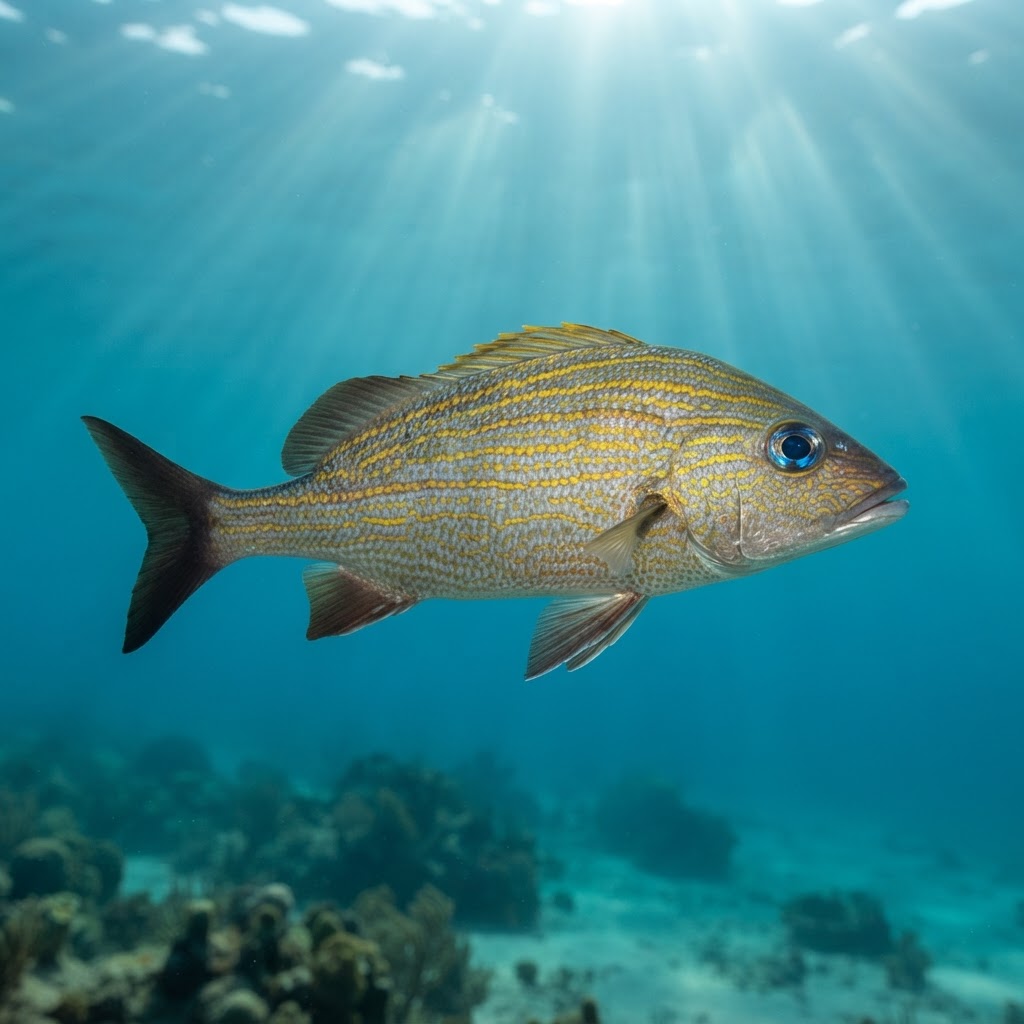
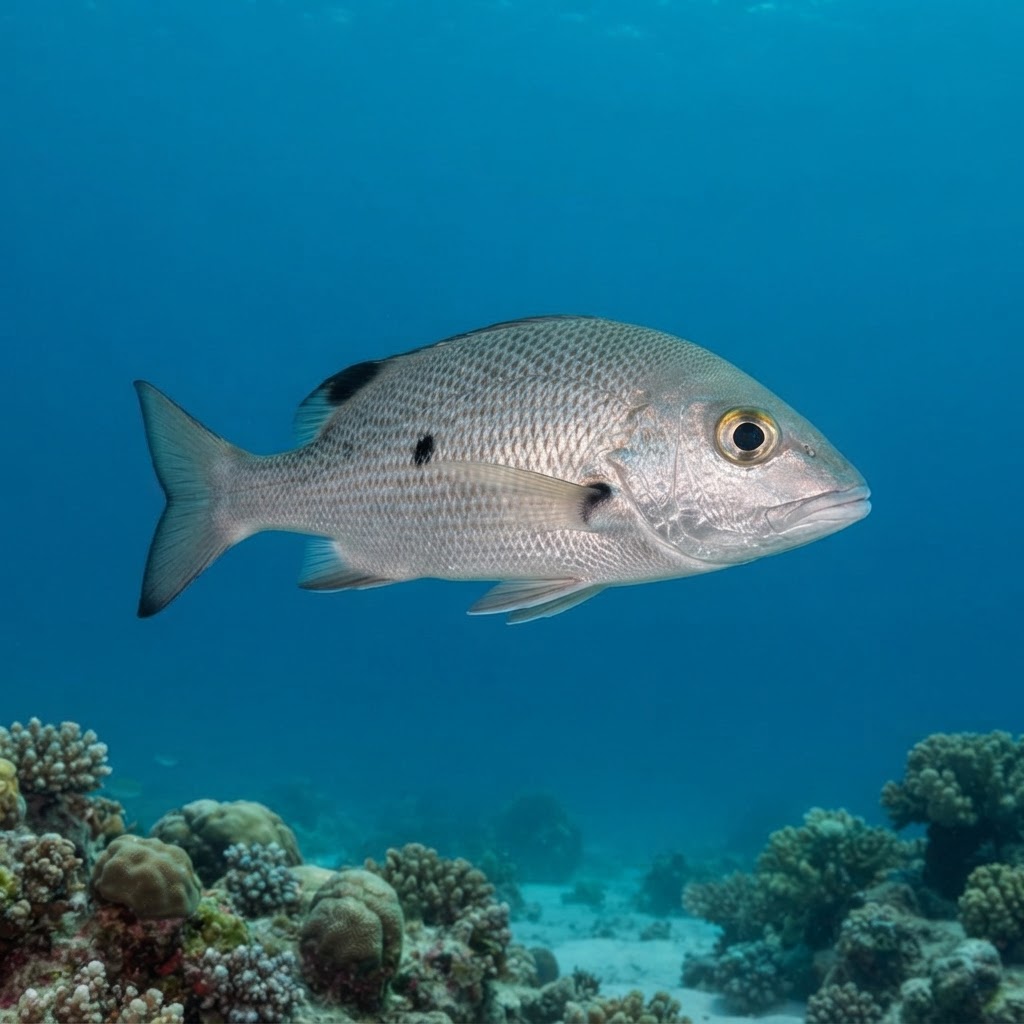
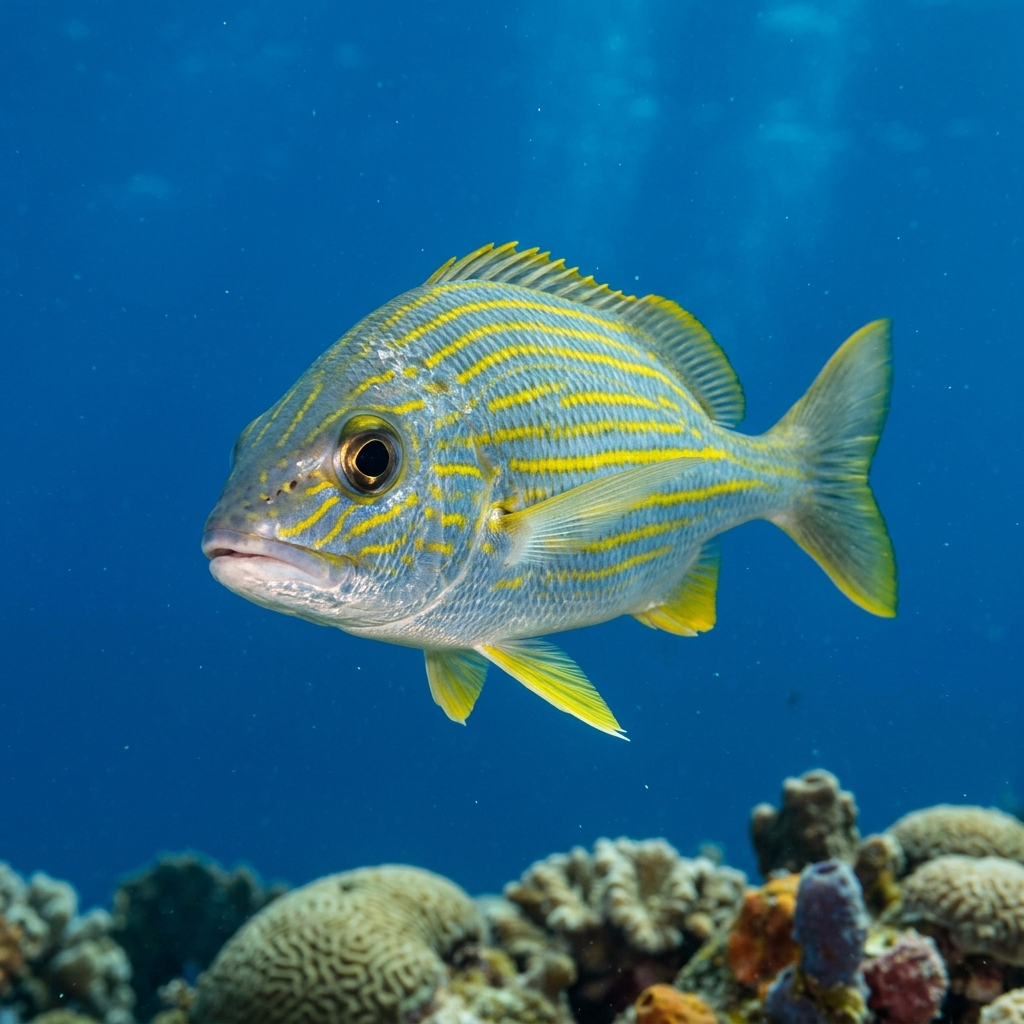
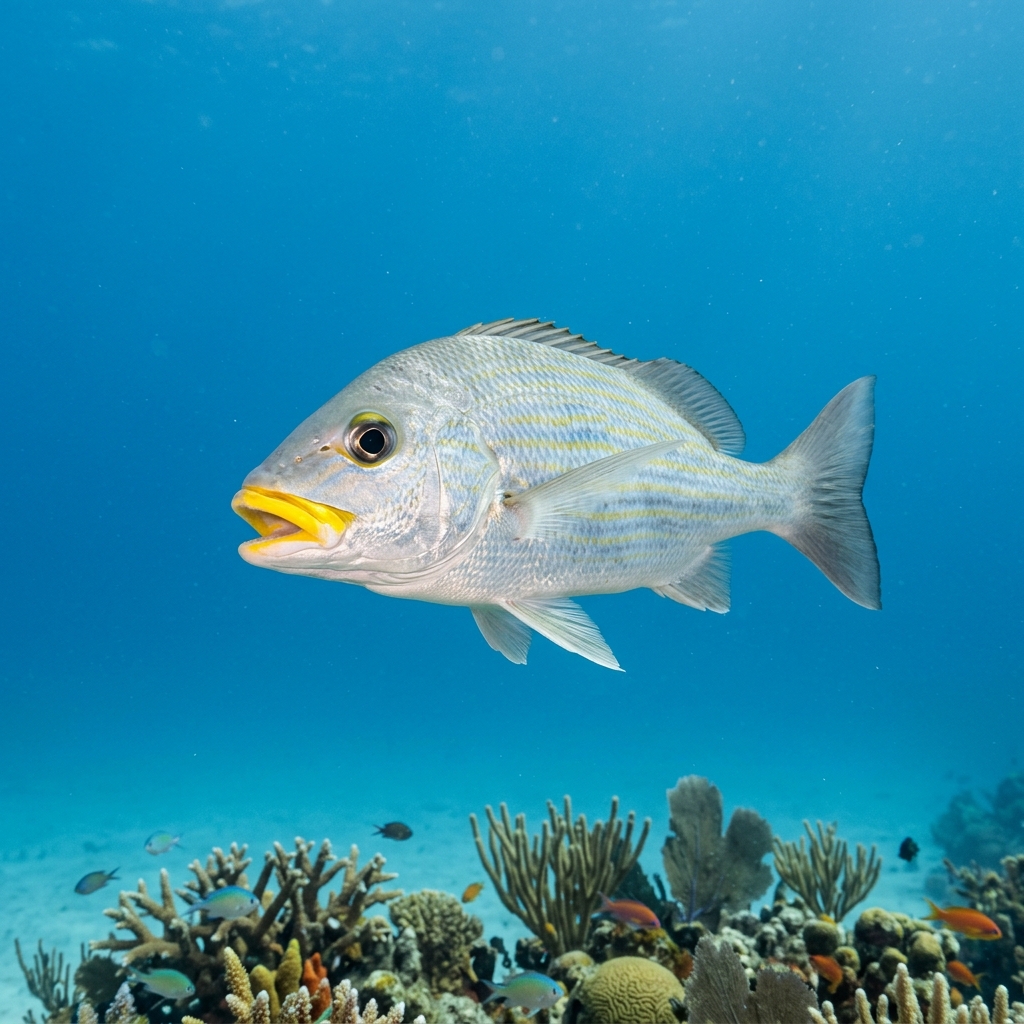
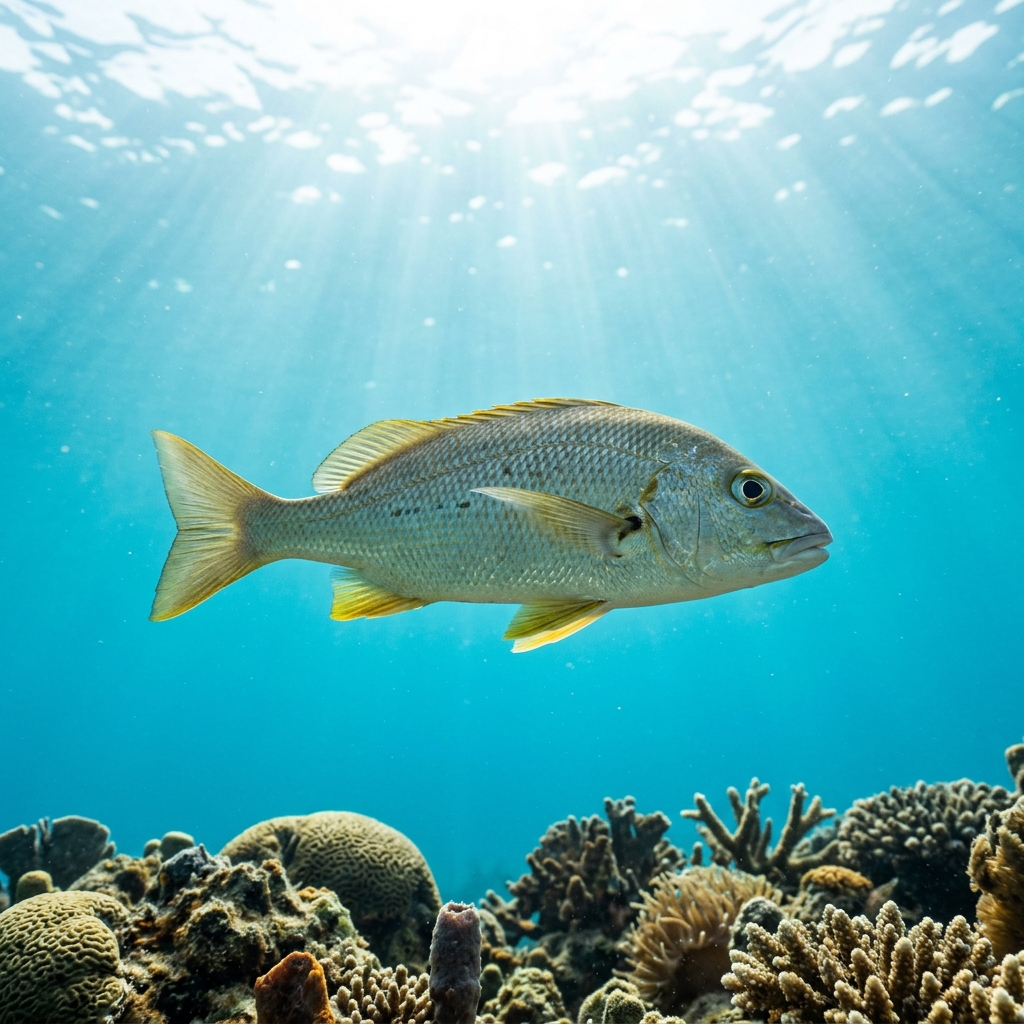
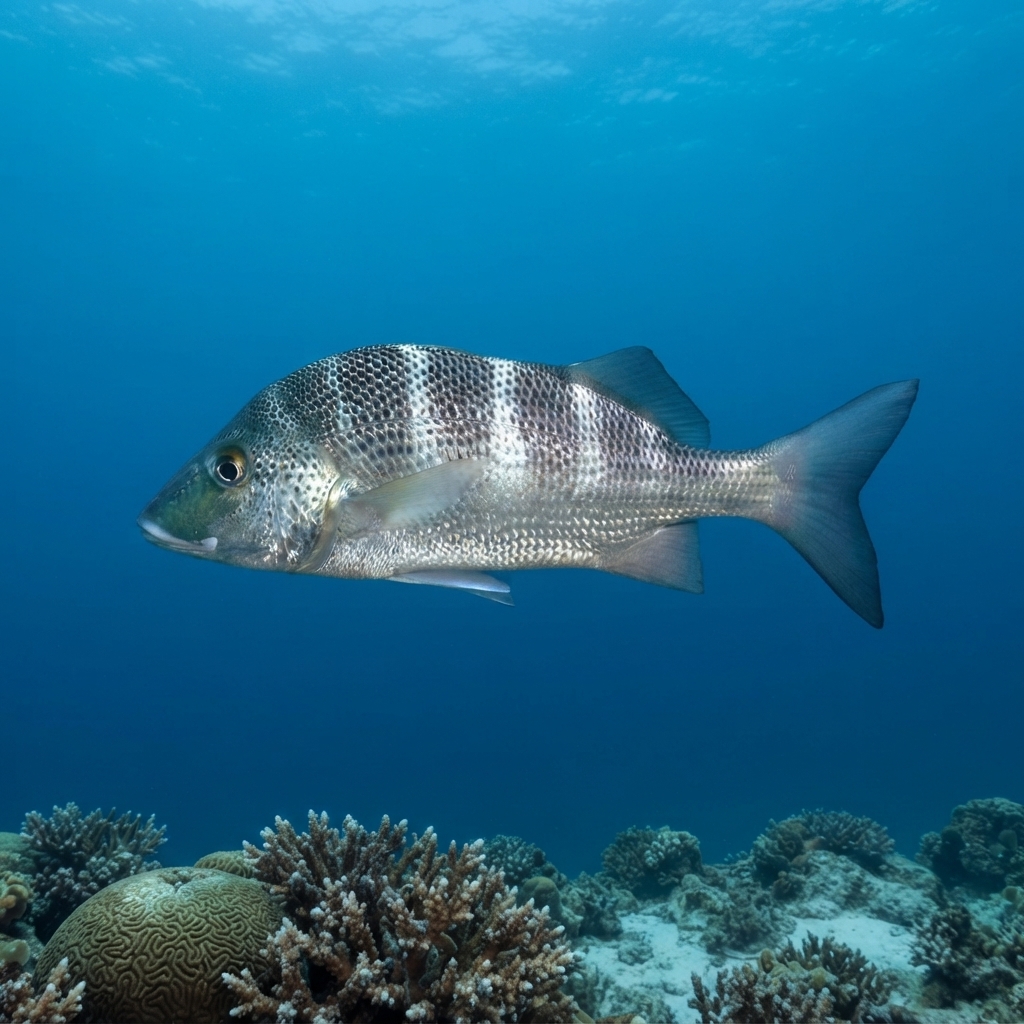
Elongated, silvery-grey body with several dark horizontal stripes running from gills to tail, growing up to about 49 cm. The stripes are broken into bars rather than solid lines, which is the easiest tell against other grunts on the same reef. Look for the sloped head profile and thick lips typical of the grunt family, usually seen in loose schools hanging just off the reef structure.
Typically found loafing in loose aggregations near rocky or reef structure during the day, often tucked close to ledges or in the lee of boulders where current is softer. They tend to hold position rather than bolt when divers approach slowly, though tighter schools will drift away as a group if crowded. Most activity picks up as light fades, when the schools spread out to feed over adjacent sand and rubble.
Grunts get their name from the sound they make by grinding pharyngeal teeth, a noise amplified by the swim bladder that can sometimes be heard underwater as a low grunt or growl.
No clear seasonal pattern shows up in the data, and with a comfortable range of 22.9 to 29.1C, these grunts stay on Pacific reefs year-round. Any month works for a dive trip targeting this species.
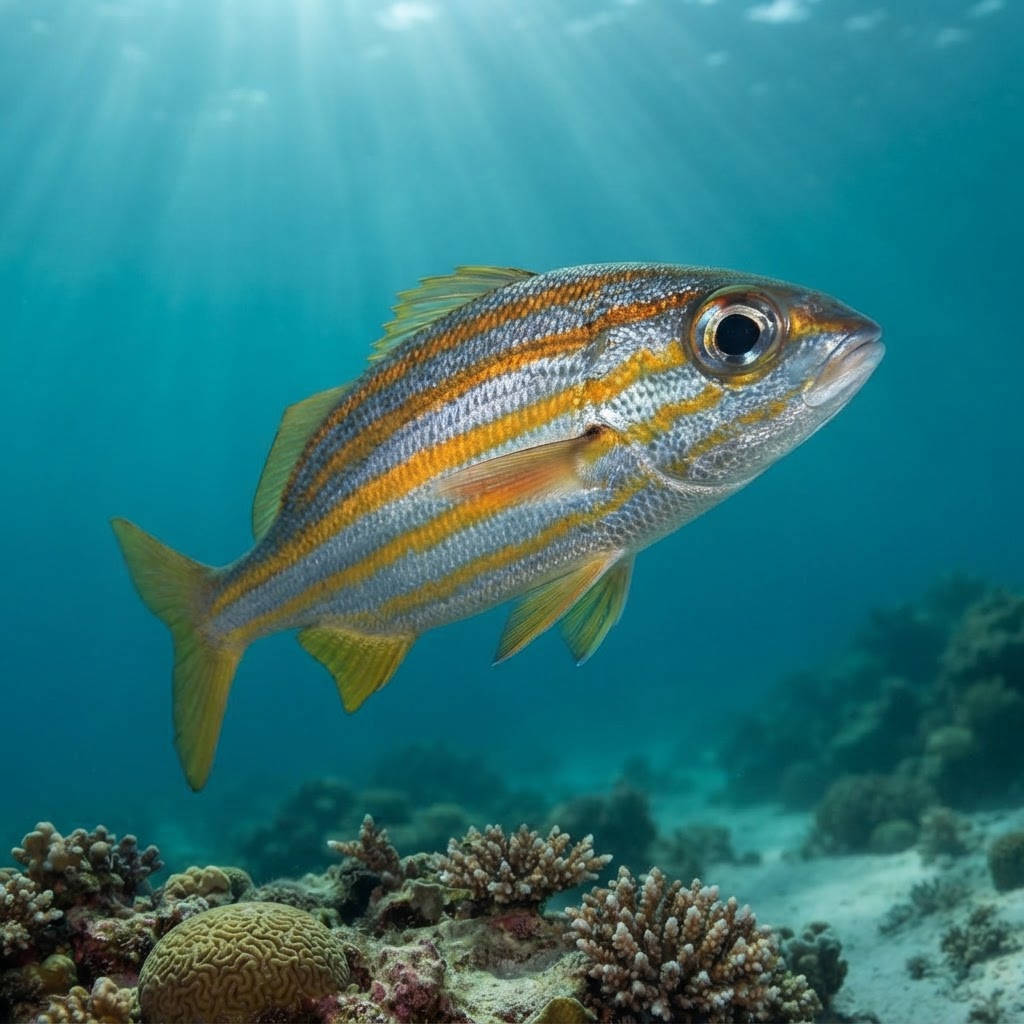
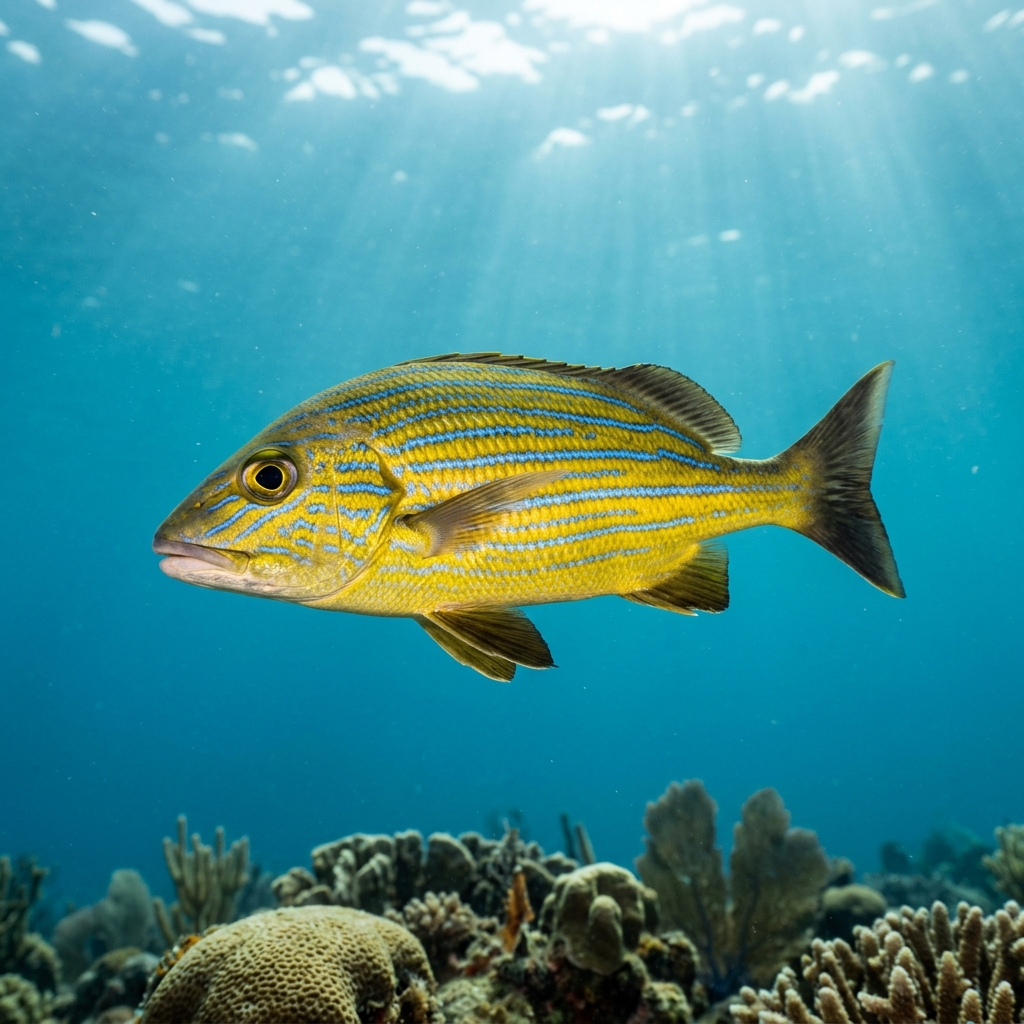
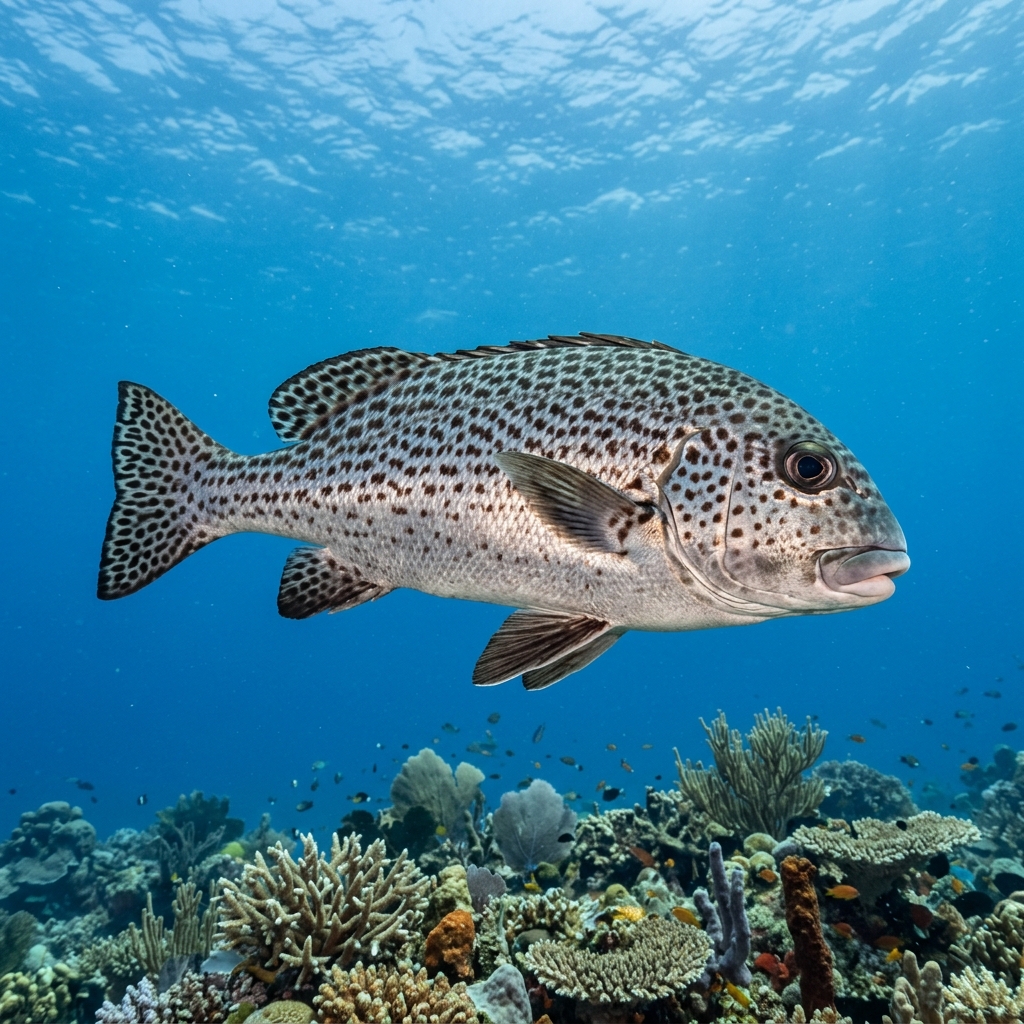
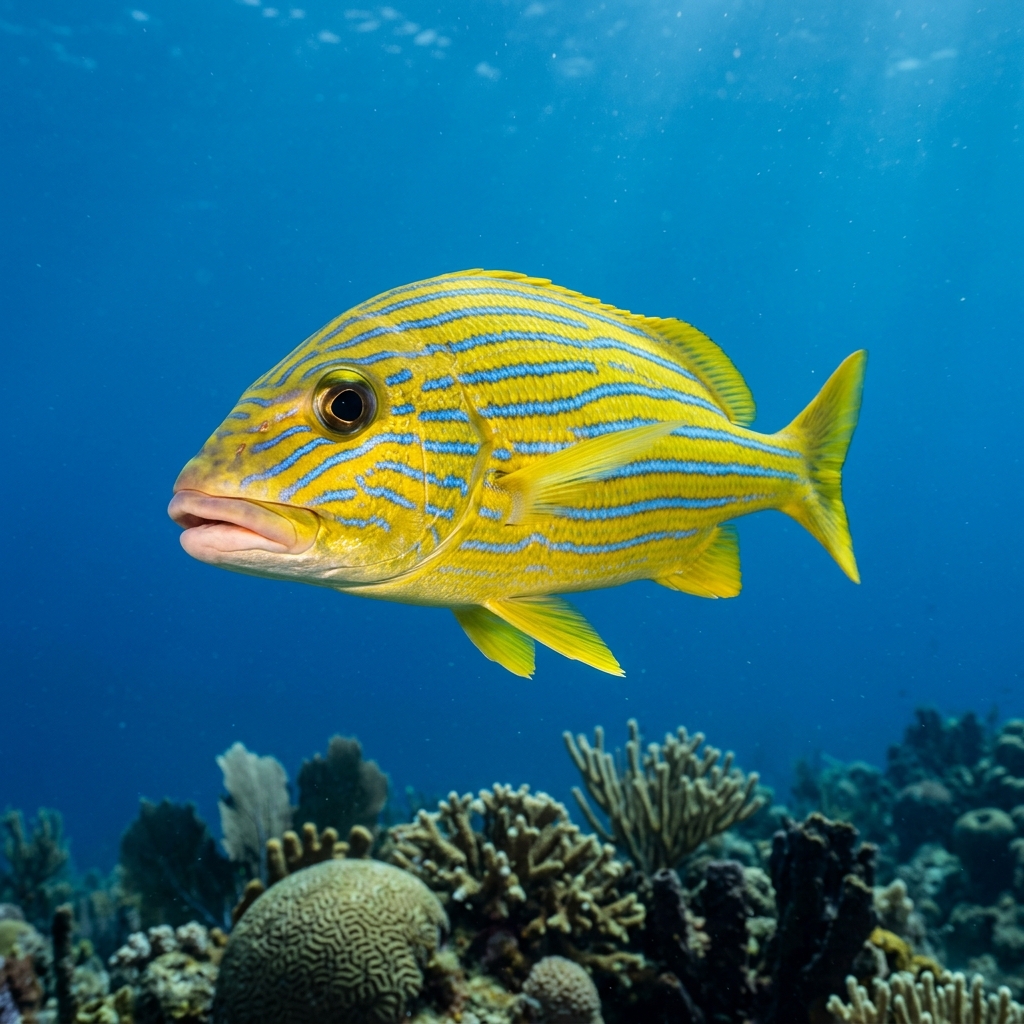
Reef neighbours a diver could mistake it for. Use the identification notes above to tell them apart.
Most reliably logged along Mexico's Pacific Coast and Baja California, which together account for the bulk of sightings, with strong secondary populations on Panama's Pacific Coast and Costa Rica's Guanacaste and South Pacific coasts. Expect an uncommon-to-occasional find rather than a guaranteed sighting at most of these sites, with a handful of spots producing common or very common numbers.
Mapping where Graybar Grunt is logged…
They turn up most often along Mexico's Pacific Coast and Baja California, with reliable but lighter numbers on Panama's Pacific Coast and Costa Rica's Guanacaste and South Pacific regions.
There's no strong seasonal pattern in the sightings, and the species tolerates a wide 22.9 to 29.1C range, so it's a year-round encounter on the Pacific reefs where it lives.
Look for a silvery-grey body marked with several broken dark horizontal bars, a sloped head, and thick lips, usually seen in loose schools of 40 to 50 cm fish hovering near reef structure.
They reach around 49 cm in length, making them one of the larger grunts you'll encounter on Eastern Pacific reefs.
No, they pose no threat to divers and will typically hold their position or slowly move off if approached calmly.
Like other grunts, they grind pharyngeal teeth in the throat to produce a grunting sound, amplified by the swim bladder, which is where the family name comes from.
Site and sighting data is aggregated from diver logs, iNaturalist and GBIF. For taxonomy and conservation status:
Bluestriped Grunt
1,907 sites