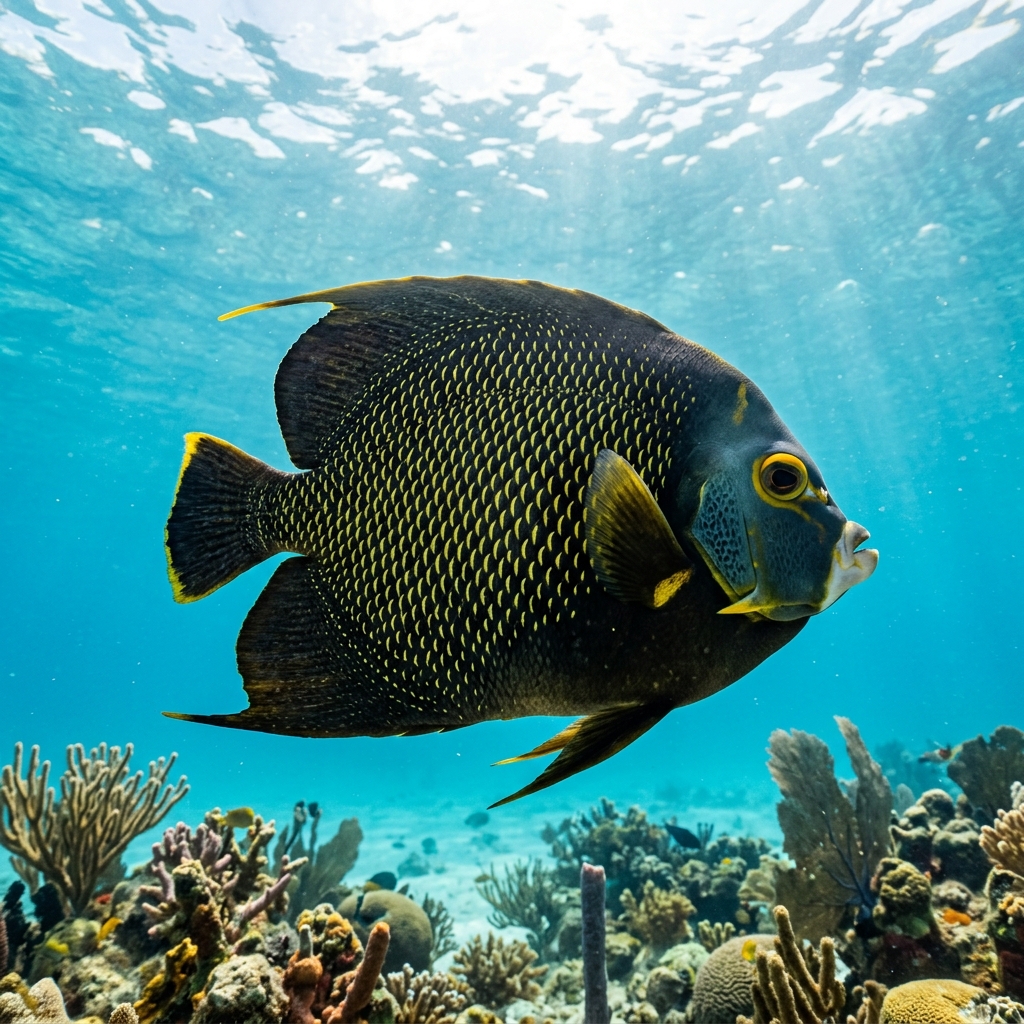
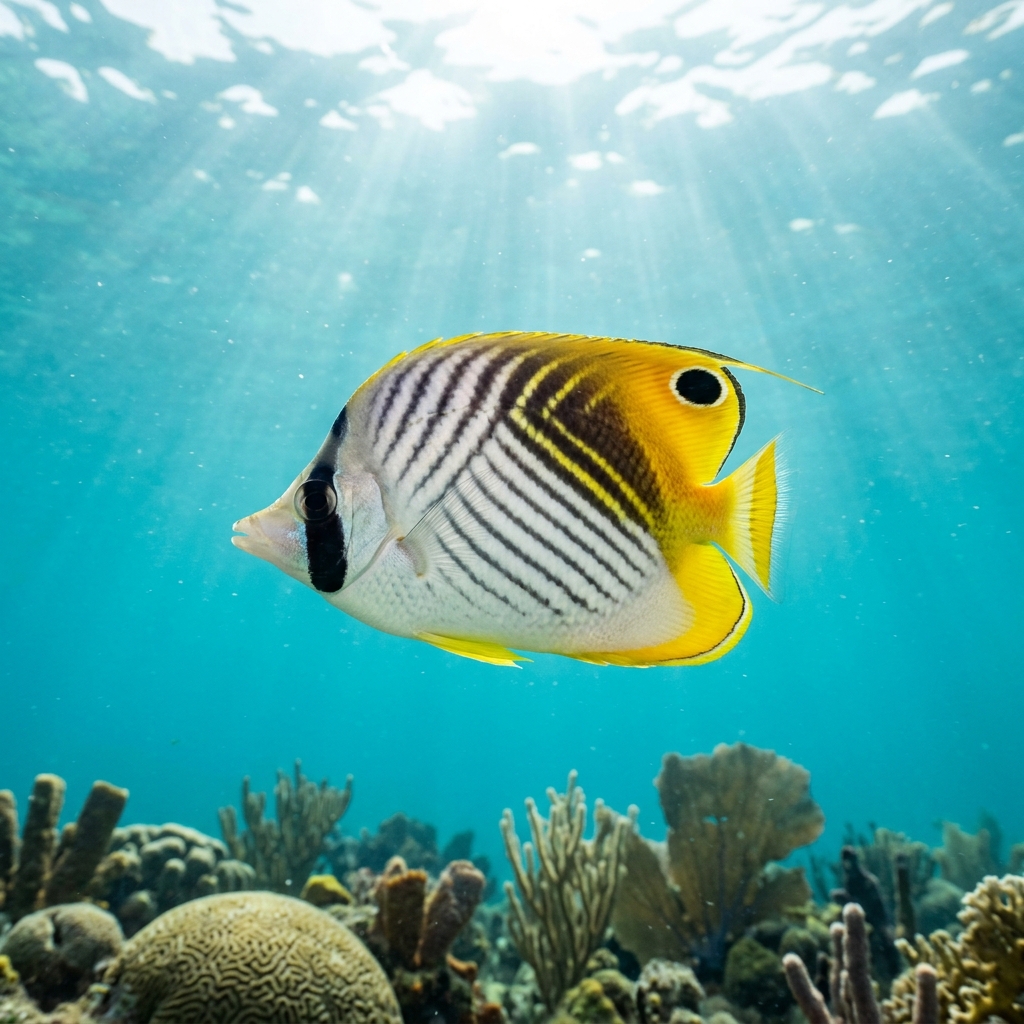
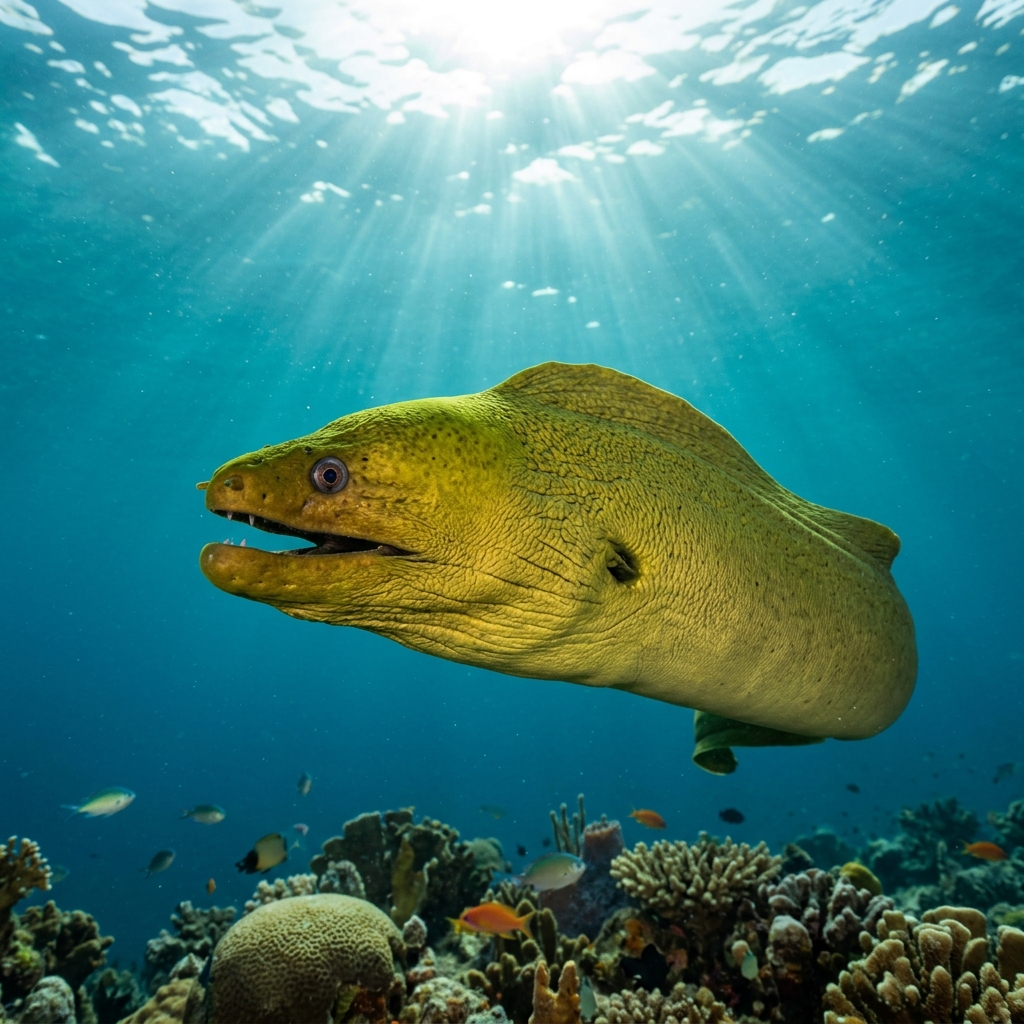
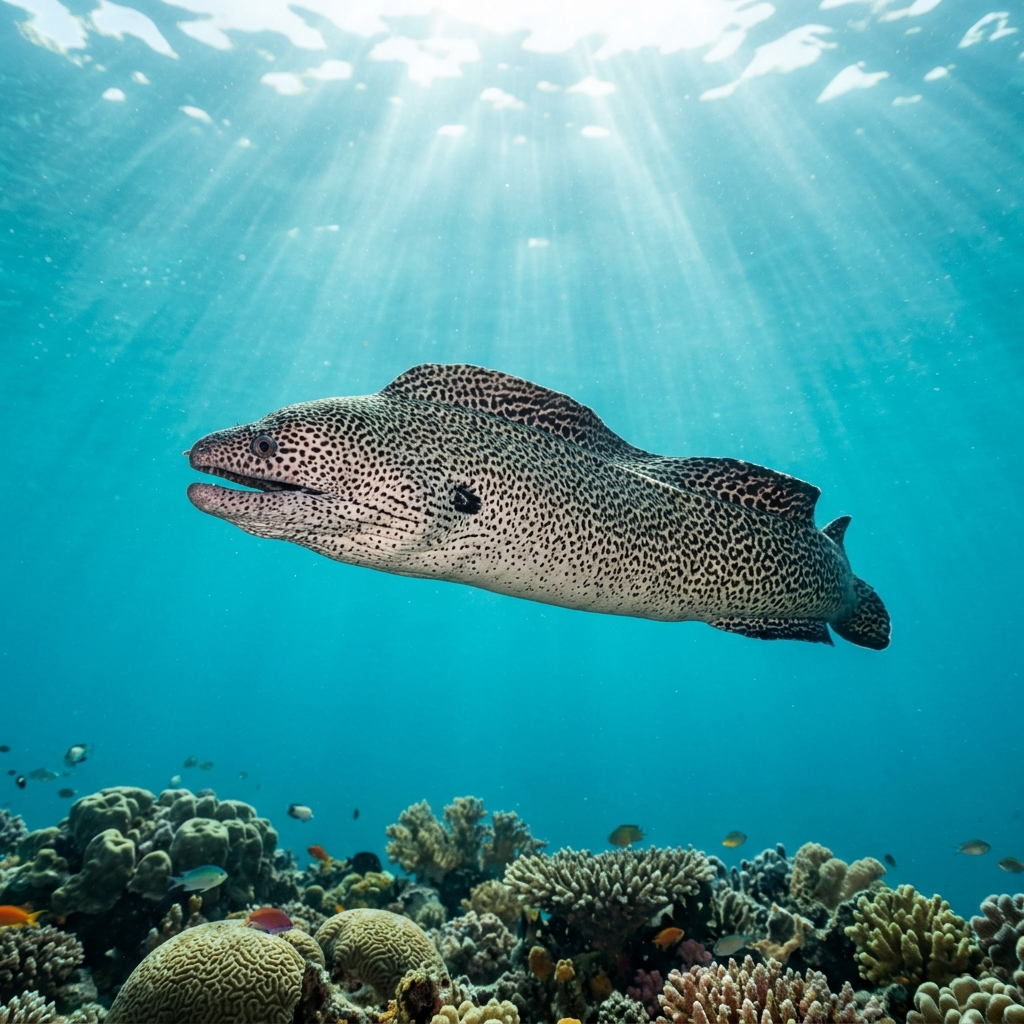
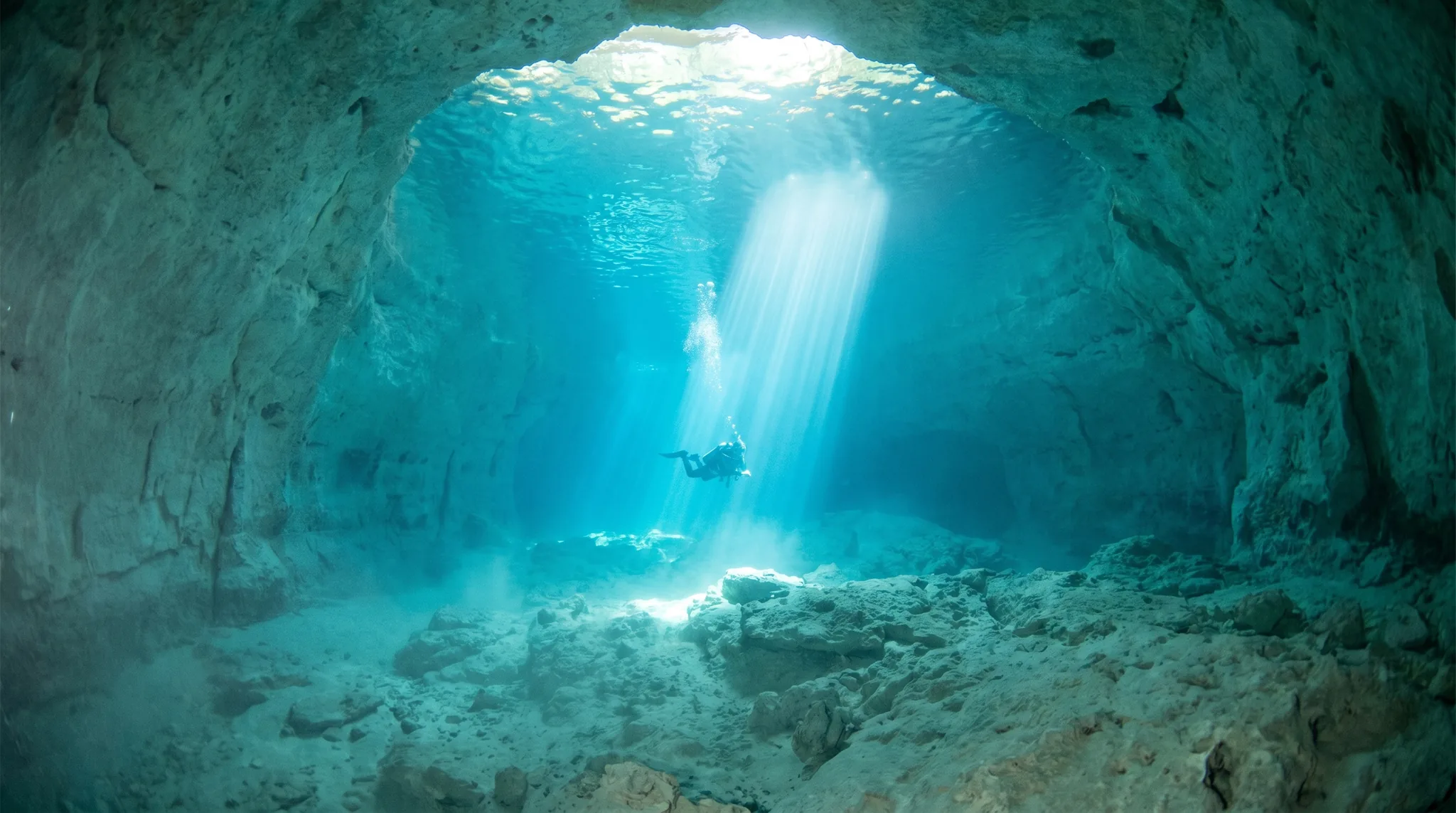
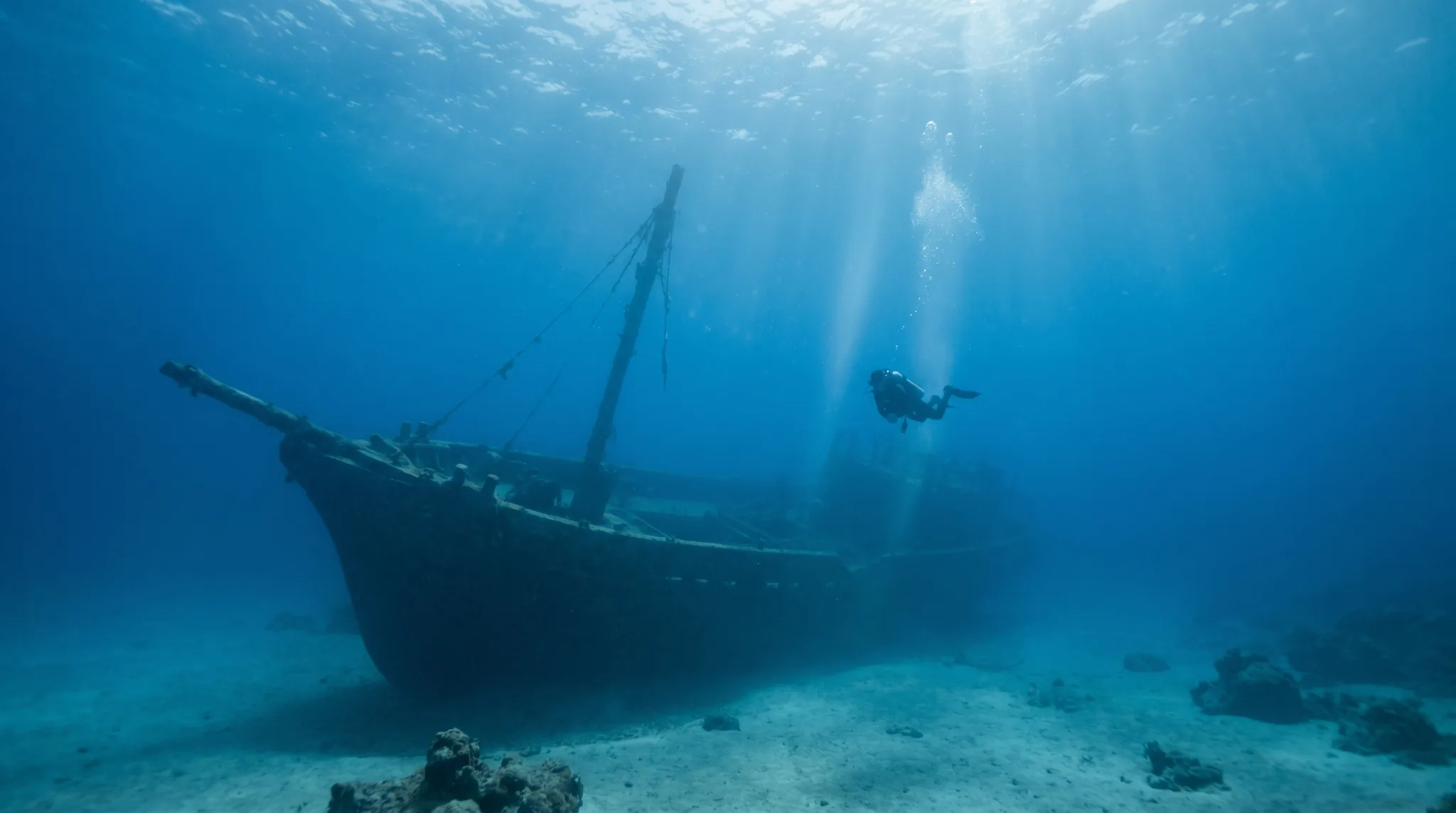
The Veracruz Reef System is built around the offshore reefs of Anegada de Adentro, where boat access opens up everything from very shallow artificial reefs to deep walls. Most sites suit beginners, with a handful of deeper wrecks reserved for advanced divers. The marine life leans heavily toward reef predators and cryptic species: French Angelfish, Indian Lionfish, Brazilian Reef Octopus, and three species of moray are all regularly observed across the system.

Monthly water temperature across Veracruz Reef System's sites, from satellite sea-surface data corrected for depth. The band shows the site-to-site spread.
Water stays warm throughout the year, rising to its peak in late summer and early autumn, making that stretch the most comfortable period for longer dives. Spring and early summer offer a strong balance of warmth and favourable conditions, which aligns with when most divers rate the experience highest. All sites are boat access only, and the deepest sites require careful planning given the exposed offshore setting.
6 operators
Mexico
Mexico
Water temperature around Veracruz Reef System ranges from about 23°C in March to 30°C in September, based on satellite sea-temperature data for its dive sites.
9 more sites to explore
In the warm season (about 30°C) a rash guard or 3mm shorty is comfortable in Veracruz Reef System; in the coldest months (about 23°C) step up to a 3mm full suit.
Fin maps 15 sites in Veracruz Reef System (11 scuba diving sites and 7 snorkelling spots, with some suited to both).
Across Veracruz Reef System's dive sites, May, June, July, August and September are most often reported as the best months to visit.
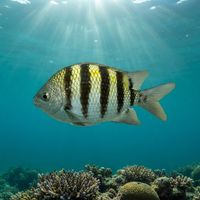
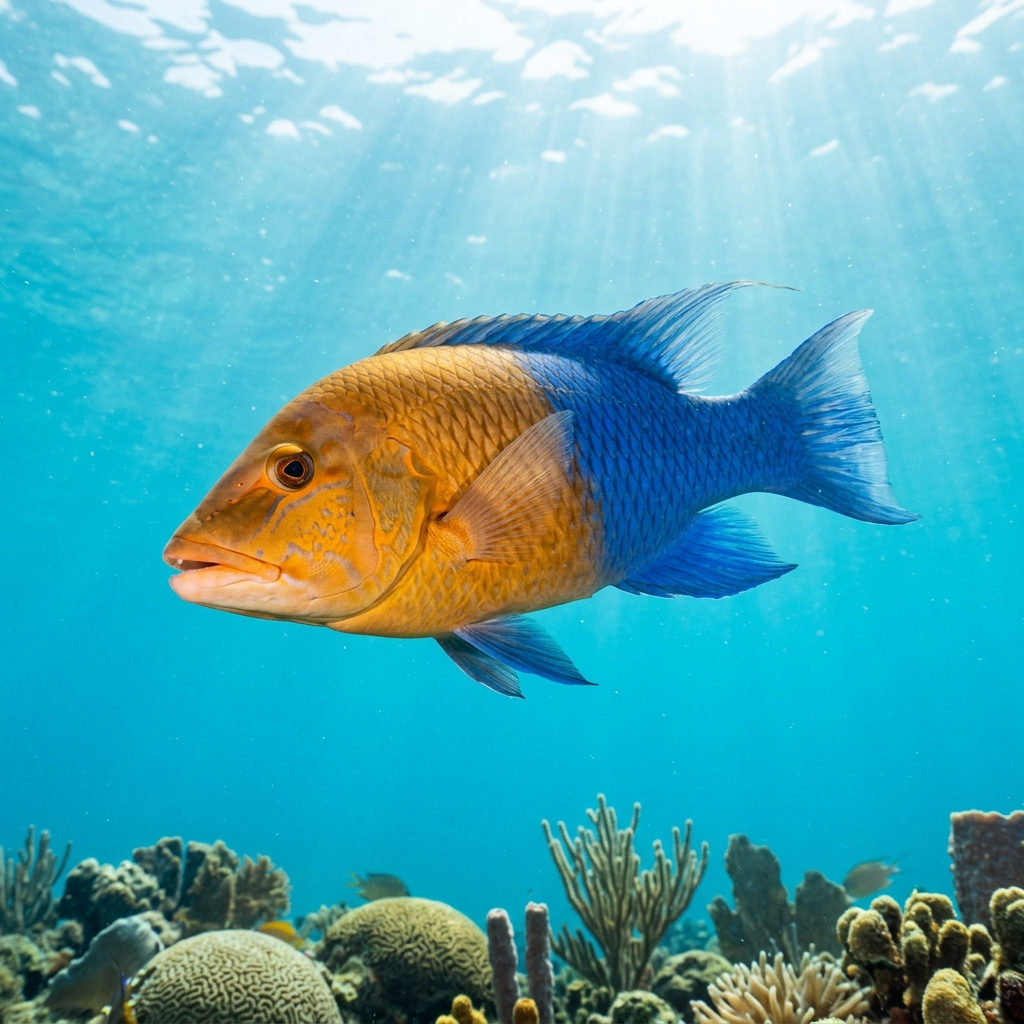
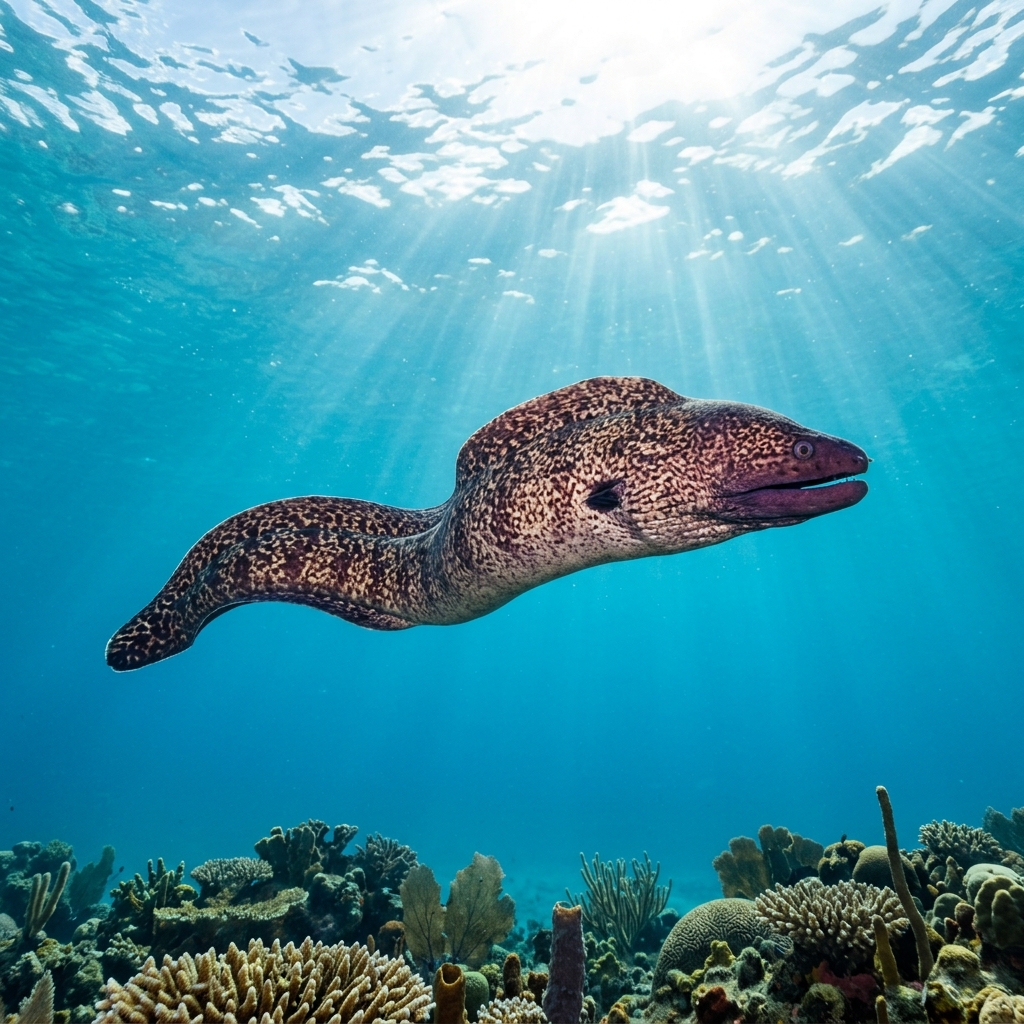
The reef system has a notably strong showing of predators and cryptic species. French Angelfish and Indian Lionfish are observed across most sites, and the Brazilian Reef Octopus is regularly encountered. Green Moray, Spotted Moray, and Purplemouth Moray all appear with good frequency, alongside Spotted Scorpionfish, Smooth Trunkfish, and Banded Coral Shrimp.
All sites in the system are boat access only. The reefs sit offshore, and shore entry is not a practical option at any listed site. Divers and snorkellers should plan around boat departure times and note that some of the more exposed sites, such as Sueste, specifically require boat access to avoid surf and shore break.