
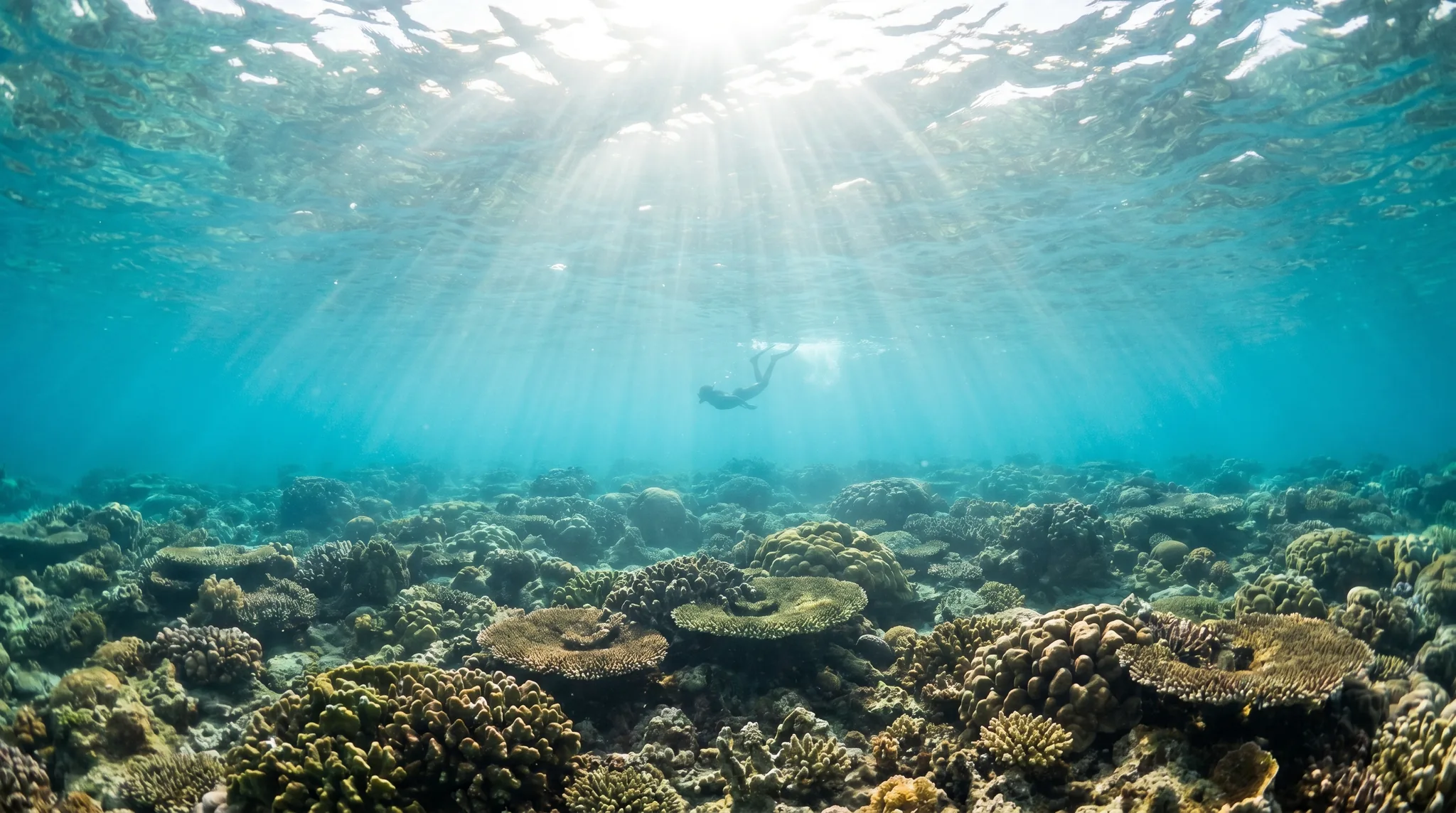
Isla de la Roqueta offers a compact but varied underwater landscape built around shallow reefs, walls, canyons, and at least one wreck serving as an artificial reef. The sites skew firmly towards beginner-friendly depths, with warm water year-round and mild currents at most locations. Reef fish dominate the sightings list, led by the Panamic Sergeant Major, Barberfish, and Giant Damselfish, while Spotted Eagle Ray and Whale Shark appear on occasion. All sites are reached by boat.
Monthly water temperature across Isla de la Roqueta's sites, from satellite sea-surface data corrected for depth. The band shows the site-to-site spread.
Water stays warm throughout the year, rising to its peak between June and October, which also aligns with the recommended diving season. Conditions are generally mild, with most sites offering gentle currents suited to newer divers. Outside the peak months the water cools slightly but remains comfortable for extended dives.
4 operators
Mexico
9 more sites to explore
Water temperature around Isla de la Roqueta ranges from about 28°C in February to 31°C in August, based on satellite sea-temperature data for its dive sites.
With water around 28–31°C, a rash guard or 3mm shorty works in Isla de la Roqueta year-round.
Fin maps 17 sites in Isla de la Roqueta (13 scuba diving sites and 7 snorkelling spots, with some suited to both).
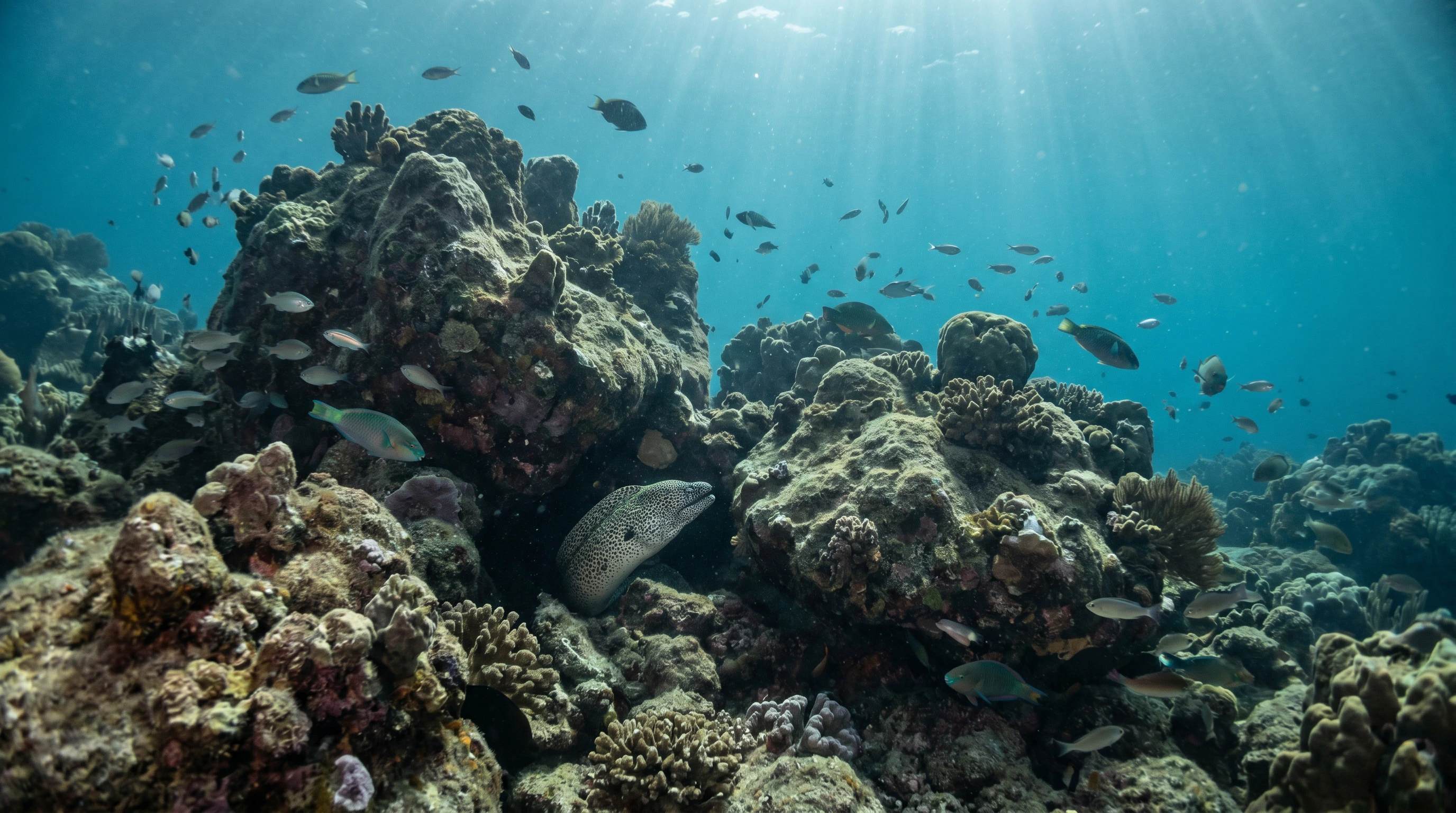
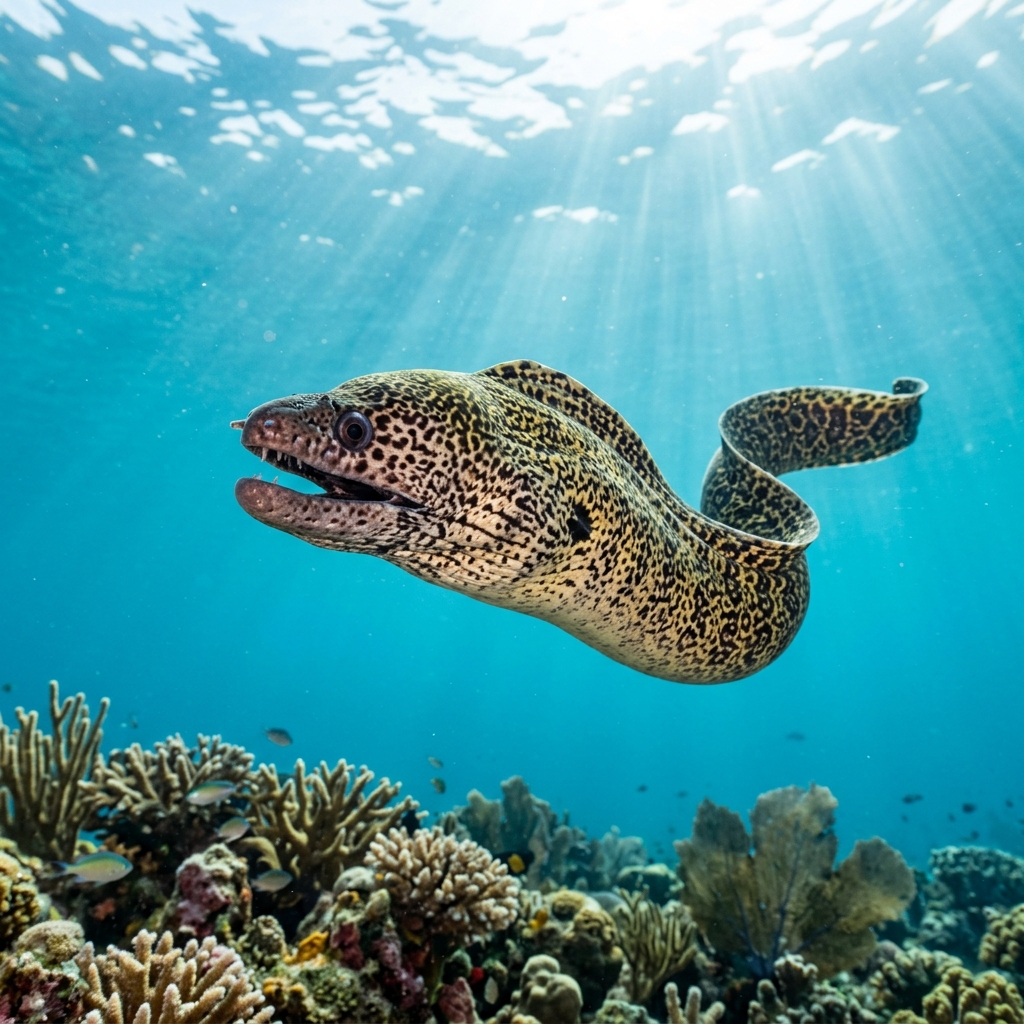
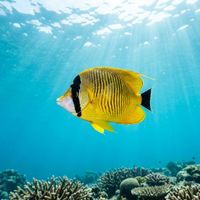
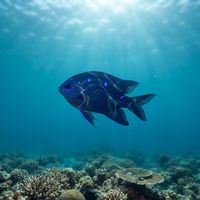
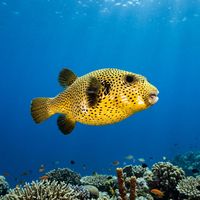
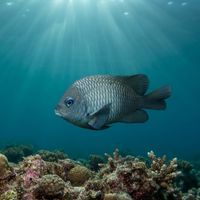
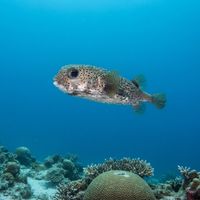
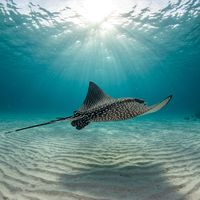
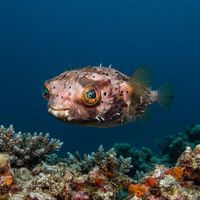
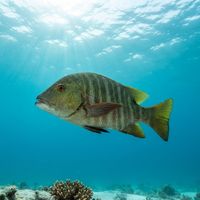
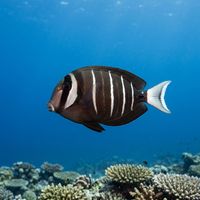
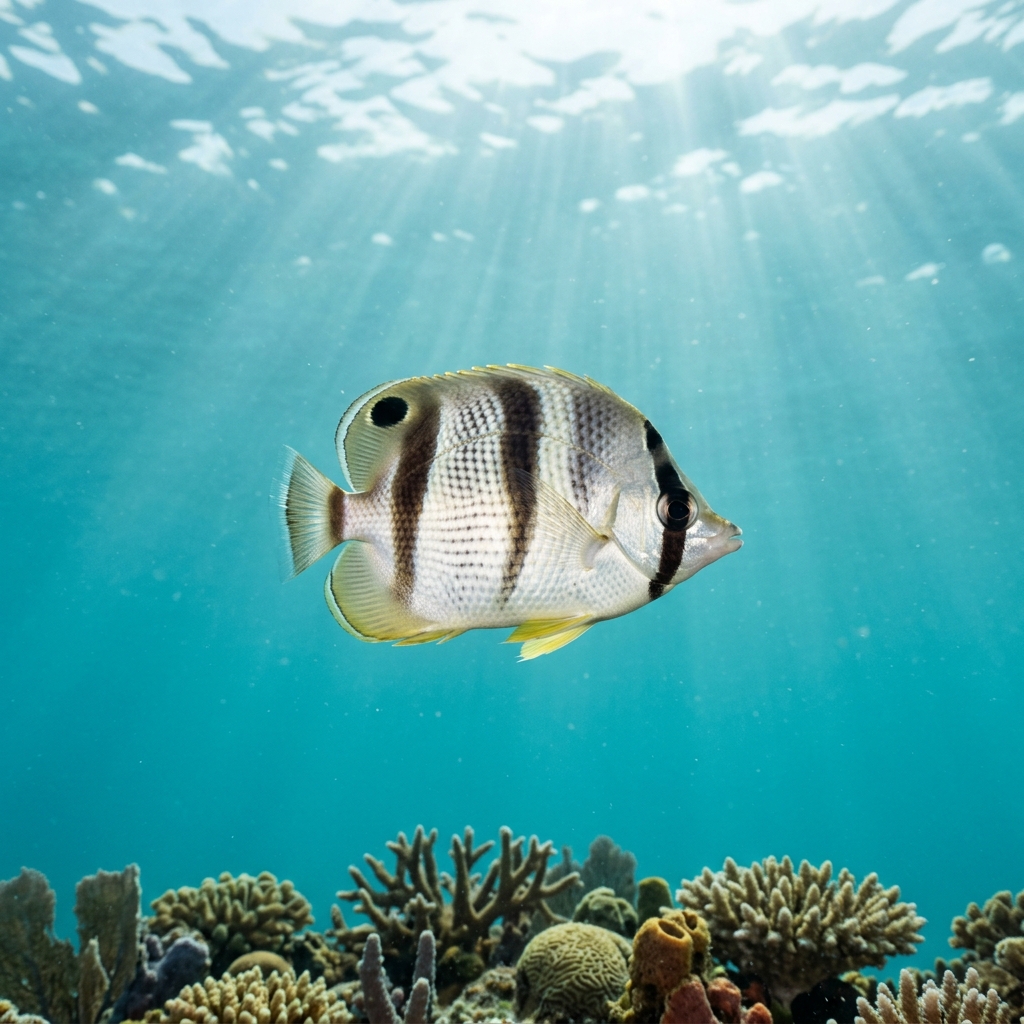
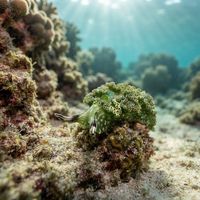
The reefs here are reliable for reef fish: Panamic Sergeant Major, Barberfish, Giant Damselfish, Guineafowl Puffer, and Jewel Moray are all observed very commonly across sites. Spotted Eagle Ray and California Sea Lion appear occasionally, and Whale Shark has been recorded here too. Nudibranchs such as the Mexican Dancer and Felimare Agassizii reward careful observers.
The overwhelming majority of listed sites are rated for beginner divers, with shallow maximum depths and mild currents noted at several locations. Sites like Casa Del Arabe, El Jardin, and La Marina are particularly well matched to newer divers. All sites require a boat transfer, so having basic open-water certification and comfort on a small vessel is recommended.
Every site in the area is accessed by boat; there are no listed shore-entry options. Several local operators serve the island, including La Marina Acapulco, Aca Scuba, and Visual Tours, among others. Booking with one of these operators is the practical way to arrange both transport and guided dives or snorkel trips.
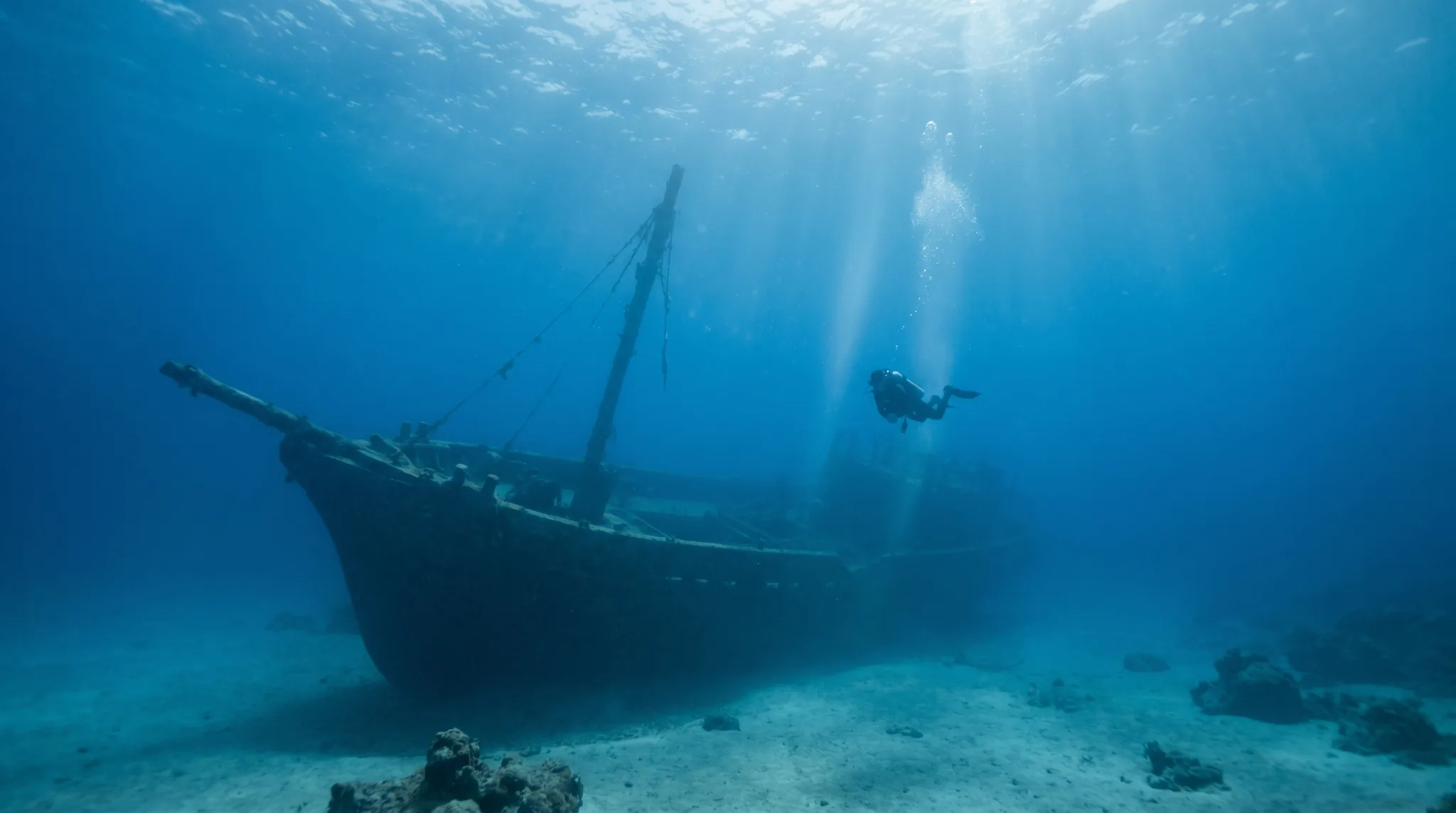
The area combines natural reef with more unusual terrain, including walls, canyons, and drift sites. El Corsario adds a wreck element that has developed into an artificial reef over time. This variety means that even divers visiting multiple times will find different environments to explore within a compact area.