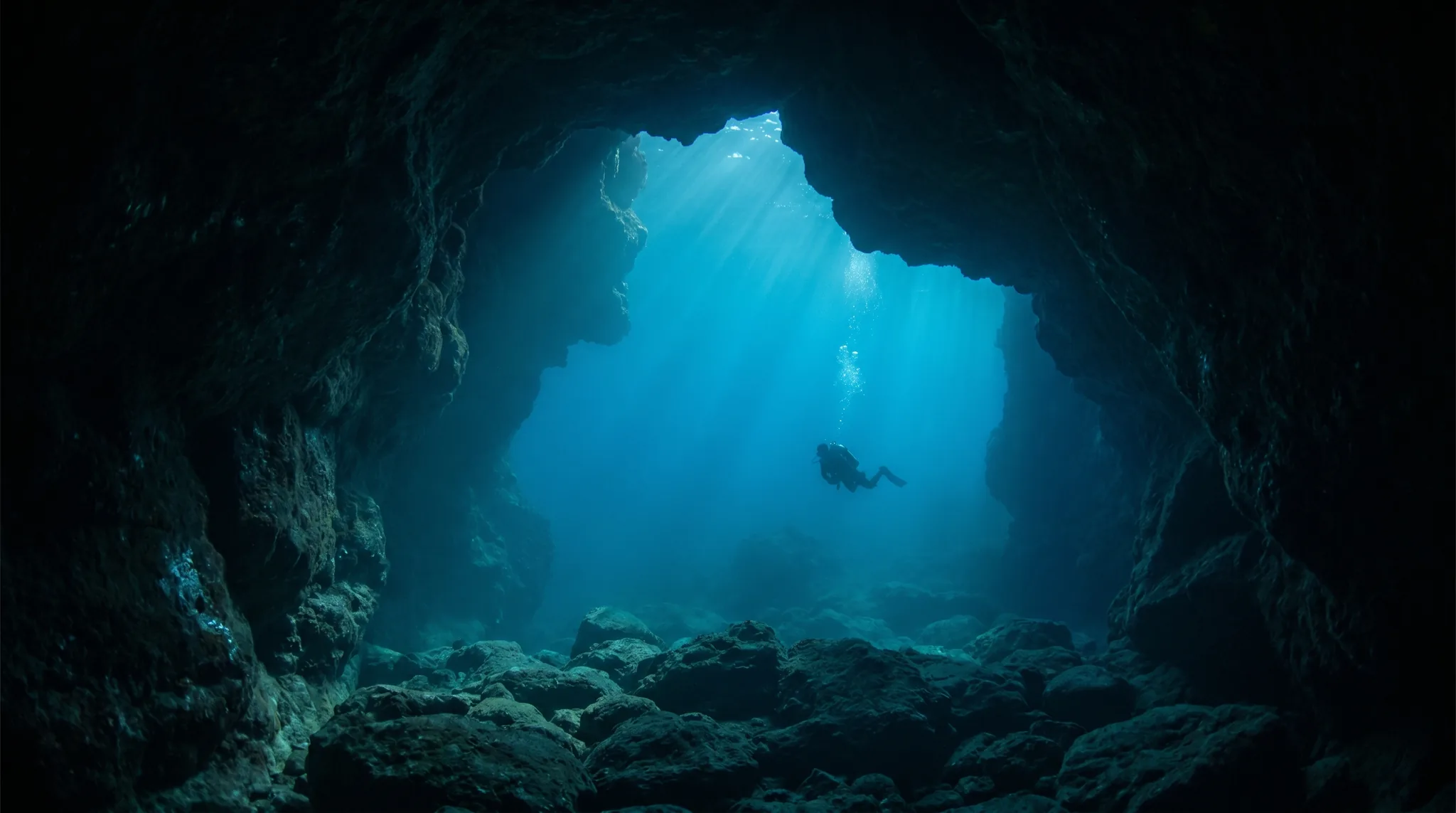
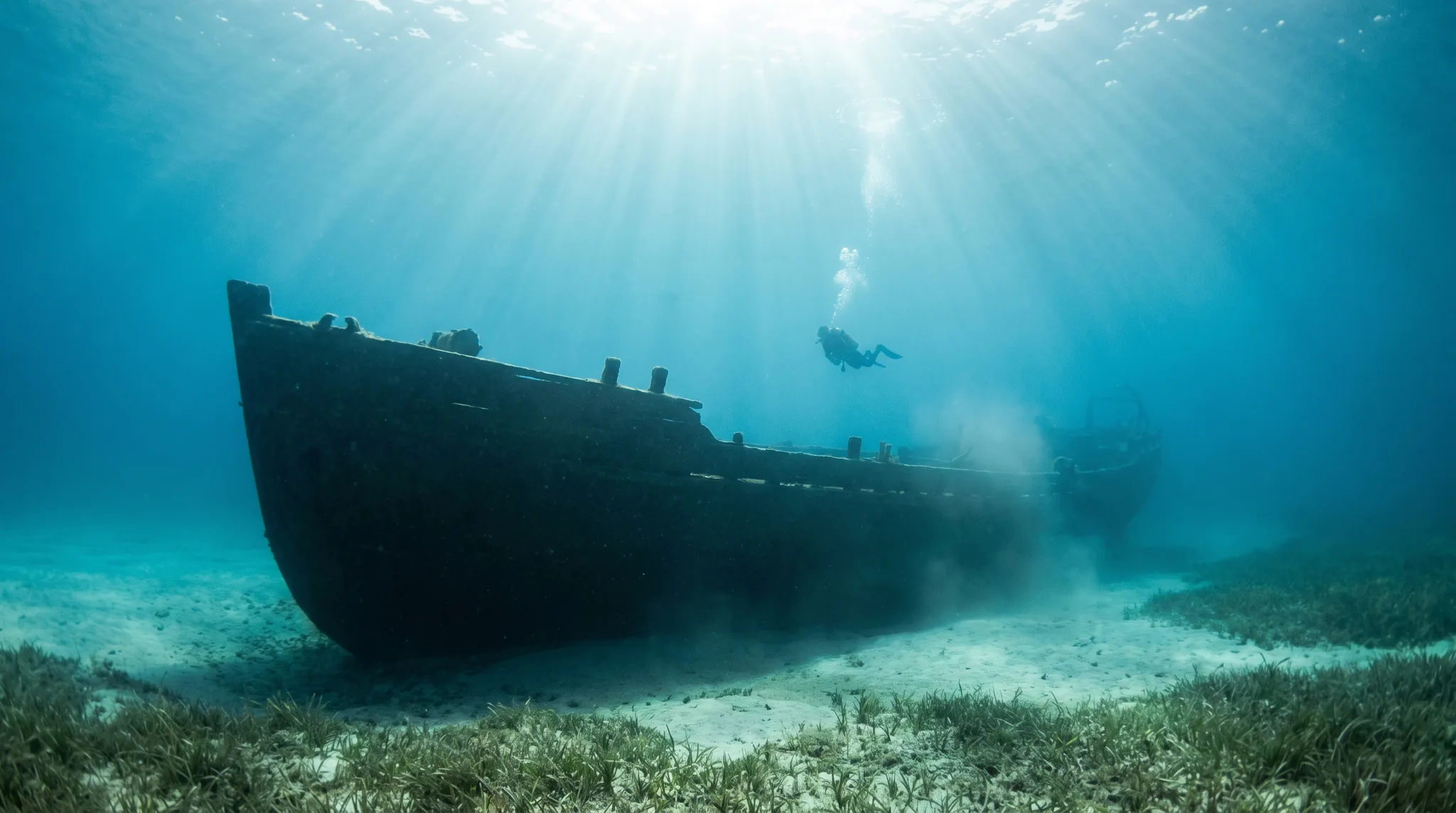
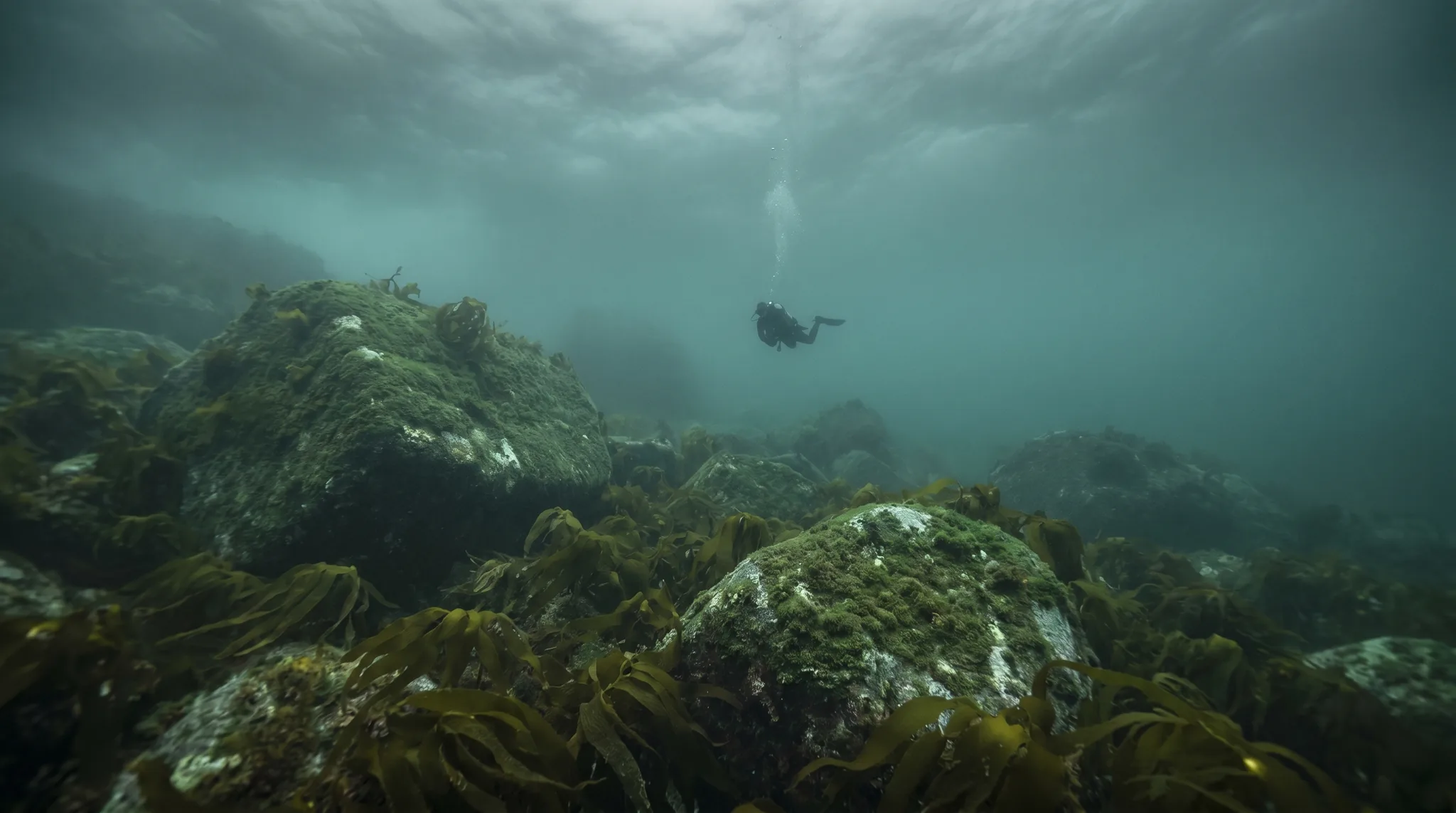
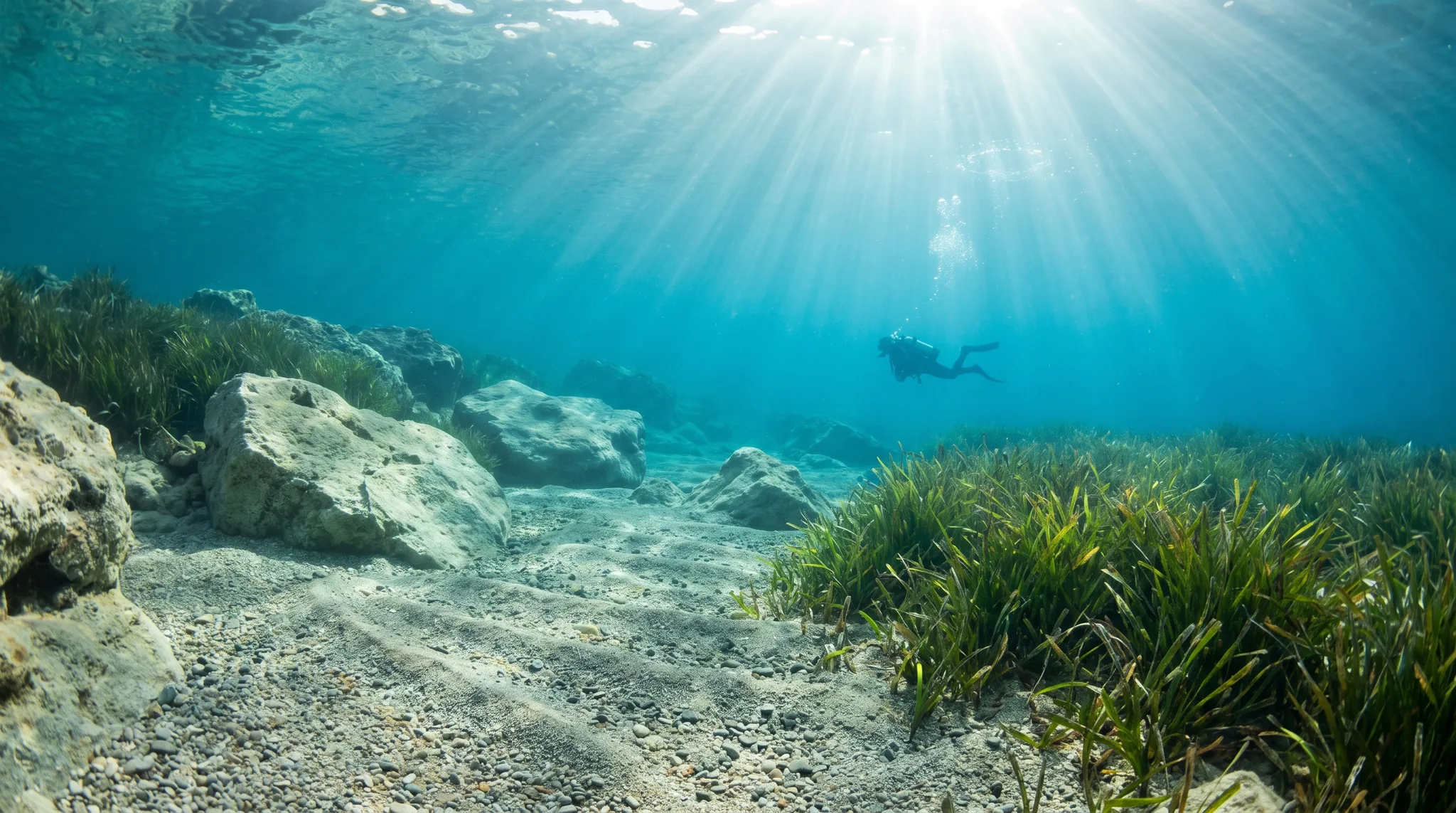
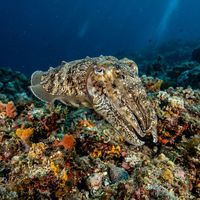
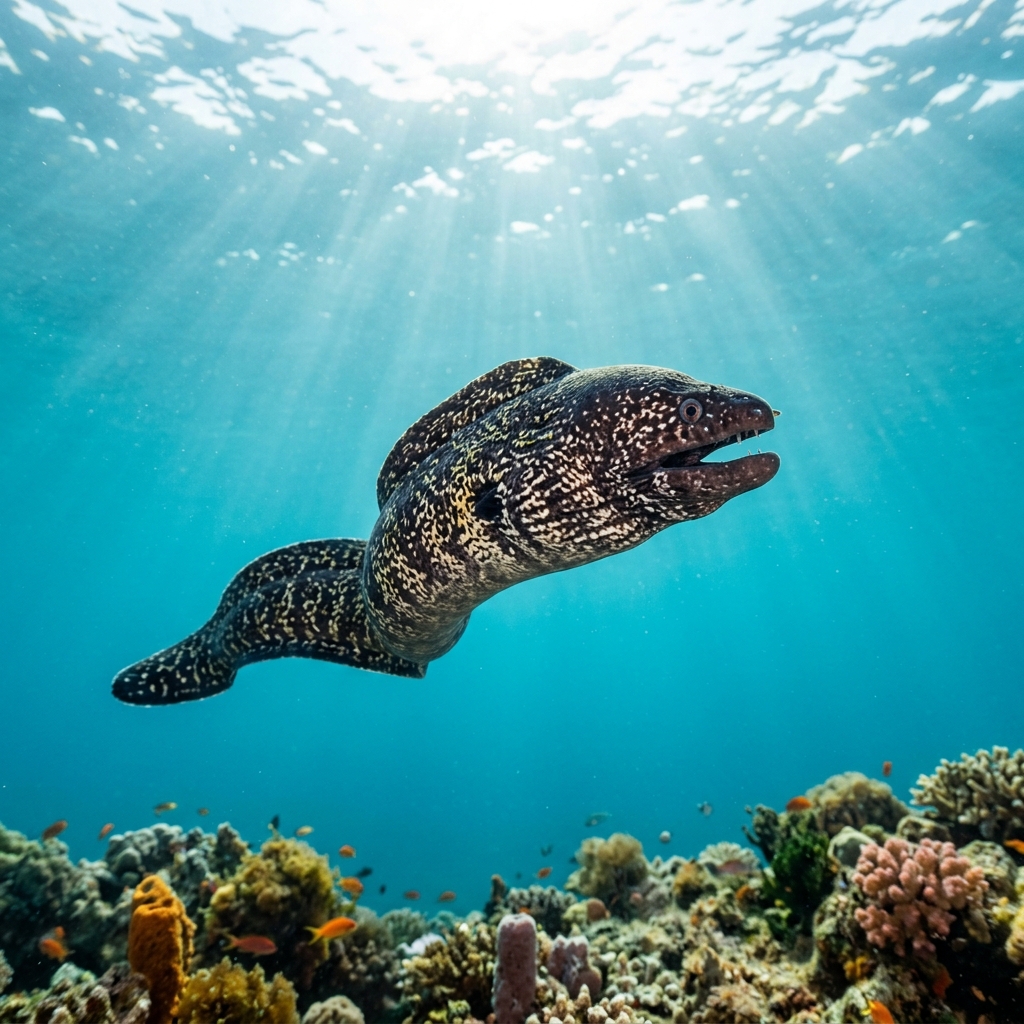
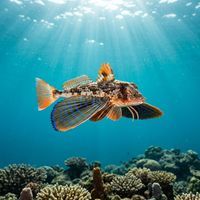
St Paul's Bay is defined by wreck diving. The Imperial Eagle, HMS Stubborn, and the Lockheed P2V Neptune aircraft give the area an unusual variety of submerged structures, all reached by boat and suited to advanced divers. Shore-entry sites such as Sirens Bay, Mistra Bay, and Qawra Point balance the mix, offering reef, seagrass, and cave topography across a wide range of depths. Across all sites, the Common Octopus, Mediterranean Moray, European Common Cuttlefish, and Flying Gurnard are consistently observed.
Monthly water temperature across St Paul's Bay's sites, from satellite sea-surface data corrected for depth. The band shows the site-to-site spread.
Water temperatures climb through summer and peak in autumn, making the period from late spring through November the most comfortable for extended dives. Cooler water persists through the early months of the year, when visitor numbers drop and conditions remain diveable but less inviting. The deeper wreck sites are boat-only and exposed to open-water conditions, while sheltered shore entries like Mistra Bay offer more predictable, calmer water year-round.

27 operators

2 more sites to explore
Water temperature around St Paul's Bay ranges from about 15°C in April to 22°C in September, based on satellite sea-temperature data for its dive sites.
In the warm season (about 22°C) a 3mm full suit is comfortable in St Paul's Bay; in the coldest months (about 15°C) step up to a 7mm or semi-dry suit.
Fin maps 12 sites in St Paul's Bay (12 scuba diving sites).
Across St Paul's Bay's dive sites, May, June, July, August, September and October are most often reported as the best months to visit.
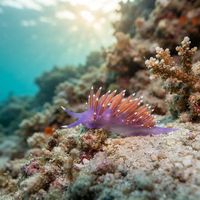
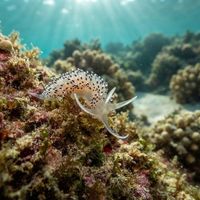
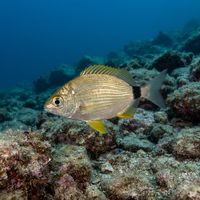
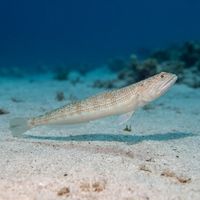
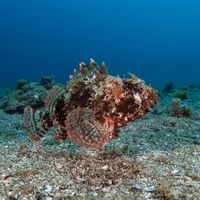
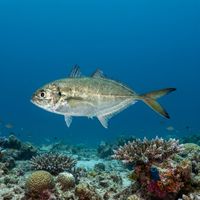
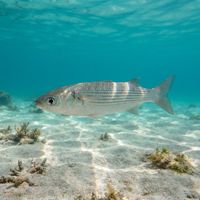
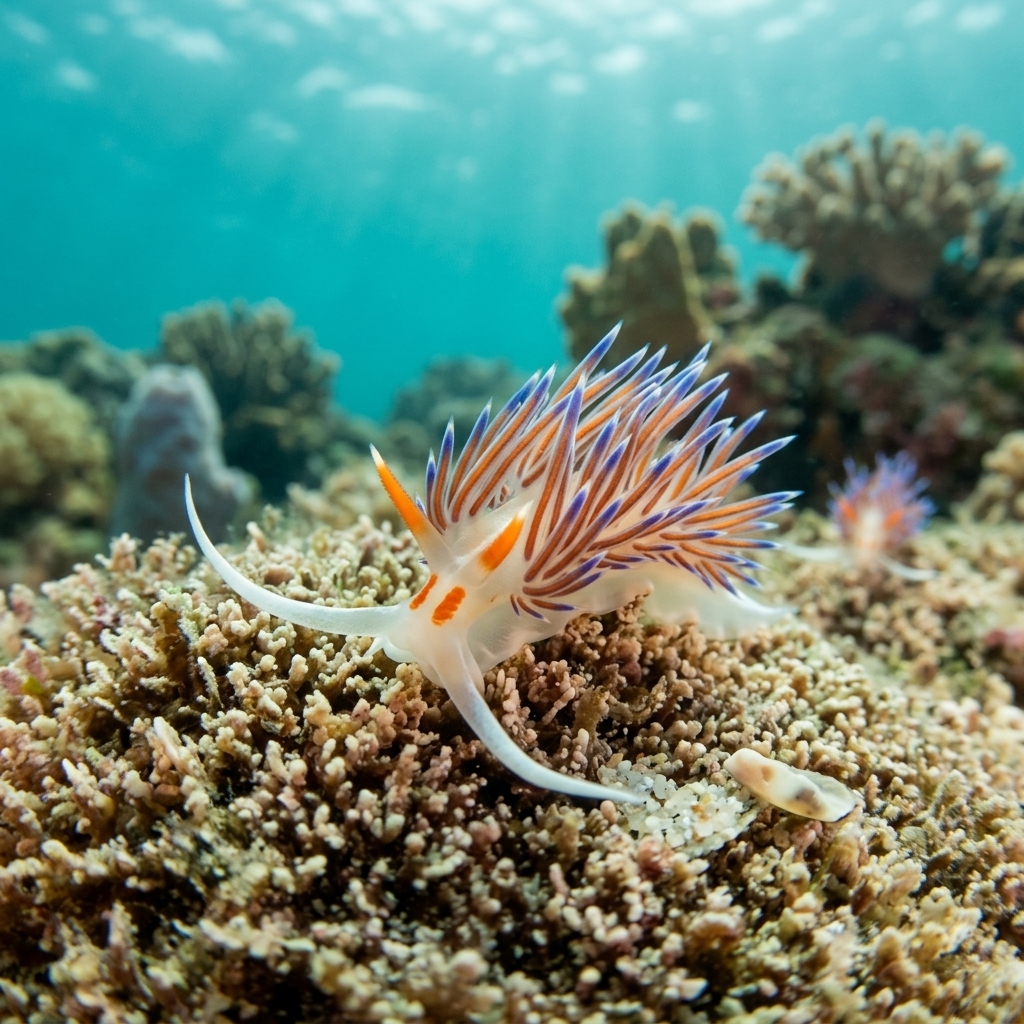
The Common Octopus, European Common Cuttlefish, Mediterranean Moray, and Flying Gurnard are observed across virtually all sites in St Paul's Bay. Divers also regularly encounter the Grey Triggerfish, European Parrotfish, Scorpionfish, Bluespotted Cornetfish, and a range of nudibranchs including the Cratena Slug and Mediterranean Violet Aeolid.
Yes. Sirens Bay, Mistra Bay, and House Reef at DiveBase are all rated for beginners and offer shore entry. These sites are shallow, sheltered, and well suited to those on introductory or training dives. The wreck and deeper reef sites, by contrast, are rated intermediate to advanced.
The Imperial Eagle is a former ferry scuttled as an artificial reef and now also functions as a natural reef structure, sitting across a wide depth range. HMS Stubborn is a wartime submarine wreck rated for advanced divers only. The Lockheed P2V Neptune is an aircraft wreck, with the remaining fuselage resting at depth. All three are boat-access only.
Both options are available. Mistra Bay, Sirens Bay, Qawra Point, and House Reef at DiveBase are all accessible from shore. The major wreck sites, including the Imperial Eagle, HMS Stubborn, and the Lockheed P2V Neptune, require a boat. Several local operators based in the area run regular boat charters to these sites.