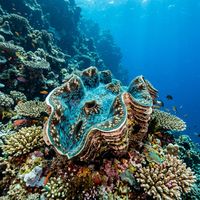
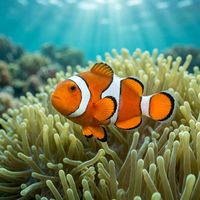
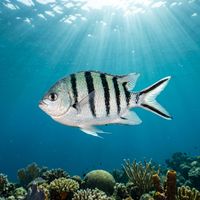
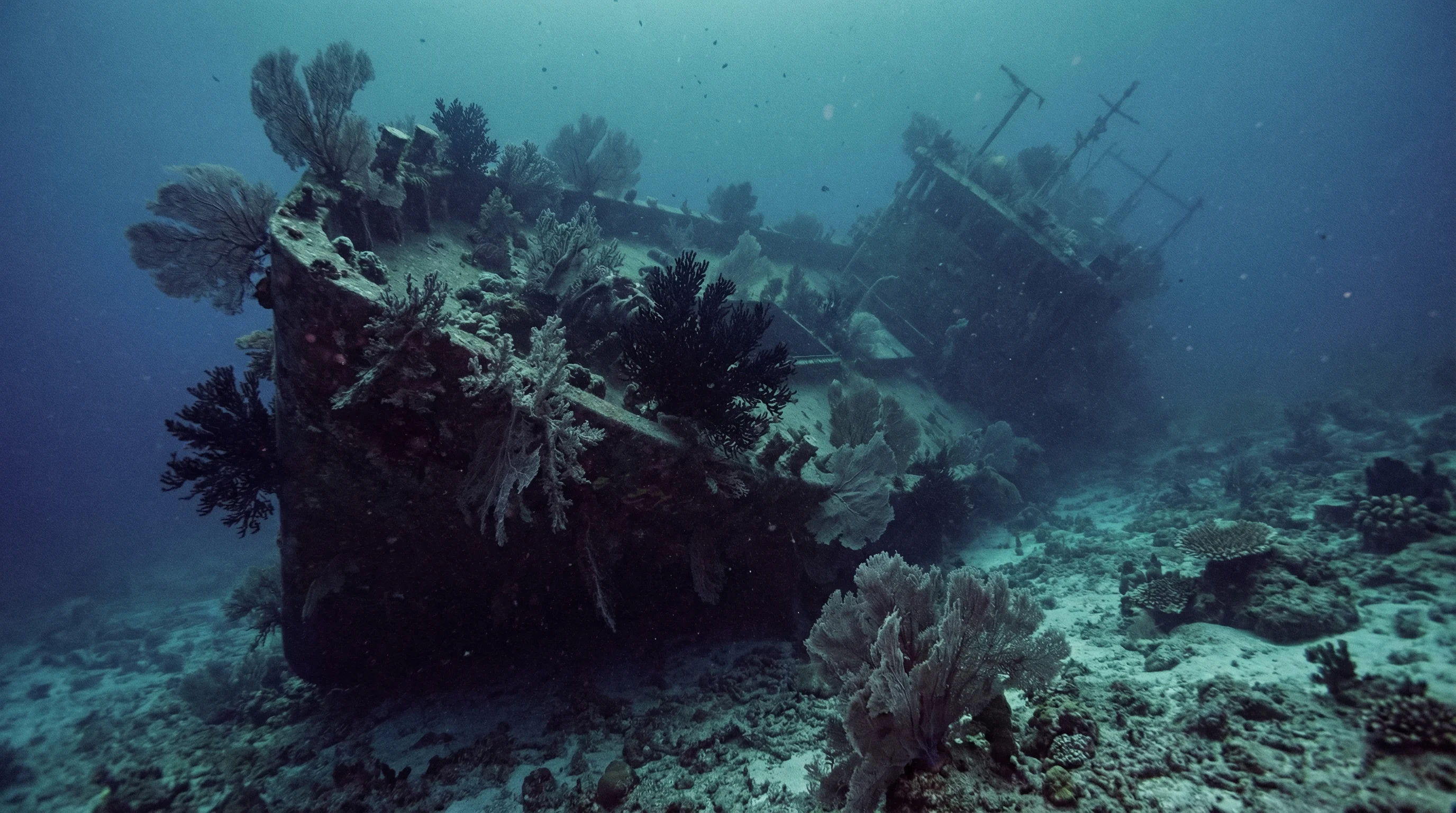
Peninsular Malaysia's West Coast divides neatly between two sub-areas: Langkawi, which holds the great majority of sites, and the smaller Pangkor cluster. The site mix leans heavily toward reef diving, with a sunken police vessel and muck sites adding variety. Most sites suit beginners, with boat access the norm. The Indo-Pacific Sergeant Major is observed across every site, while Giant Clam and Common Clownfish are reliable finds. Visibility varies and can run low at certain sites, so conditions shape planning. April and November mark the clearest peaks in the best-months data.
2 areas

Monthly water temperature across Peninsular Malaysia: West Coast's sites, from satellite sea-surface data corrected for depth. The band shows the site-to-site spread.
Water temperature stays warm throughout the year with only a narrow range from the cooler months of January, February and December up to the warmer peak around April through June. The best-months data points strongly to April and November as prime periods, likely reflecting calmer seas between the wetter seasonal patterns. Visibility can be variable and occasionally limited at certain sites, so timing your visit to the drier, calmer windows makes a meaningful difference.
19 operators
Kuala Lumpur, Malaysia
Kuala Lumpur, Malaysia
Petaling Jaya, Malaysia
Water temperature around Peninsular Malaysia: West Coast ranges from about 29°C in January to 31°C in April, based on satellite sea-temperature data for its dive sites.
With water around 29–31°C, a rash guard or 3mm shorty works in Peninsular Malaysia: West Coast year-round.
Fin maps 26 sites in Peninsular Malaysia: West Coast (21 scuba diving sites and 9 snorkelling spots, with some suited to both), organised into 2 areas.
Across Peninsular Malaysia: West Coast's dive sites, April and November are most often reported as the best months to visit.
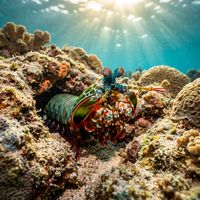
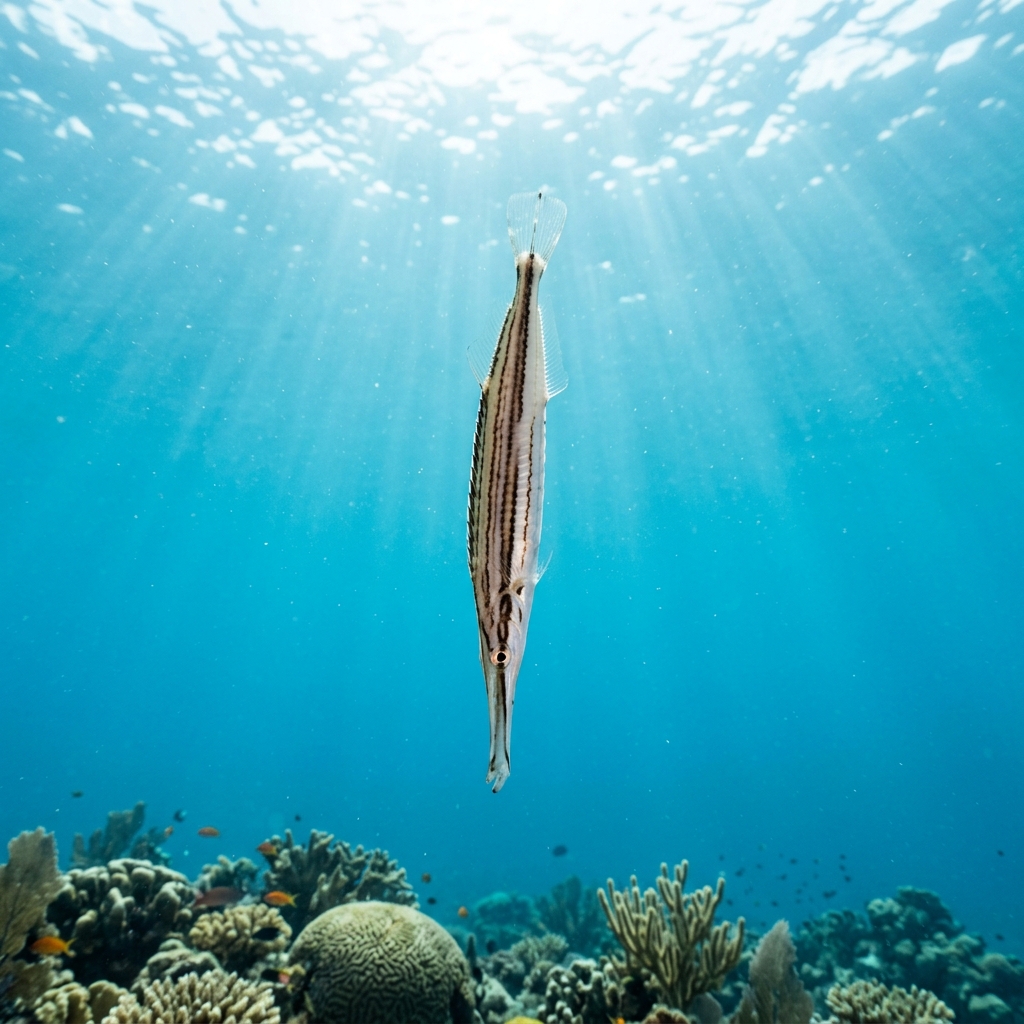
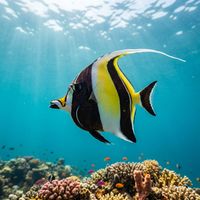
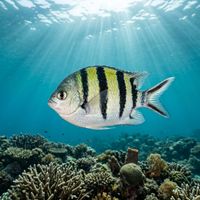
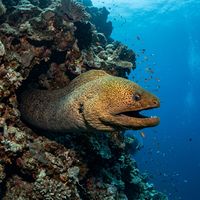
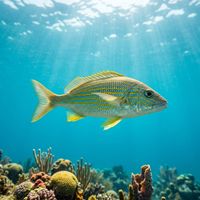
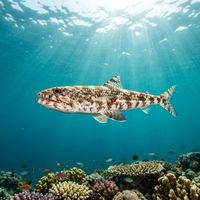
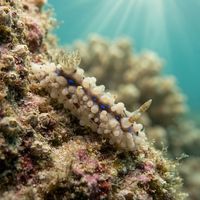
The Indo-Pacific Sergeant Major is observed across virtually every site in the region. Common Clownfish, Giant Clam, Mantis Shrimp, Moorish Idol, Scissortail Sergeant and Lizardfish are all regularly recorded. Less frequent but observed finds include Giant Moray, Seahorse, Frogfish, Scorpionfish and Green Sea Turtle.
The majority of dive sites here are rated for beginners, covering a wide range of reef types from shallow hard-coral gardens to moderate-depth pinnacles. A handful of sites, including Razorreef and Lembu Rock, are rated intermediate and involve variable currents or conditions that require solid buoyancy control. First-time divers will find plenty of options across both Langkawi and Pangkor.
Langkawi holds the vast majority of the region's sites and operators, offering the widest choice of reef dives, a muck site at The Stables, and a purpose-sunk wreck in the Police Wreck. Pangkor is a much smaller cluster with only two sites, including the sheltered snorkelling cove at Emerald Cove on Pangkor Laut. Divers focused on variety and operator choice will find Langkawi the more practical base.
Most sites require boat access, which is the standard arrangement across both Langkawi and Pangkor. The Police Wreck offers both boat and shore entry options, and House Reef is accessible directly from shore. Emerald Cove at Pangkor Laut is also a shore entry, making it easy for snorkellers staying on the island to reach without a boat.