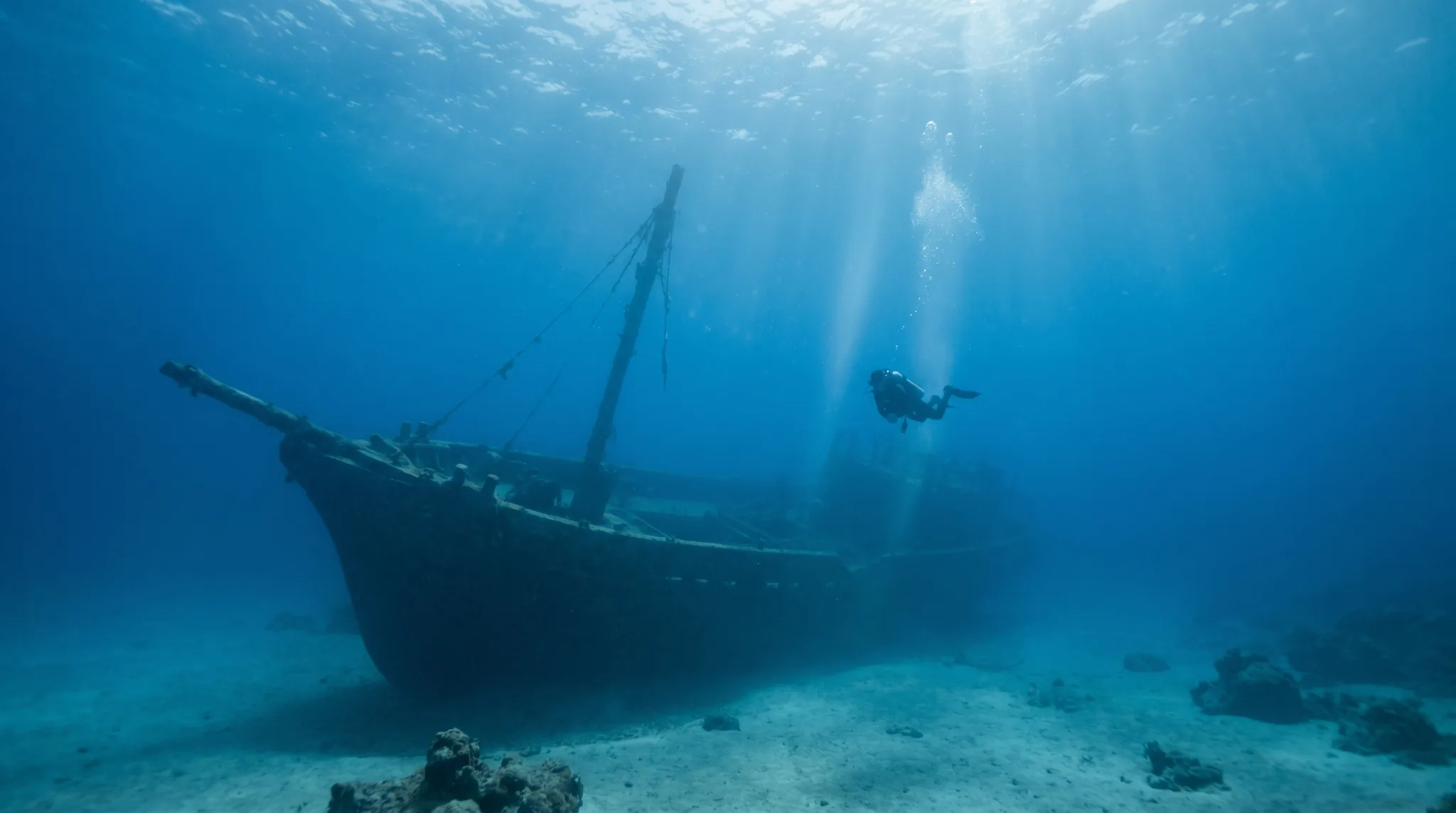
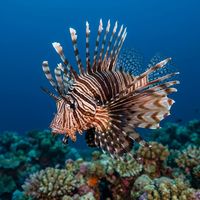
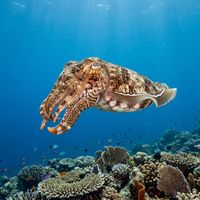
Mantanani Island offers a reef diving and snorkelling experience defined by exceptional macro life alongside larger, occasional visitors. The Bluespotted Fantail Ray, Peacock Mantis Shrimp, Chromodoris Nudibranch and Zebra Lionfish are encountered consistently across sites. Broadclub Cuttlefish and both Blackback and Common Clownfish are similarly reliable. Green Sea Turtle and Whale Shark appear on a portion of sites, adding a wider-scale draw. Warm water persists year-round, with conditions peaking from March through October.

Monthly water temperature across Mantanani Island's sites, from satellite sea-surface data corrected for depth. The band shows the site-to-site spread.
Water temperature stays warm throughout the year, dipping only slightly in the cooler months of January and February. Conditions are at their most favourable from March through to October, when visibility tends to be at its best and seas are generally calmer. November and December see reduced diver activity, suggesting conditions can be less reliable in those months.
24 more sites to explore
Water temperature around Mantanani Island ranges from about 27°C in February to 30°C in May, based on satellite sea-temperature data for its dive sites.
With water around 27–30°C, a rash guard or 3mm shorty works in Mantanani Island year-round.
Fin maps 24 sites in Mantanani Island (22 scuba diving sites and 8 snorkelling spots, with some suited to both).
The reef hosts a wide range of consistently observed species. Bluespotted Fantail Ray, Zebra Lionfish, Chromodoris Nudibranch, Broadclub Cuttlefish and Painted Spiny Lobster are all very commonly encountered. Whale Shark and Green Sea Turtle appear at a portion of sites, making them a notable but not guaranteed highlight.
The site mix includes both snorkel-only and combined dive-and-snorkel sites, suggesting a range of depths and conditions across the island. The consistently warm water and calm seasonal conditions from March through October make it a comfortable environment for those newer to diving. Beginners should confirm specific site suitability with local operators before entering the water.
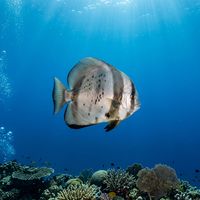
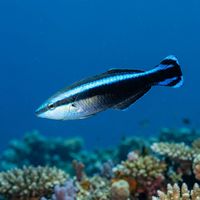
Yes, a number of sites at Mantanani Island are listed for both activities, meaning snorkellers and divers can share the same reef. Snorkellers have access to species such as Common Clownfish, Eastern Triangular Butterflyfish and Bluestreak Cleaner Wrasse without needing to dive deep. This makes the island a practical choice for mixed-ability groups.
The island's signature species include the Peacock Mantis Shrimp, Bluespotted Fantail Ray, Zebra Lionfish and Chromodoris Nudibranch, all of which are observation-backed and very commonly recorded. Green Sea Turtle and Whale Shark round out the signature list as occasional but documented encounters. The density of macro life across virtually all sites is a particular draw.