Kyphosus cinerascens
Grey-blue reef schoolers common in Thailand, the Maldives and Egypt's Red Sea, comfortable year-round in 25-29C water.
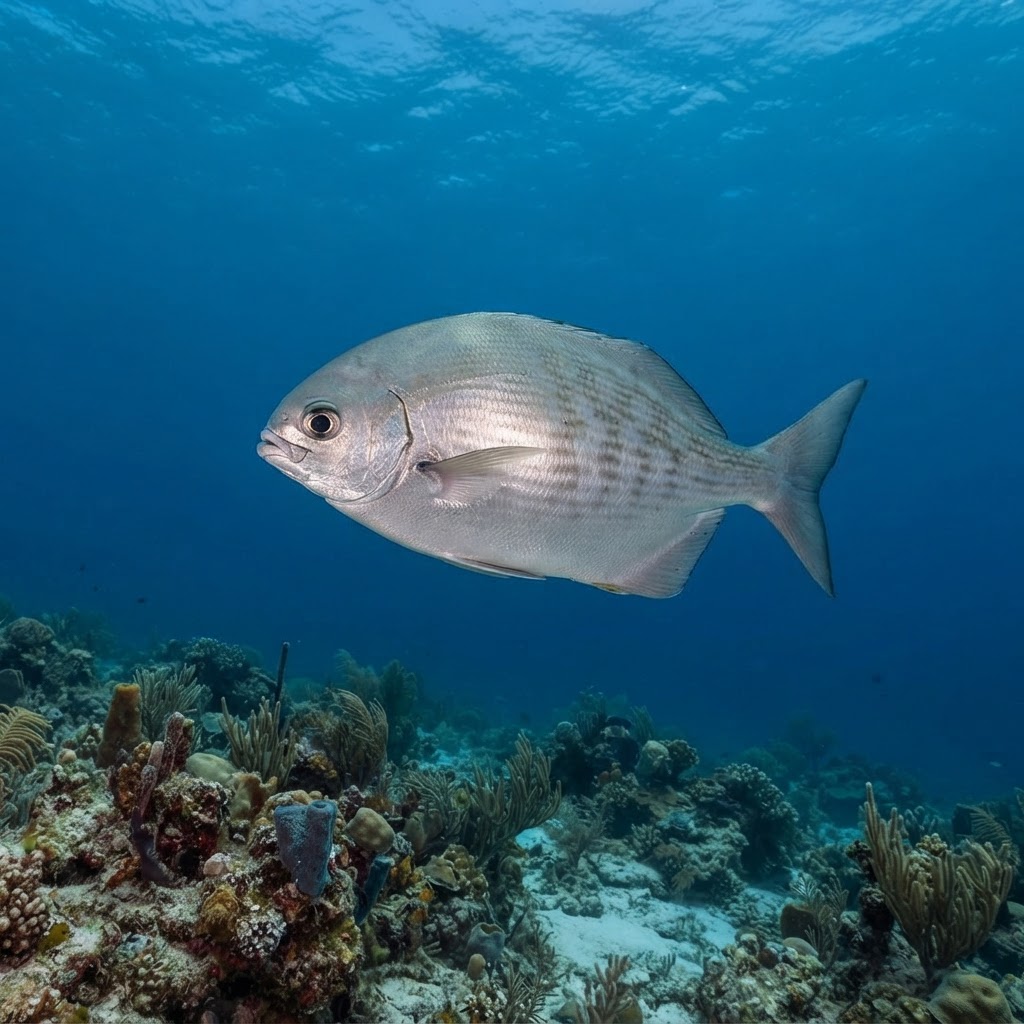
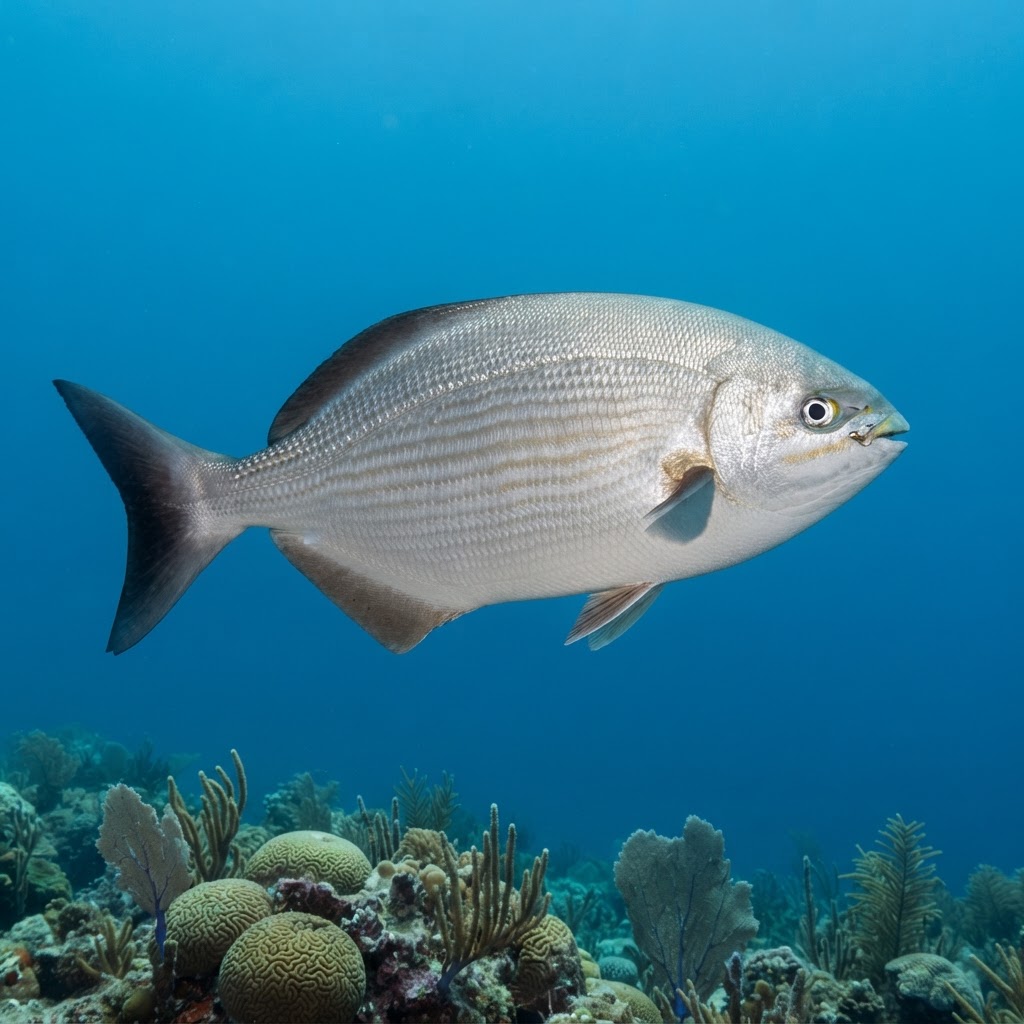
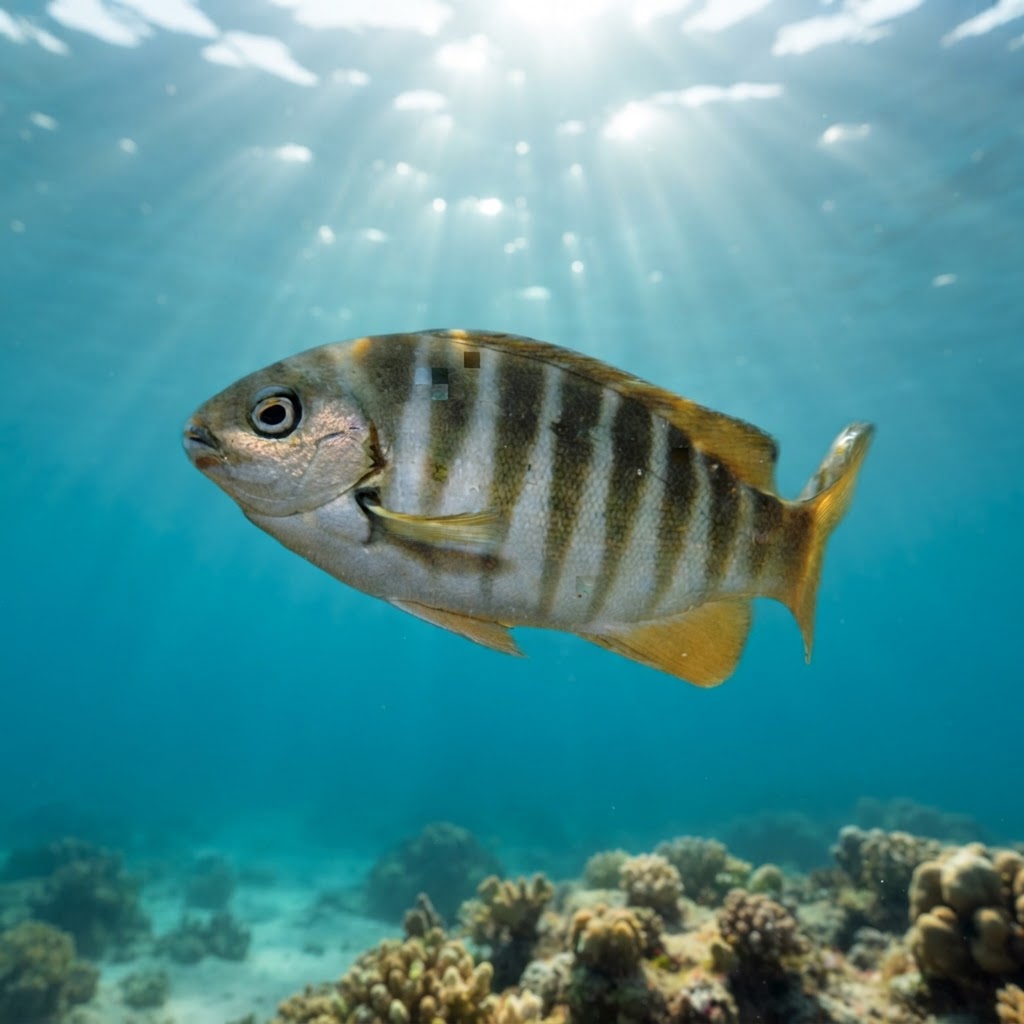
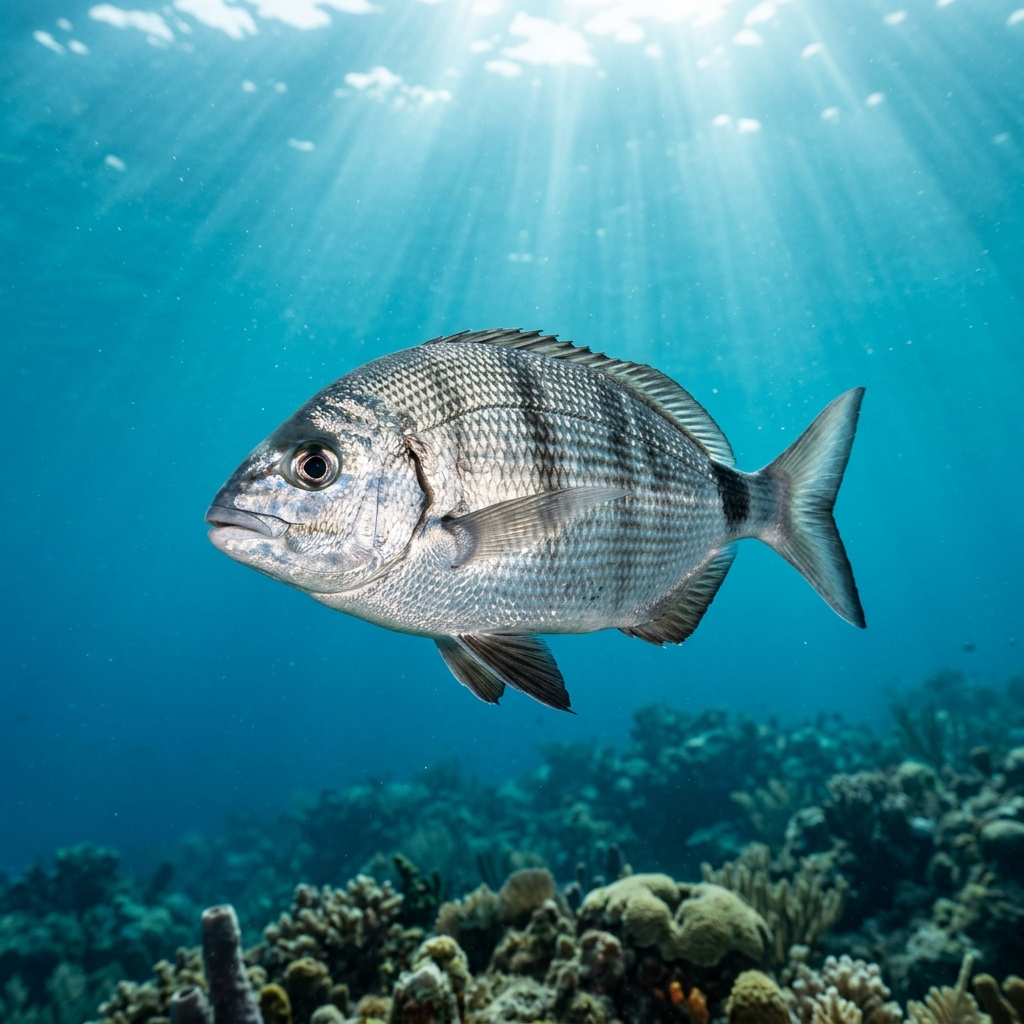
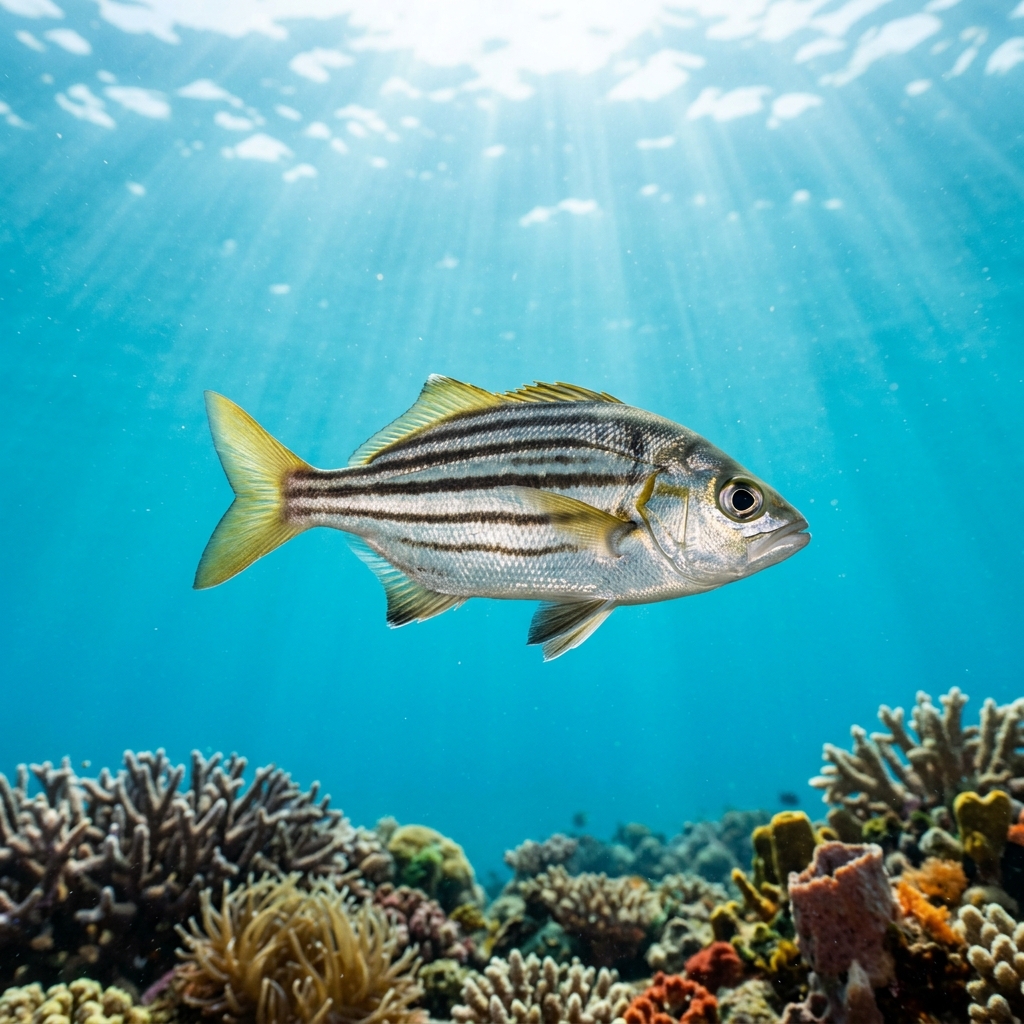
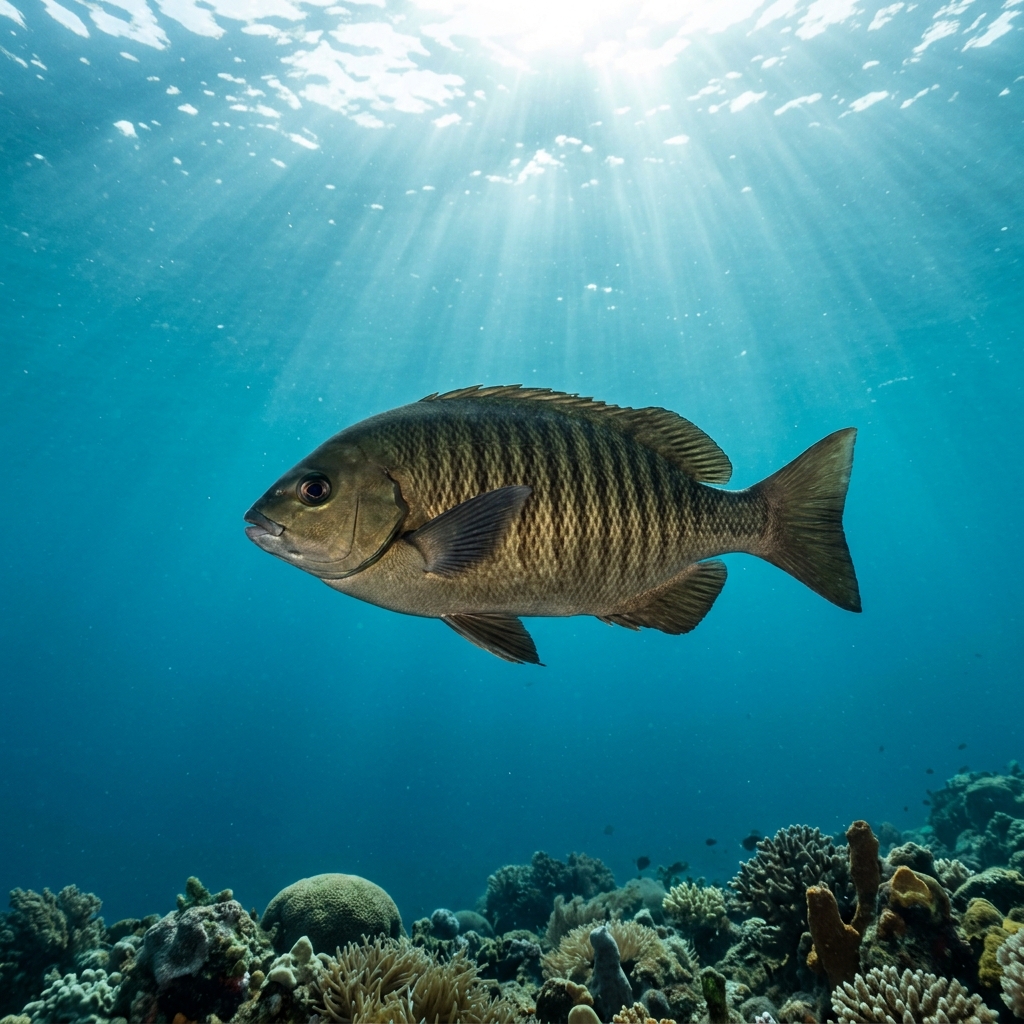
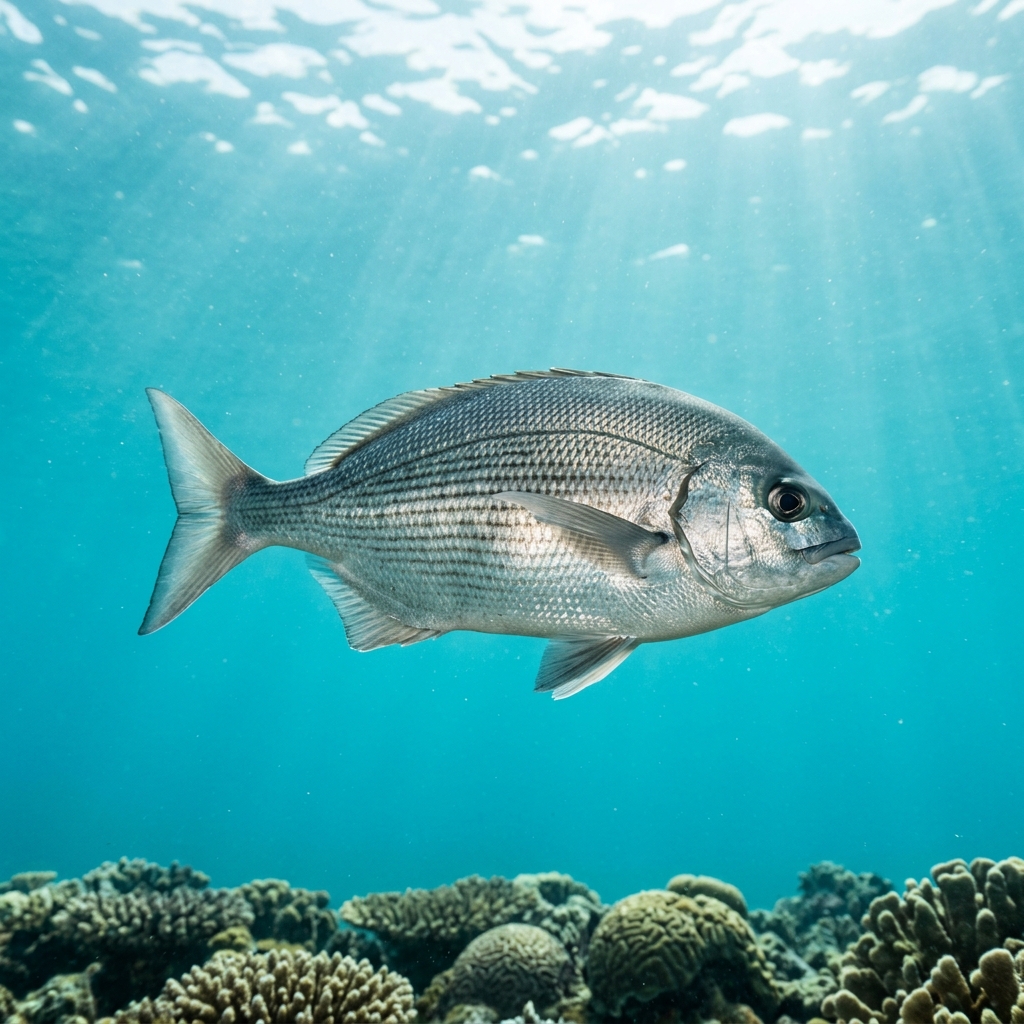
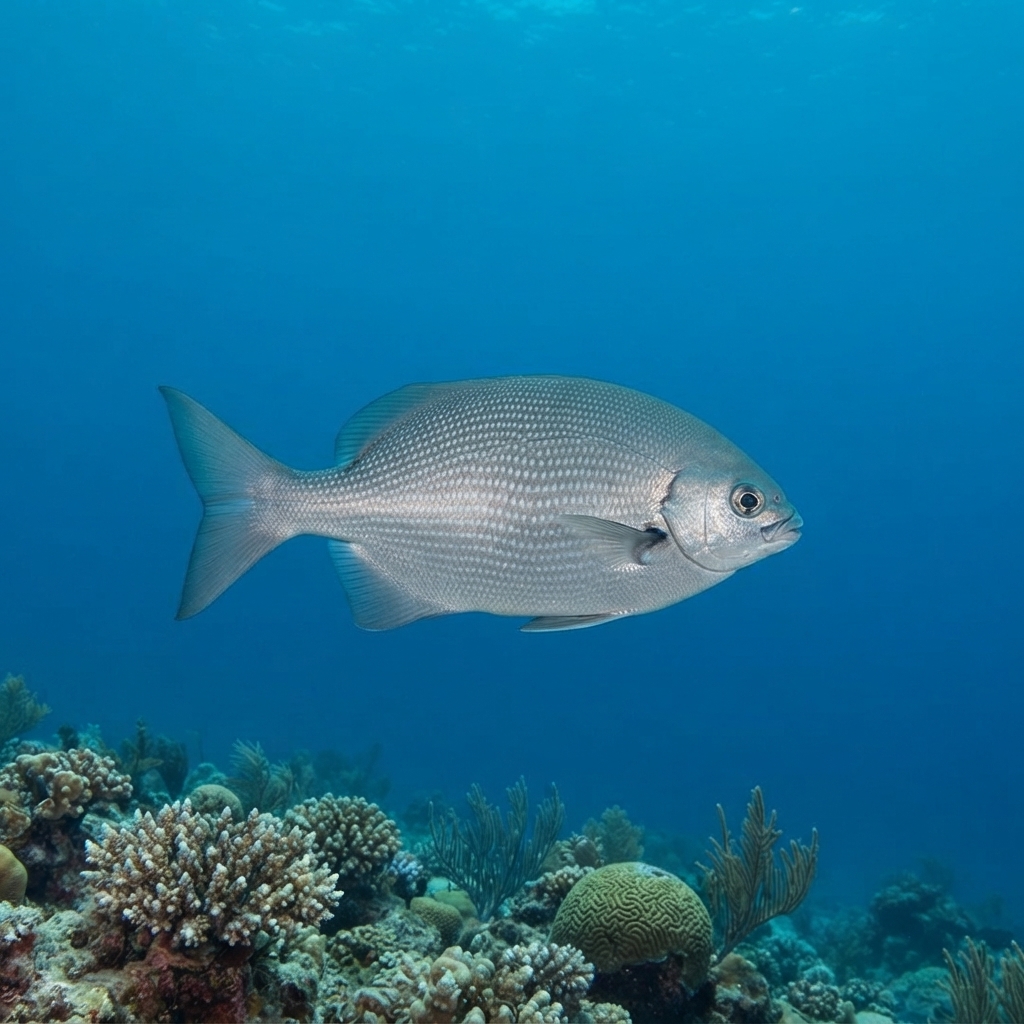
Grows to around 37cm, with a deep, oval-shaped body that's grey to bluish-grey overall and marked with faint darker stripes running along the flanks. Look for the small mouth set low on a blunt head and the way it tends to hang in loose groups just off the reef rather than sitting tight to structure. There's no dramatic pattern here, so the overall body shape and steel-grey tone are usually your quickest cue.
Divers most often find it cruising in loose, unhurried groups over reef flats and slopes, picking at algae and small invertebrates along rocky or coral substrate. It tends to keep a bit of distance from divers rather than schooling tightly for cover, and sightings skew toward mid-water over reef rather than deep or open water. Most logs classify it as uncommon at any given site, so it's a nice bonus fish rather than a guaranteed feature of the dive.
As an omnivore it grazes on both algae and small invertebrates, giving it a broader diet than many strictly herbivorous reef grazers and a useful role keeping algal growth in check on the reef.
No clear seasonal pattern shows up in the sighting data, and with a comfortable range of 24.7 to 29C, reefs across its range stay within that window most of the year, so it's a fair bet on any trip.
Reef neighbours a diver could mistake it for. Use the identification notes above to tell them apart.
This is a reliable sighting across a wide spread of tropical reefs, with the strongest logs coming from Thailand (especially Khao Lak, Koh Lipe and Phuket), the Maldives' Central Atolls, Japan's Okinawa and Ryukyu Islands, and Egypt's South Sinai and Marsa Alam. It also turns up consistently around Hawaii, the Seychelles, Indonesia and Cuba, making it one of the more widely distributed reef chubs on the encyclopedia.
Mapping where Blue Sea Chub is logged…
Strongest sightings come from Thailand (Khao Lak, Koh Lipe, Phuket), the Maldives' Central Atolls, Okinawa in Japan, and Egypt's South Sinai and Marsa Alam. It's also logged reliably in Hawaii, the Seychelles, Indonesia and Cuba.
There's no strong season in the sighting data, and the water temperatures it favours, roughly 25 to 29C, hold year-round across most of its range, so it can turn up on any trip.
Look for a deep, oval-bodied fish around 37cm long, grey to bluish-grey with faint pale stripes, usually seen in loose groups drifting over reef rather than hugging cover.
They typically reach around 37cm in length, a solid mid-sized reef fish that's easy to spot once you know its grey-blue, deep-bodied profile.
No, they're not considered dangerous to divers. They're calm, grazing reef fish that keep a comfortable distance and pose no threat.
Site and sighting data is aggregated from diver logs, iNaturalist and GBIF. For taxonomy and conservation status:
Bermuda Chub
450 sites